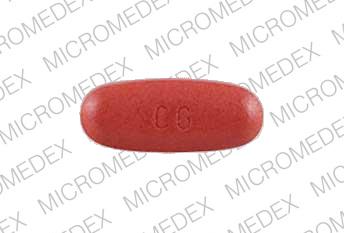
Diovan HCT Side Effects
Generic name: hydrochlorothiazide / valsartan
Medically reviewed by Drugs.com. Last updated on Mar 28, 2025.
Note: This document provides detailed information about Diovan HCT Side Effects associated with hydrochlorothiazide / valsartan. Some dosage forms listed on this page may not apply specifically to the brand name Diovan HCT.
Applies to hydrochlorothiazide / valsartan: oral tablet.
Important warnings
This medicine can cause some serious health issues
Oral route (tablet)
Drugs with direct action on the renin-angiotensin system can cause injury or death to the developing fetus.
Discontinue valsartan/hydrochlorothiazide therapy as soon as possible when pregnancy occurs.
Precautions
It is very important that your doctor check your progress at regular visits to make sure this medicine is working properly. Blood and urine tests may be needed to check for unwanted effects.
Using this medicine while you are pregnant can harm your unborn baby, especially in your second or third trimester. Use an effective form of birth control to keep from getting pregnant. If you think you have become pregnant while using this medicine, tell your doctor right away. You may need to stop using this medicine.
This medicine may cause dizziness, lightheadedness, or fainting, especially when you get up suddenly from a lying or sitting position. Make sure you know how you react to this medicine before you drive, use machines, or do anything else that could be dangerous if you are dizzy. If you feel dizzy, lie down so you do not faint. Then sit for a few moments before standing to prevent the dizziness from returning. If you faint, call your doctor right away.
Check with your doctor right away if you become sick while taking this medicine, especially if you have severe nausea, vomiting, or diarrhea that does not stop. These conditions may cause you to lose too much water and lead to low blood pressure. You can also lose water by sweating, so drink plenty of water during exercise or in hot weather.
Check with your doctor right away if blurred vision, difficulty with reading, eye pain, or any other change in vision occurs during or after treatment. This could be a sign of a serious eye problem. Your doctor may want an eye doctor to check your eyes.
This medicine may affect blood sugar levels. Diabetic patients may notice a change in the results of blood or urine glucose tests. Talk to your doctor if you have any questions.
Hyperkalemia (high potassium in the blood) may occur while you are using this medicine. Check with your doctor right away if you have stomach pain, confusion, irregular heartbeat, nausea or vomiting, nervousness, numbness or tingling in the hands, feet, or lips, trouble breathing, or weakness or heaviness of the legs. Do not use medicines, supplements, or salt substitutes containing potassium without first checking with your doctor.
This medicine may increase your risk of getting skin cancer (eg, non-melanoma skin cancer). Avoid sun exposure. Use a sunscreen when you are outdoors. Avoid sunlamps and tanning beds. Talk to your doctor if you have concerns about this risk.
Alcohol, narcotic pain relievers, or sleeping pills may cause you to feel more lightheaded, dizzy, or faint when used with this medicine. Tell your doctor if you are drinking alcohol or using pain relievers or sleeping pills.
Do not take other medicines unless they have been discussed with your doctor. This especially includes prescription or nonprescription (over-the-counter [OTC]) medicines for appetite control, asthma, colds, cough, hay fever, or sinus problems, and herbal or vitamin supplements.
Serious side effects of Diovan HCT
Along with its needed effects, hydrochlorothiazide / valsartan may cause some unwanted effects. Although not all of these side effects may occur, if they do occur they may need medical attention.
Check with your doctor immediately if any of the following side effects occur while taking hydrochlorothiazide / valsartan:
Less common side effects
- cold or flu-like symptoms
- difficulty with swallowing
- sore throat
- tender or swollen lymph nodes in the neck
- unusual tiredness or weakness
Rare side effects
- bloating or stomach pain
- blurred vision
- chills
- eye pain
- fainting
- fever
- flushing
- itching, pain, redness, or swelling of the eye or eyelid
- joint stiffness or swelling, especially if sudden
- nausea
- skin rash or hives
- trouble breathing
- vomiting
- watering of the eyes
- yellow eyes or skin
Incidence not known
- confusion
- dark urine
- decreased urine output
- dizziness
- drowsiness
- dry mouth
- fast or irregular heartbeat
- large, hive-like swelling on the face, eyelids, lips, tongue, throat, hands, legs, feet, or sex organs
- light-colored stools
- lightheadedness
- muscle cramps, spasms, pain, or stiffness
- nervousness
- numbness or tingling in the hands, feet, or lips
- persistent non-healing sore
- pink growth
- reddish patch or irritated area
- seizures
- shiny bump
- thirst
- weakness or heaviness of the legs
- white, yellow or waxy scar-like area
Other side effects of Diovan HCT
Some side effects of hydrochlorothiazide / valsartan may occur that usually do not need medical attention. These side effects may go away during treatment as your body adjusts to the medicine. Also, your health care professional may be able to tell you about ways to prevent or reduce some of these side effects.
Check with your health care professional if any of the following side effects continue or are bothersome or if you have any questions about them:
Less common side effects
- cough
- diarrhea (mild)
- headache
Rare side effects
- anxiety
- increased sensitivity to sunlight
- increased sweating
- redness of the face or neck
- reduced sexual performance or drive
Incidence not known
- hair loss or thinning of the hair
See also:
For healthcare professionals
Applies to hydrochlorothiazide / valsartan: oral tablet.
Nervous system adverse events
- Common (1% to 10%): Headache, fatigue, dizziness
- Rare (less than 0.1%): Vertigo, tinnitus[Ref]
Hypersensitivity
- Rare (less than 0.1%): Nausea, diarrhea, rash, acute pulmonary edema, interstitial nephritis or cystitis, anaphylaxis[Ref]
Rare cases of interstitial nephritis have been associated with the use of HCTZ. Although HCTZ has been used to treat nephrogenic diabetes insipidus, a case report in which the drug was believed to have caused this condition has been reported.[Ref]
Renal
- Rare (less than 0.1%): Renal insufficiency, azotemia[Ref]
In multiple-dose studies in hypertensive patients with stable renal insufficiency and renovascular hypertension, the use of valsartan alone had no clinically significant effects of glomerular filtrate rate, filtration fraction, creatinine clearance, or renal plasma flow. The use of HCTZ has been associated with the development of pre-renal azotemia. Pretreatment volume repletion is recommended prior to initiating therapy.[Ref]
Cardiovascular
- Rare (less than 0.1%): Palpitations, chest pain, angioedema
- Frequency not reported: Cardiac arrhythmias (including ventricular ectopy and complete AV heart block)[Ref]
Chest pain was reported in more than 2% of patients who were taking this combination drug in controlled trials, but this incidence was not significantly different compared with the incidence of chest pain among placebo patients.[Ref]
Respiratory
- Common (1% to 10%): Cough (valsartan component)
- Uncommon (0.1% to 1%): Dyspnea, acute pulmonary edema[Ref]
Angiotensin II receptor blockade, unlike ACE inhibition, has no impact on the processing of peptides such as bradykinin and substance P, two peptides able to induce cough.
Bronchospasm, dyspnea, and epistaxis have rarely been associated with the use of this drug.[Ref]
Dermatologic
- Frequency not reported: Erythema annular centrifugum, acute eczematous dermatitis, morbilliform, leukocytoclastic vasculitis, phototoxic dermatitis, subacute cutaneous lupus erythematosus-like condition, pruritus, rash[Ref]
Metabolic
- Rare (0.01% to 0.1%): Hypokalemia, hyperkalemia, metabolic alkalosis, hyponatremia, hypomagnesemia, hypercalcemia, hyperglycemia, elevated serum uric acid levels, elevated serum cholesterol[Ref]
Since HCTZ may increase total serum cholesterol by 11%, LDL lipoprotein cholesterol by 12%, and VLDL lipoprotein cholesterol levels by 50%, and may reduce insulin secretion, it should be used with caution in diabetic patients and in those with hypercholesterolemia. True glucose intolerance may develop in approximately 3% of patients. It is typically reversible within six months after discontinuation of therapy.
Hyperuricemia may be an important consideration in patients with a history of gout. Hypophosphatemia and low serum magnesium concentrations may occur, but are usually clinically insignificant except in malnourished patients.[Ref]
Gastrointestinal
- Uncommon (0.1% to 1%): Diarrhea, constipation, appetite changes, dry mouth, dyspepsia, nausea, vomiting, flatulence, pancreatitis, cholecystitis[Ref]
Thiazide diuretics may increase serum cholesterol and triglycerides, resulting in an increased risk of cholesterol gallstone formation. Reports of bowel strictures associated with thiazide ingestion were reported in the 1960s (although patients in these reports were on a combination HCTZ-potassium product).[Ref]
Immunologic
- Rare (0.01% to 0.1%): Allergic vasculitis, hemolytic anemia[Ref]
Endocrine
- Frequency not reported: Glucose intolerance, altered lipid profile[Ref]
Use of valsartan alone has not been associated with significant changes in serum lipids or glucose concentrations. However, use of HCTZ may be associated with increases in total serum cholesterol by 11%, LDL lipoprotein cholesterol by 12%, and VLDL lipoprotein cholesterol levels by 50%. In addition, use of HCTZ may be associated with reduced insulin secretion. Therefore, caution is recommended when giving this combination drug to diabetic patients or those with hypercholesterolemia.
Hyperuricemia may be an important consideration in patients with a history of gout. Hypophosphatemia and low serum magnesium concentrations may occur, but are usually clinically insignificant except in malnourished patients.
A prospective study of 34 patients who received oral thiazide diuretics for 14 years without interruption revealed significantly increased average fasting blood glucose levels. Withdrawal of thiazide therapy for 7 months in 10 of the patients resulted in average reductions of 10% in fasting blood glucose and 25% in 2-hour glucose tolerance test values. A control group was not reported.[Ref]
Musculoskeletal
- Common (1% to 10%): Back pain, muscle cramps, myalgia
Valsartan:
- Postmarketing reports: Rhabdomyolysis[Ref]
Hematologic
- Common (1% to 10%): Neutropenia
- Uncommon (0.1% to 1%): Hematocrit decreased, hemoglobin decreased
- Rare (0.01% to 0.1%): Immune complex hemolytic anemia
- Postmarketing reports: Thrombocytopenia[Ref]
Psychiatric
- Rare (less than 0.1%): Anxiety, depression, decreased libido, insomnia, paresthesias, somnolence[Ref]
Genitourinary
- Rare (less than 0.1%): Impotence, dysuria[Ref]
Hepatic
- Uncommon (0.1% to 1%): Increases in hepatic enzymes (usually reversible)[Ref]
Ocular
- Rare (less than 0.1%): Abnormal vision, idiosyncratic reactions to hydrochlorothiazide resulting in acute transient myopia and acute angle-closure glaucoma[Ref]
References
1. Gould L, Reddy CV, Zen B, Singh BK (1980) "Life-threatening reaction to thiazides." N Y State J Med, 80, p. 1975-6
2. Weir MR, Wright JT, Jr Ferdinand KC, Cook CA, Champion D, Wong S, Jenkins PA, Kong BW (1993) "Comparison of the efficacy and metabolic effects of nicardipine and hydrochlorothiazide in hypertensive black men and women." J Hum Hypertens, 7, p. 141-7
3. Holwerda NJ, Fogari R, Angeli P, et al. (1996) "Valsartan, a new angiotensin II antagonist for the treatment of essential hypertension: efficacy and safety compared with placebo and enalapril." J Hypertens, 14, p. 1147-115
4. Oparil S, Dyke S, Harris F, et al. (1996) "The efficacy and safety of valsartan compared with placebo in the treatment of patients with essential hypertension." Clin Ther, 18, p. 797-810
5. Kaplan R, Claudio M, Kepes E, Gu XF (1996) "Intravenous guanethidine in patients with reflex sympathetic dystrophy." Acta Anaesthesiol Scand, 40, p. 1216-22
6. (2001) "Product Information. Diovan HCT (hydrochlorothiazide-valsartan)." Novartis Pharmaceuticals
7. Langtry HD, McClellan KJ (1999) "Valsartan hydrochlorothiazide." Drugs, 57, p. 751-5
8. Wellington K, Faulds DM (2002) "Valsartan/Hydrochlorothiazide: a review of its pharmacology, therapeutic efficacy and place in the management of hypertension." Drugs, 62, p. 1983-2005
9. Magil AB, Ballon HS, Cameron EC, Rae A (1980) "Acute interstitial nephritis associated with thiazide diuretics. Clinical and pathologic observations in three cases." Am J Med, 69, p. 939-43
10. Hoss DM, Nierenberg DW (1988) "Severe shaking chills and fever following hydrochlorothiazide administration." Am J Med, 85, p. 747
11. Klein MD (1987) "Noncardiogenic pulmonary edema following hydrochlorothiazide ingestion." Ann Emerg Med, 16, p. 901-3
12. Beaudry C, Laplante L (1973) "Severe allergic pneumonitis from hydrochlorothiazide." Ann Intern Med, 78, p. 251-3
13. Hoegholm A, Rasmussen SW, Kristensen KS (1990) "Pulmonary oedema with shock induced by hydrochlorothiazide: a rare side effect mimicking myocardial infarction." Br Heart J, 63, p. 186
14. Biron P, Dessureault J, Napke E (1991) "Acute allergic interstitial pneumonitis induced by hydrochlorothiazide [published erratum appears in Can Med Assoc J 1991 Sep 1;145(5):391]." Can Med Assoc J, 145, p. 28-34
15. Dorn MR, Walker BK (1981) "Noncardiogenic pulmonary edema associated with hydrochlorothiazide therapy." Chest, 79, p. 482-3
16. Magil AB (1983) "Drug-induced acute interstitial nephritis with granulomas." Hum Pathol, 14, p. 36-41
17. Prupas HM, Brown D (1983) "Acute idiosyncratic reaction to hydrochlorothiazide ingestion." West J Med, 138, p. 101-2
18. Grace AA, Morgan AD, Strickland NH (1989) "Hydrochlorothiazide causing unexplained pulmonary oedema." Br J Clin Pract, 43, p. 79-81
19. Levay ID (1984) "Hydrochlorothiazide-induced pulmonary edema." Drug Intell Clin Pharm, 18, p. 238-9
20. Goette DK, Beatrice E (1988) "Erythema annulare centrifugum caused by hydrochlorothiazide-induced interstitial nephritis." Int J Dermatol, 27, p. 129-30
21. Alted E, Navarro M, Cantalapiedra JA, Alvarez JA, Blasco MA, Nunez A (1987) "Non-cardiogenic pulmonary edema after oral ingestion of hydrochlorothiazide ." Intensive Care Med, 13, p. 364-5
22. Frierson JH, Marvel SL, Thomas GM (1995) "Hydrochlorothiazide-induced pulmonary edema with severe acute myocardial dysfunction." Clin Cardiol, 18, p. 112-4
23. Fine SR, Lodha A, Zoneraich S, Mollura JL (1995) "Hydrochlorothiazide-induced acute pulmonary edema." Ann Pharmacother, 29, p. 701-3
24. Geanon JD, Perkins TW (1995) "Bilateral acute angle-closure glaucoma associated with drug sensitivity to hydrochlorothiazide." Arch Ophthalmol, 113, p. 1231-2
25. Biron P (1996) "Thiazide-induced pulmonary edema." Ann Pharmacother, 30, p. 415-6
26. Fine SR, Lodha A, Zoneraich S, Mollura JL (1996) "Thiazide-induced pulmonary edema." Ann Pharmacother, 30, p. 416
27. Fichman MP, Vorherr H, Kleeman CR, Telfer N (1971) "Diuretic-induced hyponatremia." Ann Intern Med, 75, p. 853-63
28. Hakim R, Tolis G, Goltzman D, Meltzer S, Friedman R (1979) "Severe hypercalcemia associated with hydrochlorothiazide and calcium carbonate therapy." Can Med Assoc J, 121, p. 591-4
29. Itescu S, Haskell LP, Tannenberg AM (1987) "Thiazide-induced clinically significant hypophosphatemia ." Clin Nephrol, 27, p. 161-2
30. Delevett AF, Recalde M (1973) "Diuretic-induced renal colic." JAMA, 225, p. 992
31. Kone B, Gimenez L, Watson AJ (1986) "Thiazide-induced hyponatremia." South Med J, 79, p. 1456-7
32. Pollare T, Lithell H, Berne C (1989) "A comparison of the effects of hydrochlorothiazide and captopril on glucose and lipid metabolism in patients with hypertension." N Engl J Med, 321, p. 868-73
33. Papademetriou V, Fletcher R, Khatri IM, Freis ED (1983) "Diuretic-induced hypokalemia in uncomplicated systemic hypertension: effect of plasma potassium correction on cardiac arrhythmias." Am J Cardiol, 52, p. 1017-22
34. Miller M, Bachorik PS, McCrindle BW, Kwiterovich PO, Jr (1993) "Effect of gemfibrozil in men with primary isolated low high-density lipoprotein cholesterol: a randomized, double-blind, placebo- controlled, crossover study." Am J Med, 94, p. 7-12
35. Kreisberg RA (1993) "Low high-density lipoprotein cholesterol: what does it mean, what can we do about it, and what should we do about it?" Am J Med, 94, p. 1-6
36. Krishna GG, Narins RG (1988) "Hemodynamic consequences of diuretic-induced hypokalemia." Am J Kidney Dis, 12, p. 329-31
37. Mahabir RN, Laufer ST (1969) "Clinical evaluation of diuretics in congestive heart failure. A detailed study in four patients." Arch Intern Med, 124, p. 1-7
38. Holland OB, Kuhnert L, Pollard J, Padia M, Anderson RJ, Blomqvist G (1988) "Ventricular ectopic activity with diuretic therapy." Am J Hypertens, 1, p. 380-5
39. Mouallem M, Friedman E, Shemesh Y, Mayan H, Pauzner R, Farfel Z (1991) "Cardiac conduction defects associated with hyponatremia." Clin Cardiol, 14, p. 165-8
40. Grunwald MH, Halevy S, Livni E (1989) "Allergic vasculitis induced by hydrochlorothiazide: confirmation by mast cell degranulation test." Isr J Med Sci, 25, p. 572-4
41. Freis ED (1995) "The efficacy and safety of diuretics in treating hypertension." Ann Intern Med, 122, p. 223-6
42. Bjornberg A, Gisslen H (1965) "Thiazides: A cause of necrotising vasculitis?" Lancet, 2, p. 982-3
43. Reed BR, Huff JC, Jones SK, Orton PW, Lee LA, Norris DA (1985) "Subacute cutaneous lupus erythematosus associated with hydrochlorothiazide therapy." Ann Intern Med, 103, p. 49-51
44. Diffey BL, Langtry J (1989) "Phototoxic potential of thiazide diuretics in normal subjects." Arch Dermatol, 125, p. 1355-8
45. Robinson HN, Morison WL, Hood AF (1985) "Thiazide diuretic therapy and chronic photosensitivity." Arch Dermatol, 121, p. 522-4
46. Parodi A, Romagnoli M, Rebora A (1989) "Subacute cutaneous lupus erythematosus-like eruption caused by hydrochlorothiazide." Photodermatol, 6, p. 100-2
47. Goodrich AL, Kohn SR (1993) "Hydrochlorothiazide-induced lupus erythematosus: a new variant?" J Am Acad Dermatol, 28, p. 1001-2
48. Rich MW, Eckman JM (1995) "Can hydrochlorothiazide cause lupus?" J Rheumatol, 22, p. 1001
49. Brown CW, Deng JS (1995) "Thiazide diuretics induce cutaneous lupus-like adverse reaction." J Toxicol Clin Toxicol, 33, p. 729-33
50. Rosenberg L, Shapiro S, Slone D, Kaufman DW, Miettinen OS, Stolley PD (1980) "Thiazides and acute cholecystitis." N Engl J Med, 303, p. 546-8
51. Kuller L, Farrier N, Caggiula A, Borhani N, Dunkle S (1985) "Relationship of diuretic therapy and serum magnesium levels among participants in the Multiple Risk Factor Intervention Trial." Am J Epidemiol, 122, p. 1045-59
52. Papademetriou V, Price M, Notargiacomo A, Gottdiener J, Fletcher RD, Freis ED (1985) "Effect of diuretic therapy on ventricular arrhythmias in hypertensive patients with or without left ventricular hypertrophy." Am Heart J, 110, p. 595-9
53. Polanska AI, Baron DN (1978) "Hyponatraemia associated with hydrochlorothiazide treatment ." Br Med J, 1, p. 175-6
54. Pinnock CA (1978) "Hyponatraemia associated with hydrochlorothiazide treatment ." Br Med J, 1, p. 48
55. Byatt CM, Millard PH, Levin GE (1990) "Diuretics and electrolyte disturbances in 1000 consecutive geriatric admissions." J R Soc Med, 83, p. 704-8
56. Bain PG, Egner W, Walker PR (1986) "Thiazide-induced dilutional hyponatraemia masquerading as subarachnoid haemorrhage ." Lancet, 2, p. 634
57. Benfield GF, Haffner C, Harris P, Stableforth DE (1986) "Dilutional hyponatraemia masquerading as subarachnoid haemorrhage in patient on hydrochlorothiazide/amiloride/timolol combined drug ." Lancet, 2, p. 341
58. Duarte CG, Winnacker JL, Becker KL, Pace A (1971) "Thiazide-induced hypercalcemia." N Engl J Med, 284, p. 828-30
59. Diamond MT (1972) "Hyperglycemic hyperosmolar coma associated with hydrochlorothiazide and pancreatitis." N Y State J Med, 72, p. 1741-2
60. Klimiuk PS, Davies M, Adams PH (1981) "Primary hyperparathyroidism and thiazide diuretics." Postgrad Med J, 57, p. 80-3
61. Seelig CB (1990) "Magnesium deficiency in two hypertensive patient groups." South Med J, 83, p. 739-42
62. Peters RW, Hamilton J, Hamilton BP (1989) "Incidence of cardiac arrhythmias associated with mild hypokalemia induced by low-dose diuretic therapy for hypertension." South Med J, 82, 966-9,
63. Fager G, Berglund G, Bondjers G, Elmfeldt D, Lager I, Olofsson SO, Smith U, Wiklund O (1983) "Effects of anti-hypertensive therapy on serum lipoproteins. Treatment with metoprolol, propranolol and hydrochlorothiazide." Artery, 11, p. 283-96
64. Jones IG, Pickens PT (1967) "Diabetes mellitus following oral diuretics." Practitioner, 199, p. 209-10
65. Murphy MB, Kohner E, Lewis PJ, Schumer B, Dollery CT (1982) "Glucose intolerance in hypertensive patients treated with diuretics: a fourteen-year follow-up." Lancet, 2, p. 1293-5
66. Bell DS (1993) "Insulin resistance. An often unrecognized problem accompanying chronic medical disorders." Postgrad Med, 93, 99-103,
67. Berlin I (1993) "Prazosin, diuretics, and glucose intolerance." Ann Intern Med, 119, p. 860
68. Kasiske BL, Ma JZ, Kalil RS, Louis TA (1995) "Effects of antihypertensive therapy on serum lipids." Ann Intern Med, 122, p. 133-41
69. Harper R, Ennis CN, Heaney AP, Sheridan B, Gormley M, Atkinson AB, Johnston GD, Bell PM (1995) "A comparison of the effects of low- and conventional-dose thiazide diuretic on insulin action in hypertensive patients with NIDDM." Diabetologia, 38, p. 853-9
70. Pickkers P, Schachter M, Hughes AD, Feher MD, Sever PS (1996) "Thiazide-induced hyperglycaemia: a role for calcium-activated potassium channels?" Diabetologia, 39, p. 861-4
71. Dietz MW (1967) "Iatrogenic jejunal ulcer." Am J Roentgenol Radium Ther Nucl Med, 99, p. 136-8
72. Reinus FZ, Weinberger HA, Fischer WW (1966) "Medication-induced ulceration of the small bowel." Am J Surg, 112, p. 97-101
73. Wagner W, Longerbeam JK, Smith LL, Feikes HL (1967) "Drug-induced ulcers of the small bowel causing intestinal obstruction or perforation." Am Surg, 33, p. 7-11
74. Campbell JR, Knapp RW (1966) "Small bowel ulceration associated with thiazide and potassium therapy: review of 13 cases." Ann Surg, 163, p. 291-6
75. Smith BL, Tedeschi A, Lane CD (1988) "Pancreatitis with a twist." Hosp Pract (Off Ed), 23, 150,
76. Holland GW (1965) "Stenosing ulcers of the small bowel associated with thiazide and potassium therapy." N Z Med J, 64, p. 383-5
77. Beck ML, Cline JF, Hardman JT, Racela LS, Davis JW (1984) "Fatal intravascular immune hemolysis induced by hydrochlorothiazide." Am J Clin Pathol, 81, p. 791-4
78. Garratty G, Houston M, Petz LD, Webb M (1981) "Acute immune intravascular hemolysis due to hydrochlorothiazide." Am J Clin Pathol, 76, p. 73-8
79. Shirey RS, Bartholomew J, Bell W, Pollack B, Kickler TS, Ness PM (1988) "Characterization of antibody and selection of alternative drug therapy in hydrochlorothiazide-induced immune hemolytic anemia." Transfusion, 28, p. 70-2
80. Balizet L (1973) "Recurrent parathyroid adenoma. Association with prolonged thiazide administration." JAMA, 225, p. 1238-9
81. Eisner EV, Crowell EB (1971) "Hydrochlorothiazide-dependent thrombocytopenia due to IgM antibody." JAMA, 215, p. 480-2
More about Diovan HCT (hydrochlorothiazide / valsartan)
- Check interactions
- Compare alternatives
- Pricing & coupons
- Reviews (21)
- Drug images
- Dosage information
- During pregnancy
- Generic availability
- Drug class: angiotensin II inhibitors with thiazides
- En español
Patient resources
Professional resources
Other formulations
Related treatment guides
Further information
Diovan HCT side effects can vary depending on the individual. Always consult your healthcare provider to ensure the information displayed on this page applies to your personal circumstances.
Note: Medication side effects may be underreported. If you are experiencing side effects that are not listed, submit a report to the FDA by following this guide.