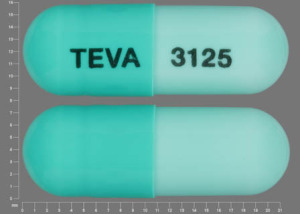
Dicloxacillin Side Effects
Please note - some side effects for Dicloxacillin may not be reported. Always consult your doctor or healthcare specialist for medical advice. You may also report side effects to the FDA at http://www.fda.gov/medwatch/ or 1-800-FDA-1088 (1-800-332-1088).
Side Effects of Dicloxacillin - for the Consumer
Dicloxacillin
All medicines may cause side effects, but many people have no, or minor, side effects. Check with your doctor if any of these most COMMON side effects persist or become bothersome when using Dicloxacillin:
Seek medical attention right away if any of these SEVERE side effects occur when using Dicloxacillin:Diarrhea; fever; gas; general body discomfort; heartburn; joint pain; muscle aches; nausea; second infection; stomach pain; vomiting.
TopSevere allergic reactions (rash; hives; itching; difficulty breathing; tightness in the chest; swelling of the mouth, face, lips, or tongue); black tongue; bloody stools; mouth irritation; severe diarrhea; severe stomach cramps/pain; shortness of breath; sore throat; swollen joints; unusual bleeding or bruising; vaginal irritation or discharge; wheezing.
Dicloxacillin Side Effects - for the Professional
Dicloxacillin
Hypersensitive Reactions
The reported incidence of allergic reactions to penicillin ranges from 0.7 to 10 percent. Sensitization is usually the result of treatment but some individuals have had immediate reactions to penicillin when first treated. In such cases, it is thought that the patients may have had prior exposure to the drug via trace amounts present in milk and vaccines.
Two types of allergic reactions to penicillin are noted clinically, immediate and delayed.
Immediate reactions usually occur within 20 minutes of administration and range in severity from urticaria and pruritus to angioneurotic edema, laryngospasm, bronchospasm, hypotension, vascular collapse, and death. Such immediate anaphylactic reactions are very rare and usually occur after parenteral therapy but have occurred in patients receiving oral therapy. Another type of immediate reaction, an accelerated reaction, may occur between 20 minutes and 48 hours after administration and may include urticaria, pruritus, and fever. Although laryngeal edema, laryngospasm, and hypotension occasionally occur, fatality is uncommon.
Delayed allergic reactions to penicillin therapy usually occur after 48 hours and sometimes as late as 2 to 4 weeks after initiation of therapy. Manifestations of this type of reaction include serum sickness-like symptoms (ie, fever, malaise, urticaria, myalgia, arthralgia, abdominal pain) and various skin rashes.
Gastrointestinal Reactions
Nausea, vomiting, diarrhea, stomatitis, black or hairy tongue, and other symptoms of gastrointestinal irritation may occur, especially during oral penicillin therapy.
Pseudomembranous colitis has been reported with the use of Dicloxacillin. Therefore, it is important to consider its diagnosis in patients who develop diarrhea in association with Dicloxacillin use.
Rare reports have been received during postmarketing surveillance of esophageal burning, esophagitis, and esophageal ulceration, particularly after ingestion of Dicloxacillin capsules with an insufficient quantity of water and/or before going to bed.
Nervous System Reactions
Neurotoxic reactions similar to those observed with penicillin G (e.g., lethargy, confusion, twitching, multifocal myoclonus, localized or generalized epileptiform seizures) may occur with large intravenous doses of the penicillinase-resistant penicillins especially in patients with renal insufficiency.
Renal Reactions
Renal tubular damage and interstitial nephritis have been associated with the administration of methicillin sodium and infrequently with the administration of nafcillin and oxacillin. Manifestations of this reaction may include rash, fever, eosinophilia, hematuria, proteinuria, and renal insufficiency. Methicillin-induced nephropathy does not appear to be dose-related and is generally reversible upon prompt discontinuation of therapy.
Hematologic Reactions
Eosinophilia, hemolytic anemia, agranulocytosis, neutropenia, leukopenia, granulocytopenia, thrombocytopenia, and bone marrow depression have been associated with the use of penicillinase-resistant penicillins.
Hepatic Reactions
Hepatotoxicity, characterized by fever, nausea, and vomiting associated with abnormal liver function tests, mainly elevated SGOT levels, has been associated with the use of oxacillin and cloxacillin. Cholestatic hepatitis has been reported rarely. Asymptomatic, transient increases in serum concentrations of alkaline phosphatase, AST (SGOT), and ALT (SGPT) have been reported.
TopSide Effects by Body System
Gastrointestinal
Gastrointestinal side effects have included nausea, vomiting, diarrhea, stomatitis, black or hairy tongue, epigastric discomfort, flatulence, loose stools, and pseudomembranous colitis.
Hematologic
Hematologic side effects have included neutropenia, leukopenia, and thrombocytopenia. Other penicillins have been associated with agranulocytosis and bone marrow depression.
Hepatic
Hepatic side effects have included transient changes in SGOT, hepatotoxicity, and cholestatic hepatitis. Serum transaminase levels may take several weeks to return to normal following discontinuation of therapy.
Hypersensitivity
Hypersensitivity reactions have included rash, fever, eosinophilia, pruritus, urticaria, angioneurotic edema, anaphylactic reactions (bronchospasm, hypotension, vascular collapse, death), laryngeal edema, laryngospasm, serum-sickness-like symptoms, fever, chills and myalgias.
Renal
Renal side effects have rarely included renal failure. Increases in serum creatinine and acute renal failure have been reported with higher doses (3 to 4 grams daily) using an intravenous formulation, in postoperative patients with advanced age. Other penicillins have been associated with renal tubular damage and interstitial nephritis (rash, fever, eosinophilia, hematuria, proteinuria, renal insufficiency).
TopMore resources:
Dicloxacillin - Includes detailed dosage instructions.
Disclaimer: Every effort has been made to ensure that the information provided is accurate, up-to-date, and complete, but no guarantee is made to that effect. In addition, the drug information contained herein may be time sensitive and should not be utilized as a reference resource beyond the date hereof. This information does not endorse drugs, diagnose patients, or recommend therapy. This drug information is a reference resource designed as supplement to, and not a substitute for, the expertise, skill , knowledge, and judgement of healthcare practitioners in patient care. The absence of a warning for a given drug or drug combination in no way should be construed to indicate that the drug of drug combination is safe, effective, or appropriate for any given patient. Drugs.com does not assume any responsibility for any aspect of healthcare administered with the aid of information provided. The information contained herein is not intended to cover all possible uses, directions, precautions, warnings, drug interactions, allergic reactions, or adverse effects. If you have questions about the drugs you are taking, check with your doctor, nurse, or pharmacist.