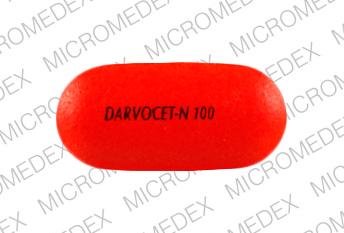
Darvocet-N 100 Side Effects
Generic name: acetaminophen / propoxyphene
Note: This document provides detailed information about Darvocet-N 100 Side Effects associated with acetaminophen / propoxyphene. Some dosage forms listed on this page may not apply specifically to the brand name Darvocet-N 100.
Applies to acetaminophen/propoxyphene: oral tablet.
Important Warnings
This medicine can cause some serious health issues
Oral route (Tablet)
Accidental and intentional overdose with propoxyphene products either alone or in combination with other CNS depressants, including alcohol, has occurred, and may be fatal within the first hour.
Many of the fatalities have occurred in patients with previous histories of emotional disturbances or suicidal ideation/attempts and/or concomitant administration of sedatives, tranquilizers, muscle relaxants, antidepressants, or other CNS-depressant drugs.
Do not prescribe propoxyphene for patients who are suicidal or have a history of suicidal ideation.
The metabolism of propoxyphene may be altered by strong CYP3A4 inhibitors leading to enhanced propoxyphene plasma levels; monitor patients closely and adjust dosages if necessary in patients receiving any CYP3A4 inhibitor concomitantly.
Common side effects of Darvocet-N 100
Some side effects of acetaminophen / propoxyphene may occur that usually do not need medical attention. These side effects may go away during treatment as your body adjusts to the medicine. Also, your health care professional may be able to tell you about ways to prevent or reduce some of these side effects.
Check with your health care professional if any of the following side effects continue or are bothersome or if you have any questions about them:
More common
- relaxed and calm feeling
Incidence not known
- abnormal behavior
- blurred or loss of vision
- constipation
- diarrhea
- disturbed color perception
- double vision
- false or unusual sense of well-being
- halos around lights
- indigestion
- muscular pain, tenderness, wasting, or weakness
- night blindness
- nightmares or unusually vivid dreams
- overbright appearance of lights
- seeing, hearing, or feeling things that are not there
- swelling of the eye
- tunnel vision
Serious side effects of Darvocet-N 100
Along with its needed effects, acetaminophen / propoxyphene may cause some unwanted effects. Although not all of these side effects may occur, if they do occur they may need medical attention.
Check with your doctor immediately if any of the following side effects occur while taking acetaminophen / propoxyphene:
Rare
- abdominal or stomach pain
- chills
- clay-colored stools
- dark urine
- dizziness
- fever
- headache
- itching
- loss of appetite
- nausea
- rash
- unpleasant breath odor
- unusual tiredness or weakness
- vomiting of blood
- yellow eyes or skin
Incidence not known
- bloating
- bloody or black, tarry stools
- bloody or cloudy urine
- change in consciousness
- chest pain or discomfort
- confusion
- cough
- decreased urine output
- difficult or troubled breathing
- dilated neck veins
- drowsiness
- extreme fatigue
- fainting
- fast, slow, pounding, or irregular heartbeat or pulse
- fever with or without chills
- general feeling of discomfort or illness
- hives
- hoarseness
- irregular, fast, slow, or shallow breathing
- itching
- joint pain, stiffness, or swelling
- light-colored stools
- loss of consciousness
- low blood pressure or pulse
- muscle aches and pains
- muscle tremors
- pain or discomfort in the arms, jaw, back, or neck
- pains in the stomach, side, or abdomen, possibly radiating to the back
- pale or blue lips, fingernails, or skin
- rapid, deep breathing
- redness of the skin
- restlessness
- right upper stomach pain and fullness
- runny nose
- severe stomach pain
- shakiness and unsteady walk
- shivering
- shortness of breath
- sore throat
- stomach cramps
- sudden decrease in the amount of urine
- sweating
- swelling of the eyelids, face, fingers, lips, hands, lower legs, or feet
- thoughts of suicide
- tightness in the chest
- trouble sleeping
- troubled breathing or swallowing
- unconsciousness
- unsteadiness, trembling, or other problems with muscle control or coordination
- very slow breathing
- very slow heartbeat
- vomiting of blood or material that looks like coffee grounds
- weight gain
- wheezing
Get emergency help immediately if any of the following symptoms of overdose occur while taking acetaminophen / propoxyphene:
Symptoms of overdose
- agitation
- bluish color of the fingernails, lips, skin, palms, or nail beds
- convulsion
- coughing that sometimes produces a pink frothy sputum
- decreased awareness or responsiveness
- depression
- difficult, fast, or noisy breathing, sometimes with wheezing
- dilated pupils
- hostility
- increased sweating
- irritability
- lethargy
- muscle tremors
- muscle twitching
- pale skin
- pounding or rapid pulse
- rapid weight gain
- rapid, deep breathing
- severe sleepiness
- sleepiness or unusual drowsiness
- slow to respond
- slurred speech
- weight loss
For Healthcare Professionals
Applies to acetaminophen / propoxyphene: oral tablet.
General
General side effects including drug tolerance and influenza type illness have been reported with the use of propoxyphene.
Other
Other side effects including propoxyphene dependence have been reported (although the abuse liability of propoxyphene is less than that of some other narcotic analgesics). Withdrawal symptoms (after either abrupt cessation or fast tapering) have been reported to include agitation, restlessness, anxiety, insomnia, tremor, tachycardia, hallucinations, psychosis, abdominal cramps, vomiting, sweating, and seizures.
Drug toxicity, multiple drug overdose, and narcotic overdose have also been reported with propoxyphene.
Sensorineural deafness has been reported following chronic abuse and/or large doses of propoxyphene-containing compounds. Optic atrophy has been reported following overdose.[Ref]
Gastrointestinal
Gastrointestinal side effects of acetaminophen are rare, except in alcoholics and after overdose. Cases of acute pancreatitis have been reported rarely with acetaminophen use. Nausea, vomiting, and constipation are relatively common effects of propoxyphene. Gastrointestinal bleeding and acute pancreatitis have also been reported with the use of propoxyphene.[Ref]
One study has suggested that acetaminophen may precipitate acute biliary pain and cholestasis. The mechanism of this effect may be related to inhibition of prostaglandin and alterations in the regulation of the sphincter of Oddi.
Elevated liver function tests, jaundice and hepatotoxicity have been reported in association with propoxyphene.
A case of ischemic colitis has been reported following an overdose of propoxyphene which was complicated by severe hypotension.[Ref]
Cardiovascular
Cardiovascular side effects of propoxyphene have included arrhythmia, bradycardia, cardiac/respiratory arrest, congestive arrest, congestive heart failure (CHF), tachycardia, myocardial infarction (MI), hypotension, decreased blood pressure, elevated heart rate, abnormal heart rate, and dizziness. A variety of arrhythmias (including heart block) have been reported most often in association with overdose.[Ref]
Some of the cardiotoxic effects reported in association with propoxyphene may be attributable to its major active metabolite, norpropoxyphene.[Ref]
Renal
Renal side effects of acetaminophen have been rare and have included acute tubular necrosis and interstitial nephritis. Cases of severe hypoglycemia have been reported in patients with chronic renal failure who received propoxyphene.[Ref]
Acute tubular necrosis associated with acetaminophen usually occurs in conjunction with liver failure, but has been observed as an isolated finding in rare cases. Adverse acetaminophen renal effects are most often observed after overdose, after chronic abuse (often with multiple analgesics), or in association with acetaminophen-related hepatotoxicity. A possible increase in the risk of renal cell carcinoma has been associated with chronic acetaminophen use as well.
A single case of nephrogenic diabetes insipidus has been reported following overdose of propoxyphene (however, other causes of diabetes insipidus in that patient were not rigorously excluded).
The adverse effects of propoxyphene may be more likely and more severe in patients with renal insufficiency.[Ref]
Hypersensitivity
Hypersensitivity side effects to acetaminophen have been reported rarely.
Hypersensitivity side effects to propoxyphene have also been reported.[Ref]
Genitourinary
Genitourinary side effects have included a case of retroperitoneal fibrosis in association with propoxyphene therapy.[Ref]
Hematologic
Hematologic side effects including rare cases of thrombocytopenia associated with acetaminophen have been reported. Acute thrombocytopenia has also been reported as having been caused by sensitivity to acetaminophen glucuronide, the major metabolite of acetaminophen. Methemoglobinemia with resulting cyanosis has also been observed in the setting of acute overdose. Cases of hemolytic anemia, pancytopenia, and disseminated intravascular coagulation after administration (or abuse) of propoxyphene-containing compounds have been reported rarely.[Ref]
Dermatologic
Dermatologic side effects including rashes have been reported in association with both propoxyphene and acetaminophen. Itch has also been reported with the use of propoxyphene.[Ref]
General erythematous skin rashes associated with acetaminophen have been reported, but are rare. A rare case of bullous erythema associated with acetaminophen has been reported.[Ref]
Respiratory
Respiratory side effects including a case of acetaminophen-induced eosinophilic pneumonia have been reported.
Respiratory side effects including dyspnea have been reported with the use of propoxyphene.[Ref]
Musculoskeletal
Musculoskeletal side effects including myopathy and rhabdomyolysis have been reported after chronic oral use. Fibrous myopathy has also been reported in propoxyphene-abusing patients who administer the drug via intramuscular injection.[Ref]
Hepatic
Hepatic side effects of acetaminophen including severe and sometimes fatal dose dependent hepatitis have been reported in alcoholic patients. Hepatotoxicity has been increased during fasting. Several cases of hepatotoxicity from chronic acetaminophen therapy at therapeutic doses have also been reported despite a lack of risk factors for toxicity.
Hepatic side effects of propoxyphene have included elevated liver function tests, jaundice, hepatic steatosis, hepatomegaly, hepatocellular injury, and hepatotoxicity.[Ref]
Alcoholic patients may develop hepatotoxicity after even modest doses of acetaminophen. In healthy patients, approximately 15 grams of acetaminophen is necessary to deplete liver glutathione stores by 70% in a 70 kg person. However, hepatotoxicity has been reported following smaller doses. Glutathione concentrations may be repleted by the antidote N-acetylcysteine. One case report has suggested that hypothermia may also be beneficial in decreasing liver damage during overdose.
In a recent retrospective study of 306 patients admitted for acetaminophen overdose, 6.9% had severe liver injury but all recovered. None of the 306 patients died.
A 19-year-old female developed hepatotoxicity, reactive plasmacytosis and agranulocytosis followed by a leukemoid reaction after acute acetaminophen toxicity.
The adverse effects of acetaminophen-propoxyphene may be more likely and more severe in patients with liver disease.[Ref]
Metabolic
Metabolic side effects including metabolic acidosis have been reported following a massive overdose of acetaminophen.
Metabolic side effects including metabolic acidosis have been reported with the use of propoxyphene. Cases of severe hypoglycemia have been reported in patients with chronic renal failure.
In the case of metabolic acidosis, causality is uncertain as more than one drug was ingested. The case of metabolic acidosis followed the ingestion of 75 grams of acetaminophen, 1.95 grams of aspirin, and a small amount of a liquid household cleaner. The patient also had a history of seizures which the authors reported may have contributed to an increased lactate level indicative of metabolic acidosis.
Ocular
Ocular side effects including eye swelling and vision blurred have been reported with the use of propoxyphene.
Nervous system
Nervous system side effects of propoxyphene have included dizziness, sedation, stupor, delirium, somnolence, ataxia, coma, syncope, and respiratory depression. The sedative effects of propoxyphene have been associated with a 60% increased risk of hip fracture in elderly patients.[Ref]
Psychiatric
Psychiatric side effects including abnormal behavior, confusional state, hallucinations, and mental status change have been reported with the use of propoxyphene.
References
1. Rosenow EC 3d (1972) "The spectrum of drug-induced pulmonary disease." Ann Intern Med, 77, p. 977-91
2. Shorr RI, Griffin MR, Daugherty JR, Ray WA (1992) "Opioid analgesics and the risk of hip fracture in the elderly: codeine and propoxyphene." J Gerontol, 47, M111-5
3. Ng B, Alvear M (1993) "Dextropropoxyphene addiction--a drug of primary abuse." Am J Drug Alcohol Abuse, 19, p. 153-8
4. Critchley J, Illingworth RN, Pottage A, Proudfoot AT, Prescott L (1979) "Acute poisoning with distalgesic." Br Med J, 1, p. 342-3
5. Strode SW (1985) "Propoxyphene dependence and withdrawal." Am Fam Physician, 32, p. 105-8
6. Wall R, Linford SM, Akhter MI (1980) "Addiction to Distalgesic (dextropropoxyphene)." Br Med J, 280, p. 1213-4
7. Salguero CH, Villarreal JE, Hug CC Jr, Domino EF (1969) "Propoxyphene dependence." JAMA, 210, p. 135-6
8. Claghorn JL, Schoolar JC (1966) "Propoxyphene hydrochloride, a drug of abuse." JAMA, 196, p. 1089-91
9. Whittington RM (1979) "Dextropropoxyphene addiction." Lancet, 2, p. 743-4
10. Harris B, Harper M (1979) "Psychosis after dextropropoxyphene." Lancet, 2, p. 743
11. Owen M, Hills LJ (1980) "How safe is dextropropoxyphene?." Med J Aust, 1, p. 617-8
12. Collins GB, Kiefer KS (1981) "Propoxyphene dependence: an update." Postgrad Med, 70, p. 57-61
13. O'Dell JR, Zetterman RK, Burnett DA (1986) "Centrilobular hepatic fibrosis following acetaminophen-induced hepatic necrosis in an alcoholic." JAMA, 255, p. 2636-7
14. Seeff LB, Cuccherini BA, Zimmerman HJ, Adler E, Benjamin SB (1986) "Acetaminophen hepatotoxicity in alcoholics." Ann Intern Med, 104, p. 399-404
15. Minton NA, Henry JA, Frankel RJ (1988) "Fatal paracetamol poisoning in an epileptic." Hum Toxicol, 7, p. 33-4
16. Keaton MR (1988) "Acute renal failure in an alcoholic during therapeutic acetaminophen ingestion." South Med J, 81, p. 1163-6
17. Shriner K, Goetz MB (1992) "Severe hepatotoxicity in a patient receiving both acetaminophen and zidovudine." Am J Med, 93, p. 94-6
18. Keays R, Harrison PM, Wendon JA, et al. (1991) "Intravenous acetylcysteine in paracetamol induced fulminant hepatic failure: a prospective controlled trial." BMJ, 303, p. 1026-9
19. Rumore MM, Blaiklock RG (1992) "Influence of age-dependent pharmacokinetics and metabolism on acetaminophen hepatotoxicity." J Pharm Sci, 81, p. 203-7
20. Mofenson HC, Caraccio TR, Nawaz H, Steckler G (1991) "Acetaminophen induced pancreatitis." Clin Toxicol, 29, p. 223-30
21. Kumar S, Rex DK (1991) "Failure of physicians to recognize acetaminophen hepatotoxicity in chronic alcoholics." Arch Intern Med, 151, p. 1189-91
22. Block R, Jankowski JA, Lacoux P, Pennington CR (1992) "Does hypothermia protect against the development of hepatitis in paracetamol overdose?" Anaesthesia, 47, p. 789-91
23. Brotodihardjo AE, Batey RG, Farrell GC, Byth K (1992) "Hepatotoxicity from paracetamol self-poisoning in Western Sydney: a continuing challenge." Med J Aust, 157, p. 382-5
24. Johnson GK, Tolman KG (1977) "Chronic liver disease and acetaminophen." Ann Intern Med, 87, p. 302-4
25. Gillette JR (1981) "An integrated approach to the study of chemically reactive metabolites of acetaminophen." Arch Intern Med, 141, p. 375-9
26. McJunkin B, Barwick KW, Little WC, Winfield JB (1976) "Fatal massive hepatic necrosis following acetaminophen overdose." JAMA, 236, p. 1874-5
27. Block R (1993) "Liver failure induced by paracetamol." BMJ, 306, p. 457
28. Wong V, Daly M, Boon A, Heatley V (1993) "Paracetamol and acute biliary pain with cholestasis." Lancet, 342, p. 869
29. Bray GP (1993) "Liver failure induced by paracetamol." BMJ, 306, p. 157-8
30. Lee WM (1994) "Acute liver failure." Am J Med, 96, p. 3-9
31. Klein NC, Magida MG (1971) "Propoxyphene (Darvon) hepatotoxicity." Am J Dig Dis, 16, p. 467-9
32. Briggs RS, Barrand KG, Levene M (1977) "Ischaemic colitis and drug abuse." Br Med J, 2, p. 1478
33. Ford MJ, Kellett RJ, Busuttil A, Finlayson ND (1977) "Dextropropoxyphene and jaundice." Br Med J, 2, p. 674
34. Lee TH, Rees PJ (1977) "Hepatotoxicity of dextropropoxyphene." Br Med J, 2, p. 296-7
35. Bassendine MF, Woodhouse KW, Bennett M, James OF (1986) "Dextropropoxyphene induced hepatotoxicity mimicking biliary tract disease." Gut, 27, p. 444-9
36. Daikos GK, Kosmidis JC (1975) "Propoxyphene jaundice." JAMA, 232, p. 835
37. (1979) "Dextropropoxyphene." Med J Aust, 2, p. 494
38. Bonkovsky HL, Kane RE, Jones DP, Galinsky RE, Banner B (1994) "Acute hepatic and renal toxicity from low doses of acetaminophen in the absence of alcohol abuse or malnutrition - evidence for increased susceptibility to drug toxicity due to cardiopulmonary and renal insufficiency." Hepatology, 19, p. 1141-8
39. "Product Information. Darvocet N-100 (acetaminophen-propoxyphene)." Lilly, Eli and Company, Indianapolis, IN.
40. Zimmerman HJ, Maddrey WC (1995) "Acetaminophen (paracetamol) hepatotoxicity with regular intake of alcohol: analysis of instances of therapeutic misadventure." Hepatology, 22, p. 767-73
41. Heaney RM (1983) "Left bundle branch block associated with propoxyphene hydrochloride poisoning." Ann Emerg Med, 12, p. 780-2
42. Kleinman JG, Breitenfield RV, Roth DA (1980) "Transient cholestatic hepatitis in a neonate associated with carbamazepine exposure during pregnancy and breast-feeding." Clin Nephrol, 14, p. 201-5
43. Segasothy M, Suleiman AB, Puvaneswary M, Rohana A (1988) "Paracetamol: a cause for analgesic nephropathy and end-stage renal disease." Nephron, 50, p. 50-4
44. Wiederholt IC, Genco M, Foley JM (1967) "Recurrent episodes of hypoglycemia induced by propoxyphene." Neurology, 17, p. 703-6
45. Duchene A, Chadenas D, Marneffe-Lebrequier H (1991) "Insuffisance renale aigue isolee apres intoxication volontaire par le paracetamol." Presse Med, 20, p. 1684-5
46. Curry RW, Robinson JD, Sughrue MJ (1982) "Acute renal failure after acetaminophen ingestion." JAMA, 247, p. 1012-4
47. Goldberg M (1982) "Analgesic nephropathy in 1981: which drug is responsible?" JAMA, 247, p. 64-5
48. Boyer TD, Rouff SL (1971) "Acetaminophen-induced hepatic necrosis and renal failure." JAMA, 218, p. 440-1
49. Vanchieri C (1993) "Australian study links certain analgesics to renal cancers." J Natl Cancer Inst, 85, p. 262-3
50. McCredie M, Stewart JH, Day NE (1993) "Different roles for phenacetin and paracetamol in cancer of the kidney and renal pelvis." Int J Cancer, 53, p. 245-9
51. Singer I, Forrest JN Jr (1976) "Drug-induced states of nephrogenic diabetes insipidus." Kidney Int, 10, p. 82-95
52. Almirall J, Montoliu J, Torras A, Revert L (1989) "Propoxyphene-induced hypoglycemia in a patient with chronic renal failure." Nephron, 53, p. 273-5
53. Settipane RA, Stevenson DD (1989) "Cross sensitivity with acetaminophen in aspirin-sensitive subjects with asthma." J Allergy Clin Immunol, 84, p. 26-33
54. Leung R, Plomley R, Czarny D (1992) "Paracetamol anaphylaxis." Clin Exp Allergy, 22, p. 831-3
55. Doan T, Greenberger PA (1993) "Nearly fatal episodes of hypotension, flushing, and dyspnea in a 47- year-old woman." Ann Allergy, 70, p. 439-44
56. Kalyoncu AF (1994) "Acetaminophen hypersensitivity and other analgesics." Ann Allergy, 72, p. 285
57. Doan T (1994) "Acetaminophen hypersensitivity and other analgesics - response." Ann Allergy, 72, p. 285
58. Critchley JA, Smith MF, Prescott LF (1985) "Distalgesic abuse and retroperitoneal fibrosis." Br J Urol, 57, p. 486-7
59. Shoenfeld Y, Shaklai M, Livni E, Pinkhas J (1980) "Thrombocytopenia from acetaminophen." N Engl J Med, 303, p. 47
60. Webster GK (1973) "Pancytopenia after administration of distalgesic." Br Med J, 3, p. 353
61. Fulton JD, McGonigal G (1989) "Steroid responsive haemolytic anaemia due to dextropropoxyphene paracetamol combination." J R Soc Med, 82, p. 228
62. Fisch HP, Wands J, Yeung J, Davis PJ (1972) "Pulmonary edema and disseminated intravascular coagulation after intravenous abuse of d-propoxyphene (darvon)." South Med J, 65, p. 493-5
63. Bougie DW, Benito AI, Sanchez-Abarca LI, Torres R, Birenbaum J, Aster RH (2007) "Acute thrombocytopenia caused by sensitivity to the glucuronide conjugate of acetaminophen." Blood, 109, p. 3608-9
64. Thomas RH, Munro DD (1986) "Fixed drug eruption due to paracetamol." Br J Dermatol, 115, p. 357-9
65. Guccione JL, Zemtsov A, Cobos E, Neldner KH (1993) "Acquired purpura fulminans induced by alcohol and acetaminophen - successful treatment with heparin and vitamin-k." Arch Dermatol, 129, p. 1267-9
66. Kondo K, Inoue Y, Hamada H, Yokoyama A, Kohno N, Hiwada K (1993) "Acetaminophen-induced eosinophilic pneumonia." Chest, 104, p. 291-2
67. Dalakas MC (1986) "Subacute painful myopathy from chronic propoxyphene napsylate abuse." JAMA, 255, p. 1709
68. Restrepo JF, Guzman R, Pena MA, Lizarazo H, Mendez O, Rondon F, Iglesias A (1993) "Fibrous myopathy induced by propoxyphene injections." J Rheumatol, 20, p. 596-7
69. Gursoy M, Haznedaroglu IC, Celik I, Sayinalp N, Ozcebe OI, Dundar SV (1996) "Agranulocytosis, plasmacytosis, and thrombocytosis followed by a leukemoid reaction due to acute acetaminophen toxicity." Ann Pharmacother, 30, p. 762-5
More about Darvocet-N 100 (acetaminophen / propoxyphene)
- Check interactions
- Compare alternatives
- Reviews (37)
- Drug images
- Dosage information
- During pregnancy
- Drug class: narcotic analgesic combinations
Patient resources
Other brands
Professional resources
Other brands
Darvocet-N 50, Darvocet A500, Balacet
Related treatment guides
Further information
Darvocet-N 100 side effects can vary depending on the individual. Always consult your healthcare provider to ensure the information displayed on this page applies to your personal circumstances.
Some side effects may not be reported. You may report them to the FDA.