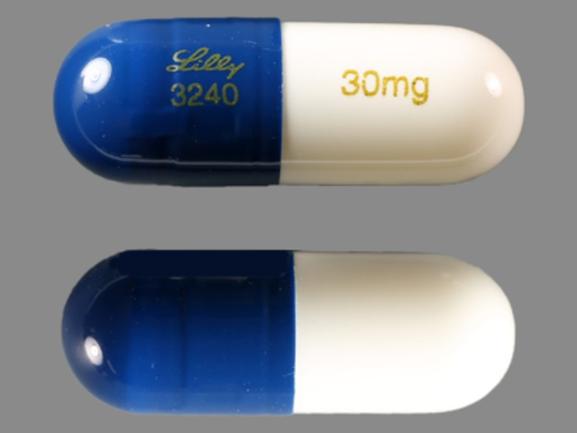
Cymbalta Side Effects
Generic name: duloxetine
Medically reviewed by Drugs.com. Last updated on Sep 21, 2023.
Note: This document provides detailed information about Cymbalta Side Effects associated with duloxetine. Some dosage forms listed on this page may not apply specifically to the brand name Cymbalta.
Applies to duloxetine: oral capsule delayed release.
Important warnings
This medicine can cause some serious health issues
Oral route (capsule, delayed release)
Antidepressants increased the risk of suicidal thinking and behavior in children, adolescents, and young adults in short-term studies.These studies did not show an increase in the risk of suicidal thoughts and behavior with antidepressant use in patients over age 24; there was a reduction in risk with antidepressant use in patients aged 65 or older.Closely monitor all antidepressant-treated patients for clinical worsening, and for emergence of suicidal thoughts and behaviors.
Advise families and caregivers of the need for close observation and communication with the prescriber.
Common side effects of Cymbalta
Some side effects of duloxetine may occur that usually do not need medical attention. These side effects may go away during treatment as your body adjusts to the medicine. Also, your health care professional may be able to tell you about ways to prevent or reduce some of these side effects.
Check with your health care professional if any of the following side effects continue or are bothersome or if you have any questions about them:
More common
- body aches or pain
- cough
- difficulty having a bowel movement (stool)
- dry mouth
- ear congestion
- frequent urination
- headache
- lack or loss of strength
- loss of appetite
- loss of voice
- muscle aches
- nausea
- sleepiness or unusual drowsiness
- sneezing
- sore throat
- stuffy or runny nose
- sweating increased
- trouble sleeping
- weight loss
Less common
- abnormal ejaculation
- abnormal orgasm
- acid or sour stomach
- belching
- burning, crawling, itching, numbness, prickling, "pins and needles", or tingling feelings
- change in taste
- change or problem with discharge of semen
- decreased interest in sexual intercourse
- difficulty with moving
- feeling of warmth or redness of the face, neck, arms, and occasionally, upper chest
- heartburn
- inability to have or keep an erection
- indigestion
- longer than usual time to ejaculation of semen
- loose stools
- loss in sexual ability, desire, drive, or performance
- loss of taste
- muscle cramps, pains, or stiffness
- shakiness in the legs, arms, hands, or feet
- stomach discomfort or upset
- sudden sweating
- swollen joints
- trembling or shaking of the hands or feet
Serious side effects of Cymbalta
Along with its needed effects, duloxetine (the active ingredient contained in Cymbalta) may cause some unwanted effects. Although not all of these side effects may occur, if they do occur they may need medical attention.
Check with your doctor immediately if any of the following side effects occur while taking duloxetine:
Incidence not known
- area rash
- blindness
- blistering, peeling, or loosening of the skin
- blurred vision
- change in consciousness
- chest tightness
- chills
- clay-colored stools
- cold sweats
- confusion
- dark urine
- decreased urine output
- decreased vision
- difficulty with swallowing
- dizziness, faintness, or lightheadedness when getting up suddenly from a lying or sitting position
- eye pain
- fainting
- fast or irregular heartbeat
- general tiredness or weakness
- hives or welts, itching, or skin rash
- hives, itching, puffiness, or swelling of the eyelids or around the eyes, face, lips, or tongue
- increased thirst
- joint or muscle pain
- large, hive-like swelling on the face, eyelids, lips, tongue, throat, hands, legs, feet, or sex organs
- light-colored stools
- loss of consciousness
- red skin lesions, often with a purple center
- red, irritated eyes
- redness of the skin
- seizures
- sores, ulcers, or white spots in the mouth or on the lips
- stomach pain
- swelling of the face, ankles, or hands
- tearing
- unpleasant breath odor
- upper right stomach pain
- vomiting of blood
- yellow eyes and skin
Get emergency help immediately if any of the following symptoms of overdose occur while taking duloxetine:
Symptoms of overdose
- agitation
- diarrhea
- fever
- loss of bladder control
- muscle spasm or jerking of all extremities
- overactive reflexes
- poor coordination
- restlessness
- shivering
- sleepiness or unusual drowsiness
- sudden loss of consciousness
- sweating
- talking or acting with excitement you cannot control
- trembling or shaking
- twitching
- unusual tiredness or weakness
- vomiting
For healthcare professionals
Applies to duloxetine: oral delayed release capsule.
General
The most commonly reported side effects included nausea, somnolence, headache, and dizziness.[Ref]
Gastrointestinal
- Very common (10% or more): Nausea (up to 30%), constipation (up to 15%), dry mouth (up to 15%), vomiting (up to 15%), abdominal pain (up to 13%), diarrhea (up to 13%)
- Common (1% to 10%): Dyspepsia, flatulence, loose stools, oral paresthesia, stomach discomfort, viral gastroenteritis/gastroenteritis
- Uncommon (0.1% to 1%): Dysphagia, eructation, gastritis, gastrointestinal bleeding/hemorrhage, halitosis, stomatitis
- Rare (0.01% to 0.1%): Gastric ulcer, hematochezia, microscopic colitis
- Frequency not reported: Abdominal discomfort, abdominal tenderness, gastrointestinal pain, lower abdominal pain, upper abdominal pain
- Postmarketing reports: Pancreatitis, unspecified colitis[Ref]
Abdominal pain more commonly occurred in pediatric patients.
Constipation occurred most frequently in patients given 60 mg orally 2 times a day (N=225); the side effect occurred in 11% of patients given 60 mg orally once a day, and in 5% of patients given 20 mg orally once a day.
Diarrhea occurred most frequently in patients given 20 mg orally once a day (N=115); the side effect occurred in 7% of patients given 60 mg orally 2 times a day, and in 11% of patients given 60 mg orally once a day.
Dry mouth occurred most frequently in patients in patients with generalized anxiety disorder (GAD) or major depressive disorder (MDD) compared to placebo (N=2995).
Nausea occurred most frequently in patients given 60 mg orally 2 times a day (N=225); the side effect occurred in 22% of patients given 60 mg orally once a day, and in 14% of patients given 20 mg orally once a day.
Vomiting occurred more frequently in patients 13 to 17 years of age with fibromyalgia.[Ref]
Nervous system
- Very common (10% or more): Somnolence (up to 21%), headache (up to 18%), dizziness (up to 17%)
- Common (1% to 10%): Dysgeusia, facial hypoesthesia, hypoesthesia, lethargy, paresthesia, psychomotor agitation, tremor, vertigo
- Uncommon (0.1% to 1%): Akathisia, attention disturbance, dyskinesia, gait disturbance, myoclonus, poor quality sleep, restless legs syndrome, syncope
- Rare (0.01% to 0.1%): Convulsion, dysarthria, extrapyramidal disorder, psychomotor restlessness, serotonin syndrome
- Very rare (less than 0.01%): Electric shock-like sensation, seizures
- Frequency not reported: Hypersomnia, psychomotor hyperactivity, sedation, sensory disturbances
- Postmarketing reports: Intracerebral bleeding[Ref]
Dizziness occurred most frequently in patients given 60 mg orally 2 times a day (N=225); the side effect occurred in 14% of patients given 60 mg orally once a day, and in 6% of patients given 20 mg orally once a day.
Headache more commonly occurred in pediatric patients.
Convulsion and seizures were reported during treatment discontinuation.
Somnolence occurred most frequently in patients given 60 mg orally 2 times a day (N=225); the side effect occurred in 15% of patients given 60 mg orally once a day, and in 7% of patients given 20 mg orally once a day.
Syncope was reported, especially during treatment initiation.[Ref]
Metabolic
- Very common (10% or more): Decreased weight (up to 16%), decreased appetite (up to 16%)
- Common (1% to 10%): Anorexia, increased weight
- Uncommon (0.1% to 1%): Blood potassium increased, dehydration, hyperglycemia, hyperlipidemia, increased blood cholesterol, thirst
- Rare (0.01% to 0.1%): Dyslipidemia, hyponatremia[Ref]
Decreased appetite occurred more frequently in patients 13 to 17 years of age with fibromyalgia.
Decreased weight of at least 3.5% occurred more frequently in patients 7 to 17 years of age with GAD and/or MDD.
Hyperglycemia was more commonly reported in patients with diabetes.[Ref]
Respiratory
- Very common (10% or more): Nasopharyngitis (up to 14%)
- Common (1% to 10%): Cough, oropharyngeal pain, pharyngolaryngeal pain, upper respiratory tract infection, yawning
- Uncommon (0.1% to 1%): Epistaxis, throat tightness
- Rare (0.01% to 0.1%): Eosinophilic pneumonia, interstitial lung disease[Ref]
Nasopharyngitis occurred more frequently in patients 13 to 17 years of age with fibromyalgia.[Ref]
Psychiatric
- Very common (10% or more): Insomnia (up to 13%)
- Common (1% to 10%): Abnormal dreams, abnormal orgasm, agitation, anorgasmia, anxiety, decreased libido/decreased sex drive, restlessness, sleep disorder, tension
- Uncommon (0.1% to 1%): Apathy, bruxism, confusional state, disorientation, irritability, mood swings, nervousness, nightmares, suicidal ideation, suicide attempt
- Rare (0.01% to 0.1%): Aggression, anger, completed suicide, hallucinations, mania, suicidal behavior
- Frequency not reported: Activation of hypomania, early morning awakening, initial insomnia, intense dreams, loss of libido, middle insomnia, sleep disturbances, terminal insomnia[Ref]
Aggression and/or anger usually occurred initially or after stopping treatment.
Insomnia occurred most frequently in patients given 60 mg orally 2 times a day (N=225); the side effect occurred in 8% of patients given 60 mg orally once a day, and in 9% of patients given 20 mg orally once a day.[Ref]
Other
- Very common (10% or more): Fatigue (up to 12%)
- Common (1% to 10%): Asthenia, chills, falls, feeling jittery, pyrexia, rigors, tinnitus
- Uncommon (0.1% to 1%): Ear pain, feeling abnormal, feeling cold/hot, malaise
- Frequency not reported: Clinically important drug interactions[Ref]
Fatigue occurred most frequently in patients given 60 mg orally 2 times a day (N=225); the side effect occurred in 10% of patients given 60 mg orally once a day, and in 2% of patients given 20 mg orally once a day.
Falls were more common in patients 65 years and older.
Tinnitus was reported during treatment discontinuation.[Ref]
Genitourinary
- Common (1% to 10%): Ejaculation delayed, ejaculation disorder, erectile dysfunction, polyuria, urinary frequency
- Uncommon (0.1% to 1%): Abnormal urine odor, dysuria, ejaculation dysfunction, ejaculation failure, menopausal symptoms, micturition urgency, nocturia, sexual dysfunction, testicular pain, urinary hesitation, urinary retention
- Rare (0.01% to 0.1%): Decreased urine flow, menstrual disorder
- Very rare (less than 0.01%): Galactorrhea, gynecological bleeding
- Frequency not reported: Genital hypoesthesia, problems getting/keeping an erection[Ref]
Musculoskeletal
- Common (1% to 10%): Muscle cramp, muscle spasms, musculoskeletal pain, myalgia, neck pain
- Uncommon (0.1% to 1%): Blood creatine phosphokinase increased, muscle tightness, muscle twitching, musculoskeletal stiffness, trismus
- Postmarketing reports: Rhabdomyolysis[Ref]
Cardiovascular
- Common (1% to 10%): Blood pressure increased, flushing/hot flush, palpitations
- Uncommon (0.1% to 1%): Atrial fibrillation, chest pain, hypertension, increased diastolic blood pressure, increased systolic blood pressure, myocardial infarction, orthostatic hypertension, peripheral coldness, supraventricular arrhythmia, tachycardia, Takotsubo cardiomyopathy
- Rare (0.01% to 0.1%): Hypertensive crisis, supraventricular fibrillation
- Frequency not reported: Diastolic hypertension, essential hypertension, labile hypertension, pulse increased, secondary hypertension, systolic hypertension
- Postmarketing reports: Cardiac events, ventricular arrhythmias[Ref]
Orthostatic hypotension was reported, especially during treatment initiation.[Ref]
Dermatologic
- Common (1% to 10%): Hyperhidrosis/increased sweating, pruritus, rash
- Uncommon (0.1% to 1%): Cold sweat, contact dermatitis, erythema, night sweats, photosensitivity reaction, urticaria
- Rare (0.01% to 0.1%): Ecchymosis
- Very rare (less than 0.01%): Cutaneous vasculitis, contusion, Stevens-Johnson syndrome
- Frequency not reported: Severe skin reactions, subcutaneous tissue disorder[Ref]
Cutaneous vasculitis was sometimes associated with systemic involvement.[Ref]
Ocular
- Common (1% to 10%): Blurred vision
- Uncommon (0.1% to 1%): Diplopia, dry eye, mydriasis, visual impairment
- Rare (0.01% to 0.1%): Glaucoma
- Frequency not reported: Angle-closure glaucoma[Ref]
Immunologic
- Common (1% to 10%): Influenza
- Uncommon (0.1% to 1%): Laryngitis[Ref]
Hepatic
- Uncommon (0.1% to 1%): Acute liver injury, ALT elevation, alkaline phosphatase elevation, AST elevation, blood bilirubin increased, elevated liver enzymes, GGT increased, hepatitis
- Rare (0.01% to 0.1%): Hepatic failure, jaundice
- Frequency not reported: Hepatotoxicity, liver failure[Ref]
Endocrine
- Uncommon (0.1% to 1%): Hypothyroidism
- Rare (0.01% to 0.1%): Hyperprolactinemia, syndrome of inappropriate antidiuretic hormone secretion (SIADH)[Ref]
Hypersensitivity
- Uncommon (0.1% to 1%): Hypersensitivity disorder
- Rare (0.01% to 0.1%): Anaphylactic reaction
- Very rare (less than 0.01%): Angioneurotic edema, hypersensitivity[Ref]
Hematologic
- Uncommon (0.1% to 1%): Increased tendency to bruise
- Postmarketing reports: Abnormal bleeding events, blood dyscrasias[Ref]
Renal
- Postmarketing reports: Renal dysfunction[Ref]
References
1. (2004) "Product Information. Cymbalta (duloxetine)." Lilly, Eli and Company
2. Cerner Multum, Inc. "UK Summary of Product Characteristics."
3. Cerner Multum, Inc. "Australian Product Information."
Frequently asked questions
- 8 Cymbalta Side Effects: Should I be Concerned?
- What helps with Cymbalta withdrawal symptoms?
- How to sleep while taking Cymbalta?
- Does Cymbalta cause weight gain?
- How long does it take for Cymbalta to work?
- What do Cymbalta brain zaps feel like?
- Can I take Cymbalta (duloxetine) and Trintellix (vortioxetine) together?
- SSRIs vs SNRIs - What's the difference between them?
More about Cymbalta (duloxetine)
- Check interactions
- Compare alternatives
- Pricing & coupons
- Reviews (1,887)
- Drug images
- Dosage information
- Patient tips
- During pregnancy
- Generic availability
- Support group
- FDA approval history
- Drug class: serotonin-norepinephrine reuptake inhibitors
- Breastfeeding
- En español
Patient resources
Other brands
Professional resources
Other brands
Related treatment guides
Further information
Cymbalta side effects can vary depending on the individual. Always consult your healthcare provider to ensure the information displayed on this page applies to your personal circumstances.
Some side effects may not be reported. You may report them to the FDA.