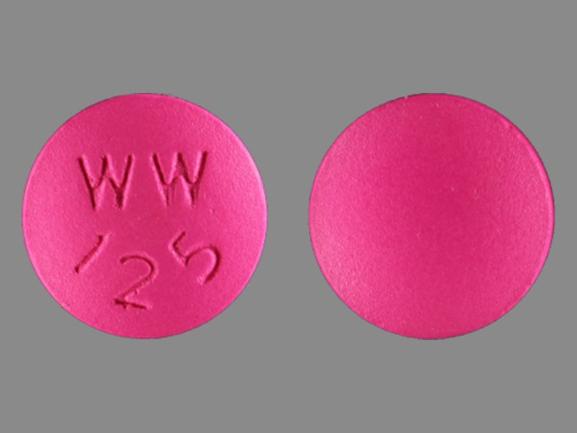
Chloroquine Side Effects
Medically reviewed by Drugs.com. Last updated on Sep 3, 2023.
Applies to chloroquine: oral tablet.
Serious side effects of chloroquine
Along with its needed effects, chloroquine may cause some unwanted effects. Although not all of these side effects may occur, if they do occur they may need medical attention.
Check with your doctor immediately if any of the following side effects occur while taking chloroquine:
Incidence not known
- anxiety
- attempts at killing oneself
- back, leg, or stomach pains
- black, tarry stools
- bleeding gums
- blistering, peeling, or loosening of the skin
- blood in the urine or stools
- blurred or decreased vision
- change in near or distance vision
- chest discomfort or pain
- chills
- cold sweats
- confusion
- continuing ringing or buzzing or other unexplained noise in the ears
- cough
- dark urine
- diarrhea
- difficulty in focusing the eyes
- difficulty with speaking
- difficulty with swallowing
- disturbed color perception
- dizziness
- dizziness, faintness, or lightheadedness when getting up suddenly from a lying or sitting position
- double vision
- drooling
- fast, slow, irregular, or pounding heartbeat
- feeling that others are watching you or controlling your behavior
- feeling that others can hear your thoughts
- feeling, seeing, or hearing things that are not there
- fever
- general tiredness and weakness
- halos around lights
- headache
- hearing loss
- inability to move the eyes
- increased blinking or spasms of the eyelid
- joint or muscle pain
- large, hive-like swelling on the face, eyelids, lips, tongue, throat, hands, legs, feet, or sex organs
- light-colored stools
- loss of balance control
- lower back or side pain
- muscle trembling, jerking, or stiffness
- muscular pain, tenderness, wasting, or weakness
- night blindness
- nausea
- overbright appearance of lights
- painful or difficult urination
- pale skin
- pinpoint red spots on the skin
- puffiness or swelling of the eyelids or around the eyes, face, lips, or tongue
- red skin lesions, often with a purple center
- red, irritated eyes
- restlessness
- shuffling walk
- skin rash, hives, or itching
- sore throat
- sores, ulcers, or white spots on the lips or in the mouth
- sticking out of the tongue
- stiffness of the limbs
- sweating
- swollen or painful glands
- tightness in the chest
- trouble breathing
- tunnel vision
- twitching, twisting, or uncontrolled repetitive movements of the tongue, lips, face, arms, or legs
- uncontrolled movements, especially of the face, neck, and back
- unusual bleeding or bruising
- unusual tiredness or weakness
- upper right abdominal or stomach pain
- vomiting
- yellow eyes and skin
Get emergency help immediately if any of the following symptoms of overdose occur while taking chloroquine:
Symptoms of overdose
- cold, clammy skin
- decreased urine
- drowsiness
- dry mouth
- fast, weak pulse
- increased thirst
- lightheadedness, dizziness, or fainting
- loss of appetite
- muscle pain or cramps
- numbness or tingling in the hands, feet, or lips
Other side effects of chloroquine
Some side effects of chloroquine may occur that usually do not need medical attention. These side effects may go away during treatment as your body adjusts to the medicine. Also, your health care professional may be able to tell you about ways to prevent or reduce some of these side effects.
Check with your health care professional if any of the following side effects continue or are bothersome or if you have any questions about them:
Incidence not known
- change in hair color
- hair loss
- increased sensitivity of the skin to sunlight
- redness or other discoloration of the skin
- severe sunburn
- stomach cramps
- trouble sleeping
- weight loss
For healthcare professionals
Applies to chloroquine: compounding powder, injectable solution, oral tablet.
Ocular
- Common (1% to 10%): Transient blurred vision
- Rare (0.01% to 0.1%): Reversible corneal opacity, retinopathy, irreversible retinal damage
- Frequency not reported: Retinal degeneration, macular defects of color vision, pigmentation, optic atrophy, scotomas, blindness, corneal opacity, pigmented deposits, vision blurred/difficulty focusing, accommodation disorder, diplopia, field defects, double vision, decreased visual acuity, color-vision defects, pigmentary retinopathy, corneal deposits, keratopathy, decreased corneal sensitivity, corneal edema
- Postmarketing reports: Maculopathy, macular degeneration, visual disturbances (blurred vision, focusing/accommodation difficulty), nyctalopia, scotomatous vision with field defects of paracentral/pericentral ring types/typically temporal scotomas (e.g., difficulty in reading with words tending to disappear, seeing half an object, misty vision, fog before the eyes), reversible corneal opacities
4-aminoquinoline therapy:
- Postmarketing reports: Irreversible retinopathy with retinal pigmentation changes (bull's eye appearance), visual field defects (paracentral scotomas)[Ref]
Retinopathy and irreversible retinal damage have been reported during long-term, high-dose therapy.
Maculopathy and macular degeneration have been reported and may be irreversible.
Irreversible retinopathy with retinal pigmentation changes (bull's eye appearance) and visual field defects (paracentral scotomas) have been reported in patients receiving long-term or high-dose 4-aminoquinoline therapy.[Ref]
Dermatologic
- Very common (10% or more): Pruritus
- Common (1% to 10%): Skin eruptions, urticaria
- Uncommon (0.1% to 1%): Alopecia, pigmentation disorder (including bluish-black pigmentation of the nails and mucosa)
- Rare (0.01% to 0.1%): Exacerbation/precipitation of psoriasis, erythema multiforme, toxic epidermal necrolysis, Stevens-Johnson syndrome
- Very rare (less than 0.01%): Exfoliative dermatitis, similar desquamation-type events
- Frequency not reported: Macular/urticarial/purpuric skin eruptions, lichenoid keratosis, acute generalized exanthematous pustulosis, depigmentation, rashes
- Postmarketing reports: Erythema multiforme, Stevens-Johnson syndrome, toxic epidermal necrolysis, exfoliative dermatitis, pleomorphic skin eruptions, lichen planus-like eruptions, hair loss, skin/mucosal pigmentary changes, pruritus, drug reaction with eosinophilia and systemic symptoms (DRESS) syndrome, bleaching of hair pigment, photosensitivity reaction[Ref]
Pruritus has been seen more commonly in Africans. The onset was generally 6 to 48 hours after the first dose and antihistamines did not always control the pruritus.
Pigmentation disorder (including bluish-black pigmentation of the nails and mucosa) has been reported with long-term use. Increased pigmentation of the skin and mucous membranes was generally of a bluish color was not always reversible on discontinuation.
Several cases of hypopigmentation of the skin have been reported. Most of the patients described were African or of African descent with dark skin who had been exposed to the sun. One was a Hispanic patient who developed vitiligo-like skin depigmentation after 1 month of therapy for cutaneous lupus erythematosus. The skin rapidly repigmented after this drug was discontinued.
At least 2 cases of exacerbation of psoriasis requiring hospitalization have been reported.[Ref]
Gastrointestinal
- Very common (10% or more): Gastrointestinal disturbances (e.g., nausea, vomiting, diarrhea)
- Frequency not reported: Gastrointestinal disorder, abdominal pain
- Postmarketing reports: Nausea, vomiting, diarrhea, abdominal cramps[Ref]
Nervous system
- Very common (10% or more): Headache
- Uncommon (0.1% to 1%): Neuropathy, ototoxicity (e.g., tinnitus, hypoacusis, deafness neurosensory/nerve deafness)
- Rare (0.01% to 0.1%): Convulsions, polyneuropathy
- Frequency not reported: Visual field defects, neuromyopathy, convulsive seizures, polyneuritis, dizziness, nonconvulsive status epilepticus/seizures, development of extrapyramidal rigidity
- Postmarketing reports: Convulsions, mild headache (transient), polyneuropathy, acute extrapyramidal disorders (e.g., dystonia, dyskinesia, tongue protrusion, torticollis), sensorimotor disorders, depression of tendon reflexes, abnormal nerve conduction, nerve type deafness, tinnitus, reduced hearing (in patients with preexisting auditory damage)[Ref]
Psychiatric
- Very common (10% or more): Insomnia
- Common (1% to 10%): Depression
- Rare (0.01% to 0.1%): Hallucinations, psychiatric disorders (e.g., anxiety, agitation, confusion, hallucinations, delirium)
- Frequency not reported: Mania, other psychiatric and neurologic disturbances, paranoia
- Postmarketing reports: Neuropsychiatric changes, psychotic disorder/psychosis, delirium, anxiety, agitation, insomnia, confusion, hallucinations, personality changes, depression, suicidal behavior[Ref]
Mania has been reported in a patient taking this drug for malarial prophylaxis. These symptoms resolved after discontinuation and recurred with rechallenge.[Ref]
Hypersensitivity
- Common (1% to 10%): Hypersensitivity/allergic reaction (including urticaria, angioedema, vasculitis), anaphylactic reactions
- Frequency not reported: Anaphylactoid reaction
- Postmarketing reports: Anaphylactic reaction (including angioedema)
Cardiovascular
- Uncommon (0.1% to 1%): Cardiomyopathy
- Rare (0.01% to 0.1%): Cardiac arrhythmias (including QT prolongation, torsade de pointes, ventricular tachycardia, ventricular fibrillation)
- Frequency not reported: Atrioventricular block, cardiac hypertrophy, restrictive cardiomyopathy, congestive heart failure, complete heart block
- Postmarketing reports: Hypotension, ECG changes (particularly inversion/depression of T-wave with widening of QRS complex), cardiomyopathy (sometimes resulting in cardiac failure; some with fatal outcome), cardiac arrhythmias, conduction disorders (e.g., bundle branch block/atrioventricular block), QT interval prolongation, torsade de pointes, ventricular tachycardia, ventricular fibrillation[Ref]
Cardiomyopathy has been reported during long-term therapy at high doses.
Cardiac arrhythmias (including QT prolongation, torsade de pointes, ventricular tachycardia, and ventricular fibrillation) have been reported with therapeutic doses as well as with overdose; the risk was greater when high doses were administered. Fatal cases have been reported.
ECG changes have been reported at high doses. ECG changes observed included prolongation of the QRS interval and, rarely, complete heart block. Biopsies of cardiac tissue characteristically showed no inflammatory infiltrates, severe vacuolation, and myocytes containing myeloid bodies and lysosomes.
Conduction disorders (e.g., bundle branch block/atrioventricular block) have been reported with therapeutic doses as well as with overdose.[Ref]
Musculoskeletal
- Uncommon (0.1% to 1%): Myopathy
- Frequency not reported: Myasthenia-like syndromes
- Postmarketing reports: Skeletal muscle myopathy/neuromyopathy (leading to progressive weakness, atrophy of proximal muscle groups)[Ref]
Hematologic
- Rare (0.01% to 0.1%): Bone marrow failure/depression (including aplastic anemia, agranulocytosis, pancytopenia, thrombocytopenia, neutropenia)
- Postmarketing reports: Pancytopenia, aplastic anemia, reversible agranulocytosis, thrombocytopenia, neutropenia, hemolytic anemia (in glucose-6-phosphate dehydrogenase deficient patients)[Ref]
Hepatic
- Rare (0.01% to 0.1%): Changes in liver function (including hepatitis, abnormal liver function tests)
- Frequency not reported: Hepatotoxicity (in a patient with porphyria cutanea tarda)
- Postmarketing reports: Hepatitis, elevated liver enzymes[Ref]
Metabolic
- Frequency not reported: Hypokalemia (associated with acute ingestion)
- Postmarketing reports: Anorexia, hypoglycemia[Ref]
The usefulness of hypokalemia as an indicator in the evaluation of chloroquine toxicity was studied in a retrospective series of 191 acute chloroquine poisonings. Results indicated that the risk of severe poisoning and death were proportional to the degree of hypokalemia.[Ref]
Respiratory
- Frequency not reported: Diffuse parenchymal lung disease[Ref]
References
1. Sassani JW, Brucker AJ, Cobbs W, Campbell C (1983) "Progressive chloroquine retinopathy." Ann Ophthalmol, 15, p. 19-22
2. Ehrenfeld M, Nesher R, Merin S (1986) "Delayed-onset chloroquine retinopathy." Br J Ophthalmol, 70, p. 281-3
3. Frisk-Holmberg M, Bergkvist Y, Domeij-Nyberg B, et al. (1979) "Chloroquine serum concentration and side effects: evidence for dose-dependent kinetics." Clin Pharmacol Ther, 25, p. 345-50
4. Craig GL, Buchanan WW (1980) "Antirheumatic drugs: clinical pharmacology and therapeutic use." Drugs, 20, p. 453-84
5. Goldstein JH (1971) "Effects of drugs on cornea, conjunctiva, and lids." Int Ophthalmol Clin, 11, p. 13-34
6. Puavilai S, Kunavisarut S, Vatanasuk M, Timpatanapong P, Sriwong ST, Janwitayanujit S, Nantiruj K, Totemchokchyakarn K, Ruangkanchana (1999) "Ocular toxicity of chloroquine among Thai patients." Int J Dermatol, 38, p. 934-7
7. Thorogood N, Atwal S, Mills W, et al. (2007) "The risk of antimalarials in patients with renal failure." Postgrad Med J, 83, e8
8. Freedman DO (2008) "Clinical practice. Malaria prevention in short-term travelers." N Engl J Med, 359, p. 603-12
9. Tonnesmann E, Stroehmann I, Kandolf R, et al. (2012) "Cardiomyopathy caused by longterm treatment with chloroquine: a rare disease, or a rare diagnosis?" J Rheumatol, 39, p. 1099-103
10. Olsen TG (1981) "Chloroquine and psoriasis." Ann Intern Med, 94, p. 546-7
11. Spencer HC, Poulter NR, Lury JD, Poulter CJ (1982) "Chloroquine-associated pruritus in a European." Br Med J, 285, p. 1703-4
12. Van Weelden HV, Bolling HH, De La Faille HB, et al. (1982) "Photosensitivity caused by chloroquine." Arch Dermatol, 118, p. 290
13. Levy H (1982) "Chloroquine-induced pigmentation." S Afr Med J, 62, p. 735-7
14. Mallett R (1989) "Risks and benefits of prophylactic antimalarial drugs." Br Med J, 299, p. 1400
15. Okor RS (1991) "Onset of pruritogenicity of chloroquine and the implication for the timing of suppressive therapy." J Clin Pharm Ther, 16, p. 463-5
16. Ajayi AA, Akinleye AO, Udoh SJ, et al. (1991) "The effects of prednisolone and niacin on chloroquine-induced pruritis in malaria." Eur J Clin Pharmacol, 41, p. 383-5
17. Olatunde IA (1971) "Chloroquine concentrations in the skin of rabbits and man." Br J Clin Pharmacol, 43, p. 335-40
18. Vestey JP, Savin JA (1992) "Psoriasis worsened by antimalarial prophylaxis." J Infect, 24, p. 211-2
19. Boffa MJ, Chalmers RJG (1994) "Toxic epidermal necrolysis due to chloroquine phosphate." Br J Dermatol, 131, p. 444-5
20. Selvaag E (1996) "Chloroquine-induced vitiligo - a case report and review of the literature." Acta Derm Venereol, 76, p. 166-7
21. Janier M, Froidevaux D, LonsDanic D, Daniel F (1998) "Acute generalized exanthematous pustulosis due to the combination of chloroquine and proguanil." Dermatology, 196, p. 271
22. Wilairatana P, Looareesuwan S, Riganti M, TejaIsavadharm P, Keeratithakul D, Eickmeyer S, Walsh DS (1998) "Pustular eruption in a malaria patient treated with chloroquine." Int J Dermatol, 37, p. 713-4
23. Ezeamuzie IC, Igbigbi PS, Ambakederemo AW, Abila B, Nwaejike IN (1991) "Halofantrine-induced pruritus amongst subjects who itch to chloroquine." J Trop Med Hyg, 94, p. 184-8
24. Martin-Garcia RF, Camacho Ndel R, Sanchez JL (2003) "Chloroquine-induced, vitiligo-like depigmentation." J Am Acad Dermatol, 48, p. 981-3
25. Schlagenhauf P, Tschopp A, Johnson R, et al. (2003) "Tolerability of malaria chemoprophylaxis in non-immune travellers to sub-Saharan Africa: multicentre, randomised, double blind, four arm study." BMJ, 327, p. 1078
26. Rustogi A, Munshi A, Jalali R (2006) "Unexpected skin reaction induced by radiotherapy after chloroquine use." Lancet Oncol, 7, p. 608-9
27. Bakshi R, Hermeling-Fritz I, Gathmann I, Alteri E (2000) "An integrated assessment of the clinical safety of artemether-lumefantrine: a new oral fixed-dose combination antimalarial drug." Trans R Soc Trop Med Hyg, 94, p. 419-24
28. Donovan JC, Price VH (2010) "Images in clinical medicine. Chloroquine-induced hair hypopigmentation." N Engl J Med, 363, p. 372
29. Bhasin DK, Chhina RS, Sachdeva JR (1991) "Endoscopic assessment of chloroquine phosphate-induced damage to esophageal, gastric, and duodenal mucosa." Am J Gastroenterol, 86, p. 434-7
30. Liu AC (1995) "Hepatotoxic reaction to chloroquine phosphate in a patient with previously unrecognized porphyria cutanea tarda." West J Med, 162, p. 548-51
31. Genovese MC, Becker JC, Schiff M, et al. (2005) "Abatacept for rheumatoid arthritis refractory to tumor necrosis factor alpha inhibition." N Engl J Med, 353, p. 1114-23
32. (2002) "Product Information. Aralen (chloroquine)." Sanofi Winthrop Pharmaceuticals
33. Mulhauser P, Allemann Y (1995) "Chloroquine and nonconvulsive status epilepticus." Ann Intern Med, 123, p. 76-7
34. Benbadis SR, Vanness PC (1996) "Chloroquine and nonconvulsive status epilepticus." Ann Intern Med, 124, p. 614
35. Singh RP, Sinha AK (1981) "Neuropsychiatric toxicity of chlorquine." J Indian Med Assoc, 77, p. 133-4
36. Mohan D, Mohandas E, Rajat R (1981) "Chloroquine psychosis: a chemical psychosis?" J Natl Med Assoc, 73, p. 1073-6
37. Lovestone S (1991) "Chloroquine-induced mania." Br J Psychiatry, 159, p. 164-5
38. Akhtar S, Mukherjee S (1993) "Chloroquine induced mania." Int J Psychiatry Med, 23, p. 349-56
39. Telgt DS, van der Ven AJ, Schimmer B, Droogleever-Fortuyn HA, Sauerwein RW (2005) "Serious psychiatric symptoms after chloroquine treatment following experimental malaria infection." Ann Pharmacother, 39, p. 551-4
40. Cooper RG (2008) "Chloroquine should be used with care in mental health disorders." Indian J Physiol Pharmacol, 52, p. 97-8
41. Looareesuwan S, White NJ, Chanthavanich P, et al. (1986) "Cardiovascular toxicity and distribution kinetics of intravenous chloroquine." Br J Clin Pharmacol, 22, p. 31-6
42. McAllister HA Jr, Ferrans VJ, Hall RJ et al (1987) "Cholorquine-induced cardiomyopathy." Arch Pathol Lab Med, 111, p. 953-6
43. Ratliff NB, Este ML, Myles JL, et al. (1987) "Diagnosis of chloroquine cardiomyopathy by endomyocardial biopsy." N Engl J Med, 316, p. 191-3
44. Iglesias Cubero G, Rodriguez Reguero JJ, Rojo Ortega JM (1993) "Restrictive cardiomyopathy caused by chloroquine." Br Heart J, 69, p. 451-2
45. Veinot JP, Mai KT, Zarychanski R (1998) "Chloroquine related cardiac toxicity." J Rheumatol, 25, p. 1221-5
46. Baguet JP, Tremel F, Fabre M (1999) "Chloroquine cardiomyopathy with conduction disorders." Heart, 81, p. 221-3
47. ReussBorst M, Berner B, Wulf G, Muller GA (1999) "Complete heart block as a rare complication of treatment with chloroquine." J Rheumatol, 26, p. 1394-5
48. Costedoat-Chalumeau N, Hulot JS, Amoura Z, et al. (2006) "Cardiomyopathy Related to Antimalarial Therapy with Illustrative Case Report." Cardiology, 107, p. 73-80
49. Parodi A, Regesta G, Rebora A (1985) "Chloroquine-induced neuromyopathy." Dermatologica, 171, p. 203-5
50. Hearn J, Tiliakos NA (1986) "Myasthenia gravis caused by pencillamine and chloroquine therapy for rheumatoid arthritis." South Med J, 79, p. 1185-6
51. Estes ML, Wing-Wilson D, Chou SM, et al. (1987) "Chloroquine neuromyotoxicity." Am J Med, 82, p. 447-55
52. Schirlanzoni A, Mantegazza R, Mora M, et al. (1988) "Chloroquine myopathy and myasthenia-like syndrome." Muscle Nerve, 11, p. 114-9
53. Robberecht W, Bednarik J, Bourgeois P, et al. (1989) "Myasthenic syndrome caused by direct effect of chloroquine on neuromuscular junction." Arch Neurol, 46, p. 464-8
54. Avinazubieta JA, Johnson ES, Suarezalmazor ME, Russell AS (1995) "Incidence of myopathy in patients treated with antimalarials. a report of three cases and a review of the literature." Br J Rheumatol, 34, p. 166-70
55. Nucci A, Queiroz LS, Samara AM (1996) "Chloroquine neuromyopathy." Clin Neuropathol, 15, p. 256-8
56. Wasay M, Wolfe GI, Herrold JM, Burns DK, Barohn RJ (1998) "Chloroquine myopathy and neuropathy with elevated CSF protein." Neurology, 51, p. 1226-7
57. Polano MK, Cats A, van Olden GAJ (1965) "Agranulocytosis following treatment with hydroxychloroquine sulphate." Lancet, 1, p. 1275
58. Winkelman RK, Merwin CF, Brunsting LA (1961) "Antimalarial therapy of lupus erythematosus." Ann Intern Med, 55, p. 772-6
59. Angel G, Berthelot PG, Rogier C (1995) "Hypokalaemia related to acute chloroquine poisoning." Lancet, 346, p. 1625
60. Buchanan N (1996) "Hypokalaemia and acute chloroquine ingestion." Lancet, 347, p. 404
61. Clemessy JL, Borron SW, Baud FJ (1996) "Hypokalaemia and acute chloroquine ingestion - reply." Lancet, 347, p. 404-5
Frequently asked questions
More about chloroquine
- Check interactions
- Compare alternatives
- Pricing & coupons
- Reviews (2)
- Drug images
- Latest FDA alerts (2)
- Dosage information
- During pregnancy
- Drug class: amebicides
- Breastfeeding
- En español
Patient resources
Other brands
Professional resources
Other brands
Related treatment guides
Further information
Chloroquine side effects can vary depending on the individual. Always consult your healthcare provider to ensure the information displayed on this page applies to your personal circumstances.
Some side effects may not be reported. You may report them to the FDA.