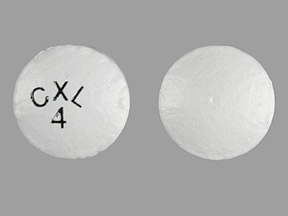
Cardura XL Side Effects
Generic name: doxazosin
Medically reviewed by Drugs.com. Last updated on Mar 29, 2024.
Note: This document contains side effect information about doxazosin. Some dosage forms listed on this page may not apply to the brand name Cardura XL.
Applies to doxazosin: oral tablet, oral tablet extended release.
Serious side effects of Cardura XL
Along with its needed effects, doxazosin (the active ingredient contained in Cardura XL) may cause some unwanted effects. Although not all of these side effects may occur, if they do occur they may need medical attention.
Check with your doctor as soon as possible if any of the following side effects occur while taking doxazosin:
More common
- Dizziness or lightheadedness
Less common
- Blurred vision
- confusion
- dizziness, faintness, or lightheadedness when getting up from a lying or sitting position
- fainting (sudden)
- fast and pounding heartbeat
- irregular heartbeat
- shortness of breath
- sweating
- swelling of feet or lower legs
Rare
- Painful or prolonged erection of the penis (called priapism), although extremely rare, must have immediate medical attention. If painful or prolonged erection occurs, call your doctor or go to an emergency room as soon as possible
Incidence not known
- Abdominal or stomach pain
- area rash
- black, tarry stools
- bleeding gums
- blood in urine or stools
- chest pain or discomfort
- chills
- clay-colored stools
- cough
- dark urine
- diarrhea
- difficulty breathing
- difficult, burning, or painful urination
- fever
- general tiredness and weakness
- headache, sudden and severe
- inability to speak
- itching
- lab results that show problems with liver
- light-colored stools
- loss of appetite
- noisy breathing
- pain or discomfort in arms, jaw, back or neck
- pinpoint red or purple spots on skin
- rash
- seizures
- slow or irregular heartbeat
- slurred speech
- sore throat
- sores, ulcers, or white spots on lips or in mouth
- swollen glands
- temporary blindness
- tightness in chest
- unpleasant breath odor
- unusual bleeding or bruising
- upper right abdominal pain
- vomiting
- vomiting of blood
- weakness in arm and/or leg on one side of the body, sudden and severe
- wheezing
- yellow eyes and skin
Other side effects of Cardura XL
Some side effects of doxazosin may occur that usually do not need medical attention. These side effects may go away during treatment as your body adjusts to the medicine. Also, your health care professional may be able to tell you about ways to prevent or reduce some of these side effects.
Check with your health care professional if any of the following side effects continue or are bothersome or if you have any questions about them:
More common
- Headache
- lack or loss of strength
- unusual tiredness or weakness
Less common
- Acid or sour stomach
- back pain
- belching
- bladder pain
- cloudy urine
- difficulty in moving
- frequent urge to urinate
- heartburn
- indigestion
- joint pain
- lower back or side pain
- muscle aching, cramping, or weakness
- muscle pains or stiffness
- nausea
- nervousness, restlessness, unusual irritability
- runny nose
- sleepiness or drowsiness
- sneezing
- sore throat
- stomach discomfort, upset or pain
- swollen joints
Incidence not known
- Anxiety
- burning, crawling, itching, numbness, prickling, “pins and needles”, or tingling feeling
- change in frequency or urination
- dry mouth
- feeling of warmth
- frequent urination
- general feeling of discomfort or illness
- hair loss
- hives or welts
- hyperventilation
- increased urge to urinate during the night
- increased volume of pale dilute urine
- loss of appetite
- painful urination
- redness of skin
- redness of the face, neck, arms and occasionally upper chest
- shaking
- swelling of the breasts or breast soreness in both females and males
- thinning of hair
- trouble in holding or releasing urine
- trouble sleeping
- waking to urinate at night
- weight loss
For Healthcare Professionals
Applies to doxazosin: oral tablet, oral tablet extended release.
General
The most common adverse reaction was dizziness.[Ref]
Nervous system
Very common (10% or more): Dizziness (up to 19%)
Common (1% to 10%): Somnolence, headache, vertigo
Uncommon (0.1% to 1%): Cerebrovascular accident, hypoesthesia, syncope, tremor, tinnitus
Very rare (less than 0.01%): Dizziness postural, paresthesia
Frequency not reported: Taste disturbance[Ref]
Other
Very common (10% or more): Fatigue/malaise (12%)
Common (1% to 10%): Asthenia, chest pain, influenza-like symptoms
Uncommon (0.1% to 1%): Pain, facial edema[Ref]
Respiratory
Common (1% to 10%): Dyspnea, rhinitis, respiratory tract infection, bronchitis, cough
Uncommon (0.1% to 1%): Epistaxis
Very rare (less than 0.01%): Bronchospasm
Postmarketing reports: Bronchospasm aggravated[Ref]
Gastrointestinal
Common (1% to 10%): Dry mouth, abdominal pain, dyspepsia, nausea
Uncommon (0.1% to 1%): Constipation, flatulence, vomiting, gastroenteritis, diarrhea
Frequency not reported: Gastrointestinal obstruction[Ref]
Genitourinary
Common (1% to 10%): Polyuria, urinary tract infection, cystitis, urinary incontinence
Uncommon (0.1% to 1%): Dysuria, micturition frequency, hematuria, impotence
Very rare (less than 0.01%): Micturition disorder, nocturia, priapism
Frequency not reported: Retrograde ejaculation[Ref]
Cardiovascular
Common (1% to 10%): Hypotension, postural hypotension, palpitation, tachycardia
Uncommon (0.1% to 1%): Angina pectoris, myocardial infarction
Very rare (less than 0.01%): Bradycardia, cardiac arrhythmias, hot flushes[Ref]
Metabolic
Common (1% to 10%): Edema, peripheral edema
Uncommon (0.1% to 1%): Gout, appetite increased, anorexia, weight increased[Ref]
Musculoskeletal
Common (1% to 10%): Myalgia, back pain
Uncommon (0.1% to 1%): Arthralgia
Rare (less than 0.1%): Muscle cramps, muscle weakness[Ref]
Dermatologic
Common (1% to 10%): Pruritus
Uncommon (0.1% to 1%): Skin rash
Very rare (less than 0.01%): Urticaria, purpura, alopecia[Ref]
Psychiatric
Uncommon (0.1% to 1%): Agitation, depression, anxiety, insomnia, nervousness
Frequency not reported: Libido decreased[Ref]
Hepatic
Uncommon (0.1% to 1%): Abnormal liver function tests
Very rare (less than 0.01%): Cholestasis, hepatitis, jaundice
Postmarketing reports: Hepatitis cholestatic[Ref]
Immunologic
Uncommon (0.1% to 1%): Allergic drug reaction
Postmarketing reports: Allergic reaction[Ref]
Hematologic
Very rare (less than 0.01%): Leukopenia, thrombocytopenia
Frequency not reported: White blood cell counts decreased, neutrophil count decreased[Ref]
Ocular
Very rare (less than 0.01%): Blurred vision
Frequency not reported: Intraoperative Floppy Iris Syndrome (IFIS)[Ref]
Endocrine
Very rare (less than 0.01%): Gynecomastia[Ref]
Renal
Very rare (less than 0.01%): Diuresis increased[Ref]
More about Cardura XL (doxazosin)
- Check interactions
- Compare alternatives
- Pricing & coupons
- Reviews (3)
- Drug images
- Dosage information
- During pregnancy
- FDA approval history
- Drug class: alpha blockers
- Breastfeeding
- En español
Patient resources
Professional resources
Other formulations
Related treatment guides
References
1. Product Information. Cardura (doxazosin). Pfizer U.S. Pharmaceuticals. 2001;PROD.
2. Cerner Multum, Inc. UK Summary of Product Characteristics.
Further information
Always consult your healthcare provider to ensure the information displayed on this page applies to your personal circumstances.
Some side effects may not be reported. You may report them to the FDA.