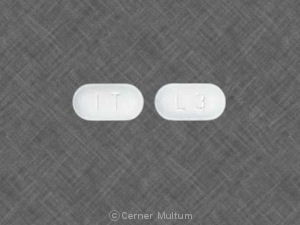
Boniva Side Effects
Generic name: ibandronate
Medically reviewed by Drugs.com. Last updated on Dec 22, 2023.
Note: This document provides detailed information about Boniva Side Effects associated with ibandronate. Some dosage forms listed on this page may not apply specifically to the brand name Boniva.
Applies to ibandronate: oral tablet.
Other dosage forms:
Serious side effects of Boniva
Along with its needed effects, ibandronate (the active ingredient contained in Boniva) may cause some unwanted effects. Although not all of these side effects may occur, if they do occur they may need medical attention.
Check with your doctor immediately if any of the following side effects occur while taking ibandronate:
More common
- bladder pain
- bloody or cloudy urine
- chest pain
- cough producing mucus
- difficult, burning, or painful urination
- difficulty with breathing
- fever or chills
- frequent urge to urinate
- lower back or side pain
- nervousness
- pounding in the ears
- shortness of breath
- slow or fast heartbeat
- sneezing
- sore throat
- tightness in the chest
Less common
- bloody or cloudy urine
- body aches or pain
- congestion
- difficulty with swallowing
- dizziness
- dryness of the throat
- fast heartbeat
- frequent urge to urinate
- hives
- hoarseness
- itching
- numbness
- puffiness or swelling of the eyelids or around the eyes, face, lips, or tongue
- runny nose
- skin rash
- tender, swollen glands in the neck
- tingling
- unusual tiredness or weakness
- voice changes
Incidence not known
- abdominal or stomach cramps
- blurred vision or other change in vision
- bone, joint, or muscle pain, severe and occasionally incapacitating
- confusion
- convulsions
- eye redness
- eye tenderness
- heavy jaw feeling
- irregular heartbeats
- large, hive-like swelling on the face, eyelids, lips, tongue, throat, hands, legs, feet, or sex organs
- loosening of a tooth
- muscle cramps in the hands, arms, feet, legs, or face
- noisy breathing
- numbness and tingling around the mouth, fingertips, or feet
- pain, swelling, or numbness in the mouth or jaw
- sensitivity to light
- severe eye pain
- tearing
- tremor
- unusual pain in the thighs, groin, or hips
Get emergency help immediately if any of the following symptoms of overdose occur while taking ibandronate:
Symptoms of overdose
- acid or sour stomach
- belching
- bone pain
- burning feeling in the chest or stomach
- heartburn
- indigestion
- loss of appetite
- pain or burning in the throat
- sores or ulcers
- stomach discomfort, upset, or pain
- tenderness in the stomach area
- vomiting
- white spots on the lips or tongue or inside the mouth
Other side effects of Boniva
Some side effects of ibandronate may occur that usually do not need medical attention. These side effects may go away during treatment as your body adjusts to the medicine. Also, your health care professional may be able to tell you about ways to prevent or reduce some of these side effects.
Check with your health care professional if any of the following side effects continue or are bothersome or if you have any questions about them:
More common
- diarrhea
- ear congestion
- headache
- loss of voice
- pain in the extremity (arms and legs)
Less common
- cough
- difficulty having a bowel movement (stool)
- difficulty with moving
- discouragement
- feeling of constant movement of self or surroundings
- feeling sad or empty
- general feeling of discomfort or illness
- irritability
- joint pain
- lack or loss of strength
- lightheadedness
- loss of interest or pleasure
- muscle aches and pain
- muscle stiffness
- pain, swelling, or redness in the joints
- sensation of spinning
- shivering
- stuffy nose
- sweating
- tooth disorder
- trouble concentrating
- trouble sleeping
For healthcare professionals
Applies to ibandronate: intravenous kit, intravenous solution, oral tablet.
General
The most serious reported adverse reactions are anaphylactic reaction/shock, atypical fractures of the femur, osteonecrosis of the jaw, and ocular inflammation.
The most frequently reported adverse reactions are arthralgia and influenza-like symptoms, typically associated with the first dose, generally of short duration, mild, or moderate intensity.[Ref]
Gastrointestinal
- Very common (10% or more): Dyspepsia (up to 12%)
- Common (1% to 10%): Diarrhea, tooth disorder, vomiting, gastritis, constipation, gastroenteritis abdominal pain, esophagitis, nausea, sore throat
- Uncommon (0.1% to 1%): Hemorrhage, duodenal ulcer, dysphagia, dry mouth[Ref]
Respiratory
- Very common (10% or more): Upper respiratory infection (up to 34%)
- Common (1% to 10%): Bronchitis, pneumonia, pharyngitis, influenza, nasopharyngitis, asthma exacerbation
- Uncommon (0.1% to 1%): Chest pain[Ref]
Metabolic
- Very common (10% or more): Hypocalcemia
- Postmarketing reports: Hypocalcemia[Ref]
Decreased renal calcium excretion may be accompanied by a fall in serum phosphate levels not requiring therapeutic measures. The serum calcium level may fall to hypocalcemic values.[Ref]
Musculoskeletal
- Very common (10% or more): Back pain (14%)
- Common (1% to 10%): Pain in the extremity, myalgia, joint disorder, arthritis, arthralgia, localized osteoarthritis, muscle cramp
- Postmarketing reports: Severe or incapacitating bone, join, or muscle pain (musculoskeletal pain); osteonecrosis of the jaw; atypical, low-energy, or low-trauma fractures of the femoral shaft; atypical subtrochanteric and diaphyseal femoral fractures[Ref]
Cardiovascular
- Common (1% to 10%): Hypertension
- Uncommon (0.1% to 1%): Phlebitis, thrombophlebitis[Ref]
Genitourinary
- Common (1% to 10%): Urinary tract infection, cystitis[Ref]
Hepatic
- Common (1% to 10%): Increased gamma-glutamyl transpeptidase (GGT) levels[Ref]
Hypersensitivity
- Common (1% to 10%): Allergic reaction
- Rare (less than 0.1%): Facial swelling/edema, urticaria
- Postmarketing reports: Anaphylactic reaction/shock with fatalities, angioedema, bronchospasm, asthma exacerbations, rash, Stevens-Johnson syndrome, erythema multiforme, and dermatitis bullous[Ref]
Local
- Common (1% to 10%): Redness or swelling at the injection site[Ref]
Nervous system
- Common (1% to 10%): Headache, dizziness, paraesthesia, dysgeusia (taste perversion)[Ref]
Other
- Common (1% to 10%): Asthenia, vertigo, influenza-like illness, peripheral edema
- Uncommon (0.1% to 1%): Malaise, pain[Ref]
Combination of influenza-like illness and acute phase reaction has occurred. Influenza-like illness includes events reported as acute phase reaction or symptoms, including myalgia, arthralgia, fever, chills, fatigue, nausea, loss of appetite, and bone pain.[Ref]
Psychiatric
- Common (1% to 10%): Insomnia, depression[Ref]
Renal
- Common (1% to 10%): Increased creatinine
- Uncommon (0.1% to 1%): Azotemia (uremia)
- Postmarketing reports: Acute renal failure[Ref]
Dermatologic
- Uncommon (0.1% to 1%): Pruritus, rash[Ref]
Rash occurred in combination of rash pruritic, rash macular, rash papular, rash generalized, rash erythematous, dermatitis, dermatitis allergic, dermatitis medicamentosa, erythema and exanthema.[Ref]
Hematologic
- Uncommon (0.1% to 1%): Anemia, increased blood parathyroid hormone[Ref]
Ocular
- Postmarketing reports: Ocular inflammation, iritis, uveitis, episcleritis (in some cases, these events resolve only after this drug was discontinued)[Ref]
References
1. (2005) "Product Information. Boniva (ibandronate)." Roche Laboratories
2. Cerner Multum, Inc. "UK Summary of Product Characteristics."
3. Cerner Multum, Inc. "Australian Product Information."
Frequently asked questions
More about Boniva (ibandronate)
- Check interactions
- Compare alternatives
- Reviews (98)
- Drug images
- Dosage information
- Patient tips
- During pregnancy
- FDA approval history
- Drug class: bisphosphonates
- Breastfeeding
- En español
Patient resources
- Boniva drug information
- Boniva (Ibandronate Intravenous) (Advanced Reading)
- Boniva (Ibandronate Oral) (Advanced Reading)
- Boniva (Ibandronate Injection)
- Boniva (Ibandronate Tablets)
Professional resources
Related treatment guides
Further information
Boniva side effects can vary depending on the individual. Always consult your healthcare provider to ensure the information displayed on this page applies to your personal circumstances.
Some side effects may not be reported. You may report them to the FDA.