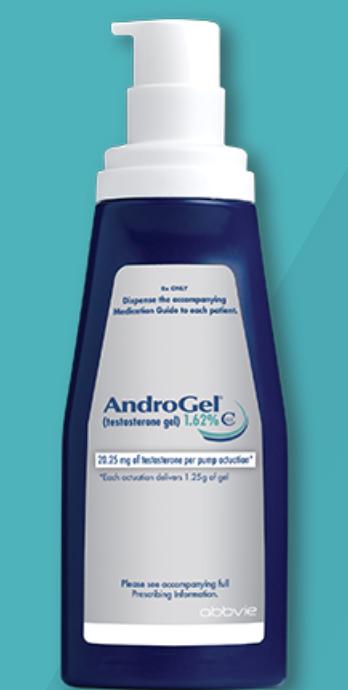
AndroGel Side Effects
Generic name: testosterone
Note: This document provides detailed information about AndroGel Side Effects associated with testosterone. Some dosage forms listed on this page may not apply specifically to the brand name AndroGel.
Applies to testosterone: oral capsule liquid filled.
Other dosage forms:
Important warnings
This medicine can cause some serious health issues
Oral route (capsule)
Warning: Blood Pressure Increases. Testosterone undecanoate can cause blood pressure (BP) increases that can increase the risk of major adverse cardiovascular events (MACE), including non-fatal myocardial infarction, non-fatal stroke and cardiovascular death.
Before initiating testosterone undecanoate, consider the patient’s baseline cardiovascular risk and ensure blood pressure is adequately controlled.
Periodically monitor for and treat new-onset hypertension or exacerbations of pre-existing hypertension and re-evaluate whether the benefits of testosterone undecanoate outweigh its risks in patients who develop cardiovascular risk factors or cardiovascular disease on treatment.
Due to this risk, use testosterone undecanoate only for the treatment of men with hypogonadal conditions associated with structural or genetic etiologies.
Serious side effects of AndroGel
Along with its needed effects, testosterone (the active ingredient contained in AndroGel) may cause some unwanted effects. Although not all of these side effects may occur, if they do occur they may need medical attention.
Check with your doctor immediately if any of the following side effects occur while taking testosterone:
Less common
- bleeding from the gums or nose
- bloating or swelling of the face, arms, hands, lower legs, or feet
- blurred vision
- bone or muscle pain
- discouragement
- dizziness
- enlarged prostate
- eye pain
- feeling sad or empty
- headache
- irritability
- lack of appetite
- loss of interest or pleasure
- nervousness
- painful or difficult urination
- pounding in the ears
- ringing in the ears
- slow or fast heartbeat
- stomach pain
- tingling of the hands or feet
- trouble concentrating
- trouble sleeping
- unusual tiredness or weakness
- unusual weight gain or loss
Rare
- changes in behavior
- thoughts of killing oneself
Incidence not known
- chest pain or discomfort
- confusion
- difficulty breathing
- difficulty in speaking
- double vision
- inability to move the arms, legs, or facial muscles
- inability to speak
- nausea
- pain in the chest, groin, or legs, especially the calves
- pain or discomfort in the arms, jaw, back, or neck
- severe, sudden headache
- slow or slurred speech
- sudden loss of coordination
- sudden, severe weakness or numbness in the arm or leg
- sweating
- vision changes
- vomiting
Get emergency help immediately if any of the following symptoms of overdose occur while taking testosterone:
Symptoms of overdose
- blurred vision
- inability to speak
- seizures
- severe or sudden headache
- slurred speech
- temporary blindness
- weakness in the arm or leg on one side of the body, sudden and severe
Other side effects of AndroGel
Some side effects of testosterone may occur that usually do not need medical attention. These side effects may go away during treatment as your body adjusts to the medicine. Also, your health care professional may be able to tell you about ways to prevent or reduce some of these side effects.
Check with your health care professional if any of the following side effects continue or are bothersome or if you have any questions about them:
Less common
- belching
- bloated, full feeling
- diarrhea
- excess air or gas in the stomach
- heartburn
- indigestion
- runny or stuffy nose
- sore throat
- stomach discomfort or upset
For healthcare professionals
Applies to testosterone: buccal film extended release, compounding powder, intramuscular solution, nasal gel, oral capsule, subcutaneous implant, subcutaneous solution, transdermal cream, transdermal film, transdermal film extended release, transdermal gel, transdermal ointment, transdermal solution.
General
The most frequently reported side effects with this drug are edema, acne, site pain, injection site erythema, cough or dyspnea during or immediately after injection.
The most frequently reported side effects with testosterone (the active ingredient contained in AndroGel) topical are skin reaction (16.1%) and allergic contact dermatitis (up to 37%).[Ref]
Dermatologic
- Very common (10% or more): Testosterone topical: Skin reaction (16.1%), burn-like blisters (12%), itching, allergic contact dermatitis (up to 37%)
- Common (1% to 10%): Acne, induration, burning
- Uncommon (0.1% to 1%): Alopecia, erythema, rash (including rash popular), pruritus, dry skin, folliculitis (testosterone (the active ingredient contained in AndroGel) topical)
- Frequency not reported: Seborrhea, urticaria, male pattern baldness, hirsutism injection site inflammation
- Postmarketing reports: Angioedema, angioneurotic edema, hyperhidrosis, discolored hair, leukocytoclastic vasculitis[Ref]
Endocrine
- Very common (10% or more): Accelerated growth
- Common (1% to 10%): Increased estradiol, hypogonadism
- Uncommon (0.1% to 1%): Increased blood testosterone (the active ingredient contained in AndroGel) Frequency not reported: Signs of virilization in women (e.g., hoarseness, acne, hirsutism, menstrual irregularity, clitoral enlargement, and alopecia), precocious puberty (in prepubertal males)
- Postmarketing reports: Hyperparathyroidism, prolactin increased, testosterone increased[Ref]
Gastrointestinal
- Very common (10% or more): Testosterone buccal film: Gingivitis (32.6%)
- Common (1% to 10%): Diarrhea, oily stools (due to IM injection oily solvent); Testosterone topical: Gastroesophageal reflux disease, gastrointestinal bleeding, gum or mouth irritation (9.2%), taste bitter, gum pain, gum tenderness, gum edema, taste perversion
- Uncommon (0.1% to 1%): Nausea
- Rare (less than 0.1%): Abdominal pain
- Frequency not reported: Abdominal disorder, intraabdominal hemorrhage
- Postmarketing reports: Vomiting; Testosterone buccal film: Dry mouth, gingival swelling, lip swelling, mouth ulceration, stomatitis[Ref]
The majority of gum-related adverse events were transient.[Ref]
Local
- Very common (10% or more): Testosterone topical: Application site pruritus (up to 37%), application site blistering (12%)
- Common (1% to 10%): Injection site pain, injection site discomfort, injection site pruritus, erythema, injection site hematoma, injection site irritation, injection site inflammation; injection site reaction; Topical testosterone (the active ingredient contained in AndroGel) Application site erythema, application site warmth, application site irritation, application site vesicles, application site exfoliation, application site burning, application site induration, bullae at application site, mechanical irritation at application site, rash at application site, contamination of application site
- Postmarketing reports: Injection site abscess, procedural pain, application site swelling (topical testosterone)[Ref]
Cardiovascular
- Common (1% to 10%): Hot flush, hypertension
- Uncommon (0.1% to 1%): Cardiovascular disorder
- Frequency not reported: Venous thromboembolism
- Postmarketing reports: Angina pectoris, cardiac arrest, cardiac failure, coronary artery disease, coronary artery occlusion, myocardial infarction, tachycardia, cerebral infarction, cerebrovascular accident, circulatory collapse, deep venous thrombosis, syncope, thromboembolism, thrombosis, venous insufficiency, stroke[Ref]
Genitourinary
- Common (1% to 10%): Abnormal prostate examination, benign prostate hyperplasia (BPH), ejaculation disorder, prostatitis
- Uncommon (0.1% to 1%): Prostate induration, prostatic disorder, testicular pain, decreased urine flow, urinary retention, urinary tract disorder, nocturia, dysuria
- Rare (less than 0.1%): Micturition disorders, epididymitis, bladder irritability, impotence, inhibition of testicular function and testicular atrophy
- Frequency not reported: Oligospermia, priapism, benign prostatic hyperplasia (prostatic growth to eugonadal state), excessive frequency and duration of erections; Pediatrics: Precocious sexual development, an increased frequency of erections, phallic enlargement
- Postmarketing reports: Prostate infection, calculus urinary, dysuria, hematuria, urinary tract disorder, pollakiuria, azoospermia[Ref]
Hematologic
- Common (1% to 10%): Polycythemia, hematocrit increased
- Uncommon (0.1% to 1%): Increased red blood cell count, increased hemoglobin, prolonged activated partial thromboplastin time, prolonged prothrombin time
- Frequency not reported: Blood and lymphatic system disorders, suppression of clotting factors II, V, VII, and X, bleeding in patients on concomitant anticoagulant therapy
- Postmarketing reports: Thrombocytopenia, anemia[Ref]
Metabolic
- Common (1% to 10%): Weight increased, appetite increased, fluid retention (sodium, chloride, water, potassium, calcium, and inorganic phosphates)
- Uncommon (0.1% to 1%): Increased glycosylated hemoglobin, hypercholesterolemia, increased triglyceride
- Frequency not reported: Abnormal lipids (decrease in serum LDL, HDL, and triglycerides), metabolism and nutrition disorders, hypercalcemia
- Postmarketing reports: Hypoglycemia, diabetes mellitus, fluid retention, hyperlipidemia, hypertriglyceridemia, blood glucose increased[Ref]
Musculoskeletal
- Common (1% to 10%): Back pain, hemarthrosis (testosterone (the active ingredient contained in AndroGel) topical)
- Uncommon (0.1% to 1%): Arthralgia, pain in extremity, muscle spasm, muscle strain, myalgia, musculoskeletal stiffness, increased creatine phosphokinase
- Frequency not reported: Pediatrics: Premature epiphyseal closure, increased bone formation
- Postmarketing reports: Musculoskeletal chest pain, musculoskeletal pain, myalgia, osteopenia, osteoporosis, systemic lupus erythematosus[Ref]
Nervous system
- Common (1% to 10%): Headache, vertigo (topical testosterone (the active ingredient contained in AndroGel)
- Uncommon (0.1% to 1%): Migraine, tremor, dizziness
- Frequency not reported: Nervousness, paresthesia
- Postmarketing reports: Cerebrovascular insufficiency, reversible ischemic neurological deficiency, transient ischemic attack, amnesia[Ref]
Oncologic
- Common (1% to 10%): Prostatic specific antigen (PSA) increased, prostate cancer
- Uncommon (0.1% to 1%): Prostatic intraepithelial neoplasia
- Rare (less than 0.1%): Neoplasms benign, malignant, and unspecified (including cysts and polyps)[Ref]
Other
- Common (1% to 10%): Fatigue, hyperhidrosis; chills, body pain, smell disorder
- Uncommon (0.1% to 1%): Breast induration, breast pain, sensitive nipples, gynecomastia, increased estradiol, increased testosterone (the active ingredient contained in AndroGel) asthenia, night sweats
- Rare (less than 0.1%): Fever, malaise
- Frequency not reported: Edema
- Postmarketing reports: Sudden hearing loss, tinnitus, Influenza like illness[Ref]
Psychiatric
- Common (1% to 10%): Irritability, insomnia, mood swings, aggression,
- Uncommon (0.1% to 1%): Depression, emotional disorder, restlessness, increased libido, decreased libido
- Frequency not reported: Hostility, anxiety
- Postmarketing reports: Korsakoff's psychosis nonalcoholic, male orgasmic disorder, restlessness, sleep disorder[Ref]
Respiratory
- Common (1% to 10%): Sinusitis, nasopharyngitis, upper respiratory tract infection, bronchitis
- Uncommon (0.1% to 1%): Cough, dyspnea, snoring, dysphonia
- Rare (less than 0.1%): Pulmonary microembolism (POME) (cough, dyspnea, malaise, hyperhidrosis, chest pain, dizziness, paresthesia, or syncope) caused by oily solutions
- Frequency not reported: Sleep apnea
- Postmarketing reports: Chest pain, asthma, chronic obstructive pulmonary disease, hyperventilation, obstructive airway disorder, pharyngeal edema, pharyngolaryngeal pain, pulmonary embolism, respiratory distress, rhinitis, sleep apnea syndrome[Ref]
Signs and symptoms of pulmonary microemboli may occur during or immediately after the injections and are reversible.[Ref]
Hepatic
- Uncommon (0.1% to 1%): Abnormal LFT, increased AST
- Rare (less than 0.1%): Abnormal hepatic function
- Frequency not reported: Jaundice, benign liver tumor, malignant liver tumor, liver enlargement, peliosis hepatitis
- Postmarketing reports: ALT increased, AST increased, bilirubin increased, transaminases increased, gamma-glutamyltransferase increased[Ref]
Hypersensitivity
- Uncommon (0.1% to 1%): Hypersensitivity reactions
- Frequency not reported: Anaphylactic reactions
- Postmarketing reports: Anaphylactic shock[Ref]
Ocular
- Uncommon (0.1% to 1%): Testosterone (the active ingredient contained in AndroGel) topical: Lacrimation increased
- Postmarketing reports: Testosterone topical: Intraocular pressure increased, vitreous detachment[Ref]
Renal
- Postmarketing reports: Nephrolithiasis, renal colic, renal pain[Ref]
References
1. (2001) "Product Information. Androderm (testosterone topical)." SmithKline Beecham
2. (2002) "Product Information. Testopel (testosterone)." Bartor Pharmacal Co, Inc
3. Cerner Multum, Inc. "UK Summary of Product Characteristics."
4. Cerner Multum, Inc. "Australian Product Information."
5. (2014) "Product Information. Depo-Testosterone (testosterone)." Pfizer U.S. Pharmaceuticals Group
6. (2014) "Product Information. Testosterone Enanthate (testosterone)." West Ward Pharmaceutical Corporation
7. (2014) "Product Information. Aveed (testosterone)." Endo Pharmaceuticals Solutions Inc
8. (2015) "Product Information. Testim (testosterone)." A-S Medication Solutions
9. (2015) "Product Information. Fortesta (testosterone)." Endo Pharmaceuticals (formally Indevus Pharmaceuticals Inc)
10. (2015) "Product Information. Axiron (testosterone)." Lilly, Eli and Company
11. Traupe H, von Muhlendahl KE, Bramswig J, Happle R (1988) "Acne of the fulminans type following testosterone therapy in three excessively tall boys." Arch Dermatol, 124, p. 414-7
12. Bates GW, Cornwell CE (1991) "Iatrogenic causes of hirsutism." Clin Obstet Gynecol, 34, p. 848-51
13. Fyrand O, Fiskaadal HJ, Trygstad O (1992) "Acne in pubertal boys undergoing treatment with androgens." Acta Derm Venereol, 72, p. 148-9
14. O'Driscoll JB, August PJ (1990) "Exacerbation of psoriasis precipitated by an oestradiol-testosterone implant." Clin Exp Dermatol, 15, p. 68-9
15. Bennett NJ (1998) "A burn-like lesion caused by a testosterone transdermal system." Burns, 24, p. 478-80
16. Buckley DA, Wilkinson SM, Higgins EM (1998) "Contact allergy to a testosterone patch." Contact Dermatitis, 39, p. 91-2
17. Wu FC, Farley TM, Peregoudov A, Waites GM (1996) "Effects of testosterone enanthate in normal men: experience from a multicenter contraceptive efficacy study. World Health Organizatio Task Force on Methods for the Regulation of Male Fertility." Fertil Steril, 65, p. 626-36
18. DeSanctis V, Vullo C, Urso L, Rigolin F, Cavallini A, Caramelli K, Daugherty C, Mazer N (1998) "Clinical experience using the Androderm (R) testosterone transdermal system in hypogonadal adolescents and young men with beta-thalassemia major." J Pediatr Endocrinol Metab, 11, p. 891-900
19. Dobs AS, Meikle AW, Arver S, Sanders SW, Caramelli KE, Mazer NA (1999) "Pharmacokinetics, efficacy, and safety of a permeation-enhanced testosterone transdermal system in comparison with bi-weekly injections of testosterone enanthate for the treatment of hypogonadal men." J Clin Endocrinol Metab, 84, p. 3469-78
20. Matsumoto AM (1990) "Effects of chronic testosterone administration in normal men: safety and efficacy of high dosage testosterone and parallel dose-dependent suppression of luteinizing hormone, follicle-stimulating hormone, and sperm production." J Clin Endocrinol Metab, 70, p. 282-7
21. Cefalu WT, Pardridge WM, Premachandra BN (1985) "Hepatic bioavailability of thyroxine and testosterone in familial dysalbuminemic hyperthyroxinemia." J Clin Endocrinol Metab, 61, p. 783-6
22. Becker U, Gluud C, Bennett P (1988) "The effect of oral testosterone on serum TBG levels in alcoholic cirrhotic men." Liver, 8, p. 219-24
23. Tripathy D, Shah P, Lakshmy R, Reddy KS (1998) "Effect of testosterone replacement on whole body glucose utilisation and other cardiovascular risk factors in males with idiopathi hypogonadotrophic hypogonadism." Horm Metab Res, 30, p. 642-5
24. Ferrera PC, Putnam DL, Verdile VP (1997) "Anabolic steroid use as the possible precipitant of dilated cardiomyopathy." Cardiology, 88, p. 218-20
25. Zelissen PM, Stricker BH (1988) "Severe priapism as a complication of testosterone substitution therapy." Am J Med, 85, p. 273-4
26. Jackson JA, Waxman J, Spiekerman AM (1989) "Prostatic complications of testosterone replacement therapy." Arch Intern Med, 149, p. 2365-6
27. Parker LU, Bergfeld WF (1991) "Virilization secondary to topical testosterone." Cleve Clin J Med, 58, p. 43-6
28. Endres W, Shin YS, Rieth M, Block T, Schmiedt E, Knorr D (1987) "Priapism in Fabry's disease during testosterone treatment." Klin Wochenschr, 65, p. 925
29. Wang C, Leung A, Superlano L, Steiner B, Swerdloff RS (1997) "Oligozoospermia induced by exogenous testosterone is associated with normal functioning residual spermatozoa." Fertil Steril, 68, p. 149-53
30. Anderson FH, Francis RM, Faulkner K (1996) "Androgen supplementation in eugonadal men with osteoporosis-effects of 6 months of treatment on bone mineral density and cardiovascula risk factors." Bone, 18, p. 171-7
31. Zhang GY, Gu YQ, Wang XH, Cui YG, Bremner WJ (1999) "A clinical trial of injectable testosterone undecanoate as a potential male contraceptive in normal Chinese men." J Clin Endocrinol Metab, 84, p. 3642-7
32. Bhasin S, Storer TW, Javanbakht M, et al. (2000) "Testosterone replacement and resistance exercise in HIV-infected men with weight loss and low testosterone levels." JAMA, 283, p. 763-70
33. Bagatell CJ, Heiman JR, Matsumoto AM, Rivier JE, Bremner WJ (1994) "Metabolic and behavioral effects of high-dose, exogenous testosterone in healthy men." J Clin Endocrinol Metab, 79, p. 561-7
34. Lajarin F, Zaragoza R, Tovar I, Martinezhernandez P (1996) "Evolution of serum lipids in two male bodybuilders using anabolic steroids." Clin Chem, 42, p. 970-2
35. Zmuda JM, Thompson PD, Dickenson R, Bausserman LL (1996) "Testosterone decreases lipoprotein(a) in men." Am J Cardiol, 77, p. 1244
36. Stannard JP, Bucknell AL (1993) "Rupture of the triceps tendon associated with steroid injections." Am J Sports Med, 21, p. 482-5
37. Pollard M (1990) "Tumorigenic effect of testosterone." Lancet, 336, p. 1518
38. Uzych L (1992) "Anabolic-androgenic steroids and psychiatric-related effects: a review." Can J Psychiatry, 37, p. 23-8
39. Falk H, Thomas LB, Popper H, Ishak KG (1979) "Hepatic angiosarcoma associated with androgenic-anabolic steroids." Lancet, 2, p. 1120-3
40. Carrasco D, Prieto M, Pallardo L, Moll JL, Cruz JM, Munoz C, Berenguer J (1985) "Multiple hepatic adenomas after long-term therapy with testosterone enanthate. Review of the literature." J Hepatol, 1, p. 573-8
41. Nuzzo JL, Manz HJ, Maxted WC (1985) "Peliosis hepatis after long-term androgen therapy." Urology, 25, p. 518-9
42. Yu MW, Chen CJ (1993) "Elevated serum testosterone levels and risk of hepatocellular carcinoma." Cancer Res, 53, p. 790-4
Frequently asked questions
- What are the brands of testosterone?
- Is Jatenzo cost covered by insurance?
- Is Xyosted a controlled substance?
More about AndroGel (testosterone)
- Check interactions
- Compare alternatives
- Pricing & coupons
- Reviews (111)
- Drug images
- Latest FDA alerts (8)
- Dosage information
- During pregnancy
- Generic availability
- Support group
- Drug class: androgens and anabolic steroids
- Breastfeeding
- En español
Patient resources
Other brands
Xyosted, Jatenzo, Depo-Testosterone, Androderm, ... +13 more
Professional resources
Other brands
Xyosted, Jatenzo, Depo-Testosterone, Androderm, ... +10 more
Related treatment guides
Further information
AndroGel side effects can vary depending on the individual. Always consult your healthcare provider to ensure the information displayed on this page applies to your personal circumstances.
Some side effects may not be reported. You may report them to the FDA.