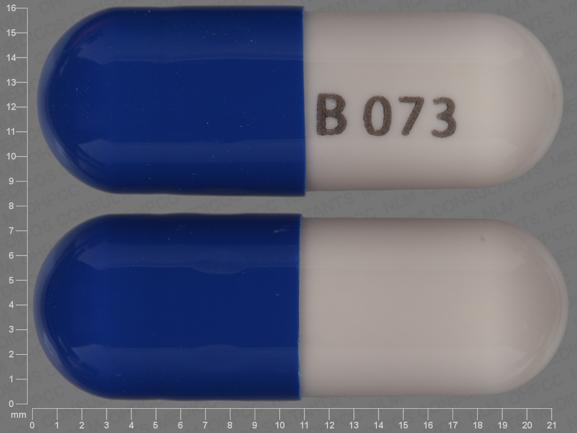
Acetaminophen / butalbital / caffeine / codeine Side Effects
Medically reviewed by Drugs.com. Last updated on Nov 7, 2023.
Applies to acetaminophen / butalbital / caffeine / codeine: oral capsule.
Warning
Oral route (Capsule)
Addiction, Abuse, and Misuse
Butalbital, acetaminophen, caffeine, and codeine phosphate capsules expose patients and other users to the risks of opioid addiction, abuse, and misuse, which can lead to overdose and death. Assess each patient's risk prior to prescribing butalbital, acetaminophen, caffeine, and codeine phosphate capsules, and monitor all patients regularly for the development of these behaviors or conditions.
Opioid Analgesic Risk Evaluation and Mitigation Strategy (REMS)
To ensure that the benefits of opioid analgesics outweigh the risks of addiction, abuse, and misuse, the Food and Drug Administration (FDA has required a REMS for these products. Under the requirements of the REMS, drug companies with approved opioid analgesic products must make REMS-compliant eduction programs available to healthcare providers. Healthcare providers are strongly encouraged to complete a REMS-compliant education program, counsel patients and/or their caregivers, with every prescription, on safe use, serious risks, storage, and disposal of these products, emphasize to patients and their caregivers the importance of reading the Medication Guide every time it is provided by their pharmacist, and consider other tools to improve patient, household, and community safety.
Life-Threatening Respiratory Depression
Serious, life-threatening, or fatal respiratory depression may occur with use of butalbital, acetaminophen, caffeine, and codeine phosphate capsules. Monitor for respiratory depression, especially during initiation of butalbital, acetaminophen, caffeine, and codeine phosphate capsules or following a dose increase.
Accidental Ingestion
Accidental ingestion of even one dose of butalbital, acetaminophen, caffeine, and codeine phosphate capsules, especially by children, can result in a fatal overdose of butalbital, acetaminophen, caffeine, and codeine phosphate capsules.
Risks from Concomitant Use with Benzodiazepines or Other CNS Depressants
Concomitant use of opioids with benzodiazepines or other CNS depressants, including alcohol, may result in profound sedation, respiratory depression, coma, and death. Reserve concomitant prescribing of butalbital, acetaminophen, caffeine, and codeine phosphate capsules and benzodiazepines or other CNS depressants for use in patients for whom alternative treatment options are inadequate. Limit dosages and durations to the minimum required. Follow patients for signs and symptoms of respiratory depression and sedation.
Ultra-Rapid Metabolism of Codeine and Other Risk Factors for Life-Threatening Respiratory Depression in Children
Life-threatening respiratory depression and death have occurred in children who received codeine. Most of the reported cases occurred following tonsillectomy and/or adenoidectomy, and many of the children had evidence of being an ultra-rapid metabolizer of codeine due to a CYP2D6 polymorphism. butalbital, acetaminophen, caffeine, and codeine phosphate capsules are contraindicated in children younger than 12 years of age and in children younger than 18 years of age following tonsillectomy and/or adenoidectomy. Avoid the use of butalbital, acetaminophen, caffeine, and codeine phosphate capsules in adolescents 12 to 18 years of age who have other risk factors that may increase their sensitivity to the respiratory depressant effects of codeine
Neonatal Opioid Withdrawal Syndrome
Prolonged use of butalbital, acetaminophen, caffeine, and codeine phosphate capsules during pregnancy can result in neonatal opioid withdrawal syndrome, which may be life-threatening if not recognized and treated, and requires management according to protocols developed by neonatology experts. If opioid use is required for a prolonged period in a pregnant woman, advise the patient of the risk of neonatal opioid withdrawal syndrome and ensure that appropriate treatment will be available.
Interactions with Drug Affecting Cytochrome P450 Isoenzymes
The effects of concomitant use or discontinuation of cytochrome P450 3A4 inducers, 3A4 inhibitors, or 2D6 inhibitors with codeine are complex. Use of cytochrome P450 3A4 inducers, 3A4 inhibitors, or 2D6 inhibitors with butalbital, acetaminophen, caffeine, and codeine phosphate capsules requires careful consideration of the effects on the parent drug, codeine, and the active metabolite, morphine.Hepatotoxicity: Butalbital, Acetaminophen, Caffeine, and Codeine Phosphate Capsules contain acetaminophen. Acetaminophen has been associated with cases of acute liver failure, at times resulting in liver transplant and death. Most of the cases of liver injury are associated with the use of acetaminophen at doses that exceed 4,000 milligrams per day, and often involve more than one acetaminophen-containing product.
Serious side effects
Along with its needed effects, acetaminophen/butalbital/caffeine/codeine may cause some unwanted effects. Although not all of these side effects may occur, if they do occur they may need medical attention.
Check with your doctor immediately if any of the following side effects occur while taking acetaminophen/butalbital/caffeine/codeine:
Less common
- Confusion (mild)
- mental depression
- unusual excitement (mild)
Rare
- Bleeding or crusting sores on the lips
- chest pain or tightness
- fever with or without chills
- hive-like swellings on the eyelids, face, lips, or tongue
- hives, itching, or skin rash
- muscle cramps or pain
- red, thickened, or scaly skin
- seeing, hearing, or feeling things that are not there
- seizures
- sore throat
- sores, ulcers, or white spots in the mouth
- swollen or painful glands
- trouble breathing
Incidence not known
- Agitation
- cough
- darkening of the skin
- diarrhea
- difficulty with swallowing
- dizziness
- fainting
- fever
- loss of appetite
- nausea
- overactive reflexes
- poor coordination
- puffiness or swelling of the eyelids or around the eyes, face, lips, or tongue
- restlessness
- shivering
- talking or acting with excitement you cannot control
- trembling or shaking
- twitching
- unusual tiredness or weakness
- vomiting
Get emergency help immediately if any of the following symptoms of overdose occur while taking acetaminophen / butalbital / caffeine / codeine:
Symptoms of overdose
- Anxiety (severe)
- cold and clammy skin
- confusion (severe)
- dizziness, lightheadedness, drowsiness, or weakness (severe)
- excitement (severe)
- increased sleepiness in babies (more than usual)
- increased sweating
- irritability (severe)
- limpness (in babies)
- nausea
- restlessness (severe)
- slow, fast, or irregular heartbeat
- slurred speech
- stomach cramps or pain
- swelling, pain, or tenderness in the upper abdomen or stomach area
- trembling or shaking of the hands or feet
- trouble sleeping (severe)
- unusually slow breathing
- vomiting
Other side effects
Some side effects of acetaminophen / butalbital / caffeine / codeine may occur that usually do not need medical attention. These side effects may go away during treatment as your body adjusts to the medicine. Also, your health care professional may be able to tell you about ways to prevent or reduce some of these side effects.
Check with your health care professional if any of the following side effects continue or are bothersome or if you have any questions about them:
More common
- Bloated or "gassy" feeling
- drowsiness (mild)
For Healthcare Professionals
Applies to acetaminophen / butalbital / caffeine / codeine: oral capsule.
General
The most frequently reported adverse events have included drowsiness, lightheadedness, dizziness, sedation, shortness of breath, nausea, vomiting, abdominal pain, and intoxicated feeling.[Ref]
Hepatic
Acetaminophen:
Frequency not reported: Liver failure[Ref]
Acute liver failure has been reported with acetaminophen use; many cases have been associated with use at doses in excess of 4 g/day, and often involving more than 1 acetaminophen-containing product.[Ref]
Respiratory
Common (1% to 10%): Shortness of breath
Uncommon (0.1% to 1%): Nasal congestion
Codeine:
Postmarketing reports: Respiratory depression including deaths[Ref]
Respiratory depression resulting in death has been reported in children who received codeine postoperatively following tonsillectomy and/or adenoidectomy. These children had evidence of being ultra-rapid metabolizers of codeine. Death has also been reported in nursing infants exposed to high levels of morphine in breast milk due to their breastfeeding mother being an ultra-rapid metabolizer of codeine.[Ref]
Hypersensitivity
Uncommon (0.1% to 1%): Allergic reactions
Postmarketing reports: Anaphylaxis
Acetaminophen:
Postmarketing reports: Anaphylaxis[Ref]
Dermatologic
Several cases of dermatologic reactions including toxic epidermal necrolysis and erythema multiforme have been reported with butalbital/acetaminophen/caffeine.[Ref]
Butalbital/Acetaminophen/Caffeine/Codeine:
Uncommon (0.1% to 1%): Hyperhidrosis, pruritus
Frequency not reported: Toxic epidermal necrolysis, erythema multiforme
Acetaminophen:
Rare (less than 0.1%): Serious skin reactions such as acute generalized exanthematous pustulosis, Stevens-Johnson syndrome, and toxic epidermal necrolysis
Frequency not reported: Rash[Ref]
Psychiatric
Butalbital/Acetaminophen/Caffeine/Codeine:
Uncommon (0.1% to 1%): Agitation, euphoria
Caffeine:
Frequency not reported: Irritability, dependence[Ref]
Gastrointestinal
Common (1% to 10%): Nausea, vomiting, abdominal pain
Uncommon (0.1% to 1%): Dry mouth, difficulty swallowing, heartburn, flatulence, constipation[Ref]
Renal
Butalbital/Acetaminophen/Caffeine/Codeine:
Uncommon (0.1% to 1%): Diuresis
Caffeine:
Frequency not reported: Nephrotoxicity[Ref]
Hematologic
Acetaminophen:
Frequency not reported: Thrombocytopenia, agranulocytosis[Ref]
Cardiovascular
Butalbital/Acetaminophen/Caffeine/Codeine:
Uncommon (0.1% to 1%): Tachycardia
Caffeine:
Frequency not reported: Cardiac stimulation[Ref]
Nervous system
Butalbital/Acetaminophen/Caffeine/Codeine:
Common (1% to 10%): Drowsiness, lightheadedness, dizziness, sedation
Uncommon (0.1% to 1%): Headache, shaky feeling, tingly, fainting, numbness, seizures, mental confusion, excitement or depression due to intolerance
Caffeine:
Frequency not reported: Tremor
Opioids:
Frequency not reported: Serotonin syndrome (with concomitant serotonergic drugs)[Ref]
Other
Common (1% to 10%): Intoxicated feeling
Uncommon (0.1% to 1%): Fatigue, high energy, heavy eyelids, sluggishness, hot spells, fever, earache, tinnitus
Metabolic
Caffeine:
Frequency not reported: Hyperglycemia[Ref]
Musculoskeletal
Uncommon (0.1% to 1%): Leg pain, muscle fatigue[Ref]
Endocrine
Opioids:
Frequency not reported: Adrenal insufficiency, androgen deficiency
More about acetaminophen / butalbital / caffeine / codeine
- Check interactions
- Compare alternatives
- Pricing & coupons
- Reviews (30)
- Drug images
- Dosage information
- During pregnancy
- Drug class: narcotic analgesic combinations
- En español
Patient resources
- Acetaminophen, butalbital, caffeine, and codeine drug information
- Butalbital, acetaminophen, caffeine, and codeine (Advanced Reading)
- Butalbital, Acetaminophen, Caffeine, and Codeine
Other brands
Fioricet with Codeine, Phrenilin with Caffeine and Codeine
Professional resources
Other brands
Related treatment guides
References
1. Product Information. APAP/Butalbital/Caffeine/Codeine (acetaminophen / butalbital / caffeine / codeine). West-Ward Pharmaceutical Corporation, Eatontown, NJ.
2. Product Information. Fioricet with Codeine (acetaminophen / butalbital / caffeine / codeine). Watson Pharmaceuticals. 2017.
Further information
Always consult your healthcare provider to ensure the information displayed on this page applies to your personal circumstances.
Some side effects may not be reported. You may report them to the FDA.