Flurazepam Prescribing Information
Package insert / product label
Generic name: flurazepam hydrochloride
Dosage form: capsule
Drug class: Benzodiazepines
Medically reviewed by Drugs.com. Last updated on Dec 22, 2023.
On This Page
- Indications and Usage
- Dosage and Administration
- Dosage Forms and Strengths
- Contraindications
- Warnings and Precautions
- Adverse Reactions/Side Effects
- Drug Interactions
- Use In Specific Populations
- Drug Abuse and Dependence
- Overdosage
- Description
- Clinical Pharmacology
- Nonclinical Toxicology
- Clinical Studies
- How Supplied/Storage and Handling
- Patient Counseling Information
- Medication Guide
Highlights of Prescribing Information
These highlights do not include all the information needed to use FLURAZEPAM HYDROCHLORIDE CAPSULES safely and effectively. See full prescribing information for FLURAZEPAM HYDROCHLORIDE CAPSULES.
FLURAZEPAM HYDROCHLORIDE capsules, for oral use CIV
Initial U.S. Approval: 1970
WARNING: RISKS FROM CONCOMITANT USE WITH OPIOIDS; ABUSE, MISUSE, AND ADDICTION; and DEPENDENCE AND WITHDRAWAL REACTIONS
See full prescribing information for complete boxed warning.
- Concomitant use of benzodiazepines and opioids may result in profound sedation, respiratory depression, coma, and death. Reserve concomitant prescribing of these drugs in patients for whom alternative treatment options are inadequate. Limit dosages and durations to the minimum required. Follow patients for signs and symptoms of respiratory depression and sedation ( 5.1, 7.1).
- The use of benzodiazepines, including flurazepam hydrochloride capsules, exposes users to risks of abuse, misuse, and addiction, which can lead to overdose or death. Before prescribing flurazepam hydrochloride capsules and throughout treatment, assess each patient’s risk for abuse, misuse, and addiction ( 5.2).
- Abrupt discontinuation or rapid dosage reduction of flurazepam hydrochloride capsules after continued use may precipitate acute withdrawal reactions, which can be life-threatening. To reduce the risk of withdrawal reactions, use a gradual taper to discontinue flurazepam hydrochloride capsules or reduce the dosage ( 2.3, 5.3).
Indications and Usage for Flurazepam
Flurazepam, a gamma-aminobutyric (GABA A) agonist, is indicated for the treatment of insomnia characterized by difficulty falling asleep, frequent nocturnal awakenings, and/or early morning awakenings. ( 1)
Flurazepam Dosage and Administration
Dosage Forms and Strengths
- 15 mg and 30 mg capsules. ( 3)
Contraindications
- Hypersensitivity to flurazepam or other benzodiazepines. ( 4)
Warnings and Precautions
- CNS depressant effects: Impaired alertness and motor coordination, including risk of falling. Daytime impairment. Caution patients against driving and other activities requiring complete mental alertness. ( 5.4)
- The failure of insomnia to remit after 7 to 10 days of treatment may indicate the presence of a primary psychiatric and/or medical illness that should be evaluated. ( 5.5)
- Severe anaphylactic/anaphylactoid reactions: Angioedema and anaphylaxis have been reported. Do not rechallenge if such reactions occur. ( 5.6)
- Sleep driving and other complex behaviors while not fully awake: Risk increases with dose and concomitant CNS depressants and alcohol. Immediately evaluate any new onset behavioral changes. ( 5.7)
- Worsening of depression or suicidal thinking may occur: Prescribe the least number of capsules feasible to avoid intentional overdose. ( 5.8)
- Neonatal Sedation and Withdrawal Syndrome: Flurazepam use during pregnancy can result in neonatal sedation and/or neonatal withdrawal. ( 5.9)
Adverse Reactions/Side Effects
Adverse reactions: dizziness, drowsiness, light-headedness, staggering, ataxia, falling. ( 6.1)
To report SUSPECTED ADVERSE REACTIONS, contact Chartwell RX, LLC. at 1-845-232-1683 or FDA at 1-800-FDA-1088 or www.fda.gov/medwatch.
Drug Interactions
Use In Specific Populations
- Lactation: Breastfeeding not recommended. ( 8.2)
See 17 for PATIENT COUNSELING INFORMATION and Medication Guide.
Revised: 12/2023
Related/similar drugs
Quviviq, lorazepam, melatonin, zolpidem, diphenhydramine, Ativan, Ambien
Full Prescribing Information
WARNING: RISKS FROM CONCOMITANT USE WITH OPIOIDS; ABUSE, MISUSE, AND ADDICTION; and DEPENDENCE AND WITHDRAWAL REACTIONS
- Concomitant use of benzodiazepines and opioids may result in profound sedation, respiratory depression, coma, and death. Reserve concomitant prescribing of these drugs in patients for whom alternative treatment options are inadequate. Limit dosages and durations to the minimum required. Follow patients for signs and symptoms of respiratory depression and sedation [see Warnings and Precautions ( 5.1) and Drug Interactions ( 7.1) ].
- The use of benzodiazepines, including flurazepam hydrochloride capsules, exposes users to risks of abuse, misuse, and addiction, which can lead to overdose or death. Abuse and misuse of benzodiazepines commonly involve concomitant use of other medications, alcohol, and/or illicit substances, which is associated with an increased frequency of serious adverse outcomes. Before prescribing flurazepam hydrochloride capsules, and throughout treatment, assess each patient’s risk for abuse, misuse, and addiction [ see Warnings and Precautions ( 5.2) ].
- The continued use of benzodiazepines, including flurazepam hydrochloride capsules, may lead to clinically significant physical dependence. The risks of dependence and withdrawal increase with longer treatment duration and higher daily dose. Abrupt discontinuation or rapid dosage reduction of flurazepam hydrochloride capsules after continued use may precipitate acute withdrawal reactions, which can be life-threatening. To reduce the risk of withdrawal reactions, use a gradual taper to discontinue flurazepam hydrochloride capsules or reduce the dosage [ see Dosage and Administration ( 2.3) and Warnings and Precautions ( 5.3) ].
1. Indications and Usage for Flurazepam
Flurazepam hydrochloride capsules are indicated for the treatment of insomnia characterized by difficulty in falling asleep, frequent nocturnal awakenings, and/or early morning awakenings [see Clinical Studies ( 14) ].
Since insomnia is often transient and intermittent, short-term use is usually sufficient. Prolonged use of hypnotics is usually not indicated and should only be undertaken concomitantly with appropriate evaluation of the patient.
2. Flurazepam Dosage and Administration
2.1 Dosage in Adults
Use the lowest dose effective for the patient, as important adverse effects of flurazepam hydrochloride capsules are dose related.
The recommended initial dose is 15 mg for women and either 15 mg or 30 mg for men. The 15 mg dose can be increased to 30 mg if necessary for efficacy.
The recommended initial doses for women and men are different because flurazepam clearance is lower in women [see Pharmacokinetics ( 12.3) ].
2.2 Dosage in Elderly or Debilitated Patients
Elderly or debilitated patients may be especially sensitive to flurazepam. Since the risk of the development of oversedation, dizziness, confusion and/or ataxia increases substantially with larger doses in elderly or debilitated patients, it is recommended that in such patients the dosage be limited to 15 mg. Staggering and falling have also been reported, particularly in geriatric patients [see Warnings and Precautions ( 5.2) ].
2.3 Discontinuation or Dosage Reduction of Flurazepam Hydrochloride Capsules
To reduce the risk of withdrawal reactions, use a gradual taper to discontinue flurazepam hydrochloride capsules or reduce the dosage. If a patient develops withdrawal reactions, consider pausing the taper or increasing the dosage to the previous tapered dosage level. Subsequently decrease the dosage more slowly [ see Warnings and Precautions ( 5.3) and Drug Abuse and Dependence ( 9.3) ].
3. Dosage Forms and Strengths
Flurazepam Hydrochloride Capsules, USP are available containing either 15 mg or 30 mg of Flurazepam Hydrochloride, USP.
Flurazepam Hydrochloride Capsules, USP 15 mg are Size #2 hard gelatin capsules, Blue opaque cap with white opaque body, imprinted with “ CE” on the cap and “ 28” on the body with black ink, filled with white to off-white powder.
Flurazepam Hydrochloride Capsules, USP 30 mg are Size #2 hard gelatin capsules, Blue opaque cap with white opaque body, imprinted with “ CE” on the cap and “ 29” on the body with black ink, filled with white to off-white powder.
4. Contraindications
Flurazepam hydrochloride capsules are contraindicated in patients with known hypersensitivity to flurazepam or other benzodiazepines. Rare cases of angioedema involving the tongue, glottis or larynx have been reported in patients after taking the first or subsequent doses of flurazepam. Some patients have had additional symptoms such as dyspnea, throat closing, or nausea and vomiting that suggest anaphylaxis. Patients who develop such reactions should not be rechallenged with flurazepam.
5. Warnings and Precautions
5.1 Risks from Concomitant Use of Opioids
Concomitant use of benzodiazepines, including flurazepam, and opioids may result in profound sedation, respiratory depression, coma, and death. Because of these risks, reserve concomitant prescribing of benzodiazepines and opioids in patients for whom alternative treatment options are inadequate.
Observational studies have demonstrated that concomitant use of opioid analgesics and benzodiazepines increases the risk of drug-related mortality compared to use of opioids alone. If a decision is made to prescribe flurazepam concomitantly with opioids, prescribe the lowest effective dosages and minimum durations of concomitant use, and follow patients closely for signs and symptoms of respiratory depression and sedation. Advise both patients and caregivers about the risks of respiratory depression and sedation when flurazepam is used with opioids [see Drug Interactions ( 7)].
5.2 Abuse, Misuse, and Addiction
The use of benzodiazepines, including flurazepam hydrochloride capsules, exposes users to the risks of abuse, misuse, and addiction, which can lead to overdose or death. Abuse and misuse of benzodiazepines often (but not always) involve the use of doses greater than the maximum recommended dosage and commonly involve concomitant use of other medications, alcohol, and/or illicit substances, which is associated with an increased frequency of serious adverse outcomes, including respiratory depression, overdose, or death [see Drug Abuse and Dependence ( 9.2) ].
Before prescribing flurazepam hydrochloride capsules and throughout treatment, assess each patient’s risk for abuse, misuse, and addiction (e.g., using a standardized screening tool). Use of flurazepam hydrochloride capsules, particularly in patients at elevated risk, necessitates counseling about the risks and proper use of flurazepam hydrochloride capsules along with monitoring for signs and symptoms of abuse, misuse, and addiction. Prescribe the lowest effective dosage; avoid or minimize concomitant use of CNS depressants and other substances associated with abuse, misuse, and addiction (e.g., opioid analgesics, stimulants); and advise patients on the proper disposal of unused drug. If a substance use disorder is suspected, evaluate the patient and institute (or refer them for) early treatment, as appropriate.
5.3 Dependence and Withdrawal Reactions
To reduce the risk of withdrawal reactions, use a gradual taper to discontinue flurazepam hydrochloride capsules or reduce the dosage (a patient-specific plan should be used to taper the dose) [see Dosage and Administration ( 2.3)] . Patients at an increased risk of withdrawal adverse reactions after benzodiazepine discontinuation or rapid dosage reduction include those who take higher dosages, and those who have had longer durations of use.
Acute Withdrawal Reactions:The continued use of benzodiazepines, including flurazepam hydrochloride capsules, may lead to clinically significant physical dependence. Abrupt discontinuation or rapid dosage reduction of flurazepam hydrochloride capsules after continued use, or administration of flumazenil (a benzodiazepine antagonist) may precipitate acute withdrawal reactions, which can be life-threatening (e.g., seizures) [ see Drug Abuse and Dependence ( 9.3) ].
Protracted Withdrawal Syndrome:In some cases, benzodiazepine users have developed a protracted withdrawal syndrome with withdrawal symptoms lasting weeks to more than 12 months [ see Drug Abuse and Dependence ( 9.3) ].
5.4 CNS-Depressant Effects and Next-Day Impairment
Dizziness, drowsiness, light-headedness, staggering, ataxia and falling can occur, particularly in elderly or debilitated persons. Severe sedation, lethargy, disorientation and coma, probably indicative of drug intolerance or overdosage, have been reported.
Flurazepam is a central nervous system (CNS) depressant and can impair daytime function even when used as prescribed. Prescribers should monitor for excess depressant effects, but impairment can occur in the absence of subjective symptoms, and may not be reliably detected by ordinary clinical exam (i.e., less than formal psychomotor testing). While pharmacodynamic tolerance or adaptation to some adverse depressant effects of flurazepam may develop, patients using flurazepam should be cautioned against driving or engaging in other hazardous activities or activities requiring complete mental alertness.
Additive effects occur with concomitant use of other CNS depressants (e.g., other benzodiazepines, opioids, tricyclic antidepressants, alcohol). Downward dose adjustment of flurazepam and concomitant CNS depressants should be considered. The potential for adverse drug interactions continues for several days following discontinuation of flurazepam, until serum levels of psychoactive metabolites decline.
Use of flurazepam with other sedative-hypnotics is not recommended. Alcohol generally should not be used during treatment with flurazepam. The risk of next-day psychomotor impairment is increased if flurazepam is taken with less than a full night of sleep remaining (7 to 8 hours); if higher than the recommended dose is taken; if coadministered with other CNS depressants [see Dosage and Administration ( 2)].
Because flurazepam can cause drowsiness and a decreased level of consciousness, patients, particularly the elderly, are at higher risk of falls.
5.5 Need to Evaluate for Co-morbid Disorders
Because sleep disturbances may be the presenting manifestation of a physical and/or psychiatric disorder, symptomatic treatment of insomnia should be initiated only after a careful evaluation of the patient. The failure of insomnia to remit after 7 to 10 days of treatment may indicate the presence of a primary psychiatric and/or medical illness that should be evaluated. Worsening of insomnia or the emergence of new thinking or behavior abnormalities may be the consequence of an unrecognized psychiatric or physical disorder. Such findings have emerged during the course of treatment with sedative-hypnotic drugs.
5.6 Severe Anaphylactic or Anaphylactoid Reactions
Rare cases of angioedema involving the tongue, glottis or larynx have been reported in patients after taking the first or subsequent doses of sedative-hypnotics, including flurazepam. Some patients have had additional symptoms such as dyspnea, throat closing, or nausea and vomiting that suggest anaphylaxis.
Some patients have required medical therapy in the emergency department. If angioedema involves the tongue, glottis or larynx, airway obstruction may occur and be fatal. Patients who develop angioedema after treatment with flurazepam should not be rechallenged with the drug.
5.7 Abnormal Thinking and Behavior Changes
Abnormal thinking and behavior changes have been reported in patients treated with sedative-hypnotics including flurazepam. Some of these changes include decreased inhibition (e.g., aggressiveness and extroversion that seemed out of character), bizarre behavior, and depersonalization. Visual and auditory hallucinations have also been reported. Amnesia, and other neuro-psychiatric symptoms, may occur.
Paradoxical reactions such as stimulation, agitation, increased muscle spasticity, and sleep disturbances may occur unpredictably.
Complex behaviors such as “sleep-driving” (i.e., driving while not fully awake, with amnesia for the event) have been reported with use of sedative-hypnotics. These behaviors can occur with initial treatment or in patients previously tolerant of flurazepam or other sedative-hypnotics. Although these behaviors can occur with use at therapeutic doses, risk is increased by higher doses or concomitant use of alcohol or other CNS depressants. Due to risk to the patient and community, flurazepam should be discontinued if “sleep-driving” occurs.
Other complex behaviors (e.g., preparing and eating food, making phone calls, or having sex) have been reported in patients who are not fully awake after taking a sedative-hypnotic. As with sleep-driving, patients usually do not remember these events.
5.8 Worsening of Depression
Benzodiazepines may worsen depression. Consequently, appropriate precautions (e.g., limiting the total prescription size and increased monitoring for suicidal ideation) should be considered.
5.9 Neonatal Sedation and Withdrawal Syndrome
Use of flurazepam late in pregnancy can result in sedation (respiratory depression, lethargy, hypotonia) and/or withdrawal symptoms (hyperreflexia, irritability, restlessness, tremors, inconsolable crying, and feeding difficulties) in the neonate [see Use in Specific Populations ( 8.1)]. Monitor neonates exposed to flurazepam during pregnancy or labor for signs of sedation and monitor neonates exposed to flurazepam during pregnancy for signs of withdrawal; manage these neonates accordingly.
6. Adverse Reactions/Side Effects
The following serious adverse reactions are discussed in greater detail in other sections of the label:
- Risks from Concomitant Use with Opioids [see Warnings and Precautions ( 5.1) ]
- Abuse, Misuse, and Addiction [see Warnings and Precautions ( 5.2)]
- Dependence and Withdrawal Reactions [see Warnings and Precautions ( 5.3) ]
- CNS-depressant effects and next-day impairment [see Warnings and Precautions ( 5.4)]
- Severe Anaphylactic and Anaphylactoid Reactions [see Warnings and Precautions ( 5.6)]
- Abnormal thinking and behavior changes, and complex behaviors [see Warnings and Precautions ( 5.7)]
- Worsening of depression [see Warnings and Precautions ( 5.8)]
- Neonatal Sedation and Withdrawal Syndrome [see Warnings and Precautions ( 5.9)]
6.1 Clinical Trials Experience
Reported were headache, heartburn, upset stomach, nausea, vomiting, diarrhea, constipation, gastrointestinal pain, nervousness, talkativeness, apprehension, irritability, weakness, palpitations, chest pains, body and joint pains, and genitourinary complaints. There have also been rare occurrences of leukopenia, granulocytopenia, sweating, flushes, difficulty in focusing, blurred vision, burning eyes, faintness, hypotension, shortness of breath, pruritus, skin rash, dry mouth, bitter taste, excessive salivation, anorexia, euphoria, depression, slurred speech, confusion, restlessness, hallucinations and elevated SGOT, SGPT, total and direct bilirubin elevations, and elevated alkaline phosphatase.
7. Drug Interactions
7.1 Opioids
The concomitant use of benzodiazepines and opioids increases the risk of respiratory depression because of actions at different receptor sites in the CNS that control respiration. Benzodiazepines interact at GABA Asites, and opioids interact primarily at mu receptors. When benzodiazepines and opioids are combined, the potential for benzodiazepines to significantly worsen opioid-related respiratory depression exists. Limit dosage and duration of concomitant use of benzodiazepines and opioids, and follow patients closely for respiratory depression and sedation.
7.2 CNS Depressants
Benzodiazepines, including flurazepam, produce additive CNS depressant effects when co-administered with ethanol or other CNS depressants (e.g., psychotropic medications, anticonvulsants, antihistamines). Downward dose adjustment of flurazepam and/or concomitant CNS depressants may be necessary because of additive effects.
8. Use In Specific Populations
8.1 Pregnancy
Pregnancy Exposure Registry:
There is a pregnancy exposure registry that monitors pregnancy outcomes in women exposed to psychiatric medications, including flurazepam, during pregnancy. Healthcare providers are encouraged to register patients by calling the National Pregnancy Registry for Psychiatric Medications at 1-866-961-2388 or visiting online at https://womensmentalhealth.org/pregnancyregistry/.
Risk Summary
Neonates born to mothers using benzodiazepines late in pregnancy have been reported to experience symptoms of sedation and/or neonatal withdrawal [ see Warnings and Precautions ( 5.9) and Clinical Considerations]. Available data from published observational studies of pregnant women exposed to benzodiazepines do not report a clear association with benzodiazepines and major birth defects (see Data).
The background risk of major birth defects and miscarriage for the indicated population is unknown. All pregnancies have a background risk of birth defect, loss, or other adverse outcomes. In the U.S. general population, the estimated background risk of major birth defects and miscarriage in clinically recognized pregnancies is 2 to 4% and 15 to 20%, respectively.
Clinical Considerations
Fetal/Neonatal Adverse Reactions
Benzodiazepines cross the placenta and may produce respiratory depression, hypotonia, and sedation in neonates. Monitor neonates exposed to flurazepam during pregnancy or labor for signs of sedation, respiratory depression, hypotonia, and feeding problems. Monitor neonates exposed to HALCION during pregnancy for signs of withdrawal. Manage these neonates accordingly [see Warnings and Precautions ( 5.9)].
Data
Human Data
Published data from observational studies on the use of benzodiazepines during pregnancy do not report a clear association with benzodiazepines and major birth defects. Although early studies reported an increased risk of congenital malformations with diazepam and chlordiazepoxide, there was no consistent pattern noted. In addition, the majority of more recent case-control and cohort studies of benzodiazepine use during pregnancy, which were adjusted for confounding exposures to alcohol, tobacco and other medications, have not confirmed these findings.
Animal Data
Administration of flurazepam to pregnant animals did not indicate a risk for adverse effects on morphological development at clinically relevant doses; however, animal data for other benzodiazepines suggest that possibility of adverse developmental effects (including long-term effects on neurobehavioral and immunological function) following prenatal exposure.
8.2 Lactation
Risk Summary
There are no data on the presence of flurazepam in human or animal milk. There are reports of sedation, poor feeding and poor weight gain in infants exposed to benzodiazepines through breast milk. The effects of flurazepam on milk production are unknown. Because of the flurazepam’s long half-life, the potential for flurazepam to accumulate in breast milk, and the potential for serious adverse reactions, including sedation and withdrawal symptoms in breastfed infants, advise patients that breastfeeding is not recommended during treatment with flurazepam.
8.5 Geriatric Use
Flurazepam may cause confusion and over-sedation in the elderly. Elderly patients generally should be started on a low dose of flurazepam and observed closely.
Elderly or debilitated patients may be more sensitive to benzodiazepines, reflecting the greater frequency of decreased hepatic, renal, or cardiac function, and of concomitant disease or other drug therapy.
9. Drug Abuse and Dependence
9.2 Abuse
Flurazepam hydrochloride capsules are a benzodiazepine and a CNS depressant with a potential for abuse and addiction. Abuse is the intentional, non-therapeutic use of a drug, even once, for its desirable psychological or physiological effects. Misuse is the intentional use, for therapeutic purposes, of a drug by an individual in a way other than prescribed by a health care provider or for whom it was not prescribed. Drug addiction is a cluster of behavioral, cognitive, and physiological phenomena that may include a strong desire to take the drug, difficulties in controlling drug use (e.g., continuing drug use despite harmful consequences, giving a higher priority to drug use than other activities and obligations), and possible tolerance or physical dependence. Even taking benzodiazepines as prescribed may put patients at risk for abuse and misuse of their medication. Abuse and misuse may lead to addiction.
Abuse and misuse of benzodiazepines often (but not always) involve the use of doses greater than the maximum recommended dosage and commonly involve concomitant use of other medications, alcohol, and/or illicit substances, which is associated with an increased frequency of serious adverse outcomes, including respiratory depression, overdose, or death. Benzodiazepines are often sought by individuals who abuse drugs and other substances, and by individuals with addictive disorders [see Warnings and Precautions ( 5.2)] .
The following adverse reactions have occurred with benzodiazepine abuse and/or misuse: abdominal pain, amnesia, anorexia, anxiety, aggression, ataxia, blurred vision, confusion, depression, disinhibition, disorientation, dizziness, euphoria, impaired concentration and memory, indigestion, irritability, muscle pain, slurred speech, tremors, and vertigo.
The following severe adverse reactions have occurred with benzodiazepine abuse and/or misuse: delirium, paranoia, suicidal ideation and behavior, seizures, coma, breathing difficulty, and death. Death is more often associated with polysubstance use (especially benzodiazepines with other CNS depressants such as opioids and alcohol) .
9.3 Dependence
Physical Dependence: Flurazepam hydrochloride capsules may produce physical dependence from continued therapy. Physical dependence is a state that develops as a result of physiological adaptation in response to repeated drug use, manifested by withdrawal signs and symptoms after abrupt discontinuation or a significant dose reduction of a drug. Abrupt discontinuation or rapid dosage reduction of benzodiazepines or administration of flumazenil, a benzodiazepine antagonist, may precipitate acute withdrawal reactions, including seizures, which can be life- threatening. Patients at an increased risk of withdrawal adverse reactions after benzodiazepine discontinuation or rapid dosage reduction include those who take higher dosages (i.e., higher and/or more frequent doses) and those who have had longer durations of use [see Warnings and Precautions ( 5.3)].
To reduce the risk of withdrawal reactions, use a gradual taper to discontinue flurazepam hydrochloride capsules or reduce the dosage [see Dosage and Administration ( 2.3) and Warnings and Precautions ( 5.3)].
Acute Withdrawal Signs and Symptoms:Acute withdrawal signs and symptoms associated with benzodiazepines have included abnormal involuntary movements, anxiety, blurred vision, depersonalization, depression, derealization, dizziness, fatigue, gastrointestinal adverse reactions (e.g., nausea, vomiting, diarrhea, weight loss, decreased appetite), headache, hyperacusis, hypertension, irritability, insomnia, memory impairment, muscle pain and stiffness, panic attacks, photophobia, restlessness, tachycardia, and tremor. More severe acute withdrawal signs and symptoms, including life-threatening reactions, have included catatonia, convulsions, delirium tremens, depression, hallucinations, mania, psychosis, seizures, and suicidality.
Protracted Withdrawal Syndrome:Protracted withdrawal syndrome associated with benzodiazepines is characterized by anxiety, cognitive impairment, depression, insomnia, formication, motor symptoms (e.g., weakness, tremor, muscle twitches), paresthesia, and tinnitus that persists beyond 4 to 6 weeks after initial benzodiazepine withdrawal. Protracted withdrawal symptoms may last weeks to more than 12 months .As a result, there may be difficulty in differentiating withdrawal symptoms from potential re-emergence or continuation of symptoms for which the benzodiazepine was being used.
Tolerance:Tolerance to flurazepam hydrochloride capsules may develop from continued therapy. Tolerance is a physiological state characterized by a reduced response to a drug after repeated administration (i.e., a higher dose of a drug is required to produce the same effect that was once obtained at a lower dose). Tolerance to the therapeutic effect of flurazepam hydrochloride capsules may develop; however, little tolerance develops to the amnestic reactions and other cognitive impairments caused by benzodiazepines.
10. Overdosage
Overdosage of benzodiazepines is characterized by central nervous system depression ranging from drowsiness to coma. In mild to moderate cases, symptoms can include drowsiness, confusion, dysarthria, lethargy, hypnotic state, diminished reflexes, ataxia, and hypotonia. Rarely, paradoxical or disinhibitory reactions (including agitation, irritability, impulsivity, violent behavior, confusion, restlessness, excitement, and talkativeness) may occur. In severe overdosage cases, patients may develop respiratory depression and coma. Overdosage of benzodiazepines in combination with other CNS depressants (including alcohol and opioids) may be fatal [see Warnings and Precautions ( 5.2)] . Markedly abnormal (lowered or elevated) blood pressure, heart rate, or respiratory rate raise the concern that additional drugs and/or alcohol are involved in the overdosage.
In managing benzodiazepine overdosage, employ general supportive measures, including intravenous fluids and airway management. Flumazenil, a specific benzodiazepine receptor antagonist indicated for the complete or partial reversal of the sedative effects of benzodiazepines in the management of benzodiazepine overdosage, can lead to withdrawal and adverse reactions, including seizures, particularly in the context of mixed overdosage with drugs that increase seizure risk (e.g., tricyclic and tetracyclic antidepressants) and in patients with long-term benzodiazepine use and physical dependency. The risk of withdrawal seizures with flumazenil use may be increased in patients with epilepsy. Flumazenil is contraindicated in patients who have received a benzodiazepine for control of a potentially life-threatening condition (e.g., status epilepticus). If the decision is made to use flumazenil, it should be used as an adjunct to, not as a substitute for, supportive management of benzodiazepine overdosage. See the flumazenil injection Prescribing Information.
Consider contacting a poison center (1-800-222-1222), poisoncontrol.org, or a medical toxicologist for additional overdosage management recommendations.
11. Flurazepam Description
Flurazepam Hydrochloride, USP is chemically 7-chloro-1-[2-(diethylamino)ethyl]-5-( ο-fluro-phenyl)-1,3-dihydro-2 H-1,4- benzodiazepin-2-one dihydrochloride. It is a pale yellow, crystalline compound, freely soluble in alcohol and very soluble in water. It has a molecular weight of 460.81 and the following structural formula:

Each capsule, for oral administration, contains either 15 mg or 30 mg of Flurazepam Hydrochloride, USP. In addition, each capsule contains the following inactive ingredients: anhydrous lactose, colloidal silicon dioxide, FD&C Blue #1, FD&C Red #3, gelatin, mannitol, magnesium stearate, talc, and titanium dioxide.
Additionally, capsule shells of 15 mg and 30 mg are imprinted with black pharmaceutical ink. The compositions of the black pharmaceutical ink are black iron oxide, butyl alcohol, dehydrated alcohol, isopropyl alcohol, potassium hydroxide, propylene glycol, purified water, shellac, and strong ammonia solution.
12. Flurazepam - Clinical Pharmacology
12.1 Mechanism of Action
Flurazepam, like other central nervous system agents of the 1,4-benzodiazepine class, presumably exerts its effects by binding to stereo-specific receptors at several sites within the central nervous system (CNS). The exact mechanism of action is unknown.
12.3 Pharmacokinetics
Flurazepam hydrochloride is rapidly absorbed from the gastro-intestinal tract. Flurazepam is rapidly metabolized and is excreted primarily in the urine. Following a single oral dose, peak flurazepam plasma concentrations ranging from 0.5 to 4.0 ng/mL occur at 30 to 60 minutes post-dosing. The harmonic mean apparent half-life of flurazepam is 2.3 hours. The blood level profile of flurazepam and its major metabolites was determined in man following the oral administration of 30 mg daily for 2 weeks. The N1-hydroxyethyl-flurazepam was measurable only during the early hours after a 30 mg dose and was not detectable after 24 hours. The major metabolite in blood was N1-desalkyl-flurazepam, which reached steady-state (plateau) levels after 7 to 10 days of dosing, at levels approximately 5- to 6-fold greater than the 24-hour levels observed on Day 1. The half-life of elimination of N1-desalkyl-flurazepam ranged from 47 to 100 hours. The major urinary metabolite is conjugated N1-hydroxyethyl-flurazepam which accounts for 22% to 55% of the dose. Less than 1% of the dose is excreted in the urine as N1-desalkyl-flurazepam.
This pharmacokinetic profile may be responsible for the clinical observation that flurazepam is increasingly effective on the second or third night of consecutive use and that for 1 or 2 nights after the drug is discontinued both sleep latency and total wake time may still be decreased.
The single dose pharmacokinetics of flurazepam were studied in 12 healthy geriatric subjects (aged 61 to 85 years). The mean elimination half-life of desalkyl-flurazepam was longer in elderly male subjects (160 hours) compared with younger male subjects (74 hours), while mean elimination half-life was similar in geriatric female subjects (120 hours) and younger female subjects (90 hours). After multiple dosing, mean steady-state plasma levels of desalkyl-flurazepam were higher in elderly male subjects (81 ng/mL) compared with younger male subjects (53 ng/mL), while values were similar between elderly female subjects (85 ng/mL) and younger female subjects (86 ng/mL). The mean washout half-life of desalkyl-flurazepam was longer in elderly male and female subjects (126 and 158 hours, respectively) compared with younger male and female subjects (111 and 113 hours, respectively). 1
1Greenblatt DJ, Divoll M, Hammatz JS, MacLauglin DS, Shader RI: Kinetics and clinical effects of flurazepam in young and elderly noninsomniacs. Clin Pharmacol Ther 30: 475-486, 1981.
13. Nonclinical Toxicology
Carcinogenesis, Mutagenesis, Impairment of Fertility
Studies to assess the genotoxic or carcinogenic potential of flurazepam or the effects of flurazepam on fertility have not been conducted.
14. Clinical Studies
Sleep laboratory studies have objectively determined that flurazepam hydrochloride capsules are effective for at least 28 consecutive nights of drug administration.
16. How is Flurazepam supplied
Flurazepam Hydrochloride Capsules, USP are available containing either 15 mg or 30 mg of Flurazepam Hydrochloride, USP.
Flurazepam Hydrochloride Capsules, USP 15 mg are Size #2 hard gelatin capsules, Blue opaque cap with white opaque body, imprinted with “ CE” on the cap and “ 28” on the body with black ink, filled with white to off-white powder.
They are available as follows,
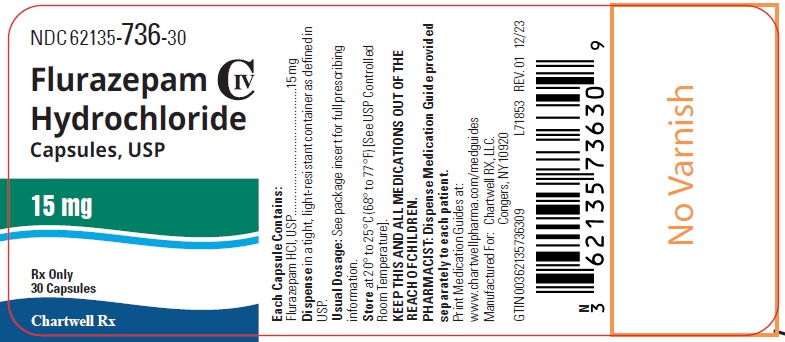
Bottle of 30's - NDC 62135-736-30
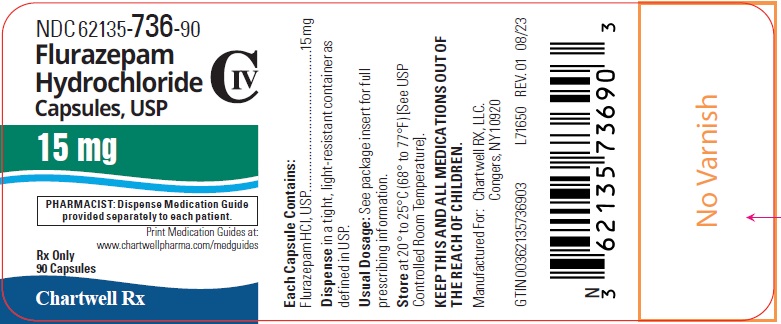
Bottle of 90’s - NDC 62135-736-90
Flurazepam Hydrochloride Capsules, USP 30 mg are Size #2 hard gelatin capsules, Blue opaque cap with white opaque body, imprinted with “ CE” on the cap and “ 29” on the body with black ink, filled with white to off-white powder.
They are available as follows,
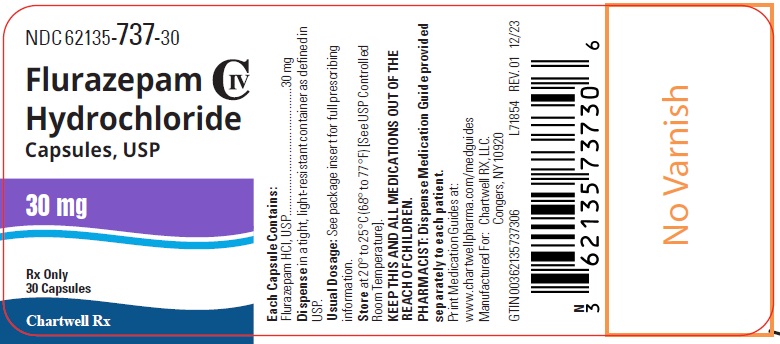
Bottle of 30's - NDC 62135-737-30
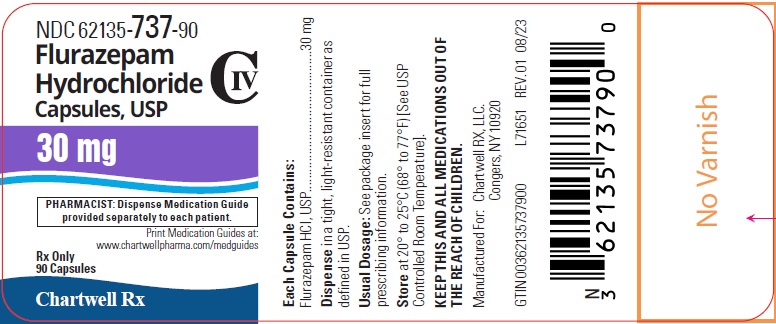
Bottle of 90’s - NDC 62135-737-90
Store at 20° to 25°C (68° to 77°F) [See USP Controlled Room Temperature].
Protect from light and moisture.
Dispense in a tight, light-resistant container as defined in the USP using a child-resistant closure.
PHARMACIST:Dispense a Medication Guide with each prescription.
17. Patient Counseling Information
Advise the patient to read the FDA-approved patient labeling ( Medication Guide).
Risks from Concomitant Use with Opioids:Advise both patients and caregivers about the risks of potentially fatal respiratory depression and sedation when flurazepam hydrochloride capsules are used with opioids and not to use such drugs concomitantly unless supervised by a healthcare provider [see Warnings and Precautions ( 5.1), Drug Interactions ( 7.1)].
Abuse, Misuse, and Addiction:Inform patients that the use of flurazepam hydrochloride capsules, even at recommended dosages, exposes users to risks of abuse, misuse, and addiction, which can lead to overdose and death, especially when used in combination with other medications (e.g., opioid analgesics), alcohol, and/or illicit substances .Inform patients about the signs and symptoms of benzodiazepine abuse, misuse, and addiction; to seek medical help if they develop these signs and/or symptoms; and on the proper disposal of unused drug [see Warnings and Precautions ( 5.2) and Drug Abuse and Dependence ( 9.2)].
Withdrawal Reactions:Inform patients that the continued use of flurazepam hydrochloride capsules may lead to clinically significant physical dependence and that abrupt discontinuation or rapid dosage reduction of flurazepam hydrochloride capsules may precipitate acute withdrawal reactions, which can be life-threatening. Inform patients that in some cases, patients taking benzodiazepines have developed a protracted withdrawal syndrome with withdrawal symptoms lasting weeks to more than 12 months. Instruct patients that discontinuation or dosage reduction of flurazepam hydrochloride capsules may require a slow taper [see Warnings and Precautions ( 5.3) and Drug Abuse and Dependence ( 9.3)].
CNS Depressant Effects and Next-Day Impairment:Tell patients that flurazepam can cause next-day impairment, even in the absence of symptoms. Caution patients against driving or engaging in other hazardous activities or activities requiring complete mental alertness when using flurazepam. Tell patients that daytime impairment may persist for several days following discontinuation of flurazepam. Advise patients that increased drowsiness and decreased consciousness may increase the risk of falls in some patients [see Warnings and Precautions ( 5.4)].
Abnormal Thinking and Behavior Change:Instruct patients that sedative hypnotics can cause abnormal thinking and behavior change, including “sleep-driving” and other complex behaviors while not being fully awake (preparing and eating food, making phone calls, or having sex). Tell patients to call you immediately if they develop any of these symptoms [see Warnings and Precautions ( 5.7)].
Severe Allergic Reactions:Inform patients that severe allergic reactions can occur from flurazepam. Describe the signs/symptoms of these reactions and advise patients to seek medical attention immediately if these occur.
Worsening of Depression:Tell patients that flurazepam can worsen depression, and to immediately report any suicidal thoughts [see Warnings and Precautions ( 5.8)].
Alcohol and Other Drugs:Ask patients about alcohol consumption, medicines they are taking now, and drugs they may be taking without a prescription. Advise patients that alcohol generally should not be used during treatment with flurazepam.
Pregnancy:Advise pregnant females that use flurazepam late in pregnancy can result in sedation (respiratory depression, lethargy, hypotonia) and/or withdrawal symptoms (hyperreflexia, irritability, restlessness, tremors, inconsolable crying, and feeding difficulties) in newborns [see Warnings and Precautions ( 5.9), Use in Specific Populations ( 8.1)] . Instruct patients to inform their healthcare provider if they are pregnant.
Advise patients that there is a pregnancy exposure registry that monitors pregnancy outcomes in women exposed to flurazepam during pregnancy [see Use in Specific Populations ( 8.1)].
Lactation
Advise patients that breastfeeding is not recommended during treatment with flurazepam [see Use in Specific Populations ( 8.2)] .
Manufactured for:
Chartwell RX, LLC.
Congers, NY 10920
Revised: 12/2023
L71652
Print Medication Guides at: www.chartwellpharma.com/medguides
Medication Guide
Print Medication Guides at: www.chartwellpharma.com/medguides
|
Medication Guide
| 
|
|
What is the most important information I should know about flurazepam hydrochloride capsules?
Do not drive or operate heavy machinery until you know how taking flurazepam hydrochloride capsules with opioids affect you.
Call your healthcare provider right away if you find out that you have done any of the above activities after taking flurazepam hydrochloride capsules. |
|
|
What are flurazepam hydrochloride capsules?
|
|
|
Do not take flurazepam hydrochloride capsules if you:
|
|
|
Before you take flurazepam hydrochloride capsules, tell your healthcare provider about all of your medical conditions, including if you:
Tell your healthcare provider about all of the medicines you take,including prescription and over-the-counter medicines, vitamins, and herbal supplements. Taking flurazepam hydrochloride capsules with certain other medicines can cause side effects or affect how well flurazepam hydrochloride capsules or the other medicines work. Do not start or stop other medicines without talking to your healthcare provider. Do not take flurazepam hydrochloride capsules with other medicines that can make you sleepy unless your healthcare provider tells you to. |
|
|
How should I take flurazepam hydrochloride capsules?
|
|
|
What are the possible side effects of flurazepam hydrochloride capsules? Flurazepam hydrochloride capsules may cause serious side effects, including:
The most common side effects of flurazepam hydrochloride capsules include: • dizziness • drowsiness • light-headedness • staggering • loss of coordination • falling These are not all the possible side effects of flurazepam hydrochloride capsules. Call your doctor for medical advice about side effects. You may report side effects to FDA at 1-800- FDA-1088. |
|
|
How should I store flurazepam hydrochloride capsules?
|
|
|
General information about the safe and effective use of flurazepam hydrochloride capsules. Medicines are sometimes prescribed for purposes other than those listed in a Medication Guide. Do not use flurazepam hydrochloride capsules for a condition for which it was not prescribed. Do not give flurazepam hydrochloride capsules to other people, even if they have the same symptoms that you have. It may harm them. You can ask your healthcare provider or pharmacist for information about flurazepam hydrochloride capsules that is written for healthcare professionals. |
|
|
What are the ingredients in flurazepam hydrochloride capsules? Active Ingredient:flurazepam hydrochloride Inactive Ingredients:Anhydrous lactose, colloidal silicon dioxide, gelatin, FD&C Blue #1, FD&C Red #3, mannitol, magnesium stearate, talc, and titanium dioxide. Additionally, capsule shells of 15 mg and 30 mg are imprinted with black pharmaceutical ink. The compositions of the black pharmaceutical ink are black iron oxide, butyl alcohol, dehydrated alcohol, isopropyl alcohol, potassium hydroxide, propylene glycol, purified water, shellac, and strong ammonia solution.
Manufactured for:
Revised: 09/2023 L71653 If you would like more information, call Chartwell RX, LLC. at 1-845-232-1683. |
|
This Medication Guide has been approved by the U.S. Food and Drug Administration.
PACKAGE LABEL.PRINCIPAL DISPLAY PANEL
Flurazepam Hydrochloride Capsules, USP CIV - 15 mg - NDC-62135-736-30 - Bottle Label
Flurazepam Hydrochloride Capsules, USP CIV - 15 mg - NDC-62135-736-90 - Bottle Label
Flurazepam Hydrochloride Capsules, USP CIV - 30 mg - NDC-62135-737-30 - Bottle Label
Flurazepam Hydrochloride Capsules, USP CIV - 30 mg - NDC-62135-737-90 - Bottle Label
| FLURAZEPAM HYDROCHLORIDE
flurazepam hydrochloride capsule |
||||||||||||||||||||||||||||||||||||||||
|
||||||||||||||||||||||||||||||||||||||||
|
||||||||||||||||||||||||||||||||||||||||
|
||||||||||||||||||||||||||||||||||||||||
|
||||||||||||||||||||||||||||||||||||||||
|
||||||||||||||||||||||||||||||||||||||||
|
||||||||||||||||||||||||||||||||||||||||
| FLURAZEPAM HYDROCHLORIDE
flurazepam hydrochloride capsule |
||||||||||||||||||||||||||||||||||||||||
|
||||||||||||||||||||||||||||||||||||||||
|
||||||||||||||||||||||||||||||||||||||||
|
||||||||||||||||||||||||||||||||||||||||
|
||||||||||||||||||||||||||||||||||||||||
|
||||||||||||||||||||||||||||||||||||||||
|
||||||||||||||||||||||||||||||||||||||||
| Labeler - Chartwell RX, LLC (079394054) |
More about flurazepam
- Check interactions
- Compare alternatives
- Pricing & coupons
- Reviews (121)
- Drug images
- Latest FDA alerts (2)
- Side effects
- Dosage information
- During pregnancy
- Drug class: benzodiazepines
- Breastfeeding
- En español