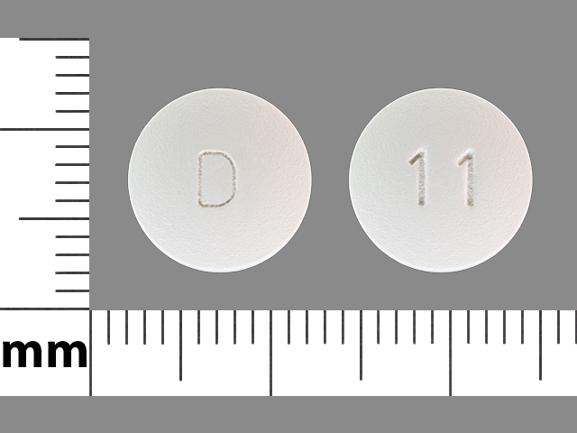
Zidovudine (Monograph)
Brand name: Retrovir
Drug class: HIV Nucleoside and Nucleotide Reverse Transcriptase Inhibitors
Warning
- Hematologic Toxicity
-
Hematologic toxicity (including neutropenia and severe anemia) reported, particularly in patients with advanced HIV-1 disease.
- Myopathy
-
Symptomatic myopathy reported with prolonged use.
- Lactic Acidosis and Severe Hepatomegaly
-
Lactic acidosis and severe hepatomegaly with steatosis (including some fatalities) reported in patients receiving nucleoside analogs alone or in combination, including zidovudine and other antiretrovirals.
Introduction
Antiretroviral; HIV nucleoside reverse transcriptase inhibitor (NRTI).
Uses for Zidovudine
Treatment of HIV Infection
Used in conjunction with other antiretroviral agents for treatment of HIV-1 infection in adult and pediatric patients (>4 weeks of age).
No longer recommended for treatment of HIV-1 in adults and adolescents due to high risk of toxicities.
Preferred component of a dual-NRTI backbone in pediatric patients <1 month of age and alternative component in patients >1 month of age.
Selection of an initial antiretroviral regimen should be individualized based on factors such as virologic efficacy, toxicity, pill burden, dosing frequency, drug-drug interaction potential, resistance test results, comorbid conditions, access, and cost. Consult guidelines for the most current information on recommended regimens.
Prevention of Perinatal HIV Transmission
Used for prevention of maternal-fetal HIV-1 transmission, including maternal antepartum and intrapartum therapy and postpartum therapy of an HIV-1-exposed neonate.
Guidelines generally recommend zidovudine as a preferred or non-preferred alternative treatment option for these indications; consult guidelines for the most current information on recommended regimens.
Postexposure Prophylaxis following Occupational Exposure to HIV (PEP)
Used as an alternative regimen in conjunction with other antiretrovirals for postexposure prophylaxis of HIV infection following occupational exposure† [off-label] (PEP) in health-care personnel and other individuals.
USPHS recommends 3-drug regimen of raltegravir in conjunction with emtricitabine and tenofovir DF as the preferred regimen for PEP following occupational exposures to HIV. Several alternative regimens that include an INSTI, NNRTI, or PI and 2 NRTIs (dual NRTIs) also recommended. Preferred dual NRTI option for PEP regimens is emtricitabine and tenofovir DF (may be given as fixed combination emtricitabine/tenofovir DF); alternative dual NRTIs are tenofovir DF and lamivudine, lamivudine and zidovudine (may be given as lamivudine/zidovudine), or zidovudine and emtricitabine.
Management of occupational exposures to HIV is complex and evolving; consult infectious disease specialist, clinician with expertise in administration of antiretroviral agents, and/or National Clinicians’ Postexposure Prophylaxis Hotline (PEPline at 888-448-4911) whenever possible. Do not delay initiation of PEP while waiting for expert consultation.
Postexposure Prophylaxis following Nonoccupational Exposure to HIV (nPEP)
Used in conjunction with other antiretrovirals as a part of preferred and alternative regimens for adult and adolescent patients with renal dysfunction, as a part of an alternative regimen for children aged 2 to 12 years, and as part of preferred and alternative regimens for children aged 4 weeks to <2 years for postexposure prophylaxis of HIV infection following nonoccupational exposure† [off-label] (nPEP) after sexual, injection drug use, or other nonoccupational exposures in individuals.
When nPEP indicated in adults and adolescents ≥13 years of age with normal renal function, CDC states preferred regimen is either raltegravir or dolutegravir used in conjunction with emtricitabine and tenofovir DF (given as emtricitabine/tenofovir DF). These experts state preferred nPEP regimen in adults and adolescents ≥13 years of age with impaired renal function (Clcr ≤59 mL/minute) is either raltegravir or dolutegravir used in conjunction with zidovudine and lamivudine.
Consult infectious disease specialist, clinician with expertise in administration of antiretroviral agents, and/or the National Clinicians’ Postexposure Prophylaxis Hotline (PEPline at 888-448-4911) if nPEP indicated in certain exposed individuals (e.g., pregnant women, children, those with medical conditions such as renal impairment) or if considering a regimen not included in CDC guidelines, source virus is known or likely to be resistant to antiretrovirals, or healthcare provider is inexperienced in prescribing antiretrovirals. Do not delay initiation of nPEP while waiting for expert consultation.
Zidovudine Dosage and Administration
General
Patient Monitoring
-
Frequently monitor CBC to detect severe anemia and neutropenia, particularly in patients with advanced HIV-1 infection receiving zidovudine. Periodically monitor CBC in asymptomatic or early HIV-1 infection.
-
Frequently monitor for hematologic toxicities in patients with hepatic impairment or liver cirrhosis.
-
Closely monitor for treatment toxicities such as hepatic decompensation, neutropenia, and anemia in patients coinfected with HIV and HCV who receive concomitant zidovudine and interferon alfa with or without ribavirin.
Dispensing and Administration Precautions
-
The ISMP list of error-prone abbreviations, symbols, and dose designations states that the use of abbreviations for antiretroviral medications (e.g., DOR, TAF, TDF) during the medication use process should be avoided as their use has been associated with serious medication errors.
Administration
Administer orally or by intermittent or continuous IV infusion.
Do not administer by rapid IV infusion or bolus injection or by IM injection.
When used for treatment of HIV infection, administer by IV infusion only until oral zidovudine can be substituted.
Oral Administration
Administer capsules, tablets, or oral solution orally without regard to meals.
Use oral solution in children who cannot reliably swallow intact capsules or tablets.
IV Administration
Dilution
Zidovudine concentrate for IV infusion containing 10 mg/mL must be diluted prior to administration. Withdraw appropriate dose from the vial and dilute in 5% dextrose injection to provide a solution containing no more than 4 mg/mL.
Rate of Administration
Intermittent IV infusions in adults: Infuse over 60 minutes.
Intermittent IV infusions in neonates: Infuse over 30 minutes.
Intrapartum IV prophylaxis regimen in pregnant HIV-infected women: Give initial dose by IV infusion over 60 minutes, then give by continuous IV infusion at a rate of 1 mg/kg per hour.
Dosage
Pediatric Patients
Treatment of HIV Infection
Dosage in pediatric patients is based on weight or, alternatively, body surface area (BSA). To avoid medication errors, use extra care in calculating dose, transcribing medication order, dispensing prescription, and providing dosage instructions. Use a graduated oral syringe with 0.1 mL measurement increments to ensure accurate dosing of zidovudine oral solution in neonates.
Dosage in pediatric patients should not exceed adult dosage.
Treatment of HIV Infection in Infants and Children
OralInfants and children ≥4 weeks of age weighing ≥4 kg: See Table 1.
|
Body Weight (kg) |
Twice-daily Dosage Regimen |
Three-times-daily Dosage Regimen |
|---|---|---|
|
4 to <9 |
12 mg/kg |
8 mg/kg |
|
9 to <30 |
9 mg/kg |
6 mg/kg |
|
≥30 |
300 mg |
200 mg |
Alternatively, if BSA used to calculate dosage for pediatric patients ≥4 weeks of age, manufacturer recommends 240 mg/m2 twice daily or 160 mg/m2 3 times daily.
Prevention of Perinatal HIV Transmission
Prophylaxis in Neonates Born to HIV-infected Women
OralPremature neonates (gestational age <30 weeks): 2 mg/kg twice daily initiated as soon as possible after birth (within 6 hours); increase to 3 mg/kg twice daily at 4 weeks of age. At 8 weeks of age (if HIV infection confirmed in the infant): increase to 12 mg/kg twice daily.
Premature neonates (gestational age 30 to <35 weeks): 2 mg/kg twice daily initiated as soon as possible after birth (within 6 hours); increase to 3 mg/kg twice daily at 2 weeks of age. At 6 weeks of age (if HIV infection confirmed in the infant): increase to 12 mg/kg twice daily.
Full-term neonates (gestational age ≥35 weeks): 4 mg/kg twice daily initiated as soon as possible after birth (within 6 hours); increase to 12 mg/kg twice daily at 4 weeks of age (only increase dosage if HIV infection is confirmed in the infant). Alternatively, when simplified weight-based dosage of oral solution containing 10 mg/mL used, experts recommend 10 mg (1 mL) twice daily in those weighing 2 to <3 kg, 15 mg (1.5 mL) twice daily in those weighing 3 to <4 kg, and 20 mg (2 mL) twice daily in those weighing 4 to <5 kg.
Full-term neonates (gestational age ≥37 weeks): When criteria are met, a 2-week zidovudine prophylaxis regimen may be used alone in HIV-exposed full-term neonates at low risk of HIV acquisition (i.e., infants born to mothers who received ≥10 weeks of antiretroviral therapy during pregnancy with sustained viral suppression near delivery, did not have acute HIV infection during pregnancy, and no concerns related to maternal adherence to the treatment regimen).
Neonates: Manufacturer recommends 2 mg/kg every 6 hours initiated within 12 hours of birth and continued through 6 weeks of age.
Consult National Perinatal HIV Hotline at 888-448-8765 for information regarding selection of antiretrovirals, including dosage considerations, for prevention of perinatal HIV transmission.
IVPremature neonates (gestational age <30 weeks): 1.5 mg/kg twice daily initiated as soon as possible after birth (within 6 hours); increase to 2.3 mg/kg twice daily at 4 weeks of age. At 8 weeks of age (if HIV infection confirmed in the infant): increase dosage to 9 mg/kg IV twice daily.
Premature neonates (gestational age 30 to <35 weeks): 1.5 mg/kg twice daily initiated as soon as possible after birth (within 6 hours); increase to 2.3 mg/kg twice daily at 2 weeks of age. At 6 weeks of age (if HIV infection confirmed in the infant): increase dosage to 9 mg/kg IV twice daily.
Full-term neonates (gestational age ≥35 weeks): 3 mg/kg twice daily initiated as soon as possible after birth (within 6 hours). At 4 weeks of age (if HIV infection confirmed in the infant): increase dosage to 9 mg/kg IV twice daily.
Full-term neonates (gestational age ≥37 weeks): When criteria are met, a 2-week zidovudine prophylaxis regimen may be used alone in HIV-exposed full-term neonates at low risk of HIV acquisition (i.e., infants born to mothers who received ≥10 weeks of antiretroviral therapy during pregnancy with sustained viral suppression near delivery, did not have acute HIV infection during pregnancy, and no concerns related to maternal adherence to the treatment regimen).
Neonates: Manufacturer recommends 1.5 mg/kg every 6 hours initiated within 12 hours of birth and continued through 6 weeks of age.
Consult National Perinatal HIV Hotline at 888-448-8765 for information regarding selection of antiretrovirals, including dosage considerations, for prevention of perinatal HIV transmission.
Empiric HIV Therapy in Neonates Born to HIV-infected Women† [off-label]
Oral or IVRecommended empiric HIV therapy 3-drug regimen consists of zidovudine, lamivudine, and either nevirapine or raltegravir, initiated as soon as possible after birth (within 6 hours); used in HIV-exposed neonates considered at highest risk of HIV acquisition.
Zidovudine dosage for empiric HIV therapy in neonates born to HIV-infected women is the same as that recommended for prophylaxis in neonates born to HIV-infected women.
Optimal duration of empiric HIV therapy in HIV-exposed neonates unknown. Many experts recommend that 3-drug empiric regimen be continued for up to 6 weeks; others discontinue nevirapine, raltegravir, and/or lamivudine if results of neonate's HIV nucleic acid amplification test (NAAT) are negative, but recommend continuing zidovudine for 6 weeks.
Consult National Perinatal HIV Hotline at 888-448-8765 for information regarding selection of antiretrovirals, including dosage considerations, for prevention of perinatal HIV transmission.
Adults
Treatment of HIV Infection
Oral
300 mg twice daily in combination with other antiretroviral agents.
IV
1 mg/kg every 4 hours.
Prevention of Perinatal HIV Transmission
HIV-infected Pregnant Women
IV2 mg/kg given by IV infusion over 60 minutes (initiated at start of labor or 3 hours before scheduled cesarean delivery) followed by 1 mg/kg per hour for 2 hours (at least 3 hours total) given by continuous IV infusion. If urgent, unscheduled cesarean delivery, some experts recommend administering the 2 mg/kg loading dose, then proceeding to delivery.
Indicated in pregnant HIV-infected women depending on plasma HIV-1 RNA levels near time of delivery.
Indicated in pregnant HIV-infected women, regardless of antepartum antiretroviral regimen; if the peripartum antiretroviral regimen must be temporarily stopped for less than 24 hours, stop and restart all drugs simultaneously to minimize the development of resistance.
Postexposure Prophylaxis following Occupational Exposure to HIV (PEP)† [off-label]
Oral
300 mg twice daily. Use in conjunction with other antiretrovirals.
Initiate PEP as soon as possible following occupational exposure to HIV (preferably within hours); continue for 4 weeks, if tolerated.
Postexposure Prophylaxis following Nonoccupational Exposure to HIV (nPEP)† [off-label]
Oral
Zidovudine is used in conjunction with lamivudine and either raltegravir or dolutegravir as preferred regimens in patients with renal dysfunction. Adjust dosages based on degree of renal impairment.
Initiate nPEP as soon as possible (within 72 hours) following nonoccupational exposure that represents a substantial risk for HIV transmission and continue for 28 days.
nPEP may not be recommended if exposed individual seeks care >72 hours after exposure.
Dosage Modification for Toxicity
Dose interruption and potential transfusion may be required if significant anemia (Hb levels <7.5 g/dL, or a reduction of >25% from baseline) or neutropenia (granulocyte count <750 cells/mm3 or a reduction of >50% from baseline) develops until bone marrow recovery.
Following bone marrow recovery, resumption of zidovudine may be appropriate with the addition of adjunctive therapies such as epoetin alfa.
Special Populations
Hepatic Impairment
Data insufficient to recommend dosage adjustments for patients with hepatic impairment or liver cirrhosis. Frequent monitoring for hematologic toxicities advised if used in hepatic impairment
Renal Impairment
Reduce dosage in patients with severe renal impairment (Clcr <15 mL/minute).
Treatment of HIV in adults on hemodialysis or peritoneal dialysis or with severe renal impairment (Clcr <15 mL/minute): 100 mg orally every 6–8 hours or 1 mg/kg IV every 6-8 hours.
Geriatric Patients
Select dosage with caution because of age-related decreases in hepatic, renal, and/or cardiac function and concomitant disease and drug therapy.
Cautions for Zidovudine
Contraindications
-
History of potentially life-threatening hypersensitivity reactions (e.g., anaphylaxis, Stevens-Johnson syndrome) to the drug or any ingredient in the formulation.
Warnings/Precautions
Warnings
Hematologic Effects
Hematologic toxicity (including neutropenia and severe anemia) reported, especially in patients with advanced HIV disease (see Boxed Warning). Pancytopenia reported; usually reversible following discontinuation of zidovudine.
Monitor CBC and indices of anemia (e.g., hemoglobin, mean corpuscular volume) frequently during zidovudine therapy, especially in patients with advanced HIV disease. Monitor CBC periodically in patients with early or asymptomatic HIV infection.
Use with caution in patients who have bone marrow compromise evidenced by granulocyte count <1000 cells/mm3 or Hb <9.5 g/dL.
Substantial anemia (Hb <7.5 g/dL or >25% reduction from baseline) and/or neutropenia (granulocyte count <750/mm3 or >50% reduction from baseline) may require dose interruption until evidence of bone marrow recovery. Dose interruption does not necessarily eliminate need for transfusion. If bone marrow recovery occurs following dose interruption, may reinitiate therapy with adjunctive measures (e.g., epoetin alfa), depending on hematologic indices and patient tolerance.
Musculoskeletal Effects
Myopathy and myositis with pathologic changes, similar to that produced by HIV disease, has been associated with long-term zidovudine use (see Boxed Warning).
Lactic Acidosis and Severe Hepatomegaly with Steatosis
Lactic acidosis and severe hepatomegaly with steatosis (sometimes fatal) reported (see Boxed Warning). Occurred most frequently in women; obesity also may be a risk factor.
Suspend treatment if there are clinical or laboratory findings suggestive of lactic acidosis or pronounced hepatotoxicity (e.g., hepatomegaly and steatosis even in the absence of markedly increased serum aminotransferase concentrations).
Other Warnings and Precautions
Allergic Reaction to Latex
Vial stoppers of zidovudine concentrate for IV infusion contain dry natural rubber latex, which may cause allergic reactions in latex-sensitive individuals.
Use with Interferon- and Ribavirin-Based Regimens in HIV-1/Hepatitis C Virus (HCV) Coinfected Patients
Exacerbation of anemia reported in patients coinfected with HIV and HCV receiving zidovudine, interferon alfa, and ribavirin concomitantly.
Hepatic decompensation, sometimes fatal, reported in patients coinfected with HIV and HCV receiving antiretroviral therapy concomitantly with interferon alfa with or without ribavirin.
Concomitant use of ribavirin and zidovudine is not recommended. Consider replacing zidovudine in established HIV-1/HCV regimens, particularly in those patients with a known history of anemia caused by zidovudine.
Discontinue zidovudine as medically necessary. Also consider dosage reduction or discontinuation of interferon alfa, ribavirin, or both agents, if worsening toxicity, including hepatic decompensation (e.g., Child Pugh score >6) occurs.
Immune Reconstitution Syndrome
During initial treatment, patients who respond to antiretroviral therapy may develop an inflammatory response to indolent or residual opportunistic infections (e.g., Mycobacterium avium complex [MAC], M. tuberculosis, cytomegalovirus [CMV], Pneumocystis jirovecii [formerly P. carinii]); this may necessitate further evaluation and treatment.
Autoimmune disorders (e.g., Graves' disease, polymyositis, Guillain-Barré syndrome) also reported in the setting of immune reconstitution; however, time to onset is more variable and can occur many months after initiation of antiretroviral therapy.
Lipodystrophy
Lipoatrophy (loss of subcutaneous fat) reported; incidence and severity related to cumulative exposure to the drug. Fat loss, which is most evident in the face, limbs, and buttocks, may be only partially reversible and improvement may take months to years after switching to an antiretroviral regimen that does not contain zidovudine. Regularly assess patients for signs of lipoatrophy. If fat loss suspected, switch to an alternative antiretroviral regimen if feasible.
Specific Populations
Pregnancy
Antiretroviral Pregnancy Registry at 800-258-4263 or [Web].
Available data from the pregnancy registry indicate no difference in overall risk of birth defects among infants born to women who received zidovudine during pregnancy compared with US background rate for major birth defects.
Lactation
Zidovudine distributed into human milk.
The HHS perinatal HIV transmission guideline provides updated recommendations on infant feeding. The guideline states that patients with HIV should receive evidence-based, patient-centered counseling to support shared decision making about infant feeding. During counseling, patients should be informed that feeding with appropriate formula or pasteurized donor human milk from a milk bank eliminates the risk of postnatal HIV transmission to the infant. Additionally, achieving and maintaining viral suppression with antiretroviral therapy during pregnancy and postpartum reduces the risk of breastfeeding HIV transmission to <1%, but does not completely eliminate the risk. Replacement feeding with formula or banked pasteurized donor milk is recommended when patients with HIV are not on antiretroviral therapy and/or do not have a suppressed viral load during pregnancy (at a minimum throughout the third trimester), as well as at delivery.
Pediatric Use
Pharmacokinetics of zidovudine similar between pediatric patients >3 months of age and adults. Pharmacokinetics substantially different between neonates ≤2 weeks and neonates >2 weeks of age.
Geriatric Use
Insufficient experience in those ≥65 years of age to determine whether they respond differently than younger adults. No substantial differences in response relative to younger adults identified.
Use with caution in geriatric patients because of age-related decreases in hepatic, renal, and/or cardiac function and concomitant disease and drug therapy.
Hepatic Impairment
Monitor frequently for hematologic toxicities since hepatic impairment increases plasma concentrations of zidovudine and may increase risk of adverse hematologic effects.
Renal Impairment
Exposure and elimination half-life increased in patients with severe renal impairment (Clcr <15 mL/minute) compared to normal renal function. Elimination half-life in severe renal impairment: 1.4 hours.
Common Adverse Effects
Adults (≥15%): headache, malaise, nausea, vomiting, anorexia.
Pediatric patients (≥15%): fever, cough.
Neonates (≥15%): anemia.
Adverse effects reported with IV zidovudine similar to those reported with oral zidovudine.
Drug Interactions
The following drug interactions are based on studies using zidovudine. When fixed combinations of zidovudine are used, consider interactions associated with each drug in the fixed combination.
Specific Drugs
|
Drug |
Interaction |
Comments |
|---|---|---|
|
Atovaquone |
Increased zidovudine AUC; no change in atovaquone pharmacokinetics |
Routine zidovudine dosage adjustments not warranted. |
|
Clarithromycin |
Decreased zidovudine AUC |
Routine zidovudine dosage adjustments not warranted. |
|
Doxorubicin |
In vitro evidence of antagonism |
Avoid concomitant use |
|
Fluconazole |
Increased zidovudine AUC |
Routine zidovudine dosage adjustments not warranted |
|
HIV Protease Inhibitors |
Nelfinavir: Decreased zidovudine AUC; no change in pharmacokinetics of nelfinavir Ritonavir: Decreased zidovudine AUC; no change in pharmacokinetics of ritonavir |
Routine zidovudine dosage adjustments not warranted when used concomitantly with nelfinavir or ritonavir |
|
Ganciclovir |
Potential increased risk of hematologic toxicity |
Concomitant use not recommended |
|
Interferon alfa |
Possible increased risk of potentially fatal hepatic decompensation in patients coinfected with HIV and HCV receiving antiretroviral agents and interferon alfa (or peginterferon alfa) with or without ribavirin Increased risk of hematologic toxicity (e.g., neutropenia, thrombocytopenia) and hepatic toxicity in patients receiving interferon alfa (or peginterferon alfa), ribavirin, and zidovudine |
Monitor for adverse effects If zidovudine used in patients receiving interferon alfa (or peginterferon alfa) with or without ribavirin, closely monitor for toxicities (e.g., hepatic decompensation, neutropenia, anemia); consider discontinuing zidovudine as medically appropriate; consider discontinuing or reducing dosage of interferon alfa (or peginterferon alfa) and/or ribavirin if worsening toxicities, including hepatic decompensation (Child-Pugh >6) occur |
|
Lamivudine |
Increased AUC of zidovudine; no change in pharmacokinetics of lamivudine |
Routine zidovudine dosage adjustments not warranted |
|
Methadone |
Increased zidovudine AUC; no change in methadone pharmacokinetics |
Routine zidovudine dosage adjustments not warranted |
|
Myelosuppressive or cytotoxic agents |
Increased risk of hematologic toxicity |
|
|
Phenytoin |
Pharmacokinetic interactions; alteration in pharmacokinetics of both drugs reported |
Use caution; monitor closely |
|
Probenecid |
Increased zidovudine peak plasma concentrations and AUC |
Routine zidovudine dosage adjustments not warranted |
|
Rifampin |
Decreased zidovudine AUC |
Routine zidovudine dosage adjustments not warranted |
|
Ribavirin |
In vitro evidence that ribavirin can reduce phosphorylation of zidovudine; no evidence of pharmacokinetic or pharmacodynamic interaction (e.g., loss of virologic suppression of HIV or HCV) in patients coinfected with HIV and HCV receiving zidovudine and ribavirin Exacerbation of anemia reported in patients coinfected with HIV and HCV receiving ribavirin and zidovudine concomitantly |
Concomitant use not recommended; if used concomitantly, use caution and monitor for virologic response and toxicities (e.g., hepatic decompensation, neutropenia, anemia) |
|
Valproic acid |
Increased zidovudine AUC; effect on valproic acid concentrations not studied |
Routine zidovudine dosage adjustments not warranted |
Zidovudine Pharmacokinetics
Absorption
Bioavailability
Well absorbed following oral administration; peak plasma concentrations achieved within 0.5–1.5 hours. Mean oral bioavailability is 64%.
AUC following administration of zidovudine tablets or oral solution is equivalent to that following administration of zidovudine capsules.
Food
Extent of absorption (AUC) not affected by food.
Special Populations
Zidovudine AUC increased in patients with renal impairment.
Zidovudine pharmacokinetics in pediatric patients >3 months of age similar to that in adults; bioavailability is 61% in infants 14 days to 3 months of age and 65% in pediatric patients 3 months to 12 years of age. Bioavailability is greater in neonates ≤14 days of age and is reported to be 89%.
Pharmacokinetics of zidovudine in pregnant women similar to that reported in nonpregnant adults.
Distribution
Extent
Distributed into CSF.
Distributed into human milk.
Plasma Protein Binding
<38%.
Elimination
Metabolism
Intracellularly, zidovudine is phosphorylated and converted by cellular enzymes to the active 5′-triphosphate metabolite.
Elimination Route
Zidovudine not removed by hemodialysis or peritoneal dialysis
Half-life
Adults: 0.5–3 hours.
Neonates and infants: 3.1 hours in neonates ≤14 days of age, 1.9 hours in infants 14 days to 3 months of age, or 1.5 hours in pediatric patients 3 months to 12 years of age.
Special Populations
Patients with hepatic impairment: Zidovudine clearance decreased.
Patients with severe renal impairment: Mean half-life 1.4 hours.
Stability
Storage
Oral
Capsules
15–25°C; protect from moisture.
Solution
15–25°C.
Tablets
20–25°C.
Parenteral
Concentrate for IV Infusion
15–25°C; protect from light.
After dilution in 5% dextrose, physically and chemically stable for 24 hours when stored at room temperature and for 48 hours when refrigerated at 2–8°C.
To minimize risk of microbial contamination, administer diluted solutions within 8 hours if stored at room temperature or within 24 hours if refrigerated.
Actions and Spectrum
-
Pharmacologically related to, but structurally different from, other NRTIs (e.g., abacavir, didanosine, emtricitabine, lamivudine); also differs pharmacologically and structurally from other currently available antiretrovirals.
-
A prodrug that is inactive until converted intracellularly to zidovudine triphosphate.
-
Active in vitro against HIV-1.
-
Inhibits replication of HIV by interfering with viral RNA-directed DNA polymerase (reverse transcriptase).
-
HIV-1 with reduced susceptibility to zidovudine have been produced in vitro and have emerged during therapy with the drug. Genotypic analyses of isolates selected in cell culture and recovered from zidovudine-treated patients showed thymidine analog mutations (TAMs) in the HIV-1 reverse transcriptase that include M41L, D67N, K70R, L210W, T215Y or F, and K219E/R/H/Q/N/Q.
-
Strains of HIV resistant to zidovudine may be cross-resistant to some other NRTIs (e.g., abacavir, didanosine, lamivudine, tenofovir).
Advice to Patients
-
Inform patients that neutropenia and/or anemia are the major toxicities reported with zidovudine and that the frequency and severity are greater in patients with more advanced HIV disease and in those who initiate therapy later in the course of their infection. Importance of CBC monitoring, especially in patients with advanced symptomatic HIV disease. Advise patients that if hematologic toxicity develops, transfusions or discontinuance of the drug may be required.
-
Inform patients that potentially life-threatening hypersensitivity reactions (e.g., anaphylaxis, Stevens-Johnson syndrome) have been reported in patients receiving zidovudine. Importance of immediately contacting a clinician if rash develops since this may be a sign of a more serious reaction.
-
Advise latex-sensitive patients that vial stoppers of zidovudine concentrate for IV infusion contain dry natural rubber (a latex derivative), which may cause allergic reactions in individuals sensitive to latex.
-
Advise patients that lactic acidosis and severe hepatomegaly with steatosis have been reported with use of nucleoside analogs and other antiretrovirals. Importance of discontinuing zidovudine and notifying a clinician if symptoms suggestive of lactic acidosis or pronounced hepatotoxicity develop.
-
Inform HIV-infected patients coinfected with HCV that hepatic decompensation (sometimes fatal) has been reported when antiretrovirals were used for treatment of HIV infection in patients receiving interferon alfa with or without ribavirin.
-
Inform patients that myopathy and myositis with pathologic changes have been reported in individuals who received long-term zidovudine therapy.
-
Advise patients to immediately contact a clinician if they have any signs or symptoms of infection since inflammation from previous infections may occur soon after antiretroviral therapy is initiated.
-
Inform patients that loss of subcutaneous fat may occur in patients receiving zidovudine and that they will be regularly assessed for this effect during therapy.
-
Advise caregivers to use an appropriate-sized oral syringe with 0.1 mL graduations in neonates to ensure the accurate dosing of zidovudine oral solution.
-
Instruct patients that if they miss a dose of zidovudine, to take it as soon as they remember. Advise patients not to double their next dose or take more than the prescribed dose.
-
Importance of informing clinician of existing or contemplated concomitant therapy, including prescription (e.g., ganciclovir, interferon alfa, ribavirin) and OTC drugs and dietary or herbal products, and any concomitant illnesses.
-
Importance of women informing clinicians if they are or plan to become pregnant or plan to breast-feed. Inform pregnant women considering the use of zidovudine during pregnancy for prevention of HIV transmission to their infants that transmission may still occur in some cases despite therapy. Advise patients that there is a pregnancy exposure registry that monitors pregnancy outcomes in women exposed to zidovudine during pregnancy.
-
Inform patients of other important precautionary information.
Additional Information
The American Society of Health-System Pharmacists, Inc. represents that the information provided in the accompanying monograph was formulated with a reasonable standard of care, and in conformity with professional standards in the field. Readers are advised that decisions regarding use of drugs are complex medical decisions requiring the independent, informed decision of an appropriate health care professional, and that the information contained in the monograph is provided for informational purposes only. The manufacturer’s labeling should be consulted for more detailed information. The American Society of Health-System Pharmacists, Inc. does not endorse or recommend the use of any drug. The information contained in the monograph is not a substitute for medical care.
Preparations
Excipients in commercially available drug preparations may have clinically important effects in some individuals; consult specific product labeling for details.
Please refer to the ASHP Drug Shortages Resource Center for information on shortages of one or more of these preparations.
* available from one or more manufacturer, distributor, and/or repackager by generic (nonproprietary) name
|
Routes |
Dosage Forms |
Strengths |
Brand Names |
Manufacturer |
|---|---|---|---|---|
|
Oral |
Capsules |
100 mg* |
Retrovir |
ViiV |
|
Zidovudine Capsules |
||||
|
Solution |
10 mg/mL* |
Retrovir Oral Solution |
ViiV |
|
|
Zidovudine Oral Solution |
||||
|
Tablets, film-coated |
300 mg* |
Zidovudine Tablets |
||
|
Parenteral |
Injection concentrate, for IV infusion only |
10 mg/mL* |
Retrovir Injection |
ViiV |
|
Zidovudine for Injection Concentrate |
AHFS DI Essentials™. © Copyright 2025, Selected Revisions March 10, 2025. American Society of Health-System Pharmacists, Inc., 4500 East-West Highway, Suite 900, Bethesda, Maryland 20814.
† Off-label: Use is not currently included in the labeling approved by the US Food and Drug Administration.
Reload page with references included
Related/similar drugs
More about zidovudine
- Check interactions
- Compare alternatives
- Pricing & coupons
- Reviews (1)
- Drug images
- Side effects
- Dosage information
- During pregnancy
- Drug class: nucleoside reverse transcriptase inhibitors (NRTIs)
- Breastfeeding
- En español
Patient resources
Professional resources
- Zidovudine prescribing information
- Zidovudine Oral Solution (FDA)
- Zidovudine Syrup (FDA)
- Zidovudine Tablets (FDA)