Posaconazole (Monograph)
Brand name: Noxafil
Drug class: Azoles
Chemical name: (1) 3H-1,2,4-Triazol-3-one, 4-[4-[4-[4-[[5-(2,4-difluorophenyl)tetrahydro-5-(1H-1,2,4-triazol-1-ylmethyl)-3-furanyl]methoxy]phenyl]-1-piperazinyl]phenyl]-2-(1-ethyl-2-hydroxypropyl)-2,4-dihydro-, [3R-[3α(1S*,2S*),5α]]-; (2) 4-[p-[4-[p-[[(3R,5R)-5-(2,4-Difluorophenyl)tetrahydro-5-(1H-1,2,4-triazol-1-ylmethyl)-3-furyl]methoxy]phenyl]-1-piperazinyl]phenyl]-1-[(1S,2S)-1-ethyl-2-hydroxypropyl]-Δ2-1,2,4-triazolin-5-one
Molecular formula: C37H42F2N8O4
CAS number: CAS-171228-49-2
Introduction
Antifungal; azole (triazole derivative).
Uses for Posaconazole
Prevention of Invasive Aspergillus and Candida Infections in Immunocompromised Individuals
Prophylaxis of invasive Aspergillus and Candida infections in severely immunocompromised individuals, including hematopoietic stem cell transplant (HSCT) recipients with graft-versus-host-disease (GVHD) and patients with hematologic malignancies and prolonged chemotherapy-associated neutropenia.
Posaconazole oral suspension or delayed-release tablets may be used for such prophylaxis in adults and adolescents ≥13 years of age; manufacturer states delayed-release tablets may be preferred. Alternatively, IV posaconazole may be used in adults ≥18 years of age.
For primary prophylaxis to prevent invasive aspergillosis in immunocompromised individuals at high risk (i.e., neutropenic patients with acute myelogenous leukemia [AML] or myelodysplastic syndrome [MDS], HSCT recipients with GVHD), IDSA considers posaconazole the drug of choice; alternatives are itraconazole or micafungin.
For primary prophylaxis to prevent Candida infections in neutropenic patients when risk of invasive candida infection is substantial (e.g., allogeneic HSCT recipients, patients with acute leukemia undergoing intensive remission-induction or salvage-induction chemotherapy), IDSA recommends an azole antifungal (fluconazole, itraconazole, posaconazole, voriconazole) or IV echinocandin (caspofungin or micafungin). If primary prophylaxis is used to prevent invasive candida infection in high-risk adults in intensive care settings, IDSA recommends fluconazole as drug of choice and IV echinocandins (anidulafungin, caspofungin, micafungin) as alternatives.
For additional information on prevention of fungal infections in immunocompromised patients, consult current clinical practice guidelines from IDSA available at [Web].
Oropharyngeal Candidiasis
Treatment of oropharyngeal candidiasis in adults, including oropharyngeal candidiasis refractory to fluconazole and/or itraconazole.
IDSA recommends topical treatment with clotrimazole lozenges or miconazole buccal tablets for mild oropharyngeal candidiasis; nystatin (oral suspension or tablets) is an alternative. For moderate to severe oropharyngeal candidiasis, IDSA recommends oral fluconazole. For fluconazole-refractory oropharyngeal candidiasis, IDSA recommends itraconazole oral solution or posaconazole oral suspension; oral voriconazole or amphotericin B oral suspension (not available in US) are recommended as alternatives. Other alternatives for refractory oropharyngeal candidiasis are IV echinocandins (anidulafungin, caspofungin, micafungin) or IV amphotericin B.
For HIV-infected adults and adolescents with oropharyngeal candidiasis, CDC, NIH, and IDSA recommend oral fluconazole as the preferred drug of choice for initial episodes; if topical therapy used for treatment of mild to moderate episodes, drugs of choice are clotrimazole lozenges or miconazole buccal tablets. Alternatives for systemic treatment are itraconazole oral solution or posaconazole oral suspension; nystatin oral suspension is an alternative for topical treatment. For fluconazole-refractory infections in HIV-infected adults and adolescents, posaconazole oral suspension is preferred; itraconazole oral solution is an alternative.
Although routine long-term suppressive or maintenance therapy (secondary prophylaxis) to prevent relapse or recurrence not usually recommended in patients adequately treated for oropharyngeal candidiasis (including HIV-infected individuals), patients with frequent or severe recurrences of oropharyngeal candidiasis may benefit from secondary prophylaxis with oral fluconazole; however, consider potential for development of azole resistance.
For additional information on prophylaxis and treatment of oropharyngeal candidiasis, consult current clinical practice guidelines from IDSA available at [Web] and current CDC, NIH, and IDSA clinical practice guidelines for the prevention and treatment of opportunistic infections in HIV-infected individuals available at [Web].
Esophageal Candidiasis
Treatment of esophageal candidiasis† [off-label] in adults, including esophageal candidiasis refractory to oral fluconazole and/or itraconazole.
Esophageal candidiasis requires treatment with a systemic antifungal (not a topical antifungal).
IDSA recommends oral fluconazole as the preferred drug of choice for treatment of esophageal candidiasis; if oral therapy not tolerated, IV fluconazole or IV echinocandin (anidulafungin, caspofungin, micafungin) recommended. For fluconazole-refractory esophageal candidiasis, IDSA recommends itraconazole oral solution or IV or oral voriconazole; alternatives are IV echinocandins (anidulafungin, caspofungin, micafungin) or IV amphotericin B. IDSA states oral posaconazole (oral suspension or delayed-release tablets) is another possible alternative for treatment of fluconazole-refractory esophageal candidiasis.
For HIV-infected adults and adolescents with esophageal candidiasis† [off-label], CDC, NIH, and IDSA recommend oral or IV fluconazole or itraconazole oral solution. Alternatives include oral or IV voriconazole, an IV echinocandin (anidulafungin, caspofungin, micafungin), or IV amphotericin B. For refractory esophageal candidiasis in HIV-infected adults and adolescents, including fluconazole-refractory infections, itraconazole oral solution or posaconazole oral suspension recommended; alternatives are IV amphotericin B, an IV echinocandin, or oral or IV voriconazole.
Although routine long-term suppressive or maintenance therapy (secondary prophylaxis) to prevent relapse or recurrence not usually recommended in patients adequately treated for esophageal candidiasis (including HIV-infected individuals), patients with frequent or severe recurrences of esophageal candidiasis may benefit from secondary prophylaxis with oral fluconazole or posaconazole oral suspension; however, consider potential for development of azole resistance.
For additional information on prophylaxis and treatment of esophageal candidiasis, consult current clinical practice guidelines from IDSA available at [Web] and current CDC, NIH, and IDSA clinical practice guidelines for the prevention and treatment of opportunistic infections in HIV-infected individuals available at [Web].
Aspergillosis
Alternative for salvage therapy for treatment of invasive aspergillosis† [off-label] when other antifungals (e.g., voriconazole, amphotericin B, itraconazole) are ineffective or cannot be used.
IDSA considers IV or oral voriconazole the drug of choice for primary treatment of invasive aspergillosis in most patients and IV amphotericin B the preferred alternative. For salvage therapy in patients refractory to or intolerant of primary antifungal therapy, IDSA recommends IV amphotericin B, an echinocandin (caspofungin or micafungin), posaconazole, or itraconazole. For empiric or preemptive therapy, IDSA recommends amphotericin B, caspofungin, itraconazole, or voriconazole.
For HIV-infected adults and adolescents with invasive aspergillosis, CDC, NIH, and IDSA recommend voriconazole as the drug of choice; alternatives are IV amphotericin B, an IV echinocandin (anidulafungin, caspofungin, micafungin), or oral posaconazole.
Primary prophylaxis against invasive aspergillosis in immunocompromised individuals at high risk. (See Prevention of Invasive Aspergillus and Candida Infections in Immunocompromised Individuals under Uses.)
For additional information on prophylaxis and treatment of aspergillosis, consult current clinical practice guidelines from IDSA available at [Web] and current CDC, NIH, and IDSA clinical practice guidelines for the prevention and treatment of opportunistic infections in HIV-infected individuals available at [Web].
Coccidioidomycosis
Has been used for treatment of coccidioidomycosis† [off-label] caused by Coccidioides immitis.
Antifungal treatment may not be necessary for mild, uncomplicated coccidioidal pneumonia since such infections may resolve spontaneously; treatment recommended for patients with more severe or rapidly progressing infections, those with chronic pulmonary or disseminated infections, and immunocompromised or debilitated individuals (e.g., HIV-infected individuals, organ transplant recipients, those receiving immunosuppressive therapy, those with diabetes mellitus or cardiopulmonary disease).
IDSA and others recommend an oral azole (fluconazole or itraconazole) for initial treatment of symptomatic pulmonary coccidioidomycosis and chronic fibrocavitary or disseminated (extrapulmonary) coccidioidomycosis. IV amphotericin B recommended as an alternative and is preferred for initial treatment of severely ill patients who have hypoxia or rapidly progressing disease, for immunocompromised individuals, or when azole antifungals have been ineffective or cannot be used (e.g., pregnant women).
For HIV-infected adults and adolescents with clinically mild coccidioidomycosis (e.g., focal pneumonia), CDC, NIH, and IDSA recommend oral fluconazole or oral itraconazole for initial treatment; although data are limited, oral voriconazole or posaconazole oral suspension are alternatives if there is no response to fluconazole or itraconazole.
Long-term suppressive or maintenance therapy (secondary prophylaxis) with oral fluconazole or oral itraconazole recommended to prevent relapse or recurrence of coccidioidomycosis in HIV-infected individuals who have been adequately treated for the disease; oral voriconazole or posaconazole oral suspension are alternatives in patients who did not initially respond to fluconazole or itraconazole treatment.
For additional information on prophylaxis and treatment of coccidioidomycosis, consult current clinical practice guidelines from IDSA available at [Web] and current CDC, NIH, and IDSA clinical practice guidelines for the prevention and treatment of opportunistic infections in HIV-infected individuals available at [Web].
Fusarium Infections
Has been used in some patients for treatment of Fusarium infections† [off-label].
Amphotericin B and/or voriconazole recommended for treatment of Fusarium infections in immunocompromised patients; amphotericin B may be preferred for F. solani or F. verticillioides.
Although further study needed, posaconazole suggested as an alternative for treatment of Fusarium infections in patients who fail to respond to or cannot tolerate other antifungals.
Histoplasmosis
Has been used for treatment of histoplasmosis† caused by Histoplasma capsulatum.
IDSA and others recommend IV amphotericin B or oral itraconazole for treatment of histoplasmosis. IV amphotericin B preferred for initial treatment of severe, life-threatening histoplasmosis, especially in immunocompromised patients. Other azole antifungals (fluconazole, ketoconazole, posaconazole, voriconazole) considered second-line alternatives to itraconazole.
For HIV-infected adults and adolescents with less severe disseminated histoplasmosis, CDC, NIH, and IDSA recommend initial treatment with oral itraconazole; although clinical data are limited, voriconazole or posaconazole may be used as alternatives for treatment of less severe histoplasmosis† in those intolerant of itraconazole who are only moderately ill.
Long-term suppressive or maintenance therapy (secondary prophylaxis) with itraconazole recommended to prevent recurrence or relapse in HIV-infected individuals who have been adequately treated for histoplasmosis. Role of posaconazole for secondary prophylaxis of histoplasmosis not evaluated to date.
For additional information on prophylaxis and treatment of histoplasmosis, consult current clinical practice guidelines from IDSA available at [Web] and current CDC, NIH, and IDSA clinical practice guidelines for the prevention and treatment of opportunistic infections in HIV-infected individuals available at [Web].
Mucormycosis
Has been used in some patients as salvage therapy for treatment of mucormycosis†, including infections caused by Mucor or Rhizopus, when other antifungals were ineffective or could not be used.
IV amphotericin B usually considered drug of first choice for treatment of mucormycosis (with or without surgical intervention). Some clinicians suggest posaconazole is a possible alternative (e.g., when IV amphotericin B is ineffective or cannot be used) and may be useful for oral follow-up therapy after an initial response is obtained with IV amphotericin B.
Posaconazole Dosage and Administration
Administration
Administered orally or by slow IV infusion.
Oral Administration
Administered orally as an oral suspension or delayed-release tablets.
Posaconazole oral suspension and delayed-release tablets are not interchangeable because they require different dosages and frequencies of administration. The oral suspension and delayed-release tablets cannot be substituted for each other without a change in dosage. (See Dispensing and Dosage and Administration Precautions under Dosage and Administration.)
Posaconazole delayed-release tablets are labeled by FDA only for prophylaxis of invasive Aspergillus and Candida infections. Manufacturer states that the delayed-release tablets are the preferred preparation when oral posaconazole is used for such prophylaxis since the tablets generally provide higher posaconazole exposures than the oral suspension under both fed and fasting conditions. (See Plasma Concentrations under Pharmacokinetics.)
Patients with severe diarrhea or vomiting: Monitor closely for breakthrough fungal infections during treatment with posaconazole oral suspension or delayed-release tablets since plasma concentrations of the drug can be affected in such patients.
Oral Suspension
Administer orally during or immediately (i.e., within 20 minutes) following a full meal.
If patient cannot eat a full meal and if posaconazole delayed-release tablets and IV posaconazole are not options, administer each dose of the oral suspension with a liquid nutritional supplement or acidic carbonated beverage (e.g., ginger ale). (See Food under Pharmacokinetics.)
If indicated for prophylaxis of invasive Aspergillus and Candida infections and patient cannot eat a full meal, use posaconazole delayed-release tablets.
If patient cannot eat a full meal and cannot tolerate an oral nutritional supplement or acidic carbonated beverage (e.g., ginger ale) and if posaconazole delayed-release tablets and IV posaconazole are not options, consider alternative antifungal therapy or monitor closely for breakthrough fungal infections.
Has been administered via nasogastric (NG) tube† with a liquid nutritional supplement; monitor closely for breakthrough fungal infections since systemic exposure may be lower and may be associated with an increased risk of treatment failure. (See Plasma Concentrations under Pharmacokinetics.)
Shake oral suspension well prior to each dose. Oral suspension contains 40 mg of posaconazole per mL. Administer dose using the calibrated measuring spoon provided by the manufacturer designed to measure 2.5- and 5-mL doses. Rinse calibrated spoon with water after each dose and before storage.
Delayed-release Tablets
Must be swallowed whole; do not divide, crush, or chew.
Administer with food to enhance oral absorption and optimize posaconazole plasma concentrations.
Labeled by FDA only for prophylaxis of invasive Aspergillus and Candida infections in adults and children 13 years of age or older.
Dispensing and Dosage and Administration Precautions
FDA alerted healthcare professionals about risk of medication errors with oral preparations of posaconazole. Errors occurred when the wrong oral preparation was prescribed and/or dispensed without consideration for the different dosage and frequency of administration required for the other preparation. At least 1 fatality occurred in a patient who received incorrect dosage (underdosage) after being provided with posaconazole oral suspension (instead of the delayed-release tablets) without consideration for the dosage and frequency of administration required for the oral suspension. In other cases, clinicians switched patients from posaconazole oral suspension to the delayed-release tablets and the delayed-release tablets were prescribed and/or dispensed without adjusting dosage to that required for the delayed-release tablets. Adverse effects (e.g., nausea, vomiting, low serum potassium concentrations) reported in some of these patients, possibly as the result of the incorrect dosage and higher posaconazole exposures.
Be aware that dosage recommendations for posaconazole oral suspension and posaconazole delayed-release tablets are not the same; follow dosage recommendations for the specific oral preparation. (See Dosage under Dosage and Administration.)
Prescribers writing posaconazole prescriptions should specify the dosage form, strength, and frequency of administration and pharmacists should request clarification from prescribers when the dosage form, strength, or frequency is not specified. In addition, patients should talk to their healthcare provider before they switch from one oral preparation to the other.
IV Infusion
Administer by slow IV infusion; do not administer by rapid IV infusion or injection.
Must be diluted in a compatible diluent prior to IV infusion.
Diluted posaconazole IV solutions must be administered through a 0.22-µm polyethersulfone (PES) or polyvinylidene difluoride (PVDF) filter.
Administer by slow IV infusion into a central venous line (e.g., central venous catheter, peripherally inserted central catheter [PICC]).
If a central venous line not available, a single dose may administered through a peripheral venous catheter prior to central venous line placement, to bridge the period during which a central venous line is replaced, or if the central venous line is in use for other treatment. Administer subsequent IV infusions through a central venous line since high incidence of thrombophlebitis (60%) reported when multiple posaconazole doses were administered through a peripheral venous catheter in initial clinical studies.
Dilution
Remove single-dose vial containing 300 mg of the drug from refrigerator and allow to reach room temperature.
Using proper aseptic technique, transfer contents of the 300-mg vial (16.7 mL) to an IV bag or bottle containing a compatible diluent (see Compatibility under Stability). Do not use any other diluents since particulate formation may occur. Resultant IV solution should contain a final posaconazole concentration of 1–2 mg/mL.
Use posaconazole IV solutions immediately after dilution; if not used immediately, diluted IV solutions may be refrigerated at 2–8° C for up to 24 hours.
Diluted posaconazole IV solutions should appear colorless to yellow; variations of color within this range do not affect quality.
Discard any unused portion of diluted IV solutions.
Rate of Administration
Administer by slow IV infusion over 90 minutes into a central venous line (e.g., central venous catheter, PICC).
If a peripheral venous catheter must be used because a central venous catheter is not available (i.e., prior to placement of a central venous line, to bridge the period during which a central venous line is being replaced, when the central venous line is in use for other treatment), a single posaconazole dose may be given by slow IV infusion over 30 minutes through a peripheral venous catheter.
Dosage
Oral suspension and delayed-release tablets are not interchangeable and cannot be substituted for each other without a change in dosage and frequency of administration. (See Dispensing and Dosage and Administration Precautions under Dosage and Administration.)
Dosage recommendations for the specific posaconazole preparation must be followed.
Pediatric Patients
Prevention of Invasive Aspergillus and Candida Infections in Immunocompromised Individuals
Oral
Children ≥13 years of age (oral suspension): 200 mg (5 mL of suspension containing 40 mg/mL) 3 times daily.
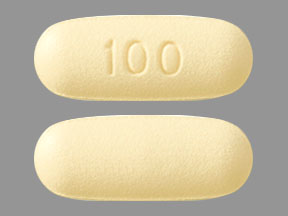
Children ≥13 years of age (delayed-release tablets): 300 mg (three 100-mg tablets) twice daily on day 1 (loading dosage), then 300 mg (three 100-mg tablets) once daily thereafter (maintenance dosage).
Duration of antifungal prophylaxis based on patient’s recovery from immunosuppression or neutropenia. Posaconazole prophylaxis continued for up to 12–16 weeks in clinical studies.
Candida Infections
Treatment of Oropharyngeal Candidiasis
OralHIV-infected adolescents (oral suspension): 400 mg twice daily on day 1, followed by 400 mg once daily for 7–14 days. For fluconazole-refractory infections, 400 mg twice daily for 28 days has been effective in some patients.
Treatment of Esophageal Candidiasis†
OralHIV-infected adolescents with fluconazole-refractory infections (oral suspension): 400 mg twice daily for 28 days has been effective in some patients.
Prevention of Recurrence (Secondary Prophylaxis) of Esophageal Candidiasis†
OralHIV-infected adolescents (oral suspension): 400 mg twice daily.
Secondary prophylaxis of esophageal candidiasis not usually recommended; use only if patient has frequent or severe recurrences. Consider discontinuing secondary prophylaxis if CD4+ T-cell count increases to >200/mm3 in response to antiretroviral therapy.
Aspergillosis†
Treatment of Invasive Aspergillosis†
OralHIV-infected adolescents (oral suspension): 200 mg 4 times daily initially, then 400 mg twice daily after improvement occurs. Optimal duration not established; continue at least until CD4+ T-cell count increases to >200/mm3 as a result of potent antiretroviral therapy and there is evidence that infection has resolved.
Coccidioidomycosis†
Treatment of Clinically Mild Coccidioidomycosis†
OralHIV-infected adolescents (oral suspension): 200–400 mg twice daily recommended by CDC, NIH, and IDSA.
Prevention of Recurrence (Secondary Prophylaxis) of Coccidioidomycosis†
OralHIV-infected adolescents who have completed initial treatment (oral suspension): 200 mg twice daily recommended by CDC, NIH, and IDSA.
HIV-infected patients who were treated for focal coccidioidal pneumonia and are receiving effective antiretroviral therapy: Consider discontinuing secondary prophylaxis against coccidioidomycosis after 12 months if CD4+ T-cell counts ≥250/mm3, provided patient is monitored for recurrence (e.g., serial chest radiographs, coccidioidal serology).
HIV-infected patients who were treated for diffuse pulmonary, disseminated, or meningeal coccidioidomycosis: Life-long secondary coccidioidomycosis prophylaxis usually required.
Histoplasmosis†
Treatment of Less Severe Disseminated Histoplasmosis†
OralHIV-infected adolescents who are only moderately ill (oral suspension): 400 mg twice daily recommended by CDC, NIH, and IDSA.
Adults
Prevention of Invasive Aspergillosis and Candida Infections in Immunocompromised Individuals
Oral
Oral suspension: 200 mg (5 mL of suspension containing 40 mg/mL) 3 times daily.
Delayed-release tablets: 300 mg (three 100-mg tablets) twice daily on day 1 (loading dosage), then 300 mg (three 100-mg tablets) once daily thereafter (maintenance dosage).
Duration of antifungal prophylaxis based on patient’s recovery from immunosuppression or neutropenia. Posaconazole prophylaxis continued for up to 12–16 weeks in clinical studies.
IV
300 mg twice daily on day 1 (loading dosage), followed by 300 mg once daily thereafter (maintenance dosage).
Candida Infections
Treatment of Oropharyngeal Candidiasis
OralOral suspension: Manufacturer recommends 100 mg (2.5 mL of suspension containing 40 mg/mL) twice daily on day 1 (loading dosage), followed by 100 mg (2.5 mL of suspension containing 40 mg/mL) once daily for 13 days (maintenance dosage). For infections refractory to fluconazole and/or itraconazole, manufacturer recommends 400 mg (10 mL of suspension containing 40 mg/mL) twice daily and states that duration of treatment depends on clinical response and severity of underlying disease.
Fluconazole-refractory infections (oral suspension): IDSA recommends 400 mg twice daily for 3 days, followed by 400 mg once daily for up to 28 days.
HIV-infected adults (oral suspension): 400 mg twice daily on day 1, followed by 400 mg once daily for 7–14 days. For fluconazole-refractory infections, 400 mg twice daily for 28 days has been effective in some patients.
Treatment of Esophageal Candidiasis†
OralFluconazole-refractory infections (oral suspension): IDSA recommends 400 mg twice daily.
Fluconazole-refractory infections (delayed-release tablets): IDSA recommends 300 mg once daily.
HIV-infected adults with fluconazole-refractory infections (oral suspension): 400 mg twice daily for 28 days has been effective in some patients.
Prevention of Recurrence (Secondary Prophylaxis) of Esophageal Candidiasis†
OralHIV-infected adults (oral suspension): 400 mg twice daily.
Secondary prophylaxis of esophageal candidiasis not usually recommended; use only if patient has frequent or severe recurrences. Consider discontinuing secondary prophylaxis if CD4+ T-cell count increases to >200/mm3 in response to antiretroviral therapy.
Aspergillosis†
Treatment of Invasive Aspergillosis†
OralSalvage therapy (oral suspension): IDSA recommends 200 mg 4 times daily until disease stabilizes, followed by 400 mg twice daily thereafter. In a clinical trial, 400 mg twice daily or 200 mg 4 times daily has been given for up to approximately 12 months for salvage therapy.
HIV-infected adults (oral suspension): 200 mg 4 times daily initially, then 400 mg twice daily after improvement occurs. Optimal duration not established; continue at least until CD4+ T-cell count increases to >200/mm3 as a result of potent antiretroviral therapy and there is evidence of clinical response.
Coccidioidomycosis†
Treatment of Clinically Mild Coccidioidomycosis†
OralHIV-infected adults (oral suspension): 200–400 mg twice daily recommended by CDC, NIH, and IDSA.
Prevention of Recurrence (Secondary Prophylaxis) of Coccidioidomycosis†
OralHIV-infected adults who have completed initial treatment (oral suspension): 200 mg twice daily recommended by CDC, NIH, and IDSA.
HIV-infected patients who were treated for focal coccidioidal pneumonia and are receiving effective antiretroviral therapy: Consider discontinuing secondary prophylaxis against coccidioidomycosis after 12 months if CD4+ T-cell counts ≥250/mm3, provided patient is monitored for recurrence (e.g., serial chest radiographs, coccidioidal serology).
HIV-infected patients who were treated for diffuse pulmonary, disseminated, or meningeal coccidioidomycosis: Life-long secondary prophylaxis usually required.
Fusarium Infections†
Oral
Oral suspension: 400 mg twice daily or 200 mg 4 times daily for up to 12 months or longer has been used for salvage therapy when other antifungals were ineffective or could not be used.
Histoplasmosis†
Treatment of Less Severe Disseminated Histoplasmosis†
OralHIV-infected adults who are only moderately ill (oral suspension): 400 mg twice daily recommended by CDC, NIH, and IDSA.
Mucormycosis†
Oral
Oral suspension: 400 mg twice daily or 200 mg 4 times daily has been used for salvage therapy when other antifungals were ineffective or could not be used.
Oral suspension: 200 mg 3–4 times daily has been used for follow-up therapy in patients after an initial response was obtained with IV amphotericin B.
Special Populations
Hepatic Impairment
Oral suspension: Dosage adjustments not necessary in patients with hepatic impairment (Child-Pugh class A, B, or C). If clinical signs and symptoms consistent with liver disease develop, must consider discontinuing the drug. (See Hepatic Effects under Cautions.)
Delayed-release tablets: Dosage adjustments not necessary if used in patients with hepatic impairment; no specific studies to date in such patients.
IV solution: Dosage adjustments not necessary if used in patients with hepatic impairment; no specific studies to date in such patients.
Renal Impairment
Oral suspension: Dosage adjustments not necessary in patients with mild, moderate, or severe renal impairment. However, closely monitor for breakthrough fungal infections when used in those with severe renal impairment since posaconazole AUCs are highly variable in these patients. (See Absorption: Special Populations, under Pharmacokinetics.)
Delayed-release tablets: Dosage adjustments not necessary in patients with mild, moderate, or severe renal impairment. However, closely monitor for breakthrough fungal infections when used in those with severe renal impairment since posaconazole AUCs may be highly variable in these patients. (See Absorption: Special Populations, under Pharmacokinetics.)
IV solution: Avoid in patients with moderate or severe renal impairment (estimated glomerular filtration rate [eGFR] <50 mL/minute) unless benefits of the IV preparation outweigh risks. Consider that the IV vehicle (betadex sulfobutyl ether sodium [SBECD]) contained in the IV preparation is expected to accumulate in such patients. If IV posaconazole is used in those with moderate or severe renal impairment, closely monitor Scr and consider switching to oral posaconazole if Scr increases.
Not dialyzable; may administer without regard to timing of hemodialysis.
Geriatric Patients
Dosage adjustments not necessary in adults ≥65 years of age based on age.
Obese Patients
Pharmacokinetic modeling suggests patients weighing >120 kg may have lower posaconazole exposures; closely monitor such patients for breakthrough fungal infections.
Other Special Populations
Dosage adjustments are not necessary based on gender or race.
Cautions for Posaconazole
Contraindications
-
Known hypersensitivity to posaconazole or other azole antifungals.
-
Concomitant use with sirolimus. (See Specific Drugs under Interactions.)
-
Concomitant use with ergot alkaloids (ergotamine, dihydroergotamine). (See Specific Drugs under Interactions.)
-
Concomitant use with drugs that are CYP3A4 substrates and for which elevated plasma concentrations may be associated with prolonged QT interval corrected for rate (QTc) and rare occurrences of torsades de pointes (e.g., pimozide, quinidine). (See Drugs that Prolong QT Interval under Interactions.)
-
Concomitant use with HMG-CoA reductase inhibitors (statins) principally metabolized by CYP3A4 (e.g., atorvastatin, lovastatin, simvastatin). (See Specific Drugs under Interactions.)
Warnings/Precautions
Sensitivity Reactions
Hypersensitivity Reactions
Allergic and hypersensitivity reactions, including rash and pruritus, reported.
Cross-hypersensitivity
Data regarding cross-sensitivity among azole antifungals (e.g., fluconazole, isavuconazole [active metabolite of isavuconazonium], itraconazole, posaconazole, voriconazole) not available. Contraindicated in patients hypersensitive to other azole antifungals.
Cardiovascular Effects
Prolonged QT interval reported with posaconazole and some other azoles (e.g., fluconazole, voriconazole). Torsades de pointes reported during posaconazole therapy in some patients; one case involved a seriously ill patient with multiple confounding risk factors that may have contributed (e.g., prior cardiotoxic chemotherapy, hypokalemia, concomitant drugs).
Use with caution in patients with potentially proarrhythmic conditions. Do not use concomitantly with drugs metabolized by CYP3A4 that are known to prolong the QTc interval. (See Drugs that Prolong the QT Interval under Interactions.)
Rigorous attempts should be made to correct potassium, magnesium, and calcium imbalances before starting posaconazole.
Hepatic Effects
Serious hepatic effects, including cholestasis or hepatic failure (sometimes fatal), reported rarely during posaconazole therapy in patients with serious underlying medical conditions (e.g., hematologic malignancy). Severe hepatic effects generally occurred in those receiving posaconazole oral suspension in a dosage of 800 mg daily (400 mg twice daily or 200 mg 4 times daily) in clinical trials.
Less severe hepatic effects, including mild to moderate elevations in ALT, AST, alkaline phosphatase, total bilirubin, and/or clinical hepatitis, also reported. Elevated liver function tests were generally reversible after discontinuing posaconazole treatment and, in some cases, test results returned to normal levels without interrupting therapy; posaconazole discontinuance rarely required. Elevated liver function tests not associated with increased plasma posaconazole concentrations.
Monitor liver function (e.g., liver function tests, bilirubin) prior to and during posaconazole therapy. If abnormal liver function tests occur during therapy, monitor for development of more severe hepatic injury using appropriate laboratory tests.
Discontinuance of posaconazole must be considered if clinical signs and symptoms of liver disease develop that may be attributable to the drug.
Interactions
Concomitant use with certain drugs may result in serious and/or life-threatening adverse effects as the result of higher exposures of the concomitant drug. Concomitant use with some drugs is contraindicated (e.g., sirolimus, drugs that are CYP3A4 substrates and are known to prolong the QT interval, HMG-CoA reductase inhibitors metabolized by CYP3A4, ergot alkaloids) or requires particular caution (e.g., cyclosporine, tacrolimus, midazolam). (See Contraindications under Cautions and see Interactions.)
Specific Populations
Pregnancy
There are no adequate and well-controlled studies in pregnant women. Use during pregnancy only when potential benefits outweigh possible risks to the fetus.
IDSA states avoid use of posaconazole during pregnancy, especially during first trimester.
Has caused skeletal malformations (cranial malformations and missing ribs) in animals; increased resorptions, reduced body weight gain in females, and reduction in litter size also reported in animals.
Lactation
Distributed into milk in rats; not known whether distributed into human milk.
Discontinue nursing or posaconazole, taking into account importance of the drug to the mother.
Pediatric Use
Oral suspension: Safety and efficacy not established in children <13 years of age.
Delayed-release tablets: Safety and efficacy not established in children <13 years of age.
IV solution: Safety and efficacy not established in patients <18 years of age.
Data from a limited number of pediatric patients 13–17 years of age who received posaconazole oral suspension (200 mg 3 times daily) for prophylaxis of invasive fungal infections indicate a safety profile similar to that in adults.
Comparison of pharmacokinetic data from a limited number of pediatric patients 8–17 years of age who received posaconazole oral suspension (400 mg twice daily or 200 mg 4 times daily) for treatment of invasive fungal infections† with pharmacokinetic data from adults indicates that mean steady-state plasma posaconazole concentrations in pediatric patients and adults are similar.
Oral suspension has been used in a limited number of children ≥7 years of age† without unusual adverse effects.
CDC, NIH, AAP, and IDSA state that data are insufficient to date to make recommendations regarding use of posaconazole in HIV-infected infants and children.
Geriatric Use
No overall differences in safety and pharmacokinetics relative to younger adults, but greater sensitivity cannot be ruled out.
Hepatic Impairment
If evidence of hepatic impairment develops during posaconazole therapy (i.e., abnormal liver function tests), monitor carefully for development of more severe hepatic injury. (See Hepatic Effects under Cautions.)
Although there are some differences in posaconazole pharmacokinetics in individuals with hepatic impairment compared with those with normal hepatic function (see Absorption: Special Populations and also see Elimination under Pharmacokinetics), the manufacturer states that dosage adjustments are not considered necessary in patients with mild, moderate, or severe hepatic impairment. (See Hepatic Impairment under Dosage and Administration.)
Renal Impairment
Oral suspension or delayed-release tablets: If used in patients with severe renal impairment, monitor closely for breakthrough fungal infections since posaconazole AUCs are highly variable in these patients. (See Absorption: Special Populations, under Pharmacokinetics.)
IV solution: Avoid using in patients with moderate or severe renal impairment (eGFR <50 mL/minute) unless potential benefits justify risks. The IV vehicle contained in the IV preparation (SBECD) is expected to accumulate in such patients. If IV posaconazole used in patients with moderate or severe renal impairment, closely monitor Scr; consider switching to oral posaconazole if Scr increases.
Common Adverse Effects
GI effects (nausea, vomiting, diarrhea, abdominal pain, anorexia, constipation, dry mouth, dyspepsia, flatulence, decreased appetite ), fever, headache, increased sweating, rigors, chills, mucosal inflammation, dizziness, fatigue, edema (legs), asthenia, weakness, decreased weight, dehydration, hypertension, hypotension, vaginal hemorrhage, tachycardia, bacteremia, pneumonia, herpes simplex infection, cytomegalovirus infection, oral candidiasis, pharyngitis, musculoskeletal pain, arthralgia, back pain, petechiae, insomnia, coughing, dyspnea, epistaxis, rash, petechiae, pruritus. Also, anemia, neutropenia, thrombocytopenia, hypocalcemia, hypokalemia, hypomagnesemia, hyperglycemia, increased AST, increased ALT, increased γ-glutamyltransferase (GGT, γ-glutamyl transpeptidase, GGTP), increased alkaline phosphatase, bilirubinemia.
Drug Interactions
Inhibits CYP3A4. Does not appear to inhibit CYP1A2, 2C8/9, 2D6, or 2E1.
Principally metabolized via uridine diphosphate (UDP)-glucuronosyltransferase glucuronidation (UGT; phase 2 enzymes) and is a substrate of P-glycoprotein transport system.
Drugs Metabolized by Hepatic Microsomal Enzymes
Potential pharmacokinetic interaction with drugs metabolized by CYP3A4 (increased plasma concentrations of CYP3A4 substrates).
Drugs that Prolong QT Interval
Risk of prolonged QT interval and torsades de pointes with CYP3A4 substrates that prolong the QTc. Concomitant use contraindicated. (See Contraindications under Cautions.)
Drugs Affecting or Affected by P-glycoprotein Transport
Potential pharmacokinetic interaction with drugs that are inhibitors or inducers of P-glycoprotein with possible increase or decrease in plasma posaconazole concentrations, respectively.
Drugs Affecting Uridine Diphosphate-glucuronosyltransferase
Pharmacokinetic interactions likely with drugs that are inhibitors or inducers of uridine diphosphate-glucuronosyltransferase UDP glucuronidation (UGT; phase 2 enzymes) with possible increase or decrease in plasma posaconazole concentrations, respectively.
Specific Drugs
|
Drug |
Interaction |
Comments |
|---|---|---|
|
Amphotericin B |
In vitro evidence of synergism against Aspergillus hyphae and indifference against Aspergillus conidia In vitro evidence of indifference against Rhizopus oryzae; no evidence of synergism or antagonism |
Clinical importance unclear |
|
Antacids |
No clinically important pharmacokinetic interactions |
Dosage adjustments not needed |
|
Anticonvulsants (phenytoin) |
Phenytoin: Decreased posaconazole peak plasma concentrations and AUC; increased phenytoin peak plasma concentration and AUC |
Phenytoin: Avoid concomitant use unless benefits outweigh risks; if concomitant use necessary, closely monitor for breakthrough fungal infections; also frequently monitor phenytoin concentrations and consider reducing phenytoin dosage |
|
Antimycobacterial agents (rifabutin) |
Rifabutin: Decreased posaconazole peak plasma concentrations and AUC; increased rifabutin peak plasma concentrations and AUC; possible increased risk of rifabutin-associated adverse effects (e.g., uveitis, leukopenia) |
Rifabutin: Avoid concomitant use unless benefits outweigh risks; if used concomitantly, closely monitor for breakthrough fungal infections; also frequently monitor for rifabutin-associated adverse effects (e.g., uveitis, leukopenia) and frequently assess CBCs |
|
Atazanavir |
Ritonavir-boosted or unboosted atazanavir: Increased atazanavir concentrations Cobicistat-boosted atazanavir: Possible increased atazanavir concentrations |
Ritonavir-boosted, cobicistat-boosted, or unboosted atazanavir: Monitor frequently for atazanavir-associated adverse effects and toxicity |
|
Benzodiazepines (alprazolam, midazolam, triazolam) |
Midazolam: Substantially increased peak midazolam plasma concentrations, AUC, and mean terminal half-life; may potentiate and prolong midazolam hypnotic and sedative effects Other benzodiazepines metabolized by CYP3A4 (e.g., alprazolam, triazolam): Possible increased benzodiazepine plasma concentrations |
Midazolam and other benzodiazepines metabolized by CYP3A4 (e.g., alprazolam, triazolam): Monitor frequently for benzodiazepine adverse effects; benzodiazepine receptor antagonist must be available to reverse possible adverse effects |
|
Caffeine |
No clinically important pharmacokinetic interactions |
Dosage adjustment not needed if used with posaconazole 200 mg daily |
|
Calcium-channel blocking agents (diltiazem, felodipine, nicardipine, nifedipine, verapamil) |
Calcium-channel blockers metabolized by CYP3A4 (e.g., diltiazem, felodipine, nicardipine, nifedipine, verapamil): Possible increased plasma concentrations of the calcium-channel blocker |
Monitor for adverse effects and toxicity associated with calcium-channel blockers; reduction of the calcium-channel blocker dosage may be needed |
|
Daclatasvir |
Possible increased daclatasvir concentrations |
If used with posaconazole, use daclatasvir dosage of 30 mg once daily |
|
Darunavir |
Ritonavir-boosted or cobicistat-boosted darunavir: Possible increased posaconazole, darunavir, and ritonavir or cobicistat concentrations |
Ritonavir-boosted or cobicistat-boosted darunavir: Monitor for posaconazole-, darunavir-, and ritonavir- or cobicistat-associated adverse effects; consider monitoring posaconazole concentrations |
|
Digoxin |
Increased digoxin plasma concentrations |
Monitor digoxin plasma concentrations |
|
Efavirenz |
Decreased posaconazole peak plasma concentrations and AUC |
Avoid concomitant use unless benefits outweigh risks; if concomitant use is necessary, monitor plasma posaconazole concentrations and adjust dosage accordingly |
|
Elvitegravir |
Elvitegravir used with a ritonavir-boosted HIV protease inhibitor: Possible increased elvitegravir concentrations Fixed combination of elvitegravir, cobicistat, emtricitabine, and tenofovir (EVG/c/FTC/TDF): Possible increased posaconazole, elvitegravir, and cobicistat concentrations |
EVG/c/FTC/TDF: Monitor posaconazole concentrations |
|
Ergot alkaloids (ergotamine, dihydroergotamine) |
Possible increased plasma concentrations of ergot alkaloids resulting in ergotism |
Concomitant use contraindicated |
|
Etravirine |
Possible increased etravirine plasma concentrations; no change in posaconazole concentrations |
Experts state dosage adjustment not needed; manufacturer of etravirine states posaconazole dosage adjustment may be needed depending on other concomitantly administered drugs |
|
Fosamprenavir |
Fosamprenavir: Decreased posaconazole concentrations Ritonavir-boosted fosamprenavir: Possible increased amprenavir (active metabolite of fosamprenavir) and posaconazole concentrations |
Fosamprenavir: Closely monitor for breakthrough fungal infections; monitor posaconazole concentrations Ritonavir-boosted fosamprenavir: Consider monitoring posaconazole concentrations; monitor for amprenavir-associated adverse effects |
|
Glipizide |
No clinically important pharmacokinetic interactions; hypoglycemia reported |
Dosage adjustments not needed; monitor blood glucose concentrations |
|
Histamine H2-receptor antagonists (cimetidine, ranitidine) |
Cimetidine: Decreased posaconazole peak plasma concentrations and AUC if used with posaconazole oral suspension Other H2-receptor antagonists (e.g., ranitidine): No pharmacokinetic interactions reported with posaconazole oral suspension or delayed-release tablets |
Cimetidine: Avoid concomitant use with posaconazole oral suspension unless benefits outweigh risks; if concomitant use necessary, monitor closely for breakthrough fungal infections Other H2-receptor antagonists (e.g., ranitidine): Dosage adjustment not needed |
|
HMG-CoA reductase inhibitors (statins) |
Simvastatin: Substantially increased simvastatin concentrations if used with posaconazole oral suspension; may lead to rhabdomyolysis Other statins metabolized by CYP3A4 (e.g., atorvastatin, lovastatin): Possible increased concentrations of the statin; may lead to rhabdomyolysis |
Atorvastatin, lovastatin, simvastatin: Concomitant use contraindicated |
|
Immunosuppressive agents (cyclosporine, sirolimus, tacrolimus) |
Cyclosporine: Increased cyclosporine concentrations, but no change in posaconazole concentrations; increased cyclosporine concentrations associated with serious adverse effects (e.g., nephrotoxicity, leukoencephalopathy, death) Sirolimus: Substantially increased sirolimus peak plasma concentrations and AUC; possible sirolimus toxicity Tacrolimus: Increased tacrolimus peak concentrations and AUC |
Cyclosporine: Decrease cyclosporine dosage by 25% if initiating posaconazole; monitor cyclosporine trough concentrations frequently during and after discontinuing posaconazole and adjust cyclosporine dosage as needed Sirolimus: Concomitant use contraindicated Tacrolimus: Decrease tacrolimus dosage by 66% if initiating posaconazole; monitor tacrolimus trough concentrations frequently during and after discontinuing posaconazole and adjust tacrolimus dose as needed |
|
Indinavir |
No clinically important pharmacokinetic interactions |
Dosage adjustment not needed if used with posaconazole 200 mg daily |
|
Lamivudine |
No clinically important pharmacokinetic interactions |
Dosage adjustment not needed if used with posaconazole 200 mg daily |
|
Loperamide |
No clinically important pharmacokinetic interactions with posaconazole oral suspension |
Dosage adjustments not needed |
|
Lopinavir |
Fixed combination of lopinavir and ritonavir (lopinavir/ritonavir): Possible increased lopinavir and posaconazole concentrations |
Lopinavir/ritonavir: Consider monitoring posaconazole concentrations; monitor for lopinavir-associated adverse effects |
|
Metoclopramide |
Decreased posaconazole mean peak plasma concentrations and AUC if used with posaconazole oral suspension; no clinically important pharmacokinetic interactions if used with posaconazole delayed-release tablets |
Posaconazole oral suspension: Monitor closely for breakthrough fungal infections Posaconazole delayed-release tablets: Dosage adjustments not needed |
|
Pimozide |
Possible pharmacokinetic interaction and potential for serious or life-threatening reactions (e.g., prolonged QT interval, torsades de pointes) |
Concomitant use contraindicated |
|
Proton-pump inhibitors (esomeprazole, omeprazole) |
Esomeprazole: Decreased posaconazole mean peak plasma concentrations and AUC if used with posaconazole oral suspension; no clinically important pharmacokinetic interaction if used with posaconazole delayed-release tablets Omeprazole: Decreased posaconazole trough concentrations if used with posaconazole oral suspension |
Esomeprazole: Monitor closely for breakthrough fungal infections if used with posaconazole oral suspension; dosage adjustments not necessary if used with posaconazole delayed-release tablets Omeprazole: Monitor posaconazole concentrations if used with posaconazole oral suspension or consider switching to another antifungal |
|
Quinidine |
Possible pharmacokinetic interaction and potential for serious or life-threatening reactions (e.g., prolonged QT interval, torsades de pointes) |
Concomitant use contraindicated |
|
Rilpivirine |
Possible increased rilpivirine concentrations |
Dosage adjustments not needed; monitor for breakthrough fungal infections |
|
Ritonavir |
Increased ritonavir peak plasma concentration and AUC |
Monitor frequently for ritonavir adverse effects and toxicity |
|
Saquinavir |
Ritonavir-boosted saquinavir: Possible increased saquinavir and posaconazole concentrations |
Ritonavir-boosted saquinavir: Consider monitoring posaconazole concentrations; monitor for saquinavir-associated adverse effects |
|
Simeprevir |
Possible substantially increased simeprevir concentrations |
Concomitant use not recommended |
|
Tipranavir |
Ritonavir-boosted tipranavir: Possible increased tipranavir and posaconazole concentrations |
Ritonavir-boosted tipranavir: Consider monitoring posaconazole concentrations; monitor for tipranavir-associated adverse effects |
|
Vinca alkaloids |
Possible increased plasma concentrations of vinca alkaloids (e.g., vincristine, vinblastine); possible increased risk of neurotoxicity |
Monitor for manifestations of vinca alkaloid toxicity (neurotoxicity) and consider adjusting dosage of the vinca alkaloid |
|
Zidovudine |
No clinically important pharmacokinetic interactions |
Dosage adjustment not needed if used with posaconazole 200 mg daily |
Posaconazole Pharmacokinetics
Absorption
Oral suspension: Dose-proportional increases in AUC when administered orally over a dosage range of 50 mg twice daily to 400 mg twice daily. In febrile neutropenic patients or those with refractory invasive fungal infections, no further increases in exposure if dosage increased from 400 mg twice daily to 600 mg twice daily.
Delayed-release tablets: Dose-proportional pharmacokinetics following single and multiple doses up to 300 mg. Tablets contain posaconazole mixed with a pH-sensitive polymer (hypromellose acetate succinate) that enhances posaconazole oral bioavailability. The pH-sensitive polymer limits release of posaconazole in acidic pH of the stomach, allowing release in elevated pH environment of the intestines; may also inhibit recrystallization of posaconazole in intestinal fluid, resulting in a greater portion of the drug being available for absorption. Absolute bioavailability approximately 54% under fasting conditions.
IV solution: Dose-proportional pharmacokinetics following IV infusion of single doses of 200–300 mg.
Plasma Concentrations
Oral suspension: Median time to peak plasma posaconazole concentrations is approximately 3–8 hours after oral administration. Steady-state plasma concentrations achieved at 7–10 days.
Delayed-release tablets: Median time to peak plasma posaconazole concentrations is approximately 4–5 hours after oral administration. Steady-state plasma concentrations achieved by day 6 with regimen of 300 mg twice daily on day 1 (loading dosage) followed by 300 mg once daily thereafter (maintenance dosage). Data from solid organ transplant recipients or patients with hematologic malignancies indicate consistently higher posaconazole plasma concentrations with delayed-release tablets (300 mg once daily; 300 mg twice daily on day 1 followed by 300 mg once daily) compared with the oral suspension (400 mg twice daily or 200 mg 3 or 4 times daily).
IV solution: Median time to peak posaconazole plasma concentrations is 1.5 hours following IV infusion.
Oral suspension given via NG tube†: In a crossover study in healthy adults who received a single 400-mg dose of posaconazole oral suspension orally or via an NG tube† after a liquid nutritional supplement (Boost Plus), mean time to peak plasma concentrations was similar (4 hours) but mean peak plasma concentrations and AUC were 19 and 23% lower, respectively, when the dose was administered via NG tube. In some patients, peak plasma concentrations and AUC were substantially reduced (up to approximately 50%) when the oral suspension was administered via an NG tube compared with oral administration.
Food
Food or a liquid nutritional supplement increases posaconazole plasma concentrations and AUC.
Oral suspension: Following a single 200-mg dose with a nonfat or high-fat meal (approximately 50 g of fat), mean peak plasma posaconazole concentrations and AUC were both approximately threefold or fourfold higher, respectively, compared with administration in the fasted state.
Oral suspension: In a crossover study in healthy adults who received a single 400-mg dose during or 20 minutes following a high-fat meal, mean peak plasma posaconazole concentrations and AUC were approximately threefold or fourfold higher, respectively, compared with administration in the fasted state. When the dose was administered 5 minutes prior to the high-fat meal, mean peak plasma posaconazole concentrations and AUC were similar to those observed when the drug is administered in the fasted state.
Oral suspension: Following a single 400-mg dose of posaconazole given with 240 mL of liquid nutritional supplement (Boost Plus; 360 calories, 14 g fat), mean peak plasma posaconazole concentrations and AUC were both approximately threefold higher than following administration in the fasted state. Bioavailability of posaconazole is lower if the dose is administered with < 240 mL of the nutritional supplement; posaconazole bioavailability is about 20% lower if only 120 mL of the liquid nutritional supplement is used instead of 240 mL.
Oral suspension: Following a single 400-mg dose given with an acidic beverage (i.e., ginger ale) in healthy adults in the fasted state, mean peak plasma posaconazole concentrations and AUC were increased by 92 and 70%, respectively, compared with administration alone in the fasted state.
Delayed-release tablets: Following a single 300-mg dose given with a high-fat meal, peak plasma posaconazole concentrations and AUC were increased by 16 and 51%, respectively, compared with administration in the fasted state.
Special Populations
Oral suspension in pediatric patients 13–17 years of age: When a dosage of 200 mg 3 times daily was used for prophylaxis of invasive fungal infections, mean steady-state plasma posaconazole concentrations were similar to those reported in adults.
Oral suspension in pediatric patients 8–17 years of age: When a dosage of 400 mg twice daily or 200 mg 4 times daily was used for treatment of invasive fungal infections†, mean steady-state plasma posaconazole concentrations were similar to those reported in adults.
Oral suspension in individuals with mild, moderate, or severe hepatic impairment: Mean AUC of posaconazole following a single 400-mg dose given after a high-fat meal was 43, 27, or 21% higher, respectively, and mean peak plasma concentration was 1% higher, 40% higher, or 34% lower, respectively, compared with individuals with normal hepatic function.
Oral suspension in individuals with mild or moderate renal impairment (eGFR 20–80 mL/minute per 1.73 m2): Pharmacokinetics following a single dose was similar to that reported in individuals with normal renal function.
Oral suspension in individuals with severe renal impairment (eGFR <20 mL/minute per 1.73 m2): Mean AUC of posaconazole following a single dose was similar to that reported in individuals with normal renal function; however, range of AUC estimates was highly variable compared with that in those with mild or moderate renal impairment.
Delayed-release tablets in individuals with hepatic impairment: Specific studies not performed to date.
Delayed-release tablets in individuals with renal impairment: Manufacturer states no clinically important effect on pharmacokinetics. Although specific studies not performed to date using the delayed-release tablets, posaconazole exposures in those with severe renal impairment are expected to be highly variable.
Patients weighing >120 kg: Pharmacokinetic modeling suggests that posaconazole plasma concentrations may be lower than in other patients.
Distribution
Extent
Detected in skin and in pulmonary epithelial lining fluid and alveolar cell tissue following administration of posaconazole oral suspension.
Distributed into milk in rats; not known whether distributed into milk in humans.
Plasma Protein Binding
>98% (primarily albumin).
Elimination
Metabolism
Principally metabolized via uridine diphosphate (UDP)-glucuronosyltransferase glucuronidation (UGT; phase 2 enzymes). Posaconazole circulates in plasma principally as the parent drug; the majority of circulating metabolites are glucuronide conjugates formed via UDP glucuronidation.
No major circulating metabolites formed via CYP isoenzymes.
Elimination Route
Oral suspension: 71% of a dose recovered in feces over 120 hours (66% as parent drug); 13% of a dose recovered in urine over 120 hours (<0.2% as parent drug). Metabolites recovered in urine and feces represent approximately 17% of a dose.
Half-life
Oral suspension: 35 hours (range: 20–66 hours).
Delayed-release tablets: 26–31 hours.
IV infusion: 27 hours.
Special Populations
Oral suspension in individuals with mild, moderate, or severe hepatic impairment: Mean apparent oral clearance following a single 400-mg dose was decreased 18, 36, or 28%, respectively, compared with individuals with normal hepatic function. Elimination half-life is 39, 27, or 43 hours in those with mild, moderate, or severe hepatic impairment, respectively.
IV infusion in moderate or severe renal impairment (eGFR <50 mL/minute): IV vehicle contained in the preparation (SBECD) is expected to accumulate. (See Renal Impairment under Cautions.)
Stability
Storage
Oral
Suspension
25°C (may be exposed to 15–30°C); do not freeze.
Tablets, Delayed-release
20–25°C (may be exposed to 15–30°C).
Parenteral
Injection for IV Infusion
2–8°C.
Use immediately after dilution; if not used immediately, refrigerate at 2–8° C for up to 24 hours.
Compatibility
Parenteral
Solution Compatibility1 HID
|
Compatible |
|---|
|
Dextrose 5% in sodium chloride 0.45 or 0.9% |
|
Dextrose 5% in water |
|
Sodium chloride 0.45 or 0.9% |
|
Incompatible |
|
Dextrose 5% in Ringer's injection, lactated |
|
Ringer's injection, lactated |
Drug Compatibility
|
Compatible |
|---|
|
Potassium chloride |
|
Incompatible |
|
Sodium bicarbonate |
aIV solutions of compatible drugs may be infused at the same time as posaconazole IV solution through the same IV line, provided that solutions of these drugs are prepared in 5% dextrose in water or sodium chloride 0.9%.
|
Compatible |
|---|
|
Amikacin sulfate |
|
Caspofungin acetate |
|
Ciprofloxacin |
|
Daptomycin |
|
Dobutamine HCl |
|
Famotidine |
|
Fentanyl citrate |
|
Filgrastim |
|
Gentamicin sulfate |
|
Hydromorphone HCl |
|
Levofloxacin |
|
Lorazepam |
|
Meropenem |
|
Micafungin sodium |
|
Midazolam HCl |
|
Morphine sulfate |
|
Norepinephrine bitartrate |
|
Potassium chloride |
|
Vancomycin HCl |
Actions and Spectrum
-
Triazole-derivative azole antifungal, structurally similar to itraconazole.
-
Exerts its antifungal activity by inhibiting the CYP-dependent enzyme lanosterol 14-α-demethylase in fungi, thus inhibiting an essential step in fungal ergosterol biosynthesis and weakening the structure and function of the fungal cell membrane.
-
Fungicidal or fungistatic in action.
-
Candida: Active in vitro against C. albicans, C. dubliniensis, C. fumata, C. glabrata, C. guilliermondii, C. kefyr, C. krusei, C. lipolytica, C. lusitaniae, C. metapsilosis, C. orthopsilosis, C. parapsilosis, C. pelliculosa, C. rugosa, and C. tropicalis. Active in vitro against some fluconazole-resistant Candida and has been active against some strains obtained from patients with infections refractory to fluconazole and/or itraconazole therapy.
-
Aspergillus: Active in vitro against A. fumigatus, A. flavus, A. niger, and A. terreus.
-
Other fungi: Active in vitro against Blastomyces, Coccidioides immitis, C. posadasii, Cryptococcus neoformans, C. gattii, Histoplasma capsulatum, and some strains of Fusarium oxysporum and F. moniliforme. Active in vitro against some fungi in the order Mucorales, including Rhizopus (R. arrhizus, R. microsporus, R. oryzae), Mucor (M. circinelloides), Lichtheimia (formerly Absidia), Cunninghamella (C. bertholletiae), Rhizomucor pusillus, Saksenaea, Syncephalastrum racemosum, and Apophysomyces (A. elegans).
-
C. albicans and C. glabrata with decreased in vitro susceptibility to posaconazole reported. Such strains reportedly have developed in some patients receiving the drug for prophylaxis of fungal infections.
-
Posaconazole-resistant fungi may be cross-resistant to other azole antifungals (e.g., fluconazole, itraconazole).
Advice to Patients
-
Advise patients of the importance of taking posaconazole as directed by their healthcare provider and importance of reading the patient information provided by the manufacturer.
-
Advise patients that posaconazole delayed-release tablets and posaconazole oral suspension are not interchangeable and cannot be directly substituted for each other since they require different dosages and frequencies of administration. Importance of consulting healthcare provider before switching from delayed-release tablets to oral suspension or vice versa.
-
If using posaconazole oral suspension, importance of taking each dose during or immediately (i.e., within 20 minutes) following a full meal or liquid nutritional supplement to ensure adequate GI absorption of the drug. Alternatively, may be taken with an acidic carbonated beverage (e.g., ginger ale). Advise patients to inform clinicians if they are unable to eat full meals or drink nutritional supplements.
-
If using posaconazole oral suspension, advise patients that if they miss a dose, take the dose as soon as it is remembered and take the next dose at the usual time. If the missed dose is remembered near the time of the next dose, skip the missed dose. Do not take a double dose to replace a missed dose.
-
If using posaconazole delayed-release tablets, importance of taking each dose with food. Delayed-release tablets must be swallowed whole; do not divide, crush, or chew.
-
If using posaconazole delayed-release tablets, advise patients that if they miss a dose and it is remembered within 12 hours after the scheduled time, take the missed dose with food as soon as it is remembered and take the next dose at the usual time. If a missed dose is remembered >12 hours after the scheduled time, skip the missed dose and resume the usual schedule. Do not take a double dose to replace a missed dose.
-
Importance of informing clinicians of a history of allergic reactions to other antifungals (e.g., fluconazole, itraconazole, ketoconazole, voriconazole).
-
Importance of informing clinicians if currently taking drugs known to prolong QTc interval that are metabolized by CYP3A4 (e.g., pimozide, quinidine).
-
Importance of informing clinicians if currently taking cyclosporine or tacrolimus.
-
Importance of immediately informing clinicians if a change in heart rate or heart rhythm occurs and informing clinicians of existing heart conditions or circulatory diseases. Posaconazole can be used with caution in patients with potentially proarrhythmic conditions.
-
Importance of immediately informing clinicians if itching, nausea or vomiting, yellowing of skin or eyes, extreme fatigue or flu-like symptoms, swelling of an arm or leg, or shortness of breath occurs.
-
Importance of informing clinicians of existing or contemplated concomitant therapy, including prescription and OTC drugs, and any concomitant illnesses (e.g., liver, kidney, or heart disease).
-
Importance of women informing clinicians if they are or plan to become pregnant or plan to breast-feed.
-
Importance of informing patients of other important precautionary information. (See Cautions.)
Preparations
Excipients in commercially available drug preparations may have clinically important effects in some individuals; consult specific product labeling for details.
Please refer to the ASHP Drug Shortages Resource Center for information on shortages of one or more of these preparations.
|
Routes |
Dosage Forms |
Strengths |
Brand Names |
Manufacturer |
|---|---|---|---|---|
|
Oral |
Suspension |
40 mg/mL |
Noxafil |
Merck |
|
Tablets, delayed-release |
100 mg |
Noxafil |
Merck |
|
|
Parenteral |
Injection, for IV infusion only |
18 mg/mL (300 mg) |
Noxafil |
Merck |
AHFS DI Essentials™. © Copyright 2025, Selected Revisions June 1, 2016. American Society of Health-System Pharmacists, Inc., 4500 East-West Highway, Suite 900, Bethesda, Maryland 20814.
† Off-label: Use is not currently included in the labeling approved by the US Food and Drug Administration.
Reload page with references included
Related/similar drugs
Cresemba
Cresemba (isavuconazonium sulfate) is an antifungal medication that may be used to treat invasive ...
Sporanox
Sporanox (itraconazole) is used to treat fungal infections of the lungs, mouth, throat, toenails ...
Botox
Botox is used cosmetically to reduce facial lines and wrinkles and for medical purposes for ...
Noxafil
Noxafil prevents fungal infections in people with weak immune systems resulting from chemotherapy ...
AmBisome
Ambisome (amphotericin B) is used to treat serious, life-threatening fungal infections, including a ...
Isavuconazonium
Isavuconazonium is used for aspergillosis, invasive, mucormycosis, invasive
Caspofungin
Caspofungin is used for aspergillosis, invasive, candidemia, esophageal candidiasis, febrile neutropenia
Amphotericin b
Amphotericin b is used for aspergillosis, aspergilloma, aspergillosis, invasive, blastomycosis ...
Voriconazole
Voriconazole is used for aspergillosis, invasive, blastomycosis, candidemia, coccidioidomycosis ...
Itraconazole
Itraconazole is used for aspergillosis, aspergilloma, aspergillosis, invasive, blastomycosis ...
More about posaconazole
- Check interactions
- Compare alternatives
- Pricing & coupons
- Reviews (2)
- Drug images
- Side effects
- Dosage information
- During pregnancy
- Drug class: azole antifungals
- Breastfeeding
- En español
Patient resources
Professional resources
- Posaconazole Injection prescribing information
- Posaconazole Oral Suspension (FDA)
- Posaconazole Tablets (FDA)