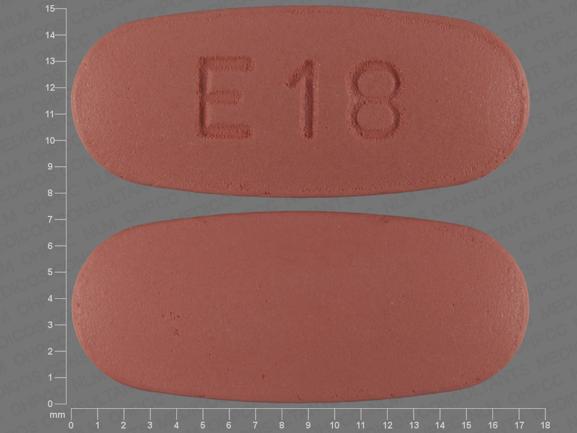
Moxifloxacin (Monograph)
Brand name: Avelox
Drug class: Quinolones
Chemical name: (4aS-cis)-1-Cyclopropyl-6-fluoro-1,4-dihydro-8-methoxy-7-(octahydro-6H-pyrrolol[3,4-b]pyridin-6-yl)-4-oxo-3-quinolinecarboxylic acid monohydrochloride
Molecular formula: C21H24FN3O4
CAS number: 186826-86-8
Warning
- Serious Adverse Reactions
-
Fluoroquinolones, including moxifloxacin, have been associated with disabling and potentially irreversible serious adverse reactions (e.g., tendinitis and tendon rupture, peripheral neuropathy, CNS effects) that have occurred together. Discontinue immediately and avoid use of fluoroquinolones, including moxifloxacin, in patients who have experienced any of these serious adverse reactions. (See Warnings under Cautions.)
-
Fluoroquinolones, including moxifloxacin, may exacerbate muscle weakness in patients with myasthenia gravis. Avoid in patients with known history of myasthenia gravis.
-
Because of risk of serious adverse reactions, use moxifloxacin for treatment of acute bacterial sinusitis or acute bacterial exacerbations of chronic bronchitis only when no other treatment options available.
Introduction
Antibacterial; fluoroquinolone.
Uses for Moxifloxacin
Respiratory Tract Infections
Treatment of acute bacterial sinusitis caused by susceptible Streptococcus pneumoniae, Haemophilus influenzae, or Moraxella catarrhalis.
Treatment of acute bacterial exacerbations of chronic bronchitis caused by susceptible S. pneumoniae, H. influenzae, H. parainfluenzae, Klebsiella pneumoniae, Staphylococcus aureus, or M. catarrhalis.
Use for treatment of acute bacterial sinusitis or acute bacterial exacerbations of chronic bronchitis only when no other treatment options available. Because systemic fluoroquinolones, including moxifloxacin, have been associated with disabling and potentially irreversible serious adverse reactions (e.g., tendinitis and tendon rupture, peripheral neuropathy, CNS effects) that can occur together in the same patient (see Cautions) and because acute bacterial sinusitis and acute bacterial exacerbations of chronic bronchitis may be self-limiting in some patients, risks of serious adverse reactions outweigh benefits of fluoroquinolones for patients with these infections.
Treatment of community-acquired pneumonia (CAP) caused by susceptible S. pneumoniae (including multidrug-resistant strains; MDRSP), S. aureus (methicillin-susceptible [oxacillin-susceptible] strains), K. pneumoniae, H. influenzae, M. catarrhalis, Mycoplasma pneumoniae, or Chlamydophila pneumoniae (formerly Chlamydia pneumoniae). Select regimen for empiric treatment of CAP based on most likely pathogens and local susceptibility patterns; after pathogen is identified, modify to provide more specific therapy (pathogen-directed therapy).
Has been used for treatment of nosocomial pneumonia† [off-label]. Select regimen for empiric treatment of hospital-acquired pneumonia (HAP) not associated with mechanical ventilation or ventilator-associated pneumonia (VAP) based on local susceptibility data. If a fluoroquinolone used for initial empiric treatment of HAP or VAP, IDSA and ATS recommend ciprofloxacin or levofloxacin.
Consult current IDSA clinical practice guidelines available at [Web] for additional information on management of respiratory tract infections.
Skin and Skin Structure Infections
Treatment of uncomplicated skin and skin structure infections (abscesses, furuncles, cellulitis, impetigo) caused by susceptible S. aureus (methicillin-susceptible [oxacillin-susceptible] strains) or S. pyogenes (group A β-hemolytic streptococci).
Treatment of complicated skin and skin structure infections caused by susceptible S. aureus (oxacillin-susceptible strains), Escherichia coli, K. pneumoniae, or Enterobacter cloacae.
Consult current IDSA clinical practice guidelines available at [Web] for additional information on management of skin and skin structure infections.
Intra-abdominal Infections
Treatment of complicated intra-abdominal infections (including polymicrobial infections such as abscess) caused by susceptible Bacteroides fragilis, B. thetaiotaomicron, Clostridium perfringens, Enterococcus faecalis, E. coli, Proteus mirabilis, S. anginosus, S. constellatus, or Peptostreptococcus.
Has been recommended as one of several options for initial empiric treatment of mild to moderate, community-acquired intra-abdominal infections. IDSA states avoid moxifloxacin in patients who received a quinolone within the past 3 months and are likely to harbor B. fragilis since such strains likely to be resistant to the drug.
Consult current IDSA clinical practice guidelines available at [Web] for additional information on management of intra-abdominal infections.
Endocarditis
Alternative for treatment of endocarditis† [off-label] (native or prosthetic valve or other prosthetic material) caused by fastidious gram-negative bacilli known as the HACEK group (Haemophilus, Aggregatibacter, Cardiobacterium hominis, Eikenella corrodens, Kingella). AHA and IDSA recommend ceftriaxone (or other third or fourth generation cephalosporin), but state that a fluoroquinolone (ciprofloxacin, levofloxacin, moxifloxacin) may be considered in patients who cannot tolerate cephalosporins. Consultation with an infectious disease specialist recommended.
GI Infections
Alternative for treatment of campylobacteriosis† [off-label] caused by susceptible Campylobacter. Optimal treatment of campylobacteriosis in HIV-infected patients not identified. Some clinicians withhold anti-infective treatment in those with CD4+ T-cell counts >200 cells/mm3 and mild campylobacteriosis and initiate treatment if symptoms persist for more than several days. In those with mild to moderate campylobacteriosis, treatment with a fluoroquinolone (preferably ciprofloxacin or, alternatively, levofloxacin or moxifloxacin) or azithromycin is reasonable. Modify anti-infective treatment based on results of in vitro susceptibility; resistance to fluoroquinolones reported in 22% of C. jejuni and 35% of C. coli isolates tested in the US.
Treatment of Salmonella gastroenteritis† [off-label]. CDC, NIH, and HIV Medicine Association of IDSA recommend ciprofloxacin as initial drug of choice for treatment of Salmonella gastroenteritis (with or without bacteremia) in HIV-infected adults; other fluoroquinolones (levofloxacin, moxifloxacin) also likely to be effective, but data limited. Depending on in vitro susceptibility, alternatives are co-trimoxazole and third generation cephalosporins (ceftriaxone, cefotaxime). Role of long-term anti-infective treatment (secondary prophylaxis) against Salmonella in HIV-infected individuals with recurrent bacteremia or gastritis not well established; weigh benefits of such prophylaxis against risks of long-term anti-infective therapy.
Treatment of shigellosis† [off-label] caused by susceptible Shigella. Anti-infectives may not be required for mild infections, but generally indicated in addition to fluid and electrolyte replacement for treatment of patients with severe shigellosis, dysentery, or underlying immunosuppression. Empiric treatment regimen can be used initially, but in vitro susceptibility testing indicated since resistance is common. Fluoroquinolones (preferably ciprofloxacin or, alternatively, levofloxacin or moxifloxacin) have been recommended for treatment of shigellosis in HIV-infected adults, but consider that fluoroquinolone-resistant Shigella reported in the US, especially in international travelers, the homeless, and men who have sex with men (MSM). Depending on in vitro susceptibility, other drugs recommended for treatment of shigellosis include co-trimoxazole, ceftriaxone, azithromycin (not recommended in those with bacteremia), or ampicillin.
Anthrax
Alternative for postexposure prophylaxis of anthrax† following suspected or confirmed exposure to aerosolized Bacillus anthracis spores (inhalational anthrax). CDC, AAP, US Working Group on Civilian Biodefense, and US Army Medical Research Institute of Infectious Diseases (USAMRIID) recommend oral ciprofloxacin and oral doxycycline as initial drugs of choice for prophylaxis following such exposures, including exposures that occur in the context of biologic warfare or bioterrorism. Other oral fluoroquinolones (levofloxacin, moxifloxacin, ofloxacin) are alternatives when ciprofloxacin or doxycycline cannot be used.
Treatment of uncomplicated cutaneous anthrax† (without systemic involvement) that occurs in the context of biologic warfare or bioterrorism. CDC states that preferred drugs for such infections include ciprofloxacin, doxycycline, levofloxacin, or moxifloxacin.
Alternative to ciprofloxacin for use in multiple-drug parenteral regimen for initial treatment of systemic anthrax† (inhalational, GI, meningitis, or cutaneous with systemic involvement, head or neck lesions, or extensive edema) that occurs in the context of biologic warfare or bioterrorism. For initial treatment of systemic anthrax with possible or confirmed meningitis, CDC and AAP recommend a regimen of IV ciprofloxacin in conjunction with another IV bactericidal anti-infective (preferably meropenem) and an IV protein synthesis inhibitor (preferably linezolid). If meningitis excluded, these experts recommend an initial regimen of IV ciprofloxacin in conjunction with an IV protein synthesis inhibitor (preferably clindamycin or linezolid).
Has been suggested as possible alternative to ciprofloxacin for treatment of inhalational anthrax† when a parenteral regimen not available (e.g., supply or logistic problems because large numbers of individuals require treatment in a mass casualty setting).
Meningitis and Other CNS Infections
Alternative for treatment of meningitis† caused by certain susceptible gram-positive bacteria (e.g., S. pneumoniae). Fluoroquinolones have been recommended as alternatives for treatment of meningitis caused by some gram-negative bacteria (e.g., Neisseria meningitidis, H. influenzae, E. coli, Ps. aeruginosa).
Limited data from animal studies indicate moxifloxacin has been effective for treatment of experimental meningitis caused by S. pneumoniae or E. coli. Fluoroquinolones (ciprofloxacin, moxifloxacin) should be considered for treatment of meningitis only when the infection is caused by multidrug-resistant gram-negative bacilli or when the usually recommended anti-infectives cannot be used or have been ineffective.
Tuberculosis
Alternative (second-line) agent for use in multiple-drug regimens for treatment of active tuberculosis† caused by Mycobacterium tuberculosis.
Although potential role of fluoroquinolones and optimal length of therapy not fully defined, ATS, CDC, IDSA, and others state that use of fluoroquinolones as alternative (second-line) agents can be considered for treatment of active tuberculosis in patients intolerant to certain first-line agents and in those with relapse, treatment failure, or M. tuberculosis resistant to certain first-line agents. If a fluoroquinolone used in multiple-drug regimens for treatment of active tuberculosis, ATS, CDC, IDSA, and others recommend levofloxacin or moxifloxacin.
Consider that fluoroquinolone-resistant M. tuberculosis reported and there are increasing reports of extensively drug-resistant tuberculosis (XDR tuberculosis). XDR tuberculosis is caused by M. tuberculosis resistant to rifampin and isoniazid (multiple-drug resistant strains) that also are resistant to a fluoroquinolone and at least one parenteral second-line antimycobacterial (capreomycin, kanamycin, amikacin).
Consult most recent ATS, CDC, and IDSA recommendations for treatment of tuberculosis and other mycobacterial infections for more specific information.
Other Mycobacterial Infections
Has been used in multiple-drug regimens for treatment of disseminated infections caused by Mycobacterium avium complex† (MAC). ATS and IDSA state that role of fluoroquinolones in treatment of MAC infections not established. If a fluoroquinolone is included in treatment regimen (e.g., for macrolide-resistant MAC infections), moxifloxacin or levofloxacin may be preferred, although many strains are resistant in vitro. Treatment of MAC infections is complicated and should be directed by clinicians familiar with mycobacterial diseases; consultation with a specialist is particularly important when the patient cannot tolerate first-line drugs or when the infection has not responded to prior therapy or is caused by macrolide-resistant MAC.
Treatment of M. kansasii† infections in conjunction with other antimycobacterials. ATS and IDSA recommend a multiple-drug regimen of isoniazid, rifampin, and ethambutol for treatment of pulmonary or disseminated infections caused by M. kansasii. If rifampin-resistant M. kansasii are involved, ATS and IDSA recommend a 3-drug regimen based on results of in vitro susceptibility testing, including clarithromycin (or azithromycin), moxifloxacin, ethambutol, sulfamethoxazole, or streptomycin.
Consult most recent ATS, CDC, and IDSA recommendations for treatment of other mycobacterial infections for more specific information.
Nongonococcal Urethritis
Alternative for treatment of nongonococcal urethritis† (NGU). CDC recommends azithromycin or doxycycline; alternatives are erythromycin, levofloxacin, or ofloxacin. For persistent or recurrent NGU in men compliant with previous treatment who have not been reexposed to an untreated sexual partner(s), CDC recommends that those initially treated with azithromycin be retreated with moxifloxacin.
Plague
Treatment of plague, including pneumonic and septicemic plague, caused by Yersinia pestis. Streptomycin (or gentamicin) historically has been considered regimen of choice for treatment of plague; alternatives are doxycycline (or tetracycline), chloramphenicol (a drug of choice for plague meningitis), fluoroquinolones (ciprofloxacin [a drug of choice for plague meningitis], levofloxacin, moxifloxacin), or co-trimoxazole (may be less effective than other alternatives). Regimens recommended for treatment of naturally occurring or endemic bubonic, septicemic, or pneumonic plague also recommended for plague that occurs following exposure to Y. pestis in the context of biologic warfare or bioterrorism.
Postexposure prophylaxis following high-risk exposure to Y. pestis (e.g., household, hospital, or other close contact with an individual who has pneumonic plague; laboratory exposure to viable Y. pestis; confirmed exposure in the context of biologic warfare or bioterrorism). Drugs of choice for such prophylaxis are doxycycline (or tetracycline) or a fluoroquinolone (ciprofloxacin, levofloxacin, moxifloxacin, ofloxacin).
Moxifloxacin Dosage and Administration
Administration
Administer orally or by slow IV infusion. Do not give IM, sub-Q, intrathecally, or intraperitoneally.
IV route indicated in patients who do not tolerate or are unable to take the drug orally and in other patients when IV route offers a clinical advantage. If IV route used initially, switch to oral route when clinically indicated.
Patients receiving oral or IV moxifloxacin should be well hydrated and instructed to drink fluids liberally.
Oral Administration
Administer tablets orally without regard to meals. (See Pharmacokinetics.)
Administer orally at least 4 hours before or 8 hours after antacids containing magnesium or aluminum, metal cations (e.g., iron), sucralfate, multivitamins or dietary supplements containing iron or zinc, or buffered didanosine (pediatric oral solution admixed with antacid). (See Interactions.)
IV Infusion
Premixed injection for IV infusion containing 400 mg of moxifloxacin in 0.8% sodium chloride injection in single-use flexible container may be used without further dilution.
Do not admix with other drugs or infuse simultaneously through same tubing with other drugs. If same IV line or a Y-type line used for sequential infusion of other drugs or if piggyback method of administration used, flush tubing before and after infusion of moxifloxacin using IV solution compatible with both moxifloxacin and the other drug(s).
Inspect visually for particulate matter prior to administration; the premixed solution should appear yellow.
Does not contain preservatives; discard any unused portions.
For solution and drug compatibility information, see Compatibility under Stability.
Rate of Administration
Administer by IV infusion over 1 hour. Avoid rapid IV infusion.
Dosage
Available as moxifloxacin hydrochloride; dosage expressed in terms of moxifloxacin.
Dosage of oral and IV moxifloxacin is identical. Dosage adjustments not needed when switching from IV to oral administration.
Pediatric Patients
Anthrax†
Treatment of Systemic Anthrax (Biologic Warfare or Bioterrorism Exposure)†
IVPreterm neonates† (gestational age 32–37 weeks) ≤4 weeks of age: 5 mg/kg once daily.
Full-term neonates† ≤4 weeks of age: 10 mg/kg once daily.
Infants 3 months to <2 years of age†: 6 mg/kg (up to 200 mg) every 12 hours.
Children 2–5 years of age†: 5 mg/kg (up to 200 mg) every 12 hours.
Children 6–11 years of age†: 4 mg/kg (up to 200 mg) every 12 hours.
Adolescents 12–17 years of age†: 4 mg/kg (up to 200 mg) every 12 hours in those weighing <45 kg and 400 mg once daily in those weighing ≥45 kg.
Used in multiple-drug parenteral regimen for initial treatment of systemic anthrax (inhalational, GI, meningitis, or cutaneous anthrax with systemic involvement, lesions on the head or neck, or extensive edema). Continue parenteral regimen for ≥2–3 weeks until patient is clinically stable and can be switched to appropriate oral anti-infective.
If systemic anthrax occurred after exposure to aerosolized B. anthracis spores in the context of biologic warfare or bioterrorism, continue oral follow-up regimen until 60 days after illness onset.
Adults
Respiratory Tract Infections
Acute Bacterial Sinusitis
Oral or IV400 mg once daily for 10 days. (See Respiratory Tract Infections under Uses.)
Acute Bacterial Exacerbations of Chronic Bronchitis
Oral or IV400 mg once daily for 5 days. (See Respiratory Tract Infections under Uses.)
Community-acquired Pneumonia (CAP)
Oral or IV400 mg once daily for 7–14 days.
Skin and Skin Structure Infections
Uncomplicated Infections
Oral or IV400 mg once daily for 7 days.
Complicated Infections
Oral or IV400 mg once daily for 7–21 days.
Intra-abdominal Infections
Complicated Infections
IV, then OralInitiate therapy with 400 mg IV once daily. When appropriate, switch to oral moxifloxacin 400 mg once daily.
Manufacturer recommends total treatment duration of 5–14 days. IDSA recommends treatment duration of 4–7 days; longer duration not associated with improved outcome and not recommended unless adequate source control is difficult to achieve.
GI Infections†
Campylobacter Infections†
Oral or IVHIV-infected: 400 mg once daily.
Recommended treatment duration is 7–10 days for gastroenteritis or ≥14 days for bacteremic infections. Duration of 2–6 weeks recommended for recurrent infections.
Salmonella Gastroenteritis†
Oral or IVHIV-infected: 400 mg once daily.
Recommended treatment duration is 7–14 days if CD4+ T-cells ≥200 cells/mm3 (≥14 days if bacteremic or infection is complicated) or 2–6 weeks if CD4+ T-cells <200 cells/mm3.
Consider secondary prophylaxis in those with recurrent bacteremia; also may also consider in those with recurrent gastroenteritis (with or without bacteremia) or with CD4+ T-cells <200 cells/mm3 and severe diarrhea. Discontinue secondary prophylaxis if Salmonella infection resolves and there has been a sustained response to antiretroviral therapy with CD4+ T-cells >200 cells/mm3.
Shigella Infections†
Oral or IVHIV-infected: 400 mg once daily.
Recommended treatment duration is 7–10 days for gastroenteritis or ≥14 days for bacteremic infections. Up to 6 weeks may be required for recurrent infections, especially if CD4+ T-cells <200 cells/mm3.
Anthrax†
Postexposure Prophylaxis Following Exposure in the Context of Biologic Warfare or Bioterrorism†
Oral400 mg once daily.
Initiate prophylaxis as soon as possible following suspected or confirmed exposure to aerosolized B. anthracis spores.
Because of possible persistence of B. anthracis spores in lung tissue following an aerosol exposure, CDC and others recommend that anti-infective postexposure prophylaxis be continued for 60 days following a confirmed exposure.
Treatment of Uncomplicated Cutaneous Anthrax (Biologic Warfare or Bioterrorism Exposure)†
Oral400 mg once daily.
Recommended duration is 60 days if cutaneous anthrax occurred after exposure to aerosolized B. anthracis spores in the context of biologic warfare or bioterrorism.
Treatment of Systemic Anthrax (Biologic Warfare or Bioterrorism Exposure)†
IV400 mg once daily.
Used in multiple-drug parenteral regimen for initial treatment of systemic anthrax (inhalational, GI, meningitis, or cutaneous anthrax with systemic involvement, lesions on the head or neck, or extensive edema). Continue parenteral regimen for ≥2–3 weeks until patient is clinically stable and can be switched to appropriate oral anti-infective.
If anthrax occurred after exposure to aerosolized B. anthracis spores in the context of biologic warfare or bioterrorism, continue oral follow-up regimen until 60 days after illness onset.
Mycobacterial Infections†
Active Tuberculosis†
Oral or IV400 mg once daily. Must be used in conjunction with other antituberculosis agents.
ATS, CDC, and IDSA state data insufficient to date to support intermittent moxifloxacin regimens for treatment of tuberculosis.
Disseminated MAC Infections†
OralHIV-infected: 400 mg once daily.
Nongonococcal Urethritis†
Oral
400 mg once daily for 7 days recommended by CDC for persistent or recurrent NGU in those initially treated with azithromycin. (See Uses: Nongonococcal Urethritis.)
Plague
Treatment or Prophylaxis of Plague
Oral or IV400 mg once daily for 10–14 days.
Initiate as soon as possible after suspected or known exposure to Y. pestis.
Prescribing Limits
Adults
Do not exceed usual dosage or duration of therapy.
Special Populations
Hepatic Impairment
Adults with mild, moderate, or severe hepatic impairment (Child-Pugh class A, B, or C): Dosage adjustments not necessary. Use with caution. (See Hepatic Impairment under Cautions.)
Renal Impairment
Adults with renal impairment, including those on hemodialysis or CAPD: Dosage adjustments not necessary.
Geriatric Patients
Dosage adjustment based solely on age not necessary.
Cautions for Moxifloxacin
Contraindications
-
History of hypersensitivity to moxifloxacin or other quinolones.
Warnings/Precautions
Warnings
Disabling and Potentially Irreversible Serious Adverse Reactions
Systemic fluoroquinolones, including moxifloxacin, associated with disabling and potentially irreversible serious adverse reactions (e.g., tendinitis and tendon rupture, peripheral neuropathy, CNS effects) that can occur together in the same patient. May occur within hours to weeks after a systemic fluoroquinolone is initiated; have occurred in all age groups and in patients without preexisting risk factors for such adverse reactions.
Immediately discontinue moxifloxacin at first signs or symptoms of any serious adverse reactions.
Avoid systemic fluoroquinolones, including moxifloxacin, in patients who have experienced any of the serious adverse reactions associated with fluoroquinolones.
Tendinitis and Tendon Rupture
Systemic fluoroquinolones, including moxifloxacin, are associated with an increased risk of tendinitis and tendon rupture in all age groups.
Risk of developing fluoroquinolone-associated tendinitis and tendon rupture increased in older adults (usually those >60 years of age), individuals receiving concomitant corticosteroids, and kidney, heart, or lung transplant recipients. (See Geriatric Use under Cautions.)
Other factors that may independently increase the risk of tendon rupture include strenuous physical activity, renal failure, and previous tendon disorders such as rheumatoid arthritis. Tendinitis and tendon rupture have been reported in patients receiving fluoroquinolones who did not have any risk factors for such adverse reactions.
Fluoroquinolone-associated tendinitis and tendon rupture most frequently involve the Achilles tendon; also reported in the rotator cuff (shoulder), hand, biceps, thumb, and other tendon sites.
Tendinitis and tendon rupture can occur within hours or days after moxifloxacin is initiated or as long as several months after completion of therapy and can occur bilaterally.
Immediately discontinue moxifloxacin if pain, swelling, inflammation, or rupture of a tendon occurs. (See Advice to Patients.)
Avoid systemic fluoroquinolones, including moxifloxacin, in patients who have a history of tendon disorders or have experienced tendinitis or tendon rupture.
Peripheral Neuropathy
Systemic fluoroquinolones, including moxifloxacin, are associated with an increased risk of peripheral neuropathy.
Sensory or sensorimotor axonal polyneuropathy affecting small and/or large axons resulting in paresthesias, hypoesthesias, dysesthesias, and weakness reported with fluoroquinolones, including moxifloxacin. Symptoms may occur soon after initiation of the drug and, in some patients, may be irreversible.
Immediately discontinue moxifloxacin if symptoms of peripheral neuropathy (e.g., pain, burning, tingling, numbness, and/or weakness) occur or if there are other alterations in sensations (e.g., light touch, pain, temperature, position sense, vibratory sensation).
Avoid systemic fluoroquinolones, including moxifloxacin, in patients who have experienced peripheral neuropathy.
CNS Effects
Systemic fluoroquinolones, including moxifloxacin, are associated with increased risk of psychiatric adverse effects, including toxic psychosis, hallucinations, paranoia, depression, suicidal thoughts or acts, agitation, nervousness, confusion, delirium, disorientation, disturbances in attention, insomnia, nightmares, and memory impairment. These adverse effects may occur after first dose.
Systemic fluoroquinolones, including moxifloxacin, are associated with increased risk of seizures (convulsions), increased intracranial pressure (including pseudotumor cerebri), dizziness, and tremors. These CNS effects may occur after first dose.
Use with caution in patients with known or suspected CNS disorders (e.g., severe cerebral arteriosclerosis, epilepsy) or other risk factors that predispose to seizures or lower seizure threshold.
If psychiatric or other CNS effects occur, immediately discontinue moxifloxacin and institute appropriate measures. (See Advice to Patients.)
Exacerbation of Myasthenia Gravis
Fluoroquinolones, including moxifloxacin, have neuromuscular blocking activity and may exacerbate muscle weakness in myasthenia gravis patients; death or need for ventilatory support reported.
Avoid use in patients with known history of myasthenia gravis. (See Advice to Patients.)
Sensitivity Reactions
Hypersensitivity Reactions
Serious and occasionally fatal hypersensitivity and/or anaphylactic reactions reported in patients receiving fluoroquinolones, including moxifloxacin. Although generally reported after multiple doses, these reactions may occur with first dose.
Some hypersensitivity reactions have been accompanied by cardiovascular collapse, loss of consciousness, tingling, edema (pharyngeal or facial), dyspnea, urticaria, or pruritus.
Other serious and sometimes fatal adverse reactions reported with fluoroquinolones, including moxifloxacin, that may or may not be related to hypersensitivity reactions include one or more of the following: fever, rash or other severe dermatologic reactions (e.g., toxic epidermal necrolysis, Stevens-Johnson syndrome); vasculitis, arthralgia, myalgia, serum sickness; allergic pneumonitis; interstitial nephritis, acute renal insufficiency or failure; hepatitis, jaundice, acute hepatic necrosis or failure; anemia (including hemolytic and aplastic), thrombocytopenia (including thrombotic thrombocytopenic purpura), leukopenia, agranulocytosis, pancytopenia, and/or other hematologic effects.
Immediately discontinue moxifloxacin at first appearance of rash, jaundice, or any other sign of hypersensitivity. Institute appropriate therapy as indicated (e.g., epinephrine, corticosteroids, maintenance of an adequate airway and oxygen).
Photosensitivity Reactions
Moderate to severe photosensitivity/phototoxicity reactions reported with fluoroquinolones, including moxifloxacin.
Phototoxicity may manifest as exaggerated sunburn reactions (e.g., burning, erythema, exudation, vesicles, blistering, edema) on areas exposed to sun or artificial ultraviolet (UV) light (usually the face, neck, extensor surfaces of forearms, dorsa of hands).
Avoid unnecessary or excessive exposure to sunlight or artificial UV light (tanning beds, UVA/UVB treatment) while receiving moxifloxacin. If patient needs to be outdoors, they should wear loose-fitting clothing that protects skin from sun exposure and use other sun protection measures (sunscreen).
Discontinue moxifloxacin if photosensitivity or phototoxicity (sunburn-like reaction, skin eruption) occurs.
Other Warnings/Precautions
Prolongation of QT Interval
Prolonged QT interval leading to ventricular arrhythmias, including torsades de pointes, reported with some fluoroquinolones, including moxifloxacin.
Do not exceed usual recommended dosage or IV infusion rate since this may increase risk of prolonged QT interval.
Avoid use in patients with known prolonged QT interval, ventricular arrhythmias (including torsades de pointes), any ongoing proarrhythmic conditions (including clinically important bradycardia and acute myocardial ischemia), or uncorrected hypokalemia or hypomagnesemia.
Avoid use in patients receiving class IA (e.g., quinidine, procainamide) or class III (e.g., amiodarone, sotalol) antiarrhythmic agents or other drugs that prolong QT interval (e.g., cisapride [available in the US only under a limited-access protocol], erythromycin, antipsychotic agents, tricyclic antidepressants). (See Drugs that Prolong QT Interval under Interactions.)
Risk of QT interval prolongation may be increased in geriatric patients. (See Geriatric Use under Cautions.)
Use with caution in patients with mild, moderate, or severe liver cirrhosis. (See Hepatic Impairment under Cautions.)
Risk of Aortic Aneurysm and Dissection
Rupture or dissection of aortic aneurysms reported in patients receiving systemic fluoroquinolones. Epidemiologic studies indicate an increased risk of aortic aneurysm and dissection within 2 months following use of systemic fluoroquinolones, particularly in geriatric patients. Cause for this increased risk not identified.
Unless there are no other treatment options, do not use systemic fluoroquinolones, including moxifloxacin, in patients who have an aortic aneurysm or are at increased risk for an aortic aneurysm. This includes geriatric patients and patients with peripheral atherosclerotic vascular disease, hypertension, or certain genetic conditions (e.g., Marfan syndrome, Ehlers-Danlos syndrome).
If patient reports adverse effects suggestive of aortic aneurysm or dissection, immediately discontinue the fluoroquinolone. (See Advice to Patients.)
Hypoglycemia or Hyperglycemia
Systemic fluoroquinolones, including moxifloxacin, are associated with alterations in blood glucose concentrations, including symptomatic hypoglycemia and hyperglycemia. Blood glucose disturbances during fluoroquinolone therapy usually have occurred in patients with diabetes mellitus receiving an oral antidiabetic agent (e.g., glyburide) or insulin.
Severe cases of hypoglycemia resulting in coma or death reported with some systemic fluoroquinolones. Although most reported cases of hypoglycemic coma involved patients with risk factors for hypoglycemia (e.g., older age, diabetes mellitus, renal insufficiency, concomitant use of antidiabetic agents [especially sulfonylureas]), some involved patients receiving a fluoroquinolone who were not diabetic and not receiving an oral antidiabetic agent or insulin.
Carefully monitor blood glucose concentrations when moxifloxacin used in diabetic patients receiving antidiabetic agents.
If a hypoglycemic reaction occurs, discontinue the fluoroquinolone and initiate appropriate therapy immediately. (See Advice to Patients.)
Musculoskeletal Effects
Fluoroquinolones, including moxifloxacin, cause arthropathy and osteochondrosis in immature animals of various species. Permanent lesions in cartilage reported in moxifloxacin studies in immature dogs. Safety and efficacy not established in children and adolescents <18 years of age (see Pediatric Use under Cautions) or in pregnant or lactating women (see Pregnancy and see Lactation under Cautions).
C. difficile-associated Diarrhea and Colitis
Treatment with anti-infectives alters normal colon flora and may permit overgrowth of Clostridioides difficile (formerly known as Clostridium difficile). C. difficile infection (CDI) and C. difficile-associated diarrhea and colitis (CDAD; also known as antibiotic-associated diarrhea and colitis or pseudomembranous colitis) reported with nearly all anti-infectives, including moxifloxacin, and may range in severity from mild diarrhea to fatal colitis. C. difficile produces toxins A and B which contribute to development of CDAD; hypertoxin-producing strains of C. difficile are associated with increased morbidity and mortality since they may be refractory to anti-infectives and colectomy may be required.
Consider CDAD if diarrhea develops and manage accordingly. Careful medical history necessary since CDAD may occur as late as 2 months or longer after anti-infective therapy is discontinued.
If CDAD suspected or confirmed, discontinue anti-infectives not directed against C. difficile as soon as possible. Initiate appropriate anti-infective therapy directed against C. difficile (e.g., vancomycin, fidaxomicin, metronidazole), supportive therapy (e.g., fluid and electrolyte management, protein supplementation), and surgical evaluation as clinically indicated.
Selection and Use of Anti-infectives
Use for treatment of acute bacterial sinusitis or acute bacterial exacerbations of chronic bronchitis only when no other treatment options available. Because moxifloxacin, like other systemic fluoroquinolones, has been associated with disabling and potentially irreversible serious adverse reactions (e.g., tendinitis and tendon rupture, peripheral neuropathy, CNS effects) that can occur together in the same patient, risks of serious adverse reactions outweigh benefits for patients with these infections.
To reduce development of drug-resistant bacteria and maintain effectiveness of moxifloxacin and other antibacterials, use only for treatment or prevention of infections proven or strongly suspected to be caused by susceptible bacteria.
When selecting or modifying anti-infective therapy, use results of culture and in vitro susceptibility testing. In the absence of such data, consider local epidemiology and susceptibility patterns when selecting anti-infectives for empiric therapy.
Information on test methods and quality control standards for in vitro susceptibility testing of antibacterial agents and specific interpretive criteria for such testing recognized by FDA is available at [Web].
Specific Populations
Pregnancy
Human data for moxifloxacin insufficient to inform any drug-associated risk regarding use during pregnancy.
Based on animal studies, moxifloxacin may cause fetal harm. Not teratogenic in pregnant rats, rabbits, and monkeys at exposures up to 2.5 times higher than human exposures reported with usual dosage, but embryofetal toxicity (e.g., decreased neonatal body weights, increased incidence of skeletal variations [rib and vertebra combined], increased fetal loss) observed in pregnant rats or rabbits at dosages associated with maternal toxicity.
Advise pregnant women of potential risk to fetus.
Lactation
Not known whether distributed into human milk; distributed into milk in rats.
Consider developmental and health benefits of breast-feeding along with the mother's clinical need for moxifloxacin; also consider potential adverse effects on breast-fed infant from the drug or underlying maternal condition.
Pediatric Use
Efficacy not established for any indication in children or adolescents <18 years of age.
Limited data available from a clinical study in pediatric patients ≥3 months of age indicate overall safety profile of the drug in pediatric patients is comparable to that reported in adults.
Like other fluoroquinolones, moxifloxacin causes arthropathy in juvenile animals. (See Musculoskeletal Effects under Cautions.)
AAP states use of a systemic fluoroquinolone may be justified in children <18 years of age in certain specific circumstances when there are no safe and effective alternatives and the drug is known to be effective.
Geriatric Use
No overall differences in safety or efficacy relative to younger adults.
Risk of severe tendon disorders, including tendon rupture, is increased in older adults (usually those >60 years of age). This risk is further increased in those receiving concomitant corticosteroids. (See Tendinitis and Tendon Rupture under Cautions.) Use caution in geriatric adults, especially those receiving concomitant corticosteroids.
Risk of QT interval prolongation may be increased in geriatric patients. (See Prolongation of QT Interval under Cautions.)
Risk of aortic aneurysm and dissection may be increased in geriatric patients. (See Risk of Aortic Aneurysm and Dissection under Cautions.)
Hepatic Impairment
Dosage adjustments not necessary in adults with mild, moderate, or severe hepatic impairment (Child-Pugh class A, B, or C).
Use with caution in patients with any degree of hepatic impairment; monitor ECGs in those with liver cirrhosis. Metabolic disturbances associated with hepatic insufficiency may lead to QT interval prolongation.
Renal Impairment
Dosage adjustments not necessary in adults with renal impairment.
Common Adverse Effects
GI effects (nausea, diarrhea), headache, dizziness.
Drug Interactions
Not metabolized by CYP isoenzymes and does not inhibit CYP3A4, 2D6, 2C9, 2C19, or 1A2. Pharmacokinetic interactions with drugs metabolized by CYP isoenzymes unlikely.
Drugs That Prolong QT Interval
Potential pharmacologic interaction (additive effect on QT interval prolongation). Avoid use in patients receiving class IA (e.g., quinidine, procainamide) or class III (e.g., amiodarone, sotalol) antiarrhythmic agents. Use with caution in patients receiving drugs that prolong QT interval (e.g., cisapride [commercially available under a limited-access protocol only], erythromycin, antipsychotic agents, tricyclic antidepressants). (See Prolongation of QT Interval under Cautions.)
Specific Drugs
|
Drug |
Interaction |
Comments |
|---|---|---|
|
Antacids (aluminum- or magnesium-containing) |
Decreased absorption of oral moxifloxacin |
Administer oral moxifloxacin at least 4 hours before or 8 hours after such antacids |
|
Anticoagulants, oral (warfarin) |
No clinically important pharmacokinetic interactions; may enhance anticoagulant effects of warfarin |
Monitor PT, INR, or other suitable coagulation tests |
|
Antidiabetic agents (sulfonylureas, insulin) |
Alterations in blood glucose concentrations (hypoglycemia and hyperglycemia) reported Glyburide: No clinically important effect on glyburide pharmacokinetics |
Closely monitor blood glucose concentrations; if hypoglycemic reaction occurs, immediately discontinue moxifloxacin and initiate appropriate therapy |
|
Antifungal agents, azoles |
Itraconazole: No effect on pharmacokinetics of either drug |
|
|
Atenolol |
No effect on atenolol pharmacokinetics |
|
|
Calcium supplements |
No effect on moxifloxacin pharmacokinetics |
|
|
Corticosteroids |
Increased risk of tendinitis or tendon rupture, especially in patients >60 years of age |
|
|
Cyclosporine |
No clinically important effect on pharmacokinetics of either drug |
|
|
Didanosine |
Decreased absorption of oral moxifloxacin with buffered didanosine preparations |
Administer oral moxifloxacin at least 4 hours before or 8 hours after buffered didanosine (pediatric oral solution admixed with antacid) |
|
Digoxin |
Transient increase in digoxin concentrations; no clinically important effect on pharmacokinetics of either drug |
Dosage adjustment not needed for either drug |
|
Estrogens/progestins |
No clinically important effect on pharmacokinetics of ethinyl estradiol/levonorgestrel oral contraceptives |
|
|
Iron preparations |
Decreased oral absorption of moxifloxacin |
Administer oral moxifloxacin at least 4 hours before or 8 hours after iron preparations |
|
Morphine |
No clinically important effect on moxifloxacin pharmacokinetics |
|
|
Multivitamins and dietary supplements |
Decreased oral absorption of moxifloxacin |
Administer oral moxifloxacin at least 4 hours before or 8 hours after multivitamins or dietary supplements containing iron or zinc |
|
NSAIAs |
Possible increased risk of CNS stimulation, seizures; animal studies using other fluoroquinolones suggest risk varies depending on the specific NSAIA |
|
|
Probenecid |
No clinically important effect on moxifloxacin pharmacokinetics |
|
|
Ranitidine |
No clinically important effect on moxifloxacin pharmacokinetics |
|
|
Sucralfate |
Decreased oral absorption of moxifloxacin |
Administer oral moxifloxacin at least 4 hours before or 8 hours after sucralfate |
|
Theophylline |
No clinically important effect on pharmacokinetics of either drug |
Moxifloxacin Pharmacokinetics
Absorption
Bioavailability
86–92%.
Peak plasma concentrations attained within 0.5–4 hours; steady-state attained after at least 3 days.
Food
Administration of a 400-mg tablet with a high-fat breakfast or with yogurt does not have a clinically important effect on absorption of the drug.
Distribution
Extent
Widely distributed into body tissues and fluids, including saliva, nasal and bronchial secretions, sinus mucosa, skin blister fluid, subcutaneous tissue, skeletal muscle, and abdominal tissues and fluids.
Distributed into CSF in rabbits.
Distributed into milk in rats; may be distributed into human milk.
Plasma Protein Binding
30–50%.
Elimination
Metabolism
Approximately 52% of an oral or IV dose is metabolized via glucuronide and sulfate conjugation; the metabolites are not microbiologically active.
Not metabolized by CYP isoenzymes.
Elimination Route
Eliminated in urine and by biliary excretion and metabolism.
Approximately 45% of an oral or IV dose excreted unchanged (20% in urine and 25% in feces). A total of 96% of an oral dose is excreted as unchanged drug or metabolites.
Half-life
Adults with normal renal and hepatic function: Mean of 11.5–15.6 hours following single or multiple oral doses.
Adults with normal renal and hepatic function: Mean of 8.2–15.4 hours following single or multiple IV doses.
Special Populations
Pharmacokinetics in geriatric patients similar to younger adults.
Concentrations of sulfate and glucuronide conjugates are increased in patients with mild or moderate hepatic impairment (Child-Pugh class A or B); clinical importance not determined. Plasma concentrations of moxifloxacin and its metabolites in patients with severe hepatic impairment (Child-Pugh class C) are similar to those reported in patients with mild or moderate hepatic impairment.
Pharmacokinetics not substantially affected by mild, moderate, or severe renal impairment. In patients with Clcr <20 mL/minute undergoing hemodialysis or CAPD, moxifloxacin concentrations are not affected but concentrations of the sulfate and glucuronide conjugates are increased; clinical importance of this has not be determined.
Stability
Storage
Oral
Tablets
25°C (may be exposed to 15–30°C). Avoid high humidity.
Parenteral
Injection
25°C (may be exposed to 15–30°C). Do not refrigerate.
For single-use only, discard any unused portions.
Compatibility
Parenteral
Solution Compatibility1 HID
|
Compatible |
|---|
|
Dextrose 5 or 10% in water |
|
Ringer’s injection, lactated |
|
Sodium chloride 0.9% |
Drug Compatibility
|
Compatible |
|---|
|
Cangrelor tetrasodium |
|
Ceftaroline fosamil |
|
Doripenem |
|
Hydroxyethyl starch 130/0.4 in sodium chloride 0.9% |
|
Vasopressin |
Actions and Spectrum
-
Usually bactericidal.
-
Like other fluoroquinolones, moxifloxacin inhibits bacterial DNA gyrase and topoisomerase IV.
-
Spectrum of activity includes gram-positive aerobic bacteria, some gram-negative aerobic bacteria, some anaerobic bacteria, and some other organisms (e.g., Chlamydia, Mycoplasma, Mycobacterium).
-
More active in vitro than some other fluoroquinolones (e.g., ciprofloxacin, levofloxacin, ofloxacin) against S. pneumoniae while generally retaining the in vitro activity of these drugs against gram-negative bacteria and etiologic agents of atypical pneumonia (e.g., C. pneumoniae, M. pneumoniae, Legionella).
-
Gram-positive aerobes: Active in vitro and in clinical infections against Enterococcus faecalis, Staphylococcus aureus (methicillin-susceptible [oxacillin-susceptible] strains only), S. pneumoniae (including multidrug-resistant strains), S. anginosus, S. constellatus, and S. pyogenes (group A β-hemolytic streptococci). Also active in vitro against S. epidermidis (oxacillin-susceptible strains only), S. agalactiae (group B streptococci), and viridans streptococci.
-
Gram-negative aerobes: Active in vitro and in clinical infections against Enterobacter cloacae, Escherichia coli, H. influenzae, H. parainfluenzae, K. pneumoniae, M. catarrhalis, and Proteus mirabilis. Active against Y. pestis in vitro and in a primate infection model. Also active in vitro against Citrobacter freundii, K. oxytoca, and Legionella pneumophila.
-
Anaerobes and other organisms: Active in vitro and in clinical infections against Bacteroides fragilis, B. thetaiotaomicron, Clostridium perfringens, C. pneumoniae, Peptostreptococcus, and M. pneumoniae. Also active in vitro against M. tuberculosis, M. avium complex (MAC), M. kansasii, M. fortuitum, Fusobacterium, and Prevotella.
-
Active against some strains of M. tuberculosis resistant to isoniazid, rifampin, or streptomycin, but moxifloxacin-resistant M. tuberculosis have been reported and some multidrug-resistant strains (i.e., strains resistant to rifampin and isoniazid) also are resistant to moxifloxacin or other fluoroquinolones.
-
Resistance to fluoroquinolones can occur as the result of mutations in topoisomerase II (DNA gyrase) or topoisomerase IV genes, decreased outer membrane permeability, or drug efflux. In vitro, resistance to moxifloxacin develops slowly by multiple-step mutations.
-
Some cross-resistance occurs between moxifloxacin and other fluoroquinolones.
Advice to Patients
-
Advise patients to read manufacturer’s patient information (medication guide) prior to initiating moxifloxacin therapy and each time prescription refilled.
-
Advise patients that antibacterials (including moxifloxacin) should only be used to treat bacterial infections and not used to treat viral infections (e.g., the common cold).
-
Importance of completing full course of therapy, even if feeling better after a few days.
-
Advise patients that skipping doses or not completing the full course of therapy may decrease effectiveness and increase the likelihood that bacteria will develop resistance and will not be treatable with moxifloxacin or other antibacterials in the future.
-
May be taken without regard to meals, but should be taken with liberal amounts of fluids.
-
Importance of taking moxifloxacin at least 4 hours before or 8 hours after multivitamins or dietary supplements containing iron or zinc; aluminum- or magnesium-containing antacids; or buffered didanosine (pediatric oral solution admixed with antacid).
-
Inform patients that systemic fluoroquinolones, including moxifloxacin, have been associated with disabling and potentially irreversible serious adverse reactions (e.g., tendinitis and tendon rupture, peripheral neuropathy, CNS effects) that may occur together in same patient. Advise patients to immediately discontinue moxifloxacin and contact a clinician if they experience any signs or symptoms of serious adverse effects (e.g., unusual joint or tendon pain, muscle weakness, a “pins and needles” tingling or pricking sensation, numbness of the arms or legs, confusion, hallucinations) while taking the drug. Advise patients to talk with a clinician if they have any questions or concerns.
-
Inform patients that systemic fluoroquinolones, including moxifloxacin, are associated with an increased risk of tendinitis and tendon rupture in all age groups and this risk is increased risk in adults >60 years of age, individuals receiving corticosteroids, and kidney, heart, or lung transplant recipients. Symptoms may be irreversible. Importance of resting and refraining from exercise at the first sign of tendinitis or tendon rupture (e.g., pain, swelling, or inflammation of a tendon or weakness or inability to use a joint) and importance of immediately discontinuing the drug and contacting a clinician. (See Tendinitis and Tendon Rupture under Cautions.)
-
Inform patients that peripheral neuropathies have been reported with systemic fluoroquinolones, including moxifloxacin, and that symptoms may occur soon after initiation of the drug and may be irreversible. Importance of immediately discontinuing moxifloxacin and contacting a clinician if symptoms of peripheral neuropathy (e.g., pain, burning, tingling, numbness, and/or weakness) occur.
-
Inform patients that systemic fluoroquinolones, including moxifloxacin, have been associated with CNS effects (e.g., convulsions, dizziness, lightheadedness, increased intracranial pressure). Importance of informing clinician of any history of epilepsy or seizures before initiating therapy with the drug. Importance of contacting a clinician if persistent headache with or without blurred vision occurs.
-
Advise patients that moxifloxacin may cause dizziness and lightheadedness; caution patients not to engage in activities requiring mental alertness and motor coordination (e.g., driving a vehicle, operating machinery) until effects of the drug on the individual are known.
-
Advise patients that systemic fluoroquinolones, including moxifloxacin, may worsen myasthenia gravis symptoms; importance of informing clinician of any history of myasthenia gravis. Importance of immediately contacting a clinician if any symptoms of muscle weakness, including respiratory difficulties, occur.
-
Inform patients that moxifloxacin may be associated with hypersensitivity reactions (including anaphylactic reactions), even after first dose. Importance of immediately discontinuing moxifloxacin and contacting a clinician at first sign of rash, hives or other skin reaction, rapid heartbeat, difficulty swallowing or breathing, any swelling suggesting angioedema (e.g., swelling of lips, tongue, face; throat tightness; hoarseness), jaundice, or any other sign of hypersensitivity.
-
Inform patients that photosensitivity/phototoxicity reactions reported following exposure to sun or UV light in patients receiving fluoroquinolones. Importance of avoiding or minimizing exposure to sunlight or artificial UV light (e.g., tanning beds, UVA/UVB treatment) and using protective measures (e.g., wearing loose-fitting clothes, sunscreen) if outdoors during moxifloxacin therapy. Importance of discontinuing moxifloxacin and contacting a clinician if a sunburn-like reaction or skin eruption occurs.
-
Importance of informing clinician of personal or family history of QT interval prolongation or proarrhythmic conditions (e.g., hypokalemia, bradycardia, recent myocardial ischemia) and of concurrent therapy with any drugs that may affect QT interval (e.g., class IA [quinidine, procainamide] or class III [e.g., amiodarone, sotalol] antiarrhythmic agents). Importance of contacting a clinician if symptoms of prolonged QT interval (e.g., prolonged heart palpitations, loss of consciousness) occur.
-
Inform patients that systemic fluoroquinolones may increase risk of aortic aneurysm and dissection; importance of informing clinician of any history of aneurysms, blockages or hardening of the arteries, high blood pressure, or genetic conditions such as Marfan syndrome or Ehlers-Danlos syndrome. Advise patients to seek immediate medical treatment if they experience sudden, severe, and constant pain in the stomach, chest, or back.
-
Inform patients that hypoglycemia reported when systemic fluoroquinolones used in some patients receiving antidiabetic agents. Advise patients with diabetes mellitus receiving oral antidiabetic agents or insulin to discontinue fluoroquinolone treatment and contact a clinician if they experience hypoglycemia or symptoms of hypoglycemia.
-
Inform patients that severe hepatotoxicity (including acute hepatitis and fatal events) reported in patients receiving moxifloxacin. Importance of informing a clinician if any signs or symptoms of liver injury (e.g., loss of appetite, nausea, vomiting, fever, weakness, tiredness, right upper quadrant tenderness, itching, yellowing of the skin and eyes, light colored bowel movements, dark colored urine) occur.
-
Advise patients that diarrhea is a common problem caused by anti-infectives and usually ends when the drug is discontinued. Importance of contacting a clinician if watery and bloody stools (with or without stomach cramps and fever) occur during or as late as 2 months or longer after the last dose.
-
Importance of informing clinician of existing or contemplated concomitant therapy, including prescription and OTC drugs (e.g., drugs that may affect QT interval), as well as any concomitant illnesses.
-
Importance of women informing clinicians if they are or plan to become pregnant or plan to breast-feed.
-
Importance of advising patients of other important precautionary information. (See Cautions.)
Additional Information
The American Society of Health-System Pharmacists, Inc. represents that the information provided in the accompanying monograph was formulated with a reasonable standard of care, and in conformity with professional standards in the field. Readers are advised that decisions regarding use of drugs are complex medical decisions requiring the independent, informed decision of an appropriate health care professional, and that the information contained in the monograph is provided for informational purposes only. The manufacturer’s labeling should be consulted for more detailed information. The American Society of Health-System Pharmacists, Inc. does not endorse or recommend the use of any drug. The information contained in the monograph is not a substitute for medical care.
Preparations
Excipients in commercially available drug preparations may have clinically important effects in some individuals; consult specific product labeling for details.
Please refer to the ASHP Drug Shortages Resource Center for information on shortages of one or more of these preparations.
* available from one or more manufacturer, distributor, and/or repackager by generic (nonproprietary) name
|
Routes |
Dosage Forms |
Strengths |
Brand Names |
Manufacturer |
|---|---|---|---|---|
|
Oral |
Tablets, film-coated |
400 mg of (of moxifloxacin)* |
Avelox |
Bayer |
|
Moxifloxacin Hydrochloride Tablets |
||||
|
Parenteral |
Injection, for IV infusion |
400 mg (of moxifloxacin) in 0.8% sodium chloride* |
Avelox I.V. |
Bayer |
|
Moxifloxacin Hydrochloride Injection for IV Infusion |
AHFS DI Essentials™. © Copyright 2024, Selected Revisions April 10, 2024. American Society of Health-System Pharmacists, Inc., 4500 East-West Highway, Suite 900, Bethesda, Maryland 20814.
† Off-label: Use is not currently included in the labeling approved by the US Food and Drug Administration.
Reload page with references included
More about moxifloxacin
- Check interactions
- Compare alternatives
- Pricing & coupons
- Reviews (211)
- Drug images
- Latest FDA alerts (7)
- Side effects
- Dosage information
- During pregnancy
- Drug class: quinolones and fluoroquinolones
- Breastfeeding
- En español