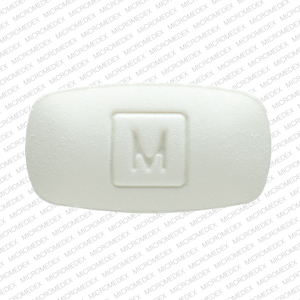
Methadone (Monograph)
Brand names: Dolophine, Methadose
Drug class: Opiate Agonists
VA class: CN101
CAS number: 1095-90-5
Warning
Risk Evaluation and Mitigation Strategy (REMS):
FDA approved a REMS for methadone hydrochloride to ensure that the benefits outweigh the risk. The REMS may apply to one or more preparations of methadone hydrochloride and consists of the following: medication guide and elements to assure safe use. See https://www.accessdata.fda.gov/scripts/cder/rems/.
-
FDA drug safety communication (4/13/2023): As part of its ongoing efforts to address the nation’s opioid crisis, FDA is requiring several updates to the prescribing information of opioid pain medicines. The changes are being made to provide additional guidance for safe use of these drugs while also recognizing the important benefits when used appropriately. The changes apply to both immediate-release (IR) and extended-release/long-acting preparations (ER/LA).
-
Updates to the IR opioids state that these drugs should not be used for an extended period unless the pain remains severe enough to require an opioid pain medicine and alternative treatment options are insufficient, and that many acute pain conditions treated in the outpatient setting require no more than a few days of an opioid pain medicine.
-
Updates to the ER/LA opioids recommend that these drugs be reserved for severe and persistent pain requiring an extended period of treatment with a daily opioid pain medicine and for which alternative treatment options are inadequate.
-
A new warning is being added about opioid-induced hyperalgesia (OIH) for both IR and ER/LA opioid pain medicines. This includes information describing the symptoms that differentiate OIH from opioid tolerance and withdrawal.
-
Information in the boxed warning for all IR and ER/LA opioid pain medicines will be updated and reordered to elevate the importance of warnings concerning life-threatening respiratory depression, and risks associated with using opioid pain medicines in conjunction with benzodiazepines or other medicines that depress the central nervous system (CNS).
-
Other changes will also be required in various other sections of the prescribing information to educate clinicians, patients, and caregivers about the risks of these drugs.
Warning
- Abuse Potential
-
Abuse potential similar to that of other opiates.
-
Assess patient's risk for abuse and addiction (e.g., personal or family history of substance abuse or mental illness) prior to prescribing. Routinely monitor all patients receiving methadone for signs of misuse, abuse, and addiction. (See Drug Abuse and Dependence under Cautions.)
- Conditions for Distribution and Use for the Treatment of Opiate Dependence
-
When used for the treatment of opiate dependence in detoxification or maintenance programs, methadone should be dispensed only by programs certified by the Substance Abuse and Mental Health Services Administration (SAMHSA) and approved by the designated state authority (consult Federal Standards for regulatory exceptions). Certified treatment programs should dispense only oral methadone products as outlined in the Federal Opioid Treatment Standards (42 CFR 8.12).
-
Failure to follow the requirements outlined in the regulations may result in criminal prosecution, seizure of the drug supply, revocation of the program certification, and injunction precluding operation of the program.
- Respiratory Depression
-
Fatal respiratory depression reported during initiation of therapy or transfer from other opiate therapy, even when used as recommended and not misused or abused. (See Respiratory Depression under Cautions.)
-
Peak respiratory depressant effect occurs later and persists longer than peak analgesic effect, particularly during the early dosing period.
-
Appropriate dosage selection and titration are essential. (See Dosage and Administration.) Should be prescribed only by clinicians who are knowledgeable in the use of potent opiates for chronic pain management.
-
Monitor for respiratory depression, especially during initiation of therapy and following dosage increases.
- QT-Interval Prolongation
-
QT-interval prolongation and serious cardiac arrhythmias (e.g., torsades de pointes) reported, usually in patients receiving large, multiple-daily doses (>200 mg daily) for chronic pain management, but also in patients receiving lower dosages for maintenance treatment of opiate dependence. (See Cardiac Effects under Cautions.)
-
Closely monitor for changes in cardiac rhythm during initiation of therapy and dosage adjustment.
- Inadvertent Exposure
-
Inadvertent exposure, especially in children, may result in fatal overdosage.
- Concomitant Use with Benzodiazepines or Other CNS Depressants
-
Concomitant use of opiate agonists with benzodiazepines or other CNS depressants, including alcohol, may result in profound sedation, respiratory depression, coma, and death.
-
Reserve concomitant use of opiate analgesics and benzodiazepines or other CNS depressants for patients in whom alternative treatment options are inadequate; use lowest effective dosages and shortest possible duration of concomitant therapy and monitor closely for respiratory depression and sedation. (See Specific Drugs under Interactions.)
Introduction
Opiate agonist; a synthetic diphenylheptane derivative.
Uses for Methadone
Pain
Used parenterally for the relief of moderate to severe pain that has not responded to nonopiate analgesics.
Used orally for the relief of moderate to severe pain when a continuous, around-the-clock analgesic is needed for an extended period of time. Oral preparations are not indicated for relief of acute (e.g., postoperative) pain, for relief of pain that is mild or is not expected to persist for an extended period of time, or for use on an as-needed (“prn”) basis.
For relief of chronic pain in both opiate-naive patients and in individuals being switched to methadone therapy from other opiate agonists because of inadequate pain relief or adverse effects from the previous drug (opiate rotation).
Clinical studies suggest that efficacy may be similar to that of morphine and other opiates in patients with chronic malignant pain. However, experts generally agree that methadone should be prescribed for chronic pain management only by clinicians knowledgeable about its risks (e.g., QT-interval prolongation) and pharmacokinetics, and should not be the first choice for an extended-release or long-acting opiate analgesic.
Benefits associated with use of methadone for management of chronic pain include the commercial availability of multiple dosage forms of the drug, good oral bioavailability, rapid onset of action, reduced dosing frequency (because of the drug’s long half-life), low cost, and lack of active metabolites.
Disadvantages associated with use include increased potential for accumulation with repeated doses (which may result in toxicity), considerable interindividual variability in pharmacokinetic parameters, potential for drug interactions, challenges associated with dosage titration and with the transfer of patients from therapy with other opiate agonists, and commercial availability and relative ease of use of extended-release preparations of other opiate agonists.
Generally use opiates for management of chronic pain (i.e., pain lasting >3 months or past the time of normal tissue healing ) that is not associated with active cancer treatment, palliative care, or end-of-life care only if other appropriate nonpharmacologic and nonopiate pharmacologic strategies have been ineffective and expected benefits for both pain relief and functional improvement are anticipated to outweigh risks.
If used for chronic pain, opiate analgesics should be part of an integrated approach that also includes appropriate nonpharmacologic modalities (e.g., cognitive-behavioral therapy, relaxation techniques, biofeedback, functional restoration, exercise therapy, certain interventional procedures) and other appropriate pharmacologic therapies (e.g., nonopiate analgesics, analgesic adjuncts such as selected anticonvulsants and antidepressants for certain neuropathic pain conditions).
Available evidence insufficient to determine whether long-term opiate therapy for chronic pain results in sustained pain relief or improvements in function and quality of life or is superior to other pharmacologic or nonpharmacologic treatments. Use is associated with serious risks (e.g., opiate use disorder [OUD], overdose). (See Managing Opiate Therapy for Chronic Noncancer Pain under Dosage and Administration.)
Detoxification and Maintenance of Opiate Dependence
Used in detoxification treatment and maintenance treatment as an oral substitute for heroin or other morphine-like drugs to suppress the opiate-agonist abstinence syndrome in patients who are dependent on these drugs.
Success of treatment is dependent on the selection of properly motivated patients and on availability of social, psychologic, vocational, and educational as well as medical supportive services.
Neonatal Opiate Withdrawal
Has been used to manage manifestations of opiate abstinence syndrome (i.e., postnatal withdrawal) in neonates† [off-label] exposed to opiates in utero.
Opiates recommended as first-line pharmacologic therapy when environmental and supportive measures (e.g., minimization of external stimuli, maximization of mother-infant contact [e.g., parental “rooming in”], breast-feeding when not contraindicated, swaddling and gentle handling) are inadequate. May add other adjunctive therapy (e.g., clonidine, phenobarbital) if response to opiates is inadequate or add phenobarbital if neonate was exposed to additional substances in utero.
While morphine has been used more extensively than other opiates in the management of neonatal opiate abstinence syndrome, some studies suggest methadone or buprenorphine may be associated with shorter treatment durations and hospital stays. Additional study needed to establish optimal dosage schedules and preferred opiate drugs and to evaluate longer-term (e.g., neurodevelopmental) outcomes.
Use of standardized protocols for identification, evaluation, and treatment recommended; use of protocols improves overall response, including shorter hospital stays and durations of pharmacologic treatment. Some evidence suggests that use of a standardized protocol may be more important than use of a specific opiate agonist (e.g., methadone versus morphine) in improving outcomes.
Related/similar drugs
gabapentin, acetaminophen, cyclobenzaprine, tramadol, naproxen, oxycodone, Tylenol
Methadone Dosage and Administration
General
-
Individualize dosage carefully; repeated doses may result in substantial accumulation of the drug, prolonging its duration of action and possibly resulting in adverse effects. There is considerable interindividual variability in absorption, metabolism, and relative analgesic potency of the drug.
-
Carefully monitor patients during initiation of therapy, dosage titration, and conversion from one opiate agonist to another.
-
Consider the specific characteristics of methadone (i.e., half-life is longer than duration of analgesic effect, peak respiratory depressant effects occur later and persist longer than peak analgesic effects, full analgesic effect not attained for several days, potential for drug interactions) when making treatment decisions regarding use of the drug.
Conversion from Other Opiate Analgesic Therapy
-
Consider the daily dosage, potency, and specific characteristics (e.g., elimination half-life) of the previously administered opiate; adverse effects of and response to the previous regimen; degree of opiate tolerance; and the relative potency estimate used to calculate an equianalgesic dosage of methadone.
-
A high degree of opiate tolerance does not preclude the possibility of unintended methadone overdosage. Failure to individualize dosage has resulted in serious adverse effects, including death, in opiate-tolerant patients during conversion to methadone therapy.
-
Select dosage carefully when transferring patients from chronic therapy with another oral or parenteral opiate to therapy with oral or parenteral methadone, since cross-tolerance between methadone and other opiate agonists is incomplete, dosage conversion ratios are imprecise, and substantial interindividual variability exists. (See Conversion from Other Opiate Therapy under Dosage.) Overestimation of dosage when transferring patients from other opiate therapy to methadone therapy can result in fatal overdosage with the first dose.
-
Published equianalgesic dosage conversion ratios between methadone and other opiate agonists generally are based on single-dose studies in patients who are not opiate tolerant. These single-dose equivalency tables may overestimate dosage requirements during chronic therapy, since methadone may accumulate with repeated doses secondary to the long elimination half-life (see Elimination under Pharmacokinetics). Therefore, estimates of methadone dosage that are based on single-dose studies should not be used for conversion in patients receiving chronic opiate therapy.
Managing Opiate Therapy for Chronic Noncancer Pain
-
Although specific recommendations may vary, common elements in clinical guideline recommendations include risk mitigation strategies, upper dosage thresholds, careful dosage titration, and consideration of risks associated with particular opiates and formulations, coexisting diseases, and concomitant drug therapy.
-
Prior to initiating therapy, thoroughly evaluate patient; assess risk factors for misuse, abuse, and addiction; establish treatment goals (including realistic goals for pain and function); and consider how therapy will be discontinued if benefits do not outweigh risks.
-
Regard initial opiate therapy for chronic noncancer pain as a therapeutic trial that will be continued only if there are clinically meaningful improvements in pain and function that outweigh treatment risks.
-
Prior to and periodically during therapy, discuss with patients known risks and realistic benefits and patient and clinician responsibilities for managing therapy.
-
Some experts recommend initiating opiate therapy for chronic noncancer pain with conventional (immediate-release) opiate analgesics prescribed at lowest effective dosage. Individualize opiate selection, initial dosage, and dosage titration based on patient’s health status, prior opiate use, attainment of therapeutic goals, and predicted or observed harms. Experts generally agree that methadone should be prescribed for chronic pain management only by clinicians knowledgeable about its risks (e.g., QT-interval prolongation) and pharmacokinetics, and should not be the first choice for an extended-release or long-acting opiate analgesic.
-
Evaluate benefits and harms within 1–4 weeks following initiation of therapy or dosage increase and reevaluate on ongoing basis (e.g., at least every 3 months ) throughout therapy. Document pain intensity and level of functioning and assess progress toward therapeutic goals, presence of adverse effects, and adherence to prescribed therapies. Anticipate and manage common adverse effects (e.g., constipation, nausea and vomiting, cognitive and psychomotor impairment). If benefits do not outweigh harms, optimize other therapies and taper opiate to lower dosage or taper and discontinue opiate.
-
When repeated dosage increases required, evaluate potential causes and reassess relative benefits and risks. Although evidence is limited, some experts state that opiate rotation may be considered in patients with intolerable adverse effects or inadequate benefit despite dosage increases.
-
Higher dosages require particular caution, including more frequent and intensive monitoring or referral to specialist. Greater benefits of high-dose opiates for chronic pain not established in controlled clinical studies; higher dosages associated with increased risks (motor vehicle accidents, overdosage, OUD).
-
CDC states that primary care clinicians should carefully reassess individual benefits and risks before prescribing dosages equivalent to ≥50 mg of morphine sulfate daily for chronic pain and should avoid dosages equivalent to ≥90 mg of morphine sulfate daily or carefully justify decision to prescribe such dosages. Other experts recommend consulting a pain management specialist before exceeding a dosage equivalent to 80–120 mg of morphine sulfate daily. Some states have established opiate dosage thresholds (e.g., maximum daily dosages that can be prescribed, dosage thresholds at which consultation with specialist is mandated or recommended) or have mandated risk-management strategies (e.g., review of state prescription drug monitoring program [PDMP] data prior to prescribing).
-
Recommended strategies for managing risks include written treatment agreements or plans (e.g., “contracts”), urine drug testing, review of state PDMP data, and risk assessment and monitoring tools.
-
Taper and discontinue opiate therapy if patient engages in serious or repeated aberrant drug-related behaviors or drug abuse or diversion. Offer or arrange treatment for patients with OUD.
-
Consider prescribing naloxone concomitantly for patients who are at increased risk of opiate overdosage or who have household members, including children, or other close contacts who are at risk for accidental ingestion or overdosage. (See Respiratory Depression under Cautions.)
Detoxification and Maintenance Treatment
-
Administer or dispense only in an oral form (e.g., tablet, dispersible tablet, liquid) that is formulated and packaged in such a way as to reduce potential for parenteral abuse and accidental ingestion.
-
Hospitalized patients unable to take oral medication may receive parenteral methadone on a temporary basis. If at any time during detoxification or maintenance treatment the patient cannot tolerate oral medication because of nausea or vomiting associated with acute complicating illness, hospitalize the patient and continue methadone by the parenteral route.
-
Short-term detoxification: Administer in decreasing doses under close observation over a period of ≤30 days to alleviate physical and psychologic effects of opiate withdrawal and to reach a drug-free state.
-
Long-term detoxification: Administer in decreasing doses over a period of >30 but ≤180 days to alleviate physical and psychologic effects of opiate withdrawal and to reach a drug-free state.
-
Maintenance treatment: Administer at a stable dosage for >21 days in the treatment of opiate dependence.
-
Patients with ≥2 unsuccessful detoxification episodes within a 12-month period should be assessed for alternative forms of treatment. An opiate treatment program may not admit a patient for >2 detoxification treatments within 1 year.
-
Patients undergoing short-term detoxification are not eligible for unsupervised administration.
-
Any patient in a comprehensive maintenance treatment program, including long-term detoxification treatment, may receive 1 dose to take at home for a day that the clinic is closed. Decisions to allow additional unsupervised administration by these patients should be based on the following factors: absence of recent abuse of drugs (including alcohol), regularity of clinic attendance, absence of serious behavioral problems at the clinic, absence of known recent criminal activity, stability of the patient’s home environment and social relationships, length of time in the program (see below), assurance that the drug can be safely stored in the patient’s home, and assessment of whether the rehabilitative benefit derived from decreased clinic attendance outweighs potential risks of diversion.
-
Patients meeting these criteria may be permitted to receive additional supplies of the drug to take at home each week, in the following amounts: 1-day supply during the 1st 90 days of treatment, 2-day supply during the 2nd 90 days, and 3-day supply during the 3rd 90 days (each in addition to the 1 dose allowed for clinic closure). All other doses must be administered while the patient is closely observed.
-
During the remainder of the 1st year of treatment, the patient may receive a maximum 6-day supply of the drug and must visit the clinic once weekly.
-
After 1 year of continuous treatment, the patient may receive a maximum 2-week supply and must make twice monthly visits. After 2 years of continuous treatment, the patient may receive a maximum 1-month supply of the drug and must make monthly visits.
-
Substantial deviations from the FDA-approved labeling for methadone (e.g., concerning dose, frequency of administration, or conditions of use) must be documented in the patient’s medical record.
-
Strongly consider prescribing naloxone concomitantly for all patients receiving medications for treatment of OUD. Also consider prescribing naloxone when patients receiving opiates (e.g., methadone) for treatment of OUD have household members, including children, or other close contacts who are at risk for accidental ingestion or overdosage. (See Respiratory Depression under Cautions.)
Restricted Distribution
-
Distribution of 40-mg dispersible tablets restricted to authorized opiate-dependency treatment programs and to hospitals. Distribution restricted in response to reports of serious adverse effects (see Boxed Warning).
Administration
Administer orally or by sub-Q, IM, or IV injection.
Oral Administration
Tablets, dispersible tablets, oral solution, and oral concentrate solution are for oral administration only and must not be injected.
Dispersible Tablets
Disperse dose in 120 mL of water, orange juice, Tang, citrus-flavored Kool-Aid, or other acidic fruit beverage immediately prior to oral administration. Complete tablet dispersion occurs within 1 minute; dispersion time is slightly increased when a cold and/or acidic vehicle is used. If any residue remains in cup after initial administration, add a small amount of liquid and administer the resulting mixture.
The 40-mg dispersible tablets are used in detoxification and maintenance of opiate dependence; this preparation should not be used for the treatment of pain.
Dispersible tablets contain insoluble excipients and must not be used to prepare solutions for injection.
Each 40-mg dispersible tablet can be divided in half or in quarters.
Because dispersible tablets can be administered only in 10-mg increments, this dosage form may be inappropriate in many patients for initial dosing during detoxification and maintenance treatment or for gradual dosage reduction following detoxification or a period of maintenance treatment.
Oral Concentrate Solution
Dilute the dose with water or other suitable liquid (e.g., Kool-Aid, Tang, apple juice, Crystal Light [with aspartame]) to ≥30 mL prior to administration.
Sub-Q Administration
Absorption following sub-Q or IM injection may be unpredictable and has not been fully characterized; local tissue reactions may occur.
IM Administration
IM administration of opiate analgesics is discouraged; IM injections can cause pain and are associated with unreliable absorption, resulting in inconsistent analgesia.
IV Administration
Administer by IV injection.
For solution and drug compatibility information, see Compatibility under Stability.
Dosage
Available as methadone hydrochloride; dosage expressed in terms of the salt.
Careful dosage selection and titration are essential to avoid overdosage.
Pediatric Patients
Neonatal Opiate Withdrawal† [off-label]
Oral
Use standardized protocols that base initiation, adjustment, and tapering of dosage on standardized patient assessments performed at regular intervals (e.g., Finnegan scoring system [original or modified versions] performed every 3–4 hours).
Treatment generally initiated at a dose of 0.05–0.1 mg/kg (as oral solution) based on Finnegan score (e.g., score ≥8 on 2 or 3 occasions, 1 score or 2 consecutive scores ≥12). However, protocols vary in initial dosing frequency, incremental changes and thresholds for dosage adjustment, and tapering strategies. In general, increase dosage if Finnegan score remains elevated (e.g., 2 consecutive scores ≥8, 1 score ≥12), and taper dosage once patient is stable (e.g., average score <8 or no score >8 for 24 hours). Further study needed to define optimal dosing strategies.
Some protocols based on pharmacokinetic modeling utilize a stepwise approach to dosage escalation and tapering. Some such protocols use initial dose of 0.1 mg/kg; dosing intervals are shorter during initial steps of the protocol, but then are lengthened to and maintained at 12 hours while the dose is tapered, if tolerated, by a modest amount every 24 hours until dosage is reduced to 0.01 mg/kg once daily; drug is then discontinued. Such protocols increase early exposure to the drug; limited experience suggests shorter treatment durations and hospital stays with this approach.
Other clinicians recommend initial dosage of 0.05–0.1 mg/kg every 12 hours; dosage increases, when indicated, in increments of 0.02–0.05 mg/kg per dose or 10%; maximum dosage of 1 mg/kg daily; and/or tapering schedules of 10–20% per week.
Monitor neonate for 48–72 hours after methadone is discontinued.
Consult specialized protocols for further information on dosage and monitoring of Finnegan scores.
Adults
Pain
When selecting an initial dosage, consider the type, severity, and expected duration of the patient’s pain; the age, general condition, and medical status of the patient; concurrent drug therapy (see Interactions); and the acceptable balance between pain relief and adverse effects.
Use lowest effective dosage and shortest duration of therapy consistent with treatment goals of the patient.
When used concomitantly with other CNS depressants, use lowest effective dosages and shortest possible duration of concomitant therapy. (See Specific Drugs under Interactions.)
Oral
Opiate-naive patients: Initially, no more than 2.5–10 mg every 8–12 hours. Titrate dosage to provide adequate analgesia; increase dosage slowly to avoid accumulation and potential toxicity.
Dosage interval may range from 4–12 hours, since the duration of analgesia is relatively short during the first days of therapy but increases substantially with continued administration. Use caution to avoid overdosage.
Patients being switched from parenteral methadone: Initiate oral methadone at an oral-to-parenteral dosage ratio of 2:1 (e.g., 10 mg of oral methadone hydrochloride in patients previously receiving 5 mg of parenteral methadone hydrochloride).
Adjust dosage at intervals of 1–2 days with close monitoring. If breakthrough pain occurs, adjust dosage or administer small dose of rescue (immediate-release) analgesic. If adverse effects are excessive, reduce the next dose; if adverse effects are intolerable, adjust dose or dosing interval.
If discontinuance of opiates is required, taper dosage every 2–4 days to avoid manifestations of abrupt withdrawal.
IV
Opiate-naive patients: Initially, 2.5–10 mg every 8–12 hours. Titrate dosage to provide adequate analgesia; increase slowly to avoid accumulation and potential toxicity. More frequent administration may be required during initiation of therapy to maintain adequate analgesia; however, use caution to avoid overdosage.
Patients being switched from oral methadone: Initiate parenteral methadone at a parenteral-to-oral dosage ratio of 1:2 (e.g., 5 mg of parenteral methadone hydrochloride in patients previously receiving 10 mg of oral methadone hydrochloride).
Conversion from Other Opiate Therapy
For patients being transferred from therapy with other opiate agonists, dosage may be estimated based on comparisons with morphine sulfate. Select dosage carefully (see General: Conversion from Other Opiate Analgesic Therapy under Dosage and Administration).
For patients being transferred from therapy with opiate agonists other than morphine, a comparative opiate agonist dosage table may be consulted to determine the equivalent morphine dosage.
OralDosage estimates obtained from Table 1 must be individualized (e.g., based on prior opiate use, medical condition, concurrent drug therapy, anticipated use of analgesics for breakthrough pain).
Administer the total daily dosage in divided doses (e.g., at 8-hour intervals) based on individual patient requirements.
|
Baseline Total Daily Oral Morphine Sulfate Dosage |
Estimated Daily Oral Methadone Hydrochloride Dosage (as % of Total Daily Morphine Sulfate Dosage) |
|---|---|
|
<100 mg |
20–30% |
|
100–300 mg |
10–20% |
|
300–600 mg |
8–12% |
|
600–1000 mg |
5–10% |
|
>1000 mg |
<5% |
Dosage estimates obtained from Table 2 and Table 3 must be individualized (e.g., based on prior opiate use, medical condition, concurrent drug therapy, anticipated use of analgesics for breakthrough pain).
Administer the total daily dosage in divided doses (e.g., at 8-hour intervals) based on individual patient requirements.
|
Baseline Total Daily Oral Morphine Sulfate Dosage |
Estimated Daily IV Methadone Hydrochloride Dosage (as % of Total Daily Morphine Sulfate Dosage) |
|---|---|
|
<100 mg |
10–15% |
|
100–300 mg |
5–10% |
|
300–600 mg |
4–6% |
|
600–1000 mg |
3–5% |
|
>1000 mg |
<3% |
Derived from Table 2 assuming a 3:1 oral-to-parenteral morphine ratio.
|
Baseline Total Daily Parenteral Morphine Sulfate Dosage |
Estimated Daily IV Methadone Hydrochloride Dosage (as % of Total Daily Morphine Sulfate Dosage) |
|---|---|
|
10–30 mg |
40–66% |
|
30–50 mg |
27–66% |
|
50–100 mg |
22–50% |
|
100–200 mg |
15–34% |
|
200–500 mg |
10–20% |
Detoxification and Maintenance of Opiate Dependence
Detoxification
OralInitiate when there are substantial opiate-agonist abstinence symptoms.
A single dose of 20–30 mg will often suppress withdrawal symptoms. Initial dose should not exceed 30 mg; use lower initial dose in patients whose tolerance is expected to be low. Additional doses may be necessary if withdrawal symptoms are not suppressed or if they reappear. If same-day dosage adjustments are to be made, reevaluate the patient 2–4 hours after the previous dose. If an additional dose is needed to suppress withdrawal symptoms, administer an additional 5–10 mg. Total daily dose for the first day generally should not exceed 40 mg unless it is documented that this total dose does not suppress withdrawal symptoms.
During the first week, adjust dosage based on control of withdrawal symptoms at times of expected peak activity of methadone (2–4 hours after a dose). Use caution to avoid overdosage. With continued dosing, symptoms are suppressed for a longer time.
Usual stabilizing dosage is 40 mg daily in divided doses. When the patient has been stabilized (i.e., substantial symptoms of withdrawal are absent) for 2 or 3 days, gradually decrease dosage daily or at 2-day intervals. Individualize and adjust dosage to keep withdrawal symptoms at a tolerable level. In hospitalized patients, reduce dosage by 20% daily; a more gradual reduction may be required in ambulatory patients.
ParenteralPatients unable to receive methadone orally: Hospitalize patient and convert oral dose to parenteral dose using accepted criteria. Patients being switched from oral methadone usually initiate parenteral methadone at a parenteral-to-oral dosage ratio of 1:2 (e.g., 5 mg of parenteral methadone hydrochloride in patients previously receiving 10 mg of oral methadone hydrochloride).
Maintenance
OralA single dose of 20–30 mg will often suppress withdrawal symptoms. Initial dose should not exceed 30 mg; use lower initial dose in patients whose tolerance is expected to be low. Additional doses may be necessary if withdrawal symptoms are not suppressed or if they reappear. If same-day dosage adjustments are to be made, reevaluate the patient 2–4 hours after the previous dose. If an additional dose is needed to suppress withdrawal symptoms, administer an additional 5–10 mg. Total daily dose for the first day generally should not exceed 40 mg unless it is documented that this total dose does not suppress withdrawal symptoms.
During the first week, adjust dosage based on control of withdrawal symptoms at times of expected peak activity of methadone (2–4 hours after a dose). Use caution to avoid overdosage. With continued dosing, symptoms are suppressed for a longer time.
Titrate dosage to a level at which opiate withdrawal symptoms are prevented for 24 hours, drug craving is reduced, euphoric effects of self-administered opiates are blocked or attenuated, and patient is able to tolerate the sedative effects of methadone. Usual stabilizing dosage is 80–120 mg daily. Review maintenance dosage requirements regularly and reduce as indicated.
Once-daily dosing usually is adequate; there generally is no apparent advantage to divided doses. However, rapid metabolizers may not maintain adequate plasma concentrations with usual dosing regimens.
Withdrawal from methadone maintenance: Considerable variability in appropriate rate of dosage reduction; one regimen involves reducing the dose by <10% of established tolerance or maintenance dosage at intervals of 10–14 days. All patients in a maintenance program should be given careful consideration for discontinuance of methadone therapy, especially after reaching a dosage of 10–20 mg daily.
ParenteralPatients unable to receive methadone orally: Hospitalize patient and convert oral dose to parenteral dose using accepted criteria. Patients being switched from oral methadone usually initiate parenteral methadone at a parenteral-to-oral dosage ratio of 1:2 (e.g., 5 mg of parenteral methadone hydrochloride in patients previously receiving 10 mg of oral methadone hydrochloride).
Prescribing Limits
Adults
Pain
CDC recommends that primary care clinicians carefully reassess individual benefits and risks before prescribing dosages equivalent to ≥50 mg of morphine sulfate daily for chronic pain and avoid dosages equivalent to ≥90 mg of morphine sulfate daily or carefully justify their decision to prescribe such dosages. Other experts recommend consulting a pain management specialist before exceeding a dosage equivalent to 80–120 mg of morphine sulfate daily.
Some states have set prescribing limits (e.g., maximum daily dosages that can be prescribed, dosage thresholds at which consultation with a specialist is mandated or recommended).
Special Populations
Hepatic Impairment
Reduce initial dosage; titrate dosage slowly while monitoring for respiratory and CNS depression.
Renal Impairment
Use smaller initial doses and longer dosing intervals; titrate dosage slowly while monitoring for respiratory and CNS depression.
Geriatric and Debilitated Patients
In geriatric patients, select dosage at the lower end of the dosage range. Reduce dosage in poor-risk and in very old patients.
Cautions for Methadone
Contraindications
-
Known hypersensitivity (e.g., anaphylaxis) to methadone or any ingredient in the formulation.
-
Oral therapy: Substantial respiratory depression, acute or severe bronchial asthma in an unmonitored setting or in the absence of resuscitative equipment.
-
Parenteral therapy: Respiratory depression in the absence of resuscitative equipment or in unmonitored settings, acute asthma or hypercarbia (hypercapnia).
-
Known or suspected paralytic ileus.
Warnings/Precautions
Warnings
Respiratory Depression
The major toxicity associated with methadone. (See Respiratory Depression in Boxed Warning.)
Serious, life-threatening, or fatal respiratory depression can occur at any time during therapy, but risk is greatest during initiation of therapy and following dosage increases.
Deaths reported during transfer to methadone from chronic high-dose therapy with other opiate analgesics and during initiation of maintenance treatment for opiate dependence in individuals previously taking high doses of other opiates.
Geriatric, cachectic, or debilitated patients and those with conditions accompanied by hypoxia or hypercapnia are at increased risk. (See Contraindications, Other Warnings/Precautions, and Geriatric Use, under Cautions.)
Appropriate dosage selection and titration are essential to prevent overdosage. (See General and also Dosage, under Dosage and Administration.) Should be prescribed only by clinicians knowledgeable about methadone's pharmacokinetic and pharmacodynamic properties and use of potent opiates for chronic pain management.
Routinely discuss availability of the opiate antagonist naloxone with all patients receiving new or reauthorized opiate prescriptions for pain management or new or reauthorized prescriptions for medications for treatment of OUD.
Consider prescribing naloxone for patients receiving opiate analgesics who are at increased risk of opiate overdosage (e.g., those receiving concomitant therapy with benzodiazepines or other CNS depressants, those with history of opiate or substance use disorder, those with medical conditions that could increase sensitivity to opiate effects, those who have experienced a prior opiate overdose); strongly consider prescribing naloxone for all patients receiving medications for treatment of OUD. Also consider prescribing naloxone when patients receiving opiates for pain management or for treatment of OUD have household members, including children, or other close contacts who are at risk for accidental ingestion or overdosage. Even if patients are not receiving an opiate for pain management or medication for treatment of OUD, consider prescribing naloxone if the patient is at increased risk of opiate overdosage (e.g., those with current or past diagnosis of OUD, those who have experienced a prior opiate overdose).
Cardiac Effects
Possible prolongation of the QT interval and serious cardiac arrhythmias, including torsades de pointes. (See QT-Interval Prolongation in Boxed Warning.)
Closely monitor for changes in cardiac rhythm during initiation of therapy and dosage adjustment.
Use with caution and careful monitoring in patients who may be at risk for development of prolonged QT syndrome (e.g., those with cardiac hypertrophy, hypokalemia, or hypomagnesemia; those receiving relatively high methadone dosages or receiving concomitant therapy with a drug that may cause electrolyte disturbances or prolong the QT interval [see Specific Drugs under Interactions]).
Use in patients with known prolongation of the QT interval not systematically evaluated.
If prolongation of the QT interval occurs, evaluate the patient’s drug regimen to identify drugs that may prolong the QT interval, cause electrolyte abnormalities, or inhibit metabolism of methadone.
Use for pain management only when the potential benefits outweigh the possible risk of QT-interval prolongation reported with higher methadone dosage.
Drug Abuse and Dependence
Abuse liability similar to that of other opiates. Clinicians should consider abuse potential when prescribing or dispensing methadone in situations where they are concerned about an increased risk of misuse, abuse, or diversion. However, concerns about abuse, addiction, and diversion should not prevent the proper management of pain.
Increased risk for abuse in patients with a personal or family history of substance abuse (e.g., drug or alcohol abuse or addiction) or mental illness (e.g., major depression). Intensive monitoring for signs of misuse, abuse, and addiction required in those at increased risk for abuse.
Methadone abuse in combination with other CNS depressants may result in serious risk. (See CNS Effects under Cautions.)
Dependence and tolerance may develop with repeated administration; use with caution.
Abrupt cessation of therapy or sudden reduction in dosage after prolonged use may result in withdrawal symptoms. After prolonged exposure to opiate analgesics, if withdrawal is necessary, it must be undertaken gradually.
In patients receiving methadone maintenance treatment for opiate dependence, abrupt discontinuance can result in withdrawal symptoms and may increase risk of relapse to illicit drug use.
Prolonged maternal use of opiates during pregnancy can result in neonatal opiate withdrawal syndrome. (See Pregnancy under Cautions.)
Contact the state professional licensing board or controlled substance authority for information about prevention and detection of abuse or diversion.
Inadvertent Exposure
Inadvertent ingestion, especially by children, may result in fatal overdosage.
Concomitant Use with Benzodiazepines or Other CNS Depressants
Concomitant use of opiates, including methadone, and benzodiazepines or other CNS depressants (e.g., anxiolytics, sedatives, hypnotics, tranquilizers, muscle relaxants, general anesthetics, antipsychotics, other opiate agonists, alcohol) may result in profound sedation, respiratory depression, coma, and death. Substantial proportion of fatal opiate overdoses involve concurrent benzodiazepine use.
Reserve concomitant use of methadone for analgesia and other CNS depressants for patients in whom alternative treatment options are inadequate. (See Specific Drugs under Interactions.)
Morbidity and mortality associated with untreated opiate addiction can outweigh the serious risks associated with concomitant use of opiates and benzodiazepines or other CNS depressants. FDA states that methadone treatment for opiate addiction (i.e., medication-assisted treatment [MAT]) should not be withheld from patients receiving benzodiazepines or other CNS depressants. Taper and discontinue these drugs, if possible; however, excluding or discharging patients from MAT because of benzodiazepine or CNS depressant use is not likely to prevent such concomitant use and may lead to use outside the treatment setting, which could result in more severe outcomes.
FDA states benzodiazepines are not the treatment of choice for anxiety or insomnia in patients receiving methadone for opiate addiction; consider other pharmacologic or nonpharmacologic therapies.
FDA also states that current evidence does not support dose limitations or other arbitrary limits on methadone as a strategy for addressing concomitant benzodiazepine or other CNS depressant use in patients receiving MAT. However, if patient is sedated at the time of a scheduled methadone dose, evaluate the cause of sedation; omission or reduction of the methadone dose may be appropriate.
Careful management can reduce the risks associated with concomitant use of benzodiazepines or other CNS depressants in patients receiving MAT. FDA recommends:
-
Educating patients upon initiation of MAT regarding risks associated with such concomitant use;
-
Developing strategies upon initiation of MAT for managing any prescribed or illicit use of benzodiazepines or other CNS depressants;
-
Verifying diagnosis in any patient receiving prescribed benzodiazepines or other CNS depressants for anxiety or insomnia, and considering other treatment options for these conditions;
-
Recognizing that MAT may be required indefinitely and should be continued for as long as the patient benefits and MAT contributes to treatment goals;
-
Coordinating care to minimize risks and ensure other prescribers are aware that patient is receiving methadone; and
-
Performing toxicology tests for prescribed or illicit drug use.
Other Warnings/Precautions
Shares the toxic potentials of the opiate agonists; observe the usual precautions of opiate agonist therapy.
Incomplete Cross-Tolerance
Patients who are tolerant to other opiate agonists may have incomplete tolerance to methadone. Overdosage (including fatalities) reported in patients being transferred to methadone from chronic high-dose therapy with other opiate analgesics and during initiation of maintenance treatment for opiate dependence in individuals previously taking high doses of other opiates.
Use methadone with caution and at appropriately adjusted dosages in patients being transferred from other opiate therapy. Carefully consider pharmacokinetic parameters during initiation and titration of methadone therapy in patients who previously received chronic opiate agonist therapy. (See General: Conversion from Other Opiate Analgesic Therapy and also see Dosage: Conversion from Other Opiate Therapy, under Dosage and Administration.)
Serotonin Syndrome
Serotonin syndrome reported during concurrent use of opiate agonists, including methadone, and serotonergic drugs or drugs that impair serotonin metabolism (e.g., MAO inhibitors). (See Interactions.)
Serotonin syndrome may occur at usual dosages. Manifestations may include mental status changes (e.g., agitation, hallucinations, coma), autonomic instability (e.g., tachycardia, labile BP, hyperthermia), neuromuscular aberrations (e.g., hyperreflexia, incoordination, rigidity), and/or GI symptoms (e.g., nausea, vomiting, diarrhea).
Adrenal Insufficiency
Adrenal insufficiency reported in patients receiving opiate agonists or opiate partial agonists. Manifestations are nonspecific and may include nausea, vomiting, anorexia, fatigue, weakness, dizziness, and hypotension.
If adrenal insufficiency is suspected, perform appropriate laboratory testing promptly and provide physiologic (replacement) dosages of corticosteroids; taper and discontinue the opiate agonist or partial agonist to allow recovery of adrenal function. If the opiate agonist or partial agonist can be discontinued, perform follow-up assessment of adrenal function to determine if corticosteroid replacement therapy can be discontinued. In some patients, switching to a different opiate improved symptoms.
Chronic Pulmonary Disease
Even usual therapeutic doses may decrease respiratory drive to the point of apnea in patients with COPD, cor pulmonale, substantially decreased respiratory reserve, hypoxia, hypercapnia, or preexisting respiratory depression.
Closely monitor these patients for respiratory depression, particularly during initiation of therapy and dosage titration. Consider use of nonopiate analgesics if possible.
Cachectic or Debilitated Patients
Increased risk of respiratory depression, since methadone clearance may be decreased and reduced fat stores or muscle wasting may alter the drug’s pharmacokinetics.
Closely monitor for respiratory depression, especially when other respiratory depressants are used concomitantly and during initiation of therapy and dosage titration.
Increased Intracranial Pressure or Head Trauma
Potential for increased respiratory depressant effects and elevation of CSF pressure in patients with increased intracranial pressure, head trauma, or other intracranial lesions. Monitor susceptible patients for sedation and respiratory depression, particularly during initiation of therapy.
Adverse effects of opiates may obscure the clinical course of intracranial pathology.
Use with caution, if at all, in patients with head trauma. Avoid use in patients with impaired consciousness or coma.
Acute Abdominal Conditions
Administration may complicate assessment of patients with acute abdominal conditions.
May cause spasm of the sphincter of Oddi. Monitor patients with biliary tract disease, including acute pancreatitis, for worsening symptoms. Opiates may increase serum amylase.
Contraindicated in patients with known or suspected paralytic ileus. Avoid use in patients with other GI obstruction.
Hypotensive Effects
May cause severe hypotension (e.g., orthostatic hypotension and syncope) in ambulatory patients.
Increased risk in patients whose ability to maintain their BP is compromised by reduced blood volume or concomitant drugs (e.g., phenothiazines, general anesthetics). Monitor these patients for hypotension during initiation of therapy and dosage titration.
CNS Effects
May impair mental and/or physical abilities needed to perform potentially hazardous activities such as driving or operating machinery. Individuals who perform hazardous tasks requiring mental alertness or physical coordination should be warned about possible adverse CNS effects of opiate agonists.
Concomitant use with other CNS depressants may cause profound sedation, coma, respiratory depression, hypotension, or death. (See Specific Drugs under Interactions.) Deaths associated with methadone use, either therapeutically or illicitly, frequently have involved concomitant benzodiazepine use or abuse. (See Concomitant Use with Benzodiazepines or Other CNS Depressants under Cautions.)
Seizures
May aggravate preexisting seizure disorder. Monitor for worsened seizure control.
May induce seizures in some clinical settings.
Acute Pain Management in Patients Receiving Maintenance Treatment
Patients receiving methadone maintenance treatment who experience physical trauma or acute (e.g., postoperative) pain should not be expected to derive adequate analgesia from their stable methadone regimen.
Such patients should receive analgesics, including opiates, appropriate for other patients experiencing similar nociceptive stimulation. Opiate doses may be somewhat higher or dosing intervals somewhat shorter than those in nontolerant patients.
Anxiety
Anxiety in a patient receiving methadone maintenance treatment should not be confused with withdrawal syndrome and should not be treated with an increase in methadone dosage.
Hypothyroidism
Use with caution and in reduced dosage in patients with hypothyroidism.
Prostatic Hypertrophy or Urethral Stricture
Use with caution and in reduced dosage in patients with prostatic hypertrophy or urethral stricture.
Addison’s Disease
Use with caution and in reduced dosage in patients with Addison’s disease.
Hypogonadism
Hypogonadism or androgen deficiency reported in patients receiving long-term opiate agonist or opiate partial agonist therapy; causality not established. Manifestations may include decreased libido, impotence, erectile dysfunction, amenorrhea, or infertility. Perform appropriate laboratory testing in patients with manifestations of hypogonadism.
Specific Populations
Pregnancy
Category C.
Use for obstetric analgesia is not recommended, since neonate may be at increased risk of respiratory depression because of the long duration of effect.
The recommended treatment of opiate dependence in pregnant women is maintenance treatment with methadone or buprenorphine. Untreated opiate addiction is associated with adverse obstetrical outcomes (e.g., preeclampsia, fetal growth restriction, preterm birth, spontaneous abortion, fetal death) and often results in continued or relapsing illicit opiate use and engagement in high-risk behaviors.
Short- or long-term detoxification treatment is not recommended during pregnancy. However, pregnant women, regardless of age, are eligible for admission into a comprehensive maintenance treatment program if they have a history of documented opiate dependence and are considered at risk of possibly returning to such dependence (and all its attendant risks) during pregnancy.
Clearance may be increased during 2nd and 3rd trimesters, resulting in the need for higher doses or shorter dosing intervals in order to avoid withdrawal symptoms.
Pregnant women in methadone maintenance programs receive better prenatal care, with fewer obstetric and fetal complications and reduced neonatal morbidity and mortality, compared with women using illicit drugs. Maternal use of methadone during pregnancy as part of a supervised therapeutic regimen is considered unlikely to pose a substantial teratogenic risk; however, data are insufficient to fully exclude such risk.
In a controlled trial (Maternal Opioid Treatment: Human Experimental Research [MOTHER]) comparing neonatal outcomes following maternal use of either methadone or buprenorphine for treatment of opiate dependence during pregnancy (from average gestational age of 18.7 weeks until delivery), similar outcomes (proportion of neonates requiring treatment for opiate withdrawal syndrome, peak severity of the syndrome, head circumference, birth weight and length, preterm birth, gestational age at delivery, Apgar scores, serious adverse event rates) observed with maternal use of either drug, but buprenorphine-exposed neonates received a lower total morphine dosage for treatment of withdrawal, had shorter hospital stays, and required shorter duration of treatment for withdrawal compared with methadone-exposed neonates. However, rate of treatment discontinuance prior to delivery was higher for buprenorphine-treated women; this complicates interpretation of results.
Use in opiate-dependent women during pregnancy results in decreased fetal growth (reduced birth weight, length, and/or head circumference), but growth deficit does not appear to persist into later childhood.
Mild but persistent deficits in psychometric and behavioral test performance observed in children exposed to methadone in utero.
Possible increased risk of visual developmental anomalies in children born to opiate-dependent women who received methadone during pregnancy.
Unclear whether maternal use during pregnancy is associated with higher incidence of sudden infant death syndrome.
Prolonged maternal use of opiates during pregnancy can result in neonatal opiate withdrawal syndrome; in contrast to adults, the withdrawal syndrome in neonates may be life-threatening and requires management according to protocols developed by neonatology experts. Syndrome presents with irritability, hyperactivity and abnormal sleep pattern, high-pitched cry, tremor, vomiting, diarrhea, and failure to gain weight. Onset, duration, and severity vary depending on specific opiate used, duration of use, timing and amount of last maternal use, and rate of drug elimination by the neonate. Ensure availability of appropriate treatment. (See Neonatal Opiate Withdrawal under Uses.)
Lactation
Distributed into milk. Peak concentrations in milk reportedly occur approximately 4–5 hours after an oral dose. Based on average milk consumption of 150 mL/kg daily, dose ingested by infant would be about 2–3.5% of oral maternal dose.
Detected in very low plasma concentrations in some infants whose mothers were receiving methadone. Sedation and respiratory depression reported in some infants exposed to methadone through breast milk.
Discontinuance of nursing should be gradual (not abrupt) to prevent withdrawal (neonatal abstinence syndrome) in the infant.
Experts recommend that women who are stable on methadone treatment for opiate dependence, are not using other illicit drugs, and have no contraindications to nursing be encouraged to breast-feed their infants; to lower the risk of return to substance use, encourage women receiving methadone to continue treatment during the postpartum period. Breast-feeding has been associated with decreased severity of neonatal opiate withdrawal syndrome, decreased need for pharmacotherapy, and shorter hospital stays for the neonate.
The manufacturers state that benefits of breast-feeding should be considered along with the mother's clinical need for the drug and any potential adverse effects on the breast-fed infant from the drug or the underlying maternal condition. (See Advice to Patients.)
Pediatric Use
Manufacturers state that safety, efficacy, and pharmacokinetics not established in pediatric patients <18 years of age.
Short- or long-term detoxification treatment using methadone is not subject to any age limitation. However, the effects of prolonged use on the physiologic and psychologic development of children are not known; therefore, do not initiate maintenance treatment with the drug indiscriminately in children <18 years of age.
Children <18 years of age are eligible to receive maintenance treatment provided they have undergone ≥2 documented attempts at detoxification or drug-free treatment in a 12-month period and the program physician has documented that the child continues to be, or is again, physiologically dependent on opiates. Signed informed consent must be obtained from a parent, legal guardian, or responsible adult designated by the appropriate local (e.g., state) authority (e.g., via emancipated minor laws).
Geriatric Use
Clinical studies did not include sufficient numbers of patients ≥65 years of age to determine whether they respond differently than younger adults; however, geriatric patients may be at greater risk for respiratory depression
Because of the greater frequency of decreased hepatic, renal, and/or cardiac function and of concomitant disease and drug therapy in geriatric patients, use with caution in this age group and select dosage at the lower end of the dosage range.
Closely monitor for respiratory and CNS depression, especially during initiation of therapy and dosage titration and when used concomitantly with other respiratory depressants.
Hepatic Impairment
Not studied extensively in patients with hepatic impairment. However, risk of accumulation with multiple doses because the drug is metabolized in the liver. Use with caution and in reduced dosage. (See Hepatic Impairment under Dosage and Administration.)
Renal Impairment
Not studied extensively in patients with renal impairment. Use with caution and in reduced dosage. (See Renal Impairment under Dosage and Administration.)
Common Adverse Effects
Lightheadedness, dizziness, sedation, nausea, vomiting, sweating.
Drug Interactions
Metabolized principally by CYP isoenzymes 3A4, 2B6, and 2C19 and to a lesser extent by 2C9 and 2D6. .
Appears to be a P-glycoprotein substrate, but pharmacokinetics not substantially altered by P-glycoprotein inhibition.
Drugs Affecting Hepatic Microsomal Enzymes
CYP inducers: Possible increased metabolism and decreased plasma concentrations of methadone. Use with caution and careful monitoring.
CYP3A4 and/or CYP2C9 inhibitors: Possible decreased metabolism and increased plasma concentrations of methadone. Use with caution and careful monitoring.
Drugs that Prolong the QT Interval
Potential pharmacologic interaction (prolongation of the QT interval; potential for severe and/or life-threatening cardiac arrhythmias). Use with extreme caution.
Drugs that May be Associated with Electrolyte Abnormalities
Potential pharmacologic interaction (potential for electrolyte disorders that may cause severe and/or life-threatening cardiac arrhythmias). Use with caution.
Drugs Associated with Serotonin Syndrome
Risk of serotonin syndrome when used with other serotonergic drugs. May occur at usual dosages. Symptom onset generally occurs within several hours to a few days of concomitant use, but may occur later, particularly after dosage increases. (See Advice to Patients.)
If concomitant use of other serotonergic drugs is warranted, monitor patients for serotonin syndrome, particularly during initiation of therapy and dosage increases.
If serotonin syndrome is suspected, discontinue methadone, other opiate therapy, and/or any concurrently administered serotonergic agents.
Specific Drugs
|
Drug |
Interaction |
Comments |
|---|---|---|
|
Abacavir |
Increased methadone clearance |
Some experts state dosage adjustment not needed Manufacturer recommends close monitoring for opiate withdrawal and adjustment of methadone dosage as needed |
|
Amphetamines |
Dextroamphetamine may enhance opiate agonist analgesia |
|
|
Antiarrhythmic agents (class I or III) |
Potential for severe and potentially life-threatening cardiac arrhythmias |
Use concomitantly with extreme caution and close monitoring |
|
Anticholinergics |
Possible increased risk of urinary retention, severe constipation, and paralytic ileus |
Monitor for urinary retention and reduced gastric motility |
|
Anticonvulsants (carbamazepine, phenobarbital, phenytoin) |
Increased methadone metabolism; withdrawal symptoms reported |
|
|
Antidepressants, SSRIs (e.g., citalopram, escitalopram, fluoxetine, fluvoxamine, paroxetine, sertraline), SNRIs (e.g., desvenlafaxine, duloxetine, milnacipran, venlafaxine), tricyclic antidepressants (TCAs), mirtazapine, nefazodone, trazodone, vilazodone |
Risk of serotonin syndrome TCAs: Potential for severe and/or life-threatening cardiac arrhythmias TCAs: Methadone may potentiate effects of TCAs Desipramine: Increased serum desipramine concentrations Fluoxetine, fluvoxamine, sertraline: Increased serum methadone concentrations and increased opiate effects secondary to inhibition of methadone metabolism |
If concomitant use warranted, monitor for serotonin syndrome, particularly during initiation of therapy and dosage increases If serotonin syndrome suspected, discontinue methadone, the antidepressant, and/or any concurrently administered opiates or serotonergic agents TCAs: Use concomitantly with extreme caution and close monitoring |
|
Antiemetics, 5-HT3 receptor antagonists (e.g., dolasetron, granisetron, ondansetron, palonosetron) |
Risk of serotonin syndrome |
If concomitant use warranted, monitor for serotonin syndrome, particularly during initiation of therapy and dosage increases If serotonin syndrome suspected, discontinue methadone, the 5-HT3 receptor antagonist, and/or any concurrently administered opiates or serotonergic agents |
|
Antifungals, azoles (fluconazole, itraconazole, ketoconazole, voriconazole) |
Decreased methadone clearance; potential for increased or prolonged opiate agonist effects |
Monitor carefully and adjust dosage as necessary |
|
Antipsychotics (e.g., aripiprazole, asenapine, cariprazine, chlorpromazine, clozapine, fluphenazine, haloperidol, iloperidone, loxapine, lurasidone, molindone, olanzapine, paliperidone, perphenazine, pimavanserin, quetiapine, risperidone, thioridazine, thiothixene, trifluoperazine, ziprasidone) |
Potential for severe and/or life-threatening cardiac arrhythmias with agents that prolong the QT interval Risk of profound sedation, respiratory depression, coma, or death Quetiapine: May produce false-positive results for urine screening tests for methadone |
Methadone analgesia: Use concomitantly only if alternative treatment options are inadequate; use lowest effective dosages and shortest possible duration of concomitant therapy; monitor closely for respiratory depression and sedation In patients receiving methadone for analgesia, initiate antipsychotic, if required, at lower dosage than indicated in the absence of opiate therapy and titrate based on clinical response In patients receiving an antipsychotic, initiate methadone, if required for analgesia, at reduced dosage and titrate based on clinical response In setting of opiate addiction treatment, taper and discontinue antipsychotic if possible, but do not categorically withhold methadone; take precautions to minimize risk (see Concomitant Use with Benzodiazepines or Other CNS Depressants under Cautions) |
|
Atazanavir |
Atazanavir: Pharmacokinetic interaction unlikely Ritonavir-boosted atazanavir: Decreased concentrations of R-methadone (active isomer); opiate withdrawal is unlikely but may occur |
Atazanavir: No dosage adjustment needed Ritonavir-boosted atazanavir: Monitor for opiate withdrawal; adjust methadone dosage as needed |
|
Benzodiazepines (e.g., alprazolam, chlordiazepoxide, clobazam, clonazepam, clorazepate, diazepam, estazolam, flurazepam, lorazepam, midazolam, oxazepam, quazepam, temazepam, triazolam) |
Risk of profound sedation, respiratory depression, coma, or death |
Whenever possible, avoid concomitant use Methadone analgesia: Use concomitantly only if alternative treatment options are inadequate; use lowest effective dosages and shortest possible duration of concomitant therapy; monitor closely for respiratory depression and sedation In patients receiving methadone for analgesia, initiate benzodiazepine, if required for any indication other than epilepsy, at lower dosage than indicated in the absence of opiate therapy and titrate based on clinical response In patients receiving a benzodiazepine, initiate methadone, if required for analgesia, at reduced dosage and titrate based on clinical response In setting of opiate addiction treatment, taper and discontinue benzodiazepine if possible, but do not categorically withhold methadone; take precautions to minimize risk (see Concomitant Use with Benzodiazepines or Other CNS Depressants under Cautions) Consider prescribing naloxone for patients receiving opiates and benzodiazepines concomitantly |
|
Buspirone |
Risk of serotonin syndrome |
If concomitant use warranted, monitor for serotonin syndrome, particularly during initiation of therapy and dosage increases If serotonin syndrome suspected, discontinue methadone, buspirone, and/or any concurrently administered opiates or serotonergic agents |
|
Calcium-channel blocking agents |
Potential for severe and/or life-threatening cardiac arrhythmias with agents that prolong the QT interval |
Use concomitantly with extreme caution and close monitoring |
|
Chlorpromazine |
May produce false-positive results for urine screening tests for methadone |
|
|
Clomipramine |
May produce false-positive results for urine screening tests for methadone |
|
|
CNS depressants (e.g., other opiates, anxiolytics, general anesthetics, tranquilizers, antiemetics, alcohol) |
May potentiate the effects of other CNS depressants; increased risk of profound sedation, respiratory depression, hypotension, coma, or death Alcohol, chronic consumption: Increased methadone metabolism and reduced serum concentrations of the drug Alcohol, acute consumption: Increased AUC of methadone |
Methadone analgesia: Use concomitantly only if alternative treatment options are inadequate; use lowest effective dosages and shortest possible duration of concomitant therapy; monitor closely for respiratory depression, sedation, and hypotension In patients receiving methadone for analgesia, initiate CNS depressant, if required for any indication other than epilepsy, at lower dosage than indicated in the absence of opiate therapy and titrate based on clinical response In patients receiving a CNS depressant, initiate methadone, if required for analgesia, at reduced dosage and titrate based on clinical response Consider prescribing naloxone for patients receiving opiates and other CNS depressants concomitantly Avoid alcohol use In setting of opiate addiction treatment, taper and discontinue CNS depressant if possible, but do not categorically withhold methadone; take precautions to minimize risk (see Concomitant Use with Benzodiazepines or Other CNS Depressants under Cautions) |
|
Corticosteroids (mineralocorticoid) |
Potential for electrolyte disorders that may cause severe and/or life-threatening cardiac arrhythmias |
Use concomitantly with caution and close monitoring |
|
Darunavir |
Ritonavir-boosted darunavir: Decreased AUC of methadone; opiate withdrawal is unlikely but may occur |
Monitor closely for opiate withdrawal; increase methadone dosage as needed |
|
Delavirdine |
Possible increased methadone concentrations; no change in delavirdine concentrations |
Monitor for methadone toxicity; consider need for reduction of methadone dosage |
|
Dextromethorphan |
Risk of serotonin syndrome |
If concomitant use warranted, monitor for serotonin syndrome, particularly during initiation of therapy and dosage increases If serotonin syndrome suspected, discontinue methadone, dextromethorphan, and/or any concurrently administered opiates or serotonergic agents |
|
Didanosine |
Buffered didanosine preparations: Decreased serum didanosine concentrations; no apparent effect on serum methadone concentrations Didanosine delayed-release capsules: No change in the pharmacokinetics of didanosine |
Didanosine delayed-release capsules: Dosage adjustment not needed |
|
Diphenhydramine |
May produce false-positive results for urine screening tests for methadone |
|
|
Diuretics |
Potential for electrolyte disorders that may cause severe and/or life-threatening cardiac arrhythmias Opiate agonists may decrease effects of diuretics used in CHF |
Use concomitantly with caution and close monitoring |
|
Doxylamine |
May produce false-positive results for urine screening tests for methadone |
|
|
Efavirenz |
Decreased plasma methadone concentrations; possible manifestations of opiate withdrawal |
Monitor closely for opiate withdrawal; increased methadone maintenance dosage frequently is necessary |
|
Elvitegravir/cobicistat/tenofovir/emtricitabine |
Pharmacokinetic interaction unlikely |
No dosage adjustment needed |
|
Etravirine |
Pharmacokinetic interaction unlikely |
Dosage adjustment not needed |
|
Fosamprenavir |
Decreased trough concentrations of R-methadone but no substantial change in AUC of methadone reported with amprenavir (active metabolite of fosamprenavir) Ritonavir-boosted fosamprenavir: Decreased AUC of R-methadone; opiate withdrawal is unlikely but may occur |
Fosamprenavir: Monitor patient; adjust methadone dosage as needed Ritonavir-boosted fosamprenavir: Monitor closely for opiate withdrawal; increase methadone dosage as needed |
|
5-HT1 receptor agonists (triptans; e.g., almotriptan, frovatriptan, naratriptan, rizatriptan, sumatriptan, zolmitriptan) |
Risk of serotonin syndrome |
If concomitant use warranted, monitor for serotonin syndrome, particularly during initiation of therapy and dosage increases If serotonin syndrome suspected, discontinue methadone, the triptan, and/or any concurrently administered opiates or serotonergic agents |
|
Indinavir |
Pharmacokinetic interaction unlikely |
|
|
Laxatives |
Potential for electrolyte disorders that may cause severe and/or life-threatening cardiac arrhythmias |
Use concomitantly with caution and close monitoring |
|
Lithium |
Risk of serotonin syndrome |
If concomitant use warranted, monitor for serotonin syndrome, particularly during initiation of therapy and dosage increases If serotonin syndrome suspected, discontinue methadone, lithium, and/or any concurrently administered opiates or serotonergic agents |
|
Lopinavir |
Lopinavir/ritonavir: Decreased AUC of methadone; withdrawal symptoms reported |
Monitor closely for opiate withdrawal; increase methadone dosage as needed |
|
Macrolide antibiotics (clarithromycin, erythromycin, telithromycin) |
Possible decreased methadone clearance |
Monitor patients carefully; adjust methadone dosage as necessary |
|
MAO inhibitors (e.g., isocarboxazid, linezolid, methylene blue, phenelzine, selegiline, tranylcypromine) |
Risk of serotonin syndrome Severe reactions (e.g., agitation, bizarre behavior, headache, hypertension, hypotension, rigidity, convulsions, hyperpyrexia, coma ) reported in some patients receiving MAO inhibitors with meperidine; similar reactions not reported with methadone |
If concomitant use is necessary, administer methadone in small, incremental doses over several hours with careful monitoring Monitor for serotonin syndrome, particularly during initiation of therapy and dosage increases If serotonin syndrome suspected, discontinue methadone, the MAO inhibitor, and/or any concurrently administered opiates or serotonergic agents |
|
Maraviroc |
Data not available |
Some clinicians suggest that use of maraviroc with methadone is potentially safe |
|
Nelfinavir |
Possible decreased methadone concentrations; withdrawal symptoms reported rarely |
Monitor closely for opiate withdrawal; increased maintenance dosage of methadone may be necessary |
|
Neuromuscular blocking agents |
Potential for enhanced neuromuscular blocking action |
|
|
Nevirapine |
Decreased serum methadone concentrations; possible withdrawal symptoms following initiation of nevirapine |
Monitor closely for opiate withdrawal; increased methadone maintenance dosage frequently is needed If methadone dosage is increased during nevirapine therapy, monitor patients for methadone overdosage when nevirapine is discontinued |
|
Opiate antagonists (e.g., naloxone, naltrexone) |
Precipitation of withdrawal symptoms |
|
|
Opiate partial agonists (e.g., buprenorphine, butorphanol, nalbuphine, pentazocine) |
Precipitation of withdrawal symptoms; reduction of analgesic effect |
Avoid opiate partial agonists in patients who have received or are receiving opiate agonists |
|
Raltegravir |
Pharmacokinetic interaction unlikely |
Dosage adjustment not needed |
|
Rifampin |
Reduced serum methadone concentrations; possible withdrawal symptoms |
|
|
Rilpivirine |
Possible decreased AUC of methadone |
Dosage adjustment not recommended, but monitor for opiate withdrawal |
|
Risperidone |
Possible withdrawal symptoms following initiation of risperidone therapy |
|
|
Ritonavir |
Possible withdrawal symptoms and decreased serum methadone concentrations following initiation of ritonavir therapy |
Use with caution, especially in patients receiving other drugs that may decrease plasma concentrations of methadone Monitor patients closely for opiate withdrawal; increased maintenance dosage of methadone may be necessary If methadone dosage is increased during ritonavir therapy, monitor patients for methadone overdosage when ritonavir is discontinued |
|
Saquinavir |
Ritonavir-boosted saquinavir: Decreased AUC of R-methadone; opiate withdrawal is unlikely but may occur |
Monitor closely for opiate withdrawal; increase methadone dosage as needed |
|
Sedative/hypnotic agents (e.g., butabarbital, eszopiclone, pentobarbital, ramelteon, secobarbital, suvorexant, zaleplon, zolpidem) |
Risk of profound sedation, respiratory depression, coma, or death |
Methadone analgesia: Use concomitantly only if alternative treatment options are inadequate; use lowest effective dosages and shortest possible duration of concomitant therapy; monitor closely for respiratory depression and sedation In patients receiving methadone for analgesia, initiate sedative/hypnotic, if required, at lower dosage than indicated in the absence of opiate therapy and titrate based on clinical response In patients receiving a sedative/hypnotic, initiate methadone, if required for analgesia, at reduced dosage and titrate based on clinical response In setting of opiate addiction treatment, taper and discontinue sedative/hypnotic if possible, but do not categorically withhold methadone; take precautions to minimize risk (see Concomitant Use with Benzodiazepines or Other CNS Depressants under Cautions) |
|
Skeletal muscle relaxants (e.g., baclofen, carisoprodol, chlorzoxazone, cyclobenzaprine, dantrolene, metaxalone, methocarbamol, orphenadrine, tizanidine) |
Risk of profound sedation, respiratory depression, coma, or death Cyclobenzaprine: Risk of serotonin syndrome |
Methadone analgesia: Use concomitantly only if alternative treatment options are inadequate; use lowest effective dosages and shortest possible duration of concomitant therapy; monitor closely for respiratory depression and sedation In patients receiving methadone for analgesia, initiate skeletal muscle relaxant, if required, at lower dosage than indicated in the absence of opiate therapy and titrate based on clinical response In patients receiving a skeletal muscle relaxant, initiate methadone, if required for analgesia, at reduced dosage and titrate based on clinical response In setting of opiate addiction treatment, taper and discontinue skeletal muscle relaxant if possible, but do not categorically withhold methadone; take precautions to minimize risk (see Concomitant Use with Benzodiazepines or Other CNS Depressants under Cautions) Cyclobenzaprine: If concomitant use warranted, monitor for serotonin syndrome, particularly during initiation of therapy and dosage increases If serotonin syndrome suspected, discontinue methadone, cyclobenzaprine, and/or any concurrently administered opiates or serotonergic agents |
|
Smoking |
Plasma methadone concentrations may be reduced secondary to increased CYP1A2 activity |
|
|
Stavudine |
Decreased bioavailability and serum concentrations of stavudine |
Dosage adjustment not necessary |
|
St. John’s wort (Hypericum perforatum) |
Increased metabolism of methadone; possible manifestations of opiate withdrawal Risk of serotonin syndrome |
If concomitant use warranted, monitor for serotonin syndrome, particularly during initiation of therapy and dosage increases If serotonin syndrome suspected, discontinue methadone, St. John’s wort, and/or any concurrently administered opiates or serotonergic agents |
|
Tenofovir |
Pharmacokinetic interaction unlikely |
|
|
Thioridazine |
May produce false-positive results for urine screening tests for methadone |
|
|
Tipranavir |
Ritonavir-boosted tipranavir: Decreased plasma concentrations of R-methadone |
Monitor closely for opiate withdrawal; increase methadone dosage as needed |
|
Tryptophan |
Risk of serotonin syndrome |
If concomitant use warranted, monitor for serotonin syndrome, particularly during initiation of therapy and dosage increases If serotonin syndrome suspected, discontinue methadone, tryptophan, and/or any concurrently administered opiates or serotonergic agents |
|
Verapamil |
May produce false-positive results for urine screening tests for methadone |
|
|
Zidovudine |
Increased zidovudine AUC |
Maintenance dosage of methadone probably does not need to be adjusted when zidovudine therapy is initiated in patients receiving long-term methadone treatment; monitor patients for dose-related zidovudine toxicity |
Methadone Pharmacokinetics
Absorption
Bioavailability
Well absorbed from the GI tract.
Following oral administration, bioavailability is approximately 80%; however, there is considerable interindividual variability in oral bioavailability (range: 36–100%). Peak concentrations occur 1–7.5 hours after oral administration.
Onset
Full analgesic effects generally are not achieved until completion of 3–5 days of therapy.
Peak respiratory depressant effects occur later than analgesic effects, particularly during the early dosing period.
Duration
Approximately 4–8 hours after a single dose.
Approximately 22–48 hours following oral administration in patients on methadone maintenance.
Respiratory depressant effects persist longer than analgesic effects, particularly during the early dosing period.
Food
Effect of food on bioavailability not established.
Plasma Concentrations
Trough plasma methadone concentrations exceeding 100–200 ng/mL may be necessary to optimize the success of methadone maintenance, particularly during the first 6 months of treatment.
Distribution
Extent
Highly lipophilic and is widely distributed in body tissues. With repeated administration, methadone is stored in the liver and other tissues and is slowly released, prolonging the duration of effect despite low plasma concentrations.
Methadone crosses the placenta and is distributed into milk.
Plasma Protein Binding
85–90% (mainly α1-acid glycoprotein).
Elimination
Metabolism
Extensively metabolized, principally by CYP isoenzymes 3A4, 2B6, and 2C19 and to a lesser extent by 2C9 and 2D6.
Undergoes N-demethylation to an inactive metabolite, 2-ethylidene-1,5-dimethyl-3,3-diphenylpyrrolidene (EDDP), and other metabolites with little or no pharmacologic activity.
Appears to be a P-glycoprotein substrate, but pharmacokinetics not substantially altered by P-glycoprotein polymorphism or inhibition.
Elimination Route
Excreted to varying degrees in urine and feces as metabolites and unchanged drug.
Half-life
Considerable interindividual variability in terminal elimination half-life; generally reported as 8–59 hours, but values have ranged from 9–87 hours in postoperative patients, from 8.5–75 hours in opiate-dependent patients, and up to 120 hours in outpatients receiving therapy for chronic malignant pain.
Special Populations
Elimination half-life is decreased during 2nd and 3rd trimesters of pregnancy.
Stability
Storage
Oral
Tablets
25°C (may be exposed to 15–30°C).
Tablets, Dispersible
25°C (may be exposed to 15–30°C).
Oral Solution and Concentrate Solution
25°C (may be exposed to 15–30°C).
Parenteral
Injection
25°C (may be exposed to 15–30°C).
Compatibility
Parenteral
Solution CompatibilityHID
|
Compatible |
|---|
|
Sodium chloride 0.9% |
Drug Compatibility
|
Compatible |
|---|
|
Atropine sulfate |
|
Dexamethasone sodium phosphate |
|
Diazepam |
|
Diphenhydramine HCl |
|
Haloperidol lactate |
|
Hydroxyzine HCl |
|
Ketorolac tromethamine |
|
Lorazepam |
|
Metoclopramide HCl |
|
Midazolam HCl |
|
Phenobarbital sodium |
|
Scopolamine HBr |
|
Incompatible |
|
Phenytoin sodium |
Actions
-
A potent analgesic; shares the actions of the opiate agonists.
-
Opiate agonists alter perception of and emotional response to pain.
-
Precise mechanism of action has not been fully elucidated; opiate agonists act at several CNS sites, involving several neurotransmitter systems to produce analgesia.
-
Pain perception is altered in the spinal cord and higher CNS levels (e.g., substantia gelatinosa, spinal trigeminal nucleus, periaqueductal gray, periventricular gray, medullary raphe nuclei, hypothalamus).
-
Opiate agonists do not alter the threshold or responsiveness of afferent nerve endings to noxious stimuli, nor peripheral nerve impulse conduction.
-
Opiate agonists act at specific receptor binding sites in the CNS and other tissues; opiate receptors are concentrated in the limbic system, thalamus, striatum, hypothalamus, midbrain, and spinal cord.
-
Agonist activity at the opiate μ- or κ-receptor can result in analgesia, miosis, and/or decreased body temperature.
-
Agonist activity at the μ-receptor can also result in suppression of opiate withdrawal (and antagonist activity can result in precipitation of withdrawal).
-
Respiratory depression may be mediated by μ-receptors, possibly μ2-receptors (which may be distinct from μ1-receptors involved in analgesia); κ- and δ-receptors may also be involved in respiratory depression.
-
May also act as antagonist at N-methyl-D-aspartate (NMDA) receptors. Not known whether NMDA antagonism contributes to efficacy of methadone. Other NMDA antagonists have produced neurotoxic effects in animals.
-
May depress the cough reflex by a direct effect on the cough centers in the medulla.
-
Inhibits cardiac potassium channels and prolongs the QT interval.
Advice to Patients
-
Importance of providing patient a copy of the manufacturer's patient information (medication guide) if required.
-
Risk of respiratory depression, particularly following initiation of therapy and dosage increases. Importance of recognizing respiratory depression and seeking immediate medical attention if breathing difficulty occurs. Advise patients of the benefits of naloxone following opiate overdose and of their options for obtaining the drug.
-
Potential for drug to impair mental alertness or physical coordination; avoid driving or operating machinery until effects on individual are known.
-
Risk of potentially fatal additive effects (e.g., profound sedation, respiratory depression, coma) if used concomitantly with benzodiazepines or other CNS depressants, including alcohol and other opiates, either therapeutically or illicitly; avoid concomitant use unless supervised by clinician. Importance of informing patients that methadone should not be combined with alcohol.
-
Importance of informing clinicians of existing or contemplated concomitant therapy, including prescription and OTC drugs and herbal supplements, as well as any concomitant illnesses.
-
Importance of advising patients to seek immediate medical attention if symptoms suggestive of an arrhythmia (e.g., palpitations, dizziness, lightheadedness, syncope) occur.
-
Importance of informing patients that the duration of analgesia will increase with repeated dosing. Importance of patients taking the drug only as prescribed and of not increasing the dose without consulting a clinician.
-
Risk of orthostatic hypotension and syncope. Importance of rising slowly from a seated or supine position.
-
Importance of not abruptly discontinuing methadone following prolonged opiate therapy.
-
Importance of informing patients that this is a drug of potential abuse and should also be protected from theft.
-
Importance of informing patients that methadone should never be given to anyone other than the individual for whom it was prescribed.
-
Importance of storing methadone in a secure location and of properly disposing of any unused drug. Accidental exposure, especially in children, may result in serious harm or death.
-
Potential risk of serotonin syndrome with concurrent use of methadone and other serotonergic agents. Importance of immediately contacting clinician if manifestations of serotonin syndrome (e.g., agitation, hallucinations, tachycardia, labile BP, fever, excessive sweating, shivering, shaking, muscle stiffness, twitching, loss of coordination, nausea, vomiting, diarrhea) develop.
-
Potential risk of adrenal insufficiency. Importance of contacting clinician if manifestations of adrenal insufficiency (e.g., nausea, vomiting, loss of appetite, fatigue, weakness, dizziness, hypotension) develop.
-
Possible risk (although causality not established) of hypogonadism or androgen deficiency with long-term opiate agonist or partial agonist use. Importance of informing clinician if decreased libido, impotence, erectile dysfunction, amenorrhea, or infertility occurs.
-
Importance of women informing clinicians if they are or plan to become pregnant or plan to breast-feed. Advise women of childbearing potential that prolonged use of opiates during pregnancy may result in neonatal opiate withdrawal syndrome, which can be life-threatening if not recognized and treated. Advise women who are breast-feeding or wish to breast-feed that the drug distributes into milk, instruct them to recognize respiratory depression and sedation in infants and to know when to seek medical care, and advise them to discontinue nursing gradually (not abruptly) to prevent withdrawal symptoms in the infant.
-
Importance of informing clinician of any breakthrough pain or adverse effects (e.g., constipation) that occur during therapy, so that therapy may be adjusted based on individual patient requirements.
-
Potential for severe constipation.
-
Importance of seeking immediate medical attention if anaphylaxis occurs.
-
Importance of informing patients of other important precautionary information. (See Cautions.)
Preparations
Excipients in commercially available drug preparations may have clinically important effects in some individuals; consult specific product labeling for details.
Please refer to the ASHP Drug Shortages Resource Center for information on shortages of one or more of these preparations.
Subject to control under the Federal Controlled Substances Act of 1970 as a schedule II (C-II) drug; also subject to the Substance Abuse and Mental Health Services Administration (SAMHSA) regulations (42 CFR 8) for drugs that require special studies, records, and reports when used for detoxification and maintenance of opiate dependence.
Distribution of 40-mg dispersible tablets is restricted. (See Restricted Distribution under Dosage and Administration.)
* available from one or more manufacturer, distributor, and/or repackager by generic (nonproprietary) name
|
Routes |
Dosage Forms |
Strengths |
Brand Names |
Manufacturer |
|---|---|---|---|---|
|
Oral |
Solution |
5 mg/5 mL* |
Methadone Hydrochloride Oral Solution (C-II) |
|
|
10 mg/5 mL* |
Methadone Hydrochloride Oral Solution (C-II) |
|||
|
Solution, concentrate |
10 mg/mL* |
Methadone Hydrochloride Intensol (C-II) |
Roxane |
|
|
Methadone Hydrochloride Oral Concentrate (C-II) |
||||
|
Methadose Oral Concentrate (C-II) |
Mallinckrodt |
|||
|
Tablets |
5 mg* |
Dolophine Hydrochloride (C-II; scored) |
Roxane |
|
|
Methadone Hydrochloride Tablets (C-II) |
||||
|
Methadose (C-II; scored) |
Mallinckrodt |
|||
|
10 mg* |
Dolophine Hydrochloride (C-II; scored) |
Roxane |
||
|
Methadone Hydrochloride Tablets (C-II) |
||||
|
Methadose (C-II; scored) |
Mallinckrodt |
|||
|
Tablets, dispersible |
40 mg* |
Methadone Hydrochloride Diskets (C-II; scored) |
Roxane |
|
|
Methadose (C-II; scored) |
Mallinckrodt |
|||
|
Parenteral |
Injection |
10 mg/mL* |
Methadone Hydrochloride Injection (C-II) |
AHFS DI Essentials™. © Copyright 2024, Selected Revisions April 19, 2023. American Society of Health-System Pharmacists, Inc., 4500 East-West Highway, Suite 900, Bethesda, Maryland 20814.
† Off-label: Use is not currently included in the labeling approved by the US Food and Drug Administration.
Reload page with references included
Frequently asked questions
- Which drugs cause opioid-induced constipation?
- How long does opioid withdrawal last?
- How can I get emergency methadone?
- Suboxone vs methadone: What’s the difference?
- How long does methadone withdrawal last?
- Does methadone show up on a drug test?
- Is methadone an opiate blocker?
- What is a methadone clinic / are they free?
More about methadone
- Check interactions
- Compare alternatives
- Pricing & coupons
- Reviews (600)
- Drug images
- Latest FDA alerts (5)
- Side effects
- Dosage information
- Patient tips
- During pregnancy
- Support group
- Drug class: Opioids (narcotic analgesics)
- Breastfeeding
- En español
Patient resources
Professional resources
- Methadone prescribing information
- Methadone Injection (FDA)
- Methadone Oral Concentrate (FDA)
- Methadone Powder (FDA)
- Methadone Solution (FDA)