Lanreotide
Generic name: lanreotide
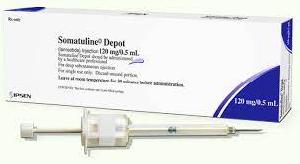
Brand name: Somatuline Depot
Dosage form: prolonged-release subcutaneous injection
Drug class: Somatostatin and somatostatin analogs
What is lanreotide?
Lanreotide is an injectable medication containing a man-made (synthetic octapeptide) version of a hormone produced by your body called somatostatin. Somatostain regulates many process in your body.
Somatostain is also called growth hormone inhibiting hormone, because it decreases the amount of other hormones that you secrete. It also inhibits the ability of some cells to grow and survive. Lanreotide is thought to work like natural somatostain.
Lanreotide is used to treat acromegaly, a hormonal disorder that causes too much growth hormone. It is also used to treat certain neuroendocrine tumors (NETs) and carcinoid syndrome, which can occur in people with NETs. NETs are a type of cancer that starts in the neuroendocrine system, which produces and releases hormones that control many functions in your body.
Lanreotide is a somatostatin analog that comes in a depot formulation for subcutaneous injection. This means that it is injected into the fatty tissue just beneath the skin and the drug is released over a prolonged period of time.
A branded version of lanreotide was approved by the US Food and Drug Administration (FDA) in 2007 and it is marketed under the brand name Somatuline Depot by Ipsen Biopharmacueticals. In 2021, a company called Cipla was also granted FDA approval for its version of lanreotide injection through the New Drug Application process (NDA).
What is lanreotide used for?
The Somatuline Depot version of lanreotide is a prescription medicine used for:
- the long-term treatment of people with acromegaly when:
- surgery or radiotherapy have not worked well enough or
- they are not able to have surgery or radiotherapy
- the treatment of adults with a type of cancer known as neuroendocrine tumors, from the gastrointestinal tract or the pancreas (GEP-NETs) that has spread or cannot be removed by surgery
- the treatment of adults with carcinoid syndrome to reduce the need for the use of short-acting somatostatin medicine
Cipla's version of lanreotide injection is approved for all of the above uses, except for carcinoid syndrome.
It is not known if lanreotide is safe and effective in children.
Who should not receive lanreotide?
Do not receive lanreotide if you are allergic to lanreotide. See below for a complete list of ingredients.
What should I tell my doctor before receiving lanreotide?
Before you receive lanreotide, tell your healthcare provider about all of your medical conditions, including if you:
- have gallbladder problems
- have diabetes
- have heart problems
- have thyroid problems
- have kidney problems
- have liver problems
How should I receive lanreotide?
- You will receive a lanreotide injection every 4 weeks in your healthcare provider's office
- Your healthcare provider may change your dose of lanreotide or the length of time between your injections. Your healthcare provider will tell you how long you need to receive lanreotide
- Lanreotide is injected deep under the skin of the upper outer area of your buttock. Your injection site should change (alternate) between your right and left buttock from one injection of lanreotide to the next
- During your treatment with lanreotide for acromegaly, your healthcare provider may do certain blood tests to see if lanreotide is working
What should I avoid while receiving lanreotide?
Lanreotide can cause dizziness. If you have dizziness, do not drive a car or operate machinery.
Dosing information
The recommended dose of lanreotide is:
- Acromegaly: 90 mg every 4 weeks for 3 months. Adjust thereafter based on growth hormone and/or insulin growth factor-1 (IGF-1) levels. See full prescribing information for titration regimen.
- GEP-NETs: 120 mg every 4 weeks.
- Carcinoid Syndrome: 120 mg every 4 weeks. If you are already being treated with lanreotide for a GEP-NET, you should not receive an additional dose for carcinoid syndrome.
- See the full prescribing information for further information about lanreotide dosing.
What are the side effects of lanreotide?
Lanreotide may cause serious side effects, including:
- Gallstones (cholelithiasis) and complications that can happen if you have gallstones. Gallstones are a serious but common side effect in people who take lanreotide and have acromegaly and GEP-NET. Your healthcare provider may check your gallbladder before and during treatment with lanreotide. Possible complications of gallstones include inflammation and infection of the gall bladder, and pancreatitis. Tell your healthcare provider if you get any symptoms of gallstones, including:
- sudden pain in your upper right stomach area (abdomen)
- yellowing of your skin and whites of your eyes
- nausea
- sudden pain in your right shoulder or between your shoulder blades
- fever with chills
- Changes in your blood sugar (high blood sugar or low blood sugar). If you have diabetes, test your blood sugar as your healthcare provider tells you to. Your healthcare provider may change your dose of diabetes medicine especially when you first start receiving lanreotide or if your dose of lanreotide changes. High blood sugar is a common side effect in people with GEP-NET. Tell your healthcare provider right away if you have any signs or symptoms of high blood sugar or low blood sugar.
- Signs and symptoms of high blood sugar may include:
- increased thirst
- increased appetite
- nausea
- weakness or tiredness
- urinating more often than normal
- your breath smells like fruit
- Signs and symptoms of low blood sugar may include:
- dizziness or lightheadedness
- sweating
- confusion
- headache
- blurred vision
- slurred speech
- shakiness
- fast heartbeat
- irritability or mood changes
- hunger
- Signs and symptoms of high blood sugar may include:
- Slow heart rate. Tell your healthcare provider right away if you have slowing of your heart rate or if you have symptoms of a slow heart rate, including:
- dizziness or lightheadedness
- fainting or near-fainting
- chest pain
- shortness of breath
- confusion or memory problems
- weakness, extreme tiredness
- High blood pressure. High blood pressure can happen in people who receive lanreotide and is a common side effect in people with GEP-NET.
- Changes in thyroid function. Lanreotide can cause the thyroid gland to not make enough thyroid hormones that the body needs (hypothyroidism) in people who have acromegaly. Tell your healthcare provider if you have signs and symptoms of low thyroid hormones levels, including:
- fatigue
- weight gain
- a puffy face
- being cold all of the time
- constipation
- dry skin
- thinning, dry hair
- decreased sweating
- depression
The most common side effects of lanreotide in people with acromegaly include:
- diarrhea
- stomach area (abdominal) pain
- nausea
- pain, itching, or a lump at the injection site
The most common side effects of lanreotide in people with GEP-NET include:
- stomach area (abdominal) pain
- muscle and joint aches
- vomiting
- headache
- pain, itching, or a lump at the injection site
The most common side effects of lanreotide in people with carcinoid syndrome include:
- headache
- dizziness
- muscle spasm
Tell your healthcare provider right away if you have signs of an allergic reaction after receiving lanreotide, including:
- swelling of your face, lips, mouth or tongue
- breathing problems
- fainting, dizziness, feeling lightheaded (low blood pressure)
- itching
- flushing or redness of your skin
- rash
- hives
These are not all the possible side effects of lanreotide. Call your doctor for medical advice about side effects. You may report side effects to FDA at 1-800-FDA-1088.
Related/similar drugs
Interactions
Tell your healthcare provider about all the medicines you take, including prescription and over-the-counter medicines, vitamins, and herbal supplements.
Lanreotide and other medicines may affect each other, causing side effects. Lanreotide may affect the way other medicines work, and other medicines may affect how lanreotide works. Your dose of lanreotide or your other medicines may need to be changed.
Especially tell your healthcare provider if you take:
- insulin or other diabetes medicines
- cyclosporine (Gengraf, Neoral, or Sandimmune)
- medicines that lower your heart rate such as beta blockers
Pregnancy and breastfeeding
Tell your doctor if you are pregnant or plan to become pregnant. It is not known if lanreotide will harm your unborn baby
Tell your doctor if you are breastfeeding or plan to breastfeed. It is not known if lanreotide passes into your breast milk. You should not breastfeed if you receive lanreotide and for 6 months after your last dose of lanreotide
Tell your doctor if you are a person who can become pregnant. Lanreotide may affect fertility in females and may affect your ability to become pregnant. Talk to your healthcare provider if this is a concern for you.
Storage
- Store lanreotide in the refrigerator at 2°C to 8°C (36°F to 46°F).
- Protect from light.
- Store in the original package.
What are the ingredients in lanreotide?
Active ingredient: lanreotide acetate
Inactive ingredients: water for injection and acetic acid (for pH adjustment)
Somatuline Depot is manufactured by Ipsen Pharma Biotech, Parc d'Activities du Plateau de Signes, 83870 Signes, France.
Cipla's version of lanreotide injection is manufactured by Pharmathen International S.A., Rodopi, Greece.
References
More about lanreotide
- Check interactions
- Compare alternatives
- Pricing & coupons
- Reviews (1)
- Side effects
- Dosage information
- During pregnancy
- Drug class: somatostatin and somatostatin analogs
- Breastfeeding
- En español
Patient resources
Other brands
Professional resources
Other brands
Related treatment guides
Further information
Always consult your healthcare provider to ensure the information displayed on this page applies to your personal circumstances.