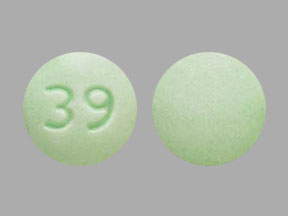
Hyoscyamine (Monograph)
Brand names: Anaspaz, Cystospaz, Hyosyne, Levbid, Levsin,
... show all 8 brands
Drug class: Antimuscarinics/Antispasmodics
Introduction
Antimuscarinic; a naturally occurring tertiary amine; one of the optical isomers (the l-isomer) constituting atropine (d,l-hyoscyamine).
Uses for Hyoscyamine
GI Disorders
Adjunct in the treatment of peptic ulcer disease; however, no conclusive data that it aids in the healing, decreases the rate of recurrence, or prevents complications of peptic ulcers. In patients with gastric ulcer, antimuscarinics may delay gastric emptying and result in antral stasis.
Adjunct in the treatment of functional GI disorders such as irritable bowel syndrome; however, efficacy is limited. Use only if other measures (e.g., diet, sedation, counseling, amelioration of environmental factors) have been of little or no benefit. Also has been used in combination with phenobarbital in the treatment of irritable bowel syndrome; however, such combined therapy lacks substantial evidence of efficacy.
Use with caution, if at all, in the treatment of hypermotility and diarrhea associated with GI disorders such as ulcerative colitis, dysentery, shigellosis, and Clostridium difficile-associated diarrhea and colitis (also known as antibiotic-associated pseudomembranous colitis).
GU Disorders
Adjunctive therapy in the management of hypermotility disorders of the lower urinary tract. May provide symptomatic relief, but the underlying cause should be determined and specifically treated.
With the exception of uninhibited or reflex neurogenic bladder, there is generally little evidence to support use of antimuscarinics in the treatment of various GU disorders.
Infant Colic
Treatment of infant colic; however, minimal evidence of efficacy with antimuscarinics. Infant colic is considered a benign, self-limiting condition that tends to resolve spontaneously and not require medical treatment.
Surgery
Has been used to inhibit salivation and excessive secretions of the respiratory tract; however, current surgical practice (e.g., using thiopental [no longer commercially available in the US], halothane, or similar general anesthetics that do not stimulate salivary and tracheobronchial secretions) has reduced the need to control excessive respiratory secretions during surgery.
Has been used prophylactically to reduce volume and acidity of gastric secretions and to prevent acid-aspiration pneumonitis during surgery; however, antimuscarinics not shown to be effective for this use.
May be used to block cardiac vagal inhibitory reflexes during induction of anesthesia and intubation, thus preventing cholinergic effects during surgery (e.g., cardiac arrhythmias, hypotension, bradycardia) secondary to visceral traction (resulting in vagal stimulation), carotid sinus stimulation, or concomitant drugs (e.g., succinylcholine).
Used to block adverse muscarinic effects of anticholinesterase agents that are used after surgery to terminate curarization.
Cholinesterase Inhibitor Toxicity
Used parenterally as an antidote in the treatment of cholinesterase inhibitor toxicity.
Also used orally or sublingually in the treatment of cholinesterase inhibitor toxicity.
Pesticide Poisoning
Concomitantly with a cholinesterase reactivator (pralidoxime chloride) to reverse muscarinic effects associated with toxic exposure to anticholinesterase compounds (e.g., organophosphate pesticides). However, other antimuscarinics (principally atropine) are used more commonly.
Radiographic Uses
Facilitation of endoscopy or hypotonic duodenography by reducing GI motility; however, glucagon appears to be more effective and generally is preferred.
Has been used to increase visualization of the urinary tract in excretion urography.
Biliary Disorders
Do not rely on antimuscarinics for relief of biliary tract disorders (e.g., combined with opiates for biliary colic) because of weak biliary antispasmodic action.
Pancreatitis
Has been used to reduce pain and hypersecretion in pancreatitis; however, there is little, if any, evidence that antimuscarinics improve the prognosis of the disease.
Acute Rhinitis
Has been used as a drying agent in the relief of symptoms of acute rhinitis.
Parkinsonian Syndrome
Adjunctive therapy in the treatment of parkinsonian syndrome to reduce rigidity and tremors and to control associated sialorrhea and hyperhidrosis.
Renal Colic
Has been used in conjunction with morphine or other opiates for the symptomatic relief of renal colic.
Heart Block
May be useful in some patients in the treatment of partial heart block associated with vagal activity.
Hyoscyamine Dosage and Administration
Administration
Administer hyoscyamine orally.
Administer hyoscyamine sulfate orally, sublingually, or by sub-Q, IM, or IV injection.
Oral Administration
Immediate-release Preparations
Conventional tablets, elixir, oral solution (drops), orally disintegrating tablets, and sublingual tablets generally administered orally 3–6 times daily. One manufacturer (Symax FasTab, Symax SL) recommends administration 30–60 minutes before meals.
Place orally disintegrating tablet on the tongue, allow it to disintegrate, then swallow with or without water.
Certain sublingual tablets (Levsin/SL, certain generic preparations) may be chewed.
Oral administration of sublingual tablets results in similar pharmacologic effects as sublingual administration, but onset may not be as rapid.
Extended-release Preparations
Do not crush or chew extended-release preparations.
Administer Levbid extended-release tablets (or generic preparations) orally every 12 hours; tablets are scored and may be broken to titrate dosage.
Administer extended-release capsules (Levsinex Timecaps, generic preparations), Symax SR extended-release tablets, and Symax DuoTab bilayer extended-release tablets orally every 12 hours; swallow capsules or tablets whole; may adjust dosage by reducing dosing interval to 8 hours. One manufacturer (Symax DuoTab, Symax SR) recommends administration 30–60 minutes before meals.
Sublingual Administration
Sublingual tablets generally administered 3–6 times daily. One manufacturer (Symax SL) recommends administration 30–60 minutes before meals and at bedtime.
Parenteral Administration
Administer by sub-Q, IM, or IV injection without prior dilution.
Dosage
Available as hyoscyamine and hyoscyamine sulfate; dosage of hyoscyamine sulfate expressed in terms of the salt.
Titrate dosage carefully according to the condition, severity of symptoms, and the individual patient’s response and tolerance to the drug. Higher than recommended dosage may be required for therapeutic effect. Use lowest possible effective dosage.
Pediatric Patients
General Hyoscyamine Sulfate Dosage (for GI/GU/Biliary Disorders, Renal Colic, Acute Rhinitis, Parkinsonian Syndrome, or Cholinesterase Inhibitor Toxicity)
See GU Disorders dosage section for hyoscyamine dosage for GU disorders.
Oral
Recommended dosages of hyoscyamine sulfate vary by age and/or formulation (see Tables 1–4).
Using the dropper provided by the manufacturer, which is calibrated to deliver approximately 32 drops/mL.
|
Body Weight |
Usual Dosage |
Maximum Dosage in a 24-hour Period |
|---|---|---|
|
3.4 kg (7.5 lb) |
4 drops (15.63 mcg) every 4 hours or as needed |
24 drops (93.75 mcg) |
|
5 kg (11 lb) |
5 drops (19.53 mcg) every 4 hours or as needed |
30 drops (117.19 mcg) |
|
7 kg (15 lb) |
6 drops (23.44 mcg) every 4 hours or as needed |
36 drops (140.63 mcg) |
|
10 kg (22 lb) |
8 drops (31.25 mcg) every 4 hours or as needed |
48 drops (187.5 mcg) |
|
Formulation(s) |
Usual Dosage |
Maximum Dosage in a 24-hour Period |
|---|---|---|
|
Conventional tablets, orally disintegrating tablets, or sublingual tablets |
62.5–125 mcg every 4 hours or as needed Symax SL: 62.5–125 mcg 3 or 4 times daily given 30–60 minutes before meals and at bedtime |
750 mcg |
|
Elixir |
Weight-based dosing (see Table 3) |
|
|
Oral solution (drops) |
31.25–125 mcg every 4 hours or as needed |
750 mcg |
|
Bilayer extended-release tablets, extended-release capsules, extended-release tablets |
375 mcg every 12 hours |
750 mcg |
|
Body Weight |
Usual Dosage |
Maximum Dosage in a 24-hour Period |
|---|---|---|
|
10 kg (22 lb) |
1.25 mL (31.25 mcg) every 4 hours or as needed |
7.5 mL (187.5 mcg) |
|
20 kg (44 lb) |
2.5 mL (62.5 mcg) every 4 hours or as needed |
15 mL (375 mcg) |
|
40 kg (88 lb) |
3.75 mL (93.75 mcg) every 4 hours or as needed |
22.5 mL (562.5 mcg) |
|
50 kg (110 lb) |
5 mL (125 mcg) every 4 hours or as needed |
30 mL (750 mcg) |
|
Formulation(s) |
Usual Dosage |
Maximum Dosage in a 24-hour Period |
|---|---|---|
|
Conventional tablets, elixir, oral solution (drops), orally disintegrating tablets, sublingual tablets |
0.125–0.25 mg every 4 hours or as needed Symax SL tablets: 0.125–0.25 mg 3 or 4 times daily given 30–60 minutes before meals and at bedtime |
1.5 mg |
|
Bilayer extended-release tablets, extended-release capsules, extended-release tablets |
0.375–0.75 mg every 12 hours. Alternatively, may adjust dosage to 0.375 mg every 8 hours as needed |
1.5 mg |
Sublingual
Children 2–11 years of age: 62.5–125 mcg (0.0625–0.125 mg) hyoscyamine sulfate every 4 hours or as needed, not to exceed 750 mcg in a 24-hour period. For Symax SL tablets, 62.5–125 mcg 3 or 4 times daily given 30–60 minutes before meals and at bedtime.
Children ≥12 years of age: 0.125–0.25 mg hyoscyamine sulfate every 4 hours or as needed, not to exceed 1.5 mg in a 24-hour period. For Symax SL tablets, 0.125–0.25 mg 3 or 4 times daily given 30–60 minutes before meals and at bedtime.
GU Disorders
Oral
Hyoscyamine: In older pediatric patients, reduce dosage (compared with adult dosage) in proportion to age and weight. (See Adults under Dosage and Administration.)
Hyoscyamine sulfate: See General Hyoscyamine Sulfate Dosage section.
Sublingual
See General Hyoscyamine Sulfate Dosage section.
Infant Colic
Oral
Children <2 years of age: Dosage of hyoscyamine sulfate based on weight (see Table 5).
Using the dropper provided by the manufacturer, which is calibrated to deliver approximately 32 drops/mL.
|
Body Weight |
Usual Dosage |
Maximum Dosage in a 24-hour Period |
|---|---|---|
|
3.4 kg (7.5 lb) |
4 drops (15.63 mcg) every 4 hours or as needed |
24 drops (93.75 mcg) |
|
5 kg (11 lb) |
5 drops (19.53 mcg) every 4 hours or as needed |
30 drops (117.19 mcg) |
|
7 kg (15 lb) |
6 drops (23.44 mcg) every 4 hours or as needed |
36 drops (140.63 mcg) |
|
10 kg (22 lb) |
8 drops (31.25 mcg) every 4 hours or as needed |
48 drops (187.5 mcg) |
Surgery
Preoperatively to Decrease Secretions and Block Cardiac Vagal Reflexes
IV, IM, or Sub-QChildren >2 years of age: 5 mcg/kg (0.005 mg/kg) hyoscyamine sulfate given 30–60 minutes before anesthesia or concurrently with other preanesthetic medications (e.g., opiates, sedatives).
Reversal of Drug-induced Bradycardia
IVChildren >2 years of age: 0.125 mg hyoscyamine sulfate; repeat as necessary.
Muscarinic Blockade during Anticholinesterase Reversal of Curariform Neuromuscular Blockade
IVChildren >2 years of age: 0.2 mg hyoscyamine sulfate for each 1 mg of neostigmine methylsulfate or the equivalent dose of physostigmine salicylate or pyridostigmine bromide administered.
Administer concurrently with (but in a separate syringe) or a few minutes before the anticholinesterase agent.
If bradycardia is present, administer before the anticholinesterase agent to increase pulse to about 80 bpm.
Adults
General Hyoscyamine Sulfate Dosage (for GI/GU/Biliary Disorders, Renal Colic, Acute Rhinitis, Parkinsonian Syndrome, or Cholinesterase Inhibitor Toxicity)
See GI Disorders dosage section for parenteral hyoscyamine sulfate dosage for GI disorders and see GU Disorders dosage section for hyoscyamine dosage for GU disorders.
Oral
Recommended dosages of hyoscyamine sulfate vary by formulation (see Table 6).
|
Formulation(s) |
Usual Dosage |
Maximum Dosage in a 24-hour Period |
|---|---|---|
|
Conventional tablets, elixir, oral solution (drops), orally disintegrating tablets, sublingual tablets |
0.125–0.25 mg every 4 hours or as needed Symax SL tablets: 0.125–0.25 mg 3 or 4 times daily given 30–60 minutes before meals and at bedtime |
1.5 mg |
|
Bilayer extended-release tablets, extended-release capsules, extended-release tablets |
0.375–0.75 mg every 12 hours. Alternatively, may adjust dosage to 0.375 mg every 8 hours as needed |
1.5 mg |
Sublingual
0.125–0.25 mg hyoscyamine sulfate every 4 hours or as needed, not to exceed 1.5 mg in a 24-hour period.
Symax SL tablets: 0.125–0.25 mg hyoscyamine sulfate 3 or 4 times daily given 30–60 minutes before meals and at bedtime.
GI Disorders
Oral
See General Hyoscyamine Sulfate Dosage section.
Sublingual
See General Hyoscyamine Sulfate Dosage section.
IV, IM, or Sub-Q
0.25–0.5 mg hyoscyamine sulfate every 4 hours, 2–4 times daily; for acute symptoms, a single parenteral dose of 0.25–0.5 mg may be sufficient. Adjust dosage according to individual patient’s response and tolerance.
GU Disorders
Oral
Hyoscyamine: 0.15–0.3 mg up to 4 times daily.
Hyoscyamine sulfate: See General Hyoscyamine Sulfate Dosage section.
Sublingual
See General Hyoscyamine Sulfate Dosage section.
Surgery
Preoperatively to Decrease Secretions and Block Cardiac Vagal Reflexes
IV, IM, or Sub-Q5 mcg/kg (0.005 mg/kg) hyoscyamine sulfate given 30–60 minutes before anesthesia or concurrently with other preanesthetic medications (e.g., opiates, sedatives).
Reversal of Drug-induced Bradycardia
IV0.125 mg hyoscyamine sulfate; repeat as necessary.
Muscarinic Blockade during Anticholinesterase Reversal of Curariform Neuromuscular Blockade
IV0.2 mg hyoscyamine sulfate for each 1 mg of neostigmine methylsulfate or the equivalent dose of physostigmine salicylate or pyridostigmine bromide administered.
Administer concurrently with (but in a separate syringe) or a few minutes before the anticholinesterase agent.
If bradycardia is present, administer before the anticholinesterase agent to increase pulse to about 80 bpm.
Pesticide Poisoning
Organophosphate Anticholinesterase Pesticides
Initial dose preferably should be administered IV.
A cholinesterase reactivator (pralidoxime) is administered concomitantly.
IV or IM, then OralInitially, 1–2 mg hyoscyamine sulfate IV. May administer additional 1-mg doses IV or IM every 3–10 minutes until muscarinic signs and symptoms disappear; up to 25 mg may be required during first 24 hours. Subsequently, administer 0.5–1 mg hyoscyamine sulfate orally at intervals of several hours (maintenance therapy) until signs and symptoms completely subside.
Radiographic Uses
Endoscopy or Hypotonic Duodenography
IV, IM, or Sub-Q0.25–0.5 mg hyoscyamine sulfate 5–10 minutes prior to the diagnostic procedure.
Prescribing Limits
Pediatric Patients
GI/GU/Biliary Disorders, Renal Colic, Acute Rhinitis, Parkinsonian Syndrome, or Cholinesterase Inhibitor Toxicity
Oral or Sublingual
Pediatric patients <2 years of age receiving hyoscyamine sulfate oral solution (drops): In a 24-hour period, maximum 24 drops (93.75 mcg) in infants weighing 3.4 kg, 30 drops (117.19 mcg) in infants weighing 5 kg, 36 drops (140.63 mcg) in infants weighing 7 kg, or 48 drops (187.5 mcg) in infants weighing 10 kg.
Children 2–11 years of age: Maximum 750 mcg hyoscyamine sulfate in a 24-hour period. For weight-based dosing using elixir, in a 24-hour period, maximum 7.5 mL (187.5 mcg) in children weighing 10 kg, 15 mL (375 mcg) in children weighing 20 kg, 22.5 mL (562.5 mcg) in children weighing 40 kg, or 30 mL (750 mcg) in children weighing 50 kg.
Children ≥12 years of age: Maximum 1.5 mg hyoscyamine sulfate in a 24-hour period.
Infant Colic
Oral
Pediatric patients <2 years of age receiving hyoscyamine sulfate oral solution (drops): In a 24-hour period, maximum 24 drops (93.75 mcg) in infants weighing 3.4 kg, 30 drops (117.19 mcg) in infants weighing 5 kg, 36 drops (140.63 mcg) in infants weighing 7 kg, or 48 drops (187.5 mcg) in infants weighing 10 kg.
Adults
GI/GU/Biliary Disorders, Renal Colic, Acute Rhinitis, Parkinsonian Syndrome, or Cholinesterase Inhibitor Toxicity
Oral or Sublingual
Maximum 1.5 mg hyoscyamine sulfate in a 24-hour period.
Special Populations
Geriatric Patients
Geriatric patients may be more sensitive to drug’s effects at usual adult dosages.
Select dosage with caution, usually starting at low end of dosing range, because of age-related decreases in hepatic, renal, and/or cardiac function and potential for concomitant disease and drug therapy. (See Geriatric Use under Cautions.)
Cautions for Hyoscyamine
Contraindications
-
Angle-closure glaucoma.
-
Obstructive uropathy (e.g., bladder neck obstruction secondary to prostatic hypertrophy).
-
Obstructive GI disease (e.g., achalasia, pyloroduodenal stenosis).
-
Paralytic ileus.
-
Intestinal atony (especially in geriatric or debilitated patients).
-
Acute hemorrhage when cardiovascular status is unstable.
-
Tachycardia secondary to cardiac insufficiency or thyrotoxicosis.
-
Severe ulcerative colitis or toxic megacolon complicating ulcerative colitis.
-
Myasthenia gravis (unless used to reduce adverse muscarinic effects of an anticholinesterase agent such as neostigmine).
-
Myocardial ischemia.
Warnings/Precautions
Warnings
Thermoregulatory Effects
Exposure to high environmental temperatures may result in heat prostration (fever and heat stroke due to decreased sweating). Increased risk of hyperthermia in patients who are febrile.
Diarrhea
May be an early sign of incomplete intestinal obstruction, especially in patients with ileostomy or colostomy; in this instance, use of hyoscyamine would be inappropriate and possibly harmful.
Drowsiness and Blurred Vision
May cause drowsiness, dizziness, or blurred vision. Performance of activities requiring mental alertness and physical coordination may be impaired.
CNS Effects
Psychosis in patients with increased sensitivity to antimuscarinic drugs. CNS manifestations include confusion, disorientation, short-term memory loss, hallucinations, dysarthria, ataxia, coma, euphoria, anxiety, fatigue, insomnia, agitation and mannerisms, and inappropriate affect.
Mental confusion and/or excitement, especially in geriatric patients.
CNS manifestations usually resolve within 12–48 hours after drug is discontinued.
General Precautions
Concomitant Illnesses
Use with caution in patients with autonomic neuropathy, hyperthyroidism, CHD, CHF, cardiac arrhythmias, hypertension, renal disease, or hiatal hernia associated with reflux esophagitis.
Cardiac Tachyarrhythmia
Investigate any tachycardia before administration since antimuscarinics may increase heart rate.
GI Precautions
Extreme caution in known or suspected GI infections because of decreased GI motility and retention of causative organism and/or toxins.
Extreme caution in mild to moderate ulcerative colitis because of suppressed intestinal motility and resultant paralytic ileus and toxic megacolon.
Caution in gastric ulcer because of delayed gastric emptying and possible antral stasis.
Caution in esophageal reflux and hiatal hernia because of decreased gastric motility and lower esophageal sphincter pressure leading to gastric retention and reflux aggravation.
Oropharyngeal or Dental Effects
Long-term use of antimuscarinics may decrease or inhibit salivary flow, thus contributing to development of caries, periodontal disease, oral candidiasis, and discomfort.
GU Disturbances
Extreme caution in patients with partial obstructive uropathy because of decreased tone and amplitude of contractions of ureters and bladder and resultant urinary retention. (See Contraindications under Cautions.)
Respiratory Effects
Caution with systemically administered antimuscarinics in debilitated patients with chronic pulmonary disease because a reduction in bronchial secretions may lead to inspissation and formation of bronchial plugs.
Down’s Syndrome, Spastic Paralysis, and Brain Damage
Increased sensitivity to antimuscarinic effects (e.g., mydriasis, positive chronotropic effect). (See Pediatric Use under Cautions.)
Phenylketonuria
NuLev, Symax FasTab, and generic hyoscyamine sulfate (marketed by Ethex) orally disintegrating tablets contain aspartame (NutraSweet), which is metabolized in the GI tract to provide 1.7, 4.5, and 0.5 mg, respectively, of phenylalanine per 0.125-mg tablet.
Specific Populations
Pregnancy
Category C.
Lactation
Distributed into milk. Caution if used in nursing women.
Pediatric Use
Manufacturer states that use of Symax DuoTab, Symax FasTab, Symax SL, or Symax SR is not recommended in pediatric patients <2 years of age.
Infants and children with spastic paralysis or brain damage may have increased sensitivity to antimuscarinic effects (e.g., mydriasis, positive chronotropic effect). Close supervision recommended, and dosage adjustments often required.
Infants and young children especially susceptible to toxic effects of antimuscarinics. Paradoxical reaction (characterized by hyperexcitability) may occur with large doses of antimuscarinics.
Geriatric Use
Reported clinical experience has not identified differences in safety relative to younger adults.
Hyoscyamine is substantially eliminated by the kidneys. Select dosage with caution because of age-related decreases in hepatic, renal, and/or cardiac function and potential for concomitant disease and drug therapy. (See Geriatric Patients under Dosage and Administration.) Monitoring of renal function may be useful.
Geriatric patients especially susceptible to antimuscarinic effects (e.g., constipation, dry mouth, urinary retention [particularly male patients]); if these adverse effects occur, persist, or are severe, consider discontinuance of drug. Possible excitement, agitation, drowsiness, or confusion at usual dosages.
Antimuscarinics may precipitate undiagnosed glaucoma; use with caution in geriatric patients.
Continued use of antimuscarinics may severely impair memory, particularly in geriatric patients who already have memory problems.
Hepatic Impairment
Use with caution in hepatic disease.
Renal Impairment
Use with caution in renal disease. Substantially excreted by the kidneys. Possible increased risk of adverse effects.
Common Adverse Effects
Most adverse effects are manifestations of pharmacologic effects at muscarinic-cholinergic receptors and usually are reversible when therapy is discontinued.
Severity and frequency of adverse effects are dose related and individual intolerance varies greatly; adverse effects occasionally may be obviated by a reduction in dosage but this also may eliminate potential therapeutic effects.
Adverse effects include dry mouth, urinary hesitancy and retention, blurred vision, tachycardia, palpitations, mydriasis, increased ocular tension, loss of taste, headache, nervousness, drowsiness, weakness, fatigue, dizziness, insomnia, nausea, vomiting, impotence, constipation, bloated feeling, abdominal pain, diarrhea, allergic reactions or drug idiosyncrasies, urticaria and other dermal manifestations, ataxia, speech disturbance, mental confusion and/or excitement (especially in geriatric patients), short-term memory loss, hallucinations, and decreased sweating.
Drug Interactions
Drugs with Anticholinergic Effects
Possible additive adverse effects resulting from cholinergic blockade (e.g., xerostomia, blurred vision, constipation). Inform patient of this possibility.
Effects on GI Absorption of Drugs
By inhibiting the motility of the GI tract and prolonging GI transit time, antimuscarinics have the potential to alter GI absorption of various drugs.
Specific Drugs
|
Drug |
Interaction |
Comments |
|---|---|---|
|
Acetaminophen |
Possible delay in onset of therapeutic effects (e.g., analgesia, antipyresis) of acetaminophen |
|
|
Amantadine |
Possible additive adverse effects resulting from cholinergic blockade |
Inform patient of this possibility |
|
Antacids |
Decreased GI absorption of hyoscyamine |
Administer oral hyoscyamine at least 1 hour before antacids; some manufacturers recommend administering hyoscyamine before meals and antacids after meals to prolong effects of postprandial antacid therapy, but no substantial difference in gastric pH demonstrated with such combined therapy |
|
Antiarrhythmic (anticholinergic) agents |
Possible additive adverse effects resulting from cholinergic blockade |
Inform patient of this possibility |
|
Anticholinergic drugs |
Possible additive adverse effects resulting from cholinergic blockade |
Inform patient of this possibility |
|
Antidepressants, tricyclic |
Possible additive adverse effects resulting from cholinergic blockade |
Inform patient of this possibility |
|
Antihistamines (anticholinergic) (including meclizine) |
Possible additive adverse effects resulting from cholinergic blockade |
Inform patient of this possibility |
|
Antiparkinsonian (antimuscarinic) agents |
Possible additive adverse effects resulting from cholinergic blockade |
Inform patient of this possibility |
|
Corticosteroids |
Possible increased IOP |
|
|
Digoxin (slow dissolving) |
Possible increased serum digoxin concentration |
Use digoxin oral solution (elixir) or rapidly dissolving tablets (e.g., Lanoxin) Observe closely for signs of digitalis toxicity |
|
Glutethimide |
Possible additive adverse effects resulting from cholinergic blockade |
Inform patient of this possibility |
|
Haloperidol |
Possible additive adverse effects resulting from cholinergic blockade |
Inform patient of this possibility |
|
Ketoconazole |
Increased gastric pH decreases ketoconazole absorption |
Administer hyoscyamine at least 2 hours after ketoconazole |
|
Levodopa |
Possible increased GI metabolism of levodopa and decreased systemic concentrations |
Adjust levodopa dosage if hyoscyamine is started or discontinued |
|
MAO inhibitors |
Possible additive adverse effects resulting from cholinergic blockade |
Inform patient of this possibility |
|
Meperidine |
Possible additive adverse effects resulting from cholinergic blockade |
Inform patient of this possibility |
|
Muscle (anticholinergic) relaxants |
Possible additive adverse effects resulting from cholinergic blockade |
Inform patient of this possibility |
|
Phenothiazines |
Possible additive adverse effects resulting from cholinergic blockade |
Inform patient of this possibility |
|
Potassium chloride |
Slowed GI transit potentiates adverse GI effects of oral potassium chloride (especially wax-matrix tablets) |
Caution if used concomitantly; monitor for possible GI mucosal lesions |
Hyoscyamine Pharmacokinetics
Absorption
Pharmacokinetics of hyoscyamine (l-hyoscyamine) and atropine (dl-hyoscyamine) generally considered similar.
Bioavailability
Completely absorbed from the GI tract following oral or sublingual administration.
Extended-release capsules (Levsinex Timecaps, generic preparations ) and extended-release tablets (Levbid, generic preparations ) are formulated to release 0.375 mg of the drug at a controlled and predictable rate for a 12-hour period. Relative bioavailability reportedly is about 81 or 92%, respectively, that of the conventional tablets. Peak blood concentrations occur in 2.5–5 or about 4 hours following administration of these extended-release capsule or tablet formulations, respectively.
Bilayer extended-release tablets (i.e., Symax DuoTab) are formulated to release 0.125 mg of hyoscyamine sulfate immediately and the remaining 0.25 mg over 8–12 hours.
Onset
Time to onset and peak pharmacologic action depends on formulation and route of administration (see Table 7). Oral administration of sublingual tablets results in similar pharmacologic effects as sublingual administration, although onset may not be as rapid.
|
Formulation (Administration Route) |
Time to Onset (minutes) |
Time to Peak Effect (minutes) |
|---|---|---|
|
Conventional tablets (oral) |
20–30 |
30–60 |
|
Conventional tablets (sublingual or chewed) |
5–20 |
30–60 |
|
Oral solution (i.e., drops) or elixir (oral) |
5–20 |
30–60 |
|
Extended-release capsules (oral) |
20–30 |
40–90 |
|
Injection (parenteral) |
2–3 |
15–30 |
Duration
Immediate-release hyoscycamine sulfate preparations: Pharmacologic action generally persists for about 4 hours.
Hyoscyamine sulfate extended-release capsules: Pharmacologic action persists for about 12 hours.
Hyoscyamine sulfate injection: Pharmacologic action persists for up to 4 hours.
Food
Food does not appear to affect absorption.
Distribution
Extent
Well distributed throughout the body.
Crosses the blood-brain barrier.
Small quantities are distributed into milk and are found in placental tissues.
Plasma Protein Binding
Approximately 50%.
Elimination
Metabolism
Partly metabolized in the liver to tropic acid, tropine, and hyoscyamine glucuronide.
Elimination Route
Most of a dose is excreted in urine unchanged within 12 hours after administration.
Half-life
Immediate-release preparations: About 2–3.5 hours in individuals with normal renal function.
Extended-release capsules: About 5–7 hours.
Extended-release tablets: About 7–9 hours.
Elimination may be biphasic; elimination half-life (determined by urinary excretion) in the terminal phase may be ≥12.5 hours.
Special Populations
Elimination is prolonged in individuals with renal dysfunction.
Stability
Storage
Oral
Conventional Tablets and Sublingual Tablets
15–30°C.
Oral Solution (Drops) and Elixir
20–25°C (may be exposed to 15–30°C).
Orally Disintegrating Tablets
Tight, light resistant containers at 20–25°C (may be exposed to 15–30°C). Protect from moisture.
Extended-release Capsules and Tablets
15–30°C.
Parenteral
Injection
15–30°C.
Actions
-
Competitively inhibits acetylcholine or other cholinergic stimuli at autonomic effectors innervated by postganglionic cholinergic nerves and, to a lesser extent, on smooth muscles that lack cholinergic innervation. At usual doses, principally antagonizes cholinergic stimuli at muscarinic receptors and has little or no effect on cholinergic stimuli at nicotinic receptors.
-
Antimuscarinics also have been referred to as anticholinergics (cholinergic blocking agents), but this term is appropriate only when it describes the antagonism of cholinergic stimuli at any cholinergic receptor, whether muscarinic or nicotinic.
-
Also have been referred to as parasympatholytics because the antagonized functions principally are under the parasympathetic division of the nervous system.
-
Receptors at various sites are not equally sensitive to inhibition of muscarinic effects. Relative sensitivity of physiologic functions (proceeding from the most sensitive) is as follows: secretions of the salivary, bronchial, and sweat glands; pupillary dilation, ocular accommodation, and heart rate; contraction of the detrusor muscle of the bladder and smooth muscle of the GI tract; and gastric secretion and motility. Doses used to decrease gastric secretions are likely to cause dryness of the mouth (xerostomia) and interfere with visual accommodation, and possibly cause difficulty in urinating.
-
Various antisecretory effects in the GI tract, including reduction of salivation (producing xerostomia) and gastric secretions (only partial reduction in gastric acid secretion). Prolonged inhibitory effects on the motility of the esophagus, stomach, duodenum, jejunum, ileum, and colon.
-
Relaxes lower esophageal sphincter with a resultant decrease in lower esophageal sphincter pressure.
-
Decreases the tone and amplitude of contractions of the ureters and bladder. May cause urinary retention (e.g., in patients with urinary obstruction).
-
Can reverse reflex vagal cardiac slowing or asystole such as that induced by inhalation of irritant vapors or by vagal stimulation (e.g., carotid sinus stimulation, pressure on the eyeball).
-
May cause cutaneous vasodilation, especially at toxic doses (atropine flush).
-
Reduces secretions from the nose, mouth, pharynx, and bronchi. Relaxes smooth muscles of the bronchi and bronchioles with a resultant decrease in airway resistance.
-
Stimulates the medulla and higher cerebral centers and exhibits CNS effects similar to those produced by antimuscarinics used in the treatment of parkinsonian syndrome (e.g., trihexyphenidyl).
-
Blocks the responses of the sphincter muscle of the iris and the ciliary muscle of the lens to cholinergic stimulation, producing mydriasis and cycloplegia and a resultant decrease in ocular accommodation. Little effect on IOP except with angle-closure glaucoma where IOP may increase.
-
Reduces the volume of perspiration by inhibiting sweat-gland secretions. May suppress sweating sufficiently to increase body temperature.
Advice to Patients
-
Potential for drug to impair mental alertness or physical coordination; avoid driving or operating machinery or performing hazardous work if such effects occur.
-
Risk of heat prostration, fever, or heat stroke secondary to decreased sweating; caution when febrile, exercising, or when exposed to high environmental temperatures.
-
Extended-release preparations may not completely disintegrate, and fragments may be excreted in stools.
-
Importance of informing clinicians of existing or contemplated concomitant therapy, including prescription and OTC drugs, as well as any concomitant illnesses.
-
Importance of women informing clinicians if they are or plan to become pregnant or plan to breast-feed.
-
Importance of informing patients of other important precautionary information. (See Cautions.)
Additional Information
The American Society of Health-System Pharmacists, Inc. represents that the information provided in the accompanying monograph was formulated with a reasonable standard of care, and in conformity with professional standards in the field. Readers are advised that decisions regarding use of drugs are complex medical decisions requiring the independent, informed decision of an appropriate health care professional, and that the information contained in the monograph is provided for informational purposes only. The manufacturer’s labeling should be consulted for more detailed information. The American Society of Health-System Pharmacists, Inc. does not endorse or recommend the use of any drug. The information contained in the monograph is not a substitute for medical care.
Preparations
Excipients in commercially available drug preparations may have clinically important effects in some individuals; consult specific product labeling for details.
Please refer to the ASHP Drug Shortages Resource Center for information on shortages of one or more of these preparations.
* available from one or more manufacturer, distributor, and/or repackager by generic (nonproprietary) name
|
Routes |
Dosage Forms |
Strengths |
Brand Names |
Manufacturer |
|---|---|---|---|---|
|
Bulk |
Powder* |
|||
|
Oral |
Tablets |
0.15 mg |
Cystospaz |
Amerifit |
* available from one or more manufacturer, distributor, and/or repackager by generic (nonproprietary) name
|
Routes |
Dosage Forms |
Strengths |
Brand Names |
Manufacturer |
|---|---|---|---|---|
|
Oral |
Capsules, extended-release |
0.375 mg* |
Hyoscyamine Sulfate ER Capsules (with povidone and propylene glycol) |
Ethex |
|
Levsinex Timecaps |
Schwarz |
|||
|
Elixir |
0.125 mg/5 mL |
Hyoscyamine Sulfate Elixir (with alcohol 20%) |
Cypress |
|
|
Hyosyne Elixir (with alcohol 20%) |
Silarx |
|||
|
Levsin (with alcohol 20%) |
Schwarz |
|||
|
Solution |
0.125 mg/mL* |
Hyoscyamine Sulfate Oral Drops (with alcohol 5%) |
Cypress |
|
|
Hyosyne Drops (with alcohol 5%) |
Silarx |
|||
|
Levsin Drops (with alcohol 5%) |
Schwarz |
|||
|
Tablets |
0.125 mg* |
Anaspaz (scored) |
Ascher |
|
|
Hyoscyamine Sulfate Tablets |
Ethex |
|||
|
Levsin (scored) |
Schwarz |
|||
|
Tablets, extended release |
0.375 mg* |
Hyoscyamine Sulfate ER Tablets (scored) |
Ethex |
|
|
Levbid (scored) |
Schwarz |
|||
|
Symax SR |
Capellon |
|||
|
0.375 mg (with extended-release 0.25 mg and immediate-release 0.125 mg) |
Symax DuoTab (with povidone) |
Capellon |
||
|
Tablets, orally disintegrating |
0.125 mg |
Hyoscyamine Sulfate Orally Disintegrating Tablets (with aspartame) |
Ethex |
|
|
NuLev (with aspartame) |
Schwarz |
|||
|
Symax FasTab (with aspartame) |
Capellon |
|||
|
Oral or Sublingual (Intrabuccal) |
Tablets |
0.125 mg* |
Hyoscyamine Sulfate Sublingual Tablets (scored) |
Ethex |
|
Levsin/SL (scored) |
Schwarz |
|||
|
Symax SL |
Capellon |
|||
|
Parenteral |
Injection |
0.5 mg/mL |
Levsin |
Schwarz |
AHFS DI Essentials™. © Copyright 2025, Selected Revisions June 10, 2024. American Society of Health-System Pharmacists, Inc., 4500 East-West Highway, Suite 900, Bethesda, Maryland 20814.
Reload page with references included
More about hyoscyamine
- Check interactions
- Compare alternatives
- Pricing & coupons
- Reviews (116)
- Drug images
- Side effects
- Dosage information
- Patient tips
- During pregnancy
- Drug class: anticholinergics/antispasmodics
- En español
Patient resources
Professional resources
- Hyoscyamine Sulfate Elixir prescribing information
- Hyoscyamine Sulfate Extended-Release Tablets (FDA)
- Hyoscyamine Sulfate Injection (FDA)
- Hyoscyamine Sulfate Oral Drops (FDA)
- Hyoscyamine Sulfate Orally Disintegrating Tablet (FDA)
Other brands
Levsin, Hyosyne, Levsin SL, Levbid, ... +6 more