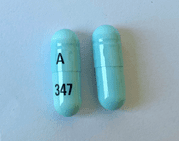
Cyclophosphamide (Monograph)
Brand name: Cytoxan
Drug class: Antineoplastic Agents
- Alkylating Agents
- Immunosuppressive Agents
CAS number: 6055-19-2
Introduction
Antineoplastic agent and immunosuppressant; nitrogen mustard-derivative alkylating agent.
Uses for Cyclophosphamide
Cyclophosphamide may be used alone in susceptible malignancies, but more often is used in combination or sequentially with other antineoplastic agents.
Hodgkin’s Disease
Treatment of Hodgkin’s disease as part of a combination regimen.
Non-Hodgkin’s Lymphoma
Treatment of various types of non-Hodgkin’s lymphoma, including high-grade (e.g., Burkitt’s, lymphoblastic) lymphomas and intermediate- or low-grade lymphomas, as part of a combination regimen.
Treatment of low-grade non-Hodgkin’s lymphomas as a single agent.
Multiple Myeloma
Treatment of multiple myeloma, with prednisone or as part of a combination regimen.
As effective as melphalan; combination of either agent with prednisone is considered a treatment of choice.
Use with bortezomib and dexamethasone may be considered a reasonable choice (accepted, with possible conditions) as induction therapy for newly diagnosed multiple myeloma in transplant-eligible patients; consider cytogenetic features, performance status, preexisting conditions (e.g., peripheral neuropathy), and tolerability when selecting a combination chemotherapy regimen.
Leukemias
Treatment of chronic lymphocytic (lymphoblastic) leukemia; considered a drug of choice.
Used with busulfan as a conditioning regimen prior to allogeneic hematopoietic progenitor (e.g., stem) cell transplantation in patients with chronic myelogenous leukemia.
Treatment of acute lymphoblastic leukemia, especially in children.
Treatment of acute myeloid (myelogenous, nonlymphocytic) leukemia (AML, ANLL) and as an additional drug for induction or post-induction therapy.
In meningeal leukemia, concentrations of cyclophosphamide and metabolites in brain and CSF probably are insufficient for adequate treatment.
Cutaneous T-cell Lymphoma
Treatment of advanced mycosis fungoides, a form of cutaneous T-cell lymphoma, alone or in combination regimens.
Neuroblastoma
Treatment of disseminated neuroblastoma; a treatment of choice when included in combination chemotherapy.
Ovarian Cancer
Treatment of ovarian germ cell tumors† [off-label] as part of an alternative combination regimen (vincristine, dactinomycin, and cyclophosphamide [VAC]) .
Also has been used with a platinum-containing agent to treat advanced (stage III or IV) epithelial ovarian cancer, but randomized studies indicate that paclitaxel combined with a platinum-containing agent produces higher response rates and more prolonged overall survival and therefore is preferred.
Retinoblastoma
Treatment of retinoblastoma as part of a combination regimen.
Breast Cancer
Treatment of breast cancer as part of a combination regimen; some experts suggest that such regimens are the treatment of choice.
Adjunct to surgery in combination regimens; such regimens increase disease-free (i.e., decreased recurrence) and overall survival in premenopausal and postmenopausal women with node-negative or -positive early (TNM stage I or II) breast cancer. Cyclophosphamide–methotrexate–fluorouracil regimen has been used extensively and is considered a regimen of choice.
Treatment of stage III (locally advanced) breast cancer (with or without hormonal therapy); drugs in combination regimens are administered sequentially following surgery and radiation therapy (for operable disease) or following biopsy and radiation therapy (for inoperable disease). Commonly used effective combination regimens include cyclophosphamide, methotrexate, and fluorouracil; cyclophosphamide, doxorubicin, and fluorouracil; and cyclophosphamide, methotrexate, fluorouracil, and prednisone.
Regimens for stage III disease (and other regimens) also have been used to treat more advanced (stage IV) and recurrent breast cancer.
Small Cell Lung Cancer
Treatment of extensive-stage small cell lung cancer† [off-label]; used in combination regimens (e.g., cyclophosphamide, doxorubicin, and vincristine [CAV]; cyclophosphamide, doxorubicin, and etoposide [CAE]).
Sarcomas
Treatment of rhabdomyosarcoma† [off-label]; used in combination regimens (e.g., with dactinomycin and vincristine) and as an adjunct to surgery and radiation therapy.
Used in combination regimens for Ewing’s sarcoma† [off-label] as an adjunct to surgery and radiation therapy; considered a treatment of choice.
Nephrotic Syndrome
Treatment of selected cases of biopsy-proven minimal change nephrotic syndrome in children.
Not for initial therapy; has induced remission in patients unresponsive to appropriate corticosteroid therapy or in whom intolerable adverse effects (e.g., growth failure) occur.
Renal, Hepatic, Cardiac, and Bone Marrow Transplantation
Used as an immunosuppressant to control rejection following renal, hepatic, cardiac, or bone marrow transplantation† [off-label]. Considered by some experts to be as effective as azathioprine for maintenance of renal allografts and more effective than azathioprine for maintenance of hepatic allografts.
Because of the potential for serious adverse effects, some experts recommend reserving immunosuppressive use of cyclophosphamide for patients who become refractory to corticosteroids or other less toxic agents, or limiting such use to short-term treatment when feasible.
Cyclophosphamide Dosage and Administration
General
-
Consult specialized references for procedures for proper handling and disposal of antineoplastics.
Administration
Administer orally or by IV injection or infusion.
Has been administered IM and by intracavitary (e.g., intrapleural, intraperitoneal) injection and direct perfusion, but some experts believe the drug should not be administered via routes that bypass activation in the liver.
Oral Administration
May prepare extemporaneous oral liquid preparations of the drug by dissolving powder for injection in aromatic elixir. (See Stability.)
IV Administration
For solution and drug compatibility information, see Compatibility under Stability.
Reconstitution
To reconstitute for direct IV injection, use 0.9% sodium chloride injection. For IV infusion, reconstitute with sterile water for injection.
|
Powder for Injection Vial |
Diluent Volume (to provide 20 mg/mL) |
|---|---|
|
500 mg |
25 mL |
|
1 g |
50 mL |
|
2 g |
100 mL |
Shake vial after adding diluent; allow vial to stand a few minutes if powder fails to dissolve immediately and completely.
May directly inject solution constituted with 0.9% sodium chloride injection.
Solution constituted with sterile water for injection is hypotonic; do not inject directly. Dilute with a compatible IV solution prior to IV infusion. (See Solution Compatibility under Stability.)
Dosage
Dosage of cyclophosphamide expressed in terms of the anhydrous drug.
Use caution with high dosages; risk of toxicity (e.g., cardiotoxicity) and overdosage.
At higher than usual dosages (e.g., those used under protocol conditions), use particular care to verify dosage, administration schedule, and use of appropriate monitoring.
When used in combination with other cytotoxic agents, may need to reduce dosage of cyclophosphamide and other agents.
Consult published protocols for dosage, method of administration, and administration sequence of drugs in combination regimens.
Pediatric Patients
Cancer (General)
Oral
Usual induction or maintenance dosage is 1–5 mg/kg daily. Various other regimens have been reported.
Adjust dosage according to tumor response and/or leukopenia; use total leukocyte count to guide adjustment.
Transient decreases in total leukocyte count to 2000/mm3 (following short courses of therapy) or more persistent reduction to 3000/mm3 (with continuing therapy) may be tolerated without serious risk of infection if there is no marked granulocytopenia.
IV
As a single oncolytic agent in patients with no hematologic deficiencies: manufacturer states that usual initial dosage for induction therapy is 40–50 mg/kg given in divided doses over a period of 2–5 days.
Other IV regimens include 10–15 mg/kg every 7–10 days or 3–5 mg/kg twice weekly. Various other regiments have been reported.
Adjust dosage according to tumor response and/or leukopenia; use total leukocyte count to guide adjustment.
Transient decreases in total leukocyte count to 2000/mm3 (following short courses of therapy) or more persistent reduction to 3000/mm3 (with continuing therapy) may be tolerated without serious risk of infection if there is no marked granulocytopenia.
Minimal Change Nephrotic Syndrome
Oral
2.5–3 mg/kg daily for 60–90 days has been recommended.
In males, >60 days of treatment increases oligospermia and azoospermia incidence; >90 days of treatment increases sterility risk.
May taper and discontinue corticosteroid therapy during the course of cyclophosphamide.
Adults
Cancer (General)
Oral
Usual induction or maintenance dosage is 1–5 mg/kg daily. Various other regimens have been reported.
Adjust dosage according to tumor response and/or leukopenia; use total leukocyte count to guide adjustment.
Transient decreases in total leukocyte count to 2000/mm3 (following short courses of therapy) or more persistent reduction to 3000/mm3 (with continuing therapy) may be tolerated without serious risk of infection if there is no marked granulocytopenia.
IV
As a single oncolytic agent in patients with no hematologic deficiencies: manufacturer states that usual initial dosage for induction therapy is 40–50 mg/kg given in divided doses over a period of 2–5 days.
Other IV regimens include 10–15 mg/kg every 7–10 days or 3–5 mg/kg twice weekly. Various other regimens have been reported.
Adjust dosage according to tumor response and/or leukopenia, use total leukocyte count to guide adjustment.
Transient decreases in total leukocyte count to 2000/mm3 (following short courses of therapy) or more persistent reduction to 3000/mm3 (with continuing therapy) may be tolerated without serious risk of infection if there is no marked granulocytopenia.
Breast Cancer
Various cyclophosphamide-containing combination regimens have been used; consult published protocols.
Avoid arbitrary reductions in dosage of adjuvant combination chemotherapy; dose intensity appears to be an important factor influencing clinical outcome in early node-positive breast cancer (increasing response with increasing intensity).
Combination Regimen: Cyclophosphamide, Methotrexate, and Fluorouracil
OralRegimen containing oral cyclophosphamide in combination with IV fluorouracil and IV methotrexate is described in the table.
|
Drug |
Dose |
Administration Days per Cycle |
|---|---|---|
|
Cyclophosphamide |
100 mg/m2 orally |
Days 1 through 14 |
|
Methotrexate |
40 mg/m2 IV (≤60 yrs of age) |
Days 1 and 8 |
|
Fluorouracil |
600 mg/m2 IV (≤60 yrs of age) |
Days 1 and 8 |
Repeat monthly (i.e., allow a 2-week rest period between cycles).
Total of 6–12 cycles (i.e., 6–12 months of therapy); clinical superiority between 6- versus 12-month regimens not demonstrated.
Initial fluorouracil and methotrexate dosages have been reduced in patients >60 years of age. (See Geriatric Patients under Dosage and Administration.)
Dosage also reduced if myelosuppression develops.
Sequential Regimen: Cyclophosphamide, Methotrexate, and Fluorouracil Plus Doxorubicin
In patients with early breast cancer and >3 positive axillary lymph nodes, addition of doxorubicin may improve outcome, and sequential regimens (i.e., administering several courses of doxorubicin first) may be more effective than alternating regimens; no additional benefit when <3 positive nodes are present.
IVInitially, doxorubicin hydrochloride 75 mg/m2 IV at 3-week intervals for 4 doses.
Subsequently, cyclophosphamide 600 mg/m2 IV, methotrexate 40 mg/m2 IV, and fluorouracil 600 mg/m2 IV at 3-week intervals for 8 cycles.
Total of about 9 months of therapy.
Generally, patients with myelosuppression had next cycle delayed rather than reduction in dosage.
Multiple Myeloma
Induction Therapy Prior to Stem-cell Transplantation in Newly Diagnosed Multiple Myeloma
OralCyclophosphamide, bortezomib, and dexamethasone: Cyclophosphamide 300 mg/m2 orally on days 1, 8, 15, and 22 along with bortezomib 1.3 mg/m2 by IV injection twice weekly for 2 weeks (days 1, 4, 8, and 11) and dexamethasone 40 mg orally on days 1–4, 9–12, and 17–20 of each 28-day cycle for 4 cycles.
Cyclophosphamide, bortezomib, and dexamethasone: Cyclophosphamide 300 mg/m2 orally on days 1, 8, 15, and 22 along with bortezomib 1.5 mg/m2 by IV injection once weekly (days 1, 8, 15, and 22) during each 28-day cycle for 4 cycles, with dexamethasone 40 mg orally on days 1–4, 9–12, and 17–20 during cycles 1 and 2 and then once weekly during cycles 3 and 4.
IVCyclophosphamide, bortezomib, and dexamethasone (cycles 1–3), then bortezomib, thalidomide, and dexamethasone (cycles 4–6): Cyclophosphamide 300 mg/m2 IV on days 1 and 8 along with bortezomib 1.3 mg/m2 by IV injection twice weekly for 2 weeks (days 1, 4, 8, and 11) and dexamethasone 40 mg orally on days 1, 2, 4, 5, 8, 9, 11, and 12 of each 21-day cycle for 3 cycles (cycles 1–3) followed by bortezomib 1 mg/m2 by IV injection twice weekly for 2 weeks (days 1, 4, 8, and 11) along with thalidomide 100 mg orally daily and dexamethasone 40 mg orally on days 1, 2, 4, 5, 8, 9, 11, and 12 of each 21-day cycle for 3 cycles (cycles 4–6).
Cyclophosphamide, bortezomib, and dexamethasone: Cyclophosphamide 900 mg/m2 IV on day 1 along with bortezomib 1.3 mg/m2 by sub-Q or IV injection twice weekly for 2 weeks (days 1, 4, 8, and 11) and dexamethasone 40 mg orally on days 1, 2, 4, 5, 8, 9, 11, and 12 of each 21-day cycle for 3 cycles.
Prescribing Limits
Pediatric Patients
Minimal Change Nephrotic Syndrome
Oral
In males, treatment for >60 or >90 days increases incidence of oligospermia and azoospermia or risk of sterility, respectively. (See Minimal Change Nephrotic Syndrome under Dosage and Administration.)
Special Populations
Geriatric Patients
Breast Cancer
In patients >60 years of age receiving oral cyclophosphamide, IV methotrexate, and IV fluorouracil combination therapy, reduce initial methotrexate dosage to 30 mg/m2 and fluorouracil dosage to 400 mg/m2.
Cautions for Cyclophosphamide
Contraindications
-
Severely depressed bone marrow function.
-
Known hypersensitivity to cyclophosphamide or any ingredient in the formulation.
Warnings/Precautions
Warnings
Highly toxic, low therapeutic index; therapeutic response unlikely without some evidence of toxicity.
Use only under constant supervision by clinicians experienced in cytotoxic agent therapy.
Carcinogenesis
Secondary malignancies, most frequently urinary bladder, myeloproliferative, and lymphoproliferative, have occurred with monotherapy, combination therapy, or adjunctive therapy; may not be detected until several years after discontinuance.
Consider possibility of secondary malignancy when weighing possible benefits versus potential risks.
Fetal/Neonatal Morbidity and Mortality
May cause fetal toxicity when administered to pregnant women.
Inform pregnant women of the potential hazard to the fetus; advise women of childbearing potential to avoid becoming pregnant. (See Pregnancy under Cautions.)
Fertility
Dose- and duration-related gonadal suppression may occur; large doses cause gonadal toxicity.
Interferes with oogenesis and spermatogenesis; amenorrhea, azoospermia, oligospermia, and ovarian fibrosis have been reported, and sterility may be irreversible in some men and women.
Full effect on prepubertal gonads not established, but ovarian failure and testicular atrophy have occurred. Male children, including prepubertal males receiving high-dose cyclophosphamide therapy, are at high risk for long-term, irreversible gonadal damage (e.g., infertility, subclinical Leydig cell insufficiency).
Inform patients of possible fertility impairment and counsel on fertility options prior to therapy whenever possible.
Long-term follow-up for evaluation of gonadal function advised.
Hemorrhagic Cystitis
Sterile hemorrhagic cystitis has been reported (especially in children) with long-term therapy; rarely can be severe or fatal.
Attributed to chemical irritation by accumulation of cyclophosphamide active metabolites in concentrated urine.
For prevention, instruct patients to increase fluid intake for 24 hours before, during, and for at least 24 hours following cyclophosphamide administration, and to void frequently for 24 hours after receiving the drug.
May use mesna (sodium 2-mercaptoethanesulphonate) to prevent or substantially decrease severity of urothelial toxicity (e.g., hemorrhagic cystitis). Mesna is at least as effective as, and generally more effective than, hydration and forced diuresis, but not effective in all patients. Mesna also is uroprotective in patients with a history of bladder toxicity with cyclophosphamide or ifosfamide use.
Examine urine regularly for presence of red cells, which may precede hemorrhagic cystitis.
If hemorrhagic cystitis occurs, discontinue cyclophosphamide and, if possible, do not resume.
Hematuria usually resolves spontaneously within a few days after drug discontinuance, but may persist for several months.
May need blood transfusions in severe cases.
Protracted cases have been treated with 1–10% formaldehyde irrigations, electrocautery to the telangiectatic areas of the bladder, diversion of urine flow, and cryosurgery.
Other Genitourinary Effects
Bladder fibrosis (sometimes extensive), with or without cystitis.
Atypical epithelial cells in urine.
Cardiac Toxicity
Uncommon at usual dosages. Generally reported with high dosages (120–270 mg/kg over a few days or 60 mg/kg daily) in an intensive, multiple-drug antineoplastic regimen or in conjunction with transplantation procedures.
High-dose monotherapy or combination regimens have resulted in deaths from diffuse hemorrhagic myocardial necrosis and a syndrome of acute myopericarditis; rarely, severe (sometimes fatal) CHF has occurred within a few days after the first cyclophosphamide dose.
Potentially fatal cardiotoxicity has occurred with overdose (i.e., 4 g/m2 daily for 4 doses rather than the intended total dosage of 4 g/m2 [1 g/m2 daily for 4 days]).
Hemopericardium secondary to hemorrhagic myocarditis and myocardial necrosis, and pericarditis without evidence of hemopericardium reported.
AMI has occurred with conventional doses of cyclophosphamide in conjunction with vincristine when there was no known history of cardiac disease.
Possible consequences of cardiotoxicity include debilitating heart failure, arrhythmias, potentially irreversible cardiomyopathy and/or pericarditis, and death.
Precise mechanism of cardiotoxicity not known; drug and/or metabolites may affect the endothelium directly (secondary extravasation of blood with high cyclophosphamide concentrations) or (with high doses) the antidiuretic effect may contribute.
Clear risk factors not established; concomitant radiation therapy and/or other potentially cardiotoxic drugs (e.g., anthracyclines) appear to increase risk.
Monitor for indicators of cardiotoxicity (e.g., sudden weight gain, ECG abnormalities, dyspnea, and/or other CHF signs) when higher than usual dosages are used.
Immunosuppression
Increased infections (potentially fatal), possible hemorrhagic complications may occur because of immunosuppression; varicella-zoster infections appear to be particularly dangerous.
Instruct patients to notify clinician if fever, sore throat, or unusual bleeding or bruising occurs.
Carefully monitor hematologic status at least weekly for first few months of therapy or until maintenance dosage is determined, then every 2–3 weeks.
Use dose-related leukopenia as a guide to adjusting dosage; leukocyte count reduction to <2000/mm3 is common with initial loading dose, less frequent with smaller maintenance doses.
Transient reductions in leukocyte count to 2000/mm3 (during short courses of treatment) or more persistent reductions to 3000/mm3 (with continuing therapy) may be tolerated without serious risk of infection if marked granulocytopenia is not present.
Consider interruption or dosage reduction when bacterial, fungal, protozoan, helminthic, or viral infections occur, especially during or following recent corticosteroid therapy.
Sensitivity Reactions
Anaphylaxis
Anaphylactic reaction, including fatality, reported.
Possible cross-sensitivity with other alkylating agents.
Major Toxicities
Hematologic Effects
Dose-limiting, usually reversible after discontinuance.
Leukopenia is expected, may be severe; nadirs generally occur 8–15 days after a single dose of cyclophosphamide and recovery usually occurs within 17–28 days.
Thrombocytopenia is less common; nadir occurs 10–15 days after administration.
Anemia, particularly after large doses or prolonged therapy, has been reported; hemolytic anemia reported rarely.
Hypoprothrombinemia reported rarely.
Monitor hematologic profile (especially neutrophil and platelet counts) to determine degree of hematopoietic suppression.
Respiratory Effects
High dosages over prolonged periods may cause potentially fatal interstitial pulmonary fibrosis; cyclophosphamide discontinuance and administration of corticosteroids occasionally has failed to reverse the syndrome.
Interstitial pneumonitis also has been reported.
General Precautions
Monitor closely for possible toxicity and administer cautiously in presence of severe leukopenia, thrombocytopenia, tumor cell infiltration of bone marrow, impaired hepatic or renal function, or with history of previous radiation or other cytotoxic agent therapy.
Adrenalectomy
In adrenalectomized patients, adjustment of both replacement corticosteroid and cyclophosphamide dosages may be necessary.
Wound Healing
May interfere with normal wound healing.
Specific Populations
Pregnancy
Category D. (See Fetal/Neonatal Morbidity and Mortality and see Fertility under Warnings.)
Lactation
Distributed into milk; discontinue nursing or the drug.
Pediatric Use
Manufacturers states that the safety profile in children is similar to that observed in adults. Children receiving large doses of cyclophosphamide are at high risk for long-term gonadal damage and infertility. (See Fertility under Warnings.)
Geriatric Use
Insufficient experience in patients ≥65 years of age to determine whether geriatric patients respond differently than younger adults, but some data suggest increased risk of cyclophosphamide toxicity in geriatric patients.
Titrate dosage with caution; initiate therapy at low end of dosage range.
Hepatic Impairment
Use with caution. Monitor closely for possible toxicity.
Renal Impairment
Use with caution. Monitor closely for possible toxicity.
Common Adverse Effects
Leukopenia, anorexia, nausea, vomiting, sterile hemorrhagic cystitis, alopecia.
Drug Interactions
Converted to active metabolites in the liver by a mixed-function microsomal oxidase system; microsomal enzyme inducers (e.g., barbiturates) may result in increased conversion of cyclophosphamide to active metabolites and increased toxicity.
Clinical importance not assessed; monitor closely for toxicity.
Other drugs may inhibit microsomal enzyme activity and metabolism of cyclophosphamide.
Specific Drugs and Laboratory Tests
|
Drug or Test |
Interaction |
Comments |
|---|---|---|
|
Allopurinol |
Concomitant administration may increase the incidence of bone marrow depression |
Mechanism and clinical importance not established |
|
Cardiotoxic drugs (e.g., doxorubicin) |
Possible potentiation of cardiotoxic effects |
Use caution with concomitant use |
|
Chloramphenicol |
May inhibit microsomal enzyme activity and decrease cyclophosphamide metabolism |
|
|
Chloroquine |
May inhibit microsomal enzyme activity and decrease cyclophosphamide metabolism |
|
|
Corticosteroids and sex hormones |
May inhibit liver microsomal enzymes; discontinuance or reduction in steroid dosage may increase cyclophosphamide toxicity |
Clinical importance not established |
|
Imipramine |
May inhibit microsomal enzyme activity and decrease cyclophosphamide metabolism |
|
|
Mesna |
Interacts chemically with urotoxic cyclophosphamide metabolites (and/or their precursors) to prevent or decrease incidence and severity of bladder toxicity (e.g., hemorrhagic cystitis) |
Used for uroprotection |
|
Phenothiazines |
May inhibit microsomal enzyme activity and decrease cyclophosphamide metabolism |
|
|
Potassium iodide |
May inhibit microsomal enzyme activity and decrease cyclophosphamide metabolism |
|
|
Skin test antigens (e.g., tuberculin purified protein derivative, mumps, trichophyton, candida) |
Frequent suppression of reactions |
|
|
Succinylcholine |
Cyclophosphamide may reduce serum pseudocholinesterase concentrations and prolong neuromuscular blocking activity of succinylcholine (especially in very ill patients receiving large IV cyclophosphamide doses) |
Clinical importance not established; use concomitantly with caution and avoid cyclophosphamide use with substantially depressed pseudocholinesterase concentrations. Inform anesthesiologist if cyclophosphamide has been used within 10 days before general anesthesia |
|
Vitamin A |
May inhibit microsomal enzyme activity and decrease cyclophosphamide metabolism |
Cyclophosphamide Pharmacokinetics
Absorption
Bioavailability
Oral: >75%.
Distribution
Extent
Distributed throughout the body.
Distributed into brain and CSF, but concentrations probably not sufficient to treat meningeal leukemia.
Assumed to cross the placenta; distributed into milk.
Plasma Protein Binding
Low (0–10%), but >60% for some alkylating metabolites.
Elimination
Metabolism
Metabolized to 4-hydroxycyclophosphamide (in equilibrium with acyclic tautomer aldophosphamide), then to 4-ketocyclophosphamide (may be inactive, toxicity controversial).
Aldophosphamide may be metabolized to carboxyphosphamide (inactive); also to phosphoramide mustard and acrolein (may account for cytotoxic effects).
Elimination Route
Excreted principally (36–99%) in urine within 48 hours, 5–30% as unchanged drug.
Half-life
3–12 hours (after IV administration).
Special Populations
In patients with renal impairment, metabolite levels are increased; no associated increased toxicity.
Stability
Storage
Oral
Tablets
Tight containers at 25°C (may be exposed briefly to temperatures up to 30°C); protect from >30°C.
Extemporaneous Oral Liquid Preparations
In glass containers; stable for 14 days under refrigeration. (See Oral Administration under Dosage and Administration.)
Parenteral
Powder for Injection
25°C.
Temperature fluctuations during storage or transport may result in melting of the vial contents; visually inspect vials and discard any with signs of melting (clear or yellowish viscous liquid in droplets or as a connected phase).
Reconstituted Solutions
In 0.9% sodium chloride injection or sterile water for injection: stable for 24 hours at room temperature or 6 days at 2–8°C.
Compatibility
Parenteral
Solution Compatibility
|
Compatible |
|---|
|
Amino acids 4.25%, dextrose 25% |
|
Dextrose 5% in Ringer’s injection |
|
Dextrose 5% in Ringer’s injection, lactated |
|
Dextrose 5% in sodium chloride 0.9% |
|
Dextrose 5% in water |
|
Ringer’s injection, lactated |
|
Sodium chloride 0.45 or 0.9% |
|
(1/6) M sodium lactate |
Drug Compatibility
|
Compatible |
|---|
|
Cisplatin with etoposide |
|
Fluorouracil |
|
Hydroxyzine HCl |
|
Methotrexate sodium |
|
Methotrexate sodium with fluorouracil |
|
Mitoxantrone HCl |
|
Ondansetron HCl |
|
Variable |
|
Mesna |
|
Compatible |
|---|
|
Allopurinol sodium |
|
Amifostine |
|
Amikacin sulfate |
|
Ampicillin sodium |
|
Anidulafungin |
|
Aztreonam |
|
Bleomycin sulfate |
|
Cefazolin sodium |
|
Cefotaxime sodium |
|
Cefoxitin sodium |
|
Cefuroxime sodium |
|
Chloramphenicol sodium succinate |
|
Cisplatin |
|
Cladribine |
|
Clindamycin phosphate |
|
Co-trimoxazole |
|
Doripenem |
|
Doxorubicin HCl |
|
Doxorubicin HCl liposome injection |
|
Doxycycline hyclate |
|
Droperidol |
|
Erythromycin lactobionate |
|
Etoposide phosphate |
|
Filgrastim |
|
Fludarabine phosphate |
|
Fluorouracil |
|
Furosemide |
|
Gallium nitrate |
|
Gemcitabine HCl |
|
Gentamicin sulfate |
|
Granisetron HCl |
|
Heparin sodium |
|
Idarubicin HCl |
|
Leucovorin calcium |
|
Linezolid |
|
Melphalan HCl |
|
Methotrexate sodium |
|
Metoclopramide HCl |
|
Metronidazole |
|
Mitomycin |
|
Nafcillin sodium |
|
Ondansetron HCl |
|
Oxacillin sodium |
|
Oxaliplatin |
|
Paclitaxel |
|
Palonosetron HCl |
|
Pemetrexed disodium |
|
Penicillin G potassium |
|
Piperacillin sodium–tazobactam sodium |
|
Propofol |
|
Sargramostim |
|
Sodium bicarbonate |
|
Teniposide |
|
Thiotepa |
|
Ticarcillin disodium–clavulanate potassium |
|
Tobramycin sulfate |
|
Topotecan HCl |
|
Vancomycin HCl |
|
Vinblastine sulfate |
|
Vincristine sulfate |
|
Vinorelbine tartrate |
|
Incompatible |
|
Amphotericin B cholesteryl sulfate complex |
Actions
-
Active metabolites interfere with growth of rapidly proliferating malignant cells.
-
Polyfunctional alkylating agent, may cross-link DNA, interfering with DNA replication and transcription of RNA, disrupting nucleic acid function.
-
Also has potent immunosuppressive activity.
-
The drug exhibits phosphorylating properties that also enhance its cytotoxicity.
Advice to Patients
-
Importance of reporting vomiting occurring shortly after oral dose.
-
Importance of continuing cyclophosphamide therapy despite nausea and vomiting.
-
Advise that alopecia is likely, but usually reversible; new hair may be different color or texture.
-
Importance of increasing fluid intake for 24 hours before, during, and for at least 24 hours after receiving cyclophosphamide, and voiding frequently for 24 hours after receiving the drug, to prevent hemorrhagic cystitis.
-
Importance of promptly reporting unusual bleeding or bruising.
-
Importance of avoiding individuals with infections and immediately informing clinician if fever, sore throat, chills, or signs of infection occur.
-
Importance of informing clinicians of existing or contemplated concomitant therapy, including prescription and OTC drugs, as well as any concomitant illnesses.
-
Importance of women informing clinicians if they are or plan to become pregnant or plan to breast-feed.
-
Importance of informing patients of other important precautionary information. (See Cautions.)
Additional Information
The American Society of Health-System Pharmacists, Inc. represents that the information provided in the accompanying monograph was formulated with a reasonable standard of care, and in conformity with professional standards in the field. Readers are advised that decisions regarding use of drugs are complex medical decisions requiring the independent, informed decision of an appropriate health care professional, and that the information contained in the monograph is provided for informational purposes only. The manufacturer’s labeling should be consulted for more detailed information. The American Society of Health-System Pharmacists, Inc. does not endorse or recommend the use of any drug. The information contained in the monograph is not a substitute for medical care.
Preparations
Excipients in commercially available drug preparations may have clinically important effects in some individuals; consult specific product labeling for details.
Please refer to the ASHP Drug Shortages Resource Center for information on shortages of one or more of these preparations.
|
Routes |
Dosage Forms |
Strengths |
Brand Names |
Manufacturer |
|---|---|---|---|---|
|
Oral |
Tablets |
25 mg (of anhydrous cyclophosphamide) |
Cyclophosphamide Tablets |
|
|
Cytoxan |
Bristol-Myers Squibb |
|||
|
50 mg (of anhydrous cyclophosphamide) |
Cyclophosphamide Tablets |
|||
|
Cytoxan |
Bristol-Myers Squibb |
|||
|
Parenteral |
For injection |
500 mg (of anhydrous cyclophosphamide) |
Cyclophosphamide for Injection |
|
|
Cytoxan |
Bristol-Myers Squibb |
|||
|
1 g (of anhydrous cyclophosphamide) |
Cyclophosphamide for Injection |
|||
|
Cytoxan |
Bristol-Myers Squibb |
|||
|
2 g (of anhydrous cyclophosphamide) |
Cyclophosphamide for Injection |
|||
|
Cytoxan |
Bristol-Myers Squibb |
AHFS DI Essentials™. © Copyright 2025, Selected Revisions June 10, 2024. American Society of Health-System Pharmacists, Inc., 4500 East-West Highway, Suite 900, Bethesda, Maryland 20814.
† Off-label: Use is not currently included in the labeling approved by the US Food and Drug Administration.
Reload page with references included
Related/similar drugs
Frequently asked questions
- How soon will my hair grow back after chemotherapy?
- What is a chemotherapy regimen?
- Chemo side effects: What should I expect and how to cope?
- Will I lose my hair during chemotherapy treatment?
- What is the TC chemo regimen and how does it treat breast cancer?
- Radiation vs. Chemo: Which cancer treatment is right for you?
- What is EPOCH/R-EPOCH chemo regimen and how is it used?
- What are CHOP and R-CHOP chemotherapy regimens?
- How does Adriamycin and Cytoxan (AC chemo) work for Breast Cancer?
More about cyclophosphamide
- Check interactions
- Compare alternatives
- Pricing & coupons
- Reviews (12)
- Drug images
- Side effects
- Dosage information
- During pregnancy
- Drug class: alkylating agents
- Breastfeeding
- En español
Patient resources
Professional resources
- Cyclophosphamide prescribing information
- Cyclophosphamide Capsules (FDA)
- Cyclophosphamide Injection (FDA)
- Cyclophosphamide Powder (FDA)