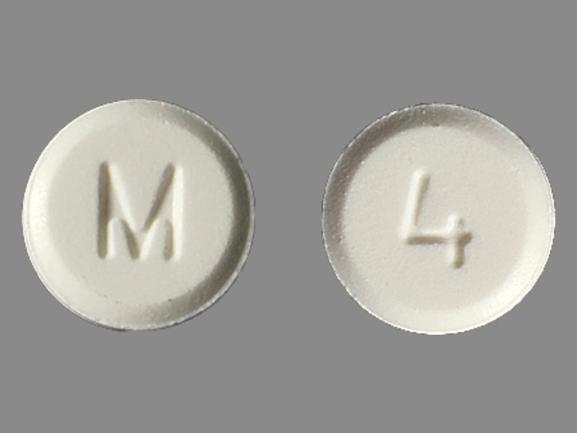
HYDROmorphone (Monograph)
Brand name: Dilaudid
Drug class: Opiate Agonists
Warning
Risk Evaluation and Mitigation Strategy (REMS):
FDA approved a REMS for hydromorphone to ensure that the benefits outweigh the risks. The REMS may apply to one or more preparations of hydromorphone and consists of the following: medication guide and elements to assure safe use. See https://www.accessdata.fda.gov/scripts/cder/rems/.
- FDA drug safety communication (4/13/2023)
-
As part of its ongoing efforts to address the nation’s opioid crisis, FDA is requiring several updates to the prescribing information of opioid pain medicines. The changes are being made to provide additional guidance for safe use of these drugs while also recognizing the important benefits when used appropriately. The changes apply to both immediate-release (IR) and extended-release/long-acting preparations (ER/LA).
-
Updates to the IR opioids state that these drugs should not be used for an extended period unless the pain remains severe enough to require an opioid pain medicine and alternative treatment options are insufficient, and that many acute pain conditions treated in the outpatient setting require no more than a few days of an opioid pain medicine.
-
Updates to the ER/LA opioids recommend that these drugs be reserved for severe and persistent pain requiring an extended period of treatment with a daily opioid pain medicine and for which alternative treatment options are inadequate.
-
A new warning is being added about opioid-induced hyperalgesia (OIH) for both IR and ER/LA opioid pain medicines. This includes information describing the symptoms that differentiate OIH from opioid tolerance and withdrawal.
-
Information in the boxed warning for all IR and ER/LA opioid pain medicines will be updated and reordered to elevate the importance of warnings concerning life-threatening respiratory depression, and risks associated with using opioid pain medicines in conjunction with benzodiazepines or other medicines that depress the central nervous system (CNS).
-
Other changes will also be required in various other sections of the prescribing information to educate clinicians, patients, and caregivers about the risks of these drugs.
Warning
- Overdose Risk with Improper Administration of Extended-release Tablets or 10-mg/mL Injection
-
Use highly concentrated injection (10 mg/mL) only in patients who are tolerant to opiate agonists; overdosage and/or death may result if confused with less concentrated formulations and used in patients who are not opiate tolerant. (See Highly Concentrated [10-mg/mL] Injection under Dosage and Administration.)
-
Patients must swallow extended-release tablets whole to avoid exposure to a potentially fatal dose. Chewing, crushing, or dissolving the extended-release tablets can result in rapid release of hydromorphone and absorption of a potentially fatal dose.
- Addiction, Abuse, and Misuse
-
Risk of addiction, abuse, and misuse, which can lead to overdosage and death. Assess each patient’s risk for addiction, abuse, and misuse before prescribing the drug; monitor all patients regularly for development of these behaviors or conditions. (See Addiction, Abuse, and Misuse under Cautions.)
- REMS
-
Clinicians are strongly encouraged to complete a REMS-compliant education program; appropriately counsel patients and/or caregivers with every prescription and emphasize importance of reading the medication guide; and consider other tools to improve patient, household, and community safety.
- Respiratory Depression
-
Serious, life-threatening, or fatal respiratory depression may occur. Monitor for respiratory depression, especially during initiation of therapy and following dosage increases. (See Respiratory Depression under Cautions.)
- Accidental Exposure
-
Accidental ingestion of even 1 dose can result in fatal overdosage, particularly in children.
- Neonatal Opiate Withdrawal
-
Prolonged maternal use of opiates during pregnancy can result in neonatal withdrawal syndrome, which may be life-threatening if not recognized and treated. Advise women who require such therapy during pregnancy of this risk and ensure appropriate treatment will be available. (See Pregnancy under Cautions.)
- Concomitant Use with Benzodiazepines or Other CNS Depressants
-
Concomitant use of opiate agonists with benzodiazepines or other CNS depressants, including alcohol, may result in profound sedation, respiratory depression, coma, and death.
-
Reserve concomitant use of opiate analgesics and benzodiazepines or other CNS depressants for patients in whom alternative treatment options are inadequate; use lowest effective dosages and shortest possible duration of concomitant therapy and monitor closely for respiratory depression and sedation. (See Specific Drugs under Interactions.)
Introduction
Opiate agonist; semisynthetic phenanthrene derivative.
Uses for HYDROmorphone
Acute Pain
Used parenterally or orally as conventional preparations (immediate-release tablets, oral solution) for relief of pain that is severe enough to require an opiate analgesic and for which alternative treatments (e.g., nonopiate analgesics, opiate-containing fixed combinations) have not been, or are not expected to be, adequate or tolerated.
Usually, temporary relief of moderate to severe pain such as that associated with acute and some chronic medical disorders including renal or biliary colic, acute trauma, postoperative pain, and cancer.
Used to provide analgesia during diagnostic and orthopedic procedures.
In symptomatic treatment of acute pain, reserve opiate analgesics for pain resulting from severe injuries, severe medical conditions, or surgical procedures, or when nonopiate alternatives for relieving pain and restoring function are expected to be ineffective or are contraindicated. Use smallest effective dosage for shortest possible duration since long-term opiate use often begins with treatment of acute pain. Optimize concomitant use of other appropriate therapies. (See Managing Opiate Therapy for Acute Pain under Dosage and Administration.)
Use highly concentrated (10-mg/mL) injection only in opiate-tolerant patients who require higher dosages of opiate analgesics (see Highly Concentrated [10-mg/mL] Injection under Dosage and Administration); during treatment with this formulation, patient must remain on around-the-clock opiate therapy.
Reserve extended-release tablets for use in opiate-tolerant patients with pain severe enough to require long-term, daily, around-the-clock use of an opiate analgesic when alternative treatment options (e.g., nonopiate analgesics, immediate-release opiates) are inadequate or not tolerated; not indicated for as-needed (“prn”) use.
Chronic Pain
For relief of malignant (cancer) pain and chronic nonmalignant pain.
Extended-release tablets are used orally in opiate-tolerant patients for management of pain that is severe enough to require long-term, daily, around-the-clock use of an opiate analgesic; reserve for use in patients for whom alternative treatment options (e.g., nonopiate analgesics, immediate-release opiates) are inadequate or not tolerated. Do not use on an as-needed (“prn”) basis. (See Pain [Oral Treatment with Extended-release Tablets] under Dosage and Administration.)
In the management of severe, chronic pain associated with a terminal illness such as cancer, the principal goal of analgesic therapy is to make the patient relatively pain-free while maintaining as good a quality of life as possible.
Although consideration of the dependence potential of opiate agonists has often limited their effective use by many clinicians in terminally ill patients with severe, chronic pain, such consideration is irrelevant in the context of terminal illness.
Generally use opiates for management of chronic pain (i.e., pain lasting >3 months or past the time of normal tissue healing ) that is not associated with active cancer treatment, palliative care, or end-of-life care only if other appropriate nonpharmacologic and nonopiate pharmacologic strategies have been ineffective and expected benefits for both pain relief and functional improvement are anticipated to outweigh risks.
If used for chronic pain, opiate analgesics should be part of an integrated approach that also includes appropriate nonpharmacologic modalities (e.g., cognitive-behavioral therapy, relaxation techniques, biofeedback, functional restoration, exercise therapy, certain interventional procedures) and other appropriate pharmacologic therapies (e.g., nonopiate analgesics, analgesic adjuncts such as selected anticonvulsants and antidepressants for certain neuropathic pain conditions).
Available evidence insufficient to determine whether long-term opiate therapy for chronic pain results in sustained pain relief or improvements in function and quality of life or is superior to other pharmacologic or nonpharmacologic treatments. Use is associated with serious risks (e.g., opiate use disorder [OUD], overdose). (See Managing Opiate Therapy for Chronic Noncancer Pain under Dosage and Administration.)
Related/similar drugs
gabapentin, acetaminophen, tramadol, cyclobenzaprine, naproxen, benzonatate, oxycodone
HYDROmorphone Dosage and Administration
General
Managing Opiate Therapy for Acute Pain
-
Optimize concomitant use of other appropriate therapies.
-
When opiate analgesia required, use conventional (immediate-release) opiates in smallest effective dosage and for shortest possible duration, since long-term opiate use often begins with treatment of acute pain.
-
Consider prescribing naloxone concomitantly for patients who are at increased risk of opiate overdosage or who have household members, including children, or other close contacts who are at risk for accidental ingestion or overdosage. (See Respiratory Depression under Cautions.)
-
When sufficient for pain management, use lower-potency opiate analgesics given in conjunction with acetaminophen or an NSAIA on as-needed (“prn”) basis.
-
For acute pain not related to trauma or surgery, limit prescribed quantity to amount needed for expected duration of pain severe enough to require opiate analgesia (generally ≤3 days and rarely >7 days). Do not prescribe larger quantities for use in case pain continues longer than expected; instead, reevaluate patient if severe acute pain does not remit.
-
For moderate to severe postoperative pain, provide opiate analgesic as part of a multimodal regimen that also includes acetaminophen and/or NSAIAs and other pharmacologic (e.g., certain anticonvulsants, regional local anesthetic techniques) and nonpharmacologic therapy as appropriate.
-
Oral administration of conventional opiate analgesics generally preferred over IV administration in postoperative patients who can tolerate oral therapy.
-
Scheduled (around-the-clock) dosing frequently is required during immediate postoperative period or following major surgery. When repeated parenteral administration is required, IV patient-controlled analgesia (PCA) generally is recommended.
Managing Opiate Therapy for Chronic Noncancer Pain
-
Although specific recommendations may vary, common elements in clinical guideline recommendations include risk mitigation strategies, upper dosage thresholds, careful dosage titration, and consideration of risks associated with particular opiates and formulations, coexisting diseases, and concomitant drug therapy.
-
Prior to initiating therapy, thoroughly evaluate patient; assess risk factors for misuse, abuse, and addiction; establish treatment goals (including realistic goals for pain and function); and consider how therapy will be discontinued if benefits do not outweigh risks.
-
Regard initial opiate therapy for chronic noncancer pain as a therapeutic trial that will be continued only if there are clinically meaningful improvements in pain and function that outweigh treatment risks.
-
Prior to and periodically during therapy, discuss with patients known risks and realistic benefits and patient and clinician responsibilities for managing therapy.
-
Some experts recommend initiating opiate therapy for chronic noncancer pain with conventional (immediate-release) opiate analgesics prescribed at lowest effective dosage. Individualize opiate selection, initial dosage, and dosage titration based on patient’s health status, prior opiate use, attainment of therapeutic goals, and predicted or observed harms.
-
Evaluate benefits and harms within 1–4 weeks following initiation of therapy or dosage increase and reevaluate on ongoing basis (e.g., at least every 3 months ) throughout therapy. Document pain intensity and level of functioning and assess progress toward therapeutic goals, presence of adverse effects, and adherence to prescribed therapies. Anticipate and manage common adverse effects (e.g., constipation, nausea and vomiting, cognitive and psychomotor impairment). If benefits do not outweigh harms, optimize other therapies and taper opiate to lower dosage or taper and discontinue opiate.
-
When repeated dosage increases required, evaluate potential causes and reassess relative benefits and risks. Although evidence is limited, some experts state that opiate rotation may be considered in patients with intolerable adverse effects or inadequate benefit despite dosage increases.
-
Higher dosages require particular caution, including more frequent and intensive monitoring or referral to specialist. Greater benefits of high-dose opiates for chronic pain not established in controlled clinical studies; higher dosages associated with increased risks (motor vehicle accidents, overdosage, OUD).
-
CDC states that primary care clinicians should carefully reassess individual benefits and risks before prescribing dosages equivalent to ≥50 mg of morphine sulfate daily (approximately ≥12.5 mg of hydromorphone hydrochloride daily) for chronic pain and should avoid dosages equivalent to ≥90 mg of morphine sulfate daily (approximately ≥22.5 mg of hydromorphone hydrochloride daily) or carefully justify decision to prescribe such dosages. Other experts recommend consulting a pain management specialist before exceeding a dosage equivalent to 80–120 mg of morphine sulfate daily. Some states have established opiate dosage thresholds (e.g., maximum daily dosages that can be prescribed, dosage thresholds at which consultation with specialist is mandated or recommended) or have mandated risk-management strategies (e.g., review of state prescription drug monitoring program [PDMP] data prior to prescribing).
-
Recommended strategies for managing risks include written treatment agreements or plans (e.g., “contracts”), urine drug testing, review of state PDMP data, and risk assessment and monitoring tools.
-
Taper and discontinue opiate therapy if patient engages in serious or repeated aberrant drug-related behaviors or drug abuse or diversion. Offer or arrange treatment for patients with OUD.
-
Consider prescribing naloxone concomitantly for patients who are at increased risk of opiate overdosage or who have household members, including children, or other close contacts who are at risk for accidental ingestion or overdosage. (See Respiratory Depression under Cautions.)
Administration
Administer orally or by sub-Q, IM, or slow IV injection or infusion. Has been administered IV via a controlled-delivery device for patient-controlled analgesia (PCA). Has been administered epidurally† [off-label].
Oral Administration
Administer orally as conventional (immediate-release) or extended-release tablets or as an oral solution.
Use caution when prescribing or dispensing to avoid inadvertent interchange of 8-mg extended-release tablets and 8-mg conventional tablets.
Conventional Tablets
Conventional tablets and oral solution are bioequivalent.
Food may decrease rate and extent of absorption of conventional tablets (see Food under Pharmacokinetics), but effects may not be clinically important.
Oral Solution
Use caution when prescribing or dispensing to avoid confusion between mg and mL. When writing prescriptions, specify the intended total dose (in mg) along with the corresponding total volume (in mL).
Always use a calibrated measuring device to ensure that the oral solution dose is measured and administered accurately; do not use a household teaspoon or tablespoon.
Oral solution and conventional tablets are bioequivalent.
Extended-release Tablets
Only clinicians who are knowledgeable in the use of potent opiates for the management of chronic pain should prescribe the extended-release tablets.
Discontinue all other extended-release opiates when initiating therapy with extended-release hydromorphone.
Administer once every 24 hours.
Swallow tablets intact; do not break, crush, dissolve, or chew. Ingestion of broken, crushed, chewed, or dissolved tablets may result in rapid drug release and absorption of a potentially fatal dose.
Administer without regard to food.
Do not administer with alcohol. (See Specific Drugs under Interactions.)
Parenteral Administration
Administer by sub-Q, IM, or slow (over at least 2–3 minutes depending on dose) IV injection.
Has been administered by continuous IV or sub-Q infusion in selected opiate-tolerant patients with chronic pain; use extreme caution when administering continuous infusions of opiates to patients with no prior exposure to opiate analgesics.
Also administered IV via controlled-delivery device for PCA.
IM administration of opiate analgesics is discouraged; IM injections can cause pain and are associated with unreliable absorption, resulting in inconsistent analgesia.
Highly Concentrated (10-mg/mL) Injection
Injection is commercially available in various concentrations (0.2, 1, 2, 4, and 10 mg/mL). Use the 10-mg/mL injection only in patients who are tolerant to and already receiving high dosages of opiate agonists. (See Boxed Warning.)
Patients are considered opiate tolerant if they have been receiving at least 60 mg of oral morphine sulfate daily, 25 mcg of transdermal fentanyl per hour, 30 mg of oral oxycodone hydrochloride daily, 60 mg of oral hydrocodone bitartrate daily, 8 mg of oral hydromorphone hydrochloride daily, 25 mg of oral oxymorphone hydrochloride daily, or an equianalgesic dosage of another opiate daily for ≥1 week.
Confusion between the different concentrations or between mg and mL can result in accidental overdosage and death.
Take care to ensure that correct dosages are prescribed and dispensed.
Use the 10-mg/mL injection only when required volume can be accurately measured. Reserve for patients who require the reduced total volume and higher concentration of this formulation.
Dilution
If using the 500-mg single-use (10-mg/mL) vial to prepare an IV infusion solution, withdraw appropriate amount and then discard any unused portion in an appropriate manner.
Has been diluted (e.g., to a concentration of 1 mg/mL) in 5% dextrose or 0.9% sodium chloride injection for continuous IV infusion in critically ill adult patients.
Rate of IV Administration
If rapid onset and shorter duration of analgesia are required, may give IV at slow rate (over at least 2–3 minutes depending on dose), with special attention to the possibility of respiratory depression and hypotension.
IV injection for PCA: Self-administered intermittently as needed (“prn”) via controlled-delivery device, with usual lockout intervals (minimum time between self-administered doses programmed into device) of 5–10 minutes.
Standardize 4 Safety
Standardize 4 Safety (S4S) is a national, multidisciplinary, patient safety initiative to standardize drug concentrations to reduce medication errors, especially during transitions of care. Recommendations developed to date through this initiative are available at [Web].
Concentration standard for adults is for continuous infusions not delivered by a PCA device. Concentration standard for pediatric patients also is for continuous infusions and not for delivery via PCA device.
|
Patient Population |
Concentration Standard |
Dosing Units |
|---|---|---|
|
Adults |
0.2 mg/mL 1 mg/mL 5 mg/mL (based on high dose requirements) |
mg/hour |
|
Pediatric patients (<50 kg) |
0.2 mg/mL 1 mg/mL 5 mg/mL |
mg/kg/hr |
|
Patient Population |
Concentration Standard |
Dosing Units |
|---|---|---|
|
Adults |
0.2 mg/mL 1 mg/mL(caution is advised if both hydromorphone and morphine are used to avoid confusion in selection as both have the same concentration) 10 mg/mL (sub-Q only) |
mg |
|
Pediatric patients (<50 kg) |
0.05 mg/mL 0.2 mg/mL 1 mg/mL(caution is advised if both hydromorphone and morphine are used to avoid confusion in selection as both have the same concentration) |
mg/kg/hr |
|
Patient Population |
Concentration Standard |
|---|---|
|
Adults |
10 mcg/mL |
|
Pediatric patients (<50 kg) |
5 mcg/mL 10 mcg/mL |
|
Drug Combinations |
Anesthetic Concentration |
Narcotic Concentration |
|---|---|---|
|
Bupivacaine with hydromorphone |
1. Bupivacaine 0.0625% 2. Bupivacaine 0.125% |
1. Hydromorphone 10 mcg/mL 2. Hydromorphone 10 mcg/mL |
|
Ropivacaine with hydromorphone |
1. Ropivacaine 0.2% |
1. Hydromorphone 10 mcg/mL |
|
Drug Combinations |
Anesthetic Concentration |
Narcotic Concentration |
|---|---|---|
|
Bupivacaine with hydromorphone |
1. Bupivacaine 0.0625% 2. Bupivacaine 0.0625% 3. Bupivacaine 0.125% 4. Bupivacaine 0.125% |
1. Hydromorphone 5 mcg/mL 2. Hydromorphone 10 mcg/mL 3. Hydromorphone 5 mcg/mL 4. Hydromorphone 10 mcg/mL |
|
Ropivacaine with hydromorphone |
1. Ropivacaine 0.1% 2. Ropivacaine 0.1% 3. Ropivacaine 0.2% 4. Ropivacaine 0.2% |
1. Hydromorphone 5 mcg/mL 2. Hydromorphone 10 mcg/mL 3. Hydromorphone 5 mcg/mL 4. Hydromorphone 10 mcg/mL |
Dosage
Available as hydromorphone hydrochloride; dosage expressed in terms of the salt.
Use lowest effective dosage and shortest duration of therapy consistent with treatment goals of the patient.
Reduce dosage in geriatric or debilitated patients and in patients with renal or hepatic impairment.
When used concomitantly with other CNS depressants, use lowest effective dosages and shortest possible duration of concomitant therapy. (See Specific Drugs under Interactions.)
Individualize dosage to provide adequate analgesia and minimize adverse effects.
Appropriate dosage selection and titration are essential to reduce the risk of respiratory depression. When selecting initial dosage, consider severity of patient’s pain, patient response, prior analgesic treatment experience, and risk factors for addiction, abuse, and misuse.
Because of substantial interpatient variability in relative potency of opiate analgesics and analgesic formulations, it is preferable to underestimate the patient's 24-hour opiate requirements when converting from other opiates to hydromorphone than to overestimate the requirements and manage an adverse reaction.
Monitor closely for respiratory depression, especially during the first 24–72 hours of therapy and following any increase in dosage.
Continually reevaluate for adequacy of pain control and for adverse effects, as well for development of addiction, abuse, or misuse. During long-term therapy, periodically reevaluate need for continued opiate therapy.
Frequent communication among the prescriber, other members of the healthcare team, the patient, and the patient's caregiver or family is important during periods of changing analgesic requirements, including the initial dosage titration period.
If level of pain increases after dosage stabilization, attempt to identify cause of increased pain before increasing dosage.
Avoid abrupt discontinuance to avoid precipitation of withdrawal symptoms. (See Dependence and Tolerance under Cautions.)
Pediatric Patients
Pain† [off-label] (Treatment with Conventional [Immediate-release] Preparations)
Oral
Children weighing <50 kg: Initially, 0.03–0.08 mg/kg every 3–4 hours as needed. For severe pain, initial doses of 0.06 mg/kg have been used.
Children and adolescents weighing ≥50 kg: Initially, 1–2 mg every 3–4 hours as needed.
IV, IM, or Sub-Q
Children weighing <50 kg: Initially, 0.015 mg/kg every 3–6 hours as needed.
Children and adolescents weighing ≥50 kg: Initially, 0.2–0.6 mg IV every 2–4 hours or 0.8–1 mg by IM or sub-Q injection every 4–6 hours as needed.
Adults
Pain (Oral Treatment with Conventional [Immediate-release] Preparations)
Oral
Immediate-release tablets: Usual initial dosage in non-opiate-tolerant adults is 2–4 mg every 4–6 hours.
Oral solution: Usual initial dosage in non-opiate-tolerant adults is 2.5–10 mg every 3–6 hours as needed.
For severe pain, initial doses of 4–8 mg have been used. Adjust dose and/or frequency of administration gradually based on response.
For chronic pain, administer at regularly scheduled intervals (around the clock); may give supplemental doses of 5–15% of the total daily dosage every 2 hours as needed for breakthrough pain.
Switching from Other Opiates to Conventional Hydromorphone Preparations
OralConventional tablets: Manufacturer states that safest approach is to initiate hydromorphone hydrochloride at one-half the usual initial dose administered every 4–6 hours. Adjust dose and/or frequency of administration based on response.
Oral solution: Manufacturer states that safest approach is to initiate hydromorphone hydrochloride at one-half the usual initial dose administered every 3–6 hours. Adjust dose and/or frequency of administration based on response.
Pain (Oral Treatment with Extended-release Tablets)
Oral
Use only in opiate-tolerant patients. Discontinue all other around-the-clock opiate analgesics when therapy with the extended-release tablets is initiated.
Patients are considered opiate tolerant if they have been receiving at least 60 mg of oral morphine sulfate daily, 25 mcg of transdermal fentanyl per hour, 30 mg of oral oxycodone hydrochloride daily, 60 mg of oral hydrocodone bitartrate daily, 8 mg of oral hydromorphone hydrochloride daily, 25 mg of oral oxymorphone hydrochloride daily, or an equianalgesic dosage of another opiate daily for ≥1 week.
Switching from Conventional Hydromorphone to Extended-release Hydromorphone
OralAdminister same total daily dosage once every 24 hours.
Switching from Other Oral Opiates to Extended-release Hydromorphone
OralUse approximate oral conversion factors in Table 6 to calculate estimated daily hydromorphone hydrochloride requirement. Recommended initial dosage is 50% of the calculated estimated daily requirement administered once daily (e.g., if total daily oral oxycodone hydrochloride dosage is 60 mg, estimated daily oral hydromorphone hydrochloride requirement would be 24 mg and approximate initial dosage of hydromorphone hydrochloride extended-release tablets would be 12 mg once daily).
For patients receiving >1 opiate, calculate approximate oral hydromorphone hydrochloride dosage for each opiate separately and then sum the totals; for patients receiving fixed-combination analgesics, consider only the opiate component.
Always round the calculated dosage down, when necessary, to an appropriate available tablet strength.
Table 6 is not a table of equianalgesic doses. Use the conversion factors in Table 6 only to switch patients from the listed oral opiate analgesics to hydromorphone hydrochloride extended-release tablets; use of the conversion factors to switch patients from hydromorphone hydrochloride extended-release tablets to another opiate will result in overestimation of the dosage of the new opiate and possible fatal overdosage.
|
Opiate Agonist |
Approximate Oral Conversion Factor |
|---|---|
|
Hydromorphone hydrochloride |
1 |
|
Codeine phosphate |
0.06 |
|
Hydrocodone bitartrate |
0.4 |
|
Methadone hydrochloride |
0.6 |
|
Morphine sulfate |
0.2 |
|
Oxycodone hydrochloride |
0.4 |
|
Oxymorphone hydrochloride |
0.6 |
Conversion from methadone: Particularly close monitoring required; equianalgesic conversion ratios between methadone and other opiates vary widely depending on extent of prior methadone exposure.
Switching from Transdermal Fentanyl to Extended-release Hydromorphone
OralEstimated equianalgesic dosage of extended-release hydromorphone hydrochloride is 12 mg every 24 hours for each 25-mcg/hour increment in fentanyl transdermal dosage.
Initiate extended-release hydromorphone hydrochloride at 50% of the calculated total daily dosage. Always round the calculated dosage down, when necessary, to an appropriate available tablet strength.
Can initiate extended-release tablets 18 hours following removal of fentanyl transdermal system.
Dosage Adjustment to Achieve Adequate Analgesia
OralPatients who experience breakthrough pain may require dosage adjustment or supplemental analgesia (i.e., “rescue” therapy with an immediate-release analgesic).
Titrate dosage of extended-release tablets in increments of 4–8 mg every 3–4 days based on response.
In clinical trials, dosage range was 12–64 mg daily.
Pain (Parenteral Treatment)
Treatment of Opiate-naive Adults
IM or Sub-QInitially 1–2 mg every 2–3 hours as needed. Some patients may require lower initial dosages. Adjust dose and/or frequency of administration based on response.
IVInitially 0.2–1 mg by slow injection every 2–3 hours. Some patients may require lower initial dosages. Adjust dose and/or frequency of administration gradually based on response.
Treatment of Critically Ill Adults
IVIn ICU setting, loading dose of 0.2–0.6 mg followed by continuous infusion of 0.5–3 mg/hour has been used.
Has been administered in intermittent IV doses of 10–30 mcg/kg every 1–2 hours or as continuous IV infusion of 7–15 mcg/kg per hour.
Switching from Other Opiates to Parenteral Hydromorphone
IV, IM, or Sub-QConvert total daily dosage of current opiate to equivalent daily dosage of hydromorphone hydrochloride, then reduce estimated parenteral hydromorphone hydrochloride dosage by one-half because of possible incomplete cross-tolerance; administer in divided doses. Adjust dosage based on response.
Discontinuance of Analgesic Therapy with Hydromorphone
Oral
In patient who may be physically dependent on opiates, generally reduce dosage by no more than 10–25% every 2–4 weeks. Patients taking opiates for briefer periods of time may tolerate more rapid taper.
Monitor for manifestations of opiate withdrawal, adequacy of pain control, changes in mood, and emergence of suicidal thoughts during dosage taper. (See Dependence and Tolerance under Cautions.) If manifestations of withdrawal occur, may need to pause the taper or increase dosage to prior level before tapering dosage more slowly.
IV, IM, or Sub-Q
In patient who may be physically dependent on opiates, manufacturer recommends reducing dosage by 25–50% every 2–4 days.
If manifestations of withdrawal occur, increase dosage to prior level and taper more slowly (i.e., increase interval between dosage reductions and/or reduce amount of each incremental change in dose).
Prescribing Limits
Adults
Pain
For acute pain not related to trauma or surgery, limit prescribed quantity to amount needed for the expected duration of pain severe enough to require opiate analgesia (generally ≤3 days and rarely >7 days).
CDC recommends that primary care clinicians carefully reassess individual benefits and risks before prescribing dosages equivalent to ≥50 mg of morphine sulfate daily (approximately ≥12.5 mg of hydromorphone hydrochloride daily) for chronic pain and avoid dosages equivalent to ≥90 mg of morphine sulfate daily (approximately ≥22.5 mg of hydromorphone hydrochloride daily) or carefully justify their decision to prescribe such dosages. Other experts recommend consulting a pain management specialist before exceeding a dosage equivalent to 80–120 mg of morphine sulfate daily.
Some states have set prescribing limits (e.g., maximum daily dosages that can be prescribed, dosage thresholds at which consultation with a specialist is mandated or recommended).
Special Populations
Hepatic Impairment
Pain
Oral (Conventional [Immediate-release] Preparations)
Depending on degree of impairment, reduce initial dosage to one-fourth to one-half the usual recommended dosage.
Reduce initial dosage in patients with moderate hepatic impairment (Child-Pugh class B); use even more conservative dosages in patients with severe hepatic impairment (Child-Pugh class C).
Closely monitor during dosage titrations.
Oral (Extended-release Tablets)
Reduce initial dosage in patients with moderate hepatic impairment to one-fourth the usual recommended dosage.
Closely monitor during initiation of therapy and dosage titrations.
Use of alternative analgesic preparations recommended in those with severe hepatic impairment.
IV, IM, or Sub-Q
Reduce initial dosage in patients with moderate hepatic impairment to one-fourth to one-half the usual recommended dosage; consider likelihood that systemic exposure will be further increased when selecting initial dosage in patients with severe hepatic impairment.
Closely monitor during dosage titrations.
Renal Impairment
Pain
Oral (Conventional [Immediate-release] Preparations)
Depending on degree of impairment, reduce initial dosage to one-fourth to one-half the usual recommended dosage.
Reduce initial dosage in patients with moderate renal impairment (Clcr 40–60 mL/minute); further reduce dosage in those with severe renal impairment (Clcr <30 mL/minute).
Closely monitor during dosage titrations.
Oral (Extended-release Tablets)
Reduce initial dosage in patients with moderate renal impairment to one-half the usual recommended dosage.
Closely monitor during initiation of therapy and dosage titrations.
Because extended-release tablets are intended for once-daily administration, consider an alternative analgesic regimen with flexible dosing interval in patients with severe renal impairment.
IV, IM, or Sub-Q
Depending on degree of impairment, reduce initial dosage to one-fourth to one-half the usual recommended dosage.
Closely monitor during dosage titrations.
Geriatric and Debilitated Patients
Select dosage with caution, and use lower than usual initial dosages.
May reduce IV dose to 0.2 mg.
Cautions for HYDROmorphone
Contraindications
-
Known hypersensitivity (e.g., anaphylaxis) to hydromorphone or any ingredient in the formulation.
-
Substantial respiratory depression.
-
Acute or severe bronchial asthma in unmonitored settings or in the absence of resuscitative equipment.
-
Known or suspected GI obstruction, including paralytic ileus. Because extended-release tablets are nondeformable, contraindications for this formulation also include blind loops in GI tract and prior surgery or underlying disease that would cause narrowing of GI tract. (See GI Complications with Extended-release Tablets under Cautions.)
-
Extended-release tablets and 10-mg/mL injection are contraindicated in patients not already tolerant to opiate agonists.
Warnings/Precautions
Warnings
Use of Highly Concentrated Injection
Use 10-mg/mL injection only in patients who are tolerant to opiate agonists; overdosage and/or death may result if confused with less concentrated formulations and used in patients who are not tolerant to opiate agonists.
Use extreme caution to avoid confusing the highly concentrated injection with the less concentrated injections.
Dosing Errors with Oral Solution
Dosing errors can result in accidental overdosage and death. Ensure that the dose is clearly communicated and accurately dispensed. (See Oral Solution under Dosage and Administration.) Always use a calibrated measuring device to accurately measure and administer the oral solution.
Use of Extended-release Tablets
Use the extended-release tablets only in patients who are tolerant to opiate agonists; fatal respiratory depression may result if used in patients who are not tolerant to opiate agonists.
Do not break, chew, crush, inject, or dissolve extended-release tablets as rapid release of drug and absorption of a potentially fatal dose may occur.
Addiction, Abuse, and Misuse
Risk of addiction, abuse, and misuse, which can lead to overdosage and death. Addiction can occur at recommended dosages or with misuse or abuse. Concurrent abuse of alcohol and other CNS depressants increases risk of toxicity. Abuse potential similar to that of other potent opiate agonists.
Modified-release (e.g., extended-release) opiates are associated with a greater risk of overdose and death because of the larger amount of drug contained in each dosage unit.
Abuse or misuse of hydromorphone extended-release tablets by crushing or chewing the tablets, snorting the contents, or injecting the dissolved contents will result in uncontrolled delivery of hydromorphone and can result in a fatal overdose. IV injection of tablet excipients can result in local tissue necrosis, infection, pulmonary granulomas, embolism, and death and can increase the risk of endocarditis and valvular heart injury.
Assess each patient’s risk for addiction, abuse, and misuse prior to prescribing; monitor all patients for development of these behaviors or conditions. Personal or family history of substance abuse (drug or alcohol addiction or abuse) or mental illness (e.g., major depression) increases risk.
The potential for addiction, abuse, and misuse should not prevent opiate prescribing for appropriate pain management, but does necessitate intensive counseling about risks and proper use and intensive monitoring for signs of addiction, abuse, and misuse.
Prescribe only in the smallest appropriate quantity and instruct patients on secure storage and proper disposal to prevent theft.
When opiate analgesics are being discontinued because of a suspected substance use disorder (SUD), evaluate and treat the patient or refer for evaluation and treatment of SUD.
Respiratory Depression
Serious, life-threatening, or fatal respiratory depression can occur with use of opiates, even when used as recommended; can occur at any time during therapy, but risk is greatest during initiation of therapy and following dosage increases. Monitor for respiratory depression, especially during first 24–72 hours of therapy and following any dosage increase.
Carbon dioxide retention from opiate-induced respiratory depression can exacerbate the drug's sedative effects and, in certain patients, can lead to elevated intracranial pressure. (See Head Injury and Increased Intracranial Pressure under Cautions.)
Opiates can cause sleep-related breathing disorders, including central sleep apnea and sleep-related hypoxemia. Risk of central sleep apnea is dose dependent; consider tapering opiate dosage if central sleep apnea occurs.
Geriatric, cachectic, or debilitated patients are at increased risk for life-threatening respiratory depression. Closely monitor such patients, particularly following initiation of therapy, during dosage titration, and during concomitant therapy with other respiratory depressants. Consider use of nonopiate analgesics.
Even recommended doses of hydromorphone may decrease respiratory drive to the point of apnea in patients with COPD, cor pulmonale, substantially decreased respiratory reserve, hypoxia, hypercapnia, or preexisting respiratory depression. Closely monitor such patients, particularly following initiation of therapy, during dosage titration, and during concomitant therapy with other respiratory depressants. Consider use of nonopiate analgesics. (See Contraindications under Cautions.)
Appropriate dosage selection and titration are essential to reduce the risk of respiratory depression. Overestimation of the dosage when transferring patients from another opiate analgesic can result in fatal overdosage with the first dose.
Accidental ingestion of even 1 dose, especially by a child, can result in respiratory depression and fatal overdosage.
If respiratory depression occurs, follow usual guidelines for management of opiate agonist-induced respiratory depression.
Routinely discuss availability of the opiate antagonist naloxone with all patients receiving new or reauthorized prescriptions for opiate analgesics, including hydromorphone.
Consider prescribing naloxone for patients receiving opiate analgesics who are at increased risk of opiate overdosage (e.g., those receiving concomitant therapy with benzodiazepines or other CNS depressants, those with history of opiate or substance use disorder, those with medical conditions that could increase sensitivity to opiate effects, those who have experienced a prior opiate overdose) or who have household members, including children, or other close contacts who are at risk for accidental ingestion or overdosage. Even if patients are not receiving an opiate analgesic, consider prescribing naloxone if the patient is at increased risk of opiate overdosage (e.g., those with current or past diagnosis of OUD, those who have experienced a prior opiate overdose).
Concomitant Use with Benzodiazepines or Other CNS Depressants
Concomitant use of opiates, including hydromorphone, and benzodiazepines or other CNS depressants (e.g., anxiolytics, sedatives, hypnotics, tranquilizers, muscle relaxants, general anesthetics, antipsychotics, other opiate agonists, alcohol) may result in profound sedation, respiratory depression, coma, and death. Substantial proportion of fatal opiate overdoses involve concurrent benzodiazepine use.
Reserve concomitant use of hydromorphone and other CNS depressants for patients in whom alternative treatment options are inadequate. (See Specific Drugs under Interactions.)
Sensitivity Reactions
Sulfite Sensitivity
Some formulations contain sulfites, which may cause allergic-type reactions (including anaphylaxis and life-threatening or less severe asthmatic episodes) in certain susceptible individuals.
Latex Sensitivity
Packaging components for some formulations may contain natural latex proteins in the form of dry natural rubber and/or natural rubber latex; take appropriate precautions for patients with a history of natural latex sensitivity.
Other Warnings and Precautions
General Opiate Agonist Precautions
Shares the toxic potentials of the opiate agonists; observe the usual precautions of opiate agonist therapy.
Adrenal Insufficiency
Adrenal insufficiency reported in patients receiving opiate agonists or opiate partial agonists. Manifestations are nonspecific and may include nausea, vomiting, anorexia, fatigue, weakness, dizziness, and hypotension.
If adrenal insufficiency is suspected, perform appropriate laboratory testing promptly and provide physiologic (replacement) dosages of corticosteroids; taper and discontinue the opiate agonist or partial agonist to allow recovery of adrenal function. If the opiate agonist or partial agonist can be discontinued, perform follow-up assessment of adrenal function to determine if corticosteroid replacement therapy can be discontinued. In some patients, switching to a different opiate improved symptoms.
Hypotension
May cause severe hypotension, including orthostatic hypotension and syncope, in ambulatory patients, especially in individuals whose ability to maintain their BP is compromised by depleted blood volume or concomitant use of certain CNS depressants (e.g., phenothiazines, general anesthetics). Monitor BP following initiation of therapy and dosage increases in such patients. (See Specific Drugs under Interactions.)
Vasodilation produced by the drug may further reduce cardiac output and BP in patients with circulatory shock. Avoid use in such patients.
Head Injury and Increased Intracranial Pressure
Potential for increased carbon dioxide retention and secondary elevation of intracranial pressure; in patients particularly susceptible to these effects (e.g., those with evidence of elevated intracranial pressure or brain tumors), monitor closely for sedation and respiratory depression, particularly during initiation of therapy.
Opiates may obscure the clinical course in patients with head injuries.
Avoid use in patients with impaired consciousness or coma.
Acute Abdominal Conditions
Contraindicated in patients with known or suspected GI obstruction, including paralytic ileus.
GI Complications with Extended-release Tablets
Extended-release tablets are nondeformable and do not appreciably change shape in the GI tract; obstructive symptoms reported in patients with or at risk for GI strictures (e.g., because of prior GI surgery) who ingested nondeformable extended-release drug formulations.
Hydromorphone extended-release tablets contraindicated in patients with GI obstruction or with severe narrowing of the GI tract due to any pathologic or iatrogenic condition (e.g., esophageal motility disorders, small bowel inflammatory disease, short-gut syndrome due to adhesions or decreased transit time, history of peritonitis, cystic fibrosis, chronic intestinal pseudo-obstruction, Meckel’s diverticulum).
Extended-release tablets may be visible on abdominal radiographs under certain circumstances, especially when digital enhancing techniques are utilized.
Pancreatic and Biliary Disease
May cause spasm of the sphincter of Oddi and increase serum amylase concentrations; monitor patients with biliary disease, including acute pancreatitis, for worsening symptoms.
Seizures
May aggravate preexisting seizures in patients with seizure disorders. Monitor for worsened seizure control.
May increase risk of seizures in other settings associated with seizures.
Dependence and Tolerance
Physical dependence and tolerance can develop during prolonged opiate therapy.
Rapid or abrupt discontinuance of opiates in physically dependent patients has resulted in serious withdrawal symptoms (e.g., restlessness, lacrimation, rhinorrhea, yawning, sweating, chills, myalgia, mydriasis, irritability, anxiety, backache, joint pain, weakness, abdominal cramps, insomnia, nausea, anorexia, vomiting, diarrhea, increased BP, respiratory rate, or heart rate), uncontrolled pain, suicide, attempts to find other sources of opiate analgesics, and attempts to treat pain or withdrawal symptoms with illicit substances.
Gradually taper dosage when discontinuing opiates in patients who may be physically dependent; consider dosage and treatment duration, type of pain, and physical and psychologic attributes of patient. (See Discontinuance of Analgesic Therapy with Hydromorphone under Dosage and Administration.) Ensure ongoing care of patient and agree on tapering schedule and follow-up plan with clear and realistic goals and expectations.
Ensure that a multimodal approach to pain management is in place prior to initiating an opiate taper, particularly for patients receiving high dosages and/or long-term opiate therapy for chronic pain.
Avoid concomitant use of opiate partial agonists. (See Specific Drugs under Interactions.)
Infants born to women who are physically dependent on opiates also will be physically dependent and may exhibit respiratory difficulties and manifestations of opiate withdrawal. (See Pregnancy under Cautions.)
CNS Depression
May impair mental alertness or physical coordination; warn patient to avoid driving or operating machinery until effects on individual are known.
Concurrent use with other CNS depressants may result in profound sedation, respiratory depression, coma, or death. (See Specific Drugs under Interactions.)
Hypogonadism
Hypogonadism or androgen deficiency reported in patients receiving long-term opiate agonist or opiate partial agonist therapy; causality not established. Manifestations may include decreased libido, impotence, erectile dysfunction, amenorrhea, or infertility. Perform appropriate laboratory testing in patients with manifestations of hypogonadism.
Local Effects of Concentrated Injection
Consider possibility of local irritation and induration with IM or sub-Q use of 10-mg/mL injection.
Specific Populations
Pregnancy
No available data in pregnant women to inform a drug-associated risk for major birth defects and spontaneous abortion. Neural tube defects, soft tissue and skeletal abnormalities, reduced postnatal pup survival, developmental delays, and altered behavioral responses observed in animal studies with hydromorphone.
Analysis of data from the National Birth Defects Prevention Study (large population-based, case-control study) suggests therapeutic use of opiates in pregnant women during organogenesis is associated with a low absolute risk of birth defects, including heart defects, spina bifida, and gastroschisis.
Use of opiates in pregnant women during labor can result in neonatal respiratory depression and psychophysiologic effects. Monitor neonates whose mothers received opiates for respiratory depression; opiate antagonist must be readily available for reversal of respiratory depression. Hydromorphone is not recommended for use in pregnant women during and immediately before labor.
Prolonged maternal use of opiates during pregnancy can result in neonatal opiate withdrawal syndrome; in contrast to adults, withdrawal syndrome in neonates may be life-threatening and requires management according to protocols developed by neonatology experts. Syndrome presents with irritability, hyperactivity and abnormal sleep pattern, high-pitched cry, tremor, vomiting, diarrhea, and failure to gain weight. Onset, duration, and severity vary depending on the specific opiate used, duration of use, timing and amount of last maternal use, and rate of drug elimination by the neonate.
Lactation
Distributed into milk in low concentrations.
Consider developmental and health benefits of breast-feeding along with the mother's clinical need for hydromorphone and any potential adverse effects on the breast-fed infant from the drug or underlying maternal condition. Manufacturer states that women receiving hydromorphone extended-release tablets should not breast-feed infants.
Monitor infants exposed to hydromorphone for excessive sedation and respiratory depression.
Symptoms of withdrawal can occur in opiate-dependent breast-fed infants upon cessation of maternal opiate use or cessation of breast-feeding by women receiving hydromorphone.
Pediatric Use
Safety and efficacy not established in children; however, conventional preparations of hydromorphone have been used in children. (See Pediatric Patients under Dosage and Administration.)
Geriatric Use
Possible increased sensitivity to the drug's effects. Increased risk of respiratory depression.
Select dosage with caution; usually initiate therapy at low end of dosage range and titrate slowly with close monitoring for CNS or respiratory depression.
Consider greater frequency of decreased hepatic, renal, or cardiac function and of concomitant disease or drug therapy in geriatric patients. Possible increased risk of adverse reactions in patients with renal impairment. May be useful to monitor renal function.
Hepatic Impairment
Exposure to drug may be increased. (See Absorption: Special Populations, under Pharmacokinetics.) Use conservative initial dosage and monitor closely for CNS or respiratory depression. (See Hepatic Impairment under Dosage and Administration.)
Renal Impairment
Exposure to drug may be increased. (See Absorption: Special Populations, under Pharmacokinetics.) Use conservative initial dosage and monitor closely for CNS or respiratory depression. (See Renal Impairment under Dosage and Administration.)
Common Adverse Effects
Lightheadedness, dizziness, sedation, nausea, vomiting, sweating, flushing, dysphoria, euphoria, dry mouth, pruritus.
With extended-release tablets for chronic pain: Constipation, nausea, vomiting, somnolence, headache, dizziness.
Drug Interactions
Minimal potential to inhibit CYP isoenzymes 1A2, 2C9, 2C19, 2D6, 3A4, and 4A11.
Drugs Associated with Serotonin Syndrome
Risk of serotonin syndrome when used with other serotonergic drugs. Examples include serotonin type 1 (5-HT1) receptor agonists (“triptans”), SSRIs, SNRIs, tricyclic antidepressants, antiemetics that are 5-HT3 receptor antagonists, buspirone, cyclobenzaprine, dextromethorphan, lithium, metaxalone, St. John’s wort (Hypericum perforatum), tryptophan, other serotonin modulators (e.g., mirtazapine, nefazodone, trazodone, vilazodone), and MAO inhibitors (those used to treat psychiatric disorders and others [e.g., linezolid, methylene blue, selegiline]).
May occur at usual dosages. Symptom onset generally occurs within several hours to a few days of concomitant use, but may occur later, particularly after dosage increases. (See Advice to Patients.)
If concomitant use of other serotonergic drugs is warranted, monitor patients for serotonin syndrome, particularly during initiation of therapy and dosage increases.
If serotonin syndrome is suspected, discontinue hydromorphone, other opiate therapy, and/or any concurrently administered serotonergic agents.
Specific Drugs
|
Drug |
Interaction |
Comments |
|---|---|---|
|
Amphetamine |
Dextroamphetamine may enhance opiate agonist analgesia |
|
|
Anticholinergics |
Possible increased risk of urinary retention and/or severe constipation, which may lead to paralytic ileus |
Monitor for urinary retention or reduced gastric motility |
|
Antidepressants, tricyclic (TCAs) |
Opiates may potentiate the effects of TCAs See also Drugs Associated with Serotonin Syndrome under Interactions |
Use concomitantly with caution; dosage adjustment may be necessary |
|
Benzodiazepines |
Risk of profound sedation, respiratory depression, hypotension, coma, or death |
Whenever possible, avoid concomitant use Use concomitantly only if alternative treatment options are inadequate; use lowest effective dosages and shortest possible duration of concomitant therapy In patients receiving hydromorphone, initiate benzodiazepine, if required for any indication other than epilepsy, at lower dosage than indicated in the absence of opiate therapy and titrate based on clinical response In patients receiving a benzodiazepine, initiate hydromorphone, if required, at reduced dosage and titrate based on clinical response Monitor closely for respiratory depression and sedation Consider prescribing naloxone for patients receiving opiates and benzodiazepines concomitantly |
|
CNS depressants (e.g., other opiate agonists, alcohol, antipsychotics, anxiolytics, general anesthetics, muscle relaxants, sedatives/hypnotics, tranquilizers) |
Additive CNS and respiratory depressant effects; increased risk of respiratory depression, profound sedation, hypotension, coma, or death Alcohol: Increased peak plasma hydromorphone concentrations with extended-release tablets, possible ingestion of toxic dose |
Use concomitantly only if alternative treatment options are inadequate; use lowest effective dosages and shortest possible duration of concomitant therapy In patients receiving hydromorphone, initiate CNS depressant, if required for any indication other than epilepsy, at lower dosage than indicated in the absence of opiate therapy and titrate based on clinical response In patients receiving a CNS depressant, initiate hydromorphone, if required, at reduced dosage and titrate based on clinical response Monitor closely for respiratory depression and sedation Consider prescribing naloxone for patients receiving opiates and other CNS depressants concomitantly Avoid alcohol use |
|
Diuretics |
Opiate agonists may decrease diuretic efficacy by inducing vasopressin release |
Monitor for reduced diuretic and/or BP effects; increase diuretic dosage as needed |
|
MAO inhibitors (e.g., isocarboxazid, linezolid, methylene blue, phenelzine, selegiline, tranylcypromine) |
Severe, unpredictable potentiation of opiates reported; possible CNS excitation or depression, hypotension or hypertension See also Drugs Associated with Serotonin Syndrome under Interactions |
Allow14 days to elapse following discontinuance of MAO inhibitor and initiation of hydromorphone If urgent opiate use required, use test doses and frequent titration of small doses for pain relief while closely monitoring BP and monitoring for CNS and respiratory depression |
|
Neuromuscular blocking agents |
May enhance the neuromuscular blocking action of skeletal muscle relaxants and increase respiratory depressant effects |
Monitor for respiratory depression; reduce dosage of one or both agents as necessary |
|
Opiate partial agonists (butorphanol, buprenorphine, nalbuphine, pentazocine) |
Possible reduced analgesic effect and/or withdrawal symptoms |
Avoid concomitant use |
HYDROmorphone Pharmacokinetics
Absorption
Bioavailability
Well absorbed following oral, rectal, or parenteral administration.
Undergoes extensive first-pass metabolism following oral administration. Bioavailability following oral administration of a single 8-mg conventional tablet is approximately 24%.
Peak plasma concentrations attained within 0.5–1 hour or 12–16 hours after oral administration of conventional (immediate-release) preparations or extended-release tablets, respectively.
Systemic exposure is dose proportional over a dose range of 2–8 mg as conventional tablets.
Conventional tablets and oral solution are bioequivalent.
Following oral administration as conventional tablets given 4 times daily or as extended-release tablets given once daily at same total daily dosage, steady-state plasma concentrations are maintained within same concentration range; extended-release tablets produce less fluctuation in concentrations.
Onset
Usually 15–30 minutes with conventional preparations; more rapid than morphine.
Duration
Maintained for 4–5 hours following administration as conventional preparation, depending on the route; may have shorter duration of action than morphine.
Food
Conventional tablets: Food decreases peak plasma concentrations and increases systemic exposure by 25 and 35%, respectively, and delays peak plasma concentrations by 0.8 hour.
Extended-release tablets: Food does not alter pharmacokinetics.
Special Populations
Hepatic impairment: Systemic exposure after single oral dose is increased fourfold in individuals with moderate impairment (Child-Pugh class B). Further increase expected in severe hepatic impairment.
Renal impairment: Systemic exposure after single oral dose is increased twofold in individuals with moderate impairment (Clcr 40–60 mL/minute) and threefold to fourfold in those with severe impairment (Clcr <30 mL/minute).
Distribution
Extent
Crosses the placenta. Distributes into breast milk.
Plasma Protein Binding
Approximately 8–19% at therapeutic plasma concentrations.
Elimination
Metabolism
Principally in the liver via glucuronic acid conjugation to hydromorphone-3-glucuronide (95%); minor amounts of 6-hydroxy reduction metabolites.
Elimination Route
Excreted principally in the urine as hydromorphone-3-glucuronide.
Half-life
Conventional preparations: Approximately 2.3–2.8 hours.
Extended-release tablets: Approximately 11 hours (range: 8–15 hours).
Special Populations
In severe renal impairment, half-life prolonged to 40 hours.
Age and sex do not substantially alter pharmacokinetics.
Stability
Storage
Oral
Conventional Tablets
20–25°C. Protect from light.
Extended-release Tablets
20–25°C.
Solution
20–25°C. Protect from light.
Parenteral
Affected by light and injection may develop a slight yellowish discoloration; this change apparently does not indicate loss of potency.
Injection
20–25°C (may be exposed to 15–30°C). Protect from light.
Actions
-
A potent analgesic; shares actions of the opiate agonists.
-
Opiate agonists alter perception of and emotional response to pain.
-
Precise mechanism of action has not been fully elucidated; opiate agonists act at several CNS sites, involving several neurotransmitter systems to produce analgesia.
-
Pain perception is altered in the spinal cord and higher CNS levels (e.g., substantia gelatinosa, spinal trigeminal nucleus, periaqueductal gray, periventricular gray, medullary raphe nuclei, hypothalamus).
-
Opiate agonists do not alter the threshold or responsiveness of afferent nerve endings to noxious stimuli, nor peripheral nerve impulse conduction.
-
Opiate agonists act at specific receptor binding sites in the CNS and other tissues; opiate receptors are concentrated in the limbic system, thalamus, striatum, hypothalamus, midbrain, and spinal cord.
-
Agonist activity at the opiate μ- or κ-receptor can result in analgesia, miosis, and/or decreased body temperature.
-
Agonist activity at the μ-receptor can also result in suppression of opiate withdrawal (and antagonist activity can result in precipitation of withdrawal).
-
Respiratory depression may be mediated by μ-receptors, possibly μ2-receptors (which may be distinct from μ1-receptors involved in analgesia); κ- and δ-receptors may also be involved in respiratory depression.
-
May depress the cough reflex by a direct effect on the cough centers in the medulla; cough-suppressant opiate receptors have also been suggested.
-
Nausea, vomiting, constipation, and euphoria may be less marked with hydromorphone than with morphine.
Advice to Patients
-
Importance of reading the manufacturer’s patient information (e.g., medication guide) each time the drug is dispensed.
-
Potential for addiction, abuse, and misuse, which can lead to overdosage or death, even when used as recommended. Protect from theft or misuse; properly dispose of any unused drug. Do not share hydromorphone with others.
-
Instruct patients on proper measurement of hydromorphone oral solution to ensure appropriate dose is accurately measured and administered. Advise patients to always use a calibrated measuring device. If the prescribed concentration is changed, instruct patients on how to correctly measure the new dose.
-
Risk of life-threatening respiratory depression; most likely to occur following initiation of therapy or increase in dosage; may occur at recommended dosages. Importance of seeking immediate medical attention if signs or symptoms of respiratory depression occur. Advise patients of the benefits of naloxone following opiate overdose and of their options for obtaining the drug.
-
Accidental ingestion, especially by a child, may result in respiratory depression or death. Instruct patients to keep the drug in a secure location and out of the reach of children.
-
Risk of potentially fatal additive effects (e.g., profound sedation, respiratory depression, coma) if used concomitantly with benzodiazepines or other CNS depressants, including alcohol and other opiates, either therapeutically or illicitly; avoid concomitant use unless such use is supervised by clinician.
-
Potential risk of serotonin syndrome with concurrent use of hydromorphone and other serotonergic agents. Importance of immediately contacting clinician if manifestations of serotonin syndrome (e.g., agitation, hallucinations, tachycardia, labile BP, fever, excessive sweating, shivering, shaking, muscle stiffness, twitching, loss of coordination, nausea, vomiting, diarrhea) develop.
-
Importance of avoiding concomitant use of MAO inhibitors.
-
Potential risk of adrenal insufficiency. Importance of contacting clinician if manifestations of adrenal insufficiency (e.g., nausea, vomiting, loss of appetite, fatigue, weakness, dizziness, hypotension) develop.
-
Importance of using extended-release tablets exactly as prescribed and only if opiate tolerant. Importance of not breaking, cutting, crushing, chewing, or dissolving extended-release tablets; potentially fatal overdose can occur.
-
To avoid withdrawal symptoms following prolonged therapy, importance of not discontinuing hydromorphone without first discussing a tapering plan with clinician.
-
Risk of GI obstruction with use of hydromorphone extended-release tablets in patients with preexisting severe narrowing of GI tract. Importance of informing clinician of prior GI surgeries and GI conditions that may cause narrowing. Importance of promptly reporting symptoms of GI obstruction (e.g., abdominal pain or distension, severe constipation, vomiting).
-
Potential for orthostatic hypotension and syncope to occur. Inform patients of symptoms of low BP and steps to take if hypotension occurs (e.g., sit or lie down, carefully rise from a seated or supine position).
-
Possibility of anaphylaxis and importance of seeking appropriate medical attention.
-
Potential for fetal harm; importance of women informing their clinician of known or suspected pregnancy. Importance of clinician informing women that chronic use during pregnancy may result in neonatal opiate withdrawal syndrome, which can be life-threatening if not recognized and treated.
-
Advise nursing women to monitor infants exposed to opiates for increased sleepiness, breathing difficulties, or limpness and to seek immediate medical care if such manifestations occur. Advise women that use of extended-release hydromorphone in nursing women is not recommended.
-
Possible risk (although causality not established) of hypogonadism or androgen deficiency with long-term opiate agonist or partial agonist use. Importance of informing clinician if decreased libido, impotence, erectile dysfunction, amenorrhea, or infertility occurs.
-
Potential for drug to impair mental alertness or physical coordination; avoid driving or operating machinery until effects on individual are known.
-
Potential for severe constipation to occur. Advise patients on appropriate management of constipation.
-
Importance of informing clinician of any breakthrough pain so that therapy may be adjusted based on individual patient requirements.
-
Importance of informing patients that shell of extended-release tablet is nonabsorbable and may be passed in the stool.
-
Importance of informing clinicians of existing or contemplated concomitant therapy, including prescription and OTC drugs, as well as any concomitant illnesses.
-
Importance of informing patients of other important precautionary information. (See Cautions.)
Preparations
Excipients in commercially available drug preparations may have clinically important effects in some individuals; consult specific product labeling for details.
Please refer to the ASHP Drug Shortages Resource Center for information on shortages of one or more of these preparations.
Subject to control under the Federal Controlled Substances Act of 1970 as schedule II (C-II) drugs.
* available from one or more manufacturer, distributor, and/or repackager by generic (nonproprietary) name
|
Routes |
Dosage Forms |
Strengths |
Brand Names |
Manufacturer |
|---|---|---|---|---|
|
Bulk |
Powder |
|||
|
Oral |
Solution |
5 mg/5 mL* |
Dilaudid (C-II) |
Rhodes |
|
HYDROmorphone Hydrochloride Solution (C-II) |
||||
|
Tablets |
2 mg* |
Dilaudid (C-II) |
Rhodes |
|
|
HYDROmorphone Hydrochloride Tablets (C-II) |
||||
|
4 mg* |
Dilaudid (C-II) |
Rhodes |
||
|
HYDROmorphone Hydrochloride Tablets (C-II) |
||||
|
8 mg* |
Dilaudid (C-II; scored) |
Rhodes |
||
|
HYDROmorphone Hydrochloride Tablets (C-II) |
||||
|
Tablets, extended-release |
8 mg* |
HYDROmorphone Hydrochloride Extended-release Tablets (C-II) |
||
|
12 mg* |
HYDROmorphone Hydrochloride Extended-release Tablets (C-II) |
|||
|
16 mg* |
HYDROmorphone Hydrochloride Extended-release Tablets (C-II) |
|||
|
32 mg* |
HYDROmorphone Hydrochloride Extended-release Tablets (C-II) |
|||
|
Parenteral |
Injection |
0.2 mg/mL |
Dilaudid (C-II) |
Fresenius Kabi |
|
1 mg/mL* |
Dilaudid (C-II) |
Fresenius Kabi |
||
|
HYDROmorphone Hydrochloride Injection (C-II) |
||||
|
2 mg/mL* |
Dilaudid (C-II) |
Fresenius Kabi |
||
|
HYDROmorphone Hydrochloride Injection (C-II) |
||||
|
4 mg/mL* |
HYDROmorphone Hydrochloride Injection (C-II) |
|||
|
10 mg/mL (10, 50, or 500 mg)* |
HYDROmorphone Hydrochloride High-potency Formulation Injection (C-II) |
AHFS DI Essentials™. © Copyright 2024, Selected Revisions October 26, 2023. American Society of Health-System Pharmacists, Inc., 4500 East-West Highway, Suite 900, Bethesda, Maryland 20814.
† Off-label: Use is not currently included in the labeling approved by the US Food and Drug Administration.
Reload page with references included
Frequently asked questions
More about hydromorphone
- Check interactions
- Compare alternatives
- Pricing & coupons
- Reviews (449)
- Drug images
- Latest FDA alerts (11)
- Side effects
- Dosage information
- Patient tips
- During pregnancy
- Support group
- Drug class: Opioids (narcotic analgesics)
- Breastfeeding
Patient resources
Professional resources
- Hydromorphone prescribing information
- Hydromorphone Extended Release (FDA)
- Hydromorphone Injection (FDA)
- Hydromorphone Oral Solution (FDA)
- Hydromorphone Suppository (FDA)
- Hydromorphone Tablets, Solution (FDA)
Other brands
Dilaudid, Dilaudid-HP, Exalgo, Palladone