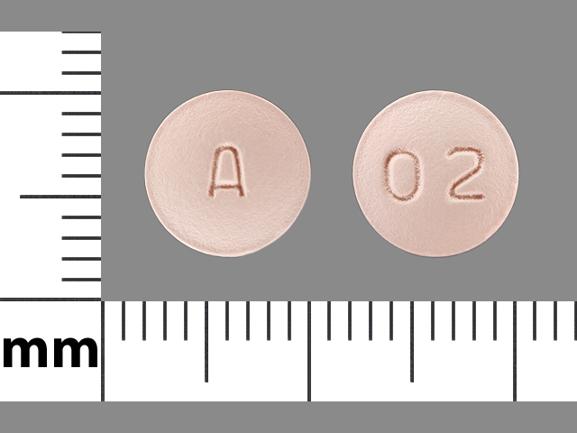
Simvastatin and Alcohol/Food Interactions
There are 2 alcohol/food/lifestyle interactions with simvastatin.
Simvastatin Alcohol (Ethanol)
Moderate Drug Interaction
Simvastatin may cause liver problems and using it with substantial quantities of ethanol may increase that risk. You should limit the use of alcohol while being treated with these medications. Call your doctor immediately if you have fever, chills, joint pain or swelling, unusual bleeding or bruising, skin rash, itching, loss of appetite, fatigue, nausea, vomiting, abdominal pain, dark urine, pale stools, and/or yellowing of the skin or eyes, as these may be signs and symptoms of liver damage. Talk to your doctor or pharmacist if you have any questions or concerns. It is important to tell your doctor about all other medications you use, including vitamins and herbs. Do not stop using any medications without first talking to your doctor.
Simvastatin Food
Major Food Interaction
Grapefruit juice can significantly increase the blood levels of simvastatin. This can increase the risk of side effects such as liver damage and a rare but serious condition called rhabdomyolysis that involves the breakdown of skeletal muscle tissue. In some cases, rhabdomyolysis can cause kidney damage and even death. You should avoid the consumption of grapefruit or grapefruit juice during treatment with simvastatin. Drinking green tea or taking green tea extracts may also increase the blood levels of simvastatin in some patients. Talk to your doctor or pharmacist if you have any questions or concerns. It may be advisable to avoid excessive consumption of green tea and green tea products while on simvastatin. Let your doctor know immediately if you have unexplained muscle pain, tenderness, or weakness during treatment, especially if these symptoms are accompanied by fever or dark colored urine. You should also seek immediate medical attention if you develop fever, chills, joint pain or swelling, unusual bleeding or bruising, skin rash, itching, loss of appetite, fatigue, nausea, vomiting, dark colored urine, and/or yellowing of the skin or eyes, as these may be signs and symptoms of liver damage. It is important to tell your doctor about all other medications you use, including vitamins and herbs. Do not stop using any medications without first talking to your doctor.
Simvastatin drug interactions
There are 317 drug interactions with simvastatin.
Simvastatin disease interactions
There are 6 disease interactions with simvastatin which include:
Report options

More about simvastatin
- simvastatin consumer information
- Check interactions
- Compare alternatives
- Pricing & coupons
- Reviews (129)
- Drug images
- Latest FDA alerts (9)
- Side effects
- Dosage information
- Patient tips
- During pregnancy
- Support group
- Drug class: statins
- Breastfeeding
- En español
Related treatment guides
Drug Interaction Classification
| Highly clinically significant. Avoid combinations; the risk of the interaction outweighs the benefit. | |
| Moderately clinically significant. Usually avoid combinations; use it only under special circumstances. | |
| Minimally clinically significant. Minimize risk; assess risk and consider an alternative drug, take steps to circumvent the interaction risk and/or institute a monitoring plan. | |
| No interaction information available. |
Further information
Always consult your healthcare provider to ensure the information displayed on this page applies to your personal circumstances.