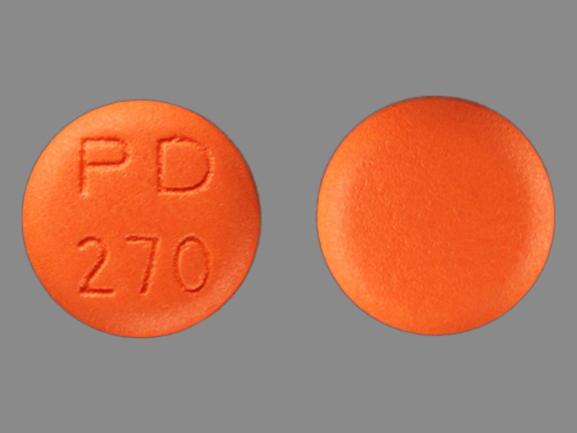
Nardil and Alcohol/Food Interactions
There is 1 alcohol/food/lifestyle interaction with Nardil (phenelzine).
Phenelzine Food
Major Food Interaction
During and within two weeks after treatment with phenelzine, you must not consume any foods or beverages that are high in tyramine content. Doing so can raise your blood pressure to dangerous levels, a condition known as hypertensive crisis. The condition is potentially fatal and may cause symptoms such as severe headache, confusion, blurred vision, problems with speech or balance, nausea, vomiting, chest pain, convulsions, and sudden numbness or weakness (especially on one side of the body). You should seek immediate medical attention if you have any of these symptoms. Foods that are high in tyramine include, but are not limited to, air dried meats; aged or fermented meats; sausage or salami; pickled herring; anchovies; liver; red wine; beer; aged cheeses, including blue, brick, brie, cheddar, parmesan, romano, and swiss; sour cream; sauerkraut; canned figs; raisins; bananas or avocados (particularly if overripe); soy beans; soy sauce; tofu; miso soup; bean curd; fava beans; or yeast extracts (such as Marmite). You should avoid the use of alcohol while being treated with phenelzine, as alcohol may increase some of the nervous system side effects such as dizziness, drowsiness, and difficulty concentrating. Also avoid activities requiring mental alertness such as driving or operating hazardous machinery until you know how the medication affects you. Talk to your doctor or pharmacist if you have any questions or concerns.
Nardil drug interactions
There are 541 drug interactions with Nardil (phenelzine).
Nardil disease interactions
There are 24 disease interactions with Nardil (phenelzine) which include:
- blood pressure
- carcinoid syndrome
- headaches
- hyperthyroidism
- liver disease
- pheochromocytoma
- renal dysfunction
- alcohol
- hypertension/CVD
- liver disease
- pheochromocytoma
- severe renal disease
- hypoglycemia
- parkinsonism
- schizophrenia/bipolar
- seizures
- angina
- bipolar disorder screening
- diabetes
- hypotension
- renal disease
- schizophrenia
- seizures
- glaucoma
Report options

More about Nardil (phenelzine)
- Nardil consumer information
- Check interactions
- Compare alternatives
- Pricing & coupons
- Reviews (121)
- Drug images
- Side effects
- Dosage information
- During pregnancy
- Generic availability
- Drug class: monoamine oxidase inhibitors
- Breastfeeding
- En español
Related treatment guides
Drug Interaction Classification
| Highly clinically significant. Avoid combinations; the risk of the interaction outweighs the benefit. | |
| Moderately clinically significant. Usually avoid combinations; use it only under special circumstances. | |
| Minimally clinically significant. Minimize risk; assess risk and consider an alternative drug, take steps to circumvent the interaction risk and/or institute a monitoring plan. | |
| No interaction information available. |
Further information
Always consult your healthcare provider to ensure the information displayed on this page applies to your personal circumstances.