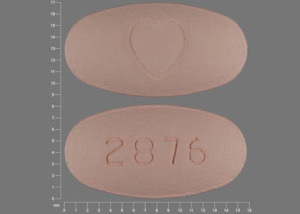
Avalide and Alcohol/Food Interactions
There are 4 alcohol/food/lifestyle interactions with Avalide (hydrochlorothiazide / irbesartan).
Hydrochlorothiazide Alcohol (Ethanol)
Moderate Drug Interaction
HydroCHLOROthiazide and ethanol may have additive effects in lowering your blood pressure. You may experience headache, dizziness, lightheadedness, fainting, and/or changes in pulse or heart rate. These side effects are most likely to be seen at the beginning of treatment, following a dose increase, or when treatment is restarted after an interruption. Let your doctor know if you develop these symptoms and they do not go away after a few days or they become troublesome. Avoid driving or operating hazardous machinery until you know how the medications affect you, and use caution when getting up from a sitting or lying position. It is important to tell your doctor about all other medications you use, including vitamins and herbs. Do not stop using any medications without first talking to your doctor.
Alcohol (Ethanol) Irbesartan
Moderate Drug Interaction
Irbesartan and ethanol may have additive effects in lowering your blood pressure. You may experience headache, dizziness, lightheadedness, fainting, and/or changes in pulse or heart rate. These side effects are most likely to be seen at the beginning of treatment, following a dose increase, or when treatment is restarted after an interruption. Let your doctor know if you develop these symptoms and they do not go away after a few days or they become troublesome. Avoid driving or operating hazardous machinery until you know how the medications affect you, and use caution when getting up from a sitting or lying position. It is important to tell your doctor about all other medications you use, including vitamins and herbs. Do not stop using any medications without first talking to your doctor.
Irbesartan Food
Moderate Food Interaction
Consumer information for this interaction is not currently available.
GENERALLY AVOID: Moderate-to-high dietary intake of potassium, especially salt substitutes, may increase the risk of hyperkalemia in some patients who are using angiotensin II receptor blockers (ARBs). ARBs can promote hyperkalemia through inhibition of angiotensin II-induced aldosterone secretion. Patients with diabetes, heart failure, dehydration, or renal insufficiency have a greater risk of developing hyperkalemia.
MANAGEMENT: Patients should receive dietary counseling and be advised to not use potassium-containing salt substitutes or over-the-counter potassium supplements without consulting their physician. If salt substitutes are used concurrently, regular monitoring of serum potassium levels is recommended. Patients should also be advised to seek medical attention if they experience symptoms of hyperkalemia such as weakness, irregular heartbeat, confusion, tingling of the extremities, or feelings of heaviness in the legs.
References
- (2001) "Product Information. Cozaar (losartan)." Merck & Co., Inc
- (2001) "Product Information. Diovan (valsartan)." Novartis Pharmaceuticals
Hydrochlorothiazide High Cholesterol (Hyperlipoproteinemia, Hypertriglyceridemia, Sitosterolemia)
Moderate Potential Hazard, Moderate plausibility
thiazides - hyperlipidemia
Thiazide diuretics may increase serum triglyceride and cholesterol levels, primarily LDL and VLDL. Whether these effects are dose-related and sustained during chronic therapy are unknown. Patients with preexisting hyperlipidemia may require closer monitoring during thiazide therapy, and adjustments made accordingly in their lipid-lowering regimen
References
- Pollare T, Lithell H, Berne C (1989) "A comparison of the effects of hydrochlorothiazide and captopril on glucose and lipid metabolism in patients with hypertension." N Engl J Med, 321, p. 868-73
- Ames RP, Hill P (1976) "Increase in serum-lipids during treatment of hypertension with chlorthalidone." Lancet, 1, p. 721-3
- Fager G, Berglund G, Bondjers G, Elmfeldt D, Lager I, Olofsson SO, Smith U, Wiklund O (1983) "Effects of anti-hypertensive therapy on serum lipoproteins. Treatment with metoprolol, propranolol and hydrochlorothiazide." Artery, 11, p. 283-96
- Beling S, Vukovich RA, Neiss ES, Zisblatt M, Webb E, Losi M (1983) "Long-term experience with indapamide." Am Heart J, 106, p. 258-62
- Slotkoff L (1983) "Clinical efficacy and safety of indapamide in the treatment of edema." Am Heart J, 106, p. 233-7
- (2002) "Product Information. HydroDIURIL (hydrochlorothiazide)." Merck & Co., Inc
- (2002) "Product Information. Lozol (indapamide)." Rhone Poulenc Rorer
- Luther RR, Glassman HN, Estep CB, Maurath CJ, Jordan DC (1989) "The effects of terazosin and methyclothiazide on blood pressure and serum lipids." Am Heart J, 117, p. 842-7
- (2001) "Product Information. Zaroxolyn (metolazone)." Rhone Poulenc Rorer
- (2001) "Product Information. Thalitone (chlorthalidone)." Monarch Pharmaceuticals Inc
- (2001) "Product Information. Diuril (chlorothiazide)." Merck & Co., Inc
- Smith WM (1979) "Diuretics and cholesterol elevation." JAMA, 242, p. 1612
- (2001) "Product Information. Enduron (methyclothiazide)." Abbott Pharmaceutical
- (2001) "Product Information. Metahydrin (trichlormethiazide)." Hoechst Marion Roussel
- (2001) "Product Information. Diucardin (hydroflumethiazide)." Wyeth-Ayerst Laboratories
- Elmfeldt D, Berglund G, Wedel H, Wilhelmsen L (1983) "Incidence and importance of metabolic side-effects during antihypertensive therapy." Acta Med Scand Suppl, 672, p. 79-83
- Winchester JF, Kellett RJ, Boddy K, Boyle P, Dargie HJ, Mahaffey ME, Ward DM, Kennedy AC (1980) "Metolazone and bendroflumethiazide in hypertension: physiologic and metabolic observations." Clin Pharmacol Ther, 28, p. 611-8
- Petri M, Cumber P, Grimes L, Treby D, Bryant R, Rawlins D, Ising H (1986) "The metabolic effects of thiazide therapy in the elderly: a population study." Age Ageing, 15, p. 151-5
- "Product Information. Renese-R (reserpine-polythiazide)." Pfizer US Pharmaceuticals, New York, NY.
- Kasiske BL, Ma JZ, Kalil RS, Louis TA (1995) "Effects of antihypertensive therapy on serum lipids." Ann Intern Med, 122, p. 133-41
- Freis ED (1995) "The efficacy and safety of diuretics in treating hypertension." Ann Intern Med, 122, p. 223-6
- Ames RP (1996) "A comparison of blood lipid and blood pressure responses during the treatment of systemic hypertension with indapamide and with thiazides." Am J Cardiol, 77, b12-6
Avalide drug interactions
There are 523 drug interactions with Avalide (hydrochlorothiazide / irbesartan).
Avalide disease interactions
There are 19 disease interactions with Avalide (hydrochlorothiazide / irbesartan) which include:
- diabetes
- angioedema
- hypotension
- anuria
- electrolyte losses
- liver disease
- lupus erythematosus
- renal function disorders
- CHF
- hyperkalemia
- renal artery stenosis
- renal impairment
- renal/liver disease
- asthma
- diabetes
- hyperlipidemia
- hyperparathyroidism
- hyperuricemia
- thyroid function tests
Report options

More about Avalide (hydrochlorothiazide / irbesartan)
- Avalide consumer information
- Check interactions
- Compare alternatives
- Pricing & coupons
- Reviews (5)
- Drug images
- Latest FDA alerts (4)
- Side effects
- Dosage information
- During pregnancy
- Generic availability
- Drug class: angiotensin II inhibitors with thiazides
- En español
Related treatment guides
Drug Interaction Classification
| Highly clinically significant. Avoid combinations; the risk of the interaction outweighs the benefit. | |
| Moderately clinically significant. Usually avoid combinations; use it only under special circumstances. | |
| Minimally clinically significant. Minimize risk; assess risk and consider an alternative drug, take steps to circumvent the interaction risk and/or institute a monitoring plan. | |
| No interaction information available. |
Further information
Always consult your healthcare provider to ensure the information displayed on this page applies to your personal circumstances.