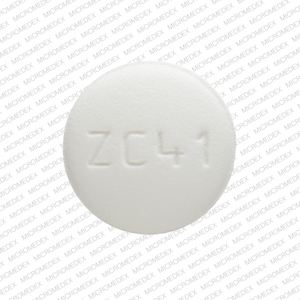
Carvedilol and Alcohol/Food Interactions
There are 3 alcohol/food/lifestyle interactions with carvedilol.
Alcohol (Ethanol) Carvedilol
Moderate Drug Interaction
Carvedilol and ethanol may have additive effects in lowering your blood pressure. You may experience headache, dizziness, lightheadedness, fainting, and/or changes in pulse or heart rate. These side effects are most likely to be seen at the beginning of treatment, following a dose increase, or when treatment is restarted after an interruption. Let your doctor know if you develop these symptoms and they do not go away after a few days or they become troublesome. Avoid driving or operating hazardous machinery until you know how the medications affect you, and use caution when getting up from a sitting or lying position. It is important to tell your doctor about all other medications you use, including vitamins and herbs. Do not stop using any medications without first talking to your doctor.
Multivitamins With Minerals Carvedilol
Moderate Drug Interaction
Using carvedilol together with multivitamin with minerals may decrease the effects of carvedilol. Separate the administration times of carvedilol and multivitamin with minerals by at least 2 hours. If your doctor does prescribe these medications together, you may need a dose adjustment or special test to safely use both medications. It is important to tell your doctor about all other medications you use, including vitamins and herbs. Do not stop using any medications without first talking to your doctor.
Carvedilol High Cholesterol (Hyperlipoproteinemia, Hypertriglyceridemia, Sitosterolemia)
Moderate Potential Hazard, Moderate plausibility
beta-blockers - hyperlipidemia
Beta-adrenergic receptor blocking agents (aka beta-blockers) may alter serum lipid profiles. Increases in serum VLDL and LDL cholesterol and triglycerides, as well as decreases in HDL cholesterol, have been reported with some beta-blockers. Patients with preexisting hyperlipidemia may require closer monitoring during beta-blocker therapy, and adjustments made accordingly in their lipid-lowering regimen.
Carvedilol drug interactions
There are 547 drug interactions with carvedilol.
Carvedilol disease interactions
There are 20 disease interactions with carvedilol which include:
- bradyarrhythmia/AV block
- cardiogenic shock/hypotension
- hemodialysis
- hypersensitivity
- ischemic heart disease
- PVD
- liver disease
- peripheral vascular disease
- severe hepatic impairment
- asthma/COPD
- cerebrovascular insufficiency
- glaucoma
- hyperlipidemia
- hyperthyroidism
- myasthenia gravis
- pheochromocytoma
- psoriasis
- tachycardia
- renal dysfunction
- Prinzmetal's variant angina
Report options

More about carvedilol
- carvedilol consumer information
- Check interactions
- Compare alternatives
- Pricing & coupons
- Reviews (198)
- Drug images
- Side effects
- Dosage information
- Patient tips
- During pregnancy
- Support group
- Drug class: non-cardioselective beta blockers
- Breastfeeding
- En español
Related treatment guides
Drug Interaction Classification
| Highly clinically significant. Avoid combinations; the risk of the interaction outweighs the benefit. | |
| Moderately clinically significant. Usually avoid combinations; use it only under special circumstances. | |
| Minimally clinically significant. Minimize risk; assess risk and consider an alternative drug, take steps to circumvent the interaction risk and/or institute a monitoring plan. | |
| No interaction information available. |
Further information
Always consult your healthcare provider to ensure the information displayed on this page applies to your personal circumstances.