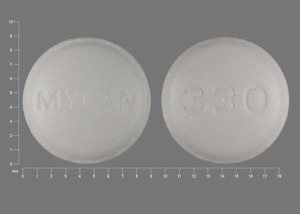
Amitriptyline/perphenazine and Alcohol/Food Interactions
There are 3 alcohol/food/lifestyle interactions with amitriptyline / perphenazine.
Amitriptyline Alcohol (Ethanol)
Moderate Drug Interaction
Before taking amitriptyline, tell your doctor if you also use perphenazine. You may need dose adjustments or special tests in order to safely take both medications together. This combination should be used with caution, particularly in the elderly. You should notify your doctor promptly if you have signs of bladder problems, dry mouth, stomach pain, fever, blurred vision, confusion, dizziness, or reduced heart rate. You should avoid driving until you know how these medications will affect you. It is important to tell your doctor about all other medications you use, including vitamins and herbs. Do not stop using your medications without first talking to your doctor.
Amitriptyline Alcohol (Ethanol)
Moderate Drug Interaction
Ask your doctor before using amitriptyline together with ethanol, this can alter the effects of amitriptyline and cause increased side effects. Call the doctor if you experience uneven heartbeats, extreme drowsiness, confusion, agitation, vomiting, blurred vision, sweating, muscle stiffness, feeling light-headed, and seizures. You should be warned not to exceed recommended dosages, to avoid alcohol, and to avoid activities requiring mental alertness. If your doctor prescribes these medications together, you may need a dose adjustment to safely take this combination. It is important to tell your doctor about all other medications you use, including vitamins and herbs. Do not stop using any medications without first talking to your doctor.
Perphenazine Alcohol (Ethanol)
Moderate Drug Interaction
Ask your doctor before using perphenazine together with ethanol. This can cause uncontrollable movements, agitation, seizures, severe dizziness or fainting, coma, very deep sleep, irregular heartbeats, and high or low body temperature. Use caution when driving, operating machinery, or performing other hazardous activities, these medicaions may cause dizziness or drowsiness. If you experience dizziness or drowsiness, avoid these activities. It is important to tell your doctor about all other medications you use, including vitamins and herbs. Do not stop using any medications without first talking to your doctor.
Amitriptyline/perphenazine drug interactions
There are 782 drug interactions with amitriptyline / perphenazine.
Amitriptyline/perphenazine disease interactions
There are 36 disease interactions with amitriptyline / perphenazine which include:
- dementia
- liver damage
- acute alcohol intoxication
- cardiovascular disease
- CNS depression
- head injury
- anticholinergic effects
- cardiovascular disease
- pheochromocytoma
- acute myocardial infarction recovery
- cardiovascular disease
- seizure disorders
- anticholinergic effects
- breast cancer
- dystonic reactions
- hematologic toxicity
- NMS
- parkinsonism
- renal dysfunction
- respiratory disorders
- seizure disorders
- tardive dyskinesia
- bone marrow suppression
- diabetes
- renal/liver disease
- schizophrenia/bipolar disorder
- tardive dyskinesia
- acute alcohol intoxication
- bipolar disorder screening
- glaucoma
- hyper/hypoglycemia
- liver/renal disease
- neutropenia
- schizophrenia
- thyroid disorders
- urinary retention
Report options

More about amitriptyline / perphenazine
- amitriptyline/perphenazine consumer information
- Check interactions
- Compare alternatives
- Pricing & coupons
- Reviews (13)
- Drug images
- Side effects
- Dosage information
- During pregnancy
- Drug class: psychotherapeutic combinations
- En español
Related treatment guides
Drug Interaction Classification
| Highly clinically significant. Avoid combinations; the risk of the interaction outweighs the benefit. | |
| Moderately clinically significant. Usually avoid combinations; use it only under special circumstances. | |
| Minimally clinically significant. Minimize risk; assess risk and consider an alternative drug, take steps to circumvent the interaction risk and/or institute a monitoring plan. | |
| No interaction information available. |
Further information
Always consult your healthcare provider to ensure the information displayed on this page applies to your personal circumstances.