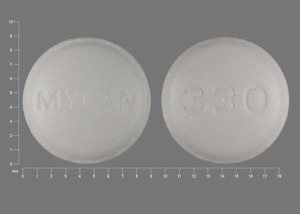
Amitriptyline/perphenazine Disease Interactions
There are 36 disease interactions with amitriptyline / perphenazine.
- Dementia
- Liver damage
- Acute alcohol intoxication
- Cardiovascular disease
- CNS depression
- Head injury
- Anticholinergic effects
- Cardiovascular disease
- Pheochromocytoma
- Acute myocardial infarction recovery
- Cardiovascular disease
- Seizure disorders
- Anticholinergic effects
- Breast cancer
- Dystonic reactions
- Hematologic toxicity
- NMS
- Parkinsonism
- Renal dysfunction
- Respiratory disorders
- Seizure disorders
- Tardive dyskinesia
- Bone marrow suppression
- Diabetes
- Renal/liver disease
- Schizophrenia/bipolar disorder
- Tardive dyskinesia
- Acute alcohol intoxication
- Bipolar disorder screening
- Glaucoma
- Hyper/hypoglycemia
- Liver/renal disease
- Neutropenia
- Schizophrenia
- Thyroid disorders
- Urinary retention
Atypical antipsychotic agents (applies to amitriptyline/perphenazine) dementia
Major Potential Hazard, High plausibility.
Older patients with dementia-related psychosis treated with antipsychotic drugs are at an increased risk of death; although the causes were varied, most of the deaths appeared to be either cardiovascular (e.g., heart failure, sudden death) or infectious (e.g., pneumonia) in nature. A causal relationship with antipsychotic use has not been established. In controlled trials in older patients with dementia-related psychosis, patients randomized to risperidone, aripiprazole, and olanzapine had higher incidence of cerebrovascular adverse events (e.g., stroke, transient ischemic attack), including fatalities, compared to patients treated with placebo. These agents are not approved for the treatment of patients with dementia-related psychosis.
References
- (2001) "Product Information. Clozaril (clozapine)." Novartis Pharmaceuticals
- (2001) "Product Information. Risperdal (risperidone)." Janssen Pharmaceuticals
- (2001) "Product Information. Zyprexa (olanzapine)." Lilly, Eli and Company
- (2001) "Product Information. Seroquel (quetiapine)." Astra-Zeneca Pharmaceuticals
- (2001) "Product Information. Geodon (ziprasidone)." Pfizer U.S. Pharmaceuticals
- (2002) "Product Information. Abilify (aripiprazole)." Bristol-Myers Squibb
- (2007) "Product Information. Invega (paliperidone)." Janssen Pharmaceuticals
- (2009) "Product Information. Fanapt (iloperidone)." Vanda Pharmaceuticals Inc
- (2009) "Product Information. Saphris (asenapine)." Schering-Plough Corporation
- (2010) "Product Information. Latuda (lurasidone)." Sunovion Pharmaceuticals Inc
- (2015) "Product Information. Rexulti (brexpiprazole)." Otsuka American Pharmaceuticals Inc
- (2015) "Product Information. Vraylar (cariprazine)." Actavis Pharma, Inc.
- (2016) "Product Information. Nuplazid (pimavanserin)." Accelis Pharma
- (2022) "Product Information. Caplyta (lumateperone)." Intra-Cellular Therapies, Inc., SUPPL-9
Perphenazine (applies to amitriptyline/perphenazine) liver damage
Major Potential Hazard, High plausibility. Applicable conditions: Liver Disease
The manufacturer considers the use of perphenazine to be contraindicated in patients with preexisting liver damage. Phenothiazines are extensively metabolized by the liver and may accumulate in patients with hepatic impairment.
References
- (2001) "Product Information. Trilafon (perphenazine)." Schering Corporation
Phenothiazines (applies to amitriptyline/perphenazine) acute alcohol intoxication
Major Potential Hazard, High plausibility. Applicable conditions: Alcoholism
The use of phenothiazines is contraindicated in patients with acute alcohol intoxication exhibiting depressed vital signs. The central nervous system depressant effects of phenothiazines may be additive with those of alcohol. Severe respiratory depression and respiratory arrest may occur. Therapy with phenothiazines should be administered cautiously in patients who might be prone to acute alcohol intake.
References
- (2002) "Product Information. Thorazine (chlorpromazine)." SmithKline Beecham
- (2001) "Product Information. Sparine (promazine)." Wyeth-Ayerst Laboratories
- (2001) "Product Information. Phenergan (promethazine)." Wyeth-Ayerst Laboratories
- (2001) "Product Information. Prolixin (fluphenazine)." Bristol-Myers Squibb
- (2001) "Product Information. Compazine (prochlorperazine)." SmithKline Beecham
- (2001) "Product Information. Mellaril (thioridazine)." Sandoz Pharmaceuticals Corporation
- (2001) "Product Information. Serentil (mesoridazine)." Boehringer-Ingelheim
- (2001) "Product Information. Torecan (thiethylperazine)." Roxane Laboratories Inc
- (2001) "Product Information. Trilafon (perphenazine)." Schering Corporation
- (2001) "Product Information. Tacaryl (methdilazine)." Westwood Squibb Pharmaceutical Corporation
- (2001) "Product Information. Temaril (trimeprazine)." Allergan Inc
- (2001) "Product Information. Stelazine (trifluoperazine)." SmithKline Beecham
- (2001) "Product Information. Vesprin (triflupromazine)." Bristol-Myers Squibb
Phenothiazines (applies to amitriptyline/perphenazine) cardiovascular disease
Major Potential Hazard, Moderate plausibility. Applicable conditions: Cerebrovascular Insufficiency, History - Cerebrovascular Disease, History - Myocardial Infarction, Hypotension, Pheochromocytoma, Dehydration, Arrhythmias
Phenothiazines may cause hypotension (including orthostatic hypotension), reflex tachycardia, increased pulse rate, syncope, and dizziness, particularly after the first parenteral dose but rarely after the first oral dose. Low-potency agents such as chlorpromazine and thioridazine are more likely to induce these effects, which usually subside within the first couple of hours following administration. Tolerance to the hypotensive effects often develops after a few doses. Rarely, fatal cardiac arrest has occurred secondary to severe hypotension. Other reported adverse cardiovascular effects include edema, thrombosis, and ECG abnormalities such as PR and QT interval prolongation, diffuse T-wave flattening, and ST segment depression. Therapy with phenothiazines should be avoided or otherwise administered cautiously in patients with severe cardiovascular disease, pheochromocytoma, a predisposition to hypotension, or conditions that could be exacerbated by hypotension such as a history of myocardial infarction, angina, or ischemic stroke. Close monitoring of cardiovascular status, including ECG changes, is recommended at all dosages. If parenteral therapy is given, patients should be in a supine position during administration and for at least 30 to 60 minutes afterwards. Patients who experience orthostatic hypotension should be cautioned not to rise too abruptly. Occasionally, when severe, hypotension may require treatment with vasoconstrictive agents such as norepinephrine or phenylephrine. Epinephrine should not be used, however, since phenothiazines can reverse its vasopressor effects and cause a further lowering of blood pressure.
References
- Varia I, Krishnan R, Davidson J (1983) "Deep-vein thrombosis with antipsychotic drugs." Psychosomatics, 24, p. 1097-8
- Schreiber G, Belmaker R (1987) "In vivo differentiation of cardiac vagal blocking effects of chlorpromazine and haloperidol." Biol Psychiatry, 22, p. 1417-21
- Witz L, Shapiro M, Shenkman L (1987) "Chlorpromazine induced fluid retention masquerading as idiopathic oedema." Br Med J, 294, p. 807-8
- Dorson P, Crismon M (1988) "Chlorpromazine accumulation and sudden death in a patient with renal insufficiency." Drug Intell Clin Pharm, 22, p. 776-8
- Fruncillo R, Gibbons W, Vlasses P, Ferguson R (1985) "Severe hypotension associated with concurrent clonidine and antipsychotic medication." Am J Psychiatry, 142, p. 274
- Stevenson R, Blanshard C, Patterson D (1989) "Ventricular fibrillation due to lithium withdrawal: an interaction with chlorpromazine?" Postgrad Med J, 65, p. 936-8
- (2002) "Product Information. Thorazine (chlorpromazine)." SmithKline Beecham
- (2001) "Product Information. Sparine (promazine)." Wyeth-Ayerst Laboratories
- (2001) "Product Information. Phenergan (promethazine)." Wyeth-Ayerst Laboratories
- Fletcher GF, Kazamias TM (1969) "Cardiotoxic effects of Mellaril: conduction disturbances and supraventricular arrhythmias." Am Heart J, 78, p. 135-8
- Margolis J (1972) "Massive edema induced by thioridazine (Mellaril): an unusual complication." J Am Geriatr Soc, 20, p. 593-4
- Kumar BB (1975) "Letter: Acute hypotension from thioridazine." JAMA, 234, p. 1321
- Jones J, Sklar D, Dougherty J, White W (1989) "Randomized double-blind trial of intravenous prochlorperazine for the treatment of acute headache." JAMA, 261, p. 1174-6
- (2001) "Product Information. Prolixin (fluphenazine)." Bristol-Myers Squibb
- (2001) "Product Information. Compazine (prochlorperazine)." SmithKline Beecham
- (2001) "Product Information. Mellaril (thioridazine)." Sandoz Pharmaceuticals Corporation
- (2001) "Product Information. Serentil (mesoridazine)." Boehringer-Ingelheim
- (2001) "Product Information. Torecan (thiethylperazine)." Roxane Laboratories Inc
- (2001) "Product Information. Trilafon (perphenazine)." Schering Corporation
- (2001) "Product Information. Tacaryl (methdilazine)." Westwood Squibb Pharmaceutical Corporation
- (2001) "Product Information. Temaril (trimeprazine)." Allergan Inc
- (2001) "Product Information. Stelazine (trifluoperazine)." SmithKline Beecham
- (2001) "Product Information. Vesprin (triflupromazine)." Bristol-Myers Squibb
- Talbert RL, Yee GC, DiPiro JT, Matzke GR, Posey LM, Wells BG (1999) "Pharmacotherapy: A Pathophysiologic Approach" Stamford, CT: Appleton & Lange
Phenothiazines (applies to amitriptyline/perphenazine) CNS depression
Major Potential Hazard, High plausibility. Applicable conditions: Altered Consciousness, Respiratory Arrest
The use of phenothiazines is contraindicated in comatose patients and patients with severe central nervous system depression. Phenothiazines may potentiate the CNS and respiratory depression in these patients.
References
- (2002) "Product Information. Thorazine (chlorpromazine)." SmithKline Beecham
- (2001) "Product Information. Sparine (promazine)." Wyeth-Ayerst Laboratories
- (2001) "Product Information. Phenergan (promethazine)." Wyeth-Ayerst Laboratories
- (2001) "Product Information. Prolixin (fluphenazine)." Bristol-Myers Squibb
- (2001) "Product Information. Compazine (prochlorperazine)." SmithKline Beecham
- (2001) "Product Information. Mellaril (thioridazine)." Sandoz Pharmaceuticals Corporation
- (2001) "Product Information. Serentil (mesoridazine)." Boehringer-Ingelheim
- (2001) "Product Information. Torecan (thiethylperazine)." Roxane Laboratories Inc
- (2001) "Product Information. Trilafon (perphenazine)." Schering Corporation
- (2001) "Product Information. Tacaryl (methdilazine)." Westwood Squibb Pharmaceutical Corporation
- (2001) "Product Information. Temaril (trimeprazine)." Allergan Inc
- (2001) "Product Information. Stelazine (trifluoperazine)." SmithKline Beecham
- (2001) "Product Information. Vesprin (triflupromazine)." Bristol-Myers Squibb
Phenothiazines (applies to amitriptyline/perphenazine) head injury
Major Potential Hazard, High plausibility.
The use of phenothiazines is contraindicated in patients with suspected or established subcortical brain damage, with or without hypothalamic involvement. Phenothiazines can interfere with thermoregulatory mechanisms, and a hyperthermic reaction with temperatures in excess of 104 F may occur in such patients, sometimes not until 14 to 16 hours after drug administration.
References
- (2002) "Product Information. Thorazine (chlorpromazine)." SmithKline Beecham
- (2001) "Product Information. Sparine (promazine)." Wyeth-Ayerst Laboratories
- Dilsaver SC (1988) "Effects of neuroleptics on body temperature" J Clin Psychiatry, 49, p. 78-9
- Caroff S, Rosenberg H, Gerber JC (1983) "Neuroleptic malignant syndrome and malignant hyperthermia" Lancet, 1, p. 244
- Keshavan MS, Kambhampati RK (1989) "Prolonged fever without extrapyramidal symptoms during neuroleptic treatment" J Clin Psychopharmacol, 9, p. 230-1
- (2001) "Product Information. Prolixin (fluphenazine)." Bristol-Myers Squibb
- (2001) "Product Information. Compazine (prochlorperazine)." SmithKline Beecham
- (2001) "Product Information. Mellaril (thioridazine)." Sandoz Pharmaceuticals Corporation
- (2001) "Product Information. Serentil (mesoridazine)." Boehringer-Ingelheim
- (2001) "Product Information. Torecan (thiethylperazine)." Roxane Laboratories Inc
- (2001) "Product Information. Trilafon (perphenazine)." Schering Corporation
- (2001) "Product Information. Stelazine (trifluoperazine)." SmithKline Beecham
- (2001) "Product Information. Vesprin (triflupromazine)." Bristol-Myers Squibb
TCAs (applies to amitriptyline/perphenazine) anticholinergic effects
Major Potential Hazard, High plausibility. Applicable conditions: Glaucoma/Intraocular Hypertension, Urinary Retention, Gastrointestinal Obstruction
Tricyclic and tetracyclic antidepressants (TCAs) have anticholinergic activity, to which elderly patients are particularly sensitive. Tertiary amines such as amitriptyline and trimipramine tend to exhibit greater anticholinergic effects than other agents in the class. Therapy with TCAs should be administered cautiously in patients with preexisting conditions that are likely to be exacerbated by anticholinergic activity, such as urinary retention or obstruction; angle-closure glaucoma, untreated intraocular hypertension, or uncontrolled primary open-angle glaucoma; and gastrointestinal obstructive disorders. In patients with angle-closure glaucoma, even average doses can precipitate an attack. Glaucoma should be treated and under control prior to initiation of therapy with TCAs, and intraocular pressure monitored during therapy.
References
- Remick RA, Campos PE, Misri S, Miles JE, Van Wyck, Fleet J (1982) "A comparison of the safety and efficacy of buproprion HCL and amitriptyline HCL in depressed outpatients." Prog Neuropsychopharmacol Biol Psychiatry, 6, p. 523-7
- Guy W, McEvoy JM, Ban TA, Wilson WH, Pate K (1983) "A double-blind clinical trial of mianserin versus amitriptyline: differentiation by adverse symptomatology." Pharmacotherapy, 3, p. 45-51
- Bryant SG, Fisher S, Kluge RM (1987) "Long-term versus short-term amitriptyline side effects as measured by a postmarketing surveillance system." J Clin Psychopharmacol, 7, p. 78-82
- Pedersen JH, Sorensen JL (1980) "Therapeutic effect and side effects in patients with endogenous depression treated with oral nortriptyline once a day." Neuropsychobiology, 6, p. 42-7
- Georgotas A, McCue RE, Hapworth W, et al. (1986) "Comparative efficacy and safety of MAOIs versus TCAs in treating depression in the elderly." Biol Psychiatry, 21, p. 1155-66
- Rudorfer MV, Young RC (1980) "Anticholinergic effects and plasma desipramine levels." Clin Pharmacol Ther, 28, p. 703-6
- Nelson JC, Jatlow PI, Bock J, Quinlan DM, Bowes MB (1982) "Major adverse reactions during desipramine treatment." Arch Gen Psychiatry, 39, p. 1055-61
- Remick RA, Keller FD, Buchanan RA, Gibson RE, Fleming JA (1988) "A comparison of the efficacy and safety of alprazolam and desipramine in depressed outpatients." Can J Psychiatry, 33, p. 590-4
- Ayd FJ, Jr (1984) "Long-term treatment of chronic depression: 15-year experience with doxepin HCl." J Clin Psychiatry, 45, p. 39-46
- Warnes H, Lehmann HE, Ban TA (1967) "Adynamic ileus during psychoactive medication: a report of three fatal and five severe cases." Can Med Assoc J, 96, p. 1112-3
- Gershon S (1984) "Comparative side effect profiles of trazodone and imipramine: special reference to the geriatric population." Psychopathology, 17, p. 39-50
- (2002) "Product Information. Pamelor (nortriptyline)." Sandoz Pharmaceuticals Corporation
- (2002) "Product Information. Elavil (amitriptyline)." Stuart Pharmaceuticals
- (2002) "Product Information. Norpramin (desipramine)." Hoechst Marion Roussel
- (2002) "Product Information. Sinequan (doxepin)." Roerig Division
- (2002) "Product Information. Tofranil (imipramine)." Novartis Pharmaceuticals
- Judd FK, Moore K, Norman TR, Burrows GD, Gupta RK, Parker G (1993) "A multicentre double blind trial of fluoxetine versus amitriptyline in the treatment of depressive illness." Aust N Z J Psychiatry, 27, p. 49-55
- Feighner JP, Cohn JB, Fabre LF, Jr Fieve RR, Mendels J, Shrivastava RK, Dunbar GC (1993) "A study comparing paroxetine placebo and imipramine in depressed patients." J Affect Disord, 28, p. 71-9
- Rosen J, Pollock BG, Altieri LP, Jonas EA (1993) "Treatment of nortriptyline's side effects in elderly patients: a double-blind study of bethanechol." Am J Psychiatry, 150, p. 1249-51
- Pigott TA, Pato MT, Bernstein SE, Grover GN, Hill JL, Tolliver TJ, Murphy DL (1990) "Controlled comparisons of clomipramine and fluoxetine in the treatment of obsessive-compulsive disorder. Behavioral and biological results." Arch Gen Psychiatry, 47, p. 926-32
- Guillibert E, Pelicier Y, Archambault JC, Chabannes JP, Clerc G, Desvilles M, Guibert M, Pagot R, Poisat JL, Thobie Y (1989) "A double-blind, multicentre study of paroxetine versus clomipramine in depressed elderly patients." Acta Psychiatr Scand Suppl, 350, p. 132-4
- Hermesh H, Aizenberg D, Weizman A, Lapidot M, Munitz H (1987) "Clomipramine-induced urinary dysfunction in an obsessive-compulsive adolescent." Drug Intell Clin Pharm, 21, p. 877-9
- Ananth J, Assalian P, Links PS (1982) "Intolerable side effects of clomipramine." J Clin Psychopharmacol, 2, p. 215-6
- Jenike MA, Baer L, Greist JH (1990) "Clomipramine versus fluoxetine in obsessive-compulsive disorder: a retrospective comparison of side effects and efficacy." J Clin Psychopharmacol, 10, p. 122-4
- Claghorn JL, Feighner JP (1993) "A double-blind comparison of paroxetine with imipramine in the long-term treatment of depression." J Clin Psychopharmacol, 13, S23-7
- Ritch R, Krupin T, Henry C, Kurata F (1994) "Oral imipramine and acute angle closure glaucoma." Arch Ophthalmol, 112, p. 67-8
- (2001) "Product Information. Anafranil (clomipramine)." Basel Pharmaceuticals
- (2001) "Product Information. Asendin (amoxapine)." Lederle Laboratories
- (2001) "Product Information. Ludiomil (maprotiline)." Ciba-Geigy Pharmaceuticals
- (2001) "Product Information. Surmontil (trimipramine)." Wyeth-Ayerst Laboratories
- (2001) "Product Information. Vivactil (protriptyline)." Merck & Co., Inc
- Settle EC (1998) "Antidepressant drugs: disturbing and potentially dangerous adverse effects." J Clin Psychiatry, 59 Suppl 16, p. 25-30
- Talbert RL, Yee GC, DiPiro JT, Matzke GR, Posey LM, Wells BG (1999) "Pharmacotherapy: A Pathophysiologic Approach" Stamford, CT: Appleton & Lange
TCAs (applies to amitriptyline/perphenazine) cardiovascular disease
Major Potential Hazard, High plausibility. Applicable conditions: Hyperthyroidism, Cerebrovascular Insufficiency, History - Cerebrovascular Disease, History - Myocardial Infarction, Hypotension, Dehydration, Arrhythmias
Tricyclic and tetracyclic antidepressants (TCAs) may cause orthostatic hypotension, reflex tachycardia, syncope, and dizziness, particularly during initiation of therapy or rapid escalation of dosage. Imipramine appears to have the greatest propensity to induce these effects, while secondary amines such as nortriptyline may do so less frequently. Tolerance to the hypotensive effects often develops after a few doses to a few weeks. Rarely, collapse and sudden death have occurred secondary to severe hypotension. Other reported adverse cardiovascular effects include tachycardia, arrhythmias, heart block, hypertension, thrombosis, thrombophlebitis, myocardial infarction, strokes, congestive heart failure, and ECG abnormalities such as PR and QT interval prolongation. Therapy with TCAs should be avoided during the acute recovery phase following myocardial infarction, and should be administered only with extreme caution in patients with hyperthyroidism, a history of cardiovascular or cerebrovascular disease, or a predisposition to hypotension. Close monitoring of cardiovascular status, including ECG changes, is recommended at all dosages. Many of the newer antidepressants, including bupropion and the selective serotonin reuptake inhibitors (SSRIs), are considerably less or minimally cardiotoxic and may be appropriate alternatives.
References
- Robinson DS, Nies A, Corcella J, Cooper TB, Spencer C, Kefover R (1982) "Cardiovascular effects of phenelzine and amitriptyline in depressed outpatients." J Clin Psychiatry, 43, p. 8-15
- Veith RC, Bloom V, Bielski R, Friedel RO (1982) "ECG effects of comparable plasma concentrations of desipramine and amitriptyline." J Clin Psychopharmacol, 2, p. 394-8
- Dunn FG (1982) "Malignant hypertension associated with use of amitriptyline hydrochloride." South Med J, 75, p. 1124-5
- Christensen P, Thomsen HY, Pedersen OL, et al. (1985) "Cardiovascular effects of amitriptyline in the treatment of elderly depressed patients." Psychopharmacology (Berl), 87, p. 212-5
- Pedersen JH, Sorensen JL (1980) "Therapeutic effect and side effects in patients with endogenous depression treated with oral nortriptyline once a day." Neuropsychobiology, 6, p. 42-7
- Roose SP, Glassman AH, Siris SG, Walsh BT, Bruno RL, Wright LB (1981) "Comparison of imipramine- and nortriptyline-induced orthostatic hypotension: a meaningful difference." J Clin Psychopharmacol, 1, p. 316-9
- Young RC, Alexopoulos GS, Shamoian CA, Dhar AK, Kutt H (1984) "Heart failure associated with high plasma 10-hydroxynortriptyline levels." Am J Psychiatry, 141, p. 432-3
- Georgotas A, McCue RE, Hapworth W, et al. (1986) "Comparative efficacy and safety of MAOIs versus TCAs in treating depression in the elderly." Biol Psychiatry, 21, p. 1155-66
- Gross JS, Zwerin G (1991) "Left bundle branch block developing in a patient with sub-therapeutic nortriptyline levels: a case report." J Am Geriatr Soc, 39, p. 1006-7
- Rudorfer MV, Young RC (1980) "Desipramine: cardiovascular effects and plasma levels." Am J Psychiatry, 137, p. 984-6
- Nelson JC, Jatlow PI, Bock J, Quinlan DM, Bowes MB (1982) "Major adverse reactions during desipramine treatment." Arch Gen Psychiatry, 39, p. 1055-61
- Carpenter P, Gobel FL, Hulsing DJ (1982) "Desipramine cardiac toxicity." Minn Med, 65, p. 231-4
- Luchins DJ (1983) "Review of clinical and animal studies comparing the cardiovascular effects of doxepin and other tricyclic antidepressants." Am J Psychiatry, 140, p. 1006-9
- Roose SP, Dalack GW, Glassman AH, Woodring S, Walsh BT, Giardina EG (1991) "Is doxepin a safer tricyclic for the heart?" J Clin Psychiatry, 52, p. 338-41
- Burrows GD, Vohra J, Hunt D, Sloman JG, Scoggins BA, Davies B (1976) "Cardiac effects of different tricyclic antidepressant drugs." Br J Psychiatry, 129, p. 335-41
- Linnoila M, Jobson KO, Gilliam JH, Paine RL (1982) "Effects of doxepin on blood pressure and heart rate in patients with primary major affective disorder ." J Clin Psychopharmacol, 2, p. 433-4
- Strasberg B, Coelho A, Welch W, Swiryn S, Bauernfeind R, Rosen K (1982) "Doxepin induced torsade de pointes." Pacing Clin Electrophysiol, 5, p. 873-7
- Appelbaum PS, Kapoor W (1983) "Imipramine-induced vasospasm: a case report." Am J Psychiatry, 140, p. 913-5
- Kantor SJ, Glassman AH, Bigger JT, Jr Perel JM, Giardina EV (1978) "The cardiac effects of therapeutic plasma concentrations of imipramine." Am J Psychiatry, 135, p. 534-8
- Ramanathan KB, Davidson C (1975) "Cardiac arrhythmia and imipramine therapy." Br Med J, 1, p. 661-2
- (2002) "Product Information. Pamelor (nortriptyline)." Sandoz Pharmaceuticals Corporation
- (2002) "Product Information. Elavil (amitriptyline)." Stuart Pharmaceuticals
- (2002) "Product Information. Norpramin (desipramine)." Hoechst Marion Roussel
- (2002) "Product Information. Sinequan (doxepin)." Roerig Division
- (2002) "Product Information. Tofranil (imipramine)." Novartis Pharmaceuticals
- Bluhm RE, Wilkinson GR, Shelton R, Branch RA (1993) "Genetically determined drug-metabolizing activity and desipramine- associated cardiotoxicity: a case report." Clin Pharmacol Ther, 53, p. 89-95
- Laird LK, Lydiard RB, Morton WA, Steele TE, Kellner C, Thompson NM, Ballenger JC (1993) "Cardiovascular effects of imipramine, fluvoxamine, and placebo in depressed outpatients." J Clin Psychiatry, 54, p. 224-8
- Feighner JP, Cohn JB, Fabre LF, Jr Fieve RR, Mendels J, Shrivastava RK, Dunbar GC (1993) "A study comparing paroxetine placebo and imipramine in depressed patients." J Affect Disord, 28, p. 71-9
- Van Sweden B (1988) "Rebound antidepressant cardiac arrhythmia." Biol Psychiatry, 24, p. 363-4
- Faravelli C, Brat A, Marchetti G, Franchi F, Padeletti L, Michelucci A, Pastorino A (1983) "Cardiac effects of clomipramine treatment. ECG and left ventricular systolic time intervals." Neuropsychobiology, 9, p. 113-8
- (2001) "Product Information. Anafranil (clomipramine)." Basel Pharmaceuticals
- Roos JC (1983) "Cardiac effects of antidepressant drugs. A comparison of the tricyclic antidepressants and fluvoxamine." Br J Clin Pharmacol, 15 Suppl 3, s439-45
- (2001) "Product Information. Asendin (amoxapine)." Lederle Laboratories
- (2001) "Product Information. Ludiomil (maprotiline)." Ciba-Geigy Pharmaceuticals
- (2001) "Product Information. Surmontil (trimipramine)." Wyeth-Ayerst Laboratories
- (2001) "Product Information. Vivactil (protriptyline)." Merck & Co., Inc
- Settle EC (1998) "Antidepressant drugs: disturbing and potentially dangerous adverse effects." J Clin Psychiatry, 59 Suppl 16, p. 25-30
- Talbert RL, Yee GC, DiPiro JT, Matzke GR, Posey LM, Wells BG (1999) "Pharmacotherapy: A Pathophysiologic Approach" Stamford, CT: Appleton & Lange
- Upward JW, Edwards JG, Goldie A, Waller DG (1988) "Comparative effects of fluoxetine and amitriptyline on cardiac function." Br J Clin Pharmacol, 26, p. 399-402
TCAs (applies to amitriptyline/perphenazine) pheochromocytoma
Major Potential Hazard, Moderate plausibility.
Tricyclic and tetracyclic antidepressants (TCAs) may potentiate the effects of circulating catecholamines. Enhanced sympathetic activity can provoke hypertensive crises in patients with pheochromocytoma or other tumors of the adrenal medulla, such as some neuroblastomas. Therapy with TCAs should be administered cautiously in patients with these tumors.
References
- (2002) "Product Information. Pamelor (nortriptyline)." Sandoz Pharmaceuticals Corporation
- (2002) "Product Information. Elavil (amitriptyline)." Stuart Pharmaceuticals
- (2002) "Product Information. Norpramin (desipramine)." Hoechst Marion Roussel
- (2002) "Product Information. Sinequan (doxepin)." Roerig Division
- (2002) "Product Information. Tofranil (imipramine)." Novartis Pharmaceuticals
- (2001) "Product Information. Anafranil (clomipramine)." Basel Pharmaceuticals
- (2001) "Product Information. Remeron (mirtazapine)." Organon
- (2001) "Product Information. Asendin (amoxapine)." Lederle Laboratories
- (2001) "Product Information. Ludiomil (maprotiline)." Ciba-Geigy Pharmaceuticals
- Braunwald E, Hauser SL, Kasper DL, Fauci AS, Isselbacher KJ, Longo DL, Martin JB, eds., Wilson JD (1998) "Harrison's Principles of Internal Medicine." New York, NY: McGraw-Hill Health Professionals Division
- (2001) "Product Information. Surmontil (trimipramine)." Wyeth-Ayerst Laboratories
- (2001) "Product Information. Vivactil (protriptyline)." Merck & Co., Inc
Tricyclic antidepressants (applies to amitriptyline/perphenazine) acute myocardial infarction recovery
Major Potential Hazard, Moderate plausibility.
The use of most tricyclic antidepressants is contraindicated in patients that are going through the acute recovery period after a myocardial infarction.
References
- (2002) "Product Information. Pamelor (nortriptyline)." Sandoz Pharmaceuticals Corporation
- (2002) "Product Information. Elavil (amitriptyline)." Stuart Pharmaceuticals
- (2002) "Product Information. Norpramin (desipramine)." Hoechst Marion Roussel
- (2002) "Product Information. Tofranil (imipramine)." Novartis Pharmaceuticals
- (2001) "Product Information. Anafranil (clomipramine)." Basel Pharmaceuticals
- (2001) "Product Information. Asendin (amoxapine)." Lederle Laboratories
- (2001) "Product Information. Surmontil (trimipramine)." Wyeth-Ayerst Laboratories
- (2001) "Product Information. Vivactil (protriptyline)." Merck & Co., Inc
Tricyclic antidepressants (applies to amitriptyline/perphenazine) cardiovascular disease
Major Potential Hazard, Moderate plausibility.
Tricyclic antidepressants should be used with extreme caution in patients with evidence of cardiovascular disease because of the possibility of fluctuations in the blood pressure, arrhythmias, conduction defects, tachycardia, myocardial infarction and stroke. This also applies to patients who have family history of sudden death, cardiac dysrhythmias, or conduction disturbances. In some cases a gradual dose titration is recommended.
References
- (2002) "Product Information. Pamelor (nortriptyline)." Sandoz Pharmaceuticals Corporation
- (2002) "Product Information. Elavil (amitriptyline)." Stuart Pharmaceuticals
- (2002) "Product Information. Norpramin (desipramine)." Hoechst Marion Roussel
- (2002) "Product Information. Tofranil (imipramine)." Novartis Pharmaceuticals
- (2001) "Product Information. Anafranil (clomipramine)." Basel Pharmaceuticals
- (2001) "Product Information. Asendin (amoxapine)." Lederle Laboratories
- (2001) "Product Information. Surmontil (trimipramine)." Wyeth-Ayerst Laboratories
- (2001) "Product Information. Vivactil (protriptyline)." Merck & Co., Inc
Tricyclic antidepressants (applies to amitriptyline/perphenazine) seizure disorders
Major Potential Hazard, Moderate plausibility. Applicable conditions: Alcoholism, CNS Disorder
Tricyclic antidepressants (TCAs), can lower the seizure threshold and trigger seizures. These drugs should be used with extreme caution in patients with a history of seizures, or other predisposing factors, such as head trauma, CNS abnormalities, and alcoholism. Daily dose restrictions might apply for specific antidepressants. Physicians are encouraged to get additional dosing recommendations on the manufacturer's prescribing information.
References
- (2002) "Product Information. Pamelor (nortriptyline)." Sandoz Pharmaceuticals Corporation
- (2002) "Product Information. Elavil (amitriptyline)." Stuart Pharmaceuticals
- (2002) "Product Information. Norpramin (desipramine)." Hoechst Marion Roussel
- (2002) "Product Information. Tofranil (imipramine)." Novartis Pharmaceuticals
- (2001) "Product Information. Anafranil (clomipramine)." Basel Pharmaceuticals
- (2001) "Product Information. Asendin (amoxapine)." Lederle Laboratories
- (2001) "Product Information. Surmontil (trimipramine)." Wyeth-Ayerst Laboratories
- (2001) "Product Information. Vivactil (protriptyline)." Merck & Co., Inc
- Settle EC (1998) "Antidepressant drugs: disturbing and potentially dangerous adverse effects." J Clin Psychiatry, 59 Suppl 16, p. 25-30
Phenothiazines (applies to amitriptyline/perphenazine) anticholinergic effects
Moderate Potential Hazard, Moderate plausibility. Applicable conditions: Gastrointestinal Obstruction, Glaucoma/Intraocular Hypertension, Urinary Retention
Phenothiazines have anticholinergic activity, to which elderly patients are particularly sensitive. Low-potency agents such as chlorpromazine and thioridazine tend to exhibit greater anticholinergic effects than other agents in the class. Therapy with phenothiazines should be administered cautiously in patients with preexisting conditions that are likely to be exacerbated by anticholinergic activity, such as urinary retention or obstruction; angle-closure glaucoma, untreated intraocular hypertension, or uncontrolled primary open-angle glaucoma; and gastrointestinal obstructive disorders.
References
- (2002) "Product Information. Thorazine (chlorpromazine)." SmithKline Beecham
- (2001) "Product Information. Sparine (promazine)." Wyeth-Ayerst Laboratories
- (2001) "Product Information. Prolixin (fluphenazine)." Bristol-Myers Squibb
- (2001) "Product Information. Compazine (prochlorperazine)." SmithKline Beecham
- (2001) "Product Information. Mellaril (thioridazine)." Sandoz Pharmaceuticals Corporation
- (2001) "Product Information. Serentil (mesoridazine)." Boehringer-Ingelheim
- (2001) "Product Information. Torecan (thiethylperazine)." Roxane Laboratories Inc
- (2001) "Product Information. Trilafon (perphenazine)." Schering Corporation
- (2001) "Product Information. Stelazine (trifluoperazine)." SmithKline Beecham
- (2001) "Product Information. Vesprin (triflupromazine)." Bristol-Myers Squibb
- Talbert RL, Yee GC, DiPiro JT, Matzke GR, Posey LM, Wells BG (1999) "Pharmacotherapy: A Pathophysiologic Approach" Stamford, CT: Appleton & Lange
Phenothiazines (applies to amitriptyline/perphenazine) breast cancer
Moderate Potential Hazard, Moderate plausibility.
The chronic use of phenothiazines is associated with persistent elevations in prolactin levels. Based on in vitro data, approximately one-third of human breast cancers are thought to be prolactin-dependent. The clinical significance of this observation is unknown. Chronic administration of neuroleptic drugs has been associated with mammary tumorigenesis in rodent studies but not in human clinical or epidemiologic studies. Therapy with phenothiazines should be administered cautiously in patients with existing or suspected malignancy of the breast.
References
- Ash PR, Bouma D (1981) "Exaggerated hyperprolactinemia in response to thiothixene ." Arch Neurol, 38, p. 534-5
- Ristic PI, Ory SJ, Lurain JR (1986) "Endometrial adenocarcinoma associated with drug-induced hyperprolactinemia." Obstet Gynecol, 67, s86-8
- (2002) "Product Information. Thorazine (chlorpromazine)." SmithKline Beecham
- (2001) "Product Information. Sparine (promazine)." Wyeth-Ayerst Laboratories
- Kane JM (1985) "Antipsychotic drug side effects: their relationship to dose." J Clin Psychiatry, 46, p. 16-21
- Gift T, Plum K, Price M (1985) "Depot fluphenazine and plasma prolactin." Prog Neuropsychopharmacol Biol Psychiatry, 9, p. 407-12
- (2001) "Product Information. Prolixin (fluphenazine)." Bristol-Myers Squibb
- (2001) "Product Information. Compazine (prochlorperazine)." SmithKline Beecham
- (2001) "Product Information. Mellaril (thioridazine)." Sandoz Pharmaceuticals Corporation
- (2001) "Product Information. Serentil (mesoridazine)." Boehringer-Ingelheim
- (2001) "Product Information. Torecan (thiethylperazine)." Roxane Laboratories Inc
- (2001) "Product Information. Trilafon (perphenazine)." Schering Corporation
- (2001) "Product Information. Tacaryl (methdilazine)." Westwood Squibb Pharmaceutical Corporation
- (2001) "Product Information. Temaril (trimeprazine)." Allergan Inc
- (2001) "Product Information. Stelazine (trifluoperazine)." SmithKline Beecham
- (2001) "Product Information. Vesprin (triflupromazine)." Bristol-Myers Squibb
Phenothiazines (applies to amitriptyline/perphenazine) dystonic reactions
Moderate Potential Hazard, Moderate plausibility. Applicable conditions: Dehydration, Hypocalcemia
Phenothiazines may cause acute, dose-related dystonic reactions secondary to central dopaminergic blockade. These reactions are characterized by spastic contraction of discrete muscle groups and may include torticollis, opisthotonos, carpopedal spasm, trismus, difficulty swallowing, perioral spasms with protrusion of the tongue, and oculogyric crisis. Onset is usually within 24 to 96 hours following initiation of therapy or an increase in dosage. Risk factors include young age, male gender, use of high-potency agents (e.g., fluphenazine, perphenazine, trifluoperazine), high dosages, and IM administration. Therapy with phenothiazines should be administered cautiously in patients, particularly children, with hypocalcemia or severe dehydration, since these patients may be more susceptible to dystonic reactions. Most symptoms subside within a few hours and are almost always reversible within 24 to 48 hours following withdrawal of therapy. However, severe reactions such as laryngospasm may be life-threatening and require appropriate supportive therapy. Parenteral administration of an anticholinergic antiparkinsonian agent (e.g., benztropine, trihexyphenidyl) or diphenhydramine usually produces a prompt response and may be given orally for short-term maintenance to prevent recurrence of symptoms if phenothiazine therapy must be continued.
References
- Wood G, Waters A (1980) "Prolonged dystonic reaction to chlorpromazine in myxoedema coma." Postgrad Med J, 56, p. 192-3
- Nahata MC, Clotz MA, Krogg EA (1985) "Adverse effects of meperidine, promethazine, and chlorpromazine for sedation in pediatric patients." Clin Pediatr (Phila), 24, p. 558-60
- Schwinghammer TL, Kroboth FJ, Juhl RP (1984) "Extrapyramidal reaction secondary to oral promethazine." Clin Pharm, 3, p. 83-5
- Marcotte DB (1973) "Neuroleptics and neurologic reactions." South Med J, 66, p. 321-4
- (2002) "Product Information. Thorazine (chlorpromazine)." SmithKline Beecham
- (2001) "Product Information. Sparine (promazine)." Wyeth-Ayerst Laboratories
- (2001) "Product Information. Phenergan (promethazine)." Wyeth-Ayerst Laboratories
- Idzorek S (1976) "Antiparkinsonian agents and fluphenazine decanoate." Am J Psychiatry, 133, p. 80-2
- Bailie GR, Nelson MV, Krenzelok EP, Lesar T (1987) "Unusual treatment response of a severe dystonia to diphenhydramine." Ann Emerg Med, 16, p. 705-8
- West D (1970) "Dangers of fluphenazine." Br J Psychiatry, 117, p. 718-9
- Curson DA, Barnes TR, Bamber RW, Platt SD, Hirsch SR, Duffy JC (1985) "Long-term depot maintenance of chronic schizophrenic out-patients: the seven year follow-up of the Medical Research Council fluphenazine/placebo trial. II. The incidence of compliance problems,side-effects, neurotic symptoms and depression" Br J Psychiatry, 146, p. 469-74
- Singh H, Levinson DF, Simpson GM, Lo ES, Friedman E (1990) "Acute dystonia during fixed-dose neuroleptic treatment." J Clin Psychopharmacol, 10, p. 389-96
- Oyewumi LK, Lapierre YD, Gray R, Batth S, Gelfand R (1983) "Abnormal involuntary movements in patients on long-acting neuroleptics." Prog Neuropsychopharmacol Biol Psychiatry, 7, p. 719-23
- Reecer MV, Clinchot DM, Tipton DB (1993) "Drug-induced dystonia in a patient with C4 quadriplegia. Case report." Am J Phys Med Rehabil, 72, p. 97-8
- Sheppard C, Merlis S (1967) "Drug-induced extrapyramidal symptoms: their incidence and treatment." Am J Psychiatry, 123, p. 886-9
- Lamont S (1972) "Acute reactions to phenothiazine derivatives." Br J Anaesth, 44, p. 539-40
- Schumock GT, Martinez E (1991) "Acute oculogyric crisis after administration of prochlorperazine." South Med J, 84, p. 407-8
- Baker FM, Cook P (1981) "Compazine complications: a review." J Natl Med Assoc, 73, p. 409-12
- Boston Collaborative Drug Surveillance Program (1973) "Drug-induced extrapyramidal symptoms." JAMA, 224, p. 889-91
- (2001) "Product Information. Prolixin (fluphenazine)." Bristol-Myers Squibb
- (2001) "Product Information. Compazine (prochlorperazine)." SmithKline Beecham
- (2001) "Product Information. Mellaril (thioridazine)." Sandoz Pharmaceuticals Corporation
- Harries JR (1967) "Oculogyric crises due to phenothiazines." Br Med J, 3, p. 241
- (2001) "Product Information. Serentil (mesoridazine)." Boehringer-Ingelheim
- (2001) "Product Information. Torecan (thiethylperazine)." Roxane Laboratories Inc
- (2001) "Product Information. Trilafon (perphenazine)." Schering Corporation
- (2001) "Product Information. Tacaryl (methdilazine)." Westwood Squibb Pharmaceutical Corporation
- (2001) "Product Information. Temaril (trimeprazine)." Allergan Inc
- (2001) "Product Information. Stelazine (trifluoperazine)." SmithKline Beecham
- (2001) "Product Information. Vesprin (triflupromazine)." Bristol-Myers Squibb
- Talbert RL, Yee GC, DiPiro JT, Matzke GR, Posey LM, Wells BG (1999) "Pharmacotherapy: A Pathophysiologic Approach" Stamford, CT: Appleton & Lange
Phenothiazines (applies to amitriptyline/perphenazine) hematologic toxicity
Moderate Potential Hazard, Moderate plausibility. Applicable conditions: Bone Marrow Depression/Low Blood Counts
Phenothiazines may infrequently cause hematologic toxicity, including agranulocytosis, thrombocytopenia, eosinophilia, aplastic anemia, purpura, granulocytopenia, and hemolytic anemia. Mild leukopenia may occur frequently with large doses over prolonged periods but is generally reversible despite continued treatment. Therapy with phenothiazines should be administered cautiously, if at all, in patients with preexisting blood dyscrasias or bone marrow suppression. Complete blood counts should be obtained regularly, and patients should be instructed to immediately report any signs or symptoms suggestive of blood dyscrasia such as fever, sore throat, local infection, bleeding, pallor, dizziness, or jaundice. Most cases of agranulocytosis have occurred between the fourth and tenth weeks of therapy.
References
- Stein P, Inwood M (1980) "Hemolytic anemia associated with chlorpromazine therapy." Can J Psychiatry, 25, p. 659-61
- Holt R (1984) "Neuroleptic drug-induced changes in platelet levels." J Clin Psychopharmacol, 4, p. 130-2
- Yassa R (1985) "Agranulocytosis in the course of phenothiazine therapy." J Clin Psychiatry, 46, p. 341-3
- Zengotita H, Holt R (1986) "Neuroleptic drug-induced coagulopathy: mechanism of reaction and duration of effect." J Clin Psychiatry, 47, p. 35-7
- Aram H (1987) "Henoch-Schonlein purpura induced by chlorpromazine." J Am Acad Dermatol, 17, p. 139-40
- Young A, Kehoe R (1989) "Two cases of agranulocytosis on addition of a butyrophenone to a long-standing course of phenothiazine treatment." Br J Psychiatry, 154, p. 710-12
- Ben-Yehuda A, Bloom A, Lijhovetzky G, et al. (1990) "Chlorpromazine-induced liver and bone marrow granulomas associated with agranulocytosis." Isr J Med Sci, 26, p. 449-51
- (2002) "Product Information. Thorazine (chlorpromazine)." SmithKline Beecham
- (2001) "Product Information. Phenergan (promethazine)." Wyeth-Ayerst Laboratories
- Rosenthal DS, Stein GF, Santos JC (1967) "Thioridazine agranulocytosis." JAMA, 200, p. 81-2
- Holt RJ (1984) "Fluphenazine decanoate-induced cholestatic jaundice and thrombocytopenia." Pharmacotherapy, 4, p. 227-9
- (2001) "Product Information. Prolixin (fluphenazine)." Bristol-Myers Squibb
- (2001) "Product Information. Compazine (prochlorperazine)." SmithKline Beecham
- (2001) "Product Information. Mellaril (thioridazine)." Sandoz Pharmaceuticals Corporation
- (2001) "Product Information. Serentil (mesoridazine)." Boehringer-Ingelheim
- (2001) "Product Information. Torecan (thiethylperazine)." Roxane Laboratories Inc
- (2001) "Product Information. Trilafon (perphenazine)." Schering Corporation
- (2001) "Product Information. Tacaryl (methdilazine)." Westwood Squibb Pharmaceutical Corporation
- (2001) "Product Information. Temaril (trimeprazine)." Allergan Inc
- (2001) "Product Information. Stelazine (trifluoperazine)." SmithKline Beecham
- (2001) "Product Information. Vesprin (triflupromazine)." Bristol-Myers Squibb
Phenothiazines (applies to amitriptyline/perphenazine) NMS
Moderate Potential Hazard, Moderate plausibility. Applicable conditions: Neuroleptic Malignant Syndrome
The central dopaminergic blocking effects of phenothiazines may precipitate or aggravate a potentially fatal symptom complex known as Neuroleptic Malignant Syndrome (NMS). NMS is observed most frequently when high-potency neuroleptic agents like haloperidol or fluphenazine are administered intramuscularly but may occur with any agent possessing neuroleptic activity given for any length of time. Clinical manifestations of NMS include hyperpyrexia, muscle rigidity, altered mental status and autonomic instability (irregular pulse or blood pressure, tachycardia, diaphoresis and cardiac arrhythmias). Phenothiazine therapy should not be initiated in patients with active NMS and should be immediately discontinued if currently being administered in such patients. In patients with a history of NMS, introduction or reintroduction of phenothiazines should be carefully considered, since NMS may recur.
References
- Morris H, McCormick W, Reinarz J (1980) "Neuroleptic malignant syndrome." Arch Neurol, 37, p. 462-3
- Price W, Giannini A (1983) "A paradoxical response to chlorpromazine: a possible variant of the neuroleptic malignant syndrome." J Clin Pharmacol, 23, p. 567-9
- Tenenbein M (1985) "The neuroleptic malignant syndrome: occurrence in a 15-year-old boy and recovery with bromocriptine therapy." Pediatr Neurosci, 12, p. 161-4
- Caroff SN (1980) "The neuroleptic malignant syndrome." J Clin Psychiatry, 41, p. 79-83
- (2002) "Product Information. Thorazine (chlorpromazine)." SmithKline Beecham
- (2001) "Product Information. Sparine (promazine)." Wyeth-Ayerst Laboratories
- Zubenko G, Pope HG, Jr (1983) "Management of a case of neuroleptic malignant syndrome with bromocriptine." Am J Psychiatry, 140, p. 1619-20
- Granato JE, Stern BJ, Ringel A, Karim AH, Krumholz A, Coyle J, Adler S (1983) "Neuroleptic malignant syndrome: successful treatment with dantrolene and bromocriptine." Ann Neurol, 14, p. 89-90
- Grunhaus L, Sancovici S, Rimon R (1979) "Neuroleptic malignant syndrome due to depot fluphenazine." J Clin Psychiatry, 40, p. 99-100
- Dhib-Jalbut S, Hesselbrock R, Brott T, Silbergeld D (1983) "Treatment of the neuroleptic malignant syndrome with bromocriptine" JAMA, 250, p. 484-5
- Caroff S, Rosenberg H, Gerber JC (1983) "Neuroleptic malignant syndrome and malignant hyperthermia" Lancet, 1, p. 244
- Rampertaap MP (1986) "Neuroleptic malignant syndrome." South Med J, 79, p. 331-6
- West D (1970) "Dangers of fluphenazine." Br J Psychiatry, 117, p. 718-9
- Manser TJ, Warner JF (1990) "Neuroleptic malignant syndrome associated with prochlorperazine." South Med J, 83, p. 73-4
- (2001) "Product Information. Prolixin (fluphenazine)." Bristol-Myers Squibb
- (2001) "Product Information. Compazine (prochlorperazine)." SmithKline Beecham
- (2001) "Product Information. Mellaril (thioridazine)." Sandoz Pharmaceuticals Corporation
- (2001) "Product Information. Serentil (mesoridazine)." Boehringer-Ingelheim
- (2001) "Product Information. Torecan (thiethylperazine)." Roxane Laboratories Inc
- (2001) "Product Information. Trilafon (perphenazine)." Schering Corporation
- (2001) "Product Information. Tacaryl (methdilazine)." Westwood Squibb Pharmaceutical Corporation
- (2001) "Product Information. Temaril (trimeprazine)." Allergan Inc
- (2001) "Product Information. Stelazine (trifluoperazine)." SmithKline Beecham
- (2001) "Product Information. Vesprin (triflupromazine)." Bristol-Myers Squibb
Phenothiazines (applies to amitriptyline/perphenazine) parkinsonism
Moderate Potential Hazard, Moderate plausibility.
The use of phenothiazines is associated with pseudo-parkinsonian symptoms such as akinesia, bradykinesia, tremors, pill-rolling motion, cogwheel rigidity, and postural abnormalities including stooped posture and shuffling gait. The onset is usually 1 to 2 weeks following initiation of therapy or an increase in dosage. Propylamino derivatives such as chlorpromazine, promazine, and triflupromazine may be more likely to induce these effects. Therapy with phenothiazines should be administered cautiously in patients with Parkinson's disease or parkinsonian symptoms.
References
- Rajput A, Rozdilsky B, Hornykiewicz O, et al. (1982) "Reversible drug-induced parkinsonism." Arch Neurol, 39, p. 6446
- Mariani P (1988) "Adverse reactions to chlorpromazine in the treatment of migraine." Ann Emerg Med, 17, p. 380-1
- Schwinghammer TL, Kroboth FJ, Juhl RP (1984) "Extrapyramidal reaction secondary to oral promethazine." Clin Pharm, 3, p. 83-5
- Marcotte DB (1973) "Neuroleptics and neurologic reactions." South Med J, 66, p. 321-4
- (2002) "Product Information. Thorazine (chlorpromazine)." SmithKline Beecham
- (2001) "Product Information. Sparine (promazine)." Wyeth-Ayerst Laboratories
- (2001) "Product Information. Phenergan (promethazine)." Wyeth-Ayerst Laboratories
- Lamb P, Mindham RH, Ezzat MA (1976) "Letter: Parkinsonism induced by fluphenazine decanoate." Lancet, 1, p. 484
- Curson DA, Barnes TR, Bamber RW, Platt SD, Hirsch SR, Duffy JC (1985) "Long-term depot maintenance of chronic schizophrenic out-patients: the seven year follow-up of the Medical Research Council fluphenazine/placebo trial. II. The incidence of compliance problems,side-effects, neurotic symptoms and depression" Br J Psychiatry, 146, p. 469-74
- Oyewumi LK, Lapierre YD, Gray R, Batth S, Gelfand R (1983) "Abnormal involuntary movements in patients on long-acting neuroleptics." Prog Neuropsychopharmacol Biol Psychiatry, 7, p. 719-23
- Sheppard C, Merlis S (1967) "Drug-induced extrapyramidal symptoms: their incidence and treatment." Am J Psychiatry, 123, p. 886-9
- Edelstein H, Knight RT (1987) "Severe parkinsonism in two AIDS patients taking prochlorperazine." Lancet, 2, p. 341-2
- Baker FM, Cook P (1981) "Compazine complications: a review." J Natl Med Assoc, 73, p. 409-12
- Boston Collaborative Drug Surveillance Program (1973) "Drug-induced extrapyramidal symptoms." JAMA, 224, p. 889-91
- (2001) "Product Information. Prolixin (fluphenazine)." Bristol-Myers Squibb
- (2001) "Product Information. Compazine (prochlorperazine)." SmithKline Beecham
- (2001) "Product Information. Mellaril (thioridazine)." Sandoz Pharmaceuticals Corporation
- (2001) "Product Information. Serentil (mesoridazine)." Boehringer-Ingelheim
- (2001) "Product Information. Torecan (thiethylperazine)." Roxane Laboratories Inc
- (2001) "Product Information. Trilafon (perphenazine)." Schering Corporation
- (2001) "Product Information. Tacaryl (methdilazine)." Westwood Squibb Pharmaceutical Corporation
- (2001) "Product Information. Temaril (trimeprazine)." Allergan Inc
- (2001) "Product Information. Stelazine (trifluoperazine)." SmithKline Beecham
- (2001) "Product Information. Vesprin (triflupromazine)." Bristol-Myers Squibb
Phenothiazines (applies to amitriptyline/perphenazine) renal dysfunction
Moderate Potential Hazard, Moderate plausibility.
Phenothiazines and their metabolites are excreted by the kidney. There are very limited data concerning the use of phenothiazines in patients with renal disease. Therapy with phenothiazines should be administered cautiously in patients with significantly impaired renal function. The manufacturers recommend periodic renal function tests for all patients during prolonged therapy.
References
- Dorson P, Crismon M (1988) "Chlorpromazine accumulation and sudden death in a patient with renal insufficiency." Drug Intell Clin Pharm, 22, p. 776-8
- Taylor G, Houston JB, Shaffer J, Mawer G (1983) "Pharmacokinetics of promethazine and its sulphoxide metabolite after intravenous and oral administration to man." Br J Clin Pharmacol, 15, p. 287-93
- Fabre J, Freudenreich J, de Duckert A, Pitton JS, Rudhardt M, Virieux C (1967) "Influence of renal insufficiency on the excretion of chloroquine, phenobarbital, phenothiazines and methacycline." Helv Med Acta, 33, p. 307-16
- McAllister CJ, Scowden EB, Stone WJ (1978) "Toxic psychosis induced by phenothiazine administration in patients with chronic renal failure." Clin Nephrol, 10, p. 191-5
- (2002) "Product Information. Thorazine (chlorpromazine)." SmithKline Beecham
- (2001) "Product Information. Sparine (promazine)." Wyeth-Ayerst Laboratories
- (2001) "Product Information. Prolixin (fluphenazine)." Bristol-Myers Squibb
- (2001) "Product Information. Compazine (prochlorperazine)." SmithKline Beecham
- (2001) "Product Information. Mellaril (thioridazine)." Sandoz Pharmaceuticals Corporation
- (2001) "Product Information. Serentil (mesoridazine)." Boehringer-Ingelheim
- (2001) "Product Information. Torecan (thiethylperazine)." Roxane Laboratories Inc
- (2001) "Product Information. Trilafon (perphenazine)." Schering Corporation
- (2001) "Product Information. Tacaryl (methdilazine)." Westwood Squibb Pharmaceutical Corporation
- (2001) "Product Information. Temaril (trimeprazine)." Allergan Inc
- (2001) "Product Information. Stelazine (trifluoperazine)." SmithKline Beecham
- (2001) "Product Information. Vesprin (triflupromazine)." Bristol-Myers Squibb
Phenothiazines (applies to amitriptyline/perphenazine) respiratory disorders
Moderate Potential Hazard, Moderate plausibility. Applicable conditions: Pulmonary Impairment
Phenothiazines may suppress the cough reflex. Therapy with phenothiazines should be administered cautiously in patients with chronic respiratory disorders, including severe asthma, emphysema, or acute respiratory tract infections.
References
- Seeff L (1981) "Drug-induced chronic liver disease, with emphasis on chronic active hepatitis." Semin Liver Dis, 1, p. 104-15
- Dossing M, Andreasen B (1982) "Drug-induced liver disease in Denmark." Scand J Gastroenterol, 17, p. 205-11
- Dorson P, Crismon M (1988) "Chlorpromazine accumulation and sudden death in a patient with renal insufficiency." Drug Intell Clin Pharm, 22, p. 776-8
- Bach N, Thung S, Schaffner F, Tobias H (1989) "Exaggerated cholestasis and hepatic fibrosis following simultaneous administration of chlorpromazine and sodium valproate." Dig Dis Sci, 34, p. 1303-7
- Ben-Yehuda A, Bloom A, Lijhovetzky G, et al. (1990) "Chlorpromazine-induced liver and bone marrow granulomas associated with agranulocytosis." Isr J Med Sci, 26, p. 449-51
- Dahl SG, Strandjord RE (1977) "Pharmacokinetics of chlorpromazine after single and chronic dosage." Clin Pharmacol Ther, 21, p. 437-48
- Whitfield LR, Kaul PN, Clark ML (1978) "Chlorpromazine metabolism IX: pharmacokinetics of chlorpromazine following oral administration in man." J Pharmacokinet Biopharm, 6, p. 187-96
- (2002) "Product Information. Thorazine (chlorpromazine)." SmithKline Beecham
- (2001) "Product Information. Sparine (promazine)." Wyeth-Ayerst Laboratories
- (2001) "Product Information. Phenergan (promethazine)." Wyeth-Ayerst Laboratories
- Derby LE, Gutthann SP, Jick H, Dean AD (1993) "Liver disorders in patients receiving chlorpromazine or isoniazid." Pharmacotherapy, 13, p. 353-8
- Chetty M, Moodley SV, Miller R (1994) "Important metabolites to measure in pharmacodynamic studies of chlorpromazine." Ther Drug Monit, 16, p. 30-6
- Lok AS, Ng IO (1988) "Prochlorperazine-induced chronic cholestasis." J Hepatol, 6, p. 369-73
- (2001) "Product Information. Prolixin (fluphenazine)." Bristol-Myers Squibb
- Moradpour D, Altorfer J, Flury R, Greminger P, Meyenberger C, Jost R, Schmid M (1994) "Chlorpromazine-induced vanishing bile duct syndrome leading to biliary cirrhosis." Hepatology, 20, p. 1437-41
- (2001) "Product Information. Compazine (prochlorperazine)." SmithKline Beecham
- (2001) "Product Information. Mellaril (thioridazine)." Sandoz Pharmaceuticals Corporation
- (2001) "Product Information. Serentil (mesoridazine)." Boehringer-Ingelheim
- (2001) "Product Information. Torecan (thiethylperazine)." Roxane Laboratories Inc
- (2001) "Product Information. Trilafon (perphenazine)." Schering Corporation
- (2001) "Product Information. Tacaryl (methdilazine)." Westwood Squibb Pharmaceutical Corporation
- (2001) "Product Information. Temaril (trimeprazine)." Allergan Inc
- (2001) "Product Information. Stelazine (trifluoperazine)." SmithKline Beecham
- (2001) "Product Information. Vesprin (triflupromazine)." Bristol-Myers Squibb
Phenothiazines (applies to amitriptyline/perphenazine) seizure disorders
Moderate Potential Hazard, Moderate plausibility. Applicable conditions: CNS Disorder
Phenothiazines can lower the seizure threshold and induce seizures, particularly when dosages are high or increased rapidly and during the initiation of therapy. Of the phenothiazines used in the treatment of psychosis, chlorpromazine appears to have the greatest epileptogenic potential, while fluphenazine and thioridazine have the least. Therapy with phenothiazines should be administered cautiously in patients with a history of seizures or other factors predisposing to seizures such as abnormal EEG, preexisting CNS pathology, or head trauma. Adequate anticonvulsant therapy should be maintained during administration of phenothiazines.
References
- Markowitz J, Brown R (1987) "Seizures with neuroleptics and antidepressants." Gen Hosp Psychiatry, 9, p. 135-41
- Waterhouse RG (1967) "Epileptiform convulsions in children following premedication with Pamergan SP100." Br J Anaesth, 39, p. 268-70
- (2002) "Product Information. Thorazine (chlorpromazine)." SmithKline Beecham
- (2001) "Product Information. Sparine (promazine)." Wyeth-Ayerst Laboratories
- (2001) "Product Information. Phenergan (promethazine)." Wyeth-Ayerst Laboratories
- (2001) "Product Information. Prolixin (fluphenazine)." Bristol-Myers Squibb
- (2001) "Product Information. Compazine (prochlorperazine)." SmithKline Beecham
- (2001) "Product Information. Mellaril (thioridazine)." Sandoz Pharmaceuticals Corporation
- (2001) "Product Information. Moban (molindone)." Gate Pharmaceuticals
- "Product Information. Orap (pimozide)." Gate Pharmaceuticals
- (2001) "Product Information. Serentil (mesoridazine)." Boehringer-Ingelheim
- (2001) "Product Information. Torecan (thiethylperazine)." Roxane Laboratories Inc
- (2001) "Product Information. Trilafon (perphenazine)." Schering Corporation
- (2001) "Product Information. Tacaryl (methdilazine)." Westwood Squibb Pharmaceutical Corporation
- (2001) "Product Information. Temaril (trimeprazine)." Allergan Inc
- (2001) "Product Information. Stelazine (trifluoperazine)." SmithKline Beecham
- (2001) "Product Information. Vesprin (triflupromazine)." Bristol-Myers Squibb
- Talbert RL, Yee GC, DiPiro JT, Matzke GR, Posey LM, Wells BG (1999) "Pharmacotherapy: A Pathophysiologic Approach" Stamford, CT: Appleton & Lange
Phenothiazines (applies to amitriptyline/perphenazine) tardive dyskinesia
Moderate Potential Hazard, Moderate plausibility.
Phenothiazines may commonly precipitate symptoms of tardive dyskinesia (TD), a syndrome consisting of rhythmic involuntary movements variously involving the tongue, face, mouth, lips, jaw, and/or trunk and extremities, following chronic use of at least several months but often years. Elderly patients, particularly women, are most susceptible. Also, propylpiperazine derivatives like fluphenazine, perphenazine, prochlorperazine, and trifluoperazine may be more likely to induce this syndrome. Both the risk of developing TD and the likelihood that it will become irreversible increase with the duration and total cumulative dose of phenothiazine therapy administered. However, patients may infrequently develop symptoms after relatively brief treatment periods at low dosages. If TD occurs during phenothiazine therapy, prompt withdrawal of the offending agent or at least a lowering of the dosage should be considered. TD symptoms usually become more severe after drug discontinuation or a dosage reduction, but may gradually improve over months to years. In patients with preexisting drug-induced TD, initiating or increasing the dosage of phenothiazine therapy may temporarily mask the symptoms of TD but may eventually worsen the condition. The newer, atypical neuroleptic agents (e.g., risperidone, quetiapine, olanzapine) tend to be associated with a substantially reduced risk of inducing TD and are considered the drugs of choice in patients being treated for psychosis.
References
- Yassa R, Dimitry R (1983) "Single phenothiazines and tardive dyskinesia." J Clin Psychiatry, 44, p. 233-4
- Mariani P (1988) "Adverse reactions to chlorpromazine in the treatment of migraine." Ann Emerg Med, 17, p. 380-1
- Yesavage JA, Tanke ED, Sheikh JI (1987) "Tardive dyskinesia and steady-state serum levels of thiothixene." Arch Gen Psychiatry, 44, p. 913-5
- Schwinghammer TL, Kroboth FJ, Juhl RP (1984) "Extrapyramidal reaction secondary to oral promethazine." Clin Pharm, 3, p. 83-5
- Marcotte DB (1973) "Neuroleptics and neurologic reactions." South Med J, 66, p. 321-4
- (2002) "Product Information. Thorazine (chlorpromazine)." SmithKline Beecham
- (2001) "Product Information. Sparine (promazine)." Wyeth-Ayerst Laboratories
- Csernansky JG, Grabowski K, Cervantes J, Kaplan J, Yesavage JA (1981) "Fluphenazine decanoate and tardive dyskinesia: a possible association." Am J Psychiatry, 138, p. 1362-5
- Perenyi A, Arato M (1984) "Fluphenazine and tardive dyskinesia" Arch Gen Psychiatry, 41, p. 727
- Mukherjee S, Rosen AM, Cardenas C, Varia V, Olarte S (1982) "Tardive dyskinesia in psychiatric outpatients: a study of prevalence and association with demographic, clinical, and drug history variables." Arch Gen Psychiatry, 39, p. 466-9
- Kolakowska T, Williams AO, Ardern M (1985) "Tardive dyskinesia and current dose of neuroleptic drugs" Arch Gen Psychiatry, 42, p. 925
- Glazer WM, Moore DC (1980) "The diagnosis of rapid abnormal involuntary movements associated with fluphenazine decanoate." J Nerv Ment Dis, 168, p. 439-41
- McClelland HA, Metcalfe AV, Kerr TA, Dutta D, Watson P (1991) "Facial dyskinesia: a 16-year follow-up study" Br J Psychiatry, 158, p. 691-6
- Curson DA, Barnes TR, Bamber RW, Platt SD, Hirsch SR, Duffy JC (1985) "Long-term depot maintenance of chronic schizophrenic out-patients: the seven year follow-up of the Medical Research Council fluphenazine/placebo trial. II. The incidence of compliance problems,side-effects, neurotic symptoms and depression" Br J Psychiatry, 146, p. 469-74
- Yassa R, Iskandar H, Ally J (1988) "The prevalence of tardive dyskinesia in fluphenazine-treated patients." J Clin Psychopharmacol, 8, 17S-20S
- Oyewumi LK, Lapierre YD, Gray R, Batth S, Gelfand R (1983) "Abnormal involuntary movements in patients on long-acting neuroleptics." Prog Neuropsychopharmacol Biol Psychiatry, 7, p. 719-23
- Sheppard C, Merlis S (1967) "Drug-induced extrapyramidal symptoms: their incidence and treatment." Am J Psychiatry, 123, p. 886-9
- Baker FM, Cook P (1981) "Compazine complications: a review." J Natl Med Assoc, 73, p. 409-12
- Boston Collaborative Drug Surveillance Program (1973) "Drug-induced extrapyramidal symptoms." JAMA, 224, p. 889-91
- (2001) "Product Information. Prolixin (fluphenazine)." Bristol-Myers Squibb
- (2001) "Product Information. Compazine (prochlorperazine)." SmithKline Beecham
- (2001) "Product Information. Mellaril (thioridazine)." Sandoz Pharmaceuticals Corporation
- (2001) "Product Information. Serentil (mesoridazine)." Boehringer-Ingelheim
- (2001) "Product Information. Torecan (thiethylperazine)." Roxane Laboratories Inc
- (2001) "Product Information. Trilafon (perphenazine)." Schering Corporation
- (2001) "Product Information. Tacaryl (methdilazine)." Westwood Squibb Pharmaceutical Corporation
- (2001) "Product Information. Temaril (trimeprazine)." Allergan Inc
- (2001) "Product Information. Stelazine (trifluoperazine)." SmithKline Beecham
- (2001) "Product Information. Vesprin (triflupromazine)." Bristol-Myers Squibb
- Talbert RL, Yee GC, DiPiro JT, Matzke GR, Posey LM, Wells BG (1999) "Pharmacotherapy: A Pathophysiologic Approach" Stamford, CT: Appleton & Lange
TCAs (applies to amitriptyline/perphenazine) bone marrow suppression
Moderate Potential Hazard, Low plausibility. Applicable conditions: Bone Marrow Depression/Low Blood Counts
The use of tricyclic and tetracyclic antidepressants (TCAs) has rarely been associated with bone marrow suppression. Leukopenia, agranulocytosis, thrombocytopenia, anemia, eosinophilia, purpura, and pancytopenia have been reported with some TCAs. Patients with preexisting bone marrow suppression or blood dyscrasias receiving TCAs should be monitored closely during therapy for further decreases in blood counts.
References
- Draper BM, Manoharan A (1987) "Neutropenia with cross-intolerance between two tricyclic antidepressant agents." Med J Aust, 146, p. 452-3
- Wolf B, Conradty M, Grohmann R, Ruther E, Witzgall H, Londong V (1989) "A case of immune complex hemolytic anemia, thrombocytopenia, and acute renal failure associated with doxepin use." J Clin Psychiatry, 50, p. 99-100
- Albertini RS, Penders TM (1978) "Agranulocytosis associated with tricyclics." J Clin Psychiatry, 39, p. 483-5
- (2002) "Product Information. Pamelor (nortriptyline)." Sandoz Pharmaceuticals Corporation
- (2002) "Product Information. Elavil (amitriptyline)." Stuart Pharmaceuticals
- (2002) "Product Information. Norpramin (desipramine)." Hoechst Marion Roussel
- (2002) "Product Information. Sinequan (doxepin)." Roerig Division
- (2002) "Product Information. Tofranil (imipramine)." Novartis Pharmaceuticals
- Hunt KA, Resnick MP (1993) "Clomipramine-induced agranulocytosis and its treatment with G-CSF." Am J Psychiatry, 150, p. 522-3
- Magni G, Urbani A, Silvestro A, Grassetto M (1987) "Clomipramine-induced pancytopenia." J Nerv Ment Dis, 175, p. 309-10
- Souhami RL, Ashton CR, Lee-Potter JP (1976) "Agranulocytosis and systemic candidiasis following clomipramine therapy." Postgrad Med J, 52, p. 472-4
- Gravenor DS, Leclerc JR, Blake G (1986) "Tricyclic antidepressant agranulocytosis." Can J Psychiatry, 31, p. 661
- (2001) "Product Information. Anafranil (clomipramine)." Basel Pharmaceuticals
- (2001) "Product Information. Ludiomil (maprotiline)." Ciba-Geigy Pharmaceuticals
- (2001) "Product Information. Surmontil (trimipramine)." Wyeth-Ayerst Laboratories
- (2001) "Product Information. Vivactil (protriptyline)." Merck & Co., Inc
TCAs (applies to amitriptyline/perphenazine) diabetes
Moderate Potential Hazard, Moderate plausibility. Applicable conditions: Diabetes Mellitus
Both elevation and lowering of blood sugar levels have been reported with the use of some tricyclic antidepressants (TCAs). Rarely, these effects have also occurred with maprotiline, a tetracyclic antidepressant. Patients with diabetes should be monitored for worsening control of blood glucose when treated with these agents, particularly during dosage escalation or whenever dosage has been altered.
References
- (2002) "Product Information. Pamelor (nortriptyline)." Sandoz Pharmaceuticals Corporation
- (2002) "Product Information. Elavil (amitriptyline)." Stuart Pharmaceuticals
- (2002) "Product Information. Norpramin (desipramine)." Hoechst Marion Roussel
- (2002) "Product Information. Sinequan (doxepin)." Roerig Division
- (2002) "Product Information. Tofranil (imipramine)." Novartis Pharmaceuticals
- Zogno MG, Tolfo L, Draghi E (1994) "Hypoglycemia caused by maprotiline in a patient taking oral antidiabetics." Ann Pharmacother, 28, p. 406
- (2001) "Product Information. Anafranil (clomipramine)." Basel Pharmaceuticals
- (2001) "Product Information. Asendin (amoxapine)." Lederle Laboratories
- (2001) "Product Information. Ludiomil (maprotiline)." Ciba-Geigy Pharmaceuticals
- (2001) "Product Information. Surmontil (trimipramine)." Wyeth-Ayerst Laboratories
- (2001) "Product Information. Vivactil (protriptyline)." Merck & Co., Inc
TCAs (applies to amitriptyline/perphenazine) renal/liver disease
Moderate Potential Hazard, High plausibility. Applicable conditions: Renal Dysfunction
Tricyclic and tetracyclic antidepressants (TCAs) are known to undergo metabolism in the liver. Some of the metabolites, such as those of imipramine, clomipramine and desipramine, may be pharmacologically active. Many of the metabolites are also excreted by the kidney. There are very limited data concerning the use of TCAs in patients with renal and/or liver disease. Therapy with TCAs should be administered cautiously in patients with significantly impaired renal or hepatic function. Dosage adjustments may be necessary.
References
- Gram LF, Overo KF (1975) "First-pass metabolism of nortriptyline in man." Clin Pharmacol Ther, 18, p. 305-14
- Nelson JC, Jatlow PI (1987) "Nonlinear desipramine kinetics: prevalence and importance." Clin Pharmacol Ther, 41, p. 666-70
- Schulz P, Turner-Tamiyasu K, Smith G, Giacomini KM, Blaschke TF (1983) "Amitriptyline disposition in young and elderly normal men." Clin Pharmacol Ther, 33, p. 360-6
- Midha KK, Hubbard JW, McKay G, et al. (1992) "Stereoselective pharmacokinetics of doxepin isomers." Eur J Clin Pharmacol, 42, p. 539-44
- Sandoz M, Vandel S, Vandel B, et al. (1984) "Metabolism of amitriptyline in patients with chronic renal failure." Eur J Clin Pharmacol, 26, p. 227-32
- Jorgensen A, Hansen V (1976) "Pharmacokinetics of amitriptyline infused intravenously in man." Eur J Clin Pharmacol, 10, p. 337-41
- Henry JF, Altamura C, Gomeni R, Hervy MP, Forette F, Morselli PL (1981) "Pharmacokinetics of amitriptyline in the elderly." Int J Clin Pharmacol Ther Toxicol, 19, p. 1-5
- Ciraulo DA, Barnhill JG, Jaffe JH (1988) "Clinical pharmacokinetics of imipramine and desipramine in alcoholics and normal volunteers." Clin Pharmacol Ther, 43, p. 509-18
- Brosen K, Gram LF (1988) "First-pass metabolism of imipramine and desipramine: impact of the sparteine oxidation phenotype." Clin Pharmacol Ther, 43, p. 400-6
- Lieberman JA, Cooper TB, Suckow RF, et al. (1985) "Tricyclic antidepressant and metabolite levels in chronic renal failure." Clin Pharmacol Ther, 37, p. 301-7
- Faulkner RD, Pitts WM, Lee CS, Lewis WA, Fann WE (1983) "Multiple-dose doxepin kinetics in depressed patients." Clin Pharmacol Ther, 34, p. 509-15
- Ziegler VE, Biggs JT, Wylie LT, Rosen SH, Hawf DJ, Coryell WH (1978) "Doxepin kinetics." Clin Pharmacol Ther, 23, p. 573-9
- Virtanen R, Scheinin M, Iisalo E (1980) "Single dose pharmacokinetics of doxepin in healthy volunteers." Acta Pharmacol Toxicol (Copenh), 47, p. 371-6
- Dawlilng S, Lynn K, Rosser R, Braithwaite R (1981) "The pharmacokinetics of nortriptyline in patients with chronic renal failure." Br J Clin Pharmacol, 12, p. 39-45
- Dawling S, Crome P, Braithwaite R (1980) "Pharmacokinetics of single oral doses of nortriptyline in depressed elderly hospital patients and young healthy volunteers." Clin Pharmacokinet, 5, p. 394-401
- Alexanderson B (1972) "Pharmacokinetics of nortriptyline in man after single and multiple oral doses: the predictability of steady-state plasma concentrations from single-dose plasma-level data." Eur J Clin Pharmacol, 4, p. 82-91
- Gram LF, Andreasen PB, Overo KF, Christiansen J (1976) "Comparison of single dose kinetics of imipramine, nortriptyline and antipyrine in man." Psychopharmacology (Berl), 50, p. 21-7
- (2002) "Product Information. Pamelor (nortriptyline)." Sandoz Pharmaceuticals Corporation
- (2002) "Product Information. Elavil (amitriptyline)." Stuart Pharmaceuticals
- (2002) "Product Information. Norpramin (desipramine)." Hoechst Marion Roussel
- (2002) "Product Information. Sinequan (doxepin)." Roerig Division
- (2002) "Product Information. Tofranil (imipramine)." Novartis Pharmaceuticals
- Linnoila M, Insel T, Kilts C, Potter WZ, Murphy DL (1982) "Plasma steady-state concentrations of hydroxylated metabolites of clomipramine." Clin Pharmacol Ther, 32, p. 208-11
- (2001) "Product Information. Anafranil (clomipramine)." Basel Pharmaceuticals
- (2001) "Product Information. Asendin (amoxapine)." Lederle Laboratories
- (2001) "Product Information. Surmontil (trimipramine)." Wyeth-Ayerst Laboratories
- (2001) "Product Information. Vivactil (protriptyline)." Merck & Co., Inc
TCAs (applies to amitriptyline/perphenazine) schizophrenia/bipolar disorder
Moderate Potential Hazard, Moderate plausibility. Applicable conditions: Mania
Tricyclic antidepressants (TCAs) may aggravate symptoms of psychosis in schizophrenic patients, particularly those with paranoid symptomatology. Depressed patients, usually those with bipolar disorder, may experience a switch from depression to mania or hypomania. These occurrences have also been reported rarely with the tetracyclic antidepressant, maprotiline. Therapy with these agents should be administered cautiously in patients with schizophrenia, bipolar disorder, or a history of mania.
References
- Hemmingsen R, Rafaelsen OJ (1980) "Hypnagogic and hypnopompic hallucinations during amitriptyline treatment." Acta Psychiatr Scand, 62, p. 364-8
- Preskorn SH, Simpson S (1982) "Tricyclic-antidepressant-induced delirium and plasma drug concentration." Am J Psychiatry, 139, p. 822-3
- Holmes VF, Fricchione GL (1989) "Hypomania in an AIDS patient receiving amitriptyline for neuropathic pain." Neurology, 39, p. 305
- Nelson JC, Jatlow PI, Bock J, Quinlan DM, Bowes MB (1982) "Major adverse reactions during desipramine treatment." Arch Gen Psychiatry, 39, p. 1055-61
- Norman TR, Judd F, Holwill BJ, Burrows GD (1982) "Doxepin and visual hallucinations." Aust N Z J Psychiatry, 16, p. 295-6
- Hardoby W (1992) "Imipramine and suicidal thoughts ." Am J Psychiatry, 149, p. 412-3
- Godwin CD (1983) "Case report of tricyclic-induced delirium at a therapeutic drug concentration." Am J Psychiatry, 140, p. 1517-8
- Rampling D (1978) "Aggression: a paradoxical response to tricyclic antidepressants." Am J Psychiatry, 135, p. 117-8
- Kupfer DJ, Carpenter LL, Frank E (1988) "Possible role of antidepressants in precipitating mania and hypomania in recurrent depression." Am J Psychiatry, 145, p. 804-8
- (2002) "Product Information. Pamelor (nortriptyline)." Sandoz Pharmaceuticals Corporation
- (2002) "Product Information. Elavil (amitriptyline)." Stuart Pharmaceuticals
- (2002) "Product Information. Norpramin (desipramine)." Hoechst Marion Roussel
- (2002) "Product Information. Sinequan (doxepin)." Roerig Division
- (2002) "Product Information. Tofranil (imipramine)." Novartis Pharmaceuticals
- van Kammen DP, van Scheyen JD, Murphy DL (1980) "Platelet monoamine oxidase activity and clomipramine-induced mania in unipolar depressed patients." Biol Psychiatry, 15, p. 565-73
- Vallada HP, Gentil V (1991) "Musical hallucinations triggered by clomipramine?" Br J Psychiatry, 159, p. 888-9
- Harper G (1992) "Suicidality with clomipramine." J Am Acad Child Adolesc Psychiatry, 31, p. 369-70
- Cruz R (1992) "Clomipramine side effects." J Am Acad Child Adolesc Psychiatry, 31, p. 1168-9
- Peet M (1994) "Induction of mania with selective serotonin re-uptake inhibitors and tricyclic antidepressants." Br J Psychiatry, 164, p. 549-50
- (2001) "Product Information. Anafranil (clomipramine)." Basel Pharmaceuticals
- (2001) "Product Information. Asendin (amoxapine)." Lederle Laboratories
- (2001) "Product Information. Ludiomil (maprotiline)." Ciba-Geigy Pharmaceuticals
- (2001) "Product Information. Surmontil (trimipramine)." Wyeth-Ayerst Laboratories
- (2001) "Product Information. Vivactil (protriptyline)." Merck & Co., Inc
TCAs (applies to amitriptyline/perphenazine) tardive dyskinesia
Moderate Potential Hazard, Moderate plausibility.
Tricyclic and tetracyclic antidepressants (TCAs) have anticholinergic activity, to which elderly patients are particularly sensitive. Tertiary amines such as amitriptyline and trimipramine tend to exhibit greater anticholinergic effects than other agents in the class. As with other drugs that possess anticholinergic activity, TCAs may aggravate tardive dyskinesia or induce previously suppressed symptoms. Patients with tardive dyskinesia requiring therapy with TCAs should be monitored for exacerbation of the condition.
References
- Woogen S, Graham J, Angrist B (1981) "A tardive dyskinesia-like syndrome after amitriptyline treatment." J Clin Psychopharmacol, 1, p. 34-6
- Finder E, Lin K-M, Ananth J (1982) "Dystonic reaction to amitriptyline." Am J Psychiatry, 139, p. 1220
- Nelson JC, Jatlow PI, Bock J, Quinlan DM, Bowes MB (1982) "Major adverse reactions during desipramine treatment." Arch Gen Psychiatry, 39, p. 1055-61
- Lee HK (1988) "Dystonic reactions to amitriptyline and doxepin ." Am J Psychiatry, 145, p. 649
- Gersten SP (1993) "Tardive dyskinesia-like syndromes with clomipramine ." Am J Psychiatry, 150, p. 165-6
- Schatzberg AF, Cole JO, Blumer DP (1978) "Speech blockage: a tricyclic side effect." Am J Psychiatry, 135, p. 600-1
- Dekret JJ, Maany I, Ramsey TA, Mendels J (1977) "A case of oral dyskinesia associated with imipramine treatment." Am J Psychiatry, 134, p. 1297-8
- (2002) "Product Information. Pamelor (nortriptyline)." Sandoz Pharmaceuticals Corporation
- (2002) "Product Information. Elavil (amitriptyline)." Stuart Pharmaceuticals
- (2002) "Product Information. Norpramin (desipramine)." Hoechst Marion Roussel
- (2002) "Product Information. Sinequan (doxepin)." Roerig Division
- (2002) "Product Information. Tofranil (imipramine)." Novartis Pharmaceuticals
- Sandyk R (1984) "Persistent akathisia associated with early dyskinesia." Postgrad Med J, 60, p. 916
- (2001) "Product Information. Anafranil (clomipramine)." Basel Pharmaceuticals
- (2001) "Product Information. Ludiomil (maprotiline)." Ciba-Geigy Pharmaceuticals
- (2001) "Product Information. Surmontil (trimipramine)." Wyeth-Ayerst Laboratories
- (2001) "Product Information. Vivactil (protriptyline)." Merck & Co., Inc
- Talbert RL, Yee GC, DiPiro JT, Matzke GR, Posey LM, Wells BG (1999) "Pharmacotherapy: A Pathophysiologic Approach" Stamford, CT: Appleton & Lange
Tricyclic antidepressants (applies to amitriptyline/perphenazine) acute alcohol intoxication
Moderate Potential Hazard, Moderate plausibility. Applicable conditions: Alcoholism
Tricyclic antidepressants can enhance the response to alcohol. In patients who may use alcohol excessively, it should be borne in mind that the potentiation may increase the danger inherent in any suicide attempt or overdosage.
References
- (2002) "Product Information. Pamelor (nortriptyline)." Sandoz Pharmaceuticals Corporation
- (2002) "Product Information. Elavil (amitriptyline)." Stuart Pharmaceuticals
- (2002) "Product Information. Norpramin (desipramine)." Hoechst Marion Roussel
- (2002) "Product Information. Tofranil (imipramine)." Novartis Pharmaceuticals
- (2001) "Product Information. Anafranil (clomipramine)." Basel Pharmaceuticals
- (2001) "Product Information. Asendin (amoxapine)." Lederle Laboratories
- (2001) "Product Information. Surmontil (trimipramine)." Wyeth-Ayerst Laboratories
- (2001) "Product Information. Vivactil (protriptyline)." Merck & Co., Inc
Tricyclic antidepressants (applies to amitriptyline/perphenazine) bipolar disorder screening
Moderate Potential Hazard, Moderate plausibility.
A major depressive episode can be the initial presentation of bipolar disorder. Patients with depressive symptoms should be adequately screened to determine if they are at risk for bipolar disorder prior to initiating treatment with a tricyclic antidepressant. This screening should include a detailed psychiatric history, including a family history of suicide, bipolar disorder, and depression. It should be noted that tricyclic antidepressants are not approved for use in treating bipolar depression.
References
- (2002) "Product Information. Pamelor (nortriptyline)." Sandoz Pharmaceuticals Corporation
- (2002) "Product Information. Elavil (amitriptyline)." Stuart Pharmaceuticals
- (2002) "Product Information. Norpramin (desipramine)." Hoechst Marion Roussel
- (2002) "Product Information. Tofranil (imipramine)." Novartis Pharmaceuticals
- (2001) "Product Information. Anafranil (clomipramine)." Basel Pharmaceuticals
- (2001) "Product Information. Asendin (amoxapine)." Lederle Laboratories
- (2001) "Product Information. Surmontil (trimipramine)." Wyeth-Ayerst Laboratories
- (2001) "Product Information. Vivactil (protriptyline)." Merck & Co., Inc
- Settle EC (1998) "Antidepressant drugs: disturbing and potentially dangerous adverse effects." J Clin Psychiatry, 59 Suppl 16, p. 25-30
Tricyclic antidepressants (applies to amitriptyline/perphenazine) glaucoma
Moderate Potential Hazard, Moderate plausibility. Applicable conditions: Glaucoma (Narrow Angle)
Tricyclic antidepressants as other type of antidepressants have an effect on pupil size causing dilation. This effect can potentially narrow the eye angle resulting in increased intraocular pressure and angle closure glaucoma, especially in predisposed patients. These drugs should be used with caution in patients with anatomically narrow angle or history of glaucoma. Doxepin hydrochloride capsules are contraindicated in patients with glaucoma.
References
- (2002) "Product Information. Pamelor (nortriptyline)." Sandoz Pharmaceuticals Corporation
- (2002) "Product Information. Elavil (amitriptyline)." Stuart Pharmaceuticals
- (2002) "Product Information. Norpramin (desipramine)." Hoechst Marion Roussel
- (2002) "Product Information. Tofranil (imipramine)." Novartis Pharmaceuticals
- (2001) "Product Information. Anafranil (clomipramine)." Basel Pharmaceuticals
- (2001) "Product Information. Asendin (amoxapine)." Lederle Laboratories
- (2001) "Product Information. Surmontil (trimipramine)." Wyeth-Ayerst Laboratories
- (2001) "Product Information. Vivactil (protriptyline)." Merck & Co., Inc
Tricyclic antidepressants (applies to amitriptyline/perphenazine) hyper/hypoglycemia
Moderate Potential Hazard, Moderate plausibility. Applicable conditions: Diabetes Mellitus
There have been reports of both elevation and lowering of blood sugar levels in patients receiving tricyclic antidepressants. These drugs should be used with caution in patients with hypoglycemia, hyperglycemia or diabetes. Monitoring sugar levels is recommended.
References
- (2002) "Product Information. Pamelor (nortriptyline)." Sandoz Pharmaceuticals Corporation
- (2002) "Product Information. Elavil (amitriptyline)." Stuart Pharmaceuticals
- (2002) "Product Information. Norpramin (desipramine)." Hoechst Marion Roussel
- (2002) "Product Information. Tofranil (imipramine)." Novartis Pharmaceuticals
- (2001) "Product Information. Anafranil (clomipramine)." Basel Pharmaceuticals
- (2001) "Product Information. Asendin (amoxapine)." Lederle Laboratories
- (2001) "Product Information. Surmontil (trimipramine)." Wyeth-Ayerst Laboratories
- (2001) "Product Information. Vivactil (protriptyline)." Merck & Co., Inc
Tricyclic antidepressants (applies to amitriptyline/perphenazine) liver/renal disease
Moderate Potential Hazard, Moderate plausibility. Applicable conditions: Renal Dysfunction, Liver Disease
In general, tricyclic antidepressants should be used with caution in patients with liver or renal disease, as these drugs are metabolized and excreted through the liver and kidneys. Dose selection, especially in the elderly patients that might have liver or renal dysfunction, should usually be limited to the smallest effective total daily dose. Some tricyclic antidepressants such as clomipramine and nortriptyline have occasionally been associated with elevations in SGOT (AST) and SGPT (ALT), and other hepatic adverse events such as jaundice. Although serious liver injury has only been reported rarely, therapy with these drugs should be administered cautiously in patients with preexisting liver disease and periodic monitoring of liver enzyme levels is recommended.
References
- (2002) "Product Information. Pamelor (nortriptyline)." Sandoz Pharmaceuticals Corporation
- (2002) "Product Information. Elavil (amitriptyline)." Stuart Pharmaceuticals
- (2002) "Product Information. Norpramin (desipramine)." Hoechst Marion Roussel
- (2002) "Product Information. Tofranil (imipramine)." Novartis Pharmaceuticals
- Larrey D, Rueff B, Pessayre D, Danan G, Algard M, Geneve J, Benhamou JP (1986) "Cross hepatotoxicity between tricyclic antidepressants." Gut, 27, p. 726-7
- (2001) "Product Information. Anafranil (clomipramine)." Basel Pharmaceuticals
- (2001) "Product Information. Asendin (amoxapine)." Lederle Laboratories
- (2001) "Product Information. Surmontil (trimipramine)." Wyeth-Ayerst Laboratories
- (2001) "Product Information. Vivactil (protriptyline)." Merck & Co., Inc
Tricyclic antidepressants (applies to amitriptyline/perphenazine) neutropenia
Moderate Potential Hazard, Moderate plausibility.
The use of some tricyclic antidepressants has been associated with neutropenia (ANC < 500/mm3) and agranulocytosis (ANC < 500/mm3). Leukocyte and differential blood counts should be performed in patients that develop fever and sore throat during treatment. Therapy should be discontinued if there is evidence of pathologic neutrophil depression.
References
- (2002) "Product Information. Pamelor (nortriptyline)." Sandoz Pharmaceuticals Corporation
- (2002) "Product Information. Elavil (amitriptyline)." Stuart Pharmaceuticals
- (2002) "Product Information. Norpramin (desipramine)." Hoechst Marion Roussel
- (2002) "Product Information. Tofranil (imipramine)." Novartis Pharmaceuticals
- (2001) "Product Information. Anafranil (clomipramine)." Basel Pharmaceuticals
- (2001) "Product Information. Asendin (amoxapine)." Lederle Laboratories
- (2001) "Product Information. Surmontil (trimipramine)." Wyeth-Ayerst Laboratories
- (2001) "Product Information. Vivactil (protriptyline)." Merck & Co., Inc
Tricyclic antidepressants (applies to amitriptyline/perphenazine) schizophrenia
Moderate Potential Hazard, Moderate plausibility.
Some tricyclic antidepressants have shown to cause activation or exacerbation of psychosis in schizophrenic patients. A dosage reduction might be required.
References
- (2002) "Product Information. Pamelor (nortriptyline)." Sandoz Pharmaceuticals Corporation
- (2002) "Product Information. Elavil (amitriptyline)." Stuart Pharmaceuticals
- (2002) "Product Information. Norpramin (desipramine)." Hoechst Marion Roussel
- (2002) "Product Information. Tofranil (imipramine)." Novartis Pharmaceuticals
- (2001) "Product Information. Anafranil (clomipramine)." Basel Pharmaceuticals
- (2001) "Product Information. Asendin (amoxapine)." Lederle Laboratories
- (2001) "Product Information. Surmontil (trimipramine)." Wyeth-Ayerst Laboratories
- (2001) "Product Information. Vivactil (protriptyline)." Merck & Co., Inc
Tricyclic antidepressants (applies to amitriptyline/perphenazine) thyroid disorders
Moderate Potential Hazard, Moderate plausibility. Applicable conditions: Hyperthyroidism
Most tricyclic antidepressants should be administered with caution in hyperthyroid patients or those receiving thyroid medication as they may develop arrhythmias when these drugs are given.
References
- (2002) "Product Information. Pamelor (nortriptyline)." Sandoz Pharmaceuticals Corporation
- (2002) "Product Information. Elavil (amitriptyline)." Stuart Pharmaceuticals
- (2002) "Product Information. Norpramin (desipramine)." Hoechst Marion Roussel
- (2002) "Product Information. Tofranil (imipramine)." Novartis Pharmaceuticals
- (2001) "Product Information. Anafranil (clomipramine)." Basel Pharmaceuticals
- (2001) "Product Information. Asendin (amoxapine)." Lederle Laboratories
- (2001) "Product Information. Surmontil (trimipramine)." Wyeth-Ayerst Laboratories
- (2001) "Product Information. Vivactil (protriptyline)." Merck & Co., Inc
Tricyclic antidepressants (applies to amitriptyline/perphenazine) urinary retention
Moderate Potential Hazard, Moderate plausibility.
Due to their anticholinergic properties, tricyclic antidepressants should be administered with caution in patients with history of urinary retention. Particularly doxepin hydrochloride capsules are contraindicated in patients with tendency to urinary retention.
References
- (2002) "Product Information. Pamelor (nortriptyline)." Sandoz Pharmaceuticals Corporation
- (2002) "Product Information. Elavil (amitriptyline)." Stuart Pharmaceuticals
- (2002) "Product Information. Norpramin (desipramine)." Hoechst Marion Roussel
- (2002) "Product Information. Tofranil (imipramine)." Novartis Pharmaceuticals
- (2001) "Product Information. Anafranil (clomipramine)." Basel Pharmaceuticals
- (2001) "Product Information. Asendin (amoxapine)." Lederle Laboratories
- (2001) "Product Information. Surmontil (trimipramine)." Wyeth-Ayerst Laboratories
- (2001) "Product Information. Vivactil (protriptyline)." Merck & Co., Inc
Amitriptyline/perphenazine drug interactions
There are 782 drug interactions with amitriptyline / perphenazine.
Amitriptyline/perphenazine alcohol/food interactions
There is 1 alcohol/food interaction with amitriptyline / perphenazine.
Report options

More about amitriptyline / perphenazine
- amitriptyline/perphenazine consumer information
- Check interactions
- Compare alternatives
- Pricing & coupons
- Reviews (13)
- Drug images
- Side effects
- Dosage information
- During pregnancy
- Drug class: psychotherapeutic combinations
- En español
Related treatment guides
Drug Interaction Classification
| Highly clinically significant. Avoid combinations; the risk of the interaction outweighs the benefit. | |
| Moderately clinically significant. Usually avoid combinations; use it only under special circumstances. | |
| Minimally clinically significant. Minimize risk; assess risk and consider an alternative drug, take steps to circumvent the interaction risk and/or institute a monitoring plan. | |
| No interaction information available. |
Further information
Always consult your healthcare provider to ensure the information displayed on this page applies to your personal circumstances.