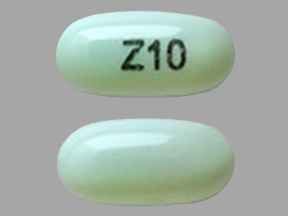
Paricalcitol Dosage
Medically reviewed by Drugs.com. Last updated on Nov 30, 2023.
Applies to the following strengths: 5 mcg/mL; 2 mcg; 4 mcg; 1 mcg; 2 mcg/mL
Usual Adult Dose for:
Usual Pediatric Dose for:
Additional dosage information:
Usual Adult Dose for Secondary Hyperparathyroidism
Injectable:
Initial dose: 0.04 to 0.1 mcg/kg (2.8 to 7 mcg), injected as a bolus dose through a hemodialysis vascular access port at any time during dialysis
Maximum frequency: Every other day
Comments:
- Do not inject directly into a vein.
Use: Prevention and treatment of secondary hyperparathyroidism associated with chronic kidney disease Stage 5.
-----
Oral:
Initial dose:
Stage 3 or 4 Chronic Kidney Disease (CKD):
Initial dosing is based on baseline intact parathyroid hormone (iPTH):
- 500 pg/mL or less: 1 mcg orally daily OR 2 mcg orally 3 times a week
- Over 500 pg/mL: 2 mcg orally daily OR 4 mcg orally 3 times a week
Stage 5 CKD:
Starting dose (micrograms) = baseline iPTH level (pg/mL)/80
Starting dose is given orally 3 times a week; only start if baseline serum calcium has been adjusted to 9.5 mg/dL or lower.
Comments:
- If giving 3 times a week, do not give more often than every other day.
Use: Prevention and treatment of secondary hyperparathyroidism associated with:
- Chronic Kidney Disease (CKD) stages 3 and 4 (oral product only), or
- CKD stage 5 on hemodialysis or peritoneal dialysis (oral or injectable).
Usual Pediatric Dose for Secondary Hyperparathyroidism
Safety and efficacy have not been established in pediatric patients.
The following is dosing used in a very small pediatric trial.
No data are available on children under 5 years old.
Initial dose, children 5 to 18 years:
0.04 mcg/kg three times per week if baseline intact parathyroid hormone (iPTH) is less than 500 pg/mL
0.08 mcg/kg three times per week if baseline iPTH is 500 pg/mL or higher
- Injected as a bolus dose through a hemodialysis vascular access port at any time during dialysis
Maximum frequency: Every other day
Comments:
- Do not inject directly into a vein.
Use: Prevention and treatment of secondary hyperparathyroidism associated with chronic kidney disease Stage 5.
Renal Dose Adjustments
See Usual Adult Dose section
Liver Dose Adjustments
Mild to moderate hepatic dysfunction: No adjustment recommended
Severe liver disease: Data not available
Dose Adjustments
Injectable:
If parathyroid hormone (PTH) lowering is not satisfactory at the recommended starting dose, adjust the dose by 2 to 4 mcg every 2 to 4 weeks based on PTH levels:
- Above target and PTH increased: Increase dose
- Above target and PTH decreased less than 30%: Increase dose
- Above target and PTH decreased 30 to 60%: No change
- Above target and PTH decreased more than 60%: Decrease dose
- At target and PTH stable: No change
---
Oral:
Chronic Kidney Disease (CKD) stage 3 or 4:
- Intact parathyroid hormone (iPTH) same, increased, or decreased less than 30% from baseline: Increase daily dose by 1 mcg; increase 3 times weekly dose by 2 mcg
- iPTH decreased 30 to 60%: No change
- iPTH decreased over 60% or iPTH under 60 pg/mL: Decrease daily dose by 1 mcg; decrease 3 times weekly dose by 2 mcg
- If patient is on 1 mcg daily and needs a dose reduction, may decrease to 1 mcg 3 times weekly.
- If further dose reduction is needed, withhold drug as needed and restart at a lower dosing frequency.
- If patient is on a calcium based phosphate binder: reduce dose or hold phosphate binder, or switch to a non-calcium based phosphate binder.
- Hypercalcemia: Reduce or hold dose until calcium is normalized.
CKD stage 5:
- Dosing is individualized and based on iPTH, serum calcium and phosphorus levels.
- A suggested dose titration is based on the following formula:
Titration dose (micrograms) = most recent iPTH level (pg/mL)/80
- Monitor serum calcium and phosphorus levels closely after initiation, during dose titration, and with co-administration of strong P450 3A inhibitors.
- If serum calcium is elevated and the patient is on a calcium-based phosphate binder, decrease or withhold the binder, or switch to a non-calcium-based phosphate binder.
- If serum calcium is elevated, decrease the dose by 2 to 4 micrograms lower than that calculated by the most recent iPTH/80.
- If further adjustment is required, the dose of paricalcitol should be reduced or withheld until these parameters are normalized.
- As iPTH approaches the target range, small, individualized dose adjustments may be needed to achieve a stable iPTH.
- If monitoring iPTH, calcium, or phosphorus less frequently than once per week, a more modest initial and dose titration ratio (e.g., iPTH/100) may be warranted.
Pediatric:
The dose of injectable paricalcitol was adjusted in 0.04 microgram/kg increments based on the levels of serum iPTH, calcium, and Calcium phosphate product.
Precautions
Safety and efficacy have not been established in patients younger than 18 years.
Consult WARNINGS section for additional precautions.
Dialysis
See Usual Adult Dose section
Other Comments
Administration advice:
- Oral tablets may be taken with or without food.
More about paricalcitol
- Check interactions
- Compare alternatives
- Pricing & coupons
- Drug images
- Side effects
- During pregnancy
- Drug class: vitamins
- En español
Patient resources
- Paricalcitol drug information
- Paricalcitol (Intravenous) (Advanced Reading)
- Paricalcitol (Oral) (Advanced Reading)
Other brands
Professional resources
Other brands
Related treatment guides
Further information
Always consult your healthcare provider to ensure the information displayed on this page applies to your personal circumstances.