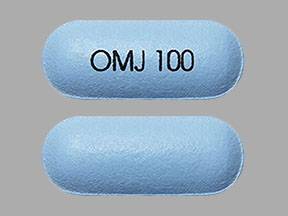
Nucynta ER Dosage
Generic name: TAPENTADOL HYDROCHLORIDE 50mg
Dosage form: tablet, film coated, extended release
Drug class: Opioids (narcotic analgesics)
Medically reviewed by Drugs.com. Last updated on Dec 20, 2023.
Important Dosage and Administration Instructions
- NUCYNTA ER should be prescribed only by healthcare professionals who are knowledgeable about the use of extended-release/long-acting opioids and how to mitigate the associated risks.
- Use the lowest effective dosage for the shortest duration of time consistent with individual patient treatment goals [see Warnings and Precautions (5)]. Because the risk of overdose increases as opioid doses increase, reserve titration to higher doses of NUCYNTA ER for patients in whom lower doses are insufficiently effective and in whom the expected benefits of using a higher dose opioid clearly outweigh the substantial risks.
- Initiate the dosing regimen for each patient individually, taking into account the patient's underlying cause and severity of pain, prior analgesic treatment and response, and risk factors for addiction, abuse, and misuse [see Warnings and Precautions (5.1)]
- Respiratory depression can occur at any time during opioid therapy, especially when initiating and following dosage increases with NUCYNTA ER. Consider this risk when selecting an initial dose and when making dose adjustments [see Warnings and Precautions (5.2)].
- Instruct patients to swallow NUCYNTA ER tablets whole, one tablet at a time, with enough water to ensure complete swallowing immediately after placing in the mouth.
- Crushing, chewing, or dissolving NUCYNTA ER tablets will result in uncontrolled delivery of tapentadol and can lead to overdose or death [see Warnings and Precautions (5.1)].
- Discontinue all other tapentadol and tramadol products when beginning and while taking NUCYNTA ER [see Warnings and Precautions (5.7)].
- Although the maximum approved total daily dose of NUCYNTA immediate-release formulation is 600 mg per day, the maximum total daily dose of NUCYNTA ER is 500 mg. Do not exceed a total daily dose of NUCYNTA ER of 500 mg.
Patient Access to Naloxone for the Emergency Treatment of Opioid Overdose
Discuss the availability of naloxone for the emergency treatment of opioid overdose with the patient and caregiver and assess the potential need for access to naloxone, both when initiating and renewing treatment with NUCYNTA ER [see Warnings and Precautions (5.2)].
Inform patients and caregivers about the various ways to obtain naloxone as permitted by individual state naloxone dispensing and prescribing requirements or guidelines (e.g., by prescription, directly from a pharmacist, or as part of a community-based program).
Consider prescribing naloxone, based on the patient's risk factors for overdose, such as concomitant use of CNS depressants, a history of opioid use disorder, or prior opioid overdose. The presence of risk factors for overdose should not prevent the proper management of pain in any given patient [see Warnings and Precautions (5.1, 5.2, 5.3)].
Consider prescribing naloxone if the patient has household members (including children) or other close contacts at risk for accidental ingestion or overdose.
Initial Dosage
Use of NUCYNTA ER as the First Opioid Analgesic (opioid-naïve patients)
Initiate treatment with NUCYNTA ER with the 50 mg tablet orally twice daily (approximately every 12 hours).
Use of NUCYNTA ER in Patients who are not Opioid Tolerant
The starting dose for patients who are not opioid tolerant is NUCYNTA ER 50 mg orally twice daily (approximately every 12 hours). Use of higher starting doses in patients who are not opioid tolerant may cause fatal respiratory depression.
Conversion from NUCYNTA to NUCYNTA ER
Patients can be converted from NUCYNTA to NUCYNTA ER using the equivalent total daily dose of NUCYNTA and dividing it into two equal doses of NUCYNTA ER separated by approximately 12-hour intervals. As an example, a patient receiving 50 mg of NUCYNTA four times per day (200 mg/day) may be converted to 100 mg NUCYNTA ER twice a day.
Conversion from Other Opioids to NUCYNTA ER
When NUCYNTA ER therapy is initiated, discontinue all other opioid analgesics other than those used on an as needed basis for breakthrough pain when appropriate. There are no established conversion ratios for conversion from other opioids to NUCYNTA ER defined by clinical trials. Initiate dosing using NUCYNTA ER 50 mg orally every 12 hours.
It is safer to underestimate a patient's 24-hour oral tapentadol dosage and provide rescue medication (e.g., immediate-release opioid) than to overestimate the 24-hour oral tapentadol requirements which could result in an adverse reaction due to an overdose. While useful tables of opioid equivalents are readily available, there is inter-patient variability in the potency of opioid drugs and opioid formulations.
Close observation and frequent titration are warranted until pain management is stable on the new opioid. Frequently evaluate patients for signs and symptoms of opioid withdrawal and for signs of oversedation/toxicity after converting patients to NUCYNTA ER.
Conversion from Methadone to NUCYNTA ER
Frequent evaluation is of particular importance when converting from methadone to other opioid agonists. The ratio between methadone and other opioid agonists may vary widely as a function of previous dose exposure. Methadone has a long half-life and can accumulate in the plasma.
Titration and Maintenance of Therapy
Individually titrate NUCYNTA ER to a dose that provides adequate analgesia and minimizes adverse reactions. Continually reevaluate patients receiving NUCYNTA ER to assess the maintenance of pain control, signs and symptoms of opioid withdrawal, and other adverse reactions, as well as to reassess for the development of addiction, abuse, or misuse [see Warnings and Precautions (5.1, 5.14)]. Frequent communication is important among the prescriber, other members of the healthcare team, the patient, and the caregiver/family during periods of changing analgesic requirements, including initial titration. During use of opioid therapy for an extended period of time, periodically reassess the continued need for opioid analgesics.
Patients who experience breakthrough pain may require a dosage adjustment of NUCYNTA ER or may need rescue medication with an appropriate dose of an immediate-release analgesic.
If the level of pain increases after dose stabilization, attempt to identify the source of increased pain before increasing the NUCYNTA ER dosage. If after increasing the dosage, unacceptable opioid-related adverse reactions are observed (including an increase in pain after a dosage increase), consider reducing the dosage [see Warnings and Precautions (5)]. Adjust the dosage to obtain an appropriate balance between management of pain and opioid-related adverse reactions.
Titrate patients to adequate analgesia with dose increases of 50 mg no more than twice daily every three days. In clinical studies, efficacy with NUCYNTA ER was demonstrated relative to placebo in the dosage range of 100 mg to 250 mg twice daily [see Clinical Studies (14)].
Dosage Modification in Patients with Hepatic Impairment
The use of NUCYNTA ER in patients with severe hepatic impairment (Child-Pugh Score 10-15) is not recommended [see Warnings and Precautions (5.16)].
In patients with moderate hepatic impairment (Child-Pugh Score 7 to 9), initiate treatment using 50 mg NUCYNTA ER, administer no more frequently than once every 24 hours, and regularly evaluate for respiratory and central nervous system depression, particularly during initiation and titration of NUCYNTA ER. The maximum recommended dose for patients with moderate hepatic impairment is 100 mg of NUCYNTA ER per day. Regularly evaluate patients for respiratory and central nervous system depression [see Clinical Pharmacology (12.2)].
No dosage adjustment is recommended in patients with mild hepatic impairment (Child-Pugh Score 5 to 6) [see Warnings and Precautions (5.16), Use in Specific Populations (8.6), Clinical Pharmacology (12.3)].
Safe Reduction or Discontinuation of NUCYNTA ER
Do not abruptly discontinue NUCYNTA ER in patients who may be physically dependent on opioids. Rapid discontinuation of opioid analgesics in patients who are physically dependent on opioids has resulted in serious withdrawal symptoms, uncontrolled pain, and suicide. Rapid discontinuation has also been associated with attempts to find other sources of opioid analgesics, which may be confused with drug-seeking for abuse.
Patients may also attempt to treat their pain or withdrawal symptoms with illicit opioids, such as heroin, and other substances.
When a decision has been made to decrease the dose or discontinue therapy in an opioid-dependent patient taking NUCYNTA ER, there are a variety of factors that should be considered, including the total daily dose of opioid (including NUCYNTA ER) the patient has been taking, the duration of treatment, the type of pain being treated, and the physical and psychological attributes of the patient. It is important to ensure ongoing care of the patient and to agree on an appropriate tapering schedule and follow-up plan so that patient and provider goals and expectations are clear and realistic. When opioid analgesics are being discontinued due to a suspected substance use disorder, evaluate and treat the patient, or refer for evaluation and treatment of the substance use disorder. Treatment should include evidence-based approaches, such as medication assisted treatment of opioid use disorder. Complex patients with co-morbid pain and substance use disorders may benefit from referral to a specialist.
There are no standard opioid tapering schedules that are suitable for all patients. Good clinical practice dictates a patient-specific plan to taper the dose of the opioid gradually. For patients on NUCYNTA ER who are physically opioid-dependent, initiate the taper by a small enough increment (e.g., no greater than 10% to 25% of the total daily dose) to avoid withdrawal symptoms, and proceed with dose-lowering at an interval of every 2 to 4 weeks. Patients who have been taking opioids for briefer periods of time may tolerate a more rapid taper.
It may be necessary to provide the patient with lower dosage strengths to accomplish a successful taper. Reassess the patient frequently to manage pain and withdrawal symptoms, should they emerge. Common withdrawal symptoms include restlessness, lacrimation, rhinorrhea, yawning, perspiration, chills, myalgia, and mydriasis. Other signs and symptoms also may develop, including irritability, anxiety, backache, joint pain, weakness, abdominal cramps, insomnia, nausea, anorexia, vomiting, diarrhea, or increased blood pressure, respiratory rate, or heart rate. If withdrawal symptoms arise, it may be necessary to pause the taper for a period of time or raise the dose of the opioid analgesic to the previous dose, and then proceed with a slower taper. In addition, evaluate patients for any changes in mood, emergence of suicidal thoughts, or use of other substances.
When managing patients taking opioid analgesics, particularly those who have been treated for an extended period of time and/or with high doses for chronic pain, ensure that a multimodal approach to pain management, including mental health support (if needed), is in place prior to initiating an opioid analgesic taper. A multimodal approach to pain management may optimize the treatment of chronic pain, as well as assist with the successful tapering of the opioid analgesic [see Warnings and Precautions (5.14), Drug Abuse and Dependence (9.3)].
Frequently asked questions
More about Nucynta ER (tapentadol)
- Check interactions
- Compare alternatives
- Pricing & coupons
- Reviews (81)
- Drug images
- Latest FDA alerts (1)
- Side effects
- During pregnancy
- Drug class: Opioids (narcotic analgesics)
- Breastfeeding
- En español
Patient resources
Professional resources
Other formulations
Related treatment guides
Further information
Always consult your healthcare provider to ensure the information displayed on this page applies to your personal circumstances.