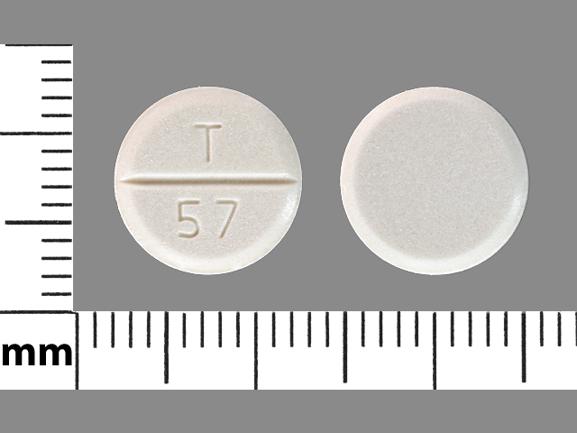
Ketoconazole Dosage
Medically reviewed by Drugs.com. Last updated on Feb 14, 2024.
Applies to the following strengths: 200 mg
Usual Adult Dose for:
Usual Pediatric Dose for:
Additional dosage information:
Usual Adult Dose for Blastomycosis
Initial dose: 200 mg orally once a day
If clinical responsiveness insufficient within expected time: Dose may be increased to 400 mg orally once a day.
Duration of therapy: 6 months (usual duration for systemic infection)
Comments:
- Use of ketoconazole is only recommended when other effective antifungal therapy is not available or tolerated and the benefits outweigh the risks.
- Ketoconazole should not be used for fungal meningitis (penetrates poorly into CSF).
- The Infectious Diseases Society of America (IDSA) guidelines recommend amphotericin B and itraconazole as preferred therapies for blastomycosis and histoplasmosis.
Uses: For treatment of the following systemic fungal infections in patients who have failed or who are intolerant to other therapies: blastomycosis, coccidioidomycosis, histoplasmosis, chromomycosis, paracoccidioidomycosis
Usual Adult Dose for Chromomycosis
Initial dose: 200 mg orally once a day
If clinical responsiveness insufficient within expected time: Dose may be increased to 400 mg orally once a day.
Duration of therapy: 6 months (usual duration for systemic infection)
Comments:
- Use of ketoconazole is only recommended when other effective antifungal therapy is not available or tolerated and the benefits outweigh the risks.
- Ketoconazole should not be used for fungal meningitis (penetrates poorly into CSF).
- The Infectious Diseases Society of America (IDSA) guidelines recommend amphotericin B and itraconazole as preferred therapies for blastomycosis and histoplasmosis.
Uses: For treatment of the following systemic fungal infections in patients who have failed or who are intolerant to other therapies: blastomycosis, coccidioidomycosis, histoplasmosis, chromomycosis, paracoccidioidomycosis
Usual Adult Dose for Coccidioidomycosis
Initial dose: 200 mg orally once a day
If clinical responsiveness insufficient within expected time: Dose may be increased to 400 mg orally once a day.
Duration of therapy: 6 months (usual duration for systemic infection)
Comments:
- Use of ketoconazole is only recommended when other effective antifungal therapy is not available or tolerated and the benefits outweigh the risks.
- Ketoconazole should not be used for fungal meningitis (penetrates poorly into CSF).
- The Infectious Diseases Society of America (IDSA) guidelines recommend amphotericin B and itraconazole as preferred therapies for blastomycosis and histoplasmosis.
Uses: For treatment of the following systemic fungal infections in patients who have failed or who are intolerant to other therapies: blastomycosis, coccidioidomycosis, histoplasmosis, chromomycosis, paracoccidioidomycosis
Usual Adult Dose for Histoplasmosis
Initial dose: 200 mg orally once a day
If clinical responsiveness insufficient within expected time: Dose may be increased to 400 mg orally once a day.
Duration of therapy: 6 months (usual duration for systemic infection)
Comments:
- Use of ketoconazole is only recommended when other effective antifungal therapy is not available or tolerated and the benefits outweigh the risks.
- Ketoconazole should not be used for fungal meningitis (penetrates poorly into CSF).
- The Infectious Diseases Society of America (IDSA) guidelines recommend amphotericin B and itraconazole as preferred therapies for blastomycosis and histoplasmosis.
Uses: For treatment of the following systemic fungal infections in patients who have failed or who are intolerant to other therapies: blastomycosis, coccidioidomycosis, histoplasmosis, chromomycosis, paracoccidioidomycosis
Usual Adult Dose for Paracoccidioidomycosis
Initial dose: 200 mg orally once a day
If clinical responsiveness insufficient within expected time: Dose may be increased to 400 mg orally once a day.
Duration of therapy: 6 months (usual duration for systemic infection)
Comments:
- Use of ketoconazole is only recommended when other effective antifungal therapy is not available or tolerated and the benefits outweigh the risks.
- Ketoconazole should not be used for fungal meningitis (penetrates poorly into CSF).
- The Infectious Diseases Society of America (IDSA) guidelines recommend amphotericin B and itraconazole as preferred therapies for blastomycosis and histoplasmosis.
Uses: For treatment of the following systemic fungal infections in patients who have failed or who are intolerant to other therapies: blastomycosis, coccidioidomycosis, histoplasmosis, chromomycosis, paracoccidioidomycosis
Usual Pediatric Dose for Blastomycosis
2 years or older: 3.3 to 6.6 mg/kg orally once a day
Duration of therapy: 6 months (usual duration for systemic infection)
Comments:
- Ketoconazole should not be used unless the benefit outweighs the risks.
- Ketoconazole should not be used for fungal meningitis (penetrates poorly into CSF).
- The IDSA guidelines recommend amphotericin B and itraconazole as preferred therapies for blastomycosis and histoplasmosis.
Uses: For treatment of the following systemic fungal infections in patients who have failed or who are intolerant to other therapies: blastomycosis, coccidioidomycosis, histoplasmosis, chromomycosis, paracoccidioidomycosis
Usual Pediatric Dose for Chromomycosis
2 years or older: 3.3 to 6.6 mg/kg orally once a day
Duration of therapy: 6 months (usual duration for systemic infection)
Comments:
- Ketoconazole should not be used unless the benefit outweighs the risks.
- Ketoconazole should not be used for fungal meningitis (penetrates poorly into CSF).
- The IDSA guidelines recommend amphotericin B and itraconazole as preferred therapies for blastomycosis and histoplasmosis.
Uses: For treatment of the following systemic fungal infections in patients who have failed or who are intolerant to other therapies: blastomycosis, coccidioidomycosis, histoplasmosis, chromomycosis, paracoccidioidomycosis
Usual Pediatric Dose for Coccidioidomycosis
2 years or older: 3.3 to 6.6 mg/kg orally once a day
Duration of therapy: 6 months (usual duration for systemic infection)
Comments:
- Ketoconazole should not be used unless the benefit outweighs the risks.
- Ketoconazole should not be used for fungal meningitis (penetrates poorly into CSF).
- The IDSA guidelines recommend amphotericin B and itraconazole as preferred therapies for blastomycosis and histoplasmosis.
Uses: For treatment of the following systemic fungal infections in patients who have failed or who are intolerant to other therapies: blastomycosis, coccidioidomycosis, histoplasmosis, chromomycosis, paracoccidioidomycosis
Usual Pediatric Dose for Histoplasmosis
2 years or older: 3.3 to 6.6 mg/kg orally once a day
Duration of therapy: 6 months (usual duration for systemic infection)
Comments:
- Ketoconazole should not be used unless the benefit outweighs the risks.
- Ketoconazole should not be used for fungal meningitis (penetrates poorly into CSF).
- The IDSA guidelines recommend amphotericin B and itraconazole as preferred therapies for blastomycosis and histoplasmosis.
Uses: For treatment of the following systemic fungal infections in patients who have failed or who are intolerant to other therapies: blastomycosis, coccidioidomycosis, histoplasmosis, chromomycosis, paracoccidioidomycosis
Usual Pediatric Dose for Paracoccidioidomycosis
2 years or older: 3.3 to 6.6 mg/kg orally once a day
Duration of therapy: 6 months (usual duration for systemic infection)
Comments:
- Ketoconazole should not be used unless the benefit outweighs the risks.
- Ketoconazole should not be used for fungal meningitis (penetrates poorly into CSF).
- The IDSA guidelines recommend amphotericin B and itraconazole as preferred therapies for blastomycosis and histoplasmosis.
Uses: For treatment of the following systemic fungal infections in patients who have failed or who are intolerant to other therapies: blastomycosis, coccidioidomycosis, histoplasmosis, chromomycosis, paracoccidioidomycosis
Renal Dose Adjustments
Data not available
Liver Dose Adjustments
Acute or chronic liver disease: Contraindicated
If ALT increases to above upper limit of normal (ULN) or 30% above baseline, or if symptoms of liver injury develop: Interrupt therapy.
Dose Adjustments
- When used with drugs that reduce gastric acidity: Caution is recommended. Antifungal activity should be monitored and the ketoconazole dose increased as required.
- When used with potent CYP450 3A4 inducers: Antifungal activity should be monitored and the ketoconazole dose increased as required.
- When used with potent CYP450 3A4 inhibitors: Caution is recommended. Patients should be monitored closely for signs/symptoms of increased or prolonged effects of ketoconazole and the ketoconazole dose decreased as required; ketoconazole plasma levels should be measured when appropriate.
Precautions
US BOXED WARNINGS:
- LIMITED USE: Use of ketoconazole is only recommended when other effective antifungal therapy is not available or tolerated and the benefits outweigh the risks.
- HEPATOTOXICITY: Serious hepatotoxicity (including cases resulting in death or requiring liver transplantation) reported with oral ketoconazole. Some patients had no obvious risk factors for liver disease. Patients using ketoconazole should be advised of the risk and should be monitored closely.
- QT PROLONGATION: Coadministration of ketoconazole with dofetilide, quinidine, pimozide, cisapride, methadone, disopyramide, dronedarone, or ranolazine is contraindicated. Ketoconazole can elevate plasma levels of these drugs and may prolong QT intervals, sometimes resulting in life-threatening ventricular dysrhythmias (such as torsades de pointes).
Safety and efficacy have not been established in patients younger than 2 years.
Consult WARNINGS section for dosing related precautions.
Dialysis
Data not available
Other Comments
Administration advice:
- Take with a meal.
- Administer ketoconazole with an acidic drink (such as non-diet cola) if gastric acidity is reduced (e.g., in patients with achlorhydria due to certain diseases, in patients using acid secretion suppressors or acid-neutralizing therapy); administer acid-neutralizing agents at least 1 hour before or 2 hours after ketoconazole.
Storage requirements:
- Protect from moisture.
General:
- There should be laboratory as well as clinical documentation of infection before starting ketoconazole therapy.
- Therapy should continue until active fungal infection has subsided.
- Ketoconazole requires acidity for dissolution and absorption; absorption impaired when gastric acid production is reduced.
- Ketoconazole may potentially interact with many drugs; such interactions may be serious and/or life-threatening; the manufacturer product information should be consulted.
Monitoring:
- Endocrine: Adrenal function in patients with adrenal insufficiency, with borderline adrenal function, or under prolonged periods of stress
- General: Antifungal activity and/or ketoconazole plasma levels when certain drugs coadministered
- Hematologic: Laboratory tests such as prothrombin time, INR (at baseline)
- Hepatic: Laboratory tests such as serum GGT, alkaline phosphatase, ALT, AST, total bilirubin (at baseline); testing for viral hepatitides (at baseline); serum ALT (weekly for duration of therapy); full set of liver tests (if ALT increases to above ULN or 30% above baseline, or if symptoms of liver injury develop); for recurring liver injury (frequently if drug restarted after interruption due to increased ALT or symptoms of liver injury)
Patient advice:
- Report any signs/symptoms suggesting liver dysfunction (including unusual fatigue, anorexia, nausea and/or vomiting, abdominal pain, jaundice, dark urine, pale stools).
- Do not consume alcohol during therapy.
Frequently asked questions
More about ketoconazole
- Check interactions
- Compare alternatives
- Pricing & coupons
- Reviews (24)
- Drug images
- Side effects
- During pregnancy
- Support group
- Drug class: azole antifungals
- Breastfeeding
- En español
Patient resources
Other brands
Professional resources
Other brands
Related treatment guides
Further information
Always consult your healthcare provider to ensure the information displayed on this page applies to your personal circumstances.