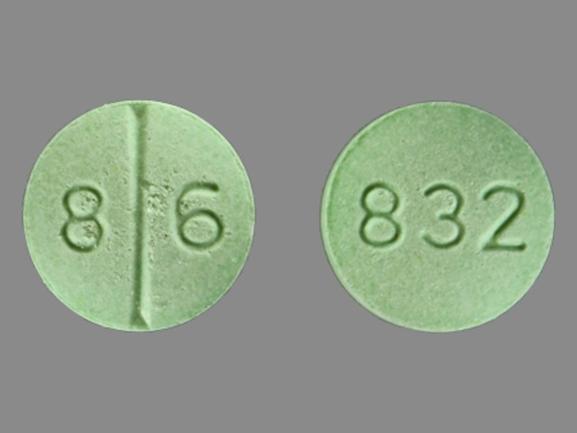
Fluoxymesterone Dosage
Applies to the following strengths: 2 mg; 5 mg; 10 mg
Usual Adult Dose for:
Usual Pediatric Dose for:
Additional dosage information:
Usual Adult Dose for Hypogonadism - Male
- 5 to 20 mg orally per day
- Usually preferable to start therapy at a higher level within the range (e.g., 10 mg) with subsequent adjustment as required.
Comments:
- This drug may be given as a single dose or in divided doses.
- Dosage and duration of therapy will depend on age, sex, diagnosis, patient response to treatment, and appearance of adverse effects.
Uses: This drug is indicated for replacement therapy in conditions associated with a deficiency or absence of endogenous testosterone.
Males:
- Primary hypogonadism (congenital or acquired)
- Hypogonadotropic hypogonadism (congenital or acquired)
- Testicular failure due to cryptorchidism, bilateral torsion, orchitis, vanishing testis syndrome, or orchidectomy
- Idiopathic gonadotropin or luteinizing hormone-releasing hormone (LHRH) deficiency, or pituitary-hypothalamic injury from tumors, trauma, or radiation
Usual Adult Dose for Breast Cancer-Palliative
Palliation of Inoperable Mammary Cancer:
- 10 to 40 mg orally per day in divided doses for 3 months or more
Palliation of Advanced Mammary Carcinoma:
- Hormone therapy is adjunctive to and not a replacement for conventional therapy; therapy duration will depend on the response of the condition and the appearance of adverse reactions.
Comments:
- Androgen therapy appears to occasionally accelerate the disease; patients should be followed closely.
- This treatment has been used in premenopausal women with breast cancer who have benefited from oophorectomy and are considered to have a hormone-responsive tumor.
Use: Secondary treatment in women with advancing inoperable metastatic (skeletal) mammary cancer who are 1 to 5 years postmenopausal.
Usual Pediatric Dose for Delayed Puberty - Male
2.5 to 20 mg orally per day; generally in the lower range of 2.5 to 10 mg orally per day, taken in one single dose or in divided doses for a limited duration (e.g., 4 to 6 months).
Comments:
- Various dosage regimens have been used: some call for lower dosages initially with gradual increases as puberty progresses, with or without a decrease to maintenance level; other regimens call for higher dosage to induce pubertal changes and lower dosage for maintenance after puberty.
- The chronological and skeletal ages should be taken into consideration in determining the initial dose and when adjusting the dose.
- Brief treatment with conservative doses may occasionally be justified in these male patients if they do not respond to psychological support.
- Patients and parents should be advised of the potential adverse effect on bone maturation prior to treatment.
- Hand and wrist x-rays to determine bone age should be obtained every 6 months to assess the effect of treatment on the epiphyseal centers.
Use: Stimulate puberty in adolescent males with clearly delayed puberty
Renal Dose Adjustments
Data not available
Liver Dose Adjustments
Data not available
Dose Adjustments
Dosage adjustments will depend on age, sex, diagnosis, patient response to treatment, and appearance of adverse effects.
Precautions
Consult WARNINGS section for additional precautions.
US Controlled Substance: Schedule III
Dialysis
Data not available
Other Comments
Storage requirements:
- This drug should be dispensed in a tight, light-resistant container.
General:
- If one of the conditions indicated for this drug treatment occurs prior to puberty, androgen replacement therapy will be needed during the adolescent years for development of secondary sexual characteristics.
- Prolonged androgen treatment will be required to maintain sexual characteristics in males who develop testosterone deficiency after puberty.
- Adolescent male patients selected to receive this treatment usually have a familial pattern of delayed puberty that is not secondary to a pathological disorder; puberty is expected to occur spontaneously at a relatively late date.
- This drug has not been shown to be safe and effective for the enhancement of athletic performance.
Monitoring:
- Cardiovascular: Serum cholesterol levels
- Endocrine: Virilization signs
- Hematologic: Hemoglobin and hematocrit
- Hepatic: Liver function tests
- Metabolic: Urine and serum calcium levels
- Pediatric Patients: Wrist and hand x-rays (every six months)
More about fluoxymesterone
- Check interactions
- Compare alternatives
- Drug images
- Side effects
- During pregnancy
- Drug class: androgens and anabolic steroids
Patient resources
Professional resources
Other brands
Related treatment guides
See also:
Trodelvy
Trodelvy (sacituzumab govitecan) is a targeted therapy used to treat breast cancer (triple-negative ...
Enhertu
Enhertu is a treatment for breast cancer, stomach cancer, and non-small cell lung cancer with HER2 ...
Verzenio
Verzenio is used to treat early and advanced-stage hormone receptor-positive, HER2-negative breast ...
Kisqali
Kisqali (ribociclib) is used to treat a certain type of advanced metastatic breast cancer. Includes ...
Keytruda
Keytruda is used to treat melanoma, non-small cell lung cancer, malignant pleural mesothelioma ...
AndroGel
AndroGel is used to treat conditions in men that result from a lack of natural testosterone. Learn ...
Xyosted
Xyosted is used to treat men who have low or no testosterone due to certain medical conditions ...
Jatenzo
Jatenzo is used used to treat adult men who have low or no testosterone due to certain medical ...
Depo-Testosterone
Depo-Testosterone is used for breast cancer, palliative, delayed puberty, male, hypogonadism, male ...
Further information
Always consult your healthcare provider to ensure the information displayed on this page applies to your personal circumstances.