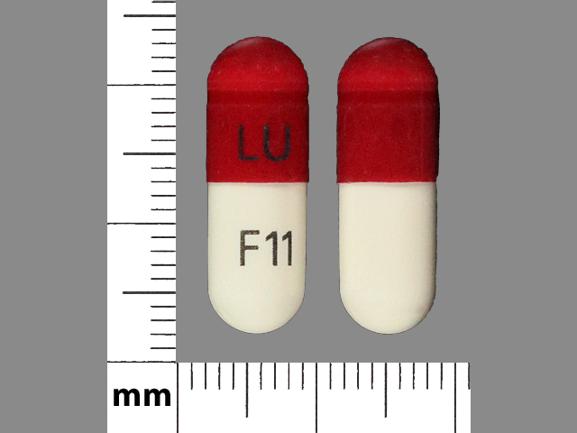
Cefadroxil Dosage
Medically reviewed by Drugs.com. Last updated on Feb 29, 2024.
Applies to the following strengths: 500 mg; 125 mg/5 mL; 250 mg/5 mL; 500 mg/5 mL; 1000 mg
Usual Adult Dose for:
- Skin or Soft Tissue Infection
- Tonsillitis/Pharyngitis
- Cystitis
- Pyelonephritis
- Urinary Tract Infection
- Osteomyelitis
Usual Pediatric Dose for:
- Urinary Tract Infection
- Skin and Structure Infection
- Tonsillitis/Pharyngitis
- Impetigo
- Bacterial Infection
Additional dosage information:
Usual Adult Dose for Skin or Soft Tissue Infection
1 gram orally once a day OR in divided doses given 2 times a day
Comments:
- The duration of therapy in beta-hemolytic streptococcal infections is at least 10 days.
- Treatment may be started empirically but should be adjusted once the causative organism is identified and susceptibility results are available.
Use: Treatment of skin and structure infections caused by staphylococci and/or streptococci
Usual Adult Dose for Tonsillitis/Pharyngitis
1 gram orally once a day OR in divided doses given 2 times a day
- Duration of therapy: 10 days
Comments:
- This drug is generally effective in eradicating nasopharynx Streptococcus pyogenes infections; there are no data that establish efficacy in the prevention of rheumatic fever.
- Treatment may be started empirically but should be adjusted once the causative organism is identified and susceptibility results are available.
Use: Treatment of pharyngitis and/or tonsillitis caused by S pyogenes (Group A beta-hemolytic streptococci)
Infectious Diseases Society of America (IDSA) Recommendations:
30 mg/kg orally once a day
- Maximum dose: 1 gram/day
- Duration of therapy: 10 days
Comment: This drug should be avoided in patients with immediate hypersensitivity to penicillin.
Use: Treatment of group A streptococcal pharyngitis in patients with penicillin allergies
Usual Adult Dose for Cystitis
Uncomplicated lower urinary tract infections (e.g., cystitis): 1 to 2 grams orally once a day OR in divided doses given 2 times a day
Complicated urinary tract infections: 1 gram orally 2 times a day
Comment: Treatment may be started empirically but should be adjusted once the causative organism is identified and susceptibility results are available.
Use: Treatment of urinary tract infections caused by Escherichia coli, Klebsiella species, and Proteus mirabilis
Usual Adult Dose for Pyelonephritis
Uncomplicated lower urinary tract infections (e.g., cystitis): 1 to 2 grams orally once a day OR in divided doses given 2 times a day
Complicated urinary tract infections: 1 gram orally 2 times a day
Comment: Treatment may be started empirically but should be adjusted once the causative organism is identified and susceptibility results are available.
Use: Treatment of urinary tract infections caused by Escherichia coli, Klebsiella species, and Proteus mirabilis
Usual Adult Dose for Urinary Tract Infection
Uncomplicated lower urinary tract infections (e.g., cystitis): 1 to 2 grams orally once a day OR in divided doses given 2 times a day
Complicated urinary tract infections: 1 gram orally 2 times a day
Comment: Treatment may be started empirically but should be adjusted once the causative organism is identified and susceptibility results are available.
Use: Treatment of urinary tract infections caused by Escherichia coli, Klebsiella species, and Proteus mirabilis
Usual Adult Dose for Osteomyelitis
Uncomplicated lower urinary tract infections (e.g., cystitis): 1 to 2 grams orally once a day OR in divided doses given 2 times a day
Complicated urinary tract infections: 1 gram orally 2 times a day
Comment: Treatment may be started empirically but should be adjusted once the causative organism is identified and susceptibility results are available.
Use: Treatment of urinary tract infections caused by Escherichia coli, Klebsiella species, and Proteus mirabilis
Usual Pediatric Dose for Urinary Tract Infection
Children: 15 mg/kg orally every 12 hours
Comments:
- The duration of therapy in beta-hemolytic streptococcal infections is at least 10 days.
- Treatment may be started empirically but should be adjusted once the causative organism is identified and susceptibility results are available.
Uses:
- Treatment of skin and structure infections caused by staphylococci and/or streptococci
- Treatment of urinary tract infections caused by E coli, Klebsiella species, and P mirabilis
Usual Pediatric Dose for Skin and Structure Infection
Children: 15 mg/kg orally every 12 hours
Comments:
- The duration of therapy in beta-hemolytic streptococcal infections is at least 10 days.
- Treatment may be started empirically but should be adjusted once the causative organism is identified and susceptibility results are available.
Uses:
- Treatment of skin and structure infections caused by staphylococci and/or streptococci
- Treatment of urinary tract infections caused by E coli, Klebsiella species, and P mirabilis
Usual Pediatric Dose for Tonsillitis/Pharyngitis
Children: 30 mg/kg orally per day, given once a day OR in divided doses 2 times a day
Comments:
- The duration of therapy in beta-hemolytic streptococcal infections is at least 10 days.
- This drug is generally effective in eradicating nasopharynx S pyogenes infections; there are no data that establish efficacy in the prevention of rheumatic fever.
- Treatment may be started empirically but should be adjusted once the causative organism is identified and susceptibility results are available.
Uses:
- Treatment of impetigo caused by staphylococci and/or streptococci
- Treatment of pharyngitis and/or tonsillitis caused by S pyogenes (Group A beta-hemolytic streptococci)
IDSA Recommendations:
30 mg/kg orally once a day
- Maximum dose: 1 gram/day
- Duration of therapy: 10 days
Comment: This drug should be avoided in patients with immediate hypersensitivity to penicillin.
Use: Treatment of group A streptococcal pharyngitis in patients with penicillin-allergies
Usual Pediatric Dose for Impetigo
Children: 30 mg/kg orally per day, given once a day OR in divided doses 2 times a day
Comments:
- The duration of therapy in beta-hemolytic streptococcal infections is at least 10 days.
- This drug is generally effective in eradicating nasopharynx S pyogenes infections; there are no data that establish efficacy in the prevention of rheumatic fever.
- Treatment may be started empirically but should be adjusted once the causative organism is identified and susceptibility results are available.
Uses:
- Treatment of impetigo caused by staphylococci and/or streptococci
- Treatment of pharyngitis and/or tonsillitis caused by S pyogenes (Group A beta-hemolytic streptococci)
IDSA Recommendations:
30 mg/kg orally once a day
- Maximum dose: 1 gram/day
- Duration of therapy: 10 days
Comment: This drug should be avoided in patients with immediate hypersensitivity to penicillin.
Use: Treatment of group A streptococcal pharyngitis in patients with penicillin-allergies
Usual Pediatric Dose for Bacterial Infection
American Academy of Pediatrics (AAP) Recommendations:
15 mg/kg orally 2 times a day
- Maximum dose: 2 grams/day
Renal Dose Adjustments
CrCl 25 to 50 mL/min: 1 g orally followed by 500 mg orally every 12 hours
CrCl 10 to 25 mL/min: 1 g orally followed by 500 mg orally every 24 hours
CrCl 0 to 10 mL/min: 1 g orally followed by 500 mg orally every 36 hours
Liver Dose Adjustments
Data not available
Precautions
CONTRAINDICATIONS:
- Patients with a known allergy to the cephalosporin group of antibiotics
Consult WARNINGS section for additional precautions.
Dialysis
Data not available
Other Comments
Administration advice:
- This drug may be taken without regard to meals; however, food consumed concomitantly during administration may decrease gastrointestinal side effects.
Storage requirements:
- Capsules and tablets: Protect from moisture.
General:
- Local epidemiological and susceptibility patterns should be used to guide treatment selection in the absence of patient-specific culture and susceptibility information.
Monitoring:
- HEPATIC: Hepatic function tests when necessary
- IMMUNOLOGIC: Culture and susceptibility tests prior to and during treatment
- RENAL: Renal function tests when necessary
- Inform patients that this drug may cause dizziness, fatigue, headache, nervousness, and sleeplessness, and they should avoid driving or operating machinery if these side effects occur.
- Advise patients to speak to their healthcare provider if they become pregnant, intend to become pregnant, or are breastfeeding.
- Patients should be directed to take the full course of treatment, even if they feel better.
- Patients should be instructed to report signs/symptoms of Clostridium difficile (e.g., watery/bloody stools, stomach cramps, fever), for up to 2 months after stopping treatment.
Frequently asked questions
More about cefadroxil
- Check interactions
- Compare alternatives
- Pricing & coupons
- Reviews (4)
- Drug images
- Side effects
- During pregnancy
- Drug class: first generation cephalosporins
- Breastfeeding
- En español
Patient resources
- Cefadroxil drug information
- Cefadroxil (Advanced Reading)
- Cefadroxil Capsules and Tablets
- Cefadroxil Suspension
Other brands
Professional resources
Other brands
Related treatment guides
Further information
Always consult your healthcare provider to ensure the information displayed on this page applies to your personal circumstances.