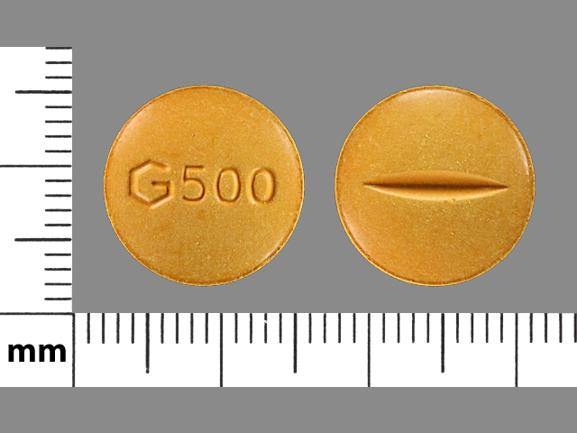
Sulfasalazine Disease Interactions
There are 12 disease interactions with sulfasalazine.
- Colitis
- Intestinal obstruction
- Urinary obstruction
- Hematologic toxicity
- Hypersensitivity reactions
- Liver disease
- Porphyria
- Renal dysfunction
- Renal dysfunction
- Folate deficiency
- G6PD deficiency
- Crystalluria
Antibiotics (applies to sulfasalazine) colitis
Major Potential Hazard, Moderate plausibility. Applicable conditions: Colitis/Enteritis (Noninfectious)
Clostridioides difficile-associated diarrhea (CDAD), formerly pseudomembranous colitis, has been reported with almost all antibacterial drugs and may range from mild diarrhea to fatal colitis. The most common culprits include clindamycin and lincomycin. Antibacterial therapy alters the normal flora of the colon, leading to overgrowth of C difficile, whose toxins A and B contribute to CDAD development. Morbidity and mortality are increased with hypertoxin-producing strains of C difficile; these infections can be resistant to antimicrobial therapy and may require colectomy. CDAD must be considered in all patients who present with diarrhea after antibacterial use. Since CDAD has been reported to occur more than 2 months after antibacterial use, careful medical history is necessary. Therapy with broad-spectrum antibacterials and other agents with significant antibacterial activity should be administered cautiously in patients with history of gastrointestinal disease, particularly colitis; pseudomembranous colitis (generally characterized by severe, persistent diarrhea and severe abdominal cramps, and sometimes associated with the passage of blood and mucus), if it occurs, may be more severe in these patients and may be associated with flares in underlying disease activity. Antibacterial drugs not directed against C difficile may need to be stopped if CDAD is suspected or confirmed. Appropriate fluid and electrolyte management, protein supplementation, antibacterial treatment of C difficile, and surgical evaluation should be started as clinically indicated.
References
- (2002) "Product Information. Omnipen (ampicillin)." Wyeth-Ayerst Laboratories
- (2002) "Product Information. Ceftin (cefuroxime)." Glaxo Wellcome
- (2002) "Product Information. Zinacef (cefuroxime)." Glaxo Wellcome
- (2002) "Product Information. Cleocin (clindamycin)." Pharmacia and Upjohn
- (2002) "Product Information. Macrobid (nitrofurantoin)." Procter and Gamble Pharmaceuticals
- (2002) "Product Information. Macrodantin (nitrofurantoin)." Procter and Gamble Pharmaceuticals
- (2001) "Product Information. Amoxil (amoxicillin)." SmithKline Beecham
- (2001) "Product Information. Merrem (meropenem)." Astra-Zeneca Pharmaceuticals
- (2001) "Product Information. Coly-Mycin M Parenteral (colistimethate)." Parke-Davis
- (2001) "Product Information. Lincocin (lincomycin)." Pharmacia and Upjohn
- (2003) "Product Information. Cubicin (daptomycin)." Cubist Pharmaceuticals Inc
- (2004) "Product Information. Xifaxan (rifaximin)." Salix Pharmaceuticals
- (2007) "Product Information. Doribax (doripenem)." Ortho McNeil Pharmaceutical
- (2009) "Product Information. Penicillin G Procaine (procaine penicillin)." Monarch Pharmaceuticals Inc
- (2009) "Product Information. Vibativ (telavancin)." Theravance Inc
- (2010) "Product Information. Teflaro (ceftaroline)." Forest Pharmaceuticals
- (2022) "Product Information. Penicillin G Sodium (penicillin G sodium)." Sandoz Inc
- (2014) "Product Information. Dalvance (dalbavancin)." Durata Therapeutics, Inc.
- (2014) "Product Information. Orbactiv (oritavancin)." The Medicines Company
- (2017) "Product Information. Bicillin C-R (benzathine penicillin-procaine penicillin)." A-S Medication Solutions
- (2017) "Product Information. Baxdela (delafloxacin)." Melinta Therapeutics, Inc.
- (2022) "Product Information. Polymyxin B Sulfate (polymyxin B sulfate)." AuroMedics Pharma LLC
- (2018) "Product Information. Zemdri (plazomicin)." Achaogen
- (2018) "Product Information. Seysara (sarecycline)." Allergan Inc
- (2018) "Product Information. Nuzyra (omadacycline)." Paratek Pharmaceuticals, Inc.
- (2018) "Product Information. Aemcolo (rifamycin)." Aries Pharmaceuticals, Inc.
- (2019) "Product Information. Fetroja (cefiderocol)." Shionogi USA Inc
- (2019) "Product Information. Biaxin (clarithromycin)." AbbVie US LLC, SUPPL-61
- (2021) "Product Information. Zithromax (azithromycin)." Pfizer U.S. Pharmaceuticals Group, LAB-0372-7.0
- (2018) "Product Information. E.E.S.-400 Filmtab (erythromycin)." Arbor Pharmaceuticals, SUPPL-74
- (2020) "Product Information. Priftin (rifapentine)." sanofi-aventis, SUPPL-18
- (2021) "Product Information. Xerava (eravacycline)." Tetraphase Pharmaceuticals, Inc
- (2023) "Product Information. Xacduro (durlobactam-sulbactam)." La Jolla Pharmaceutical
- (2024) "Product Information. Exblifep (cefepime-enmetazobactam)." Allecra Therapeutics
- (2021) "Product Information. Maxipime (cefepime)." Hospira Inc, SUPPL-46
Sulfasalazine (applies to sulfasalazine) intestinal obstruction
Major Potential Hazard, High plausibility.
The use of sulfasalazine is contraindicated in patients with intestinal obstruction. Approximately one-third of orally administered sulfasalazine is systemically absorbed from the small intestine, while the majority is metabolized by intestinal bacteria to 5-aminosalicylic acid (5-ASA) that remains in the colonic lumen and gets excreted in the feces.
References
- (2001) "Product Information. Azulfidine (sulfasalazine)." Pharmacia and Upjohn
Sulfasalazine (applies to sulfasalazine) urinary obstruction
Major Potential Hazard, Moderate plausibility. Applicable conditions: Urinary Tract Obstruction
The use of sulfasalazine tablets is contraindicated in patients with urinary obstruction.
References
- (2001) "Product Information. Azulfidine (sulfasalazine)." Pharmacia and Upjohn
Sulfonamides (applies to sulfasalazine) hematologic toxicity
Major Potential Hazard, Moderate plausibility. Applicable conditions: Bone Marrow Depression/Low Blood Counts
The use of sulfonamides has been associated with hematologic toxicity, including methemoglobinemia, sulfhemoglobinemia, leukopenia, granulocytopenia, eosinophilia, hemolytic anemia, aplastic anemia, purpura, clotting disorder, thrombocytopenia, hypofibrinogenemia, and hypoprothrombinemia. Acute dose-related hemolytic anemia may occur during the first week of therapy due to sensitization, while chronic hemolytic anemia may occur with prolonged use. Patients with glucose-6-phosphate dehydrogenase (G-6-PD) deficiency should be observed closely for signs of hemolytic anemia. Therapy with sulfonamides should be administered cautiously in patients with preexisting blood dyscrasias or bone marrow suppression. Complete blood counts should be obtained regularly, especially during prolonged therapy (>2 weeks), and patients should be instructed to immediately report any signs or symptoms suggestive of blood dyscrasia such as fever, sore throat, local infection, bleeding, pallor, dizziness, or jaundice.
References
- Barak S, Shaked Y, Bar A, Samra Y (1989) "Drug-induced post-surgical hemorrhage resulting from trimethoprim-sulphamethoxazole." Int J Oral Maxillofac Surg, 18, p. 206-7
- Chan M, Beale D, Moorhead J (1980) "Acute megaloblastosis due to cotrimoxazole." Br J Clin Pract, 34, p. 87-8
- Damergis J, Stoker J, Abadie J (1983) "Methemoglobinemia after sulfamethoxazole and trimethoprim therapy." JAMA, 249, p. 590-1
- Finland M, Strauss E, Peterson O (1984) "Sulfadiazine." JAMA, 251, p. 1467-74
- Kuipers EJ, Vellenga E, de Wolf JT, Hazenberg BP (1992) "Sulfasalazine induced agranulocytosis treated with GM-CSF." J Rheumatol, 19, p. 621-2
- Youssef PP, Bertouch JV (1992) "Sulphasalazine induced aplastic anaemia." Aust N Z J Med, 22, p. 391-2
- Keisu M, Ekman E (1992) "Sulfasalazine associated agranulocytosis in sweden 1972-1989: clinical features, and estimation of its incidence." Eur J Clin Pharmacol, 43, p. 215-8
- "Product Information. Gantranol (sulfamethoxazole)." Roche Laboratories, Nutley, NJ.
- (2001) "Product Information. Gantrisin (sulfisoxazole)." Roche Laboratories
- (2001) "Product Information. Sulfadiazine (sulfadiazine)." Eon Labs Manufacturing Inc
- Peppercorn MA (1984) "Sulfasalazine. Pharmacology, clinical use, toxicity, and related new drug development." Ann Intern Med, 101, p. 377-86
- Jacobson IM, Kelsey PB, Blyden GT, Demirjian ZN, Isselbacher KJ (1985) "Sulfasalazine-induced agranulocytosis." Am J Gastroenterol, 80, p. 118-21
- Wheelan KR, Cooper B, Stone MJ (1982) "Multiple haematologic abnormalities associated with sulfasalazine." Ann Intern Med, 97, p. 726-7
- Pena JM, Gonzalez-Garcia JJ, Garcia-Alegria J, Barbado FJ, Vazquez JJ (1985) "Thrombocytopenia and sulfasalazine." Ann Intern Med, 102, p. 277-8
- Davies GE, Palek J (1980) "Selective erythroid and magakaryocytic aplasia after sulfasalazine administration." Arch Intern Med, 140, p. 1122
- Guillemin F, Aussedat R, Guerci A, Lederlin P, Trechot P, Pourel J (1989) "Fatal agranulocytosis in sulfasalazine treated rheumatoid arthritis." J Rheumatol, 16, p. 1166-7
- Mitrane MP, Singh A, Seibold JR (1986) "Cholestasis and fatal agranulocytosis complicating sulfasalazine therapy: case report and review of the literature." J Rheumatol, 13, p. 969-72
- Mechanick JI (1985) "Coombs' positive hemolytic anemia following sulfasalazine therapy in ulcerative colitis: case reports, review, and discussion of pathogenesis." Mt Sinai J Med, 52, p. 667-70
- Betkowski AS, Lubin A (1993) "Sulfamethoxazole-related antiplatelet antibody." Blood, 82, p. 1683
- Gales BJ, Gales MA (1993) "Granulocyte-colony stimulating factor for sulfasalazine-induced agranulocytosis." Ann Pharmacother, 27, p. 1052-4
- (2001) "Product Information. Azulfidine (sulfasalazine)." Pharmacia and Upjohn
- Bates CM (1996) "HIV medicine: drug side effects and interactions." Postgrad Med J, 72, p. 30-6
- (2001) "Product Information. Zonegran (zonisamide)." Elan Pharmaceuticals
- Hopkinson ND, Garcia FS, Gumpel JM (1989) "Haematological side-effects pf sulphasalazine in inflammatory arthritis." Br J Rheumatol, 28, p. 414-7
- Logan EC, Williamson LM, Ryrie DR (1986) "Sulphasalazine associated pancytopenia may be caused by acute folate deficiency." Gut, 27, p. 868-72
Sulfonamides (applies to sulfasalazine) hypersensitivity reactions
Major Potential Hazard, Moderate plausibility. Applicable conditions: Asthma, Allergies, HIV Infection
The use of sulfonamides is associated with large increases in the risk of Stevens-Johnson syndrome, toxic epidermal necrolysis and other serious dermatologic reactions, although these phenomena are rare as a whole. Hepatitis, pneumonitis, and interstitial nephritis have also occurred in association with sulfonamide hypersensitivity. Therapy with sulfonamides should be administered cautiously in patients with severe allergies, bronchial asthma or AIDS, since these patients may be at increased risk for potentially severe hypersensitivity reactions. Patients should be instructed to promptly report signs and symptoms that may precede the onset of cutaneous manifestations of the Stevens-Johnson syndrome, such as high fever, severe headache, stomatitis, conjunctivitis, rhinitis, urethritis, and balanitis. Sulfonamide therapy should be stopped at once if a rash develops.
References
- Johnson M, Goodwin D, Shands J (1990) "Trimethoprim-sulfamethoxazole anaphylactoid reactions in patients with AIDS: case reports and literature review." Pharmacotherapy, 10, p. 413-16
- Hofer T, Becker EW, Weigand K, Berg PA (1992) "Demonstration of sensititzed lymphocytes to trimethoprim/sulfamethoxazole and ofloxacin in a patient with cholestatic hepatitis." J Hepatol, 15, p. 262-3
- Stevenson D, Christie D, Haas J (1978) "Hepatic injury in a child caused by trimethoprim-sulfamethoxazole." Pediatrics, 61, p. 864-6
- Smith E, Light J, Filo R, Yum M (1980) "Interstitial nephritis caused by trimethoprim-sulfamethoxazole in renal transplant recipients." JAMA, 244, p. 360-1
- Fischl M, Dickinson G, LaVoie L (1988) "Safety and efficacy of sulfamethoxazole and trimethoprim chemoprophylaxis for pneumocystis carinii pneumonia in AIDS." JAMA, 259, p. 1185-9
- Whittington R (1989) "Toxic epidermal necrolysis and co-trimoxazole." Lancet, 2, p. 574
- Kelly W, Dooley D, Lattuada C, Smith C (1992) "A severe, unusual reaction to trimethoprim-sulfamethoxazole in patients infected with human immunodeficiency virus." Clin Infect Dis, 14, p. 1034-9
- Horak J, Mertl L, Hrabal P (1984) "Severe liver injuries due to sulfamethoxazole-trimethoprim and sulfamethoxydiazine." Hepatogastroenterology, 31, p. 199-200
- Gibson J (1982) "Recurrent trimethoprim-associated fixed skin eruption." Br Med J, 284, p. 1529-30
- Holdcroft C, Ellison R (1991) "Trimethoprim-sulfamethoxazole reaction simulating pneumocystis carinii pneumonia." AIDS, 5, p. 1029-42
- Steinbrecher U, Mishkin S (1981) "Sulfamethoxazole-induced hepatic injury." Dig Dis Sci, 26, p. 756-9
- Rudra T, Webb D, Evans A (1989) "Acute tubular necrosis following co-trimoxazole therapy." Nephron, 53, p. 85-6
- Ulstad D, Ampel N, Shon B, Galgiani JN, Cutcher AB (1989) "Reaction after re-exposure to trimethoprim-sulfamethoxazole." Chest, 95, p. 937-8
- Heer M, Altorfer J, Burger H, Walti M (1985) "Bullous esophageal lesions due to co-trimoxazole: an immune-mediated process?" Gastroenterology, 88, p. 1954-7
- Pisanty S, Brayer L (1965) "Erythema multiforme-like eruption due to sulfadiazine." J Dent Med, 20, p. 154-7
- Robson M, Levi J, Dolberg L, Rosenfeld J (1970) "Acute tubulo-interstitial nephritis following sulfadiazine therapy." Isr J Med Sci, 6, p. 561-6
- Finland M, Strauss E, Peterson O (1984) "Sulfadiazine." JAMA, 251, p. 1467-74
- Goadsby P, Donaghy A, Lloyd A, Wakefield D (1987) "Acquired immunodeficiency syndrome (AIDS) and sulfadiazine-associated acute renal failure." Ann Intern Med, 107, p. 783-4
- Carbone L, Bendixen B, Appel G (1988) "Sulfadiazine-associated obstructive nephropathy occurring in a patient with the acquired immunodeficiency syndrome." Am J Kidney Dis, 12, p. 72-5
- Tenant-Flowers M, Boyle M, Carey D, et al. (1991) "Sulphadiazine desenitization in patients with AIDS and cerebral toxoplasmosis." AIDS, 5, p. 311-5
- Leroux JL, Ghezail M, Chertok P, Blotman F (1992) "Hypersensitivity reactions to sulfasalazine: skin rash, fever, hepatitis and activated lymphocytes." Clin Exp Rheumatol, 10, p. 427
- "Product Information. Gantranol (sulfamethoxazole)." Roche Laboratories, Nutley, NJ.
- (2001) "Product Information. Gantrisin (sulfisoxazole)." Roche Laboratories
- (2001) "Product Information. Sulfadiazine (sulfadiazine)." Eon Labs Manufacturing Inc
- Peppercorn MA (1984) "Sulfasalazine. Pharmacology, clinical use, toxicity, and related new drug development." Ann Intern Med, 101, p. 377-86
- Kanner RS, Tedesco FJ, Kalser MH (1978) "Azulfidine- (sulfasalazine-) induced hepatic injury." Am J Dig Dis, 23, p. 956-8
- Losek JD, Werlin SL (1981) "Sulfasalazine hepatotoxicity." Am J Dis Child, 135, p. 1070-2
- Fich A, Schwartz J, Braverman D, Zifroni A, Rachmilewitz D (1984) "Sulfasalazine hepatotoxicity." Am J Gastroenterol, 79, p. 401-2
- Yaffe BH, Korelitz BI (1983) "Sulfasalazine pneumonitis." Am J Gastroenterol, 78, p. 493-4
- Ribe J, Benkov KJ, Thung SN, Shen SC, LeLeiko NS (1986) "Fatal massive hepatic necrosis: a probable hypersensitivity reaction to sulfasalazine." Am J Gastroenterol, 81, p. 205-8
- Averbuch M, Halpern Z, Hallak A, Topilsky M, Levo Y (1985) "Sulfasalazine pneumonitis." Am J Gastroenterol, 80, p. 343-5
- Gabazza EC, Taguchi O, Yamakami T, Machishi M, Ibata H, Suzuki S, Matsumoto K, Kitagawa T, Yamamoto J (1992) "Pulmonary infiltrates and skin pigmentation associated with sulfasalazine." Am J Gastroenterol, 87, p. 1654-7
- Poland GA, Love KR (1986) "Marked atypical lymphocytosis, hepatitis, and skin rash in sulfasalazine drug allergy." Am J Med, 81, p. 707-8
- Hamadeh MA, Atkinson J, Smith LJ (1992) "Sulfasalazine-induced pulmonary disease." Chest, 101, p. 1033-7
- Williams T, Eidus L, Thomas P (1982) "Fibrosing alveolitis, bronchiolitis obliterans, and sulfasalazine therapy." Chest, 81, p. 766-8
- Valcke Y, Pauwels R, Van der Straeten M (1987) "Bronchoalveolar lavage in acute hypersensitivity pneumonitis caused by sulfasalazine." Chest, 92, p. 572-3
- Taffet SL, Das KM (1983) "Sulfasalazine. Adverse effects and desensitization." Dig Dis Sci, 28, p. 833-42
- Pearl RK, Nelson RL, Prasad ML, Orsay CP, Abcarian H (1986) "Serious complications of sulfasalazine." Dis Colon Rectum, 29, p. 201-2
- Sotolongo RP, Neefe LI, Rudzki C, Ishak KG (1978) "Hypersensitivity reaction to sulfasalazine with severe hepatotoxicity." Gastroenterology, 75, p. 95-9
- Wang KK, Bowyer BA, Fleming CR, Schroeder KW (1984) "Pulmonary infiltrates and eosinophilia associated with sulfasalazine." Mayo Clin Proc, 59, p. 343-6
- Haines JD, Jr (1986) "Hepatotoxicity after treatment with sulfasalazine." Postgrad Med, 79, 193-4,
- Faintuch J, Mott CB, Machado MC (1985) "Pancreatitis and pancreatic necrosis during sulfasalazine therapy." Int Surg, 70, p. 271-2
- Marinos G, Riley J, Painter DM, McCaughan GW (1992) "Sulfasalazine-induced fulminant hepatic failure." J Clin Gastroenterol, 14, p. 132-5
- Namias A, Bhalotra R, Donowitz M (1981) "Reversible sulfasalazine-induced granulomatous hepatitis." J Clin Gastroenterol, 3, p. 193-8
- Gremse DA, Bancroft J, Moyer MS (1989) "Sulfasalazine hypersensitivity with hepatotoxicity, thrombocytopenia, and erythroid hypoplasia." J Pediatr Gastroenterol Nutr, 9, p. 261-3
- Marinac JS, Stanford JF (1993) "A severe hypersensitive reaction to trimethoprim-sulfamethoxazole in a patient infected with human immunodeficiency virus." Clin Infect Dis, 16, p. 178-9
- Rubin R (1994) "Sulfasalazine-induced fulminant hepatic failure and necrotizing pancreatitis." Am J Gastroenterol, 89, p. 789-91
- (2001) "Product Information. Azulfidine (sulfasalazine)." Pharmacia and Upjohn
- Roujeau JC, Kelly JP, Naldi L, et al. (1995) "Medication use and the risk of Stevens-Johnson syndrome or toxic epidermal necrolysis." N Engl J Med, 333, p. 1600-7
- Bates CM (1996) "HIV medicine: drug side effects and interactions." Postgrad Med J, 72, p. 30-6
- Kawada A, Kobayashi T, Noguchi H, Hiruma M, Ishibashi A, Marshall J (1996) "Fixed drug eruption induced by sulfasalazine." Contact Dermatitis, 34, p. 155-6
- Moore RD, Fortgang I, Keruly J, Chaisson RE (1996) "Adverse events from drug therapy for human immunodeficiency virus disease." Am J Med, 101, p. 34-40
- (2001) "Product Information. Zonegran (zonisamide)." Elan Pharmaceuticals
Sulfonamides (applies to sulfasalazine) liver disease
Major Potential Hazard, Moderate plausibility.
Hepatotoxicity, including jaundice, diffuse hepatocellular necrosis, hypersensitivity hepatitis and hepatic failure, has rarely been reported in patients receiving sulfonamides. In addition, sulfonamides are partially metabolized by the liver and may accumulate in patients with hepatic impairment. Therapy with sulfonamides should be administered cautiously in patients with liver disease.
References
- Kowdley K, Keeffe E, Fawaz K (1992) "Prolonged cholestasis due to trimethoprim-sulfamethoxazole." Gastroenterology, 102, p. 2148-50
- Basista MP (1991) "Randomized study to evaluate efficacy and safety of ofloxacin vs trimethoprim and sulfamethoxazole in treatment of uncomplicated urinary tract infection." Urology, 37, p. 21-7
- Hofer T, Becker EW, Weigand K, Berg PA (1992) "Demonstration of sensititzed lymphocytes to trimethoprim/sulfamethoxazole and ofloxacin in a patient with cholestatic hepatitis." J Hepatol, 15, p. 262-3
- Stevenson D, Christie D, Haas J (1978) "Hepatic injury in a child caused by trimethoprim-sulfamethoxazole." Pediatrics, 61, p. 864-6
- Horak J, Mertl L, Hrabal P (1984) "Severe liver injuries due to sulfamethoxazole-trimethoprim and sulfamethoxydiazine." Hepatogastroenterology, 31, p. 199-200
- Steinbrecher U, Mishkin S (1981) "Sulfamethoxazole-induced hepatic injury." Dig Dis Sci, 26, p. 756-9
- Alberti-Flor JJ, Hernandez ME, Ferrer JP, Howell S, Jeffers L (1989) "Fulminant liver failure and pancreatitis associated with the use of sulfamethoxazole-trimethoprim." Am J Gastroenterol, 84, p. 1577-9
- Ransohoff D, Jacobs G (1981) "Terminal hepatic failure following a small dose of sulfamethoxazole-trimethoprim." Gastroenterology, 80, p. 816-9
- Finland M, Strauss E, Peterson O (1941) "Sulfadiazine." JAMA, 116, p. 2641-7
- Hekster C, Vree T (1982) "Clinical pharmacokinetics of sulphonamides and their N4-acetyl derivatives." Antibiot Chemother, 31, p. 22-118
- Madsen S (1966) "A comparative study of the excretion of sulfonamide-metabolites in cases of renal failure and hepatitis." Chemotherapy, 11, p. 1-9
- Andreasen F, Elsborg L, Husted S, Thomsen O (1978) "Pharmacokinetics of sulfadiazine and trimethoprim in man." Eur J Clin Pharmacol, 14, p. 57-67
- Ortengren B, Fellner H, Bergan T (1979) "Development of sulphonamide-trimethoprim combinations for urinary tract infections. Part 2: Comparative pharmacokinetics of five sulphonamides." Infection, 7 Suppl 4, s367-70
- Stachowska B, Senczuk W (1987) "Studies on kinetics of sulfadiazine and trimethoprim excretion in man." Int J Clin Pharmacol Ther Toxicol, 25, p. 81-5
- Mannisto PT, Mantyla R, Mattila J, Nykanen S, Lamminsivu U (1982) "Comparison of pharmacokinetics of sulphadiazine and sulphamethoxazole after intravenous infusion." J Antimicrob Chemother, 9, p. 461-70
- Ortengren B, Magni L, Bergan T (1979) "Development of sulphonamide-trimethoprim combinations for urinary tract infections. part 3: pharmacokinetic characterization of sulphadiazine and sulphamethoxazole." Infection, 7, s371-81
- Bergan T, Brodwall EK (1972) "Human pharmacokinetics of a sulfamethoxazole-trimethoprim combination." Acta Med Scand, 192, p. 483-92
- Kremers P, Duvivier J, Heusghem C (1974) "Pharmacokinetic studies of co-trimoxazole in man after single and repeated doses." J Clin Pharmacol, 14, p. 112-7
- Patel RB, Welling PG (1980) "Clinical pharmacokinetics of co-trimoxazole (trimethoprim-sulphamethoxazole)." Clin Pharmacokinet, 5, p. 405-23
- Gleckman R, Gantz NM, Joubert DW (1981) "Intravenous sulfamethoxazole-trimethoprim: pharmacokinetics, therapeutic indications, and adverse reactions." Pharmacotherapy, 1, p. 206-11
- Vergin H, Ferber H, Zimmermann I, Neurath GB (1981) "Single and multiple dose kinetics of co-tetroxazine and co-trimoxazole in patients." Int J Clin Pharmacol Ther Toxicol, 19, p. 350-7
- Boisvert A, Barbeau G, Belanger PM (1984) "Pharmacokinetics of sulfisoxazole in young and elderly subjects." Gerontology, 30, p. 125-31
- Kaplan SA, Weinfeld RE, Abruzzo CW, Lewis M (1972) "Pharmacokinetic profile of sulfisoxazole following intravenous, intramuscular, and oral administration to man." J Pharm Sci, 61, p. 773-8
- Oie S, Gambertoglio JG, Fleckenstein L (1982) "Comparison of the disposition of total and unbound sulfisoxazole after single and multiple dosing." J Pharmacokinet Biopharm, 10, p. 157-72
- Khan AK, Truelove SC, Aronson JK (1982) "The disposition and metabolism of sulphasalazine (salicylazosulphapyridine) in man." Br J Clin Pharmacol, 13, p. 523-8
- Klotz U (1985) "Clinical pharmacokinetics of sulphasalazine, its metabolites and other prodrugs of 5-aminosalicylic acid." Clin Pharmacokinet, 10, p. 285-302
- Leroux JL, Ghezail M, Chertok P, Blotman F (1992) "Hypersensitivity reactions to sulfasalazine: skin rash, fever, hepatitis and activated lymphocytes." Clin Exp Rheumatol, 10, p. 427
- "Product Information. Gantranol (sulfamethoxazole)." Roche Laboratories, Nutley, NJ.
- (2001) "Product Information. Gantrisin (sulfisoxazole)." Roche Laboratories
- (2001) "Product Information. Sulfadiazine (sulfadiazine)." Eon Labs Manufacturing Inc
- Peppercorn MA (1984) "Sulfasalazine. Pharmacology, clinical use, toxicity, and related new drug development." Ann Intern Med, 101, p. 377-86
- Das KM, Chowdhury JR, Zapp B, Fara JW (1979) "Small bowel absorption of sulfasalazine and its hepatic metabolism in human beings, cats, and rats." Gastroenterology, 77, p. 280-4
- Kanner RS, Tedesco FJ, Kalser MH (1978) "Azulfidine- (sulfasalazine-) induced hepatic injury." Am J Dig Dis, 23, p. 956-8
- Losek JD, Werlin SL (1981) "Sulfasalazine hepatotoxicity." Am J Dis Child, 135, p. 1070-2
- Fich A, Schwartz J, Braverman D, Zifroni A, Rachmilewitz D (1984) "Sulfasalazine hepatotoxicity." Am J Gastroenterol, 79, p. 401-2
- Ribe J, Benkov KJ, Thung SN, Shen SC, LeLeiko NS (1986) "Fatal massive hepatic necrosis: a probable hypersensitivity reaction to sulfasalazine." Am J Gastroenterol, 81, p. 205-8
- Poland GA, Love KR (1986) "Marked atypical lymphocytosis, hepatitis, and skin rash in sulfasalazine drug allergy." Am J Med, 81, p. 707-8
- Taffet SL, Das KM (1983) "Sulfasalazine. Adverse effects and desensitization." Dig Dis Sci, 28, p. 833-42
- Sotolongo RP, Neefe LI, Rudzki C, Ishak KG (1978) "Hypersensitivity reaction to sulfasalazine with severe hepatotoxicity." Gastroenterology, 75, p. 95-9
- Haines JD, Jr (1986) "Hepatotoxicity after treatment with sulfasalazine." Postgrad Med, 79, 193-4,
- Marinos G, Riley J, Painter DM, McCaughan GW (1992) "Sulfasalazine-induced fulminant hepatic failure." J Clin Gastroenterol, 14, p. 132-5
- Namias A, Bhalotra R, Donowitz M (1981) "Reversible sulfasalazine-induced granulomatous hepatitis." J Clin Gastroenterol, 3, p. 193-8
- Gremse DA, Bancroft J, Moyer MS (1989) "Sulfasalazine hypersensitivity with hepatotoxicity, thrombocytopenia, and erythroid hypoplasia." J Pediatr Gastroenterol Nutr, 9, p. 261-3
- Rubin R (1994) "Sulfasalazine-induced fulminant hepatic failure and necrotizing pancreatitis." Am J Gastroenterol, 89, p. 789-91
- Schroder H, Campbell DE (1972) "Absorption, metabolism, and excretion of salicylazosulfapyridine in man." Clin Pharmacol Ther, 13, p. 539-51
- (2001) "Product Information. Azulfidine (sulfasalazine)." Pharmacia and Upjohn
- Simma B, Meister B, Deutsch J, Sperl W, Fend F, Ofner D, Margreiter R, Vogel W (1995) "Fulminant hepatic failure in a child as a potential adverse effect of trimethoprim-sulphamethoxazole." Eur J Pediatr, 154, p. 530-3
- Bates CM (1996) "HIV medicine: drug side effects and interactions." Postgrad Med J, 72, p. 30-6
Sulfonamides (applies to sulfasalazine) porphyria
Major Potential Hazard, High plausibility.
The use of sulfonamides is contraindicated in patients with porphyria, since these drugs can precipitate an acute attack.
References
- (2001) "Product Information. Azulfidine (sulfasalazine)." Pharmacia and Upjohn
- Braunwald E, Hauser SL, Kasper DL, Fauci AS, Isselbacher KJ, Longo DL, Martin JB, eds., Wilson JD (1998) "Harrison's Principles of Internal Medicine." New York, NY: McGraw-Hill Health Professionals Division
Sulfonamides (applies to sulfasalazine) renal dysfunction
Major Potential Hazard, High plausibility.
Sulfonamides and their metabolites are eliminated by the kidney. Patients with renal impairment may be at greater risk for adverse effects from sulfonamides due to decreased drug clearance. Dosage adjustments may be necessary and modifications should be based on the degree of renal impairment and severity of infection. Additionally, sulfonamides may cause renal toxicity secondary to crystalluria, including uro- and nephrolithiasis, nephritis, toxic nephrosis, hematuria, proteinuria, and elevated BUN and creatinine. Hydration (8 oz. glass of water with each dose and throughout the day) and adequate urinary output (> 1.5 L/day) should be maintained during sulfonamide administration. Renal function tests and urinalysis should be performed weekly or as often as indicated by the patient's status. Rarely, alkalinization of the urine is necessary.
References
- Smith E, Light J, Filo R, Yum M (1980) "Interstitial nephritis caused by trimethoprim-sulfamethoxazole in renal transplant recipients." JAMA, 244, p. 360-1
- Rudra T, Webb D, Evans A (1989) "Acute tubular necrosis following co-trimoxazole therapy." Nephron, 53, p. 85-6
- Cryst C, Hammar S (1988) "Acute granulomatous interstitial nephritis due to co-trimoxazole." Am J Nephrol, 8, p. 483-8
- Robson M, Levi J, Dolberg L, Rosenfeld J (1970) "Acute tubulo-interstitial nephritis following sulfadiazine therapy." Isr J Med Sci, 6, p. 561-6
- Finland M, Strauss E, Peterson O (1984) "Sulfadiazine." JAMA, 251, p. 1467-74
- Goadsby P, Donaghy A, Lloyd A, Wakefield D (1987) "Acquired immunodeficiency syndrome (AIDS) and sulfadiazine-associated acute renal failure." Ann Intern Med, 107, p. 783-4
- Sahai J, Heimberger R, Collins K, Kaplowitz L, Polk R (1988) "Sulfadiazine-induced crystalluria in a patient with the acquired immunodeficiency syndrome: a reminder." Am J Med, 84, p. 791-2
- Carbone L, Bendixen B, Appel G (1988) "Sulfadiazine-associated obstructive nephropathy occurring in a patient with the acquired immunodeficiency syndrome." Am J Kidney Dis, 12, p. 72-5
- Christin S, Baumelou A, Bahri S, Ben Hmida M, Deray G, Jacobs C (1990) "Acute renal failure due to sulfadiazine in patients with AIDS." Nephron, 55, p. 233-4
- Simon D, Brosius F, Rothstein D (1990) "Sulfadiazine crystalluria revisited." Arch Intern Med, 150, p. 2379-84
- Molina J, Belenfant X, Doco-Lecompte T, et al. (1991) "Sulfadiazine-induced crystalluria in AIDS patients with toxoplasma encephalitis." AIDS, 5, p. 587-9
- Marques L, Silva M, Madeira E, Santos O (1992) "Obstructive renal failure due to therapy with sulfadiazine in an AIDS patient." Nephron, 62, p. 361
- Hekster C, Vree T (1982) "Clinical pharmacokinetics of sulphonamides and their N4-acetyl derivatives." Antibiot Chemother, 31, p. 22-118
- Adam W, Dawborn J (1970) "Urinary excretion and plasma levels of sulphonamides in patients with renal impairment." Australas Ann Med, 19, p. 250-4
- Madsen S (1966) "A comparative study of the excretion of sulfonamide-metabolites in cases of renal failure and hepatitis." Chemotherapy, 11, p. 1-9
- Andreasen F, Elsborg L, Husted S, Thomsen O (1978) "Pharmacokinetics of sulfadiazine and trimethoprim in man." Eur J Clin Pharmacol, 14, p. 57-67
- Bergan T, Brodwall E, Vik-Mo H, Anstad U (1979) "Pharmacokinetics of sulphadiazine, sulphamethoxazole and trimethoprim in patients with varying renal function." Infection, 7, s382-7
- Ortengren B, Fellner H, Bergan T (1979) "Development of sulphonamide-trimethoprim combinations for urinary tract infections. Part 2: Comparative pharmacokinetics of five sulphonamides." Infection, 7 Suppl 4, s367-70
- Stachowska B, Senczuk W (1987) "Studies on kinetics of sulfadiazine and trimethoprim excretion in man." Int J Clin Pharmacol Ther Toxicol, 25, p. 81-5
- Mannisto PT, Mantyla R, Mattila J, Nykanen S, Lamminsivu U (1982) "Comparison of pharmacokinetics of sulphadiazine and sulphamethoxazole after intravenous infusion." J Antimicrob Chemother, 9, p. 461-70
- Ohnhaus EE, Spring P (1975) "Elimination kinetics of sulfadiazine in patients with normal and impaired renal function." J Pharmacokinet Biopharm, 3, p. 171-9
- Ortengren B, Magni L, Bergan T (1979) "Development of sulphonamide-trimethoprim combinations for urinary tract infections. part 3: pharmacokinetic characterization of sulphadiazine and sulphamethoxazole." Infection, 7, s371-81
- Bergan T, Brodwall EK (1972) "Human pharmacokinetics of a sulfamethoxazole-trimethoprim combination." Acta Med Scand, 192, p. 483-92
- Adam WR, Henning M, Dawborn JK (1973) "Excretion of trimethoprim and sulphamethoxazole in patients with renal failure." Aust N Z J Med, 3, p. 383-7
- Kremers P, Duvivier J, Heusghem C (1974) "Pharmacokinetic studies of co-trimoxazole in man after single and repeated doses." J Clin Pharmacol, 14, p. 112-7
- Rieder J, Schwartz DE, Fernex M, et al. (1974) "Pharmacokinetics of the antibacterial combination sulfamethoxazole plus trimethoprim in patients with normal or impaired kidney function." Antibiot Chemother, 18, p. 148-98
- Bergan T, Brodwall EK, Vik-Mo H, Anstad U (1979) "Pharmacokinetics of sulphadiazine, sulphamethoxazole and trimethoprim in patients with varying renal function." Infection, 7, s382-7
- Patel RB, Welling PG (1980) "Clinical pharmacokinetics of co-trimoxazole (trimethoprim-sulphamethoxazole)." Clin Pharmacokinet, 5, p. 405-23
- Gleckman R, Gantz NM, Joubert DW (1981) "Intravenous sulfamethoxazole-trimethoprim: pharmacokinetics, therapeutic indications, and adverse reactions." Pharmacotherapy, 1, p. 206-11
- Vergin H, Ferber H, Zimmermann I, Neurath GB (1981) "Single and multiple dose kinetics of co-tetroxazine and co-trimoxazole in patients." Int J Clin Pharmacol Ther Toxicol, 19, p. 350-7
- Cohen M, Pocelinko R (1973) "Renal transport mechanisms for the excretion of sulfisoxazole." J Pharmacol Exp Ther, 185, p. 703-12
- Shermantine M, Gambertoglio J, Amend W, Vincenti F, Oie S (1985) "Pharmacokinetics of sulfisoxazole in renal transplant patients." Antimicrob Agents Chemother, 28, p. 535-9
- Boisvert A, Barbeau G, Belanger PM (1984) "Pharmacokinetics of sulfisoxazole in young and elderly subjects." Gerontology, 30, p. 125-31
- Kaplan SA, Weinfeld RE, Abruzzo CW, Lewis M (1972) "Pharmacokinetic profile of sulfisoxazole following intravenous, intramuscular, and oral administration to man." J Pharm Sci, 61, p. 773-8
- Klotz U (1985) "Clinical pharmacokinetics of sulphasalazine, its metabolites and other prodrugs of 5-aminosalicylic acid." Clin Pharmacokinet, 10, p. 285-302
- Dwarakanath AD, Michael J, Allan RN (1992) "Sulphasalazine-induced renal failure." Gut, 33, p. 1006-7
- Marques LP, Silva MT, Madeira EP, Santos OR (1992) "Obstructive renal failure due to therapy with sulfadiazine in an AIDS patient." Nephron, 62, p. 361
- "Product Information. Gantranol (sulfamethoxazole)." Roche Laboratories, Nutley, NJ.
- (2001) "Product Information. Gantrisin (sulfisoxazole)." Roche Laboratories
- Sasson JP, Dratch PL, Shortsleeve MJ (1992) "Renal US findings in sulfadiazine-induced crystalluria." Radiology, 185, p. 739-40
- (2001) "Product Information. Sulfadiazine (sulfadiazine)." Eon Labs Manufacturing Inc
- Farinas MC, Echevarria S, Sampedro I, Gonzalez A, Perez del Molino A, Gonzalez-Macias J (1993) "Renal failure due to sulphadiazine in AIDS patients with cerebral toxoplasmosis." J Intern Med, 233, p. 365-7
- Hein R, Brunkhorst R, Thon WF, Schedel I, Schmidt RE (1993) "Symptomatic sulfadiazine crystalluria in AIDS patients: a report of two cases." Clin Nephrol, 39, p. 254-6
- Erturk E, Casemento JB, Guertin KR, Kende AS (1994) "Bilateral acetylsulfapyridine nephrolithiasis associated with chronic sulfasalazine therapy." J Urol, 151, p. 1605-6
- Schroder H, Campbell DE (1972) "Absorption, metabolism, and excretion of salicylazosulfapyridine in man." Clin Pharmacol Ther, 13, p. 539-51
- (2001) "Product Information. Azulfidine (sulfasalazine)." Pharmacia and Upjohn
- Becker K, Jablonowski H, Haussinger D (1996) "Sulfadiazine-associated nephrotoxicity in patients with the acquired immunodeficiency syndrome." Medicine, 75, p. 185-94
Mesalamine (applies to sulfasalazine) renal dysfunction
Moderate Potential Hazard, Moderate plausibility.
The use of mesalamine and other compounds which contain or are converted to mesalamine has rarely been associated with renal adverse effects, including minimal change nephropathy, acute and chronic interstitial nephritis, and nephrogenic diabetes insipidus. Renal lesions such as renal infarct, papillary necrosis, tubular necrosis and interstitial fibrosis have been reported in high-dose animal studies. Therapy with mesalamine and prodrugs of mesalamine should be administered cautiously in patients with impaired renal function or a history of renal disease. Renal function should be evaluated prior to initiation of therapy and periodically during therapy.
References
- Novis BH, Korzets Z, Chen P, Bernheim J (1988) "Nephrotic syndrome after treatment with 5-aminosalicylic acid." Br Med J (Clin Res Ed), 296, p. 1442
- Mehta RP (1990) "Acute interstitial nephritis due to 5-aminosalicylic acid." Can Med Assoc J, 143, p. 1031-2
- Masson EA, Rhodes JM (1992) "Mesalazine associated nephrogenic diabetes insipidus presenting as weight loss." Gut, 33, p. 563-4
- Thuluvath PJ, Ninkovic M, Calam J, Anderson M (1994) "Mesalazine induced interstitial nephritis." Gut, 35, p. 1493-6
- (2022) "Product Information. Asacol (mesalamine)." Procter and Gamble Pharmaceuticals
- (2022) "Product Information. Rowasa (mesalamine)." Solvay Pharmaceuticals Inc
- "Product Information. Pentasa (mesalamine)." Hoechst Marion Roussel
- (2001) "Product Information. Dipentum (olsalazine)." Meda Pharmaceuticals
- Wilcox GM, Reynolds JR, Galvanek EG (1996) "Nephrotoxicity associated with olsalazine." Am J Med, 100, p. 238-40
- (2001) "Product Information. Colazal (balsalazide)." Salix Pharmaceuticals
Sulfasalazine (applies to sulfasalazine) folate deficiency
Moderate Potential Hazard, High plausibility. Applicable conditions: Anemia Associated with Folate Deficiency, Folic Acid/Cyanocobalamin Deficiency
Sulfasalazine may interfere with the absorption of dietary folic acid. Folate deficiency and megaloblastic anemia have been reported. Therapy with sulfasalazine should be administered cautiously in patients with preexisting folate deficiency or anemia secondary to folate deficiency. Folic acid supplementation (1 mg/day) is recommended in all patients during prolonged therapy.
References
- American Medical Association, Division of Drugs and Toxicology (1994) "Drug evaluations annual 1994." Chicago, IL: American Medical Association;
- (2001) "Product Information. Azulfidine (sulfasalazine)." Pharmacia and Upjohn
- Halsted CH, Gandhi G, Tamura T (1981) "Sulfasalazine inhibits the absorption of folates in ulcerative colitis." N Engl J Med, 305, p. 1513-7
Sulfasalazine (applies to sulfasalazine) G6PD deficiency
Moderate Potential Hazard, Moderate plausibility. Applicable conditions: G-6-PD Deficiency
Sulfasalazine may cause hemolytic anemia in patients with glucose-6 phosphate dehydrogenase deficiency. This reaction is frequently dose related. It is recommended to observe these patients closely for signs of hemolytic anemia, and if toxic reactions occur, the drug should be discontinued immediately.
References
- (2001) "Product Information. Azulfidine (sulfasalazine)." Pharmacia and Upjohn
Sulfonamides (applies to sulfasalazine) crystalluria
Moderate Potential Hazard, Moderate plausibility. Applicable conditions: Dehydration, Diarrhea, Vomiting
Crystalluria can occur during sulfonamide therapy due to precipitation of the sulfonamide and/or its N4-acetyl metabolite in the urinary tract. Renal toxicity such as uro- and nephrolithiasis, nephritis, toxic nephrosis, hematuria, proteinuria, and elevated BUN and creatinine has been reported. Hydration (8 oz. glass of water with each dose and throughout the day) and adequate urinary output (> 1.5 L/day) should be maintained during sulfonamide administration. Patients who are dehydrated (e.g., due to severe diarrhea or vomiting) may be at increased risk for the development of crystalluria and lithiasis and should be encouraged to consume additional amounts of liquid or given intravenous fluid. Renal function tests and urinalysis should be performed weekly during prolonged therapy (> 2 weeks). Rarely, alkalinization of the urine is necessary.
References
- Robson M, Levi J, Dolberg L, Rosenfeld J (1970) "Acute tubulo-interstitial nephritis following sulfadiazine therapy." Isr J Med Sci, 6, p. 561-6
- Finland M, Strauss E, Peterson O (1984) "Sulfadiazine." JAMA, 251, p. 1467-74
- Sahai J, Heimberger R, Collins K, Kaplowitz L, Polk R (1988) "Sulfadiazine-induced crystalluria in a patient with the acquired immunodeficiency syndrome: a reminder." Am J Med, 84, p. 791-2
- Simon D, Brosius F, Rothstein D (1990) "Sulfadiazine crystalluria revisited." Arch Intern Med, 150, p. 2379-84
- Molina J, Belenfant X, Doco-Lecompte T, et al. (1991) "Sulfadiazine-induced crystalluria in AIDS patients with toxoplasma encephalitis." AIDS, 5, p. 587-9
- "Product Information. Gantranol (sulfamethoxazole)." Roche Laboratories, Nutley, NJ.
- (2001) "Product Information. Gantrisin (sulfisoxazole)." Roche Laboratories
- Sasson JP, Dratch PL, Shortsleeve MJ (1992) "Renal US findings in sulfadiazine-induced crystalluria." Radiology, 185, p. 739-40
- (2001) "Product Information. Sulfadiazine (sulfadiazine)." Eon Labs Manufacturing Inc
- Hein R, Brunkhorst R, Thon WF, Schedel I, Schmidt RE (1993) "Symptomatic sulfadiazine crystalluria in AIDS patients: a report of two cases." Clin Nephrol, 39, p. 254-6
- Erturk E, Casemento JB, Guertin KR, Kende AS (1994) "Bilateral acetylsulfapyridine nephrolithiasis associated with chronic sulfasalazine therapy." J Urol, 151, p. 1605-6
- (2001) "Product Information. Azulfidine (sulfasalazine)." Pharmacia and Upjohn
Sulfasalazine drug interactions
There are 258 drug interactions with sulfasalazine.
Report options

More about sulfasalazine
- sulfasalazine consumer information
- Check interactions
- Compare alternatives
- Pricing & coupons
- Reviews (190)
- Drug images
- Side effects
- Dosage information
- During pregnancy
- Drug class: 5-aminosalicylates
- Breastfeeding
- En español
Related treatment guides
Drug Interaction Classification
| Highly clinically significant. Avoid combinations; the risk of the interaction outweighs the benefit. | |
| Moderately clinically significant. Usually avoid combinations; use it only under special circumstances. | |
| Minimally clinically significant. Minimize risk; assess risk and consider an alternative drug, take steps to circumvent the interaction risk and/or institute a monitoring plan. | |
| No interaction information available. |
Further information
Always consult your healthcare provider to ensure the information displayed on this page applies to your personal circumstances.