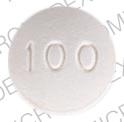
Glyset Disease Interactions
There are 3 disease interactions with Glyset (miglitol).
Alpha-glucosidase inhibitors (applies to Glyset) diabetic ketoacidosis
Major Potential Hazard, Moderate plausibility.
The use of alpha-glucosidase inhibitors is contraindicated for the treatment of patients with diabetic ketoacidosis.
References
- "Product Information. Precose (acarbose)." Bayer PROD (2001):
- "Product Information. Glyset (miglitol)." Bayer PROD (2001):
Alpha-glucosidase inhibitors (applies to Glyset) intestinal disease
Major Potential Hazard, Moderate plausibility. Applicable conditions: Colonic Ulceration, Intestinal Obstruction, Malabsorption Syndrome, Colitis/Enteritis (Noninfectious)
The use of alpha-glucosidase inhibitors is contraindicated in patients with inflammatory bowel disease, colonic ulceration, partial intestinal obstruction, or any chronic intestinal disease associated with marked disorders of digestion or absorption. Alpha-glucosidase inhibitors competitively inhibit enzymes involved in the digestion of carbohydrates. Increased gas formation in the intestines due to fermentation of the undigested carbohydrates can worsen or aggravate intestinal problems.
References
- Hollander P "Safety profile of acarbose, an alpha-glucosidase inhibitor." Drugs 44 Suppl 3 (1992): 47-53
- Clissold SP, Edwards C "Acarbose. A preliminary review of its pharmacodynamic and pharmacokinetic properties, and therapeutic potential." Drugs 35 (1988): 214-43
- "Product Information. Precose (acarbose)." Bayer PROD (2001):
- Nishii Y, Aizawa T, Hashizume K "Ileus: a rare side effect of acarbose." Diabetes Care 19 (1996): 1033
- "Product Information. Glyset (miglitol)." Bayer PROD (2001):
Miglitol (applies to Glyset) renal dysfunction
Major Potential Hazard, Moderate plausibility.
Miglitol is eliminated primarily by the kidney. Plasma miglitol levels in patients with renal impairment have been shown to proportionally increase relative to the degree of renal dysfunction. However, long-term clinical trials in diabetic patients with significant renal dysfunction (serum creatinine > 2.0 mg/dL) have not been conducted. Therapy with miglitol should be administered cautiously in patients with renal insufficiency. The manufacturer does not recommend its use in patients with significantly impaired renal function.
References
- "Product Information. Glyset (miglitol)." Bayer PROD (2001):
Glyset drug interactions
There are 260 drug interactions with Glyset (miglitol).
Glyset alcohol/food interactions
There is 1 alcohol/food interaction with Glyset (miglitol).
Report options

More about Glyset (miglitol)
- Glyset consumer information
- Check interactions
- Compare alternatives
- Reviews (1)
- Drug images
- Side effects
- Dosage information
- During pregnancy
- Generic availability
- Drug class: alpha-glucosidase inhibitors
- Breastfeeding
Related treatment guides
Drug Interaction Classification
| Highly clinically significant. Avoid combinations; the risk of the interaction outweighs the benefit. | |
| Moderately clinically significant. Usually avoid combinations; use it only under special circumstances. | |
| Minimally clinically significant. Minimize risk; assess risk and consider an alternative drug, take steps to circumvent the interaction risk and/or institute a monitoring plan. | |
| No interaction information available. |
Further information
Always consult your healthcare provider to ensure the information displayed on this page applies to your personal circumstances.