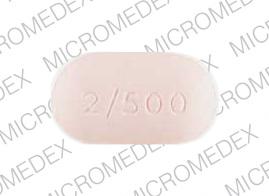
Avandamet Disease Interactions
There are 14 disease interactions with Avandamet (metformin / rosiglitazone).
- Lactic acidosis
- Liver disease
- Renal dysfunction
- Myocardial infarction
- CHF
- Type I diabetes
- Hypoglycemia
- B12 deficiency
- Edema
- Liver disease
- Macular edema
- Premenopausal anovulation
- Weight gain
- Anemia
Metformin (applies to Avandamet) lactic acidosis
Major Potential Hazard, Moderate plausibility. Applicable conditions: Congestive Heart Failure, Myocardial Infarction, Shock, Anemia, Dehydration, Alcoholism, Renal Dysfunction, Diarrhea, Asphyxia, Vomiting, Diabetic Ketoacidosis
Metformin is contraindicated in patients with acute or chronic metabolic acidosis (including diabetic ketoacidosis) with or without coma. Postmarketing cases of metformin-associated lactic acidosis have resulted in death, hypothermia, hypotension, and resistant bradyarrhythmias. Risk factors include renal dysfunction, age 65 years and older, hypoxic states, excessive alcohol intake, and liver dysfunction. Lactic acidosis has been associated with metformin accumulation in plasma at levels generally exceeding 5 mcg/mL. The risk of metformin-associated lactic acidosis increases with the patient's age because patients 65 years and older have a greater likelihood of having hepatic, renal, or cardiac impairment. Renal function should be assessed more frequently in older adult patients. Several postmarketing cases of metformin-associated lactic acidosis occurred in the setting of acute congestive heart failure, especially when accompanied by hypoperfusion and hypoxemia; cardiovascular collapse (shock), acute myocardial infarction, sepsis, and other conditions associated with hypoxemia (e.g., severe anemia, asphyxia) have been associated with lactic acidosis and may cause prerenal azotemia. When such an event occurs, metformin should be discontinued. Dehydration (e.g., severe diarrhea or vomiting) may increase the risk for volume depletion, hypotension, and renal impairment; such patients may be at increased risk for lactic acidosis. Alcohol potentiates the effect of metformin on lactate metabolism; patients should be advised against excessive alcohol intake while receiving metformin. All patients treated with metformin should have renal function monitored regularly (at least annually or more frequently if necessary). If metformin-associated lactic acidosis is suspected, general supportive measures should be instituted promptly in a hospital setting, as well as immediate discontinuation of metformin. If lactic acidosis is diagnosed or strongly suspected, prompt hemodialysis is recommended to correct the acidosis and remove accumulated metformin. Patients and their families should be educated about the symptoms of lactic acidosis and, if these symptoms occur, they should be instructed to discontinue metformin and contact their health care provider.
Metformin (applies to Avandamet) liver disease
Major Potential Hazard, Moderate plausibility.
Metformin decreases the liver uptake of lactate increasing lactate blood levels which may increase the risk of lactic acidosis, especially in at-risk patients. There have been reports of cases of metformin-associated lactic acidosis in patients with liver dysfunction. Metformin should generally be avoided in patients with evidence of hepatic disease.
Metformin (applies to Avandamet) renal dysfunction
Major Potential Hazard, Moderate plausibility.
The use of metformin is contraindicated in patients with severe renal dysfunction (estimated GFR [eGFR] less than 30 mL/min/1.73 m2). Metformin is substantially excreted by the kidney; the risk of metformin accumulation and lactic acidosis increases with the degree of renal dysfunction. Before starting metformin, an eGFR should be obtained. Initiation of metformin is not recommended in patients with eGFR between 30 and 45 mL/min/1.73 m2. An eGFR should be obtained at least annually in all patients; in those at risk of developing renal dysfunction (e.g., older adult patients), renal function should be assessed more frequently. In patients whose eGFR falls below 45 mL/min/1.73 m2, the benefit/risk of continuing therapy should be assessed. Postmarketing cases of metformin-associated lactic acidosis primarily occurred with significant renal dysfunction; metformin plasma levels generally exceeded 5 mcg/mL.
Rosiglitazone (applies to Avandamet) myocardial infarction
Major Potential Hazard, Moderate plausibility. Applicable conditions: History - Myocardial Infarction, Ischemic Heart Disease
Safety data from a pooled analysis of 42 randomized, controlled clinical studies suggest that patients treated with rosiglitazone may have an increased risk of myocardial infarction and/or death from heart-related causes. The overall incidence of myocardial ischemia was 1.99% in patients receiving rosiglitazone-containing therapies (n = 8,604) for at least 24 weeks, compared to 1.51% in patients receiving placebo or other antidiabetic therapies (n = 5,633) for a similar duration. The hazard ratio was 1.31 (95% CI, 1.01 to 1.70) for rosiglitazone-treated patients relative to the comparators, which represents a greater than 30% excess risk of myocardial ischemic events in the rosiglitazone group. However, other published and unpublished data from long-term clinical trials of rosiglitazone provide contradictory evidence about the potential risks. Until more data are available, caution may be advisable when rosiglitazone is prescribed to patients with underlying heart disease or a history of myocardial infarction.
Thiazolidinediones (applies to Avandamet) CHF
Major Potential Hazard, Moderate plausibility. Applicable conditions: Congestive Heart Failure
The use of thiazolidinediones, alone or in combination with other antidiabetic agents, has been associated with fluid retention and new onset or exacerbation of heart failure. An increased risk of cardiovascular events (heart failure worsening; new or worsening edema; new or worsening dyspnea; increases in heart failure medication; myocardial infarction; angina; cardiovascular hospitalization and deaths) has been reported with rosiglitazone therapy in type II diabetic patients with New York Heart Association (NYHA) Class I or II congestive heart failure compared to placebo. Likewise, overnight hospitalization for CHF was observed in 9.9% of diabetic patients with NYHA Class II and III heart failure on pioglitazone compared to 4.7% of patients on glyburide. An increased incidence of cardiovascular adverse events including edema and cardiac failure has also been reported in patients receiving a thiazolidinedione in combination with insulin relative to insulin and placebo. Therapy with thiazolidinediones should be administered cautiously and initiated at the lowest recommended dosage in patients with congestive heart failure. Thiazolidinediones are contraindicated for the treatment of patients with NYHA Class III or IV cardiac status. Patients should be monitored for signs of worsening heart failure such as increased dyspnea, edema, and weight gain. Therapy should be discontinued if any deterioration in cardiac status occurs.
Thiazolidinediones (applies to Avandamet) type I diabetes
Major Potential Hazard, Moderate plausibility. Applicable conditions: Diabetic Ketoacidosis, Diabetes Type 1
Thiazolidinediones exert their hypoglycemic effect only in the presence of insulin. Therefore, these agents should not be used in patients with type I diabetes or for the treatment of diabetic ketoacidosis.
Insulin/oral hypoglycemic agents (applies to Avandamet) hypoglycemia
Moderate Potential Hazard, Moderate plausibility. Applicable conditions: Adrenal Insufficiency, Malnourished, Autonomic Neuropathy, Panhypopituitarism, Anorexia/Feeding Problems
Hypoglycemia may commonly occur during treatment with insulin and/or oral hypoglycemic agents. Care should be taken in patients who may be particularly susceptible to the development of hypoglycemic episodes during the use of these drugs, including those who are debilitated or malnourished, those with defective counterregulatory mechanisms (e.g., autonomic neuropathy and adrenal or pituitary insufficiency), and those receiving beta-adrenergic blocking agents.
Metformin (applies to Avandamet) B12 deficiency
Moderate Potential Hazard, Moderate plausibility. Applicable conditions: Folic Acid/Cyanocobalamin Deficiency, Anemia Associated with Vitamin B12 Deficiency
Metformin may interfere with vitamin B12 absorption from the B12-intrinsic factor complex. A decrease to subnormal levels of previously normal serum vitamin B12 levels was reported in about 7% of patients treated with metformin during clinical trials. Such decrease may be associated with anemia but appears to be rapidly reversible with metformin discontinuation or vitamin B12 supplementation. Certain patients (those with inadequate vitamin B12 or calcium intake or absorption) appear to be predisposed to developing subnormal levels of vitamin B12; caution may be warranted when metformin is administered to these patients. It is recommended to measure vitamin B12 every 2 to 3 years and hematologic parameters annually in patients on metformin. Any abnormalities should be managed.
Thiazolidinediones (applies to Avandamet) edema
Moderate Potential Hazard, Moderate plausibility. Applicable conditions: Hypertension, Pleural Effusion, Pulmonary Edema, Fluid Retention
Thiazolidinediones can cause dose-related edema. Therapy with thiazolidinediones should be administered cautiously in patients at risk for congestive heart failure as well as those with fluid overload or other conditions that may be adversely affected by excess fluid such as hypertension. Patients should be monitored for signs and symptoms of heart failure such as dyspnea, swelling of legs or ankles, and weight gain.
Thiazolidinediones (applies to Avandamet) liver disease
Moderate Potential Hazard, Moderate plausibility.
Initiation of rosiglitazone or pioglitazone therapy is not recommended in patients who exhibit clinical evidence of active liver disease or increased baseline serum transaminase levels (ALT exceeding 2.5 times upper limit of normal). Use of these agents is also not recommended in patients who have experienced jaundice during treatment with troglitazone. The use of troglitazone, another agent in the thiazolidinedione class, has been associated with clinically significant elevations in liver enzymes, reversible jaundice, and idiosyncratic hepatocellular injury including rare cases of liver failure, liver transplants, and death. Injury has occurred after both short- and long-term treatment. While these effects have not been associated with other thiazolidinediones in clinical trials, concerns exist because of their structural similarities. In addition, isolated cases of hepatitis and hepatic enzyme elevations to 3 or more times the upper limit of normal have been reported with both rosiglitazone and pioglitazone during postmarketing use. Rarely, these events have involved hepatic failure with and without fatal outcome, although causality has not been established. Until more safety data are available, patients who are prescribed thiazolidinedione therapy should have serum transaminase levels checked at baseline and periodically thereafter as clinically necessary. Mild to moderate elevations (ALT less than or equal to 2.5 times ULN) require cautious use with more frequent monitoring to determine if the elevations resolve or worsen. Patients who develop potential symptoms of hepatic injury such as unexplained nausea, vomiting, abdominal pain, fatigue, anorexia, and dark urine should have liver enzymes checked. Therapy should be withdrawn if ALT is elevated and persists above 3 times ULN or if jaundice develops.
Thiazolidinediones (applies to Avandamet) macular edema
Moderate Potential Hazard, Moderate plausibility. Applicable conditions: Diabetes Mellitus, Diabetic Macular Edema
New onset or worsening diabetic macular edema with decreased visual acuity have been reported in postmarketing reports in some diabetic patients who were taking thiazolidinedione drugs. Some patients presented with blurred vision or decreased visual acuity, but some patients appear to have been diagnosed on routine ophthalmologic examination. Most patients had peripheral edema at the time macular edema was diagnosed. Some patients had improvement in their macular edema after discontinuation of their thiazolidinedione. Patients with diabetes should have regular eye exams by an ophthalmologist according to current standards of care. Additionally, any diabetic who reports any kind of visual symptom should be promptly referred to an ophthalmologist, regardless of the patient's underlying medications or other physical findings.
Thiazolidinediones (applies to Avandamet) premenopausal anovulation
Moderate Potential Hazard, Moderate plausibility.
In premenopausal, anovulatory patients with insulin resistance, treatment with thiazolidinediones may result in resumption of ovulation. Due to improved insulin sensitivity, pregnancy can occur if adequate contraception is not used.
Thiazolidinediones (applies to Avandamet) weight gain
Moderate Potential Hazard, Moderate plausibility. Applicable conditions: Obesity
Thiazolidinediones can cause dose-related weight gain, which may be undesirable in obese patients attempting to lose weight. The mechanism of weight gain is unclear but probably involves a combination of fluid retention and fat accumulation. In postmarketing experience with rosiglitazone, there have been reports of unusually rapid increases in weight, greater than those generally observed in clinical trials. Patients who experience such increases should be assessed for fluid retention and volume-related events such as excessive edema and congestive heart failure.
Thiazolidinediones (applies to Avandamet) anemia
Minor Potential Hazard, Moderate plausibility.
Thiazolidinediones can cause slight decreases in hemoglobin and hematocrit. In clinical studies, hemoglobin levels were reduced primarily within the first 4 to 12 weeks of therapy but remained relatively constant thereafter. These changes may be related to increased plasma volume and have rarely been associated with any significant hematologic clinical effects. Nevertheless, caution may be advisable when thiazolidinediones are prescribed to patients with certain anemias.
Avandamet drug interactions
There are 426 drug interactions with Avandamet (metformin / rosiglitazone).
Avandamet alcohol/food interactions
There are 4 alcohol/food interactions with Avandamet (metformin / rosiglitazone).
Report options

More about Avandamet (metformin / rosiglitazone)
- Avandamet consumer information
- Check interactions
- Compare alternatives
- Reviews (3)
- Drug images
- Side effects
- Dosage information
- During pregnancy
- Drug class: antidiabetic combinations
Related treatment guides
Drug Interaction Classification
| Highly clinically significant. Avoid combinations; the risk of the interaction outweighs the benefit. | |
| Moderately clinically significant. Usually avoid combinations; use it only under special circumstances. | |
| Minimally clinically significant. Minimize risk; assess risk and consider an alternative drug, take steps to circumvent the interaction risk and/or institute a monitoring plan. | |
| No interaction information available. |
Further information
Always consult your healthcare provider to ensure the information displayed on this page applies to your personal circumstances.