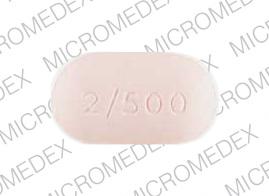
Avandamet
Generic name: metformin and rosiglitazone [ met-FOR-min-and-ROE-zi-GLI-ta-zone ]
Drug class: Antidiabetic combinations
Medically reviewed by Drugs.com. Last updated on Jun 14, 2023.
What is Avandamet?
Avandamet contains a combination of metformin and rosiglitazone, two oral diabetes medicines that help control blood sugar levels.
Avandamet is used together with diet and exercise to improve blood sugar control in adults with type 2 diabetes mellitus. This medicine is not for treating type 1 diabetes.
Avandamet is not recommended for use with insulin. Taking this medicine while you are using insulin may increase your risk of serious heart problems.
Warnings
You should not use Avandamet if you have severe or uncontrolled heart failure, severe kidney problems, or diabetic ketoacidosis.
If you need to have any type of x-ray or CT scan using a dye that is injected into your veins, you will need to temporarily stop taking metformin.
Avandamet may cause a serious condition called lactic acidosis. Get emergency medical help if you have even mild symptoms such as: muscle pain or weakness, numb or cold feeling in your arms and legs, trouble breathing, stomach pain, nausea with vomiting, fast or uneven heart rate, dizziness, or feeling very weak or tired.
Before taking this medicine
You should not use Avandamet if you are allergic to metformin or rosiglitazone, or if you have:
-
severe or uncontrolled heart failure;
-
severe kidney problems; or
-
diabetic ketoacidosis (call your doctor for treatment).
If you need to have any type of x-ray or CT scan using a dye that is injected into your veins, you will need to temporarily stop taking Avandamet.
Some people taking metformin develop a serious condition called lactic acidosis. This may be more likely if you have liver or kidney disease, congestive heart failure, a heart attack or stroke, a severe infection, if you are 65 or older, if you are dehydrated, or if you drink a lot of alcohol. Talk with your doctor about your risk.
To make sure Avandamet is safe for you, tell your doctor if you have ever had:
-
heart disease, congestive heart failure;
-
fluid retention;
-
kidney disease;
-
a problem with your adrenal or pituitary glands;
-
liver disease; or
-
eye problems caused by diabetes.
Women may be more likely than men to have bone fractures in the upper arm, hand, or foot while taking medicine that contains rosiglitazone. Talk with your doctor if you are concerned about this possibility.
Follow your doctor's instructions about using Avandamet if you are pregnant. Blood sugar control is very important during pregnancy, and your dose needs may be different during each trimester of pregnancy.
Some women using Avandamet have started having menstrual periods, even after not having a period for a long time due to a medical condition. You may be able to get pregnant if your periods restart. Talk with your doctor about the need for birth control.
It is not known whether metformin and rosiglitazone passes into breast milk or if it could harm a nursing baby. You should not breast-feed while using Avandamet.
Avandamet is not approved for use by anyone younger than 18 years old.
Related/similar drugs
Mounjaro, metformin, Trulicity, Lantus, Tresiba, Victoza, Levemir
How should I take Avandamet?
Take Avandamet exactly as prescribed by your doctor. Follow all directions on your prescription label. Your doctor may occasionally change your dose. Do not use this medicine in larger or smaller amounts or for longer than recommended.
Your doctor may perform blood tests to make sure you do not have conditions that would prevent you from safely using Avandamet.
Take Avandamet with food if it upsets your stomach.
Low blood sugar (hypoglycemia) can happen to everyone who has diabetes. Symptoms include headache, hunger, sweating, irritability, dizziness, nausea, fast heart rate, and feeling anxious or shaky. To quickly treat low blood sugar, always keep a fast-acting source of sugar with you such as fruit juice, hard candy, crackers, raisins, or non-diet soda.
Your doctor can prescribe a glucagon emergency injection kit to use in case you have severe hypoglycemia and cannot eat or drink. Be sure your family and close friends know how to give you this injection in an emergency.
Blood sugar levels can be affected by stress, illness, surgery, exercise, alcohol use, or skipping meals. Ask your doctor before changing your dose or medication schedule.
If you take extra vitamin B12 while you are taking Avandamet, take only the amount of vitamin B12 that your doctor has prescribed.
Avandamet is only part of a complete treatment program that may also include diet, exercise, weight control, regular blood sugar testing, and special medical care. Follow your doctor's instructions very closely.
Store at room temperature away from moisture and heat.
Dosing information
Usual Adult Dose of Avandamet for Diabetes Type 2:
Individualize dose based on safety, efficacy, and prior therapy; asses the risk versus benefit of initiating with combination therapy versus monotherapy
-Initial dose: rosiglitazone 2 mg/metformin 500 mg orally once or twice a day
-If glycosylated hemoglobin (HbA1c) is greater than 11% or fasting plasma glucose (FPG) is greater than 270 mg/dL: consider a starting dose of rosiglitazone 2 mg/metformin 500 mg orally twice a day
Titration: Increase in increments of rosiglitazone 2 mg/metformin 500 mg per day in divided doses if not adequately controlled after 4 weeks
Patients Inadequately Controlled on Rosiglitazone Monotherapy:
-Initial dose: Current rosiglitazone dose plus metformin 1000 mg per day orally in 2 divided doses
Patients Inadequately Controlled on Metformin Monotherapy:
-Initial dose: Current metformin dose plus rosiglitazone 4 mg per day orally in 2 divided doses
Patients currently receiving rosiglitazone and metformin as individual components:
-Switch to combination product containing the same dose of each component
-Titration: Allow sufficient time to assess adequacy of response; increase in increments of rosiglitazone 4 mg/metformin 500 mg per day in divided doses; allow 1 to 2 weeks to assess metformin dose increase; allow 8 to 12 weeks to assess rosiglitazone dose increase
-Maximum dose: rosiglitazone 8 mg/metformin 2000 mg per day
Comments:
-This drug should be given in divided doses with meals.
-Gradual dose escalation is recommended in order to reduce the gastrointestinal side effects of metformin and allow for determination of the minimum effective dose.
-Coadministration with insulin is not recommended.
Use: To improve glycemic control in adult patients with type 2 diabetes mellitus as an adjunct to diet and exercise.
What happens if I miss a dose?
Take the missed dose as soon as you remember. Skip the missed dose if it is almost time for your next scheduled dose. Do not take extra medicine to make up the missed dose.
What happens if I overdose?
Seek emergency medical attention or call the Poison Help line at 1-800-222-1222.
What to avoid
Avoid drinking alcohol. It lowers blood sugar and may increase your risk of lactic acidosis while taking Avandamet.
Avandamet side effects
Get emergency medical help if you have signs of an allergic reaction to Avandamet: hives, itching; difficult breathing; trouble swallowing; swelling of your face, lips, tongue, or throat.
Early symptoms of lactic acidosis may get worse over time and this condition can be fatal. Get emergency medical help if you have even mild symptoms: muscle pain or weakness, numb or cold feeling in your arms and legs, trouble breathing, stomach pain, nausea with vomiting, fast or uneven heart rate, dizziness, or feeling very weak or tired.
Call your doctor at once if you have:
-
changes in your vision;
-
a light-headed feeling, like you might pass out;
-
low red blood cells (anemia) - pale skin, feeling light-headed or short of breath, rapid heart rate, trouble concentrating;
-
heart attack symptoms - chest pain or pressure, pain spreading to your jaw or shoulder, nausea, sweating;
-
signs of heart failure - shortness of breath (even while lying down), swelling in your feet or ankles, rapid weight gain;
-
liver problems - nausea, vomiting, loss of appetite, upper stomach pain, tiredness, dark urine, clay-colored stools, jaundice (yellowing of the skin or eyes); or
-
severe skin reaction - fever, sore throat, swelling in your face or tongue, burning in your eyes, skin pain followed by a red or purple skin rash that spreads (especially in the face or upper body) and causes blistering and peeling.
Common Avandamet side effects may include:
-
nausea, vomiting, upset stomach, diarrhea;
-
headache, dizziness; or
-
joint pain.
This is not a complete list of side effects and others may occur. Call your doctor for medical advice about side effects. You may report side effects to FDA at 1-800-FDA-1088.
What other drugs will affect Avandamet?
Many other medicines can affect your blood sugar, and some medicines can increase or decrease the effects of Avandamet. Some drugs can also cause you to have fewer symptoms of hypoglycemia, making it harder to tell when your blood sugar is low. Tell your doctor about all your current medicines and any you start or stop using, especially:
-
insulin or other oral diabetes medications;
-
heart or blood pressure medicine; or
-
cholesterol-lowering medicine.
This list is not complete. Other drugs may interact with metformin and rosiglitazone, including prescription and over-the-counter medicines, vitamins, and herbal products. Not all possible interactions are listed in this medication guide.
More about Avandamet (metformin / rosiglitazone)
- Check interactions
- Compare alternatives
- Reviews (3)
- Drug images
- Side effects
- Dosage information
- During pregnancy
- Drug class: antidiabetic combinations
Related treatment guides
Further information
Remember, keep this and all other medicines out of the reach of children, never share your medicines with others, and use Avandamet only for the indication prescribed.
Always consult your healthcare provider to ensure the information displayed on this page applies to your personal circumstances.
Copyright 1996-2024 Cerner Multum, Inc. Version: 15.01.