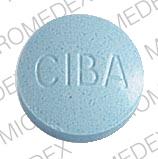
Esidrix Disease Interactions
There are 11 disease interactions with Esidrix (hydrochlorothiazide).
- Anuria
- Electrolyte losses
- Liver disease
- Lupus erythematosus
- Renal function disorders
- Asthma
- Diabetes
- Hyperlipidemia
- Hyperparathyroidism
- Hyperuricemia
- Thyroid function tests
Thiazides (applies to Esidrix) anuria
Major Potential Hazard, High plausibility.
The use of thiazide diuretics is contraindicated in patients with anuria.
References
- (2002) "Product Information. HydroDIURIL (hydrochlorothiazide)." Merck & Co., Inc
- (2002) "Product Information. Lozol (indapamide)." Rhone Poulenc Rorer
- (2001) "Product Information. Zaroxolyn (metolazone)." Rhone Poulenc Rorer
- (2001) "Product Information. Thalitone (chlorthalidone)." Monarch Pharmaceuticals Inc
- (2001) "Product Information. Diuril (chlorothiazide)." Merck & Co., Inc
- (2001) "Product Information. Enduron (methyclothiazide)." Abbott Pharmaceutical
- (2001) "Product Information. Metahydrin (trichlormethiazide)." Hoechst Marion Roussel
- (2001) "Product Information. Diucardin (hydroflumethiazide)." Wyeth-Ayerst Laboratories
- "Product Information. Renese-R (reserpine-polythiazide)." Pfizer US Pharmaceuticals, New York, NY.
Thiazides (applies to Esidrix) electrolyte losses
Major Potential Hazard, High plausibility. Applicable conditions: Hypokalemia, Diarrhea, Electrolyte Abnormalities, Hyperaldosteronism, Hyponatremia, Magnesium Imbalance, Malnourished, Vomiting, Ventricular Arrhythmia, Dehydration
The use of thiazide diuretics is commonly associated with loss of electrolytes, most significantly potassium but also sodium, chloride, bicarbonate, and magnesium. The loss of other electrolytes such as phosphate, bromide and iodide is usually slight. Potassium and magnesium depletion may lead to cardiac arrhythmias and cardiac arrest. Other electrolyte-related complications include metabolic alkalosis and hyponatremia, which are rarely life-threatening. Therapy with thiazide diuretics should be administered cautiously in patients with or predisposed to fluid and electrolyte depletion, including patients with primary or secondary aldosteronism (may have low potassium levels); those with severe or prolonged diarrhea or vomiting; and those with poor nutritional status. Fluid and electrolyte abnormalities should be corrected prior to initiating therapy, and blood pressure as well as serum electrolyte concentrations monitored periodically and maintained at normal ranges during therapy. Patients should be advised to immediately report signs and symptoms of fluid or electrolyte imbalance, including dry mouth, thirst, weakness, lethargy, drowsiness, restlessness, muscle pains or cramps, muscular fatigue, hypotension, oliguria, tachycardia, arrhythmia, or gastrointestinal disturbances such as nausea and vomiting. Digitalized patients and patients with a history of ventricular arrhythmias should be monitored carefully, since development of hypokalemia may be particularly dangerous in these patients. The risk of hypokalemia may be minimized by slow diuresis, a lower thiazide dosage, potassium supplementation, or combined use with a potassium-sparing diuretic.
References
- Lindy S, Tarssanen L (1973) "Serum calcium and phosphorus in patients treated with thiazides and furosemide." Acta Med Scand, 194, p. 319-22
- Leigh H (1974) "Letter: Factitious hypokalemia." Ann Intern Med, 80, p. 111-2
- Moore TD, Bechtel TP (1979) "Hyponatremia secondary to tolbutamide and chlorothiazide." Am J Hosp Pharm, 36, p. 1107-10
- Falch DK, Schreiner AM (1981) "Changes in urinary electrolytes versus serum electrolytes during treatment of primary hypertension with chlorthalidone alone and in combination with spironolactone." Acta Med Scand, 209, p. 111-4
- Papademetriou V, Fletcher R, Khatri IM, Freis ED (1983) "Diuretic-induced hypokalemia in uncomplicated systemic hypertension: effect of plasma potassium correction on cardiac arrhythmias." Am J Cardiol, 52, p. 1017-22
- Kuller L, Farrier N, Caggiula A, Borhani N, Dunkle S (1985) "Relationship of diuretic therapy and serum magnesium levels among participants in the Multiple Risk Factor Intervention Trial." Am J Epidemiol, 122, p. 1045-59
- Remenchik AP, Johnston LC (1966) "Potassium depletion produced by administration of chlorthalidone to nonedematous patients with arterial hypertensin." Am J Med Sci, 252, p. 171-6
- Katz FH, Eckert RC, Gebott MD (1972) "Hypokalemia caused by surreptitious self-administration of diuretics." Ann Intern Med, 76, p. 85-90
- Fichman MP, Vorherr H, Kleeman CR, Telfer N (1971) "Diuretic-induced hyponatremia." Ann Intern Med, 75, p. 853-63
- Stewart DE, Ikram H, Espiner EA, Nicholls MG (1985) "Arrhythmogenic potential of diuretic induced hypokalaemia in patients with mild hypertension and ischaemic heart disease." Br Heart J, 54, p. 290-7
- Kuller LH, Hulley SB, Cohen JD, Neaton J (1986) "Unexpected effects of treating hypertension in men with electrocardiographic abnormalities: a critical analysis." Circulation, 73, p. 114-23
- Landmann-Suter R, Struyvenberg A (1978) "Initial potassium loss and hypokalaemia during chlorthalidone administration in patients with essential hypertension: the influence of dietary sodium restriction." Eur J Clin Invest, 8, p. 155-64
- Navarro RP, O'Brien DK, Nuffort P, Spencer DL (1982) "Diuretic induced hypokalemia in the elderly." J Fam Pract, 14, p. 685-9
- Oh SJ, Douglas JE, Brown RA (1971) "Hypokalemic vacuolar myopathy associated with chlorthalidone treatment." JAMA, 216, p. 1858-9
- Mozes B, Pines A, Werner D, Olchovsky D, Lieberman P, Frankl O (1986) "Thiazide-induced hyponatremia: an unusual neurologic course." South Med J, 79, p. 629-31
- Jensen OB, Mosdal C, Reske-Nielsen E (1977) "Hypokalemic myopathy during treatment with diuretics." Acta Neurol Scand, 55, p. 465-82
- Cembrowski GS, Huntington RW, 3d (1981) "Probable fatal cardiac dysrhythmia secondary to diuretic-induced hypokalemia." Am J Forensic Med Pathol, 2, p. 243-8
- Sumiye L, Vivian AS, Frisof KB, Podany EC (1981) "Potassium loss associated with hydrochlorothiazide versus chlorthalidone." Clin Ther, 4, p. 308-20
- Berg KJ, Gisholt K, Wideroe TE (1974) "Potassium deficiency in hypertensives treated with diuretics. Analysis of three alternative treatments by an oral test for potassium deficiency." Eur J Clin Pharmacol, 7, p. 401-5
- Chowdhury FR, Bleicher SJ (1970) "Chlorthalidone--induced hypokalemia and abnormal carbohydrate metabolism." Horm Metab Res, 2, p. 13-6
- Carney SL, Morgan TO (1986) "Diuretic-induced hypokalemia and altered renal function." Int J Clin Pharmacol Ther Toxicol, 24, p. 665-7
- Ragnarsson J, Hardarson T, Snorrason SP (1987) "Ventricular dysrhythmias in middle-aged hypertensive men treated either with a diuretic agent or a beta-blocker." Acta Med Scand, 221, p. 143-8
- Hollifield JW, Slaton PE (1981) "Thiazide diuretics, hypokalemia and cardiac arrhythmias." Acta Med Scand Suppl, 647, p. 67-73
- Papademetriou V, Price M, Notargiacomo A, Gottdiener J, Fletcher RD, Freis ED (1985) "Effect of diuretic therapy on ventricular arrhythmias in hypertensive patients with or without left ventricular hypertrophy." Am Heart J, 110, p. 595-9
- Krishna GG, Narins RG (1988) "Hemodynamic consequences of diuretic-induced hypokalemia." Am J Kidney Dis, 12, p. 329-31
- Polanska AI, Baron DN (1978) "Hyponatraemia associated with hydrochlorothiazide treatment ." Br Med J, 1, p. 175-6
- Pinnock CA (1978) "Hyponatraemia associated with hydrochlorothiazide treatment ." Br Med J, 1, p. 48
- Itescu S, Haskell LP, Tannenberg AM (1987) "Thiazide-induced clinically significant hypophosphatemia ." Clin Nephrol, 27, p. 161-2
- Byatt CM, Millard PH, Levin GE (1990) "Diuretics and electrolyte disturbances in 1000 consecutive geriatric admissions." J R Soc Med, 83, p. 704-8
- Bain PG, Egner W, Walker PR (1986) "Thiazide-induced dilutional hyponatraemia masquerading as subarachnoid haemorrhage ." Lancet, 2, p. 634
- Benfield GF, Haffner C, Harris P, Stableforth DE (1986) "Dilutional hyponatraemia masquerading as subarachnoid haemorrhage in patient on hydrochlorothiazide/amiloride/timolol combined drug ." Lancet, 2, p. 341
- Gould L, Reddy CV, Zen B, Singh BK (1980) "Life-threatening reaction to thiazides." N Y State J Med, 80, p. 1975-6
- Seelig CB (1990) "Magnesium deficiency in two hypertensive patient groups." South Med J, 83, p. 739-42
- Peters RW, Hamilton J, Hamilton BP (1989) "Incidence of cardiac arrhythmias associated with mild hypokalemia induced by low-dose diuretic therapy for hypertension." South Med J, 82, 966-9,
- Kone B, Gimenez L, Watson AJ (1986) "Thiazide-induced hyponatremia." South Med J, 79, p. 1456-7
- Holland OB, Kuhnert L, Pollard J, Padia M, Anderson RJ, Blomqvist G (1988) "Ventricular ectopic activity with diuretic therapy." Am J Hypertens, 1, p. 380-5
- Mouallem M, Friedman E, Shemesh Y, Mayan H, Pauzner R, Farfel Z (1991) "Cardiac conduction defects associated with hyponatremia." Clin Cardiol, 14, p. 165-8
- Kaur J, Wahi PL (1967) "Polythiazide as a diuretic. A clinical trial." J Indian Med Assoc, 48, p. 13-7
- Mroczek WJ (1983) "Indapamide: clinical pharmacology, therapeutic efficacy in hypertension, and adverse effects." Pharmacotherapy, 3, p. 61-7
- Beling S, Vukovich RA, Neiss ES, Zisblatt M, Webb E, Losi M (1983) "Long-term experience with indapamide." Am Heart J, 106, p. 258-62
- Slotkoff L (1983) "Clinical efficacy and safety of indapamide in the treatment of edema." Am Heart J, 106, p. 233-7
- (2002) "Product Information. HydroDIURIL (hydrochlorothiazide)." Merck & Co., Inc
- (2002) "Product Information. Lozol (indapamide)." Rhone Poulenc Rorer
- (2001) "Product Information. Zaroxolyn (metolazone)." Rhone Poulenc Rorer
- Stern A (1976) "Metolazone, a diuretic agent." Am Heart J, 91, p. 262-3
- Black W, Shiner P, Roman J (1978) "Severe electrolyte disturbances associated with metolazone and furosemide." South Med J, 71, p. 381
- (2001) "Product Information. Thalitone (chlorthalidone)." Monarch Pharmaceuticals Inc
- (2001) "Product Information. Diuril (chlorothiazide)." Merck & Co., Inc
- Ghose RR (1975) "Letter: Hyponatraemia and diuretics." Lancet, 1, p. 578-9
- Brors O, Enger E, Jacobsen S, Aakvaag A, Foss OP (1981) "Effects of hydroflumethiazide in congestive heart failure: renal electrolyte excretion related to urinary thiazide excretion and aldosterone." Acta Pharmacol Toxicol (Copenh), 49, p. 399-406
- Brors O, Jacobsen S, Foss OP, Aakvaag A (1981) "Effect of repeated doses of hydroflumethiazide on renal excretion of electrolytes and uric acid in healthy subjects." Acta Pharmacol Toxicol (Copenh), 48, p. 145-50
- el-Meheiry MM, Nabih AE, Soliman MD (1966) "A clinical study of a new diuretic, Trichlormethiazide." J Trop Med Hyg, 69, p. 209-14
- (2001) "Product Information. Enduron (methyclothiazide)." Abbott Pharmaceutical
- (2001) "Product Information. Metahydrin (trichlormethiazide)." Hoechst Marion Roussel
- (2001) "Product Information. Diucardin (hydroflumethiazide)." Wyeth-Ayerst Laboratories
- Husby S, Marthedal NJ (1981) "Hyponatraemia due to a thiazide diuretic. A case report." Acta Med Scand, 210, p. 523-4
- Berglund G, Andersson O, Larsson O, Wilhelmsen L (1976) "Antihypertensive effect and side-effects of bendroflumethiazide and propranolol." Acta Med Scand, 199, p. 499-506
- Gudbrandsson T, Hansson L (1979) "Combination therapy with saluretics and atenolol in essential hypertension. Effects on blood pressure, electrolytes and uric acid." Acta Med Scand Suppl, 625, p. 86-91
- Elmfeldt D, Berglund G, Wedel H, Wilhelmsen L (1983) "Incidence and importance of metabolic side-effects during antihypertensive therapy." Acta Med Scand Suppl, 672, p. 79-83
- Condon JR, Nassim R (1970) "Hypophosphataemia and hypokalaemia." Br Med J, 1, p. 110
- Winchester JF, Kellett RJ, Boddy K, Boyle P, Dargie HJ, Mahaffey ME, Ward DM, Kennedy AC (1980) "Metolazone and bendroflumethiazide in hypertension: physiologic and metabolic observations." Clin Pharmacol Ther, 28, p. 611-8
- Lee MR, Morgan DB (1980) "Familial hyperkalaemia responsive to benzothiadiazine diuretic." Lancet, 1, p. 879
- Hesp R, Wilkinson PR (1976) "Potassium supplementation of thiazide therapy." Lancet, 2, p. 1144
- Struthers AD, Whitesmith R, Reid JL (1983) "Prior thiazide diuretic treatment increases adrenaline-induced hypokalaemia." Lancet, 1, p. 1358-61
- Petri M, Cumber P, Grimes L, Treby D, Bryant R, Rawlins D, Ising H (1986) "The metabolic effects of thiazide therapy in the elderly: a population study." Age Ageing, 15, p. 151-5
- Starr JM, Whalley LJ (1993) "Hypertensive Old People in Edinburgh (HOPE) Study: electrocardiographic changes after captopril or bendrofluazide treatment." Age Ageing, 22, p. 343-8
- Toner JM, Ramsay LE (1984) "Thiazide-induced hypokalaemia; prevalence higher in women." Br J Clin Pharmacol, 18, p. 449-52
- Jorgensen FS, Brunner S (1974) "The long-term effect of bendroflumethiazide on renal calcium and magnesium excretion and stone formation in patients with recurring renal stones." Scand J Urol Nephrol, 8, p. 128-31
- Ljunghall S, Backman U, Danielson BG, Fellstrom B, Johansson G, Wikstrom B (1981) "Calcium and magnesium metabolism during long-term treatment with thiazides." Scand J Urol Nephrol, 15, p. 257-62
- Medical Research Council Working Party on Mild to Moderate Hypertension. (1983) "Ventricular extrasystoles during thiazide treatment: substudy of MRC mild hypertension trial." Br Med J (Clin Res Ed), 287, p. 1249-53
- "Product Information. Renese-R (reserpine-polythiazide)." Pfizer US Pharmaceuticals, New York, NY.
- Freis ED (1995) "The efficacy and safety of diuretics in treating hypertension." Ann Intern Med, 122, p. 223-6
- Read SJ, Trenerry HM, Whiting GF (1994) "Hyponatraemia and raised creatine kinase level associated with indapamide." Med J Aust, 161, p. 607-8
- Chan TY (1995) "Indapamide-induced severe hyponatremia and hypokalemia." Ann Pharmacother, 29, p. 1124-8
- Simunic M, Rumboldt Z, Ljutic D, Sardelic S (1995) "Ramipril decreases chlorthalidone-induced loss of magnesium and potassium in hypertensive patients." J Clin Pharmacol, 35, p. 1150-5
- Brater DC (1998) "Drug therapy: Diuretic therapy." N Engl J Med, 339, p. 387-95
- Palmer BF, Gates JR, Lader M (2003) "Causes and management of hyponatremia." Ann Pharmacother, 37, p. 1694-702
Thiazides (applies to Esidrix) liver disease
Major Potential Hazard, High plausibility.
Patients with severe liver disease or cirrhosis are very susceptible to thiazide-induced hypokalemic hypochloremic alkalosis. Blood ammonia concentrations may be further increased in patients with previously elevated concentrations. Hepatic encephalopathy and death have occurred secondary to the electrolyte alterations accompanying diuretic use. Therapy with thiazide diuretics should be administered cautiously in patients with impaired hepatic function or progressive liver disease, and discontinued promptly if signs of impending hepatic coma appear (e.g., tremors, confusion, and increased jaundice).
References
- Aneckstein AG, Weingold AB (1966) "Chlorothiazide-induced hepatic coma in pregnancy." Am J Obstet Gynecol, 95, p. 136-7
- Sherlock S, Senewiratne B, Scott A, Walker JG (1966) "Complications of diuretic therapy in hepatic cirrhosis." Lancet, 1, p. 1049-52
- Sherlock S, Walker JG, Senewiratne B, Scott A (1966) "The complications of diuretic therapy in patients with cirrhosis." Ann N Y Acad Sci, 139, p. 497-505
- (2002) "Product Information. HydroDIURIL (hydrochlorothiazide)." Merck & Co., Inc
- (2002) "Product Information. Lozol (indapamide)." Rhone Poulenc Rorer
- (2001) "Product Information. Zaroxolyn (metolazone)." Rhone Poulenc Rorer
- (2001) "Product Information. Thalitone (chlorthalidone)." Monarch Pharmaceuticals Inc
- (2001) "Product Information. Diuril (chlorothiazide)." Merck & Co., Inc
- (2001) "Product Information. Enduron (methyclothiazide)." Abbott Pharmaceutical
- (2001) "Product Information. Metahydrin (trichlormethiazide)." Hoechst Marion Roussel
- (2001) "Product Information. Diucardin (hydroflumethiazide)." Wyeth-Ayerst Laboratories
- "Product Information. Renese-R (reserpine-polythiazide)." Pfizer US Pharmaceuticals, New York, NY.
Thiazides (applies to Esidrix) lupus erythematosus
Major Potential Hazard, Moderate plausibility.
The use of thiazide diuretics has been reported to possibly exacerbate or activate systemic lupus erythematosus. Reported cases have generally been associated with chlorothiazide and hydrochlorothiazide. Therapy with thiazide diuretics should be administered cautiously in patients with a history or risk of SLE.
References
- Reed BR, Huff JC, Jones SK, Orton PW, Lee LA, Norris DA (1985) "Subacute cutaneous lupus erythematosus associated with hydrochlorothiazide therapy." Ann Intern Med, 103, p. 49-51
- Parodi A, Romagnoli M, Rebora A (1989) "Subacute cutaneous lupus erythematosus-like eruption caused by hydrochlorothiazide." Photodermatol, 6, p. 100-2
- (2002) "Product Information. HydroDIURIL (hydrochlorothiazide)." Merck & Co., Inc
- (2002) "Product Information. Lozol (indapamide)." Rhone Poulenc Rorer
- Goodrich AL, Kohn SR (1993) "Hydrochlorothiazide-induced lupus erythematosus: a new variant?" J Am Acad Dermatol, 28, p. 1001-2
- (2001) "Product Information. Zaroxolyn (metolazone)." Rhone Poulenc Rorer
- (2001) "Product Information. Thalitone (chlorthalidone)." Monarch Pharmaceuticals Inc
- (2001) "Product Information. Diuril (chlorothiazide)." Merck & Co., Inc
- (2001) "Product Information. Enduron (methyclothiazide)." Abbott Pharmaceutical
- (2001) "Product Information. Metahydrin (trichlormethiazide)." Hoechst Marion Roussel
- (2001) "Product Information. Diucardin (hydroflumethiazide)." Wyeth-Ayerst Laboratories
- "Product Information. Renese-R (reserpine-polythiazide)." Pfizer US Pharmaceuticals, New York, NY.
- Rich MW, Eckman JM (1995) "Can hydrochlorothiazide cause lupus?" J Rheumatol, 22, p. 1001
- Brown CW, Deng JS (1995) "Thiazide diuretics induce cutaneous lupus-like adverse reaction." J Toxicol Clin Toxicol, 33, p. 729-33
Thiazides (applies to Esidrix) renal function disorders
Major Potential Hazard, High plausibility. Applicable conditions: Renal Dysfunction
Thiazide diuretics may be ineffective when the glomerular filtration rate is low (GFR < 25 mL/min) because they are not expected to be filtered into the renal tubule, their site of action. In addition, thiazide diuretics decrease the GFR and may precipitate azotemia in renal disease. Cumulative effects may also develop because most of these drugs are excreted unchanged in the urine by glomerular filtration and active tubular secretion. Therapy with thiazide diuretics should be administered cautiously at reduced dosages in patients with renal impairment. If renal function becomes progressively worse, as indicated by rising BUN or serum creatinine levels, an interruption or discontinuation of thiazide therapy should be considered.
References
- Fleuren HLJ, Verwey-van Wissen C, van Rossum JM (1979) "Dose-dependent urinary excretion of chlorthalidone." Clin Pharmacol Ther, 25, p. 806-12
- Beermann B, Groschinsky-Grind M, Rosen A (1975) "Absorption, metabolism, and excretion of hydrochlorothiazide." Clin Pharmacol Ther, 19, p. 531-7
- Niemeyer C, Hasenfub G, Wais U, et al. (1983) "Pharmacokinetics of hydrochlorothiazide in relation to renal function." Eur J Clin Pharmacol, 24, p. 661-5
- Gehr TW, Sica DA, Brater DC, et al. (1991) "Metolazone pharmacokinetics and pharmacodynamics in renal transplantation." Int J Clin Pharmacol Ther Toxicol, 29, p. 116-23
- Jones B, Nanra RS (1979) "Double-blind trial of antihypertensive effect of chlorothiazide in severe renal failure." Lancet, 2, p. 1258-60
- Carney SL, Morgan TO (1986) "Diuretic-induced hypokalemia and altered renal function." Int J Clin Pharmacol Ther Toxicol, 24, p. 665-7
- Magil AB, Ballon HS, Cameron EC, Rae A (1980) "Acute interstitial nephritis associated with thiazide diuretics. Clinical and pathologic observations in three cases." Am J Med, 69, p. 939-43
- Magil AB (1983) "Drug-induced acute interstitial nephritis with granulomas." Hum Pathol, 14, p. 36-41
- Delevett AF, Recalde M (1973) "Diuretic-induced renal colic." JAMA, 225, p. 992
- Riess W, Dubach UC, Burckhardt D, Theobald W, Vuillard P, Zimmerli M (1977) "Pharmacokinetic studies with chlorthalidone (Hygroton) in man." Eur J Clin Pharmacol, 12, p. 375-82
- Tilstone WJ, Dargie H, Dargie EN, Morgan HG, Kennedy AC (1974) "Pharmacokinetics of metolazone in normal subjects and in patients with cardiac or renal failure." Clin Pharmacol Ther, 16, p. 322-9
- Bennett WM, Porter GA (1973) "Efficacy and safety of metolazone in renal failure and the nephrotic syndrome." J Clin Pharmacol, 13, p. 357-64
- Craswell PW, Ezzat E, Kopstein J, Varghese Z, Moorhead JF (1974) "Use of metolazone, a new diuretic, in patients with renal disease." Nephron, 12, p. 63-73
- Acchiardo SR, Skoutakis VA (1983) "Clinical efficacy, safety, and pharmacokinetics of indapamide in renal impairment." Am Heart J, 106, p. 237-44
- Brennan L, Wu MJ, Laquer UJ (1982) "A multicenter study of indapamide in hypertensive patients with impaired renal function." Clin Ther, 5, p. 121-8
- Klunk LJ, Ringel S, Neiss ES (1983) "The disposition of 14C-indapamide in man." J Clin Pharmacol, 23, p. 377-84
- Newstead CG, Moore RH, Barnes AJ (1990) "Interstitial nephritis associated with indapamide." BMJ, 300, p. 1344
- (2002) "Product Information. HydroDIURIL (hydrochlorothiazide)." Merck & Co., Inc
- (2002) "Product Information. Lozol (indapamide)." Rhone Poulenc Rorer
- (2001) "Product Information. Zaroxolyn (metolazone)." Rhone Poulenc Rorer
- Gilman AG, eds., Nies AS, Rall TW, Taylor P (1990) "Goodman and Gilman's the Pharmacological Basis of Therapeutics." New York, NY: Pergamon Press Inc.
- Seyffart, G (1991) "Drug Dosage in Renal Insufficiency." Dordrecht, The Netherlands: Kluwer Academic Publishers, 1, p. 227-8
- (2001) "Product Information. Thalitone (chlorthalidone)." Monarch Pharmaceuticals Inc
- (2001) "Product Information. Diuril (chlorothiazide)." Merck & Co., Inc
- Hobbs DC, Twomey TM (1978) "Kinetics of polythiazide." Clin Pharmacol Ther, 23, p. 241-6
- Lant AF, Baba WI, Wilson GM (1967) "Localization of the site of action of oral diuretics in the human kidney." Clin Sci, 33, p. 11-27
- Brors O, Jacobsen S (1979) "Distribution of elimination of hydroflumethiazide in man." Eur J Clin Pharmacol, 16, p. 125-31
- Brors O, Haffner JF, Jacobsen S (1979) "Excretion of hydroflumethiazide in bile and urine of man." Eur J Clin Pharmacol, 15, p. 287-9
- Yakatan GJ, Smith RB, Frome EL, Doluisio JT (1977) "Pharmacokinetics of orally administered hydroflumethiazide in man." J Clin Pharmacol, 17, p. 37-47
- el-Meheiry MM, Nabih AE, Soliman MD (1966) "A clinical study of a new diuretic, Trichlormethiazide." J Trop Med Hyg, 69, p. 209-14
- Sketris IS, Skoutakis VA, Acchiardo SR, Meyer MC (1981) "The pharmacokinetics of trichlormethiazide in hypertensive patients with normal and compromised renal function." Eur J Clin Pharmacol, 20, p. 453-7
- (2001) "Product Information. Enduron (methyclothiazide)." Abbott Pharmaceutical
- (2001) "Product Information. Metahydrin (trichlormethiazide)." Hoechst Marion Roussel
- (2001) "Product Information. Diucardin (hydroflumethiazide)." Wyeth-Ayerst Laboratories
- Larsson GB, Langer L, Nassberger L (1993) "Thiazide-induced kidney damage with circulating antibodies against myeloperoxidase and cardiolipin." J Intern Med, 233, p. 493-4
- Beermann B, Groschinsky-Grind M, Lindstrom B (1977) "Pharmacokinetics of bendroflumethiazide." Clin Pharmacol Ther, 22, p. 385-8
- Beermann B, Groschinsky-Grind M, Lindstrom B, Wikland B (1978) "Pharmacokinetics of bendroflumenthiazide in hypertensive patients." Eur J Clin Pharmacol, 13, p. 119-24
- "Product Information. Renese-R (reserpine-polythiazide)." Pfizer US Pharmaceuticals, New York, NY.
- Read SJ, Trenerry HM, Whiting GF (1994) "Hyponatraemia and raised creatine kinase level associated with indapamide." Med J Aust, 161, p. 607-8
- Madkour H, Gadallah M, Plante GE, Massry SG (1995) "Comparison between the effects of indapamide and hydrochlorothiazide on creatinine clearance in patients with impaired renal function and hypertension." Am J Nephrol, 15, p. 251-5
- Brater DC (1998) "Drug therapy: Diuretic therapy." N Engl J Med, 339, p. 387-95
Thiazides (applies to Esidrix) asthma
Moderate Potential Hazard, Moderate plausibility.
Thiazide diuretics should be used with caution in patients with history of bronchial asthma as sensitivity reactions may occur.
References
- (2002) "Product Information. HydroDIURIL (hydrochlorothiazide)." Merck & Co., Inc
- (2002) "Product Information. Lozol (indapamide)." Rhone Poulenc Rorer
- (2001) "Product Information. Zaroxolyn (metolazone)." Rhone Poulenc Rorer
- (2001) "Product Information. Thalitone (chlorthalidone)." Monarch Pharmaceuticals Inc
- (2001) "Product Information. Diuril (chlorothiazide)." Merck & Co., Inc
- (2001) "Product Information. Enduron (methyclothiazide)." Abbott Pharmaceutical
- (2001) "Product Information. Metahydrin (trichlormethiazide)." Hoechst Marion Roussel
- (2001) "Product Information. Diucardin (hydroflumethiazide)." Wyeth-Ayerst Laboratories
- "Product Information. Renese-R (reserpine-polythiazide)." Pfizer US Pharmaceuticals, New York, NY.
Thiazides (applies to Esidrix) diabetes
Moderate Potential Hazard, Moderate plausibility. Applicable conditions: Diabetes Mellitus, Abnormal Glucose Tolerance
Thiazide diuretics may cause hyperglycemia and glycosuria in patients with diabetes. They may also precipitate diabetes in prediabetic patients. These effects are usually reversible following discontinuation of the drugs. Therapy with thiazide diuretics should be administered cautiously in patients with diabetes mellitus, glucose intolerance, or a predisposition to hyperglycemia. Patients with diabetes mellitus should be monitored more closely during thiazide therapy, and their antidiabetic regimen adjusted accordingly.
References
- Pollare T, Lithell H, Berne C (1989) "A comparison of the effects of hydrochlorothiazide and captopril on glucose and lipid metabolism in patients with hypertension." N Engl J Med, 321, p. 868-73
- Goldman JA, Neri A, Ovadia J, Eckerling B, Vries A, de (1969) "Effect of chlorothiazide on intravenous glucose tolerance in pregnancy." Am J Obstet Gynecol, 105, p. 556-60
- Miller NR, Moses H (1978) "Transient oculomotor nerve palsy. Association with thiazide-induced glucose intolerance." JAMA, 240, p. 1887-8
- Kansal PC, Buse J, Buse MG (1969) "Thiazide diuretics and control of diabetes mellitus." South Med J, 62, p. 1372-9
- Andersen OO, Persson I (1968) "Carbohydrate metabolism during treatment with chlorthalidone and ethacrynic acid." Br Med J, 2, p. 798-801
- Curtis J, Horrigan F, Ahearn D, Varney R, Sandler SG (1972) "Chlorthalidone-induced hyperosmolar hyperglycemic nonketotic coma." JAMA, 220, p. 1592-3
- Chowdhury FR, Bleicher SJ (1970) "Chlorthalidone--induced hypokalemia and abnormal carbohydrate metabolism." Horm Metab Res, 2, p. 13-6
- Diamond MT (1972) "Hyperglycemic hyperosmolar coma associated with hydrochlorothiazide and pancreatitis." N Y State J Med, 72, p. 1741-2
- Jones IG, Pickens PT (1967) "Diabetes mellitus following oral diuretics." Practitioner, 199, p. 209-10
- Beling S, Vukovich RA, Neiss ES, Zisblatt M, Webb E, Losi M (1983) "Long-term experience with indapamide." Am Heart J, 106, p. 258-62
- Slotkoff L (1983) "Clinical efficacy and safety of indapamide in the treatment of edema." Am Heart J, 106, p. 233-7
- Murphy MB, Kohner E, Lewis PJ, Schumer B, Dollery CT (1982) "Glucose intolerance in hypertensive patients treated with diuretics: a fourteen-year follow-up." Lancet, 2, p. 1293-5
- Seltzer HS, Allen EW (1969) "Hyperglycemia and inhibition of insulin secretion during administration of diazoxide and trichlormethiazide in man." Diabetes, 18, p. 19-28
- (2002) "Product Information. HydroDIURIL (hydrochlorothiazide)." Merck & Co., Inc
- (2002) "Product Information. Lozol (indapamide)." Rhone Poulenc Rorer
- Bell DS (1993) "Insulin resistance. An often unrecognized problem accompanying chronic medical disorders." Postgrad Med, 93, 99-103,
- Berlin I (1993) "Prazosin, diuretics, and glucose intolerance." Ann Intern Med, 119, p. 860
- (2001) "Product Information. Zaroxolyn (metolazone)." Rhone Poulenc Rorer
- Rowe P, Mather H (1985) "Hyperosmolar non-ketotic diabetes mellitus associated with metolazone." Br Med J, 291, p. 25-6
- Domenet JG (1968) "Diabetogenic effect of oral diuretics." Br Med J, 3, p. 188
- (2001) "Product Information. Thalitone (chlorthalidone)." Monarch Pharmaceuticals Inc
- (2001) "Product Information. Diuril (chlorothiazide)." Merck & Co., Inc
- Schmitz O, Hermansen K, Nielsen OH, Christensen CK, Arnfred J, Hansen HE, Mogensen CE, Orskov H, Beck-Nielsen H (1986) "Insulin action in insulin-dependent diabetics after short-term thiazide therapy." Diabetes Care, 9, p. 631-6
- Blayac JP, Ribes G, Buys D, Puech R, Loubatieres-Mariani MM (1981) "Effects of a new benzothiadiazine derivative, LN 5330, on insulin secretion." Arch Int Pharmacodyn Ther, 253, p. 154-63
- (2001) "Product Information. Enduron (methyclothiazide)." Abbott Pharmaceutical
- (2001) "Product Information. Metahydrin (trichlormethiazide)." Hoechst Marion Roussel
- (2001) "Product Information. Diucardin (hydroflumethiazide)." Wyeth-Ayerst Laboratories
- Berglund G, Andersson O, Widgren B (1986) "Low-dose antihypertensive treatment with a thiazide diuretic is not diabetogenic. A 10-year controlled trial with bendroflumethiazide." Acta Med Scand, 220, p. 419-24
- Elmfeldt D, Berglund G, Wedel H, Wilhelmsen L (1983) "Incidence and importance of metabolic side-effects during antihypertensive therapy." Acta Med Scand Suppl, 672, p. 79-83
- Winchester JF, Kellett RJ, Boddy K, Boyle P, Dargie HJ, Mahaffey ME, Ward DM, Kennedy AC (1980) "Metolazone and bendroflumethiazide in hypertension: physiologic and metabolic observations." Clin Pharmacol Ther, 28, p. 611-8
- Petri M, Cumber P, Grimes L, Treby D, Bryant R, Rawlins D, Ising H (1986) "The metabolic effects of thiazide therapy in the elderly: a population study." Age Ageing, 15, p. 151-5
- "Product Information. Renese-R (reserpine-polythiazide)." Pfizer US Pharmaceuticals, New York, NY.
- Freis ED (1995) "The efficacy and safety of diuretics in treating hypertension." Ann Intern Med, 122, p. 223-6
- Nielsen S, Schmitz A, Knudsen RE, Dollerup J, Mogensen CE (1994) "Enalapril versus bendroflumethiazide in type 2 diabetes complicated by hypertension." Q J Med, 87, p. 747-54
- Harper R, Ennis CN, Heaney AP, Sheridan B, Gormley M, Atkinson AB, Johnston GD, Bell PM (1995) "A comparison of the effects of low- and conventional-dose thiazide diuretic on insulin action in hypertensive patients with NIDDM." Diabetologia, 38, p. 853-9
- Pickkers P, Schachter M, Hughes AD, Feher MD, Sever PS (1996) "Thiazide-induced hyperglycaemia: a role for calcium-activated potassium channels?" Diabetologia, 39, p. 861-4
Thiazides (applies to Esidrix) hyperlipidemia
Moderate Potential Hazard, Moderate plausibility.
Thiazide diuretics may increase serum triglyceride and cholesterol levels, primarily LDL and VLDL. Whether these effects are dose-related and sustained during chronic therapy are unknown. Patients with preexisting hyperlipidemia may require closer monitoring during thiazide therapy, and adjustments made accordingly in their lipid-lowering regimen
References
- Pollare T, Lithell H, Berne C (1989) "A comparison of the effects of hydrochlorothiazide and captopril on glucose and lipid metabolism in patients with hypertension." N Engl J Med, 321, p. 868-73
- Ames RP, Hill P (1976) "Increase in serum-lipids during treatment of hypertension with chlorthalidone." Lancet, 1, p. 721-3
- Fager G, Berglund G, Bondjers G, Elmfeldt D, Lager I, Olofsson SO, Smith U, Wiklund O (1983) "Effects of anti-hypertensive therapy on serum lipoproteins. Treatment with metoprolol, propranolol and hydrochlorothiazide." Artery, 11, p. 283-96
- Beling S, Vukovich RA, Neiss ES, Zisblatt M, Webb E, Losi M (1983) "Long-term experience with indapamide." Am Heart J, 106, p. 258-62
- Slotkoff L (1983) "Clinical efficacy and safety of indapamide in the treatment of edema." Am Heart J, 106, p. 233-7
- (2002) "Product Information. HydroDIURIL (hydrochlorothiazide)." Merck & Co., Inc
- (2002) "Product Information. Lozol (indapamide)." Rhone Poulenc Rorer
- Luther RR, Glassman HN, Estep CB, Maurath CJ, Jordan DC (1989) "The effects of terazosin and methyclothiazide on blood pressure and serum lipids." Am Heart J, 117, p. 842-7
- (2001) "Product Information. Zaroxolyn (metolazone)." Rhone Poulenc Rorer
- (2001) "Product Information. Thalitone (chlorthalidone)." Monarch Pharmaceuticals Inc
- (2001) "Product Information. Diuril (chlorothiazide)." Merck & Co., Inc
- Smith WM (1979) "Diuretics and cholesterol elevation." JAMA, 242, p. 1612
- (2001) "Product Information. Enduron (methyclothiazide)." Abbott Pharmaceutical
- (2001) "Product Information. Metahydrin (trichlormethiazide)." Hoechst Marion Roussel
- (2001) "Product Information. Diucardin (hydroflumethiazide)." Wyeth-Ayerst Laboratories
- Elmfeldt D, Berglund G, Wedel H, Wilhelmsen L (1983) "Incidence and importance of metabolic side-effects during antihypertensive therapy." Acta Med Scand Suppl, 672, p. 79-83
- Winchester JF, Kellett RJ, Boddy K, Boyle P, Dargie HJ, Mahaffey ME, Ward DM, Kennedy AC (1980) "Metolazone and bendroflumethiazide in hypertension: physiologic and metabolic observations." Clin Pharmacol Ther, 28, p. 611-8
- Petri M, Cumber P, Grimes L, Treby D, Bryant R, Rawlins D, Ising H (1986) "The metabolic effects of thiazide therapy in the elderly: a population study." Age Ageing, 15, p. 151-5
- "Product Information. Renese-R (reserpine-polythiazide)." Pfizer US Pharmaceuticals, New York, NY.
- Kasiske BL, Ma JZ, Kalil RS, Louis TA (1995) "Effects of antihypertensive therapy on serum lipids." Ann Intern Med, 122, p. 133-41
- Freis ED (1995) "The efficacy and safety of diuretics in treating hypertension." Ann Intern Med, 122, p. 223-6
- Ames RP (1996) "A comparison of blood lipid and blood pressure responses during the treatment of systemic hypertension with indapamide and with thiazides." Am J Cardiol, 77, b12-6
Thiazides (applies to Esidrix) hyperparathyroidism
Moderate Potential Hazard, Moderate plausibility.
Urinary calcium excretion is decreased by thiazide diuretics during chronic administration. Pathologic changes in the parathyroid gland with hypercalcemia and hypophosphatemia have been reported during prolonged therapy. However, the common complications of hyperparathyroidism such as renal lithiasis, bone resorption, and peptic ulceration have not been seen. Clinicians should be cognizant of these effects when prescribing or administering thiazide therapy to patients with hyperparathyroidism. These drugs should be discontinued before carrying out tests for parathyroid function.
References
- Anderson PE, Ellis GG, Austin SM (1991) "Case report: metolazone-associated hypercalcemia and acute pancreatitis." Am J Med Sci, 302, p. 235-7
- Lindy S, Tarssanen L (1973) "Serum calcium and phosphorus in patients treated with thiazides and furosemide." Acta Med Scand, 194, p. 319-22
- Gammon GD, Docherty JP (1980) "Thiazide-induced hypercalcemia in a manic-depressive patient." Am J Psychiatry, 137, p. 1453-5
- Parfitt AM (1972) "Thiazide-induced hypercalcemia in vitamin D-treated hypoparathyroidism." Ann Intern Med, 77, p. 557-63
- Popovtzer MM, Subryan VL, Alfrey AC, Reeve EB, Schrier RW (1975) "The acute effect of chlorothiazide on serum-ionized calcium. Evidence for a parathyroid hormone-dependent mechanism." J Clin Invest, 55, p. 1295-302
- Paloyan E, Farland M, Pickleman JR (1969) "Hyperparathyroidism coexisting with hypertension and prolonged thiazide administration." JAMA, 210, p. 1243-5
- Parfitt AM (1969) "Chlorothiazide-induced hypercalcemia in juvenile osteoporosis and hyperparathyroidism." N Engl J Med, 281, p. 55-9
- Palmer FJ (1974) "Letter: Chlorthalidone-induced hypercalcemia." JAMA, 229, p. 267
- Hakim R, Tolis G, Goltzman D, Meltzer S, Friedman R (1979) "Severe hypercalcemia associated with hydrochlorothiazide and calcium carbonate therapy." Can Med Assoc J, 121, p. 591-4
- Itescu S, Haskell LP, Tannenberg AM (1987) "Thiazide-induced clinically significant hypophosphatemia ." Clin Nephrol, 27, p. 161-2
- Byatt CM, Millard PH, Levin GE (1990) "Diuretics and electrolyte disturbances in 1000 consecutive geriatric admissions." J R Soc Med, 83, p. 704-8
- Balizet L (1973) "Recurrent parathyroid adenoma. Association with prolonged thiazide administration." JAMA, 225, p. 1238-9
- Duarte CG, Winnacker JL, Becker KL, Pace A (1971) "Thiazide-induced hypercalcemia." N Engl J Med, 284, p. 828-30
- Klimiuk PS, Davies M, Adams PH (1981) "Primary hyperparathyroidism and thiazide diuretics." Postgrad Med J, 57, p. 80-3
- (2002) "Product Information. HydroDIURIL (hydrochlorothiazide)." Merck & Co., Inc
- (2002) "Product Information. Lozol (indapamide)." Rhone Poulenc Rorer
- (2001) "Product Information. Zaroxolyn (metolazone)." Rhone Poulenc Rorer
- (2001) "Product Information. Thalitone (chlorthalidone)." Monarch Pharmaceuticals Inc
- (2001) "Product Information. Diuril (chlorothiazide)." Merck & Co., Inc
- (2001) "Product Information. Enduron (methyclothiazide)." Abbott Pharmaceutical
- (2001) "Product Information. Metahydrin (trichlormethiazide)." Hoechst Marion Roussel
- (2001) "Product Information. Diucardin (hydroflumethiazide)." Wyeth-Ayerst Laboratories
- Hilker RR (1970) "Reversible hypercalcemia associated with prolonged thiazide administration to control hypertension." J Occup Med, 12, p. 444-5
- Jorgensen FS, Brunner S (1974) "The long-term effect of bendroflumethiazide on renal calcium and magnesium excretion and stone formation in patients with recurring renal stones." Scand J Urol Nephrol, 8, p. 128-31
- Ljunghall S, Backman U, Danielson BG, Fellstrom B, Johansson G, Wikstrom B (1981) "Calcium and magnesium metabolism during long-term treatment with thiazides." Scand J Urol Nephrol, 15, p. 257-62
- "Product Information. Renese-R (reserpine-polythiazide)." Pfizer US Pharmaceuticals, New York, NY.
Thiazides (applies to Esidrix) hyperuricemia
Moderate Potential Hazard, High plausibility. Applicable conditions: Gout
Thiazide diuretics decrease the rate of uric acid excretion. Hyperuricemia occurs frequently but is usually asymptomatic and rarely leads to clinical gout except in patients with a history of gout or chronic renal failure. Therapy with thiazide diuretics should be administered cautiously in such patients.
References
- Lapidus PW, Guidotti FP (1963) "Gout in orthopaedic practice: review of 232 cases." Clin Orthop, 28, p. 97-110
- Labeeuw M, Pozet N, Aissa AH, Zech PY, Sassard J, Laville M (1988) "Uric acid renal handling: spontaneous changes and influence of a thiazide alone or associated with triamterene." Int J Clin Pharmacol Ther Toxicol, 26, p. 79-83
- Beling S, Vukovich RA, Neiss ES, Zisblatt M, Webb E, Losi M (1983) "Long-term experience with indapamide." Am Heart J, 106, p. 258-62
- Slotkoff L (1983) "Clinical efficacy and safety of indapamide in the treatment of edema." Am Heart J, 106, p. 233-7
- (2002) "Product Information. HydroDIURIL (hydrochlorothiazide)." Merck & Co., Inc
- (2002) "Product Information. Lozol (indapamide)." Rhone Poulenc Rorer
- (2001) "Product Information. Zaroxolyn (metolazone)." Rhone Poulenc Rorer
- (2001) "Product Information. Thalitone (chlorthalidone)." Monarch Pharmaceuticals Inc
- (2001) "Product Information. Diuril (chlorothiazide)." Merck & Co., Inc
- Brors O, Jacobsen S, Foss OP, Aakvaag A (1981) "Effect of repeated doses of hydroflumethiazide on renal excretion of electrolytes and uric acid in healthy subjects." Acta Pharmacol Toxicol (Copenh), 48, p. 145-50
- (2001) "Product Information. Enduron (methyclothiazide)." Abbott Pharmaceutical
- (2001) "Product Information. Metahydrin (trichlormethiazide)." Hoechst Marion Roussel
- (2001) "Product Information. Diucardin (hydroflumethiazide)." Wyeth-Ayerst Laboratories
- Gudbrandsson T, Hansson L (1979) "Combination therapy with saluretics and atenolol in essential hypertension. Effects on blood pressure, electrolytes and uric acid." Acta Med Scand Suppl, 625, p. 86-91
- Elmfeldt D, Berglund G, Wedel H, Wilhelmsen L (1983) "Incidence and importance of metabolic side-effects during antihypertensive therapy." Acta Med Scand Suppl, 672, p. 79-83
- Winchester JF, Kellett RJ, Boddy K, Boyle P, Dargie HJ, Mahaffey ME, Ward DM, Kennedy AC (1980) "Metolazone and bendroflumethiazide in hypertension: physiologic and metabolic observations." Clin Pharmacol Ther, 28, p. 611-8
- Petri M, Cumber P, Grimes L, Treby D, Bryant R, Rawlins D, Ising H (1986) "The metabolic effects of thiazide therapy in the elderly: a population study." Age Ageing, 15, p. 151-5
- Ljunghall S, Backman U, Danielson BG, Fellstrom B, Johansson G, Odlind B, Wikstrom B (1982) "Effects of bendroflumethiazide on urate metabolism during treatment of patients with renal stones." J Urol, 127, p. 1207-10
- "Product Information. Renese-R (reserpine-polythiazide)." Pfizer US Pharmaceuticals, New York, NY.
- Freis ED (1995) "The efficacy and safety of diuretics in treating hypertension." Ann Intern Med, 122, p. 223-6
Thiazides (applies to Esidrix) thyroid function tests
Moderate Potential Hazard, Moderate plausibility. Applicable conditions: Thyroid Disease
Thiazide diuretics may decrease serum PBI (protein-bound iodine) levels without associated thyroid disturbance. Clinicians should be cognizant of this effect when prescribing or administering thiazide therapy to patients with thyroid disorders.
References
- Bech K, Skovsted L, Siersbaek-Nielsen K, Hansen JM (1978) "Influence of thiazides on thyroid parameters in man." Acta Endocrinol (Copenh), 89, p. 673-8
- (2002) "Product Information. HydroDIURIL (hydrochlorothiazide)." Merck & Co., Inc
- (2002) "Product Information. Lozol (indapamide)." Rhone Poulenc Rorer
- (2001) "Product Information. Zaroxolyn (metolazone)." Rhone Poulenc Rorer
- (2001) "Product Information. Thalitone (chlorthalidone)." Monarch Pharmaceuticals Inc
- (2001) "Product Information. Diuril (chlorothiazide)." Merck & Co., Inc
- (2001) "Product Information. Enduron (methyclothiazide)." Abbott Pharmaceutical
- (2001) "Product Information. Metahydrin (trichlormethiazide)." Hoechst Marion Roussel
- (2001) "Product Information. Diucardin (hydroflumethiazide)." Wyeth-Ayerst Laboratories
- "Product Information. Renese-R (reserpine-polythiazide)." Pfizer US Pharmaceuticals, New York, NY.
Esidrix drug interactions
There are 462 drug interactions with Esidrix (hydrochlorothiazide).
Esidrix alcohol/food interactions
There are 2 alcohol/food interactions with Esidrix (hydrochlorothiazide).
Report options

More about Esidrix (hydrochlorothiazide)
- Check interactions
- Compare alternatives
- Drug images
- Side effects
- Dosage information
- During pregnancy
- Drug class: thiazide diuretics
- Breastfeeding
Related treatment guides
Drug Interaction Classification
| Highly clinically significant. Avoid combinations; the risk of the interaction outweighs the benefit. | |
| Moderately clinically significant. Usually avoid combinations; use it only under special circumstances. | |
| Minimally clinically significant. Minimize risk; assess risk and consider an alternative drug, take steps to circumvent the interaction risk and/or institute a monitoring plan. | |
| No interaction information available. |
Further information
Always consult your healthcare provider to ensure the information displayed on this page applies to your personal circumstances.