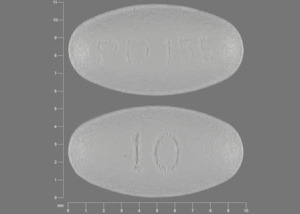
Lipitor Disease Interactions
There are 5 disease interactions with Lipitor (atorvastatin).
HMG-CoA reductase inhibitors (applies to Lipitor) liver disease
Major Potential Hazard, Moderate plausibility. Applicable conditions: Alcoholism
The use of most HMG-CoA reductase inhibitors is contraindicated in patients with active liver disease, decompensated cirrhosis, or unexplained persistent elevations of serum transaminases. HMG-CoA reductase inhibitors are extensively metabolized by the liver. Decreased drug metabolism may lead to accumulation and increased risk of toxicity, including biochemical abnormalities of liver function and, rarely, jaundice, hepatitis, cirrhosis, fatty change in the liver, and fulminant hepatic necrosis. Therapy with HMG-CoA reductase inhibitors should be administered cautiously in patients with a history of liver disease and/or heavy alcohol use. A lower initial dosage may be appropriate, and clinical monitoring of liver transaminase levels according to the individual manufacturer product information is recommended. Patients who develop elevated ALT or AST levels during therapy should be monitored until abnormalities resolve. If an increase above 3 times the upper limit of normal persists, consideration should be given to a reduction in dosage or withdrawal of therapy.
HMG-CoA reductase inhibitors (applies to Lipitor) cognitive impairment
Moderate Potential Hazard, Moderate plausibility. Applicable conditions: CNS Disorder
Cognitive impairment (e.g., memory loss, forgetfulness, amnesia, memory impairment, confusion) have been observed in patients receiving statins. The reports are usually not serious, and reversible upon statin discontinuation. Caution is recommended when using these agents in patients with cognitive impairment.
HMG-CoA reductase inhibitors (applies to Lipitor) diabetes
Moderate Potential Hazard, Moderate plausibility. Applicable conditions: Diabetes Mellitus
Increases in hemoglobin A1c and fasting serum glucose levels have been reported with the use of certain HMG-CoA reductase inhibitors. Caution should be exercised when using these agents in diabetic patients and close monitoring is recommended.
HMG-CoA reductase inhibitors (applies to Lipitor) renal disease
Moderate Potential Hazard, Moderate plausibility. Applicable conditions: Renal Dysfunction
Some HMG-CoA reductase inhibitors (e.g., fluvastatin) have not been studied in patients with severe renal dysfunction or end-stage renal disease. Some others (e.g., pitavastatin, simvastatin) require a dose reduction when used in this group of patients. Caution and close monitoring are advised when using these drugs in patients with renal dysfunction.
HMG-CoA reductase inhibitors (applies to Lipitor) rhabdomyolysis
Moderate Potential Hazard, Moderate plausibility. Applicable conditions: Myopathy, Myoneural Disorder, Hypothyroidism, Renal Dysfunction
HMG-CoA reductase inhibitors may cause myopathy and rhabdomyolysis; acute renal failure secondary to myoglobinuria and rare fatalities have occurred due to rhabdomyolysis in patients treated with statins. The myopathy may be dose-related and is characterized by unexplained muscle weakness, pain, or tenderness accompanied by increases in creatine phosphokinase (CPK) values exceeding 10 times the upper limit of normal. Therapy with HMG-CoA reductase inhibitors should be administered cautiously in patients with preexisting myopathy, in those with predisposing factors for myopathy, or with a history of myoneural disorder, since it may delay the recognition or confound the diagnosis of a drug-induced musculoskeletal effect. Patients should be advised to report promptly any unusual muscle pain, tenderness, or weakness, particularly if accompanied by malaise or fever. Periodic CPK determinations may be considered in some patients, although the value of such monitoring is uncertain. HMG-CoA reductase inhibitor therapy should be withdrawn if markedly elevated CPK levels occur or if drug-related myopathy is diagnosed or suspected.
Lipitor drug interactions
There are 383 drug interactions with Lipitor (atorvastatin).
Lipitor alcohol/food interactions
There are 2 alcohol/food interactions with Lipitor (atorvastatin).
Report options

More about Lipitor (atorvastatin)
- Lipitor consumer information
- Check interactions
- Compare alternatives
- Pricing & coupons
- Reviews (101)
- Drug images
- Latest FDA alerts (9)
- Side effects
- Dosage information
- Patient tips
- During pregnancy
- Generic availability
- Support group
- Drug class: statins
- Breastfeeding
- En español
Related treatment guides
Drug Interaction Classification
| Highly clinically significant. Avoid combinations; the risk of the interaction outweighs the benefit. | |
| Moderately clinically significant. Usually avoid combinations; use it only under special circumstances. | |
| Minimally clinically significant. Minimize risk; assess risk and consider an alternative drug, take steps to circumvent the interaction risk and/or institute a monitoring plan. | |
| No interaction information available. |
Further information
Always consult your healthcare provider to ensure the information displayed on this page applies to your personal circumstances.