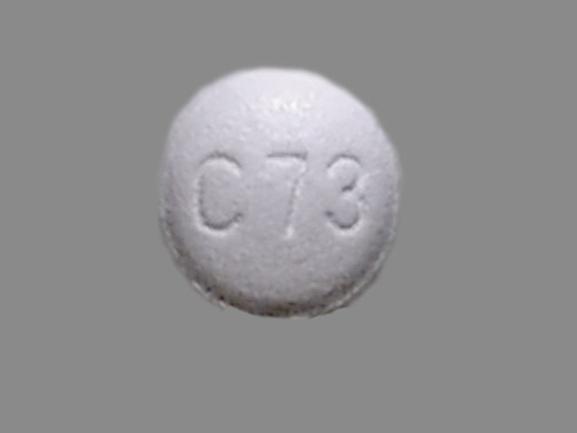
Azor Disease Interactions
There are 11 disease interactions with Azor (amlodipine / olmesartan).
- Angioedema
- Hypotension
- Cardiogenic shock/hypotension
- Coronary artery disease
- Liver disease
- CHF
- Hyperkalemia
- Renal artery stenosis
- Renal impairment
- CHF/AMI
- Renal/liver disease
AR antagonists (applies to Azor) angioedema
Major Potential Hazard, Moderate plausibility.
The use of these agents is contraindicated in patients with a history of angioedema related to previous angiotensin-converting enzyme (ACE) inhibitor or angiotensin II receptor blocker (ARB) therapy or in patients with hereditary angioedema. Patients with a history of angioedema unrelated to these agents may be at increased risk of angioedema while receiving angiotensin II receptor (AR) antagonists. Patients should be advised to immediately report any signs or symptoms suggestive of angioedema (swelling of face, extremities, eyes, lips, or tongue, or difficulty swallowing or breathing) and to stop taking the medication until otherwise directed by their physician. Emergency therapy and/or measures to prevent airway obstruction are required for angioedema involving the tongue, glottis, or larynx. Treatment with angiotensin II receptor (AR) antagonists should be discontinued permanently if angioedema develops in association with therapy.
References
- (2001) "Product Information. Cozaar (losartan)." Merck & Co., Inc
- (2001) "Product Information. Diovan (valsartan)." Novartis Pharmaceuticals
- (2001) "Product Information. Avapro (irbesartan)." Bristol-Myers Squibb
- (2001) "Product Information. Teveten (eprosartan)." SmithKline Beecham
- (2001) "Product Information. Atacand (candesartan)." Astra-Zeneca Pharmaceuticals
- (2001) "Product Information. Micardis (telmisartan)." Boehringer-Ingelheim
- (2002) "Product Information. Benicar (olmesartan)." Sankyo Pharma
- (2011) "Product Information. Edarbi (azilsartan)." Takeda Pharmaceuticals America
AR antagonists (applies to Azor) hypotension
Major Potential Hazard, High plausibility. Applicable conditions: Dehydration, hemodialysis, Hyponatremia
Angiotensin II receptor (AR) antagonists can cause symptomatic hypotension in patients with an activated renin-angiotensin system, such as volume- and/or sodium-depleted patients. Therapy with AR antagonists should be administered cautiously in such patients and in those predisposed to hypovolemic or hyponatremic states (e.g., patients on diuretic therapy, especially if high doses were used or if recently instituted; those on dietary salt restriction; renal dialysis patients). Volume and/or sodium depletion should be corrected prior to initiating therapy with AR antagonists, and the patient should be hemodynamically stable. Ideally, patients at risk for excessive hypotension should initiate AR antagonist therapy under close medical supervision, preferably with a lower dose, and followed closely for the first 2 weeks of treatment and whenever the dosage of AR antagonist or diuretic is increased.
References
- Goldberg MR, Bradstreet TE, McWilliams EJ, Tanaka WK, Lipert S, Bjornsson TD, Waldman SA, Osborne B, Pivadori L, Lewis G, et al. (1995) "Biochemical effects of losartan, a nonpeptide angiotensin II receptor antagonist, on the renin-angiotensin-aldosterone system in hypertensive patients." Hypertension, 25, p. 37-46
- Doig JK, MacFadyen RJ, Sweet CS, Lees KR, Reid JL (1993) "Dose-ranging study of the angiotensin type I receptor antagonist losartan (DuP753/MK954), in salt-deplete normal man." J Cardiovasc Pharmacol, 21, p. 732-8
- Goldberg AI, Dunlay MC, Sweet CS (1995) "Safety and tolerability of losartan potassium, and angiotensin II receptor antagonist, compared with hydrochlorothiazide, atenolol, felodipine ER, and angiotensin-converting enzyme inhibitors for the treatment of systemic hypertension." Am J Cardiol, 75, p. 793-5
- (2001) "Product Information. Cozaar (losartan)." Merck & Co., Inc
- Weber MA, Bryyny RL, Pratt JH, et al. (1995) "Blood pressure effects of the angiotensin II receptor blocker, losartan." Arch Intern Med, 155, p. 405-11
- Mcintyre M, Macfadyen RJ, Meredith PA, Menard J, Brunner HR, Insuasty J, Reid JL (1995) "Comparison of the oral angiotensin II receptor antagonist UP 269-6 or enalapril 20 mg on blood pressure and neurohormonal effects in salt-deplete man." J Cardiovasc Pharmacol, 25, p. 994-1000
- Goldberg AI, Dunlay MC, Sweet CS (1995) "Safety and tolerability of losartan compared with atenolol, felodipine and angiotensin converting enzyme inhibitors." J Hypertens, 13 Suppl, s77-80
- Tikkanen I, Omvik P, Jensen HA (1995) "Comparison of the angiotensin II antagonist losartan with the angiotensin converting enzyme inhibitor enalapril in patients with essential hypertension." J Hypertens, 13, p. 1343-51
- Schaefer KL, Porter JA (1996) "Angiotensin II receptor antagonists: the prototype losartan." Ann Pharmacother, 30, p. 625-36
- Weir MR, Elkins M, Liss C, Vrecenak AJ, Barr E, Edelman JM (1996) "Efficacy, tolerability, and quality of life of losartan, alone or with hydrochlorothiazide, versus nifedipine GITS in patients with essential hypertension." Clin Ther, 18, p. 411-28
- Waeber B, Brunner HR (1996) "Angiotensin II antagonists: a new class of antihypertensive agent." Br J Clin Pract, 50, p. 265-8
- Gibbs CR, Ferner RE, Beevers DG (1996) "Angiotensin receptor antagonists - a new class of antihypertensive drug." J Clin Pharm Ther, 21, p. 127-30
- Ellis ML, Patterson H (1996) "A new class of antihypertensive therapy: angiotensin II receptor antagonists." Pharmacotherapy, 16, p. 849-60
- Holwerda NJ, Fogari R, Angeli P, et al. (1996) "Valsartan, a new angiotensin II antagonist for the treatment of essential hypertension: efficacy and safety compared with placebo and enalapril." J Hypertens, 14, p. 1147-115
- Oparil S, Barr E, Elkins M, Liss C, Vrecenak A, Edelman J (1996) "Efficacy, tolerability, and effects on quality of life of losartan, alone or with hydrochlorothiazide, versus amlodipine, alone or with hydrochlorothiazide, in patients with essential hypertension." Clin Ther, 18, p. 608-25
- Waeber B, Burnier M, Nussberger J, Brunner HR (1996) "Experience with angiotensin II antagonists in hypertensive patients." Clin Exp Pharmacol Physiol, 23 ( Suppl, s142-6
- (2001) "Product Information. Diovan (valsartan)." Novartis Pharmaceuticals
- van den Meiracker AH, Admiraal PJ, Janssen JA, Kroodsma JM, de Ronde WA, Boomsma F, Sissmann J, Blankestijn PJ, Mulder PG, Man In 't Veld AJ (1995) "Hemodynamic and biochemical effects of the AT1 receptor antagonist irbesartan in hypertension." Hypertension, 25, p. 22-9
- McIntyre M, MacFadyen RJ, Meredith PA, Brouard R, Reid JL (1996) "Dose-ranging study of the angiotensin II receptor antagonist irbesartan (SR 47436/BMS-186295) on blood pressure and neurohormona effects in salt-deplete men." J Cardiovasc Pharmacol, 28, p. 101-6
- (2001) "Product Information. Avapro (irbesartan)." Bristol-Myers Squibb
- (2001) "Product Information. Teveten (eprosartan)." SmithKline Beecham
- (2001) "Product Information. Atacand (candesartan)." Astra-Zeneca Pharmaceuticals
- (2001) "Product Information. Micardis (telmisartan)." Boehringer-Ingelheim
- Karlberg BE, Lins LE, Hermansson K (1999) "Efficacy and safety of telmisartan, a selective AT(1) receptor antagonist, compared with enalapril in elderly patients with primary hypertension." J Hypertens, 17, p. 293-302
- McClellan KJ, Markham A (1998) "Telmisartan." Drugs, 56, p. 1039-44
- (2002) "Product Information. Benicar (olmesartan)." Sankyo Pharma
- (2011) "Product Information. Edarbi (azilsartan)." Takeda Pharmaceuticals America
CCBs (applies to Azor) cardiogenic shock/hypotension
Major Potential Hazard, High plausibility. Applicable conditions: Aortic Stenosis
In general, calcium channel blockers (CCBs) should not be used in patients with hypotension (systolic pressure < 90 mm Hg) or cardiogenic shock. Due to potential negative inotropic and peripheral vasodilating effects, the use of CCBs may further depress cardiac output and blood pressure, which can be detrimental in these patients. The use of verapamil and diltiazem is specifically contraindicated under these circumstances.
References
- Stehle G, Buss J, Eibach J, et al. (1990) "Cardiogenic shock associated with verapamil in a patient with liver cirrhosis." Lancet, 336, p. 1079
- (2002) "Product Information. Vascor (bepridil)." McNeil Pharmaceutical
- (2002) "Product Information. Cardizem (diltiazem)." Hoechst Marion Roussel
- (2001) "Product Information. Calan (verapamil)." Searle
- Kubota K, Pearce GL, Inman WHW (1995) "Vasodilation-related adverse events in diltiazem and dihydropyridine calcium antagonists studied by prescription-event monitoring." Eur J Clin Pharmacol, 48, p. 1-7
- Pahor M, Manto A, Pedone C, Carosella L, Guralnik JM, Carbonin P (1996) "Age and severe adverse drug reactions caused by nifedipine and verapamil." J Clin Epidemiol, 49, p. 921-8
CCBs (applies to Azor) coronary artery disease
Major Potential Hazard, Low plausibility. Applicable conditions: Ischemic Heart Disease
Increased frequency, duration, and/or severity of angina, as well as acute myocardial infarction, have rarely developed during initiation or dosage increase of calcium channel blockers (CCBs), particularly in patients with severe obstructive coronary artery disease and those treated with immediate-release formulations. The mechanism of this effect is not established. Therapy with CCBs should be administered cautiously in patients with significant coronary artery disease.
References
- Schanzenbacher P, Deeg P, Liebau G, Kochsiek K (1984) "Paradoxical angina after nifedipine: angiographic documentation." Am J Cardiol, 53, p. 345-6
- Manga P, Vythilingum (1984) "Unstable angina precipitated by nifedipine." S Afr Med J, 66, p. 144
- Sia STB, MacDonald PS, Triester B, et al. (1985) "Aggravation of myocardial ischaemia by nifedipine." Med J Aust, 142, p. 48-50
- Myrhed M, Wiholm B-E (1986) "Nifedipine: a survey of adverse effects." Acta Pharmacol Toxicol (Copenh), 58, p. 133-6
- Lambert CR, Hill JA, Feldman RL, Pepine CJ (1985) "Myocardial ischemia during intravenous nicardipine administration." Am J Cardiol, 55, p. 844-5
- Thomassen AR, Bagger JP, Nielsen TT (1988) "Hemodynamic and cardiac metabolic changes during nicardipine-induced myocardial ischemia." Cathet Cardiovasc Diagn, 14, p. 41-3
- (2002) "Product Information. Norvasc (amlodipine)." Pfizer U.S. Pharmaceuticals
- (2002) "Product Information. Cardene (nicardipine)." Syntex Laboratories Inc
- (2002) "Product Information. Procardia (nifedipine)." Pfizer U.S. Pharmaceuticals
- Furberg CD, Psaty BM, Meyer JV (1995) "Nifedipine: dose-related increase in mortality in patients with coronary heart disease." Circulation, 92, p. 1326-31
- Kloner RA (1995) "Nifedipine in ischemic heart disease." Circulation, 92, p. 1074-8
- Yusuf S (1995) "Calcium antagonists in coronary artery disease and hypertension: time for reevaluation?" Circulation, 92, p. 1079-82
- (2001) "Product Information. Sular (nisoldipine)." Astra-Zeneca Pharmaceuticals
- Oei SG, Oei SK, Brolmann HAM (1999) "Myocardial infarction during nifedipine therapy for preterm labor." N Engl J Med, 340, p. 154
- Abernathy DR, Schwrtz JB (1999) "Calcium-antagonist drugs." N Engl J Med, 341, p. 1447-57
CCBs (applies to Azor) liver disease
Major Potential Hazard, High plausibility.
Calcium channel blockers (CCBs) are extensively metabolized by the liver. The half-lives of CCBs may be prolonged substantially in patients with severe hepatic impairment, with the potential for significant drug accumulation. In addition, the use of some CCBs has been associated with elevations in serum transaminases, both with and without concomitant elevations in alkaline phosphatase and bilirubin. While these effects may be transient and reversible, some patients have developed cholestasis or hepatocellular injury. Therapy with CCBs should be administered cautiously and often at reduced dosages in patients with significantly impaired hepatic function. Periodic monitoring of liver function is advised.
References
- Echizen H, Eichelbaum M (1986) "Clinical pharmacokinetics of verapamil, nifedipine and diltiazem." Clin Pharmacokinet, 11, p. 425-49
- Saracheck NS, London RL, Matulewicz TJ, et al. (1985) "Diltiazem and granulomatous hepatitis." Gastroenterology, 88, p. 1260-2
- Shallcross H, Padley SP, Glynn MJ, Gibbs DD (1987) "Fatal renal and hepatic toxicity after treatment with diltiazem." Br Med J, 295, p. 1256-7
- Colombo G, Zucchella G, Planca E, Grieco A (1987) "Intravenous diltiazem in the treatment of unstable angina: a study of efficacy and tolerance." Clin Ther, 9, p. 536-47
- Toft E, Vyberg M, Therkelsen K (1991) "Diltiazem-induced granulomatous hepatitis." Histopathology, 18, p. 474-5
- Abramson M, Littlejohn GO (1985) "Hepatic reactions to nifedipine." Med J Aust, 142, p. 47-8
- Toner M, White A, Moriarty J, Clancy L (1988) "Allergic urticarial eruption, leukocytosis and abnormal liver function tests following nifedipine administration." Chest, 93, p. 1320-1
- Babany G, Uzzan F, Larrey D, et al. (1989) "Alcoholic-like liver lesions induced by nifedipine." J Hepatol, 9, p. 252-5
- Brodsky SJ, Cutler SS, Weiner DA, Klein MD (1981) "Hepatotoxicity due to treatment with verapamil." Ann Intern Med, 94, p. 490-1
- Somogyi A, Albrecht M, Kliems G, et al. (1981) "Pharmacokinetics, bioavailability and ECG response of verapamil in patients with liver cirrhosis." Br J Clin Pharmacol, 12, p. 51-60
- Woodcock BG, Rietbrock I, Vohringer HF, Rietbrock N (1981) "Verapamil disposition in liver disease and intensive-care patients: kinetics, clearance, and apparent blood flow relationships." Clin Pharmacol Ther, 29, p. 27-34
- Woodcock BG, Rietbrock N (1982) "Verapamil bioavailability and dosage in liver disease." Br J Clin Pharmacol, 13, p. 240-1
- Stern EH, Pitchon R, King BD, Wiener I (1982) "Possible hepatitis from verapamil." N Engl J Med, 306, p. 612-3
- Stehle G, Buss J, Eibach J, et al. (1990) "Cardiogenic shock associated with verapamil in a patient with liver cirrhosis." Lancet, 336, p. 1079
- Hare DL, Horowitz JD (1986) "Verapamil hepatotoxicity: a hypersensitivity reaction." Am Heart J, 111, p. 610-11
- Guarascio P, D'Amato C, Sette P, et al. (1984) "Liver damage from verapamil." Br Med J, 288, p. 362-3
- Dow RJ, Graham DJM (1986) "A reveiw of the human metabolism and pharmacokinetics of nicardipine hydrochloride." Br J Clin Pharmacol, 22, s195-202
- McAllister RG Jr, Hamann SR, Blouin RA (1985) "Pharmacokinetics of calcium-entry blockers." Am J Cardiol, 55, b30-40
- Kates RE (1983) "Calcium antagonists: pharmacokinetic properties." Drugs, 25, p. 113-24
- Finucci GF, Padrini R, Piovan D, et al. (1988) "Verapamil pharmacokinetics and liver function in patients with cirrhosis." Int J Clin Pharmacol Res, 8, p. 123-6
- Giacomini KM, Massoud N, Wong FM, Giacomini JC (1984) "Decreased binding of verapamil to plasma proteins in patients with liver disease." J Cardiovasc Pharmacol, 6, p. 924-8
- Razak TA, McNeil JJ, Sewell RB, Drummer OH, Smallwood RA, Conway EL, Louis WJ (1990) "The effect of hepatic cirrhosis on the pharmacokinetics and blood pressure response to nicardipine." Clin Pharmacol Ther, 47, p. 463-9
- Rush WR, Alexander O, Hall DJ, Cairncross L, Dow RJ, Graham DJ (1986) "The metabolism of nicardipine hydrochloride in healthy male volunteers." Xenobiotica, 16, p. 341-9
- Benet LZ (1985) "Pharmacokinetics and metabolism of bepridil." Am J Cardiol, 55, c8-13
- Kurosawa S, Kurosawa N, Owada E, et al. (1990) "Pharmacokinetics of diltiazem in patients with liver cirrhosis." Int J Clin Pharmacol Res, 10, p. 311-8
- Elliott HL, Meredith PA (1991) "The clinical consequences of the absorption, distribution, metabolism and excretion of amlodipine." Postgrad Med J, 67, s20-3
- Stopher DA, Beresford AP, Macrae PV, Humphrey MJ (1988) "The metabolism and pharmacokinetics of amlodipine in humans and animals." J Cardiovasc Pharmacol, 12, s55-9
- Kleinbloesem CH, van Harten J, Wilson JP, et al. (1986) "Nifedipine: kinetics and hemodynamic effects in patients with liver cirrhosis after intravenous and oral administration." Clin Pharmacol Ther, 40, p. 21-8
- Raemsch KD, Sommer J (1983) "Pharmacokinetics and metabolism of nifedipine." Hypertension, 5, p. 18-24
- Ramsch KD, Graefe KH, Scherling D, et al. (1986) "Pharmacokinetics and metabolism of calcium-blocking agents nifedipine, nitrendipine, and nimodipine." Am J Nephrol, 6, p. 73-80
- Challenor VF, Waller DG, Renwick AG, et al. (1987) "The trans-hepatic extraction of nifedipine." Br J Clin Pharmacol, 24, p. 473-7
- Dunselman PH, Edgar B (1991) "Felodipine clinical pharmacokinetics." Clin Pharmacokinet, 21, p. 418-30
- Regardh CG, Edgar B, Olsson R, Kendall M, Collste P, Shansky C (1989) "Pharmacokinetics of felodipine in patients with liver disease." Eur J Clin Pharmacol, 36, p. 473-9
- Cotting J, Reichen J, Kutz K, Laplanche R, Nuesch E (1990) "Pharmacokinetics of isradipine in patients with chronic liver disease." Eur J Clin Pharmacol, 38, p. 599-603
- Tse FL, Jaffe JM (1987) "Pharmacokinetics of PN 200-110 (isradipine), a new calcium antagonist, after oral administration in man." Eur J Clin Pharmacol, 32, p. 361-5
- Graham D, Dow R, Hall D, Alexander O, Mroszczak E, Freedman A (1985) "The metabolism and pharmacokinetics of nicardipine hydrochloride in man." Br J Clin Pharmacol, 20, s23-8
- Gengo FM, Fagan SC, Krol G, Bernhard H (1987) "Nimodipine disposition and haemodynamic effects in patients with cirrhosis and age-matched controls." Br J Clin Pharmacol, 23, p. 47-53
- Meredith P, Elliott H (1992) "Clinical pharmacokinetics of amlodipine." Clin Pharmacokinet, 22, p. 22-31
- (2002) "Product Information. Norvasc (amlodipine)." Pfizer U.S. Pharmaceuticals
- (2002) "Product Information. Vascor (bepridil)." McNeil Pharmaceutical
- (2002) "Product Information. Cardizem (diltiazem)." Hoechst Marion Roussel
- (2002) "Product Information. Plendil (felodipine)." Merck & Co., Inc
- (2002) "Product Information. Cardene (nicardipine)." Syntex Laboratories Inc
- (2002) "Product Information. Procardia (nifedipine)." Pfizer U.S. Pharmaceuticals
- (2002) "Product Information. Nimotop (nimodipine)." Bayer
- (2001) "Product Information. Calan (verapamil)." Searle
- Johnson KE, Balderston SM, Pieper JA, Mann DE, Reiter MJ (1991) "Electrophysiologic effects of verapamil metabolites in the isolated heart." J Cardiovasc Pharmacol, 17, p. 830-7
- "Product Information. Dynacirc (isradipine)." Sandoz Pharmaceuticals Corporation
- Kumar KL, Colley CA (1994) "Verapamil-induced hepatotoxicity." West J Med, 160, p. 485-6
- Traverse JH, Swenson LJ, Mcbride JW (1994) "Acute hepatic injury after treatment with diltiazem." Am Heart J, 127, p. 1636-9
- Scherling D, Karl W, Ahr G, Ahr HJ, Wehinger E (1988) "Pharmacokinetics of nisoldipine. III. Biotransformation of nisoldipine in rat, dog, monkey, and man." Arzneimittelforschung, 38, p. 1105-10
- (2001) "Product Information. Sular (nisoldipine)." Astra-Zeneca Pharmaceuticals
- Abernathy DR, Schwrtz JB (1999) "Calcium-antagonist drugs." N Engl J Med, 341, p. 1447-57
- (2020) "Product Information. Conjupri (levamlodipine)." CSPC Ouyi Pharmaceutical Co, Ltd
AR antagonists (applies to Azor) CHF
Moderate Potential Hazard, Moderate plausibility. Applicable conditions: Congestive Heart Failure
Angiotensin II receptor (AR) antagonists can cause renal impairment in patients whose renal function depends on the activity of the renin-angiotensin-aldosterone system. In addition, symptomatic hypotension can occur in susceptible individuals, which may compromise renal and myocardial perfusion. In patients with severe congestive heart failure (CHF), treatment with AR antagonists has been associated with oliguria and/or progressive azotemia and, rarely, renal failure, myocardial ischemia, and death. Therapy with AR antagonists should be initiated cautiously in patients with severe CHF, especially when accompanied by volume and/or sodium depletion. In patients who experience a decline in renal function, discontinuation of AR antagonist therapy is usually not required provided there is symptomatic improvement of the heart failure and renal deterioration is well-tolerated. Transient hypotension is also not a contraindication to further treatment with AR antagonists, since therapy can usually be reinstated without difficulty after blood pressure stabilizes.
References
- Weber MA, Byyny RL, Pratt JH, Faison EP, Snavely DB, Goldberg AI, Nelson EB (1995) "Blood pressure effects of the angiotensin II receptor blocker, losartan." Arch Intern Med, 155, p. 405-11
- Crozier I, Ikram H, Awan N, Cleland J, Stephen N, Dickstein K, Frey M, Young J, Klinger G, Makris L, et al. (1995) "Losartan in heart failure. Hemodynamic effects and tolerability. Losartan Hemodynamic Study Group." Circulation, 91, p. 691-7
- Gottlieb SS, Dickstein K, Fleck E, Kostis J, Levine TB, LeJemtel T, DeKock M (1993) "Hemodynamic and neurohormonal effects of the angiotensin II antagonist losartan in patients with congestive heart failure." Circulation, 88, p. 1602-9
- Goldberg MR, Bradstreet TE, McWilliams EJ, Tanaka WK, Lipert S, Bjornsson TD, Waldman SA, Osborne B, Pivadori L, Lewis G, et al. (1995) "Biochemical effects of losartan, a nonpeptide angiotensin II receptor antagonist, on the renin-angiotensin-aldosterone system in hypertensive patients." Hypertension, 25, p. 37-46
- Goldberg MR, Tanaka W, Barchowsky A, Bradstreet TE, McCrea J, Lo MW, McWilliams EJ Jr, Bjornsson TD (1993) "Effects of losartan on blood pressure, plasma renin activity, and angiotensin II in volunteers." Hypertension, 21, p. 704-13
- Doig JK, MacFadyen RJ, Sweet CS, Lees KR, Reid JL (1993) "Dose-ranging study of the angiotensin type I receptor antagonist losartan (DuP753/MK954), in salt-deplete normal man." J Cardiovasc Pharmacol, 21, p. 732-8
- Dickstein K, Gottlieb S, Fleck E, Kostis J, Levine B, DeKock M, LeJemtel T (1994) "Hemodynamic and neurohumoral effects of the angiotensin II antagonist losartan in patients with heart failure." J Hypertens Suppl, 12, s31-5
- Abdelrahman AM, Burrell LM, Johnston CI (1993) "Blockade of the renin-angiotensin system at different sites: effect on renin, angiotensin and aldosterone." J Hypertens, 11 Suppl 3, s23-6
- Rush JE, Rajfer SI (1993) "Theoretical basis for the use of angiotensin II antagonists in the treatment of heart failure." J Hypertens, 11 Suppl 3, s69-71
- (2001) "Product Information. Cozaar (losartan)." Merck & Co., Inc
- Crozier I, Ikram H (1995) "The acute and chronic effects of losartan in heart failure." J Hypertens, 13 Suppl, s59-61
- Saine DR, Ahrens ER (1996) "Renal impairment associated with losartan." Ann Intern Med, 124, p. 775
- Schaefer KL, Porter JA (1996) "Angiotensin II receptor antagonists: the prototype losartan." Ann Pharmacother, 30, p. 625-36
- Waeber B, Brunner HR (1996) "Angiotensin II antagonists: a new class of antihypertensive agent." Br J Clin Pract, 50, p. 265-8
- Gibbs CR, Ferner RE, Beevers DG (1996) "Angiotensin receptor antagonists - a new class of antihypertensive drug." J Clin Pharm Ther, 21, p. 127-30
- Ellis ML, Patterson H (1996) "A new class of antihypertensive therapy: angiotensin II receptor antagonists." Pharmacotherapy, 16, p. 849-60
- Holwerda NJ, Fogari R, Angeli P, et al. (1996) "Valsartan, a new angiotensin II antagonist for the treatment of essential hypertension: efficacy and safety compared with placebo and enalapril." J Hypertens, 14, p. 1147-115
- Waeber B, Burnier M, Nussberger J, Brunner HR (1996) "Experience with angiotensin II antagonists in hypertensive patients." Clin Exp Pharmacol Physiol, 23 ( Suppl, s142-6
- (2001) "Product Information. Diovan (valsartan)." Novartis Pharmaceuticals
- Pitt B, Segal R, Martinez FA, et al. (1997) "Randomised trial of losartan versus captopril in patients over 65 with heart failure (Evaluation of Losartan in the Elderly Study, ELITE)." Lancet, 349, p. 747-52
- van den Meiracker AH, Admiraal PJ, Janssen JA, Kroodsma JM, de Ronde WA, Boomsma F, Sissmann J, Blankestijn PJ, Mulder PG, Man In 't Veld AJ (1995) "Hemodynamic and biochemical effects of the AT1 receptor antagonist irbesartan in hypertension." Hypertension, 25, p. 22-9
- McIntyre M, MacFadyen RJ, Meredith PA, Brouard R, Reid JL (1996) "Dose-ranging study of the angiotensin II receptor antagonist irbesartan (SR 47436/BMS-186295) on blood pressure and neurohormona effects in salt-deplete men." J Cardiovasc Pharmacol, 28, p. 101-6
- (2001) "Product Information. Avapro (irbesartan)." Bristol-Myers Squibb
- (2001) "Product Information. Teveten (eprosartan)." SmithKline Beecham
- (2001) "Product Information. Atacand (candesartan)." Astra-Zeneca Pharmaceuticals
- (2001) "Product Information. Micardis (telmisartan)." Boehringer-Ingelheim
- (2002) "Product Information. Benicar (olmesartan)." Sankyo Pharma
- (2011) "Product Information. Edarbi (azilsartan)." Takeda Pharmaceuticals America
AR antagonists (applies to Azor) hyperkalemia
Moderate Potential Hazard, Moderate plausibility.
Drugs that inhibit the renin-angiotensin, such as angiotensin II receptor antagonist system can cause hyperkalemia. Concomitant use of these agents with drugs that increase potassium levels may increase the risk of hyperkalemia. Use caution when using these agents together and monitor serum potassium periodically.
References
- (2001) "Product Information. Cozaar (losartan)." Merck & Co., Inc
- (2001) "Product Information. Diovan (valsartan)." Novartis Pharmaceuticals
- (2001) "Product Information. Avapro (irbesartan)." Bristol-Myers Squibb
- (2001) "Product Information. Teveten (eprosartan)." SmithKline Beecham
- (2001) "Product Information. Atacand (candesartan)." Astra-Zeneca Pharmaceuticals
- (2001) "Product Information. Micardis (telmisartan)." Boehringer-Ingelheim
- (2002) "Product Information. Benicar (olmesartan)." Sankyo Pharma
- (2011) "Product Information. Edarbi (azilsartan)." Takeda Pharmaceuticals America
AR antagonists (applies to Azor) renal artery stenosis
Moderate Potential Hazard, Moderate plausibility. Applicable conditions: Renal Artery Atherosclerosis
In patients with bilateral renal artery stenosis or renal artery stenosis in a solitary kidney, angiotensin II receptor (AR) antagonists may reduce renal perfusion to a critically low level. Increases in serum creatinine or blood urea nitrogen have been reported with ACE inhibitors, a class of drugs that also block the renin-angiotensin-aldosterone system. Although there are no long-term data on the use of AR antagonists in patients with renal artery stenosis, a similar effect should be anticipated. Renal function should be monitored closely for the first few weeks of therapy.
References
- (2001) "Product Information. Cozaar (losartan)." Merck & Co., Inc
- (2001) "Product Information. Diovan (valsartan)." Novartis Pharmaceuticals
- (2001) "Product Information. Avapro (irbesartan)." Bristol-Myers Squibb
- (2001) "Product Information. Teveten (eprosartan)." SmithKline Beecham
- (2001) "Product Information. Atacand (candesartan)." Astra-Zeneca Pharmaceuticals
- (2001) "Product Information. Micardis (telmisartan)." Boehringer-Ingelheim
- (2002) "Product Information. Benicar (olmesartan)." Sankyo Pharma
- (2011) "Product Information. Edarbi (azilsartan)." Takeda Pharmaceuticals America
AR antagonists (applies to Azor) renal impairment
Moderate Potential Hazard, Moderate plausibility. Applicable conditions: Renal Dysfunction
Changes in renal function including acute renal failure can be caused by drugs that inhibit the renin-angiotensin system and by diuretics. Patients whose renal function may depend in part on the activity of the renin-angiotensin system (e.g., patients with renal artery stenosis, chronic kidney disease, severe congestive heart failure, or volume depletion) may be at particular risk of developing acute renal failure with these agents. Monitor renal function periodically in these patients. Consider withholding or discontinuing therapy in patients who develop a clinically significant decrease in renal function with these agents.
References
- (2001) "Product Information. Cozaar (losartan)." Merck & Co., Inc
- (2001) "Product Information. Diovan (valsartan)." Novartis Pharmaceuticals
- (2001) "Product Information. Avapro (irbesartan)." Bristol-Myers Squibb
- (2001) "Product Information. Teveten (eprosartan)." SmithKline Beecham
- (2001) "Product Information. Atacand (candesartan)." Astra-Zeneca Pharmaceuticals
- (2001) "Product Information. Micardis (telmisartan)." Boehringer-Ingelheim
- (2002) "Product Information. Benicar (olmesartan)." Sankyo Pharma
- (2011) "Product Information. Edarbi (azilsartan)." Takeda Pharmaceuticals America
CCBs (applies to Azor) CHF/AMI
Moderate Potential Hazard, Moderate plausibility. Applicable conditions: Congestive Heart Failure, Myocardial Infarction
Calcium channel blockers (CCBs) may have varying degrees of negative inotropic effect. Congestive heart failure (CHF), worsening of CHF, and pulmonary edema have occurred in some patients treated with a CCB, primarily verapamil. Some CCBs have also caused mild to moderate peripheral edema due to localized vasodilation of dependent arterioles and small blood vessels, which can be confused with the effects of increasing left ventricular dysfunction. Although some CCBs have been used in the treatment of CHF, therapy with CCBs should be administered cautiously in patients with severe left ventricular dysfunction (e.g., ejection fraction < 30%) or moderate to severe symptoms of cardiac failure and in patients with any degree of ventricular dysfunction if they are receiving a beta-adrenergic blocker. Likewise, caution is advised in patients with acute myocardial infarction and pulmonary congestion documented by X-ray on admission, since associated heart failure may be acutely worsened by administration of a CCB.
References
- Gillmer DJ, Kark P (1980) "Pulmonary oedema precipitated by nifedipine." Br Med J, 280, p. 1420-1
- Batra AK, Segall PH, Ahmed T (1985) "Pulmonary edema with nifedipine in primary pulmonary hypertension." Respiration, 47, p. 161-3
- Myrhed M, Wiholm B-E (1986) "Nifedipine: a survey of adverse effects." Acta Pharmacol Toxicol (Copenh), 58, p. 133-6
- Prigogine T, Waterlot Y, Gottignies P, et al. (1991) "Acute nonhemodynamic pulmonary edema with nifedipine in primary pulmonary hypertension." Chest, 100, p. 563-4
- Batlouni M, Armaganijan D, Ghorayeb N, Magliano MF (1992) "Clinical efficacy and tolerability of isradipine in the treatment of mild-to-moderate hypertension in young and elderly patients." J Cardiovasc Pharmacol, 19, s53-7
- Walton T, Symes LR (1993) "Felodipine and isradipine: new calcium-channel-blocking agents for the treatment of hypertension." Clin Pharm, 12, p. 261-75
- Scheidt S, LeWinter MM, Hermanovich J, Venkataraman K, Freedman D (1986) "Efficacy and safety of nicardipine for chronic, stable angina pectoris: a multicenter randomized trial." Am J Cardiol, 58, p. 715-21
- Taylor SH, Frais MA, Lee P, Verma SP, Jackson N, Reynolds G, Silke B (1985) "A study of the long-term efficacy and tolerability of oral nicardipine in hypertensive patients." Br J Clin Pharmacol, 20, s139-42
- Dubois C, Blanchard D (1989) "Efficacy and safety of nicardipine in 29,104 patients with hypertension." Clin Ther, 11, p. 452-60
- Yedinak KC, Lopez LM (1991) "Felodipine: a new dihydropyridine calcium-channel antagonist." DICP, 25, p. 1193-206
- Lorimer AR, Pringle SD (1990) "The safety of felodipine." J Cardiovasc Pharmacol, 15, s85-9
- Sundstedt CD, Ruegg PC, Keller A, Waite R (1989) "A multicenter evaluation of the safety, tolerability, and efficacy of isradipine in the treatment of essential hypertension." Am J Med, 86, p. 98-102
- Ruegg PC, Nelson DJ (1989) "Safety and efficacy of isradipine, alone and in combination, in the treatment of angina pectoris." Am J Med, 86, p. 70-4
- (2002) "Product Information. Norvasc (amlodipine)." Pfizer U.S. Pharmaceuticals
- (2002) "Product Information. Plendil (felodipine)." Merck & Co., Inc
- (2002) "Product Information. Cardene (nicardipine)." Syntex Laboratories Inc
- (2002) "Product Information. Procardia (nifedipine)." Pfizer U.S. Pharmaceuticals
- (2002) "Product Information. Nimotop (nimodipine)." Bayer
- "Product Information. Dynacirc (isradipine)." Sandoz Pharmaceuticals Corporation
- Fagan TC, Haggert BE, Liss C (1994) "Efficacy and tolerability of extended-release felodipine and extended-release nifedipine in patients with mild-to-moderate essential hypertension." Clin Ther, 16, p. 634-46
- Blecker D (1994) "Antihypertensive therapy with isradipine in patients with special safety concerns." Angiology, 45, p. 997-1008
- Brogden RN, Sorkin EM (1995) "Isradipine: an update of its pharmacodynamic and pharmacokinetic properties and therapeutic efficacy in the treatment of mild to moderate hypertension." Drugs, 49, p. 618-49
- Kubota K, Pearce GL, Inman WHW (1995) "Vasodilation-related adverse events in diltiazem and dihydropyridine calcium antagonists studied by prescription-event monitoring." Eur J Clin Pharmacol, 48, p. 1-7
- Johnson BF, Eisner GM, Mcmahon FG, Jain AK, Rudd P, Sowers JR (1995) "A multicenter comparison of adverse reaction profiles of isradipine and enalapril at equipotent doses in patients with essential hypertension." J Clin Pharmacol, 35, p. 484-92
- (2001) "Product Information. Sular (nisoldipine)." Astra-Zeneca Pharmaceuticals
- Sleight P (1996) "Calcium antagonists during and after myocardial infarction." Drugs, 51, p. 216-25
- Elkayam U (1998) "Calcium channel blockers in heart failure." Cardiology, 89, p. 38-46
- Schaefer RM, Aldons PM, Burgess ED, Tilvis R, Singh GP, Rehn L, Morgan TO (1998) "Improved tolerability of felodipine compared with amlodipine in elderly hypertensives: A randomised, double-blind study in 535 patients, focusing on vasodilatory adverse events." Int J Clin Pract, 52, p. 381
- Abernathy DR, Schwrtz JB (1999) "Calcium-antagonist drugs." N Engl J Med, 341, p. 1447-57
Olmesartan (applies to Azor) renal/liver disease
Moderate Potential Hazard, Moderate plausibility. Applicable conditions: Renal Dysfunction, Biliary Obstruction
Olmesartan is eliminated unchanged in the urine and bile. After repeated dosing in patients with severe renal impairment (CrCl < 20 mL/min), the systemic exposure (AUC) was approximately tripled compared to subjects with normal renal function. In patients with moderate hepatic impairment, the AUC increased about 60% relative to that in matched controls. The manufacturer states that no initial dosage adjustment is necessary in patients with moderate to marked renal or hepatic impairment. However, patients should be monitored for undue adverse effects of the drug.
References
- (2002) "Product Information. Benicar (olmesartan)." Sankyo Pharma
Azor drug interactions
There are 582 drug interactions with Azor (amlodipine / olmesartan).
Azor alcohol/food interactions
There are 4 alcohol/food interactions with Azor (amlodipine / olmesartan).
Report options

More about Azor (amlodipine / olmesartan)
- Azor consumer information
- Check interactions
- Compare alternatives
- Pricing & coupons
- Reviews (60)
- Drug images
- Side effects
- Dosage information
- During pregnancy
- Generic availability
- FDA approval history
- Drug class: angiotensin II inhibitors with calcium channel blockers
- En español
Related treatment guides
Drug Interaction Classification
| Highly clinically significant. Avoid combinations; the risk of the interaction outweighs the benefit. | |
| Moderately clinically significant. Usually avoid combinations; use it only under special circumstances. | |
| Minimally clinically significant. Minimize risk; assess risk and consider an alternative drug, take steps to circumvent the interaction risk and/or institute a monitoring plan. | |
| No interaction information available. |
Further information
Always consult your healthcare provider to ensure the information displayed on this page applies to your personal circumstances.