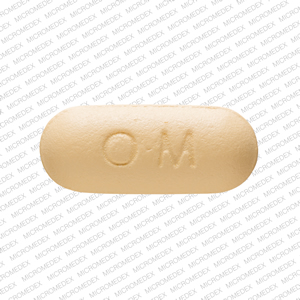
Ultracet Disease Interactions
There are 15 disease interactions with Ultracet (acetaminophen / tramadol).
- Alcoholism
- Liver disease
- Gastrointestinal obstruction
- Acute alcohol intoxication
- Drug dependence
- Respiratory depression
- PKU
- Gastrointestinal conditions
- Hypoglycemia
- Hypotension
- Intracranial pressure
- Liver disease
- Renal dysfunction
- Seizure disorders
- Suicidal
Acetaminophen (applies to Ultracet) alcoholism
Major Potential Hazard, High plausibility.
Chronic alcohol abusers may be at increased risk of hepatotoxicity during treatment with acetaminophen (APAP). Severe liver injury, including cases of acute liver failure resulting in liver transplant and death, has been reported in patients using acetaminophen. Therapy with acetaminophen should be administered cautiously, if at all, in patients who consume three or more alcoholic drinks a day. In general, patients should avoid drinking alcohol while taking acetaminophen-containing medications. Patients should be warned not to exceed the maximum recommended total daily dosage of acetaminophen (4 g/day in adults and children 12 years of age or older), and to read all prescription and over-the-counter medication labels to ensure they are not taking multiple acetaminophen-containing products, or check with a healthcare professional if they are unsure. They should also be advised to seek medical attention if they experience signs and symptoms of liver injury such as fever, rash, anorexia, nausea, vomiting, fatigue, right upper quadrant pain, dark urine, and jaundice.
Acetaminophen (applies to Ultracet) liver disease
Major Potential Hazard, Moderate plausibility. Applicable conditions: Malnourished, Dehydration
Acetaminophen is contraindicated in patients with severe hepatic impairment or severe active liver disease. Patients with hepatic impairment may be at increased risk of toxicity. Severe liver injury, including cases of acute liver failure and death, have been reported in patients using this drug. Clinical monitoring of hepatic function is recommended. Caution is advised if using acetaminophen in patients with chronic malnutrition or severe hypovolemia. Instruct patients to avoid drinking alcohol while taking acetaminophen-containing medications. Patients should be warned not to exceed the maximum recommended total daily dosage of acetaminophen (4 g/day in adults and children 12 years of age or older), and to read all prescription and over-the-counter medication labels to ensure they are not taking multiple acetaminophen-containing products, or check with a healthcare professional if they are unsure.
Opioid agonists (applies to Ultracet) gastrointestinal obstruction
Major Potential Hazard, Moderate plausibility.
Opioid analgesics are contraindicated in patients with known or suspected gastrointestinal obstruction, including paralytic ileus.
Tramadol (applies to Ultracet) acute alcohol intoxication
Major Potential Hazard, High plausibility. Applicable conditions: Alcoholism
The CNS depressant effects of tramadol may be additive with those of alcohol and may lead to profound sedation, respiratory depression, coma, and death. Therapy with tramadol should be administered cautiously (and only when alternative treatment options are inadequate) in patients who might be prone to acute alcohol intake. Dosages and durations should be limited to the minimum required and patients should be monitored for signs and symptoms of respiratory depression and sedation. Prescribing naloxone for the emergency treatment of opioid overdose should be considered; naloxone will reverse some, but not all, symptoms caused by overdosage with tramadol, but it also increases the risk of seizures.
Tramadol (applies to Ultracet) drug dependence
Major Potential Hazard, High plausibility. Applicable conditions: Alcoholism, Drug Abuse/Dependence, Depression, History - Psychiatric Disorder
Tramadol exposes patients and other users to the risks of addiction, abuse, and misuse. Each patient's risk should be assessed before prescribing tramadol, and all patients should be monitored regularly for development of such behaviors and conditions. Risks are increased in patients with personal or family history of substance abuse (including drug or alcohol abuse or addiction) or mental illness (e.g., major depression); the potential for such risks should not prevent proper pain management in any given patient. Patients at increased risk may be prescribed tramadol, but use in such patients requires intensive counseling about the risks and proper use of tramadol, as well as intensive monitoring for signs of addiction, abuse, and misuse; prescribing naloxone for the emergency treatment of opioid overdose should be considered.
Opioids are sought by drug abusers and patients with addiction disorders and are subject to criminal diversion. These risks should be considered when prescribing or dispensing tramadol. Strategies to reduce such risks include prescribing the smallest appropriate quantity and advising the patient about proper disposal of unused drug.
Tramadol (applies to Ultracet) respiratory depression
Major Potential Hazard, Moderate plausibility. Applicable conditions: Pulmonary Impairment, Altered Consciousness, Asphyxia, Brain/Intracranial Tumor, Cerebral Vascular Disorder, Head Injury, Respiratory Arrest, Cachexia, Cor Pulmonale
Tramadol is contraindicated in patients with significant respiratory depression. Serious, life-threatening, or fatal respiratory depression may occur with tramadol. Patients should be monitored closely for respiratory depression, especially within the first 24 to 72 hours of initiating therapy and after a dosage increase.
The use of tramadol in patients with acute or severe bronchial asthma in an unmonitored setting or without resuscitative equipment is contraindicated. Tramadol-treated patients with significant chronic obstructive pulmonary disease or cor pulmonale, and those with substantially decreased respiratory reserve, hypoxia, hypercapnia, or preexisting respiratory depression are at increased risk of decreased respiratory drive (including apnea), even at recommended dosages of tramadol. In patients who may be susceptible to the intracranial effects of carbon dioxide (CO2) retention (e.g., those with evidence of increased intracranial pressure or brain tumors), tramadol may reduce respiratory drive, and the resulting CO2 retention can further increase intracranial pressure; these patients should be monitored for signs of sedation and respiratory depression, especially when starting tramadol.
Life-threatening respiratory depression is more likely to occur in elderly, cachectic, or debilitated patients as they may have altered pharmacokinetics (or altered clearance) compared to younger, healthier patients. These patients should be monitored closely, especially when starting and titrating tramadol and when coadministering with other drugs that depress respiration; alternatively, the use of nonopioid analgesics should be considered.
Acetaminophen (applies to Ultracet) PKU
Moderate Potential Hazard, High plausibility. Applicable conditions: Phenylketonuria
Several oral acetaminophen and acetaminophen-combination products, particularly flavored chewable tablets, contain the artificial sweetener, aspartame (NutraSweet). Aspartame is converted to phenylalanine in the gastrointestinal tract following ingestion. Chewable and effervescent formulations of acetaminophen products may also contain phenylalanine. The aspartame/phenylalanine content should be considered when these products are used in patients who must restrict their intake of phenylalanine (i.e. phenylketonurics).
Tramadol (applies to Ultracet) gastrointestinal conditions
Moderate Potential Hazard, Moderate plausibility. Applicable conditions: Biliary Obstruction, Gallbladder Disease, Pancreatitis
Tramadol may cause spasm of the sphincter of Oddi. Opioids may increase serum amylase. Patients with biliary tract disease (including acute pancreatitis) should be monitored for worsening symptoms.
Tramadol (applies to Ultracet) hypoglycemia
Moderate Potential Hazard, Moderate plausibility. Applicable conditions: Diabetes Mellitus
Cases of tramadol-associated hypoglycemia have been reported, some resulting in hospitalization. In most cases, patients had predisposing risk factors (e.g., diabetes); caution is recommended in these patients. If hypoglycemia is suspected, blood glucose levels should be monitored and discontinuation of therapy should be considered as appropriate.
Tramadol (applies to Ultracet) hypotension
Moderate Potential Hazard, Moderate plausibility. Applicable conditions: Dehydration, Shock
Tramadol may cause severe hypotension (including orthostatic hypotension, syncope) in ambulatory patients. Risk is increased in patients whose ability to maintain blood pressure has already been compromised by reduced blood volume or coadministration of certain CNS depressant drugs; these patients should be monitored for signs of hypotension after starting or titrating tramadol. In patients with circulatory shock, tramadol may cause vasodilation that can further reduce cardiac output and blood pressure; tramadol should be avoided in patients with circulatory shock.
Tramadol (applies to Ultracet) intracranial pressure
Moderate Potential Hazard, Moderate plausibility. Applicable conditions: Head Injury, Intracranial Hypertension
Opioids may obscure the clinical course in a patient with a head injury. The use of tramadol should be avoided in patients with impaired consciousness or coma.
Tramadol (applies to Ultracet) liver disease
Moderate Potential Hazard, High plausibility.
Tramadol is converted by the liver to several metabolites, one of which (referred to as M1) is pharmacologically active and a more potent analgesic than tramadol itself. The metabolism of both tramadol and M1 has been shown to decrease in patients with advanced cirrhosis of the liver, resulting in increased exposure to tramadol as well as substantially prolonged elimination half-lives for both tramadol and M1. Therapy with tramadol should be administered cautiously in patients with liver dysfunction. In patients with severe liver dysfunction, dosage reduction is recommended with the immediate-release formulations, while the extended-release formulations should not be used.
Tramadol (applies to Ultracet) renal dysfunction
Moderate Potential Hazard, High plausibility.
Tramadol and its metabolites, one of which (referred to as M1) is pharmacologically active and a more potent analgesic than tramadol itself, are primarily excreted in the urine. The rate and extent of excretion of both tramadol and M1 have been shown to decrease in patients with impaired renal function. Therapy with tramadol should be administered cautiously in such patients. In patients with CrCl less than 30 mL/min, dosage reduction is recommended with the immediate-release formulations, while the extended-release formulations should not be used.
Tramadol (applies to Ultracet) seizure disorders
Moderate Potential Hazard, High plausibility. Applicable conditions: Alcoholism, Drug Abuse/Dependence, CNS Disorder
Seizures have been reported in patients receiving tramadol within the recommended dosage range. The risk appears to increase with doses above the recommended range and with concomitant use of certain drugs (e.g., those that reduce the seizure threshold). Risk of seizure may also increase in patients with epilepsy, those with a history of seizures, or in patients with a recognized risk for seizure (e.g., head trauma, metabolic disorders, alcohol and drug withdrawal, CNS infections). In tramadol overdose, naloxone administration may increase the risk of seizures.
Tramadol (applies to Ultracet) suicidal
Moderate Potential Hazard, Moderate plausibility. Applicable conditions: Depression, Alcoholism, Psychosis
Tramadol should not be prescribed for patients who are suicidal or addiction-prone. The use of nonnarcotic analgesics should be considered for patients who are suicidal or depressed. Tramadol should be prescribed with caution for patients with history of misuse and/or are currently taking CNS-active drugs, antidepressant drugs, alcohol in excess, and patients who suffer from emotional disturbance or depression. Patients should be advised not to exceed the recommended dose and to limit their intake of alcohol.
Ultracet drug interactions
There are 719 drug interactions with Ultracet (acetaminophen / tramadol).
Ultracet alcohol/food interactions
There is 1 alcohol/food interaction with Ultracet (acetaminophen / tramadol).
Report options

More about Ultracet (acetaminophen / tramadol)
- Ultracet consumer information
- Check interactions
- Compare alternatives
- Reviews (31)
- Drug images
- Latest FDA alerts (5)
- Side effects
- Dosage information
- During pregnancy
- Drug class: narcotic analgesic combinations
Related treatment guides
Drug Interaction Classification
| Highly clinically significant. Avoid combinations; the risk of the interaction outweighs the benefit. | |
| Moderately clinically significant. Usually avoid combinations; use it only under special circumstances. | |
| Minimally clinically significant. Minimize risk; assess risk and consider an alternative drug, take steps to circumvent the interaction risk and/or institute a monitoring plan. | |
| No interaction information available. |
Further information
Always consult your healthcare provider to ensure the information displayed on this page applies to your personal circumstances.