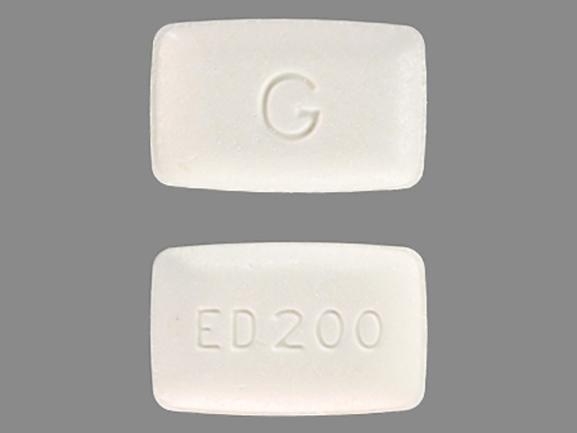
Etidronate (Oral)
Generic name: etidronate [ e-ti-DROE-nate ]
Brand name: Didronel
Drug class: Bisphosphonates
Medically reviewed by Drugs.com. Last updated on Jul 20, 2023.
Uses for etidronate
Etidronate is used to treat Paget's disease of the bone. It may also be used to treat or prevent a certain type of bone problem (heterotopic ossification) after hip replacement surgery or spinal injury.
Etidronate is also used to treat hypercalcemia (too much calcium in the blood) that may occur with some types of cancer.
This medicine is available only with your doctor's prescription.
Before using etidronate
In deciding to use a medicine, the risks of taking the medicine must be weighed against the good it will do. This is a decision you and your doctor will make. For this medicine, the following should be considered:
Allergies
Tell your doctor if you have ever had any unusual or allergic reaction to this medicine or any other medicines. Also tell your health care professional if you have any other types of allergies, such as to foods, dyes, preservatives, or animals. For non-prescription products, read the label or package ingredients carefully.
Pediatric
Appropriate studies have not been performed on the relationship of age to the effects of etidronate in the pediatric population. Safety and efficacy have not been established.
Geriatric
Appropriate studies performed to date have not demonstrated geriatric-specific problems that would limit the usefulness of etidronate in the elderly. However, elderly patients are more likely to have age-related kidney, liver, or heart problems, which may require caution and an adjustment in the dose for patients receiving etidronate.
Breast Feeding
There are no adequate studies in women for determining infant risk when using this medication during breastfeeding. Weigh the potential benefits against the potential risks before taking this medication while breastfeeding.
Interactions with Medicines
Although certain medicines should not be used together at all, in other cases two different medicines may be used together even if an interaction might occur. In these cases, your doctor may want to change the dose, or other precautions may be necessary. Tell your healthcare professional if you are taking any other prescription or nonprescription (over-the-counter [OTC]) medicine.
Interactions with Food/Tobacco/Alcohol
Certain medicines should not be used at or around the time of eating food or eating certain types of food since interactions may occur. Using alcohol or tobacco with certain medicines may also cause interactions to occur. The following interactions have been selected on the basis of their potential significance and are not necessarily all-inclusive.
Other Medical Problems
The presence of other medical problems may affect the use of this medicine. Make sure you tell your doctor if you have any other medical problems, especially:
- Anemia or
- Blood clotting problems or
- Cancer or
- Dental or tooth problems or
- Dental procedures (eg, tooth extraction) or
- Infection or
- Poor oral hygiene or
- Surgery (eg, dental surgery)—May increase risk for severe jaw problems. This risk may also be increased if you use this medicine for a long time.
- Enterocolitis (severe diarrhea) or
- Hyperphosphatemia (high phosphate in the blood) or
- Stomach or bowel problems (eg, Barrett's esophagus, difficulty with swallowing, heartburn, inflammation of the esophagus, or ulcers)—Use with caution. May make these conditions worse.
- Esophagus (the tube that runs from your throat to your stomach) problems (eg, achalasia, stricture) or
- Osteomalacia (soft bones) or
- Trouble with swallowing—Should not be used in patients with these conditions.
- Kidney disease—Use with caution. The effects may be increased because of slower removal of the medicine from the body.
Related/similar drugs
prednisone, dexamethasone, alendronate, Prolia, Fosamax, Decadron, Premarin
Proper use of etidronate
Take this medicine only as directed. Do not take more of it, do not take it more often, and do not take it for a longer time than your doctor ordered. To do so may increase the chance of side effects.
Make sure your doctor knows if your diet includes large amounts of calcium, such as milk or other dairy products, or if you are on any special diet, such as a low-sodium or low-sugar diet. Calcium in the diet may prevent the absorption of oral etidronate.
Take etidronate with a full glass (6 to 8 ounces) of water on an empty stomach at least 2 hours before or after food (mid-morning is best) or at bedtime. Food may decrease the amount of etidronate absorbed by your body.
Do not lie down for at least 30 minutes after taking this medicine, and do not lie down until after you have eaten some food.
In some patients, etidronate takes up to 3 months to work. If you feel that the medicine is not working, do not stop taking it on your own. Instead, check with your doctor.
It is important that you eat a well-balanced diet with an adequate amount of calcium and vitamin D (found in milk or other dairy products). Too much or too little of either may increase the chance of side effects while you are taking etidronate. Your doctor can help you choose the meal plan that is best for you. However, do not take any food, especially milk, milk formulas, or other dairy products, or antacids, mineral supplements, or other medicines that are high in calcium or iron (high amounts of these minerals may also be in some vitamin preparations), magnesium, or aluminum within 2 hours of taking etidronate. To do so may keep this medicine from working properly.
If this medicine upsets your stomach, ask your doctor if you can take two smaller doses instead of one larger dose. Do not change without talking to your doctor.
For treating Paget's disease, you may need to take this medicine for up to 6 months. Then after 90 days of not taking the medicine, your doctor may want you to start another course of treatment.
If you have Paget's disease, this medicine may work slowly, so you may not feel better until you have been using it for awhile. Do not stop taking it without talking to your doctor first. Your body may continue to respond to this medicine for several months after you stop using it.
Dosing
The dose of this medicine will be different for different patients. Follow your doctor's orders or the directions on the label. The following information includes only the average doses of this medicine. If your dose is different, do not change it unless your doctor tells you to do so.
The amount of medicine that you take depends on the strength of the medicine. Also, the number of doses you take each day, the time allowed between doses, and the length of time you take the medicine depend on the medical problem for which you are using the medicine.
- For oral dosage form (tablets):
- For Paget's disease of bone:
- Adults—Dose is based on body weight and must be determined by your doctor. At first, 5 milligrams (mg) per kilogram (kg) (2.3 mg per pound) of body weight a day, usually as a single dose, for not more than 6 months. Some people may need 6 to 10 mg per kg (2.7 to 4.6 mg per pound) of body weight a day for not more than 6 months. Others may need 11 to 20 mg per kg (5 to 9.1 mg per pound) of body weight a day for not more than 3 months. Your doctor may adjust your dose depending on your response to treatment.
- Children—Use and dose must be determined by your doctor.
- For treating or preventing a certain type of bone problem that may occur after hip replacement:
- Adults—Dose is based on body weight and must be determined by your doctor. The dose is usually 20 milligrams (mg) per kilogram (kg) (9.1 mg per pound) of body weight a day for 1 month before surgery, and for 3 months after surgery.
- Children—Use and dose must be determined by your doctor.
- For treating or preventing a certain type of bone problem that may occur after spinal injury:
- Adults—Dose is based on body weight and must be determined by your doctor. The dose is usually 20 milligrams (mg) per kilogram (kg) (9.1 mg per pound) of body weight a day for 2 weeks, beginning as soon as possible after your injury. Your doctor may then decrease your dose to 10 mg per kg (4.5 mg per pound) of body weight for an additional 10 weeks.
- Children—Use and dose must be determined by your doctor.
- For treating hypercalcemia (too much calcium in the blood):
- Adults—Dose is based on body weight and must be determined by your doctor. The dose is usually 20 milligrams (mg) per kilogram (kg) (9.1 mg per pound) of body weight a day for 30 days. Treatment usually does not continue beyond 90 days.
- Children—Use and dose must be determined by your doctor.
- For Paget's disease of bone:
Missed Dose
If you miss a dose of this medicine, take it as soon as possible. However, if it is almost time for your next dose, skip the missed dose and go back to your regular dosing schedule. Do not double doses.
Storage
Store the medicine in a closed container at room temperature, away from heat, moisture, and direct light. Keep from freezing.
Keep out of the reach of children.
Do not keep outdated medicine or medicine no longer needed.
Ask your healthcare professional how you should dispose of any medicine you do not use.
Precautions while using etidronate
It is important that your doctor check your progress at regular visits even if you are between treatments and are not taking this medicine. If your condition has improved and your doctor has told you to stop taking etidronate, your progress must still be checked. The results of laboratory tests or the occurrence of certain symptoms will tell your doctor if more medicine must be taken. Your doctor may want you to begin another course of treatment after you have been off the medicine for at least 3 months.
This medicine can irritate your esophagus. If you think this medicine has started to damage your esophagus, stop taking this medicine and call your doctor. Some symptoms of damage to the esophagus are heartburn (either new or worse than usual), pain when swallowing, pain in the center of your chest, trouble swallowing, or feeling that food gets stuck on the way to your stomach.
It is important that you tell all of your health care providers that you are taking etidronate. If you are having dental procedures done while taking etidronate you may have an increased chance of getting a severe problem of your jaw.
Make sure you tell your doctor about any new medical problems, especially with your teeth or jaws. Tell your doctor if you have severe bone, joint, or muscle pain while using this medicine.
If this medicine causes you to have nausea or diarrhea and it continues, check with your doctor. The dose may need to be changed.
This medicine may increase your risk of developing fractures. This may be more common if you use it for a long time. Check with your doctor right away if you have dull or aching pain in the arms, legs, or thighs.
Do not take other medicines unless they have been discussed with your doctor. This includes prescription or nonprescription (over-the-counter [OTC]) medicines and herbal or vitamin supplements.
Side Effects of etidronate
Along with its needed effects, a medicine may cause some unwanted effects. Although not all of these side effects may occur, if they do occur they may need medical attention.
Check with your doctor immediately if any of the following side effects occur:
More common
- Bone pain or tenderness (increased, continuing, or returning—in patients with Paget's disease)
Less common
- Bone fractures, especially of the thigh bone
Rare
- Abdominal or stomach pain or burning
- bloody, black, or tarry stools
- chest pain
- chills
- cough or hoarseness
- fever
- general feeling of tiredness or weakness
- hives
- lower back or side pain
- noisy breathing
- painful or difficult urination
- pale skin
- skin rash or itching
- sore throat
- sores, ulcers, or white spots on the lips or inside the mouth
- swelling of the arms, legs, face, lips, tongue, or throat
- swollen glands
- tightness in the chest
- unusual bleeding or bruising
Incidence not known
- Blistering, peeling, loosening of the skin
- bone, joint, or muscle pain that is severe and occasionally disabling
- burning, crawling, itching, numbness, prickling, "pins and needles", or tingling feelings
- difficulty in moving
- difficulty in swallowing
- discouragement
- feeling sad or empty
- heartburn
- heavy jaw feeling
- irritability
- lack of appetite
- large, hive-like swelling on the face, eyelids, lips, tongue, throat, hands, legs, feet, or sex organs
- loosening of a tooth
- loss of interest or pleasure
- loss of memory
- pain or burning in the throat
- pain, swelling, or numbness in the mouth or jaw
- problems with memory
- rash with flat lesions or small raised lesions on the skin
- red irritated eyes
- red skin lesions, often with a purple center
- redness or discoloration of the skin
- seeing, hearing, or feeling things that are not there
- trouble concentrating
- trouble sleeping
- unusual tiredness or weakness
- vomiting
Get emergency help immediately if any of the following symptoms of overdose occur:
Symptoms of overdose
- Abdominal or stomach cramps
- confusion
- convulsions
- difficulty in breathing
- irregular heartbeats
- mood or mental changes
- muscle cramps in the hands, arms, feet, legs, or face
- numbness and tingling around the mouth, fingertips, or feet
- shortness of breath
- tremor
Some side effects may occur that usually do not need medical attention. These side effects may go away during treatment as your body adjusts to the medicine. Also, your health care professional may be able to tell you about ways to prevent or reduce some of these side effects. Check with your health care professional if any of the following side effects continue or are bothersome or if you have any questions about them:
More common
- at higher doses- Diarrhea
- nausea
Incidence not known
- Burning feeling in the chest or stomach
- hair loss, thinning of hair
- headache
- indigestion
- leg cramps
- stomach upset
- tenderness in the stomach area
Other side effects not listed may also occur in some patients. If you notice any other effects, check with your healthcare professional.
Call your doctor for medical advice about side effects. You may report side effects to the FDA at 1-800-FDA-1088.
Commonly used brand name(s)
In the U.S.
- Didronel
Available Dosage Forms:
- Tablet
Therapeutic Class: Calcium Regulator
Chemical Class: Bisphosphonate
More about etidronate
- Check interactions
- Compare alternatives
- Drug images
- Side effects
- Dosage information
- During pregnancy
- Drug class: bisphosphonates
- Breastfeeding
Patient resources
Other brands
Professional resources
Related treatment guides
Further information
Always consult your healthcare provider to ensure the information displayed on this page applies to your personal circumstances.