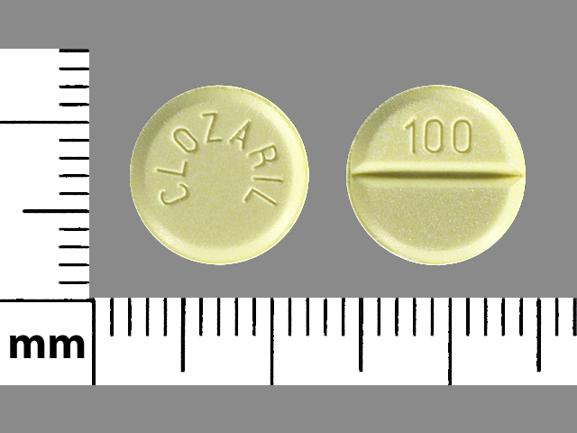
Clozaril
Generic name: clozapine [ KLOE-za-peen ]
Drug class: Atypical antipsychotics
What is Clozaril?
Clozaril is an antipsychotic medicine. It works by changing the actions of chemicals in the brain.
Clozaril is used to treat schizophrenia in adults after other treatments have failed.
Clozaril is available only from a certified pharmacy under a special program.
Clozaril is also used to reduce the risk of suicidal behavior in adults with schizophrenia or similar disorders.
Warnings
Clozaril affects your immune system. You may get infections more easily, even serious or fatal infections. Call your doctor if you have a fever, sore throat, weakness, or lack of energy.
Clozaril can increase your risk of seizure, especially at high doses. Avoid any activity that could be dangerous if you have a seizure or lose consciousness.
Clozaril can cause serious heart problems. Call your doctor right away if you have chest pain, trouble breathing, fast or pounding heartbeats or sudden dizziness.
Clozaril is not approved for use in older adults with dementia-related psychosis.
Before taking this medicine
Clozaril may increase the risk of death in older adults with dementia-related psychosis and is not approved for this use.
You should not take Clozaril if you are allergic to clozapine.
To make sure Clozaril is safe for you, tell your doctor if you have ever had:
-
heart problems, high blood pressure,
-
a heart attack or stroke (including "mini-stroke");
-
long QT syndrome (in you or a family member);
-
an electrolyte imbalance (such as low levels of potassium or magnesium in your blood);
-
a seizure, head injury, or brain tumor;
-
diabetes, or risk factors such as being overweight or having a family history of diabetes;
-
high cholesterol or triglycerides;
-
constipation or problems with your bowel movements;
-
liver or kidney disease;
-
an enlarged prostate or urination problems;
-
malnourishment or dehydration; or
-
if you smoke.
Taking antipsychotic medicine in the last 3 months of pregnancy may cause breathing problems, feeding problems, or withdrawal symptoms in the newborn. However, you may have withdrawal symptoms or other problems if you stop taking your medicine during pregnancy. If you get pregnant, tell your doctor right away. Do not stop taking Clozaril without your doctor's advice.
You should not breastfeed while using Clozaril.
Clozaril is not approved for use by anyone younger than 18 years old.
How should I take Clozaril?
Take Clozaril exactly as prescribed by your doctor. Follow all directions on your prescription label and read all medication guides or instruction sheets. Your doctor may occasionally change your dose.
You may take Clozaril with or without food.
Clozapine affects your immune system and can have long lasting effects on your body. You may get infections more easily, even serious or fatal infections. You may need frequent medical tests while using this medicine and for a short time after your last dose.
You should not stop using clozapine suddenly. Follow your doctor's instructions about tapering your dose.
If you start taking Clozaril again after 2 or more days off the medicine, you may need to use a lower dose than when you stopped. Follow your doctor's dosing instructions very carefully.
Your doctor may recommend you use a laxative while taking Clozaril. Use only the type of laxative your doctor recommends.
Store at room temperature away from moisture and heat.
Dosing information
Usual Adult Dose for Schizophrenia:
Initial dose: 12.5 mg orally once or twice a day
Titration and Maintenance dose: May increase total daily dose in increments of 25 mg to 50 mg per day to a target dose of 300 mg to 450 mg per day (administered in divided doses) by the end of week 2. Subsequent dose increases can be in increments of up to 100 mg once or twice weekly.
Maximum dose: 900 mg per day
Comments:
-The absolute neutrophil count (ANC) must be 1500/microL or greater for the general population and at least 1000/microL for patients with documented Benign Ethnic Neutropenia (BEN) prior to initiating treatment; to continue therapy, the ANC must be monitored regularly.
-A low starting dose, gradual titration, and divided doses are necessary to minimize the risk of orthostatic hypotension, bradycardia, and syncope.
-When therapy is interrupted for 2 or more days, re-initiate with 12.5 mg once or twice a day; based on tolerability, a dose that is restarted may be increased to a previously therapeutic dose more quickly than it was for initial treatment.
Uses:
-For the treatment of severely ill patients with schizophrenia who fail to respond adequately to standard antipsychotic treatment
-To reduce the risk of recurrent suicidal behavior in patients with schizophrenia or schizoaffective disorder, who are judged to be at chronic risk for re-experiencing suicidal behavior, based on history and recent clinical state
What happens if I miss a dose?
Take the medicine as soon as you can, but skip the missed dose if it is almost time for your next dose. Do not take two doses at one time.
If you miss taking Clozaril for more than 2 days in a row, call your doctor before you start taking it again.
Get your prescription refilled before you run out of medicine completely.
What happens if I overdose?
Seek emergency medical attention or call the Poison Help line at 1-800-222-1222.
Overdose symptoms may include drowsiness, confusion, fast heartbeats, feeling light-headed, weak or shallow breathing, drooling, choking, or seizure.
What to avoid
Do not drink alcohol. Dangerous side effects or death could occur.
Avoid coffee, tea, cola, energy drinks or other sources of caffeine.
Avoid driving or hazardous activity until you know how this medicine will affect you. Dizziness or drowsiness can cause falls, accidents, or severe injuries.
Avoid getting up too fast from a sitting or lying position, or you may feel dizzy.
Clozaril side effects
Get emergency medical help if you have signs of an allergic reaction to Clozaril (hives, difficult breathing, swelling in your face or throat) or a severe skin reaction (fever, sore throat, burning eyes, skin pain, red or purple skin rash with blistering and peeling).
You may get infections more easily, even serious or fatal infections. Call your doctor right away if you have signs of infection such as:
-
fever, flu-like symptoms, extreme weakness;
-
mouth sores, skin sores;
-
new or worsening cough, trouble breathing;
-
pain or burning when you urinate; or
-
vaginal itching or discharge.
Further doses may be delayed until your infection clears up.
High doses or long-term use of Clozaril can cause a serious movement disorder that may not be reversible. The longer you use Clozaril, the more likely you are to develop this disorder, especially if you are a woman or an older adult.
Clozapine can increase your risk of seizure, especially at high doses. Avoid any activity that could be dangerous if you have a seizure or lose consciousness.
Call your doctor at once if you have:
-
uncontrolled muscle movements in your face (chewing, lip smacking, frowning, tongue movement, blinking or eye movement);
-
a seizure (blackout or convulsions);
-
severe constipation;
-
dry or hard bowel movements, or painful gas;
-
heart problems - chest pain, fast or pounding heartbeats, fluttering in your chest, slow heartbeats, shortness of breath, and sudden dizziness (like you might pass out);
-
liver problems - loss of appetite, stomach pain (upper right side), tiredness, itching, dark urine, clay-colored stools, jaundice (yellowing of the skin or eyes);
-
severe nervous system reaction - very stiff (rigid) muscles, high fever, sweating, confusion, fast or uneven heartbeats, tremors, feeling like you might pass out; or
-
signs of a blood clot in the lung - chest pain, sudden cough, wheezing, rapid breathing, coughing up blood.
Untreated constipation may lead to serious bowel complications, hospitalization, or death. Tell your doctor right away if you are not having bowel movements at least 3 times per week.
Common Clozaril side effects may include:
-
weight gain;
-
dizziness, tremor;
-
headache, drowsiness;
-
nausea, constipation;
-
dry mouth, or increased salivation;
-
vision problems; or
-
fever, increased sweating.
This is not a complete list of side effects and others may occur. Call your doctor for medical advice about side effects. You may report side effects to FDA at 1-800-FDA-1088.
What other drugs will affect Clozaril?
When you start or stop taking Clozaril, your doctor may need to adjust the doses of any other medicines you take on a regular basis.
Clozapine can cause a serious heart problem. Your risk may be higher if you also use certain other medicines for infections, asthma, heart problems, high blood pressure, depression, mental illness, cancer, malaria, or HIV.
Using Clozaril with other drugs that make you drowsy or slow your breathing can cause dangerous side effects or death. Ask your doctor before using opioid medication, a sleeping pill, a muscle relaxer, cold or allergy medicine, or medicine for anxiety or seizures.
Many drugs can interact with clozapine. This includes prescription and over-the-counter medicines, vitamins, and herbal products. Not all possible interactions are listed here. Tell your doctor about all your current medicines and any medicine you start or stop using.
More about Clozaril (clozapine)
- Check interactions
- Compare alternatives
- Pricing & coupons
- Reviews (15)
- Drug images
- Latest FDA alerts (8)
- Side effects
- Dosage information
- During pregnancy
- Generic availability
- Drug class: atypical antipsychotics
- Breastfeeding
- En español
Patient resources
Other brands
Professional resources
Other brands
Related treatment guides
Further information
Remember, keep this and all other medicines out of the reach of children, never share your medicines with others, and use Clozaril only for the indication prescribed.
Always consult your healthcare provider to ensure the information displayed on this page applies to your personal circumstances.
Copyright 1996-2024 Cerner Multum, Inc. Version: 22.01.