
Rotator Cuff Tendinitis
Medically reviewed by Drugs.com. Last updated on Sep 1, 2024.
What is rotator cuff tendinitis?
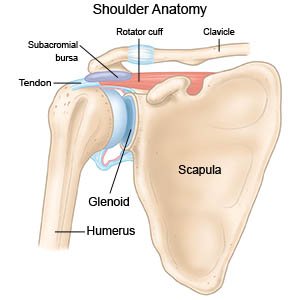
Rotator cuff tendinitis is inflammation of the tendons in your shoulder joint. A tendon is a cord of tough tissue that connects your muscles to your bones. The rotator cuff is made up of a group of muscles and tendons that hold the shoulder joint in place.
 |
What causes rotator cuff tendinitis?
The tendon can become trapped by your arm bone when you lift your arm. Heavy lifting or throwing can cause overuse or an injury. This may happen if you play a sport such as baseball or tennis. A fall or other shoulder injury may also damage your rotator cuff. Calcium deposits may form in the tendons. This causes inflammation and swelling.
What are the signs and symptoms of rotator cuff tendinitis?
- Pain and swelling in your shoulder, especially when you lift your arm over your head
- Trouble moving your arm
- Shoulder or arm weakness or stiffness
- Pain that is worse after you sleep on the affected shoulder
- Pain even when you are resting
How is rotator cuff tendinitis diagnosed?
Your healthcare provider may test your shoulder by moving your arm in different directions and raising it over your head. Tell your provider if you had a shoulder injury, and when it happened. An x-ray, ultrasound, or MRI may be used to check for tendon injuries or problems. You may be given contrast liquid to help the pictures show up better. Tell the healthcare provider if you have ever had an allergic reaction to contrast liquid. Do not enter the MRI room with any metal. Metal can cause serious injury. Tell the healthcare provider if you have any metal in or on your body.
How is rotator cuff tendinitis treated?
- Medicines such as steroids or NSAIDs may be used to reduce swelling. This can help relieve pain. Steroids may be injected into the rotator cuff area. NSAIDs are available without a doctor's order. Ask your healthcare provider which medicine is right for you. Ask how much to take and when to take it. Take as directed. NSAIDs can cause stomach bleeding or kidney problems if not taken correctly.
- Surgery may be needed if the pain and tightening in your shoulder do not go away. This may also be done if pain worsens or is so severe that it affects your daily activities. During surgery, your healthcare provider may remove bone spurs and inflamed tissue around the shoulder.
- Physical therapy can help you improve movement and strength, and decrease pain. A physical therapist will teach you safe exercises. The exercises may help you move your shoulder normally again and strengthen your rotator cuff. You may learn changes to make to your daily activities that will help decrease stress on your tendons.
Treatment options
The following list of medications are related to or used in the treatment of this condition.
How can I care for my rotator cuff tendinitis at home?
- Rest as directed. Limit activity on your affected shoulder to decrease stress on the tendon. This may help prevent further damage, decrease pain, and promote healing.
- Apply ice on your shoulder area. Ice helps decrease swelling and pain. Ice may also help prevent tissue damage. Use an ice pack, or put crushed ice in a plastic bag. Cover it with a towel and place it on your shoulder for 15 to 20 minutes every hour or as directed.
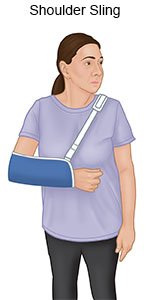
- Keep your shoulder in the correct position so it will heal faster. This may be done by increasing the height of armrests while you work, drive, and sit. Try not to sleep on the side of your injured shoulder. If you are a woman, wear a sports bra so that the straps are closer to your neck. This may help decrease stress in the affected shoulder.
When should I call my doctor or orthopedist?
- You have sudden shortness of breath or chest pain.
- Any part of your arm is numb, tingly, cold, blue, or pale.
- You have pain and swelling in your shoulder even after you take pain medicine.
- Your skin is itchy, swollen, or has a rash.
- Your symptoms are not getting better or are getting worse.
- You have questions or concerns about your condition or care.
Care Agreement
You have the right to help plan your care. Learn about your health condition and how it may be treated. Discuss treatment options with your healthcare providers to decide what care you want to receive. You always have the right to refuse treatment. The above information is an educational aid only. It is not intended as medical advice for individual conditions or treatments. Talk to your doctor, nurse or pharmacist before following any medical regimen to see if it is safe and effective for you.© Copyright Merative 2024 Information is for End User's use only and may not be sold, redistributed or otherwise used for commercial purposes.
Learn more about Rotator Cuff Tendinitis
Treatment options
Care guides
- Abrasion
- Calcific Tendinitis
- Laceration
- Muscle Strain
- Rotator Cuff Injury
- Shoulder Dislocation
- Shoulder Sprain
Symptoms and treatments
Further information
Always consult your healthcare provider to ensure the information displayed on this page applies to your personal circumstances.