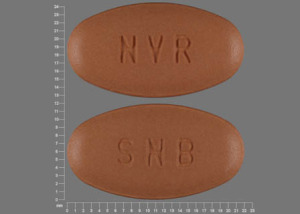
Valturna
Generic name: aliskiren and valsartan [ a-LIS-ke-rin-and-val-SAR-tan ]
Drug class: Miscellaneous antihypertensive combinations
Medically reviewed by Drugs.com. Last updated on Aug 23, 2023.
What is Valturna?
Valturna contains a combination of aliskiren and valsartan. Aliskiren is an anti-hypertensive (blood pressure lowering) medication. It works by decreasing substances in the body that narrow blood vessels and raise blood pressure. Valsartan keeps blood vessels from narrowing, which lowers blood pressure and improves blood flow.
Valturna is used to treat high blood pressure (hypertension).
Valturna may also be used for other purposes not listed in this medication guide.
Warnings
Do not use Valturna if you are pregnant. Stop using this medication and tell your doctor right away if you become pregnant.
Before you take Valturna, tell your doctor if you have kidney or liver disease, high levels of potassium in your blood (hyperkalemia), heart disease or recent heart attack, congestive heart failure, or if you are on a low-salt diet.
If you take Valturna with meals, avoid high-fat foods. They can make it harder for your body to absorb the medicine in Valturna.
Conditions that may cause very low blood pressure include: vomiting, diarrhea, heavy sweating, heart disease, dialysis, a low-salt diet, or taking diuretics (water pills). Follow your doctor's instructions about the type and amount of liquids you should drink while taking Valturna. Tell your doctor if you have a prolonged illness that causes diarrhea or vomiting.
Before taking this medicine
You should not use Valturna if you are allergic to aliskiren (Tekturna) or valsartan (Diovan), or if you are also using cyclosporine (Gengraf, Neoral, Sandimmune) or itraconazole (Sporanox).
If you have diabetes or kidney disease, you may not be able to take Valturna if you are also taking any of the following heart or blood pressure medications:
-
azilsartan (Edarbi, Edarbyclor), candesartan (Atacand), eprosartan (Teveten), irbesartan (Avapro, Avalide), losartan (Cozaar, Hyzaar), olmesartan (Benicar), valsartan (Diovan), telmisartan (Micardis); or
-
benazepril (Lotensin), captopril (Capoten), enalapril (Vasotec), fosinopril (Monopril), lisinopril (Prinivil, Zestril), moexipril (Univasc), perindopril (Aceon), quinapril (Accupril), ramipril (Altace), or trandolapril (Mavik, Tarka).
To make sure you can safely take Valturna, tell your doctor if you have any of these other conditions:
-
kidney disease (or if you are on dialysis);
-
liver disease;
-
high levels of potassium in your blood (hyperkalemia);
-
congestive heart failure;
-
heart disease or recent heart attack; or
-
if you are on a low-salt diet.
FDA pregnancy category D. Do not use Valturna if you are pregnant. Stop using this medication and tell your doctor right away if you become pregnant. Valturna can cause injury or death to the unborn baby if you take the medicine during your second or third trimester. Use effective birth control while taking this medication. It is not known whether aliskiren and valsartan passes into breast milk or if it could harm a nursing baby. You should not use Valturna while you are breast-feeding a baby.
How should I take Valturna?
Take Valturna exactly as prescribed by your doctor. Do not take in larger or smaller amounts or for longer than recommended. Follow the directions on your prescription label.
Your doctor may occasionally change your dose to make sure you get the best results from this medication.
Take Valturna with a full glass of water.
You may take Valturna with or without food, but take it the same way every time.
If you take Valturna with meals, avoid high-fat foods. They can make it harder for your body to absorb the medicine in Valturna.
Conditions that may cause very low blood pressure include: vomiting, diarrhea, heavy sweating, heart disease, dialysis, a low-salt diet, or taking diuretics (water pills). Follow your doctor's instructions about the type and amount of liquids you should drink while taking Valturna. Tell your doctor if you have a prolonged illness that causes diarrhea or vomiting.
It may take up to 2 weeks of using Valturna before your blood pressure improves. Keep using this medicine as directed, even if you feel well. High blood pressure often has no symptoms. You may need to use blood pressure medication for the rest of your life.
Store Valturna at room temperature away from moisture and heat.
What happens if I miss a dose?
Take the missed dose as soon as you remember. Skip the missed dose if it is almost time for your next scheduled dose. Do not take extra medicine to make up the missed dose. Do not take extra medicine to make up the missed dose.
What happens if I overdose?
Seek emergency medical attention or call the Poison Help line at 1-800-222-1222.
Overdose symptoms may include fast or slow heart rate, feeling light-headed, or fainting.
What should I avoid?
Drinking alcohol can further lower your blood pressure and may increase certain side effects of Valturna.
Avoid getting up too fast from a sitting or lying position, or you may feel dizzy. Get up slowly and steady yourself to prevent a fall.
Do not use salt substitutes or potassium supplements while taking Valturna, unless your doctor has told you to.
Valturna side effects
Get emergency medical help if you have any of these signs of an allergic reaction to Valturna: hives; severe stomach pain; difficulty breathing; swelling of your face, lips, tongue, or throat. Call your doctor at once if you have any of these serious side effects:
-
feeling like you might pass out; or
-
slow heart rate, weak pulse, muscle weakness, tingly feeling.
Less serious Valturna side effects may be more likely to occur, such as:
-
tired feeling;
-
stuffy nose, sore throat, cough;
-
stomach pain or upset, diarrhea, heartburn;
-
numbness or tingly feeling; or
-
muscle cramps.
This is not a complete list of side effects and others may occur. Call your doctor for medical advice about side effects. You may report side effects to FDA at 1-800-FDA-1088.
What other drugs will affect Valturna?
Tell your doctor about all other medications you use, especially other blood pressure medications, or:
-
atorvastatin (Lipitor);
-
a diuretic (water pill) such as furosemide (Lasix);
-
an antibiotic such as ketoconazole (Nizoral) or rifampin (Rifater, Rifadin, Rifamate);
-
a nonsteroidal anti-inflammatory drug (NSAID) such as aspirin, ibuprofen (Advil, Motrin), naproxen (Aleve, Naprosyn, Naprelan, Treximet), celecoxib (Celebrex), diclofenac (Arthrotec, Cambia, Cataflam, Voltaren, Flector Patch, Pennsaid, Solareze), indomethacin (Indocin), meloxicam (Mobic), and others;
-
a potassium supplement such as K-Dur, Klor-Con; or
-
salt substitutes that contain potassium.
This list is not complete and there may be other drugs not listed that can affect Valturna. Tell your doctor about all the prescription and over-the-counter medications you use. This includes vitamins, minerals, herbal products, and drugs prescribed by other doctors. Do not start using a new medication without telling your doctor.
More about Valturna (aliskiren / valsartan)
- Check interactions
- Compare alternatives
- Reviews (9)
- Drug images
- Side effects
- Dosage information
- During pregnancy
- FDA approval history
- Drug class: miscellaneous antihypertensive combinations
Related treatment guides
Further information
Remember, keep this and all other medicines out of the reach of children. Never share your medicines with others and only use this medication for the condition prescribed.
Always consult your healthcare provider to ensure the information displayed on this page applies to your personal circumstances.
Copyright 1996-2024 Cerner Multum, Inc. Version: 4.02.