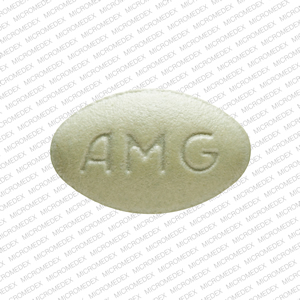
Sensipar Side Effects
Generic name: cinacalcet
Medically reviewed by Drugs.com. Last updated on Aug 19, 2024.
Note: This document provides detailed information about Sensipar Side Effects associated with cinacalcet. Some dosage forms listed on this page may not apply specifically to the brand name Sensipar.
Applies to cinacalcet: oral tablet.
Serious side effects of Sensipar
Along with its needed effects, cinacalcet (the active ingredient contained in Sensipar) may cause some unwanted effects. Although not all of these side effects may occur, if they do occur they may need medical attention.
Check with your doctor immediately if any of the following side effects occur while taking cinacalcet:
More common
- blurred vision
- chest pain
- dizziness
- headache
- nervousness
- pounding in the ears
- slow or fast heartbeat
Less common
- convulsions
- cough or hoarseness
- fever or chills
- loss of bladder control
- lower back or side pain
- muscle spasm or jerking of all extremities
- painful or difficult urination
- sudden loss of consciousness
Incidence not known
- abdominal or stomach cramps
- confusion
- decreased urine output
- difficulty with breathing
- difficulty with moving
- dilated neck veins
- dizziness, faintness, or lightheadedness when getting up suddenly from a lying or sitting position
- extreme fatigue
- fainting
- irregular breathing
- irregular heartbeats
- joint pain
- large, hive-like swelling on the face, eyelids, lips, tongue, throat, hands, legs, feet, or sex organs
- low bone turnover
- mood or mental changes
- muscle aching or cramping
- muscle cramps in the hands, arms, feet, legs, or face
- muscle pains or stiffness
- numbness and tingling around the mouth, fingertips, or feet
- sweating
- swelling of the face, fingers, feet, or lower legs
- swollen joints
- tightness in the chest
- tremor
- troubled breathing
- unusual tiredness or weakness
- weight gain
Other side effects of Sensipar
Some side effects of cinacalcet may occur that usually do not need medical attention. These side effects may go away during treatment as your body adjusts to the medicine. Also, your health care professional may be able to tell you about ways to prevent or reduce some of these side effects.
Check with your health care professional if any of the following side effects continue or are bothersome or if you have any questions about them:
More common
- diarrhea
- lack or loss of strength
- loss of appetite
- nausea
- vomiting
- weight loss
Incidence not known
- hives or welts, itching, rash
- redness of the skin
For healthcare professionals
Applies to cinacalcet: oral tablet.
Cardiovascular
- Very common (10% or more): Hypotension (11.6%)
- Common (1% to 10%): Hypertension
- Frequency not reported: Worsening heart failure, QT prolongation and ventricular arrhythmia secondary to hypocalcemia[Ref]
Gastrointestinal
- Very common (10% or more): Nausea (31%), vomiting (27%), diarrhea (21%), dyspepsia (13%), abdominal pain (10.9%)
- Common (1% to 10%): Upper abdominal pain, dyspepsia, anorexia, constipation[Ref]
Hypersensitivity
- Common (1% to 10%): Hypersensitivity reactions
- Postmarketing reports: Rash, angioedema, urticaria[Ref]
Local
- Common (1% to 10%): Access site infection[Ref]
Dermatologic
- Very common (10% or more): Paresthesia (14 to 29%)
- Very rare (less than 0.01%): Leukocytoclastic vasculitis with palpable purpura on both upper and lower extremities[Ref]
Hematologic
- Common (1% to 10%): Anemia[Ref]
Metabolic
- Very common (10% or more): Hypocalcemia (11.2%)
- Common (1% to 10%): Hyperkalemia, dehydration[Ref]
Respiratory
- Very common (10% or more): Cough (11.7%), upper respiratory infection (11%)
- Common (1% to 10%): Dyspnea[Ref]
Endocrine
- Common (1% to 10%): Reduced testosterone levels[Ref]
Musculoskeletal
- Very common (10% or more): Myalgia (15%), muscle spasms (11%)
- Common (1% to 10%): Limb pain, back pain, fracture, arthralgia, noncardiac chest pain[Ref]
Nervous system
- Very common (10% or more): Paresthesia (up to 29%), headache (11.5%), dizziness (10%)
- Common (1% to 10%): Fatigue, seizures[Ref]
Other
- Common (1% to 10%): Asthenia[Ref]
Renal
- Common (1% to 10%): Dialysis access site infection[Ref]
References
1. (2004) "Product Information. Sensipar (cinacalcet)." Amgen USA
2. Cerner Multum, Inc. "UK Summary of Product Characteristics."
3. Cerner Multum, Inc. "Australian Product Information."
4. Giannikopoulos G, Zorzou MP, Stamoulis I, et al. (2009) "Cinacalcet-induced leukocytoclastic vasculitis." Am J Kidney Dis, 54, e5-e8
More about Sensipar (cinacalcet)
- Check interactions
- Compare alternatives
- Pricing & coupons
- Reviews (9)
- Drug images
- Dosage information
- During pregnancy
- Generic availability
- FDA approval history
- Drug class: calcimimetics
- Breastfeeding
- En español
Patient resources
Professional resources
Related treatment guides
Further information
Sensipar side effects can vary depending on the individual. Always consult your healthcare provider to ensure the information displayed on this page applies to your personal circumstances.
Some side effects may not be reported. You may report them to the FDA.