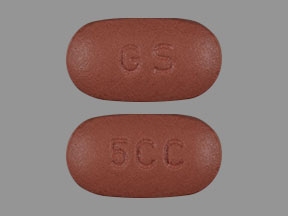
Requip XL Side Effects
Generic name: ropinirole
Medically reviewed by Drugs.com. Last updated on Apr 25, 2024.
Note: This document provides detailed information about Requip XL Side Effects associated with ropinirole. Some dosage forms listed on this page may not apply specifically to the brand name Requip XL.
Applies to ropinirole: oral tablet, oral tablet extended release.
Serious side effects of Requip XL
Along with its needed effects, ropinirole (the active ingredient contained in Requip XL) may cause some unwanted effects. Although not all of these side effects may occur, if they do occur they may need medical attention.
Check with your doctor immediately if any of the following side effects occur while taking ropinirole:
More common side effects
- confusion
- dizziness, faintness, or lightheadedness when getting up suddenly from a lying or sitting position
- drowsiness
- falling
- nausea
- seeing, hearing, or feeling things that are not there (hallucinations)
- sleepiness or unusual drowsiness
- swelling of the legs
- twisting, twitching, or other unusual body movements
- unusual tiredness or weakness
- worsening of parkinsonism
Less common side effects
- bloating or swelling of the face, arms, hands, lower legs, or feet
- blood in the urine
- blurred vision
- burning, pain, or difficulty in urinating
- chest pain or tightness
- chills
- cold sweats
- cough
- double vision or other eye or vision problems
- fainting
- fear or nervousness
- feeling of constant movement of self or surroundings
- high or low blood pressure
- irregular or pounding heartbeat
- loss of memory
- mental depression
- pain in the arms or legs
- pounding in the ears
- rapid weight gain
- sensation of spinning
- slow or fast heartbeat
- sore throat
- stomach pain
- sweating
- tingling of the hands or feet
- tingling, numbness, or prickly feelings
- trouble in concentrating
- trouble breathing
- unusual weight gain or loss
- vomiting
Rare side effects
- anxiety
- buzzing or ringing in the ears
- changes in vision
- fever
- headache
- joint pain
- loss of bladder control
- muscle cramps, pain, or spasms
- runny or stuffy nose
- sneezing
- trouble with swallowing
- unusual urges
Get emergency help immediately if any of the following symptoms of overdose occur while taking ropinirole:
Symptoms of overdose
- agitation
- chest pain
- chills
- cold sweats
- confusion
- dizziness, faintness, or lightheadedness when getting up suddenly from lying or sitting position
- fast, irregular, pounding, or racing heartbeat or pulse
- grogginess
- increase in unusual body movements, especially of the face or mouth
- increased coughing
- increased sweating
- lack or loss of strength
- nightmares
- sleepiness or unusual drowsiness
- twitching, twisting, uncontrolled repetitive movements of tongue, lips, face, arms, or legs
- vomiting
Other side effects of Requip XL
Some side effects of ropinirole may occur that usually do not need medical attention. These side effects may go away during treatment as your body adjusts to the medicine. Also, your health care professional may be able to tell you about ways to prevent or reduce some of these side effects.
Check with your health care professional if any of the following side effects continue or are bothersome or if you have any questions about them:
Less common side effects
- abnormal dreams
- acid or sour stomach
- back pain
- belching
- decrease in sexual desire or performance
- difficulty having a bowel movement (stool)
- dryness of mouth
- flushing
- general feeling of discomfort or illness
- heartburn or gas
- hot flashes
- indigestion
- loss of appetite
- tremor
- weight loss
- yawning
For healthcare professionals
Applies to ropinirole: oral kit, oral tablet, oral tablet extended release.
General adverse events
The most commonly reported adverse reaction reported in patients with early Parkinson's disease included nausea, somnolence, dizziness, syncope, asthenic conditions, viral infection, leg edema, vomiting, and dyspepsia. Among patients with advance Parkinson's disease, the more commonly reported adverse reactions included dyskinesia, somnolence, nausea, dizziness, confusion, hallucinations, sweating, and headache.
The most commonly reported adverse reactions in patients with restless legs syndrome included nausea, vomiting, somnolence, dizziness, and a asthenic condition.[Ref]
Nervous system
- Very common (10% or more): Dizziness (40%), somnolence (40%), dyskinesia (34%), headache (17%)
- Common (1% to 10%): Hyperkinesia, hypesthesia, hypokinesia, paresis, paresthesia, tremor
- Uncommon (0.1% to 1%): Sudden onset of sleep, excessive daytime somnolence
Restless Leg Syndrome:
- Very common (10% or more): Headache (up to 22.3%), somnolence (12%), dizziness (up to 12.9%)
- Common (1% to 10%): Paresthesia, migraine, paradoxical augmentation and rebound of restless leg syndrome[Ref]
Parkinson's disease
Psychiatric
- Very common (10% or more): Hallucination (10%)
- Common (1% to 10%): Amnesia, impaired concentration, confusion, amnesia, anxiety, abnormal dreaming, nervousness
- Uncommon (0.1% to 1%): Psychotic reactions other than hallucinations, included delirium, delusions, paranoia
- Frequency not reported: Aggression
- Postmarketing reports: Impulse control disorders included pathological gambling and hypersexuality and increased libido
Restless Leg Syndrome:
- Common (1% to 10%): Nervousness
- Postmarketing reports: Impulse control disorders included pathological gambling and hypersexuality and increased libido[Ref]
Parkinson's disease
Cardiovascular
Parkinson's disease:
- Very common (10% or more): Syncope (up to 12%)
- Common (1% to 10%): Hypertension, hypotension, orthostatic symptoms, chest pain, dependent edema, leg edema, flushing, extrasystoles, atrial fibrillation, palpitation, tachycardia, peripheral ischemia
Restless Leg Syndrome:
- Common (1% to 10%): Syncope
- Uncommon (0.1% to 1%): Orthostatic hypotension, peripheral edema
- Frequency not reported: Hypotension[Ref]
Immunologic
- Common (1% to 10%): Influenza, viral infection[Ref]
Gastrointestinal
- Very common (10% or more): Nausea (up to 60%), vomiting (up to 12%)
- Common (1% to 10%): Dry mouth, abdominal pain, anorexia, dyspepsia, flatulence, constipation, diarrhea, dysphagia, increased saliva, heartburn
Restless Leg Syndrome:
- Very common (10% or more): Nausea (up to 40%), vomiting (up to 12.9%)
- Common (1% to 10%): Diarrhea, dyspepsia, dry mouth, abdominal pain upper
- Uncommon (0.1% to 1%):[Ref]
Respiratory
- Common (1% to 10%): Yawning, upper respiratory tract infection, dyspnea, bronchitis, pharyngitis, rhinitis, sinusitis
Restless Leg Syndrome:
- Very common (10% or more): Upper respiratory infection (10.7%)
- Common (1% to 10%): Nasopharyngitis, cough, nasal congestion, rhinitis, sinusitis[Ref]
Parkinson's disease
Ocular
Parkinson's disease:
- Common (1% to 10%): Eye abnormality, abnormal vision, xerophthalmia, diplopia[Ref]
Metabolic
- Common (1% to 10%): Decreased weight[Ref]
Parkinson's disease
Genitourinary
- Common (1% to 10%): Impotence, urinary tract infection, pyuria, urinary incontinence, urinary tract infection[Ref]
Other
- Very common (10% or more): Asthenic condition (16%)
- Common (1% to 10%): Pain, vertigo
Restless Leg Syndrome:
- Very common (10% or more): Fatigue (10.4%)
- Common (1% to 10%): Asthenic condition, vertigo
- Postmarketing reports:[Ref]
Asthenic conditions include asthenia, fatigue, and/or malaise[Ref]
Parkinson's disease
Musculoskeletal
- Common (1% to 10%): Arthralgia, arthritis, extremity pain, back pain, injury, myalgia[Ref]
Dermatologic
- Common (1% to 10%): Increased sweating[Ref]
Hematologic
- Common (1% to 10%): Anemia[Ref]
Parkinson's disease
Hepatic
- Common (1% to 10%): Increased alkaline phosphatase
- Frequency not reported: Increased liver enzymes[Ref]
Parkinson's disease
Hypersensitivity
- Frequency not reported: Hypersensitivity reactions including urticarial, angioedema, rash, pruritus[Ref]
References
1. (2001) "Product Information. Requip (ropinirole)." SmithKline Beecham
2. Cerner Multum, Inc. "UK Summary of Product Characteristics."
3. Cerner Multum, Inc. "Australian Product Information."
More about Requip XL (ropinirole)
- Check interactions
- Compare alternatives
- Reviews (7)
- Drug images
- Dosage information
- During pregnancy
- Drug class: dopaminergic antiparkinsonism agents
- Breastfeeding
Patient resources
Other brands
Professional resources
Other brands
Related treatment guides
Further information
Requip XL side effects can vary depending on the individual. Always consult your healthcare provider to ensure the information displayed on this page applies to your personal circumstances.
Note: Medication side effects may be underreported. If you are experiencing side effects that are not listed, submit a report to the FDA by following this guide.