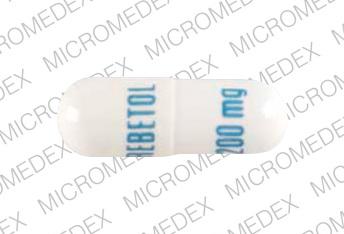
Rebetol Side Effects
Generic name: ribavirin
Medically reviewed by Drugs.com. Last updated on Sep 5, 2023.
Note: This document contains side effect information about ribavirin. Some dosage forms listed on this page may not apply to the brand name Rebetol.
Applies to ribavirin: oral capsule, oral tablet. Other dosage forms:
Warning
Oral route (Tablet; Capsule; Solution)
Embryo-fetal Toxicity, Hemolytic Anemia, and Monotherapy Not RecommendedSignificant teratogenic and embryocidal effects have been demonstrated in all animal species exposed to ribavirin. In addition, ribavirin has a multiple-dose half-life of 12 days and may persist in non-plasma compartments for as long as 6 months. Therefore, ribavirin therapy is contraindicated in women who are pregnant and in the male partners of women who are pregnant. Avoid pregnancy and use effective contraception during therapy and for 9 months after completion of treatment in female patients and for 6 months in female partners of male patients who are taking ribavirin therapy.Hemolytic anemia has been reported with ribavirin therapy. The anemia associated with ribavirin therapy may result in worsening of cardiac disease that has led to fatal and nonfatal myocardial infarctions. Patients with a history of significant or unstable cardiac disease should not be treated with ribavirin.Ribavirin monotherapy is not effective for the treatment of chronic hepatitis C virus infection and should not be used alone for this indication.
Serious side effects of Rebetol
Along with its needed effects, ribavirin (the active ingredient contained in Rebetol) may cause some unwanted effects. Although not all of these side effects may occur, if they do occur they may need medical attention.
Check with your doctor immediately if any of the following side effects occur while taking ribavirin:
More common
- Anxiety
- black, tarry stools
- body aches or pain
- chest pain or tightness
- congestion
- cough or hoarseness
- crying
- depersonalization
- diarrhea
- difficult or labored breathing
- discouragement
- dry mouth
- dryness of the throat
- dysphoria
- euphoria
- feeling sad or empty
- feeling unusually cold
- fever or chills
- general feeling of discomfort or illness
- headache
- irregular heartbeats
- irritability
- joint pain
- lack of appetite
- loss of interest or pleasure
- lower back or side pain
- mental depression
- muscle aches and pains
- nausea
- nervousness
- painful or difficult urination
- pale skin
- paranoia
- poor concentration
- quick to react or overreact emotionally
- rapidly changing moods
- restlessness
- runny nose
- shaking
- shivering
- sleeplessness
- sore throat
- sores, ulcers, or white spots on the lips or in the mouth
- sweating
- tender, swollen glands in the neck
- trouble breathing
- trouble with concentrating
- trouble with sleeping
- trouble with swallowing
- unable to sleep
- upper abdominal or stomach pain
- unusual bleeding or bruising
- unusual tiredness or weakness
- voice changes
- vomiting
Less common
- Bleeding gums
- blood in the urine or stools
- constipation
- depressed mood
- dry skin and hair
- feeling cold
- hair loss
- husky voice
- muscle cramps and stiffness
- pinpoint red spots on the skin
- right upper abdominal or stomach fullness
- slowed heartbeat
- weight gain
Incidence not known
- Blistering, flaking, or peeling of the skin
Other side effects of Rebetol
Some side effects of ribavirin may occur that usually do not need medical attention. These side effects may go away during treatment as your body adjusts to the medicine. Also, your health care professional may be able to tell you about ways to prevent or reduce some of these side effects.
Check with your health care professional if any of the following side effects continue or are bothersome or if you have any questions about them:
More common
- Acid or sour stomach
- being forgetful
- belching
- blurred vision
- bone pain
- change in taste or bad, unusual, or unpleasant (after) taste
- cracked, scaly skin
- crusting, irritation, itching, or reddening of the skin
- difficulty with moving
- dizziness or lightheadedness
- feeling of constant movement of self or surroundings
- hair loss or thinning of the hair
- heartburn
- indigestion
- lack or loss of strength
- menstrual changes
- pain or tenderness around the eyes and cheekbones
- rash
- sensation of spinning
- sneezing
- stomach discomfort, upset, or pain
- stuffy nose
- swelling
- swollen joints
- weight loss
Less common
- Back pain
- burning, dry, or itching eyes
- discharge, excessive tearing
- feeling of warmth
- redness of the face, neck, arms, and occasionally, upper chest
- redness, pain, swelling of the eye, eyelid, or inner lining of the eyelid
- skin rash, encrusted, scaly, and oozing
Incidence not known
- Change in hearing
- loss of hearing
For Healthcare Professionals
Applies to ribavirin: compounding powder, inhalation powder for reconstitution, oral capsule, oral solution, oral tablet.
General
The most common serious or life-threatening side effects induced or aggravated by ribavirin (the active ingredient contained in Rebetol) tablets in combination with peginterferon alfa-2a have included depression, suicide, relapse of drug abuse/overdose, and bacterial infections in less than 1% of patients and hepatic decompensation in 2% of chronic hepatitis C (CHC)-HIV coinfected patients. The most common serious side effect in CHC monoinfected (3%) and CHC-HIV coinfected (5%) patients receiving peginterferon alfa-2a alone or in combination with ribavirin tablets was bacterial infection (e.g., sepsis, osteomyelitis, endocarditis, pyelonephritis, pneumonia). Common side effects reported in CHC-HIV coinfected patients receiving ribavirin tablets in combination with peginterferon alfa-2a have included neutropenia, anemia, thrombocytopenia, weight decrease, and mood alteration.
The most common side effects reported in patients receiving ribavirin capsules/oral solution in combination with peginterferon alfa-2b or interferon alfa-2b were injection site inflammation/reaction, fatigue/asthenia, headache, rigors, fevers, nausea, myalgia, and anxiety/emotional lability/irritability. The most common serious side effects associated with peginterferon alfa-2b in combination with ribavirin capsules/oral solution were depression and suicidal ideation in less than 1% of patients. The most common fatal side effects reported in patients receiving peginterferon alfa-2b in combination with ribavirin capsules/oral solution were cardiac arrest, suicidal ideation, and suicide attempt in less than 1% of patients.[Ref]
Respiratory
Respiratory side effects associated with oral ribavirin (the active ingredient contained in Rebetol) in combination with peginterferon alfa-2a, peginterferon alfa-2b, or interferon alfa-2b have included dyspnea (up to 26%), cough (up to 23%), and exertional dyspnea (up to 7%). Pharyngitis (up to 13%), rhinitis (up to 8%), and sinusitis (up to 12%) have been reported with ribavirin capsules/oral solution in combination with peginterferon alfa-2b or interferon alfa-2b. Pulmonary symptoms (including dyspnea, pulmonary infiltrates, pneumonitis, pulmonary hypertension, pneumonia, and fatal pneumonia), sarcoidosis, and exacerbation of sarcoidosis have been reported with oral ribavirin in combination with alpha interferon. Pulmonary hypertension has been reported during postmarketing experience with ribavirin capsules/oral solution in combination with interferon alfa-2b or peginterferon alfa-2b. Significant deterioration of pulmonary function in patients with chronic obstructive pulmonary disease or asthma and minor pulmonary function abnormalities in healthy volunteers have been reported with aerosolized ribavirin. Asthmatic patients have also reported dyspnea and chest soreness with aerosolized ribavirin. Worsening of respiratory status, bronchospasm, hypoventilation, cyanosis, dyspnea, bronchoconstriction, bacterial pneumonia, cough, pneumothorax, pulmonary edema, apnea, atelectasis, hypoxia, and ventilator dependence have been reported with aerosolized ribavirin. Rhinitis and pharyngitis, as well as several cases of bronchospasm and/or chest pain (usually in individuals with underlying reactive airway disease), have been reported in health care workers exposed to aerosolized ribavirin.[Ref]
Mechanically ventilated patients may be predisposed to respiratory deterioration.
Severe hypoxia was described in a case report of a previously healthy infant who experienced a dramatic drop in transcutaneous oxygen within 1 minute of receiving ribavirin. Oxygen levels returned to normal promptly following discontinuation of therapy. However, the infant later died, and postmortem examination revealed a high pulmonary arterial pressure and a patent ductus arteriosus. A definitive causal relationship was not established, and equipment failure was not specifically ruled out by the authors.
Most signs and symptoms reported in exposed health care workers resolved within minutes to hours of stopping close exposure to aerosolized ribavirin.[Ref]
Hypersensitivity
Hypersensitivity side effects have included reactions such as urticaria, angioedema, bronchoconstriction, and anaphylaxis in patients treated with alfa interferon and ribavirin (the active ingredient contained in Rebetol) Severe skin reactions (including vesiculobullous eruptions, Stevens-Johnson syndrome, erythema multiforme, and exfoliative dermatitis/erythroderma) have been reported in patients treated with peginterferon alfa-2a alone or in combination with ribavirin tablets. Serious skin reactions have been reported during postmarketing experience in patients treated with peginterferon alfa-2a.[Ref]
Dermatologic
Grover's disease (suprabasal transient acantholytic dermatosis) secondary to ribavirin (the active ingredient contained in Rebetol) use was confirmed upon drug rechallenge in a 55-year-old man with chronic active hepatitis C.
Rash associated with aerosolized ribavirin usually resolved within hours of stopping treatment in patients and within minutes to hours of stopping close exposure in health care workers.[Ref]
Dermatologic side effects have included rash and skin irritation from prolonged drug contact. Alopecia (up to 36%), pruritus (up to 29%), dermatitis (up to 16%), dry skin (up to 24%), increased sweating (up to 11%), rash (up to 34%), and eczema (up to 5%) have been associated with oral ribavirin in combination with peginterferon alfa-2a, peginterferon alfa-2b, or interferon alfa-2b. Grover's disease has been reported in a 55-year-old man 2 weeks after the start of ribavirin therapy. A photoallergic skin reaction was reported to occur 4 months after initiation of ribavirin treatment, and recurred approximately 24 hours after reexposure to ribavirin. Skin disorders associated with ribavirin tablets in combination with peginterferon alfa-2a have included lichenoid eruptions and maculopapular rashes. Rash has been reported in patients treated with and health care workers exposed to aerosolized ribavirin. Stevens-Johnson syndrome and toxic epidermal necrolysis have been reported during postmarketing experience with ribavirin tablets in combination with peginterferon alfa-2a.[Ref]
Cardiovascular
Bigeminy, bradycardia, and tachycardia have been reported in patients with underlying congenital heart disease.[Ref]
Cardiovascular side effects have included angina, arrhythmia, and pulmonary embolism in less than 1% of patients treated with peginterferon alfa-2a alone or in combination with ribavirin tablets. Fatal and nonfatal myocardial infarctions have been reported in patients with anemia due to ribavirin capsules/oral solution. Cardiac arrest, hypotension, bradycardia, bigeminy, tachycardia, hypertension (usually slight increases in blood pressure), and digitalis toxicity have been reported with aerosolized ribavirin.[Ref]
Hematologic
Hematologic side effects associated with oral ribavirin (the active ingredient contained in Rebetol) in combination with peginterferon alfa-2a, peginterferon alfa-2b, or interferon alfa-2b have included anemia (up to 35%), lymphopenia (up to 14%), neutropenia (up to 40%), thrombocytopenia (up to 8%), and leukopenia (up to 10%). Hemolytic anemia is the most significant toxicity of ribavirin. Aplastic anemia and thrombotic thrombocytopenic purpura have been reported in less than 1% of patients treated with peginterferon alfa-2a alone or in combination with ribavirin tablets. Pancytopenia (marked decreases in red blood cells, neutrophils, and platelets) and bone marrow suppression have been reported following concomitant administration of pegylated interferon plus oral ribavirin and azathioprine. Aplastic anemia has been reported during postmarketing experience with ribavirin capsules/oral solution in combination with interferon alfa-2b or peginterferon alfa-2b. Pure red cell aplasia has been reported during postmarketing experience with oral ribavirin in combination with peginterferon alfa-2a, peginterferon alfa-2b, or interferon alfa-2b. Cases of anemia (type unspecified), reticulocytosis, and hemolytic anemia associated with aerosolized ribavirin have been reported during postmarketing experience and have been reversible with drug discontinuation.[Ref]
Hemolytic anemia is the primary toxicity of ribavirin therapy. Hemoglobin levels generally declined within the first 1 to 2 weeks of oral therapy. Cardiac and pulmonary adverse effects associated with anemia have been reported in 10% of patients.
Hemoglobin less than 10 g/dL was reported in 13% of patients receiving ribavirin tablets in combination with peginterferon alfa-2a. Additional laboratory abnormalities during treatment with ribavirin tablets in combination with peginterferon alfa-2a or interferon alfa-2b have included decreased neutrophils (1000 to less than 1500 cells/mm3: up to 38%; 500 to less than 1000 cells/mm3: up to 49%; less than 500 cells/mm3: up to 5%), platelets (50,000 to less than 75,000 cells/mm3: up to 11%; 20,000 to less than 50,000 cells/mm3: up to 5%), and hemoglobin (8.5 to 9.9 g/dL: 11%; less than 8.5 g/dL: up to 2%).
Changes in laboratory values during treatment with ribavirin capsules/oral solution in combination with peginterferon alfa-2b or interferon alfa-2b have included decreased hemoglobin (9.5 to 10.9 g/dL: up to 32%; 8 to 9.4 g/dL: up to 5%; 6.5 to 7.9 g/dL: up to 0.2%), leukocytes [2 to 2.9 x 10(9)/L: up to 46%; 1.5 to 1.9 x 10(9)/L: up to 24%; 1 to 1.4 x 10(9)/L: up to 5%], neutrophils [1 to 1.49 x 10(9)/L: up to 42%; 0.75 to 0.99 x 10(9)/L: up to 25%; 0.5 to 0.74 x 10(9)/L: up to 18%; less than 0.5 x 10(9)/L: up to 11%], and platelets [70 to 99 x 10(9)/L: up to 15%; 50 to 69 x 10(9)/L: up to 3%; 30 to 49 x 10(9)/L: up to 0.2%; less than 30 x 10(9)/L: up to 1%].[Ref]
Ocular
Conjunctivitis associated with aerosolized ribavirin (the active ingredient contained in Rebetol) usually resolved within hours of stopping treatment in patients. Most signs and symptoms reported in exposed health care workers resolved within minutes to hours of stopping close exposure to aerosolized ribavirin.
Eye and conjunctival irritation resolved spontaneously when the caregivers left the hospital. In five of six cases, the caregivers were wearing contact lenses. After the staff stopped wearing contact lenses while caring for patients receiving aerosolized ribavirin, the reactions did not occur.[Ref]
Ocular side effects associated with oral ribavirin in combination with peginterferon alfa-2a, peginterferon alfa-2b, or interferon alfa-2b have included blurred vision (up to 6%). Corneal ulcer has been reported in less than 1% of patients treated with peginterferon alfa-2a alone or in combination with ribavirin tablets. Conjunctivitis (up to 5%) has been reported with ribavirin capsules/oral solution in combination with peginterferon alfa-2b or interferon alfa-2b. Serous retinal detachment has been reported during postmarketing experience with oral ribavirin in combination with peginterferon alfa-2a, interferon alfa-2b, or peginterferon alfa-2b. Eye irritation and conjunctivitis have been reported in patients treated with and health care workers exposed to aerosolized ribavirin. Lacrimation has been reported in health care workers exposed to aerosolized ribavirin. Damage to contact lenses after prolonged close exposure to aerosolized ribavirin has also been reported.[Ref]
Gastrointestinal
Gastrointestinal side effects associated with oral ribavirin (the active ingredient contained in Rebetol) in combination with peginterferon alfa-2a, peginterferon alfa-2b, or interferon alfa-2b have included nausea (up to 47%), nausea and vomiting (up to 29%), diarrhea (up to 22%), vomiting (up to 14%), abdominal pain (up to 13%), dry mouth (up to 12%), dyspepsia (up to 16%), and constipation (5%). Peptic ulcer, gastrointestinal bleeding, pancreatitis, and colitis have been reported in less than 1% of patients treated with peginterferon alfa-2a alone or in combination with ribavirin tablets. Nausea has been reported in health care workers exposed to aerosolized ribavirin.[Ref]
Most signs and symptoms reported in exposed health care workers resolved within minutes to hours of stopping close exposure to aerosolized ribavirin.[Ref]
Musculoskeletal
Musculoskeletal side effects associated with oral ribavirin (the active ingredient contained in Rebetol) in combination with peginterferon alfa-2a, peginterferon alfa-2b, or interferon alfa-2b have included myalgia (up to 64%), arthralgia (up to 34%), musculoskeletal pain (up to 28%), and back pain (5%). Myositis has been reported in less than 1% of patients treated with peginterferon alfa-2a alone or in combination with ribavirin tablets. At least 6 cases of mild to moderate gout have been reported with ribavirin capsules/oral solution in combination with peginterferon alfa-2b or interferon alfa-2b.[Ref]
Nervous system
Nervous system side effects associated with oral ribavirin (the active ingredient contained in Rebetol) in combination with peginterferon alfa-2a, peginterferon alfa-2b, or interferon alfa-2b have included headache (up to 66%), dizziness (excluding vertigo; 26%), and memory impairment (up to 6%). Peripheral neuropathy, coma, and cerebral hemorrhage have been reported in less than 1% of patients treated with peginterferon alfa-2a alone or in combination with ribavirin tablets. Taste perversion (up to 9%) has been reported with ribavirin capsules/oral solution in combination with peginterferon alfa-2b or interferon alfa-2b. Hearing impairment and hearing loss have been reported during postmarketing experience with ribavirin tablets in combination with peginterferon alfa-2a. Vertigo and hearing disorder have been reported during postmarketing experience with ribavirin capsules/oral solution in combination with interferon alfa-2b or peginterferon alfa-2b. Headache and dizziness have been reported in health care workers exposed to aerosolized ribavirin. Seizures have been reported with experimental intravenous ribavirin.[Ref]
Most signs and symptoms reported in exposed health care workers resolved within minutes to hours of stopping close exposure to aerosolized ribavirin.[Ref]
Metabolic
Metabolic side effects associated with oral ribavirin (the active ingredient contained in Rebetol) in combination with peginterferon alfa-2a, peginterferon alfa-2b, or interferon alfa-2b have included anorexia (up to 32%) and weight decrease (up to 29%). Diabetes mellitus has been reported in less than 1% of patients treated with peginterferon alfa-2a alone or in combination with ribavirin tablets. Falsely low hemoglobin A1c levels have been reported. Dehydration has been reported during postmarketing experience with ribavirin tablets in combination with peginterferon alfa-2a. Diabetes has been reported during postmarketing experience with ribavirin capsules/oral solution in combination with interferon alfa-2b or peginterferon alfa-2b.[Ref]
Falsely low hemoglobin A1c levels may be due to ribavirin-induced hemolysis decreasing the number of circulating glycosylated hemoglobin molecules.[Ref]
Psychiatric
Psychiatric side effects associated with oral ribavirin (the active ingredient contained in Rebetol) in combination with peginterferon alfa-2a, peginterferon alfa-2b, or interferon alfa-2b have included irritability/anxiety/nervousness/emotional lability (up to 47%), insomnia (up to 41%), depression (up to 36%), concentration impairment (up to 21%), mood alteration (up to 9%), and agitation (up to 8%). Suicide, suicidal ideation, psychosis, aggression, anxiety, drug abuse/overdose, psychotic disorder, and hallucination have been reported in less than 1% of patients treated with peginterferon alfa-2a alone or in combination with ribavirin tablets. Impairment of desire and the potential to affect sexual satisfaction have been reported with ribavirin tablets in combination with peginterferon alfa-2a in male patients.[Ref]
Endocrine
Endocrine side effects associated with oral ribavirin (the active ingredient contained in Rebetol) in combination with peginterferon alfa-2a, peginterferon alfa-2b, or interferon alfa-2b have included hypothyroidism (up to 5%).[Ref]
Other
Other side effects frequently associated with ribavirin (the active ingredient contained in Rebetol) tablets in combination with peginterferon alfa-2a have included influenza-like symptoms (such as fatigue, pyrexia, myalgia, headache, and rigors). Fatigue/asthenia (up to 70%), pyrexia (up to 55%), rigors (up to 48%), chills (up to 39%), influenza-like illness (up to 18%), unspecified pain (up to 13%), right upper quadrant pain (up to 12%), pain (up to 10%), chest pain (up to 9%), and malaise (up to 6%) have been associated with oral ribavirin in combination with peginterferon alfa-2a, peginterferon alfa-2b, or interferon alfa-2b. Hyperuricemia (in association with hemolysis; up to 38%) and flushing (up to 4%) have been reported with ribavirin capsules/oral solution in combination with peginterferon alfa-2b or interferon alfa-2b. Asthenia has been reported with experimental intravenous ribavirin.[Ref]
Hepatic
Hepatic side effects have included hepatic dysfunction, fatty liver, and cholangitis in less than 1% of patients treated with peginterferon alfa-2a alone or in combination with ribavirin (the active ingredient contained in Rebetol) tablets. Hepatic decompensation has been reported in 2% of CHC-HIV coinfected patients receiving peginterferon alfa-2a in combination with ribavirin tablets. Hyperbilirubinemia (in association with hemolysis; up to 14%), hepatomegaly (4%), and increased ALT have been reported with ribavirin capsules/oral solution in combination with peginterferon alfa-2b or interferon alfa-2b.[Ref]
Changes in laboratory values during treatment with ribavirin capsules/oral solution in combination with peginterferon alfa-2b or interferon alfa-2b have included increased total bilirubin (1.5 to 3 mg/dL: up to 32%; 3.1 to 6 mg/dL: up to 3%; 6.1 to 12 mg/dL: up to 0.4%) and ALT (2 x baseline: up to 0.6%; 2.1 to 5 x baseline: up to 3%).[Ref]
Immunologic
Immunologic side effects associated with peginterferon alfa-2a alone or in combination with ribavirin (the active ingredient contained in Rebetol) tablets have included bacterial infection (e.g., sepsis, osteomyelitis, endocarditis, pyelonephritis, pneumonia) in 3% of CHC and 5% of CHC-HIV patients and autoimmune phenomena (such as hyperthyroidism, hypothyroidism, sarcoidosis, systemic lupus erythematosus, rheumatoid arthritis) in less than 1% of patients. Resistance mechanism disorders (overall: up to 12%), including viral infection (12%) and fungal infection (up to 6%), have been associated with oral ribavirin in combination with peginterferon alfa-2a, peginterferon alfa-2b, or interferon alfa-2b. Liver and renal graft rejections have been reported during postmarketing experience with ribavirin tablets in combination with peginterferon alfa-2a.[Ref]
Genitourinary
Genitourinary side effects associated with ribavirin (the active ingredient contained in Rebetol) tablets in combination with peginterferon alfa-2a have included sexual dysfunction in male patients. Menstrual disorder has been reported with ribavirin capsules/oral solution in combination with peginterferon alfa-2b or interferon alfa-2b.[Ref]
Local
Local side effects have included injection site reactions (up to 58%) in patients treated with oral ribavirin (the active ingredient contained in Rebetol) in combination with interferon alfa-2b, peginterferon alfa-2b, or peginterferon alfa-2a. Injection site inflammation (up to 25%) has been reported with ribavirin capsules/oral solution in combination with peginterferon alfa-2b or interferon alfa-2b. Skin disorders associated with ribavirin tablets in combination with peginterferon alfa-2a have included cutaneous necrosis at peginterferon alfa-2a injection sites. Hyperpigmentation around/over peginterferon alfa-2a injection sites has been reported.[Ref]
More about Rebetol (ribavirin)
- Check interactions
- Compare alternatives
- Reviews (2)
- Drug images
- Dosage information
- During pregnancy
- Drug class: inhaled anti-infectives
- Breastfeeding
Patient resources
Other brands
Copegus, RibaPak, Virazole, Moderiba, ... +2 more
Professional resources
Other brands
Related treatment guides
References
1. Product Information. Virazole (ribavirin). ICN Pharmaceuticals Inc. 2001;PROD.
2. Multum Information Services, Inc. Expert Review Panel
3. Product Information. Copegus (ribavirin). Roche Laboratories. 2003.
4. Dove LM, Rosen RC, Ramcharran D, et al. Decline in male sexual desire, function, and satisfaction during and after antiviral therapy for chronic hepatitis C. Gastroenterology. 2009;137:873-84.
5. Johnson DC. Antiviral drugs for common respiratory diseases. Postgrad Med. 1988;83:136-48.
6. Edelson PJ. Reactions to ribavirin. Pediatr Infect Dis J. 1991;10:82.
7. Hebert MF. Ribavirin. Bulletin of the Hospital Pharmacy and The Drug Information Analysis Service University of California. 1988;36:1-4.
8. Meert KL, Sarnaik AP, Gelmini MJ, Lieh-Lai MW. Aerosolized ribavirin in mechanically ventilated children with respiratory syncytial virus lower respiratory tract disease: a prospective, double-blind, randomized trial. Crit Care Med. 1994;22:566-72.
9. Rodriguez WJ, Parrott RH. Ribavirin aerosol treatment of serious respiratory syncytial virus infection in infants. Infect Dis Clin North Am. 1987;1:425-39.
10. Janai HK, Marks MI, Zaleska M, Stutman HR. Ribavirin: adverse drug reactions, 1986 to 1988. Pediatr Infect Dis J. 1990;9:209-11.
11. Shults RA, Baron S, Decker J, Deitchman SD, Conner JD. Health care worker exposure to aerosolized ribavirin: biological and air monitoring. J Occup Environ Med. 1996;38:257-63.
12. StryjekKaminska D, Ochsendorf F, Roder C, Wolter M, Zeuzem S. Photoallergic skin reaction to ribavirin. Am J Gastroenterol. 1999;94:1686-8.
13. Antunes I, Azevedo F, MesquitaGuimaraes J, Resende C, Fernandes N, Macedo G. Grover's disease secondary to ribavirin. Br J Dermatol. 2000;142:1257-8.
14. Lin J, Lott JP, Amorosa VK, Kovarik CL. Iatrogenic hyperpigmentation in chronically infected hepatitis C patients treated with pegylated interferon and ribavirin. J Am Acad Dermatol. 2009;60:882-3.
15. Product Information. Rebetol (ribavirin). Schering-Plough Corporation. 2004.
16. Balestrieri C, Serra G, Cauli C, Chessa L, Balestrieri A, Farci P. Treatment of chronic hepatitis C in patients with glucose-6-phosphate dehydrogenase deficiency: is ribavirin harmful? Blood. 2006;107:3409-10.
17. Soriano V, Puoti M, Sulkowski M, et al. Care of patients coinfected with HIV and hepatitis C virus: 2007 updated recommendations from the HCV-HIV International Panel. AIDS. 2007;21:1073-89.
18. Robertson M. Artificially low HbA1c associated with treatment with ribavirin. BMJ. 2008;336:505.
19. Gross BN, Cross LB, Foard JC, Wood YA. Falsely low hemoglobin A(1c) levels in a patient receiving ribavirin and peginterferon alfa-2b for hepatitis C. Pharmacotherapy. 2009;29:121-3.
20. Simon-Talero M, Buti M, Esteban R. Severe anaemia related to oseltamivir during treatment of chronic hepatitis C: a new drug interaction? J Viral Hepat. 2012;19 Suppl 1:14-7.
21. Barry W, Cockburn F, Cornall R, Price JF, Sutherland G, Vardag A. Ribavirin aerosol for acute bronchiolitis. Arch Dis Child. 1986;61:593-7.
22. Infectious Diseases and Immunization Committee, Canadian Paediatric Society. Ribavirin: indications for use in pediatrics. Can Med Assoc J. 1986;135:1351-2.
Further information
Always consult your healthcare provider to ensure the information displayed on this page applies to your personal circumstances.
Some side effects may not be reported. You may report them to the FDA.