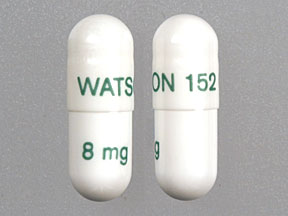
Rapaflo Side Effects
Generic Name: silodosin
Please note - some side effects for Rapaflo may not be reported. Always consult your doctor or healthcare specialist for medical advice. You may also report side effects to the FDA.
Side Effects of Rapaflo - for the Consumer
Rapaflo
All medicines may cause side effects, but many people have no, or minor, side effects. Check with your doctor if any of these most COMMON side effects persist or become bothersome when using Rapaflo:
Seek medical attention right away if any of these SEVERE side effects occur when using Rapaflo:Decreased sexual ability; diarrhea; dizziness; headache; lightheadedness; runny or stuffy nose; sinus inflammation; stomach pain; trouble sleeping; weakness.
Severe allergic reactions (rash; hives; itching; difficulty breathing; tightness in the chest; swelling of the mouth, face, lips, or tongue); chest pain; dark urine; fainting; irregular heartbeat; prolonged, painful erection; severe of persistent dizziness; unusual bruising; yellowing of the skin or eyes.
This is not a complete list of all side effects that may occur. If you have questions about side effects, contact your health care provider. Call your doctor for medical advice about side effects. To report side effects to the appropriate agency, please read the Guide to Reporting Problems to FDA.
TopRapaflo Side Effects - for the Professional
Rapaflo
Clinical Trials Experience
Because clinical trials are conducted under widely varying conditions, adverse reaction rates observed in the clinical trials of a drug cannot be directly compared to rates in the clinical trials of another drug and may not reflect the rates observed in clinical practice.
In U.S. clinical trials, 897 patients with BPH were exposed to 8 mg Rapaflo daily. This includes 486 patients exposed for 6 months and 168 patients exposed for 1 year. The population was 44 to 87 years of age, and predominantly Caucasian. Of these patients, 42.8% were 65 years of age or older and 10.7% were 75 years of age or older.
In double-blind, placebo controlled, 12-week clinical trials, 466 patients were administered Rapaflo and 457 patients were administered placebo. At least one treatment-emergent adverse reaction was reported by 55.2% of Rapaflo treated patients (36.8% for placebo treated). The majority (72.1%) of adverse reactions for the Rapaflo treated patients (59.8% for placebo treated) were qualified by the investigator as mild. A total of 6.4% of Rapaflo treated patients (2.2% for placebo treated) discontinued therapy due to an adverse reaction (treatment-emergent), the most common reaction being retrograde ejaculation (2.8%) for Rapaflo treated patients. Retrograde ejaculation is reversible upon discontinuation of treatment.
Adverse Reactions observed in at least 2% of patients:
The incidence of treatment-emergent adverse reactions listed in the following table were derived from two 12-week, multicenter, double-blind, placebo-controlled clinical studies of Rapaflo 8 mg daily in BPH patients. Adverse reactions that occurred in at least 2% of patients treated with Rapaflo and more frequently than with placebo are shown in Table 1.
| Adverse Reactions | Rapaflo N = 466 n (%) |
Placebo N = 457 n (%) |
| Retrograde Ejaculation | 131 (28.1) | 4 (0.9) |
| Dizziness | 15 (3.2) | 5 (1.1) |
| Diarrhea | 12 (2.6) | 6 (1.3) |
| Orthostatic Hypotension | 12 (2.6) | 7 (1.5) |
| Headache | 11 (2.4) | 4 (0.9) |
| Nasopharyngitis | 11 (2.4) | 10 (2.2) |
| Nasal Congestion | 10 (2.1) | 1 (0.2) |
In the two 12-week, placebo-controlled clinical trials, the following adverse events were reported by between 1% and 2% of patients receiving Rapaflo and occurred more frequently than with placebo: insomnia, PSA increased, sinusitis, abdominal pain, asthenia, and rhinorrhea. One case of syncope in a patient taking prazosin concomitantly and one case of priapism were reported in the Rapaflo treatment group.
In a 9-month open-label safety study of Rapaflo, one case of Intraoperative Floppy Iris Syndrome (IFIS) was reported.
Postmarketing Experience
The following adverse reactions have been identified during post approval use of silodosin. Because these reactions are reported voluntarily from a population of uncertain size, it is not always possible to reliably estimate their frequency or establish a causal relationship to drug exposure:
Skin and subcutaneous tissue disorders: toxic skin eruption, purpura
Hepatobiliary disorders: jaundice, impaired hepatic function associated with increased transaminase values
TopSide Effects by Body System - for Healthcare Professionals
Genitourinary
Retrograde ejaculation was reversible upon discontinuation of silodosin.
Genitourinary side effects have included retrograde ejaculation (28.1%) and one case of priapism in U.S. clinical trials.
Nervous system
Nervous system side effects have included dizziness (3.2%), headache (2.4%), and insomnia (1% to 2%) in U.S. clinical trials.
Gastrointestinal
Gastrointestinal side effects have included diarrhea (2.6%) and abdominal pain (1% to 2%) in U.S. clinical trials.
Cardiovascular
Cardiovascular side effects have included orthostatic hypotension (2.6%) in U.S. clinical trials. One case of syncope occurred in a patient taking prazosin concomitantly with silodosin.
Respiratory
Respiratory side effects have included nasopharyngitis (2.4%), nasal congestion (2.1%), sinusitis (1% to 2%), and rhinorrhea (1% to 2%) in U.S. clinical trials.
Ocular
Ocular side effects including Intraoperative floppy iris syndrome (IRIS) have been observed in some patients undergoing phacoemulsification cataract surgery while being treated with alpha-1 blockers.
Most reports were in patients treated with an alpha-1 blocker at the time IFIS occurred, but in some instances the alpha-1 blocker had been stopped prior to surgery. The manufacturer recommends that patients be questioned to determine whether or not they have taken alpha-1 blockers prior to being considered for cataract surgery. If it is determined that the patient has taken an alpha-1 blocker, the patient's ophthalmologist should be prepared for possible modifications to their surgical technique that may be necessary should IFIS be observed during the procedure.
Other
Other side effects occurring in 1% to 2% of patients in clinical trials included asthenia and increased PSA levels.
Dermatologic
Dermatologic side effects reported postmarketing have included toxic skin eruption and purpura.
Hepatic
Hepatic side effects reported postmarketing have included jaundice and impaired hepatic function associated with increased transaminase values.
TopMore Rapaflo resources
- Rapaflo Prescribing Information (FDA)
- Rapaflo Monograph (AHFS DI)
- Rapaflo Advanced Consumer (Micromedex) - Includes Dosage Information
- Rapaflo Consumer Overview
- Rapaflo MedFacts Consumer Leaflet (Wolters Kluwer)
- Silodosin Professional Patient Advice (Wolters Kluwer)
Disclaimer: Every effort has been made to ensure that the information provided is accurate, up-to-date, and complete, but no guarantee is made to that effect. In addition, the drug information contained herein may be time sensitive and should not be utilized as a reference resource beyond the date hereof. This information does not endorse drugs, diagnose patients, or recommend therapy. This drug information is a reference resource designed as supplement to, and not a substitute for, the expertise, skill , knowledge, and judgement of healthcare practitioners in patient care. The absence of a warning for a given drug or drug combination in no way should be construed to indicate that the drug of drug combination is safe, effective, or appropriate for any given patient. Drugs.com does not assume any responsibility for any aspect of healthcare administered with the aid of information provided. The information contained herein is not intended to cover all possible uses, directions, precautions, warnings, drug interactions, allergic reactions, or adverse effects. If you have questions about the drugs you are taking, check with your doctor, nurse, or pharmacist.