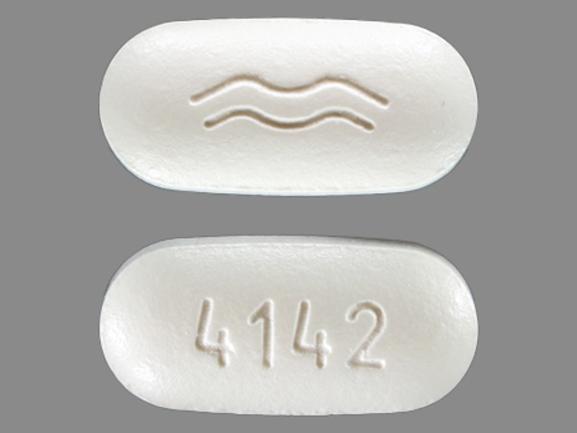
Multaq Side Effects
Generic name: dronedarone
Medically reviewed by Drugs.com. Last updated on May 23, 2024.
Note: This document provides detailed information about Multaq Side Effects associated with dronedarone. Some dosage forms listed on this page may not apply specifically to the brand name Multaq.
Applies to dronedarone: oral tablet.
Important warnings
This medicine can cause some serious health issues
Oral route (tablet)
In patients with symptomatic heart failure and recent decompensation requiring hospitalization or NYHA Class IV heart failure, dronedarone hydrochloride doubles the risk of death.
Dronedarone hydrochloride is contraindicated in patients with symptomatic heart failure with recent decompensation requiring hospitalization or NYHA Class IV heart failure.
In patients with permanent atrial fibrillation, dronedarone hydrochloride doubles the risk of death, stroke, and hospitalization for heart failure.
Dronedarone hydrochloride is contraindicated in patients in atrial fibrillation (AF) who will not or cannot be cardioverted into normal sinus rhythm .
Common side effects of Multaq
Some side effects of dronedarone may occur that usually do not need medical attention. These side effects may go away during treatment as your body adjusts to the medicine. Also, your health care professional may be able to tell you about ways to prevent or reduce some of these side effects.
Check with your health care professional if any of the following side effects continue or are bothersome or if you have any questions about them:
More common
- diarrhea
- lack or loss of strength
Less common
- acid or sour stomach
- belching
- blistering, crusting, irritation, itching, or reddening of the skin
- cracked, dry, or scaly skin
- heartburn
- indigestion
- itching skin
- rash
- redness or discoloration of the skin
- skin rash, encrusted, scaly, and oozing
- skin rash, hives, itching, or redness
- stomach discomfort, upset, or pain
- swelling
Rare
- change in taste
- increased sensitivity of the skin to sunlight
- loss of taste
- severe sunburn
Serious side effects of Multaq
Along with its needed effects, dronedarone (the active ingredient contained in Multaq) may cause some unwanted effects. Although not all of these side effects may occur, if they do occur they may need medical attention.
Check with your doctor immediately if any of the following side effects occur while taking dronedarone:
Less common
- chest pain or discomfort
- lightheadedness, dizziness, or fainting
- slow or irregular heartbeat
- trouble breathing
- unusual tiredness
Incidence not known
- chills
- cough
- dark urine
- fever
- general feeling of discomfort or illness
- loss of appetite
- nausea or vomiting
- stomach pain
- thickening of bronchial secretions
- unusual tiredness or weakness
- yellow eyes or skin
For healthcare professionals
Applies to dronedarone: oral tablet.
General
- Common (1% to 10%): Asthenia, fatigue[Ref]
Renal
- Frequency not reported: Hypokalemia and hypomagnesemia with potassium-depleting diuretics, serum creatinine increased 10% or more within 5 days after treatment initiation[Ref]
Gastrointestinal
- Common (1% to 10%): Diarrhea, nausea, abdominal pain, vomiting, dyspeptic symptoms
- Frequency not reported: Dysgeusia, ageusia[Ref]
Dermatologic
- Common (1% to 10%): Rashes (generalized, macular, maculopapular, erythematous), pruritus, eczema, dermatitis, allergic dermatitis
- Uncommon (0.1% to 1%): Photosensitivity[Ref]
Cardiovascular
- Very common (10% or more): QT prolongation (28%)
- Common (1% to 10%): Bradycardia
- Very rare (less than 0.01%): New or worsening heart failure, atrial flutter with 1:1 atrioventricular conduction[Ref]
Hepatic
- Frequency not reported: Liver injury, including acute liver failure requiring transplant, serum hepatic enzymes, serum bilirubin increase
Respiratory
- Frequency not reported: Dyspnea, nonproductive cough
- Postmarketing reports: Interstitial lung disease including pneumonitis and pulmonary fibrosis
Genitourinary
- Common (1% to 10%): Urinary tract infection
Hematologic
- Postmarketing reports: Vasculitis, including leukocytoclastic vasculitis
Immunologic
- Postmarketing reports: Anaphylactic reactions including angioedema
Metabolic
- Frequency not reported: Increased serum creatinine[Ref]
References
1. Cerner Multum, Inc. "UK Summary of Product Characteristics."
2. (2009) "Product Information. Multaq (dronedarone)." sanofi-aventis
3. Cerner Multum, Inc. "Australian Product Information."
More about Multaq (dronedarone)
- Check interactions
- Compare alternatives
- Pricing & coupons
- Reviews (43)
- Drug images
- Dosage information
- During pregnancy
- Generic availability
- FDA approval history
- Drug class: group III antiarrhythmics
- En español
Patient resources
Professional resources
Related treatment guides
Further information
Multaq side effects can vary depending on the individual. Always consult your healthcare provider to ensure the information displayed on this page applies to your personal circumstances.
Some side effects may not be reported. You may report them to the FDA.