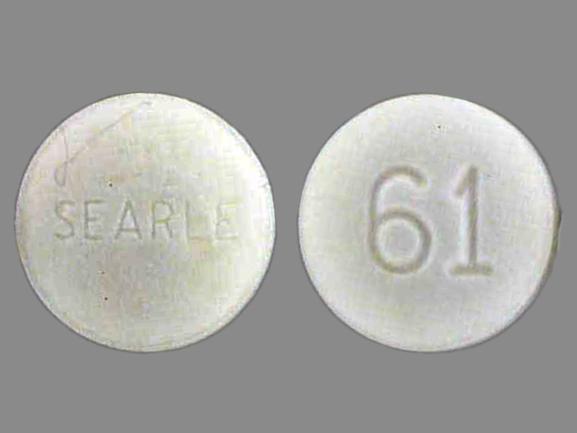
Lomotil Side Effects
Generic name: atropine / diphenoxylate
Medically reviewed by Drugs.com. Last updated on Aug 22, 2024.
Note: This document provides detailed information about Lomotil Side Effects associated with atropine / diphenoxylate. Some dosage forms listed on this page may not apply specifically to the brand name Lomotil.
Applies to atropine / diphenoxylate: oral solution, oral tablet.
Serious side effects of Lomotil
Along with its needed effects, atropine / diphenoxylate may cause some unwanted effects. Although not all of these side effects may occur, if they do occur they may need medical attention.
Check with your doctor immediately if any of the following side effects occur while taking atropine / diphenoxylate:
Incidence not known
- bloating
- confusion
- constipation
- cough
- decrease in the frequency of urination
- decrease in urine volume
- diarrhea
- difficulty in passing urine (dribbling)
- difficulty swallowing
- discouragement
- dizziness
- drowsiness
- dry skin and mouth
- extremely high fever or body temperature
- false or unusual sense of well-being
- fast, shallow breathing
- fast, weak heartbeat
- feeling of warmth
- feeling sad or empty
- headache
- hives, itching, skin rash
- irritability
- loss of appetite
- loss of interest or pleasure
- muscle cramps
- nausea
- numbness of the arms and legs
- painful urination
- pale, clammy skin
- puffiness or swelling of the eyelids or around the eyes, face, lips, or tongue
- redness of the face, neck, arms and occasionally, upper chest
- restlessness
- seeing, hearing, or feeling things that are not there
- stomach cramps or pain
- thirst
- tightness in the chest
- trouble concentrating
- trouble sleeping
- unusual drowsiness, dullness, tiredness, weakness, or feeling of sluggishness
- unusual tiredness or weakness
- vomiting
- weight loss
Get emergency help immediately if any of the following symptoms of overdose occur while taking atropine / diphenoxylate:
Symptoms of overdose
- agitation
- back pain
- bigger, dilated, or enlarged pupils (black part of eye)
- blurred vision
- difficult or troubled breathing
- feeling of warmth
- fever
- garbled speech
- increased sensitivity of the eyes to light
- irregular, fast or slow, or shallow breathing
- loss of consciousness
- mood or mental changes
- pale or blue lips, fingernails, or skin
- seizures
- speech that is not understood
- stiff neck
- unusual tiredness or weakness
For healthcare professionals
Applies to atropine / diphenoxylate: oral liquid, oral tablet.
Nervous system
- Frequency not reported: Numbness of extremities, sedation/drowsiness, dizziness, headache, somnolence[Ref]
Gastrointestinal
- Frequency not reported: Swelling of the gums, toxic megacolon, paralytic ileus, pancreatitis, vomiting, nausea, abdominal discomfort, constipation[Ref]
Cardiovascular
- Frequency not reported: Tachycardia, cardiac irregularities (e.g. arrhythmias, bradycardia, palpitations)[Ref]
Ocular
- Frequency not reported: Increased intraocular pressure, dilation of pupils with loss of accommodation, photophobia, angle closure glaucoma[Ref]
Genitourinary
- Frequency not reported: Urinary retention, difficulty in micturition[Ref]
Psychiatric
- Frequency not reported: Euphoria, depression, confusion, restlessness, hallucinations[Ref]
Dermatologic
Hypersensitivity
- Frequency not reported: Anaphylaxis, angioneurotic edema[Ref]
Metabolic
- Frequency not reported: Anorexia[Ref]
Respiratory
- Frequency not reported: Respiratory depression in children[Ref]
Other
- Frequency not reported: Malaise/lethargy, hyperthermia, dryness of the skin and mucous membranes[Ref]
References
1. "Product Information. Lomotil (atropine-diphenoxylate)." Searle
2. Cerner Multum, Inc. "UK Summary of Product Characteristics."
3. Cerner Multum, Inc. "Australian Product Information."
Frequently asked questions
More about Lomotil (atropine / diphenoxylate)
- Check interactions
- Compare alternatives
- Pricing & coupons
- Reviews (46)
- Drug images
- Dosage information
- During pregnancy
- Generic availability
- Support group
- Drug class: antidiarrheals
- En español
Patient resources
- Lomotil drug information
- Lomotil (Diphenoxylate and Atropine Solution)
- Lomotil (Diphenoxylate and Atropine Tablets)
Other brands
Professional resources
Related treatment guides
Further information
Lomotil side effects can vary depending on the individual. Always consult your healthcare provider to ensure the information displayed on this page applies to your personal circumstances.
Some side effects may not be reported. You may report them to the FDA.