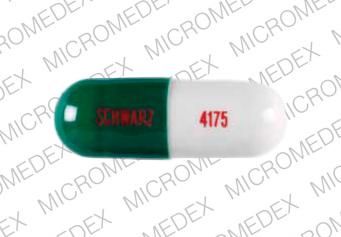
Kutrase Side Effects
Generic name: pancrelipase
Medically reviewed by Drugs.com. Last updated on Feb 26, 2024.
Note: This document contains side effect information about pancrelipase. Some dosage forms listed on this page may not apply to the brand name Kutrase.
Applies to pancrelipase: oral capsule, oral capsule delayed release, oral tablet, oral tablet enteric coated. Other dosage forms:
Serious side effects of Kutrase
Along with its needed effects, pancrelipase (the active ingredient contained in Kutrase) may cause some unwanted effects. Although not all of these side effects may occur, if they do occur they may need medical attention.
Check with your doctor immediately if any of the following side effects occur while taking pancrelipase:
Rare
- Skin rash or hives
With high doses
- Bowel blockage
- diarrhea
- nausea
- stomach cramps or pain
With very high doses
- Blood in the urine
- joint pain
- swelling of the feet or lower legs
With powder dosage form or powder from opened capsules
- if breathed in- Stuffy nose
- tightness in the chest
- trouble breathing
With tablets
- if held in the mouth- Irritation of the mouth
Incidence not known
- Cough
- difficulty with swallowing
- dizziness
- fast heartbeat
- itching
- noisy breathing
- puffiness or swelling of the eyelids or around the eyes, face, lips, or tongue
- redness of the skin
- severe stomach pain
- unusual tiredness or weakness
Other side effects of Kutrase
Some side effects of pancrelipase may occur that usually do not need medical attention. These side effects may go away during treatment as your body adjusts to the medicine. Also, your health care professional may be able to tell you about ways to prevent or reduce some of these side effects.
Check with your health care professional if any of the following side effects continue or are bothersome or if you have any questions about them:
More common
- Blurred vision
- dry mouth
- flushed, dry skin
- fruit-like breath odor
- headache
- increased hunger
- increased thirst
- increased urination
- sweating
- unexplained weight loss
- vomiting
Less common
- Abnormal feces
- anxiety
- bloated feeling
- chills
- cold sweats
- confusion
- cool, pale skin
- depression
- excess air or gas in the stomach or intestines
- feeling of fullness
- fever
- frequent bowel movements
- loss of consciousness
- muscle aches
- nightmares
- passing gas
- runny nose
- seizures
- shakiness
- slurred speech
- sore throat
Incidence not known
- Difficulty having a bowel movement
- difficulty with moving
- muscle aching or cramping
- muscle pains or stiffness
- muscle spasm
- swollen joints
For Healthcare Professionals
Applies to pancrelipase: oral capsule, oral capsule extended release, oral delayed release capsule, oral powder for reconstitution, oral tablet, oral tablet extended release.
General
The most commonly reported side effects included gastrointestinal complaints, abdominal pain, and headaches.[Ref]
Gastrointestinal
Very common (10% or more): Gastrointestinal complaints (up to 55%), abdominal pain (up to 18%), vomiting (up to 12%)
Common (1% to 10%): Abdominal discomfort, abdominal distention, abdominal pain upper, abdominal tenderness, abnormal feces, anal pruritus, ascites, constipation, diarrhea, dyspepsia, early satiety, flatulence, frequent bowel movements, nausea
Uncommon (0.1% to 1%): Bowel stricture formation
Frequency not reported: Duodenitis, fibrosing colonopathy, gastritis, steatorrhea, strictures of the ileocecum
Postmarketing reports: Distal intestinal obstruction syndrome (DIOS)[Ref]
Bowel stricture formation occasionally occurred in children with cystic fibrosis who received high doses.
Moderate duodenitis and gastritis occurred in a patient with exocrine pancreatic insufficiency due to cystic fibrosis 16 days after completing treatment with 4000 lipase units/gram fat ingested per day for 5 to 6 days, followed by placebo for an additional 5 to 6 days.[Ref]
Nervous system
A dull headache was reported by a patient receiving treatment with ursodeoxycholic acid concomitantly. The event resolved without sequelae after discontinuation of this drug.[Ref]
Very common (10% or more): Headache (up to 15%)
Common (1% to 10%): Dizziness
Postmarketing reports: Dull headache[Ref]
Metabolic
Common (1% to 10%): Blood cholesterol decreased, blood glucose increased, decreased appetite, diabetes mellitus, diabetes mellitus including subtypes, hyperglycemia, hypoglycemia, weight decreased
Frequency not reported: Hyperuricemia[Ref]
Hepatic
Common (1% to 10%): ALT increased, AST increased, biliary tract stones, blood alkaline phosphatase increased, cholangitis, GGT increased, hydrocholecystis
Postmarketing reports: Asymptomatic liver enzyme elevations[Ref]
Hematologic
Common (1% to 10%): Anemia, hematocrit, hemoglobin, red blood cell count, increased white blood cell count
Frequency not reported: Transient neutropenia with/without clinical sequelae[Ref]
Respiratory
Common (1% to 10%): Bronchitis, cough, nasopharyngitis, oropharyngeal pain, respiratory tract infection
Postmarketing reports: Asthma[Ref]
Other
Common (1% to 10%): Asthenia, malaise, pain, pyrexia
Frequency not reported: Fatigue[Ref]
Dermatologic
Common (1% to 10%): Pruritus, rash, skin reactions
Frequency not reported: Itching, urticaria/hives
Postmarketing reports: Blotchy/red facial rash[Ref]
Musculoskeletal
Common (1% to 10%): Arthralgia, back pain, musculoskeletal pain
Postmarketing reports: Muscle spasm, myalgia[Ref]
Cardiovascular
Common (1% to 10%): Contusion, hypertension, peripheral edema[Ref]
Oncologic
Common (1% to 10%): Metastases to specific sites, recurrent pancreatic carcinoma
Postmarketing reports: Recurrence of preexisting carcinoma[Ref]
Psychiatric
Common (1% to 10%): Insomnia, irritability[Ref]
Renal
Common (1% to 10%): Renal cyst[Ref]
Immunologic
Common (1% to 10%): Viral infection[Ref]
Hypersensitivity
A patient with a known history of allergy to another pancrelipase (the active ingredient contained in Kutrase) product developed a mild allergic reaction, including red, blotchy facial rash and itching. The event resolved without sequelae after discontinuation of this drug.[Ref]
Frequency not reported: Anaphylactic reactions, hypersensitivity
Postmarketing reports: Anaphylaxis, mild allergic reactions, severe allergic reactions[Ref]
Genitourinary
Frequency not reported: Hyperuricosuria[Ref]
Ocular
Postmarketing reports: Blurred vision[Ref]
Frequently asked questions
More about Kutrase (pancrelipase)
- Check interactions
- Compare alternatives
- Drug images
- Dosage information
- During pregnancy
- Drug class: digestive enzymes
- Breastfeeding
Patient resources
Other brands
Creon, Zenpep, Pancreaze, Pertzye, ... +4 more
Professional resources
Other brands
Creon, Zenpep, Pancreaze, Pertzye, Viokace
Related treatment guides
References
1. Product Information. Viokase (pancrelipase). Wyeth-Ayerst Laboratories. 2001;PROD.
2. Product Information. Ku-Zyme (pancrelipase). Schwarz Pharma. 2022.
3. Product Information. Zymase (pancrelipase). Organon. 2001;PROD.
4. Product Information. Cotazym (pancrelipase). Organon. 2001;PROD.
5. Product Information. Cotazym-S (pancrelipase). Organon. 2001;PROD.
6. Product Information. Pancrease (pancrelipase). McNeil Pharmaceutical. 2001;PROD.
7. Product Information. Pancrease (pancrelipase). Apothecon Inc. 2022.
8. Product Information. Ultrase (pancrelipase). Scandipharm Inc. 2001;PROD.
9. Product Information. Ultrase MT 12 (pancrelipase). Scandipharm Inc. PROD.
10. Product Information. Creon 5 (pancrelipase). Solvay Pharmaceuticals Inc. 2001;PROD.
11. Product Information. Creon 10 (pancrelipase). Solvay Pharmaceuticals Inc. 2001;PROD.
12. Product Information. Creon 20 (pancrelipase). Solvay Pharmaceuticals Inc. 2001;PROD.
13. Cerner Multum, Inc. Australian Product Information.
Further information
Always consult your healthcare provider to ensure the information displayed on this page applies to your personal circumstances.
Some side effects may not be reported. You may report them to the FDA.