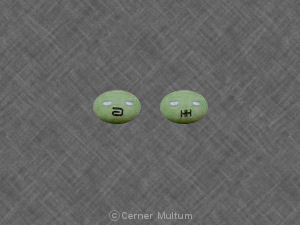
Hytrin Side Effects
Generic Name: terazosin
Please note - some side effects for Hytrin may not be reported. Always consult your doctor or healthcare specialist for medical advice. You may also report side effects to the FDA at http://www.fda.gov/medwatch/ or 1-800-FDA-1088 (1-800-332-1088).
Side Effects of Hytrin - for the Consumer
Hytrin
All medicines may cause side effects, but many people have no, or minor, side effects. Check with your doctor if any of these most COMMON side effects persist or become bothersome when using Hytrin:
Seek medical attention right away if any of these SEVERE side effects occur when using Hytrin:Dizziness; drowsiness; dry mouth; feeling of a whirling motion; headache; lightheadedness; nasal congestion; nausea; weakness.
TopSevere allergic reactions (rash; hives; itching; difficulty breathing; tightness in the chest; swelling of the mouth, face, lips, or tongue); blurred vision; chest pain; decreased sexual ability; difficulty breathing; easy bleeding or bruising; fainting; painful penile erection; pounding or tightness in the chest; ringing in the ears; swelling of the hands or feet.
Hytrin Side Effects - for the Professional
Hytrin
Benign Prostatic Hyperplasia
The incidence of treatment-emergent adverse events has been ascertained from clinical trials conducted worldwide. All adverse events reported during these trials were recorded as adverse reactions. The incidence rates presented below are based on combined data from six placebo-controlled trials involving once-a-day administration of terazosin at doses ranging from 1 to 20 mg. Table 1 summarizes those adverse events reported for patients in these trials when the incidence rate in the terazosin group was at least 1% and was greater than that for the placebo group, or where the reaction is of clinical interest. Asthenia, postural hypotension, dizziness, somnolence, nasal congestion/rhinitis, and impotence were the only events that were significantly (p ≤ 0.05) more common in patients receiving terazosin than in patients receiving placebo. The incidence of urinary tract infection was significantly lower in the patients receiving terazosin than in patients receiving placebo. An analysis of the incidence rate of hypotensive adverse events adjusted for the length of drug treatment has shown that the risk of the events is greatest during the initial seven days of treatment, but continues at all time intervals.
| Body System | Terazosin (N = 636) |
Placebo (N = 360) |
|
† Includes weakness, tiredness, lassitude and fatigue. * p ≤ 0.05 comparison between groups. |
||
| BODY AS A WHOLE | ||
| †Asthenia | 7.4%* | 3.3% |
| Flu Syndrome | 2.4% | 1.7% |
| Headache | 4.9% | 5.8% |
| CARDIOVASCULAR SYSTEM | ||
| Hypotension | 0.6% | 0.6% |
| Palpitations | 0.9% | 1.1% |
| Postural Hypotension | 3.9%* | 0.8% |
| Syncope | 0.6% | 0.0% |
| DIGESTIVE SYSTEM | ||
| Nausea | 1.7% | 1.1% |
| METABOLIC AND NUTRITIONAL DISORDERS | ||
| Peripheral Edema | 0.9% | 0.3% |
| Weight Gain | 0.5% | 0.0% |
| NERVOUS SYSTEM | ||
| Dizziness | 9.1%* | 4.2% |
| Somnolence | 3.6%* | 1.9% |
| Vertigo | 1.4% | 0.3% |
| RESPIRATORY SYSTEM | ||
| Dyspnea | 1.7% | 0.8% |
| Nasal Congestion/Rhinitis | 1.9%* | 0.0% |
| SPECIAL SENSES | ||
| Blurred Vision/Amblyopia | 1.3% | 0.6% |
| UROGENITAL SYSTEM | ||
| Impotence | 1.6%* | 0.6% |
| Urinary Tract Infection | 1.3% | 3.9%* |
Additional adverse events have been reported, but these are, in general, not distinguishable from symptoms that might have occurred in the absence of exposure to terazosin. The safety profile of patients treated in the long-term open-label study was similar to that observed in the controlled studies.
The adverse events were usually transient and mild or moderate in intensity, but sometimes were serious enough to interrupt treatment. In the placebo-controlled clinical trials, the rates of premature termination due to adverse events were not statistically different between the placebo and terazosin groups. The adverse events that were bothersome, as judged by their being reported as reasons for discontinuation of therapy by at least 0.5% of the terazosin group and being reported more often than in the placebo group, are shown in Table 2.
| Body System | Terazosin (N = 636) |
Placebo (N = 360) |
| BODY AS A WHOLE | ||
| Fever | 0.5% | 0.0% |
| Headache | 1.1% | 0.8% |
| CARDIOVASCULAR SYSTEM | ||
| Postural Hypotension | 0.5% | 0.0% |
| Syncope | 0.5% | 0.0% |
| DIGESTIVE SYSTEM | ||
| Nausea | 0.5% | 0.3% |
| NERVOUS SYSTEM | ||
| Dizziness | 2.0% | 1.1% |
| Vertigo | 0.5% | 0.0% |
| RESPIRATORY SYSTEM | ||
| Dyspnea | 0.5% | 0.3% |
| SPECIAL SENSES | ||
| Blurred Vision/Amblyopia | 0.6% | 0.0% |
| UROGENITAL SYSTEM | ||
| Urinary Tract Infection | 0.5% | 0.3% |
Hypertension
The prevalence of adverse reactions has been ascertained from clinical trials conducted primarily in the United States. All adverse experiences (events) reported during these trials were recorded as adverse reactions. The prevalence rates presented below are based on combined data from fourteen placebo-controlled trials involving once-a-day administration of terazosin, as monotherapy or in combination with other antihypertensive agents, at doses ranging from 1 to 40 mg. Table 3 summarizes those adverse experiences reported for patients in these trials where the prevalence rate in the terazosin group was at least 5%, where the prevalence rate for the terazosin group was at least 2% and was greater than the prevalence rate for the placebo group, or where the reaction is of particular interest. Asthenia, blurred vision, dizziness, nasal congestion, nausea, peripheral edema, palpitations and somnolence were the only symptoms that were significantly (p < 0.05) more common in patients receiving terazosin than in patients receiving placebo. Similar adverse reaction rates were observed in placebo-controlled monotherapy trials.
| Body System | Terazosin (N = 859) |
Placebo (N = 506) |
|
† Includes weakness, tiredness, lassitude and fatigue. * Statistically significant at p = 0.05 level. |
||
| BODY AS A WHOLE | ||
| †Asthenia | 11.3%* | 4.3% |
| Back Pain | 2.4% | 1.2% |
| Headache | 16.2% | 15.8% |
| CARDIOVASCULAR SYSTEM | ||
| Palpitations | 4.3%* | 1.2% |
| Postural Hypotension | 1.3% | 0.4% |
| Tachycardia | 1.9% | 1.2% |
| DIGESTIVE SYSTEM | ||
| Nausea | 4.4%* | 1.4% |
| METABOLIC AND NUTRITIONAL DISORDERS | ||
| Edema | 0.9% | 0.6% |
| Peripheral Edema | 5.5%* | 2.4% |
| Weight Gain | 0.5% | 0.2% |
| MUSCULOSKELETAL SYSTEM | ||
| Pain-Extremities | 3.5% | 3.0% |
| NERVOUS SYSTEM | ||
| Depression | 0.3% | 0.2% |
| Dizziness | 19.3%* | 7.5% |
| Libido Decreased | 0.6% | 0.2% |
| Nervousness | 2.3% | 1.8% |
| Paresthesia | 2.9% | 1.4% |
| Somnolence | 5.4%* | 2.6% |
| RESPIRATORY SYSTEM | ||
| Dyspnea | 3.1% | 2.4% |
| Nasal Congestion | 5.9%* | 3.4% |
| Sinusitis | 2.6% | 1.4% |
| SPECIAL SENSES | ||
| Blurred Vision | 1.6%* | 0.0% |
| UROGENITAL SYSTEM | ||
| Impotence | 1.2% | 1.4% |
Additional adverse reactions have been reported, but these are, in general, not distinguishable from symptoms that might have occurred in the absence of exposure to terazosin. The following additional adverse reactions were reported by at least 1% of 1987 patients who received terazosin in controlled or open, short- or long-term clinical trials or have been reported during marketing experience:
Body as a Whole
chest pain, facial edema, fever, abdominal pain, neck pain, shoulder pain
Cardiovascular System
arrhythmia, vasodilation
Digestive System
constipation, diarrhea, dry mouth, dyspepsia, flatulence, vomiting
Metabolic/Nutritional Disorders
gout
Musculoskeletal System
arthralgia, arthritis, joint disorder, myalgia
Nervous System
anxiety, insomnia
Respiratory System
bronchitis, cold symptoms, epistaxis, flu symptoms, increased cough, pharyngitis, rhinitis
Skin and Appendages
pruritus, rash, sweating
Special Senses
abnormal vision, conjunctivitis, tinnitus
Urogenital System
urinary frequency, urinary incontinence primarily reported in postmenopausal women, urinary tract infection.
The adverse reactions were usually mild or moderate in intensity but sometimes were serious enough to interrupt treatment. The adverse reactions that were most bothersome, as judged by their being reported as reasons for discontinuation of therapy by at least 0.5% of the terazosin group and being reported more often than in the placebo group, are shown in Table 4.
| Body System | Terazosin (N = 859) |
Placebo (N = 506) |
| BODY AS A WHOLE | ||
| Asthenia | 1.6% | 0.0% |
| Headache | 1.3% | 1.0% |
| CARDIOVASCULAR SYSTEM | ||
| Palpitations | 1.4% | 0.2% |
| Postural Hypotension | 0.5% | 0.0% |
| Syncope | 0.5% | 0.2% |
| Tachycardia | 0.6% | 0.0% |
| DIGESTIVE SYSTEM | ||
| Nausea | 0.8% | 0.0% |
| METABOLIC AND NUTRITIONAL DISORDERS | ||
| Peripheral Edema | 0.6% | 0.0% |
| NERVOUS SYSTEM | ||
| Dizziness | 3.1% | 0.4% |
| Paresthesia | 0.8% | 0.2% |
| Somnolence | 0.6% | 0.2% |
| RESPIRATORY SYSTEM | ||
| Dyspnea | 0.9% | 0.6% |
| Nasal Congestion | 0.6% | 0.0% |
| SPECIAL SENSES | ||
| Blurred Vision | 0.6% | 0.0% |
Post-marketing Experience
Post-marketing experience indicates that in rare instances patients may develop allergic reactions, including anaphylaxis, following administration of terazosin hydrochloride. There have been reports of priapism and thrombocytopenia during post-marketing surveillance. Atrial fibrillation has been reported.
During cataract surgery, a variant of small pupil syndrome known as Intraoperative Floppy Iris Syndrome (IFIS) has been reported in association with alpha-1 blocker therapy.
TopHytrin Capsules
Benign Prostatic Hyperplasia
The incidence of treatment-emergent adverse events has been ascertained from clinical trials conducted worldwide. All adverse events reported during these trials were recorded as adverse reactions. The incidence rates presented below are based on combined data from six placebo-controlled trials involving once-a-day administration of terazosin at doses ranging from 1 to 20 mg. Table 1 summarizes those adverse events reported for patients in these trials when the incidence rate in the terazosin group was at least 1% and was greater than that for the placebo group, or where the reaction is of clinical interest. Asthenia, postural hypotension, dizziness, somnolence, nasal congestion/rhinitis, and impotence were the only events that were significantly (p ≤ 0.05) more common in patients receiving terazosin than in patients receiving placebo. The incidence of urinary tract infection was significantly lower in the patients receiving terazosin than in patients receiving placebo. An analysis of the incidence rate of hypotensive adverse events adjusted for the length of drug treatment has shown that the risk of the events is greatest during the initial seven days of treatment, but continues at all time intervals.
| Body System | Terazosin (N = 636) |
Placebo (N = 360) |
|
† Includes weakness, tiredness, lassitude and fatigue. * p≤ 0.05 comparison between groups. |
||
| BODY AS A WHOLE | ||
| †Asthenia | 7.4%* | 3.3% |
| Flu Syndrome | 2.4% | 1.7% |
| Headache | 4.9% | 5.8% |
| CARDIOVASCULAR SYSTEM | ||
| Hypotension | 0.6% | 0.6% |
| Palpitations | 0.9% | 1.1% |
| Postural Hypotension | 3.9%* | 0.8% |
| Syncope | 0.6% | 0.0% |
| DIGESTIVE SYSTEM | ||
| Nausea | 1.7% | 1.1% |
| METABOLIC AND NUTRITIONAL DISORDERS | ||
| Peripheral Edema | 0.9% | 0.3% |
| Weight Gain | 0.5% | 0.0% |
| NERVOUS SYSTEM | ||
| Dizziness | 9.1%* | 4.2% |
| Somnolence | 3.6%* | 1.9% |
| Vertigo | 1.4% | 0.3% |
| RESPIRATORY SYSTEM | ||
| Dyspnea | 1.7% | 0.8% |
| Nasal Congestion/Rhinitis | 1.9%* | 0.0% |
| SPECIAL SENSES | ||
| Blurred Vision/Amblyopia | 1.3% | 0.6% |
| UROGENITAL SYSTEM | ||
| Impotence | 1.6%* | 0.6% |
| Urinary Tract Infection | 1.3% | 3.9%* |
Additional adverse events have been reported, but these are, in general, not distinguishable from symptoms that might have occurred in the absence of exposure to terazosin. The safety profile of patients treated in the long-term open-label study was similar to that observed in the controlled studies.
The adverse events were usually transient and mild or moderate in intensity, but sometimes were serious enough to interrupt treatment. In the placebo-controlled clinical trials, the rates of premature termination due to adverse events were not statistically different between the placebo and terazosin groups. The adverse events that were bothersome, as judged by their being reported as reasons for discontinuation of therapy by at least 0.5% of the terazosin group and being reported more often than in the placebo group, are shown in Table 2.
| Body System | Terazosin (N = 636) |
Placebo (N = 360) |
| BODY AS A WHOLE | ||
| Fever | 0.5% | 0.0% |
| Headache | 1.1% | 0.8% |
| CARDIOVASCULAR SYSTEM | ||
| Postural Hypotension | 0.5% | 0.0% |
| Syncope | 0.5% | 0.0% |
| DIGESTIVE SYSTEM | ||
| Nausea | 0.5% | 0.3% |
| NERVOUS SYSTEM | ||
| Dizziness | 2.0% | 1.1% |
| Vertigo | 0.5% | 0.0% |
| RESPIRATORY SYSTEM | ||
| Dyspnea | 0.5% | 0.3% |
| SPECIAL SENSES | ||
| Blurred Vision/Amblyopia | 0.6% | 0.0% |
| UROGENITAL SYSTEM | ||
| Urinary Tract Infection | 0.5% | 0.3% |
Hypertension
The prevalence of adverse reactions has been ascertained from clinical trials conducted primarily in the United States. All adverse experiences (events) reported during these trials were recorded as adverse reactions. The prevalence rates presented below are based on combined data from fourteen placebo-controlled trials involving once-a-day administration of terazosin, as monotherapy or in combination with other antihypertensive agents, at doses ranging from 1 to 40 mg. Table 3 summarizes those adverse experiences reported for patients in these trials where the prevalence rate in the terazosin group was at least 5%, where the prevalence rate for the terazosin group was at least 2% and was greater than the prevalence rate for the placebo group, or where the reaction is of particular interest. Asthenia, blurred vision, dizziness, nasal congestion, nausea, peripheral edema, palpitations and somnolence were the only symptoms that were significantly (p < 0.05) more common in patients receiving terazosin than in patients receiving placebo. Similar adverse reaction rates were observed in placebo-controlled monotherapy trials.
| Body System | Terazosin (N = 859) |
Placebo (N = 506) |
|
† Includes weakness, tiredness, lassitude and fatigue. * Statistically significant at p = 0.05 level. |
||
| BODY AS A WHOLE | ||
| †Asthenia | 11.3%* | 4.3% |
| Back Pain | 2.4% | 1.2% |
| Headache | 16.2% | 15.8% |
| CARDIOVASCULAR SYSTEM | ||
| Palpitations | 4.3%* | 1.2% |
| Postural Hypotension | 1.3% | 0.4% |
| Tachycardia | 1.9% | 1.2% |
| DIGESTIVE SYSTEM | ||
| Nausea | 4.4%* | 1.4% |
| METABOLIC AND NUTRITIONAL DISORDERS | ||
| Edema | 0.9% | 0.6% |
| Peripheral Edema | 5.5%* | 2.4% |
| Weight Gain | 0.5% | 0.2% |
| MUSCULOSKELETAL SYSTEM | ||
| Pain-Extremities | 3.5% | 3.0% |
| NERVOUS SYSTEM | ||
| Depression | 0.3% | 0.2% |
| Dizziness | 19.3%* | 7.5% |
| Libido Decreased | 0.6% | 0.2% |
| Nervousness | 2.3% | 1.8% |
| Paresthesia | 2.9% | 1.4% |
| Somnolence | 5.4%* | 2.6% |
| RESPIRATORY SYSTEM | ||
| Dyspnea | 3.1% | 2.4% |
| Nasal Congestion | 5.9%* | 3.4% |
| Sinusitis | 2.6% | 1.4% |
| SPECIAL SENSES | ||
| Blurred Vision | 1.6%* | 0.0% |
| UROGENITAL SYSTEM | ||
| Impotence | 1.2% | 1.4% |
Additional adverse reactions have been reported, but these are, in general, not distinguishable from symptoms that might have occurred in the absence of exposure to terazosin. The following additional adverse reactions were reported by at least 1% of 1987 patients who received terazosin in controlled or open, short- or long-term clinical trials or have been reported during marketing experience:
Body as a Whole
chest pain, facial edema, fever, abdominal pain, neck pain, shoulder pain
Cardiovascular System
arrhythmia, vasodilation
Digestive System
constipation, diarrhea, dry mouth, dyspepsia, flatulence, vomiting
Metabolic/Nutritional Disorders
gout
Musculoskeletal System
arthralgia, arthritis, joint disorder, myalgia
Nervous System
anxiety, insomnia
Respiratory System
bronchitis, cold symptoms, epistaxis, flu symptoms, increased cough, pharyngitis, rhinitis
Skin and Appendages
pruritus, rash, sweating
Special Senses
abnormal vision, conjunctivitis, tinnitus
Urogenital System
urinary frequency, urinary incontinence primarily reported in postmenopausal women, urinary tract infection.
The adverse reactions were usually mild or moderate in intensity but sometimes were serious enough to interrupt treatment. The adverse reactions that were most bothersome, as judged by their being reported as reasons for discontinuation of therapy by at least 0.5% of the terazosin group and being reported more often than in the placebo group, are shown in Table 4.
| Body System | Terazosin (N = 859) |
Placebo (N = 506) |
| BODY AS A WHOLE | ||
| Asthenia | 1.6% | 0.0% |
| Headache | 1.3% | 1.0% |
| CARDIOVASCULAR SYSTEM | ||
| Palpitations | 1.4% | 0.2% |
| Postural Hypotension | 0.5% | 0.0% |
| Syncope | 0.5% | 0.2% |
| Tachycardia | 0.6% | 0.0% |
| DIGESTIVE SYSTEM | ||
| Nausea | 0.8% | 0.0% |
| METABOLIC AND NUTRITIONAL DISORDERS | ||
| Peripheral Edema | 0.6% | 0.0% |
| NERVOUS SYSTEM | ||
| Dizziness | 3.1% | 0.4% |
| Paresthesia | 0.8% | 0.2% |
| Somnolence | 0.6% | 0.2% |
| RESPIRATORY SYSTEM | ||
| Dyspnea | 0.9% | 0.6% |
| Nasal Congestion | 0.6% | 0.0% |
| SPECIAL SENSES | ||
| Blurred Vision | 0.6% | 0.0% |
Post-marketing Experience
Post-marketing experience indicates that in rare instances patients may develop allergic reactions, including anaphylaxis, following administration of terazosin hydrochloride. There have been reports of priapism and thrombocytopenia during post-marketing surveillance. Atrial fibrillation has been reported.
During cataract surgery, a variant of small pupil syndrome known as Intraoperative Floppy Iris Syndrome (IFIS) has been reported in association with alpha-1 blocker therapy
TopSide Effects by Body System
Cardiovascular
Syncope has occurred in less than 1% of patients. Palpitations have been reported in 5% of patients, but are much less likely than with some other alpha-adrenergic blockers. Peripheral edema, cold extremities, and chest pain have been reported in up to 6%, 12%, and 5% of patients, respectively. Atrial fibrillation has been reported (incidence not given).
Cardiovascular side effects have included orthostatic hypotension, which generally occurs within 30 to 60 minutes after the first dose. For this reason, it is recommended that the first dose be administered at bedtime. Other symptoms of hypotension, such as mild to moderate dizziness, lightheadedness, palpitations and weakness have occurred in 1% to 30% of patients. Some cardiovascular side effects, particularly dizziness, have been more prevalent among persons greater than 65 years old.
Ocular
Ocular side effects including Intraoperative Floppy Iris Syndrome (IFIS) have been observed in some patients undergoing phacoemulsification cataract surgery while being treated with alpha-1 blockers.
Most reports were in patients treated with an alpha-1 blocker at the time IFIS occurred, but in some instances the alpha-1 blocker had been stopped prior to surgery. The manufacturer recommends that patients be questioned to determine whether or not they have taken alpha-1 blockers prior to being considered for cataract surgery. If it is determined that the patient has taken an alpha-1 blocker, the patient's ophthalmologist should be prepared for possible modifications to their surgical technique that may be necessary should IFIS be observed during the procedure.
Nervous system
Nervous system side effects, such as dizziness (5% to 30% of patients) and blurred vision (2% of patients) may be related to hypotension. Headaches (2% to 10%), asthenia (8%), and somnolence (6%) have occurred following long-term use.
Metabolic
Metabolic side effects have included decreases in serum triglycerides and VLDL cholesterol, and increases in HDL cholesterol. Terazosin may counterbalance deleterious effects on the lipid profile associated with thiazide diuretics, making it a reasonable drug to use in combination with these agents.
Musculoskeletal
Musculoskeletal complaints of pain or cold extremities have been reported in up to 17% and 12% of patients, respectively.
Respiratory
Nasal congestion and symptoms of sinusitis or dyspnea may be due to alpha-adrenergic blockade.
Respiratory system side effects have been limited to nasal congestion in 2% to 12% of patients.
Gastrointestinal
Only 4% of 354 patients from a multicenter trial complained of general abdominal pain or diarrhea within the first 90 days of therapy.
Gastrointestinal problems have been limited mainly to nausea in 5% of patients.
Genitourinary
Genitourinary complaints have rarely included impotence and priapism.
Hypersensitivity
Hypersensitivity reactions have been reported, including anaphylaxis and rashes.
In a study of 226 patients on terazosin for up to 2 years, only 2 discontinued therapy due to rash.
Dermatologic
A 56-year-old white male developed a generalized scaling erythematous rash on the third day after starting terazosin 2 mg daily for benign prostatic hypertrophy. The rash was accompanied by mild fever, asthenia, and intense pruritus. The patient was on no other medications. Hematologic and histopathologic studies suggested a drug reaction. Terazosin was discontinued. Two weeks following oral methylprednisolone (40 mg daily) and emollients, symptoms had resolved completely.
Dermatologic side effects of skin rash have been reported rarely. Lichenoid drug eruption has been associated with terazosin therapy.
Hematologic
Hematologic side effects have included thrombocytopenia.
TopMore resources:
Hytrin - Includes detailed dosage instructions.
Disclaimer: Every effort has been made to ensure that the information provided is accurate, up-to-date, and complete, but no guarantee is made to that effect. In addition, the drug information contained herein may be time sensitive and should not be utilized as a reference resource beyond the date hereof. This information does not endorse drugs, diagnose patients, or recommend therapy. This drug information is a reference resource designed as supplement to, and not a substitute for, the expertise, skill , knowledge, and judgement of healthcare practitioners in patient care. The absence of a warning for a given drug or drug combination in no way should be construed to indicate that the drug of drug combination is safe, effective, or appropriate for any given patient. Drugs.com does not assume any responsibility for any aspect of healthcare administered with the aid of information provided. The information contained herein is not intended to cover all possible uses, directions, precautions, warnings, drug interactions, allergic reactions, or adverse effects. If you have questions about the drugs you are taking, check with your doctor, nurse, or pharmacist.