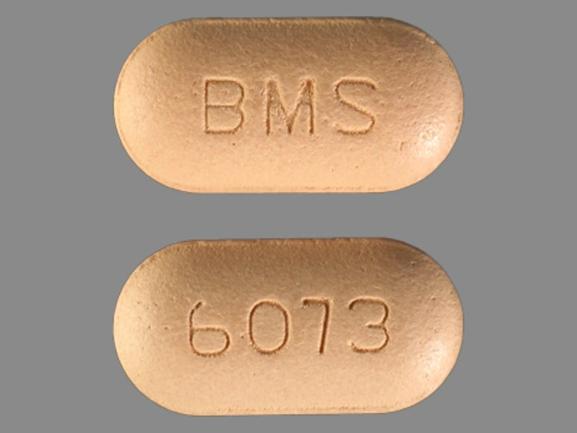
Glucovance Side Effects
Generic name: glyburide / metformin
Medically reviewed by Drugs.com. Last updated on Nov 26, 2023.
Note: This document contains side effect information about glyburide / metformin. Some dosage forms listed on this page may not apply to the brand name Glucovance.
Applies to glyburide / metformin: oral tablet.
Warning
Oral route (Tablet)
Lactic acidosisPost-marketing cases of metformin-associated lactic acidosis have resulted in death, hypothermia, hypotension, and resistant bradyarrhythmias. Symptoms include malaise, myalgias, respiratory distress, somnolence, and abdominal pain. Laboratory abnormalities included elevated blood lactate levels, anion gap acidosis, increased lactate/pyruvate ratio; and metformin plasma levels generally greater than 5 mcg/mL.Risk factors include renal impairment, concomitant use of certain drugs, age 65 or greater years old, radiological study with contrast, surgery and other procedures, hypoxic states, excessive alcohol intake, and hepatic impairment. Steps to reduce the risk of and manage metformin-associated lactic acidosis in these high risk groups are provided in the Full Prescribing Information.If lactic acidosis is suspected, discontinue GlyBURIDE/metformin hydrochloride and institute general supportive measures in a hospital setting. Prompt hemodialysis is recommended.
Serious side effects of Glucovance
Along with its needed effects, glyburide / metformin may cause some unwanted effects. Although not all of these side effects may occur, if they do occur they may need medical attention.
Check with your doctor immediately if any of the following side effects occur while taking glyburide / metformin:
More common
- Anxious feeling
- behavior change similar to being drunk
- blurred vision
- cold sweats
- confusion
- convulsions (seizures)
- cool, pale skin
- cough
- difficulty with concentrating
- drowsiness
- excessive hunger
- fast heartbeat
- fever
- headache (continuing)
- nausea
- nervousness
- nightmares
- restless sleep
- shakiness
- slurred speech
- sneezing
- sore throat
- unconsciousness
- unusual tiredness or weakness
Rare
- Abdominal or stomach discomfort
- decreased appetite
- diarrhea
- fast shallow breathing
- general feeling of discomfort
- muscle pain or cramping
- unusual sleepiness
Other side effects of Glucovance
Some side effects of glyburide / metformin may occur that usually do not need medical attention. These side effects may go away during treatment as your body adjusts to the medicine. Also, your health care professional may be able to tell you about ways to prevent or reduce some of these side effects.
Check with your health care professional if any of the following side effects continue or are bothersome or if you have any questions about them:
More common
- Dizziness
- headache
- vomiting
For Healthcare Professionals
Applies to glyburide / metformin: oral tablet.
General
The most commonly reported adverse reactions include hypoglycemia, upper respiratory infection, gastrointestinal events, and dizziness.[Ref]
Metabolic
In clinical trials, all hypoglycemic episodes were managed by patients, no episodes required medical intervention or pharmacologic therapy. The incidence of hypoglycemia was highest in patients with a baseline HbA1c less than 7%. For patients with a baseline HbA1c between 8% and 11% receiving glyburide 2.5 mg-metformin 500 mg as initial therapy, the frequency of hypoglycemic symptoms was 30% to 35%. As second-line therapy in patients inadequately controlled on a sulfonylurea alone, 6.8% of patients experienced hypoglycemic episodes. The addition of rosiglitazone resulted in 22% of patients reporting a fingerstick glucose measurement of 50 mg/DL or lower (compared to 3.3% of placebo patients). Additionally in rosiglitazone-treated patients, a mean weight gain of 3 kg was observed.
Metabolic side effects, including lactic acidosis, which is a potentially fatal metabolic complication of biguanide therapy, has been reported in patients receiving metformin. The incidence of lactic acidosis has been about 0.03 cases per 1,000 patient years with approximately 0.015 fatal cases per 1,000 patient-years. The risk of lactic acidosis is particularly high in patients with underlying renal insufficiency. Cases of lactic acidosis occurring in patients with normal renal function have been rarely reported. Concomitant cardiovascular or liver disease, sepsis, and hypoxia may also increase the risk of lactic acidosis.
Glyburide-Metformin:
Very common (10% or more): Hypoglycemia (up to 37.7%)
Very rare (less than 0.01%): Disulfiram-like reactions
Frequency not reported: Weight gain, hypoglycemic coma, elevated blood glucose level, dehydration, metabolic acidosis
Glyburide:
Very common (10% or more): Hypoglycemia (21.3%)
Very rare (less than 0.01%): Disulfiram-like reactions, hyponatremia
Frequency not reported: Moderate elevations in serum urea and creatinine concentrations
Metformin:
Common (1% to 10%): Hypoglycemia
Rare (less than 0.1%): Lactic acidosis
Gastrointestinal
Glyburide-Metformin:
Very common (10% or more): Diarrhea (17%)
Common (1% to 10%): Nausea/vomiting, abdominal pain
Frequency not reported: Pancreatitis, acute gallstone pancreatitis, gastrointestinal hemorrhage[Ref]
The incidence of gastrointestinal (GI) side effects including diarrhea, nausea/vomiting, and abdominal pain in the initial therapy trials were 31.6% (50/158) and 38.3% (n=62/162) in the glyburide 1.25 mg-metformin 250 mg and the glyburide 2.5 mg-metformin 500 mg groups, respectively. Across all trials, GI symptoms were the most common adverse event and were more frequent at higher dose levels; less than 2% of patients discontinued therapy due to GI adverse events.[Ref]
Hematologic
Glyburide-Metformin:
Frequency not reported: Disseminated intravascular coagulation, hemorrhage
Glyburide:
Rare (less than 0.1%): Agranulocytosis, eosinophilia, hemolytic anemia, aplastic anemia, bone marrow aplasia, pancytopenia, coagulation disorders
Frequency not reported: Leukopenia, thrombocytopenia, thrombocytopenia purpura
Postmarketing reports: Hemolytic anemia in patients not known to have G6PD deficiency
Metformin:
Common (1% to 10%): Subnormal vitamin B12 levels
Frequency not reported: Anemia[Ref]
Respiratory
Glyburide-Metformin:
Very common (10% or more): Upper respiratory infection (17.3%)
Frequency not reported: Pulmonary hypertension[Ref]
Nervous system
Glyburide-Metformin:
Common (1% to 10%): Headache, dizziness
Frequency not reported: Dystonia, involuntary muscle contractions, grand mal seizure, unconsciousness, unresponsiveness
Glyburide:
Frequency not reported: Paresthesia, tremor, convulsions, encephalopathy, cerebrovascular disorders, headache,
Metformin:
Common (1% to 10%): Taste disturbances[Ref]
Dermatologic
Glyburide-Metformin:
Frequency not reported: Dermatitis
Glyburide:
Common (1% to 10%): Pruritus, erythema, urticaria erythematous, maculopapular rash and bullous skin eruptions or psoriasiform drug eruption
Frequency not reported: Alopecia/hypotrichosis, angioedema, facial edema, increased sweating
Very rare (less than 0.01%): cutaneous or visceral allergic angitis, exfoliative dermatitis, urticaria evolving to shock
Frequency not reported: Porphyria cutanea tarda, pellagra-like changes, photosensitization
Metformin:
Rare (less than 0.1%): Skin reactions such as erythema, pruritus and urticaria[Ref]
Hypersensitivity
Sulfonylureas:
Frequency not reported: Cross-reactivity to sulfonamide(s) and their derivatives[Ref]
Hepatic
Glyburide-Metformin
Frequency not reported: Cholethiasis
Metformin:
Very rare (less than 0.01%): Liver function test abnormalities, hepatitis
Postmarketing reports: Cholestatic jaundice
Sulfonylureas:
Frequency not reported: Hepatic porphyria, increased liver enzymes (AST, ALT), abnormal liver function, cholestasis, cholestatic hepatitis, granulomatous hepatitis, and bilirubinemia[Ref]
Renal
Glyburide-Metformin:
Frequency not reported: Acute renal failure
Glyburide:
Frequency not reported: Abnormal renal function, acute renal failure[Ref]
Ocular
Glyburide:
Frequency not reported: Transient visual disturbances at the start of treatment (due to decrease in glycemic levels), blindness, diplopia, visual disturbances, ocular disturbances (accommodation changes, crystalline lens changes)[Ref]
Cardiovascular
Glyburide-Metformin:
Common (1% to 10%): Edema
Frequency not reported: Myocardial infarction, tachycardia, chest pain[Ref]
In add-on rosiglitazone clinical trials, edema was reported in 7.7% (14/181) patients compared to 2.2% in placebo patients.[Ref]
Endocrine
Glyburide:
Frequency not reported: Syndrome of inappropriate secretion of antidiuretic hormone (SIADH)[Ref]
Musculoskeletal
Glyburide:
Frequency not reported: Arthralgia, arthritis[Ref]
Psychiatric
Glyburide-Metformin:
Frequency not reported: Disorientation
Glyburide:
Frequency not reported: Confusion, acute psychosis[Ref]
Other
Glyburide:
Frequency not reported: Deafness[Ref]
More about Glucovance (glyburide / metformin)
- Check interactions
- Compare alternatives
- Reviews (2)
- Drug images
- Dosage information
- During pregnancy
- Drug class: antidiabetic combinations
Patient resources
Professional resources
Related treatment guides
References
1. Cerner Multum, Inc. Australian Product Information.
2. Product Information. Glucovance (glyburide-metformin). Bristol-Myers Squibb. 2001;PROD.
Further information
Always consult your healthcare provider to ensure the information displayed on this page applies to your personal circumstances.
Some side effects may not be reported. You may report them to the FDA.